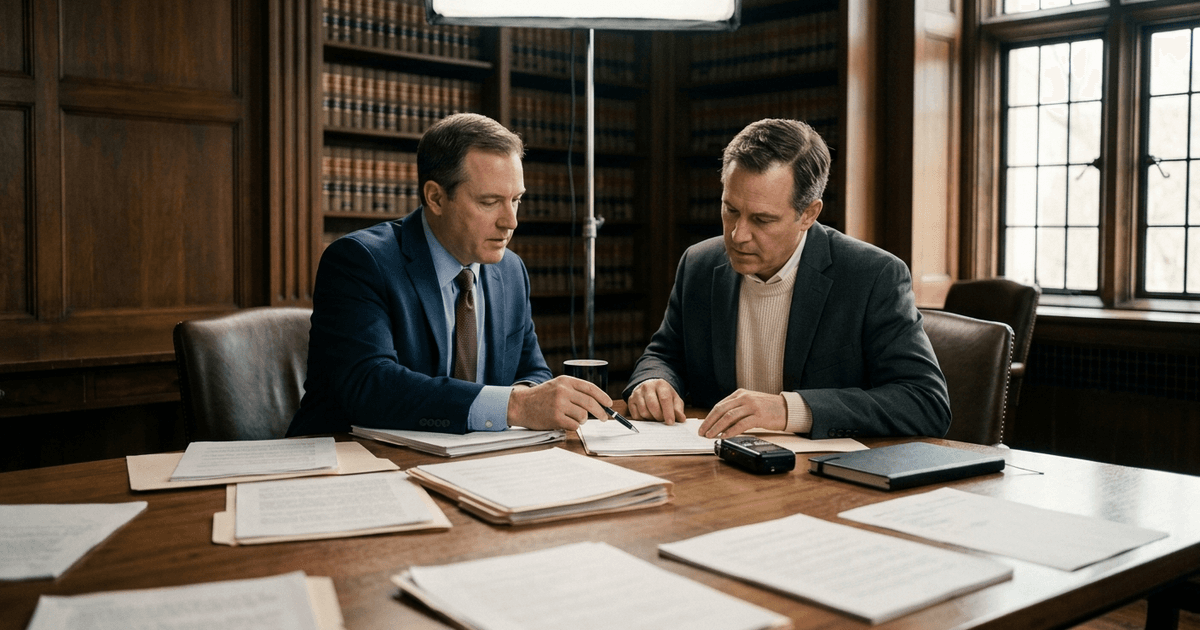
New Mexico Smart Glasses Recording Laws (2026)
New Mexico is a one-party consent state under NMSA 30-12-1. Learn what smart glasses audio and video recording laws apply, voyeurism rules, and penalties.
14 min read
906 articles · page 10 of 16
New Mexico is a one-party consent state under NMSA 30-12-1. Learn what smart glasses audio and video recording laws apply, voyeurism rules, and penalties.
Learn New Mexico video recording laws. No general ban on filming in public. Voyeurism under § 30-9-20 and unauthorized intimate image distribution carry criminal penalties.
Learn New Mexico voyeurism laws under N.M. Stat. Ann. § 30-9-20. Hidden cameras in private places are illegal. Penalties, intimate image distribution rules, and defenses.
Learn New Mexico workplace recording laws. Employees can record in-person conversations without consent. Employer surveillance rules, NLRA protections, and company policy limits.
NSW prohibits recording a private conversation without consent, but a broad personal-use exception under s.7(3)(b) of the Surveillance Devices Act 2007 covers most private recording. Penalties reach $33,000 or 5 years imprisonment.
New York audio recording laws allow one-party consent under Penal Law 250.00. Learn when you can legally record conversations, penalties for eavesdropping, and court admissibility rules.
New York's court system banned camera and microphone smart glasses from all 1,240-plus state courthouses, effective July 20, 2026. What the rule covers.
New York dashcam laws allow dashboard cameras but restrict windshield mounting under VTL 375. Learn placement rules, audio recording consent, and how dashcam footage works as evidence.
New York landlord-tenant recording laws allow tenants to record interactions under one-party consent. Learn rules for security cameras, landlord surveillance, and tenant rights.
New York law protects recording in public spaces under the First Amendment. Learn the rules for filming on streets, in stores, at protests, and when privacy limits apply.
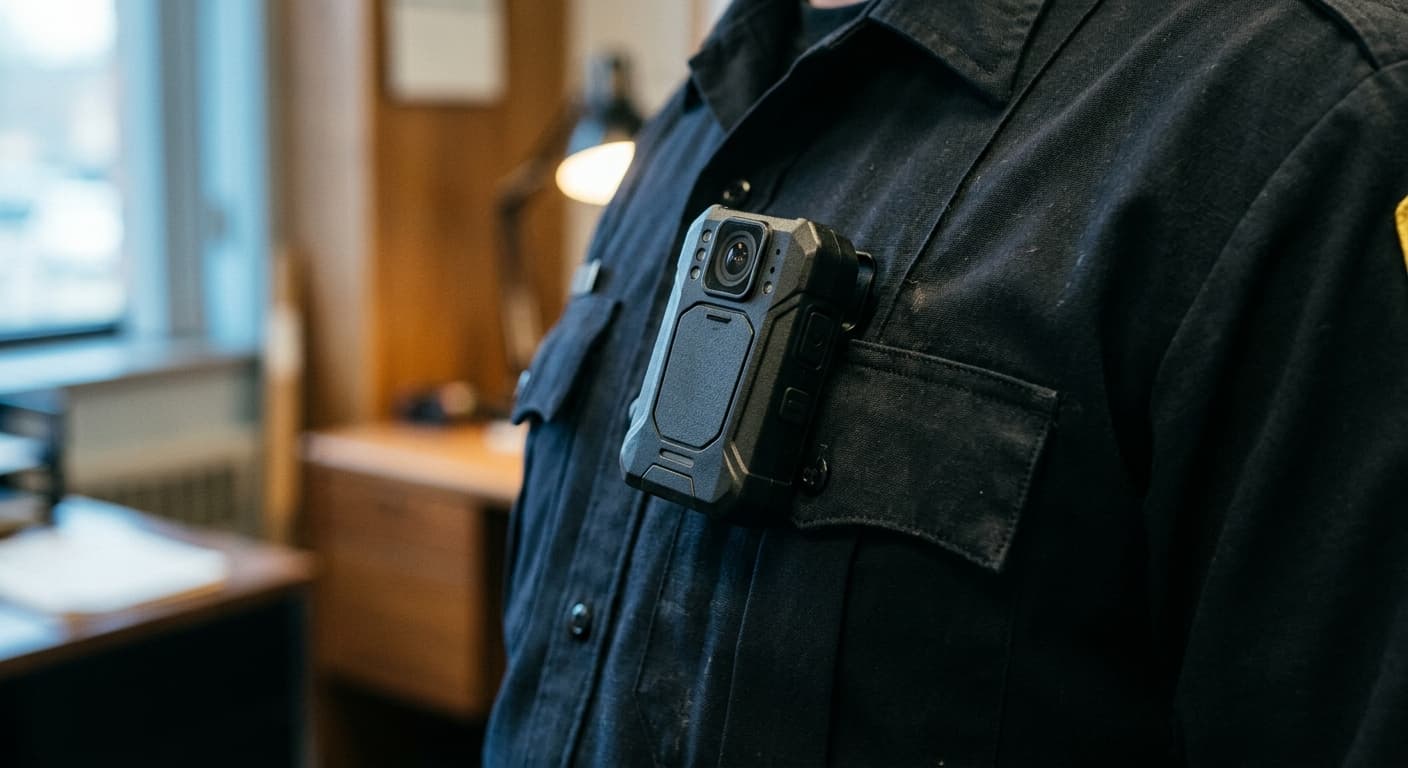
New York law protects your right to record police officers in public under the First Amendment. Learn the rules for filming police, body camera laws, and how to handle encounters.
New York medical recording laws allow patients to record their own appointments under one-party consent. Learn about HIPAA, provider policies, telehealth recording, and healthcare privacy rules.
New York phone call recording laws follow one-party consent under Penal Law 250.00. Learn when you can record calls, cross-state rules, business recording, and VoIP call rules.
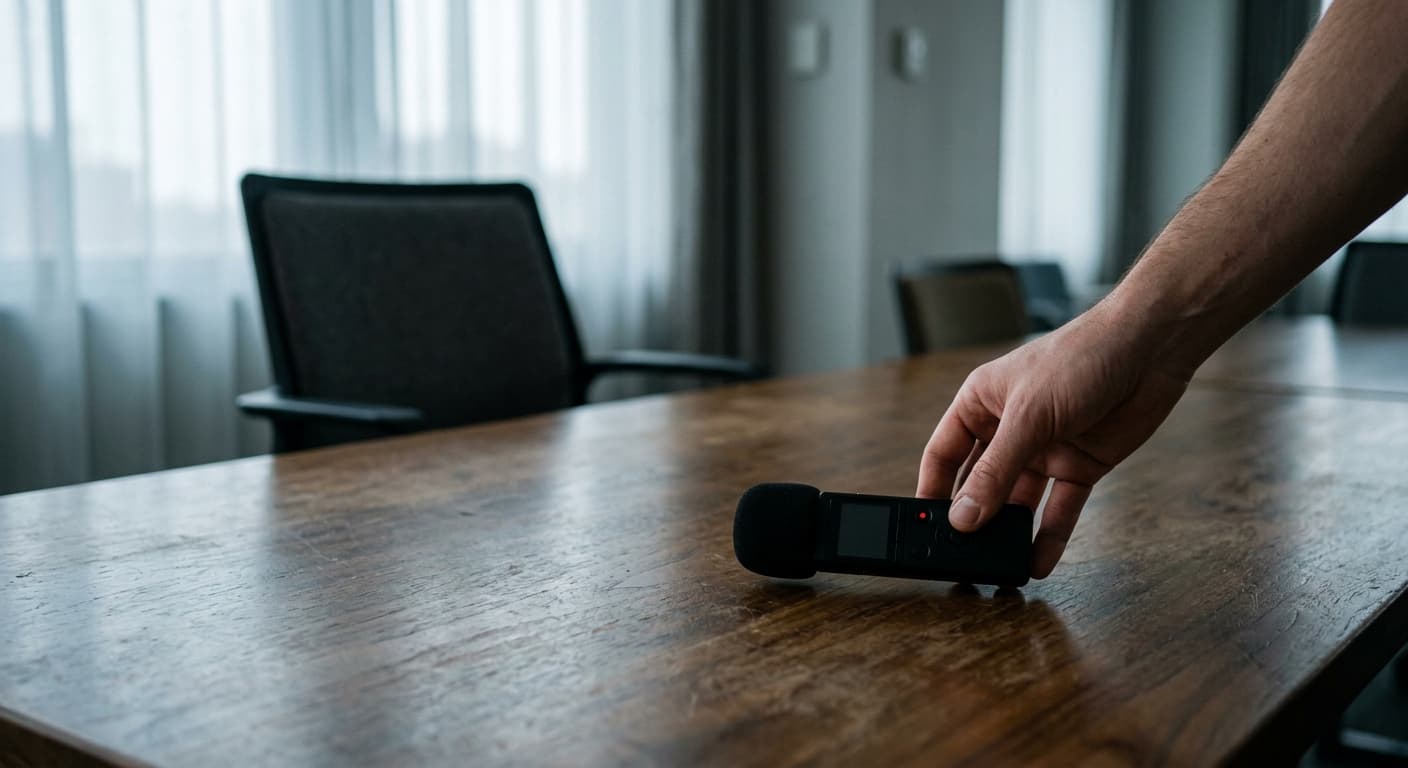
New York is a one-party consent state under Penal Law section 250.05. Learn the consent rule, criminal penalties, hidden-camera law, and the Right to Record Act.
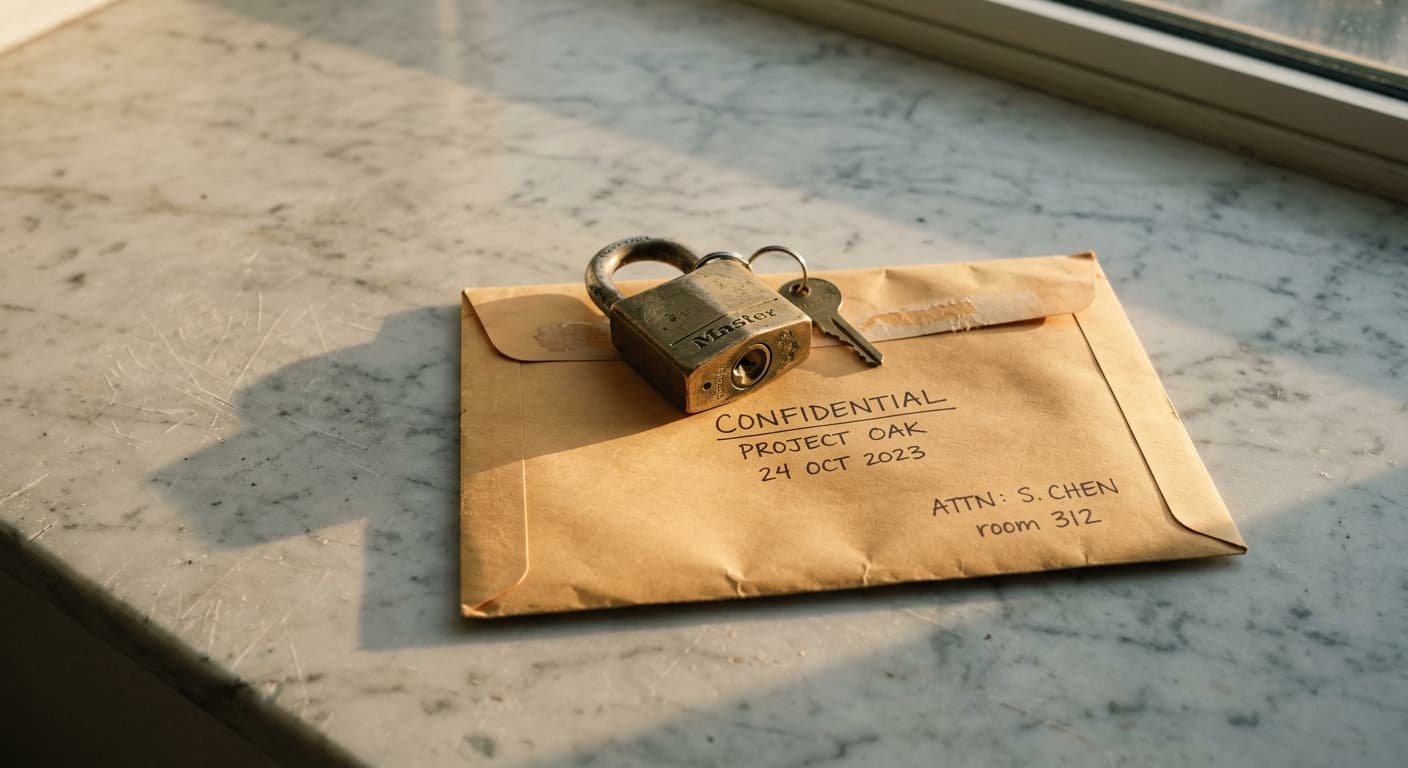
New York school recording laws balance one-party consent with FERPA and Education Law 2-d. Learn when students, parents, and teachers can record in classrooms, meetings, and on campus.
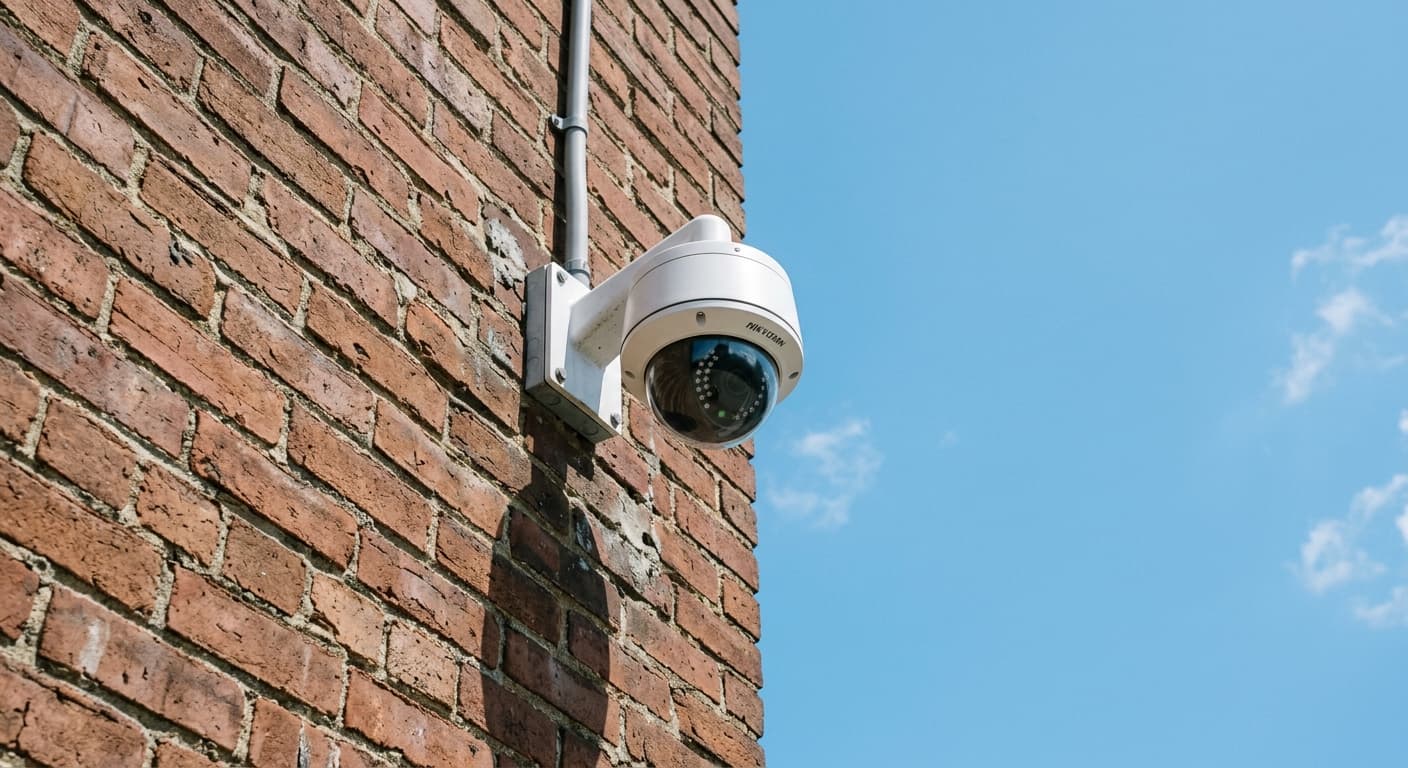
New York security camera laws permit surveillance in public areas but ban cameras in private spaces under Penal Law 250.45. Learn rules for homes, businesses, rentals, and NYC regulations.

NY is one-party consent. Smart glasses audio recording is lawful when you are a participant. Covert recording is a Class E felony under Penal Law § 250.05.
New York video recording laws permit filming in public but criminalize unlawful surveillance under Penal Law 250.45. Learn when video recording is legal, penalties, and privacy rules.
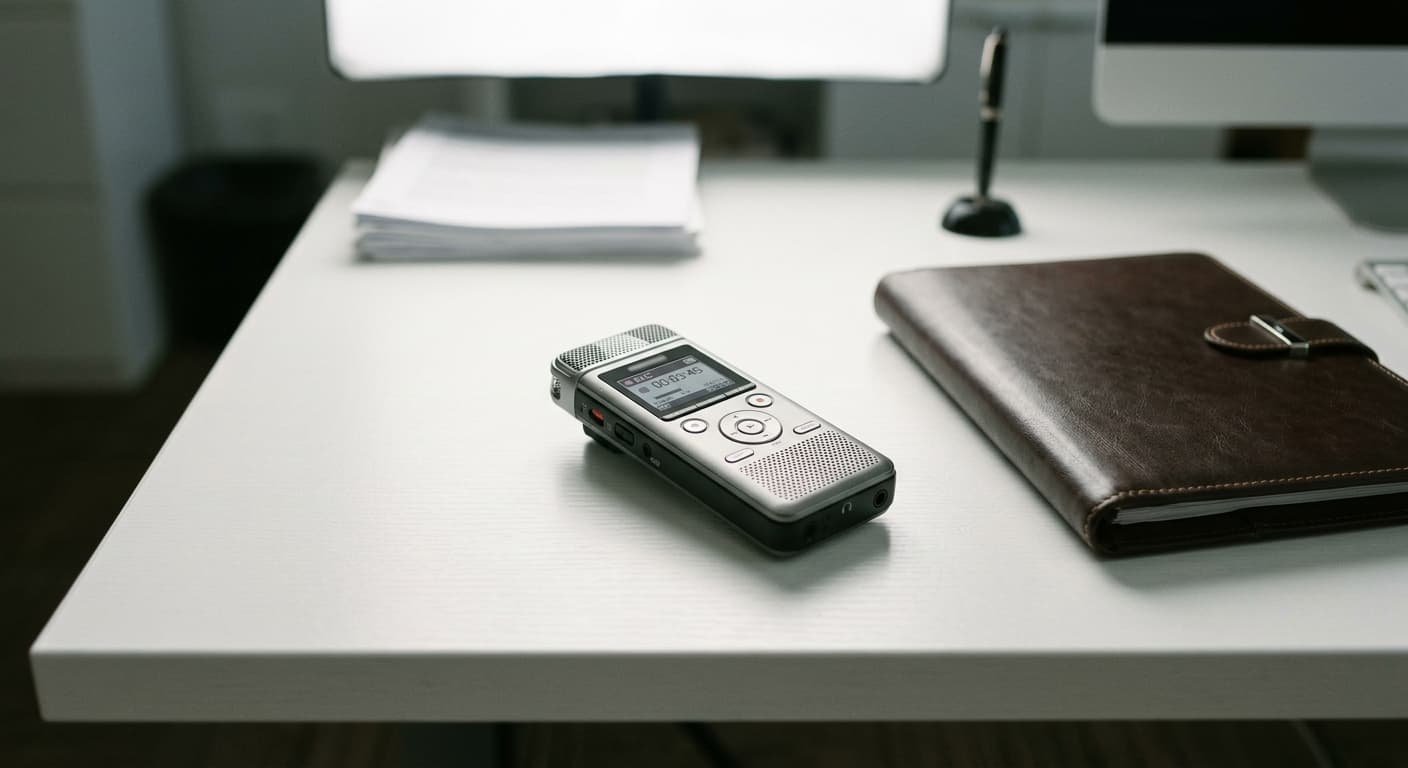
New York voyeurism and hidden camera laws criminalize unlawful surveillance under Penal Law 250.45. Learn about upskirting, revenge imagery, penalties, and proposed voyeurism statutes.
New York workplace recording laws allow employees to record conversations under one-party consent. Learn about CVR 52-c employer monitoring notice, NLRB protections, and whistleblower rules.

New York's synthetic performer law took effect June 9, 2026: advertisers must disclose AI-generated humans in ads. What it requires, penalties, exemptions.
New Zealand uses one-party consent under Crimes Act s.216B. Full guide: Privacy Act 2020, intimate visual recording, Deepfake Bill 2025, workplace rules, and penalties up to 3 years.
NL follows Canada's one-party consent rule for recording. Learn Criminal Code s. 184 rules, the NL Privacy Act civil tort, PIPEDA, and penalties.
Nigeria has no statute barring participant recording, but no confirmed case law establishes a one-party consent rule either. Learn what the Cybercrimes Act, NDPA, and Constitution actually say, and how penalties and admissibility work.
Learn North Carolina audio recording laws under N.C. Gen. Stat. 15A-287. Covers one-party consent rules, privacy expectations, devices, and penalties.
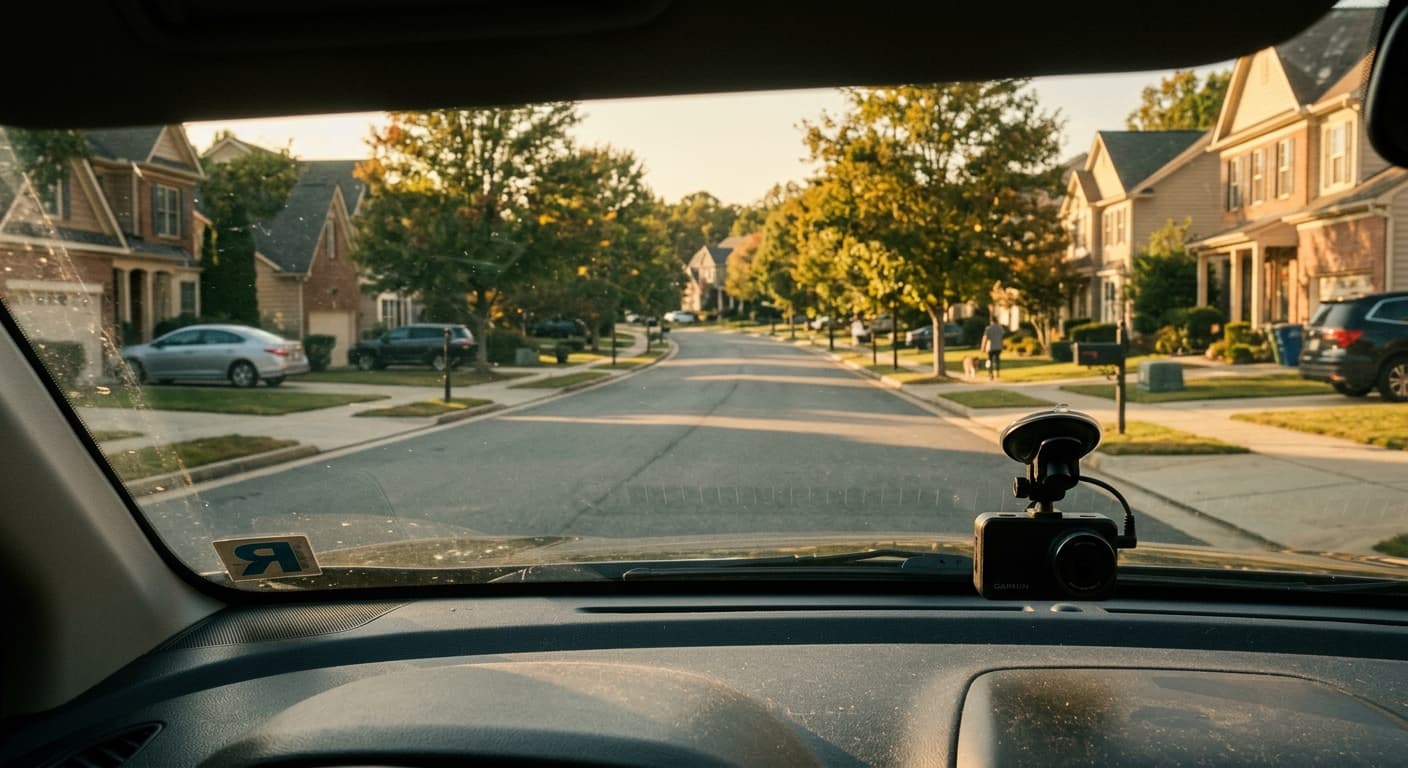
Learn North Carolina dashcam laws covering legal mounting, audio recording rules, evidence use, windshield obstruction under N.C. Gen. Stat. 20-127, and more.
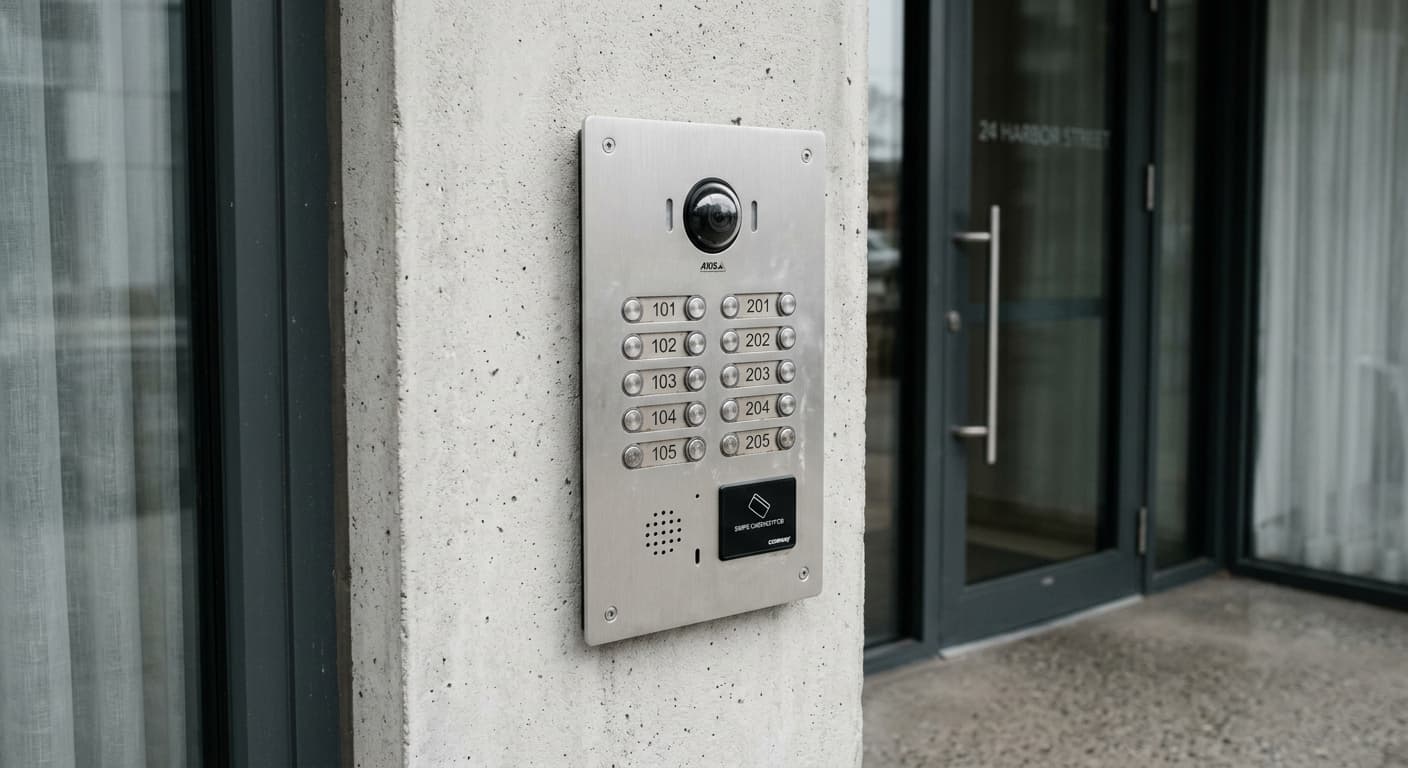
Learn North Carolina landlord-tenant recording laws. Covers tenant recording rights, landlord camera rules, security deposit evidence, and rental privacy.
Learn North Carolina public recording laws covering video and audio in public spaces, government meetings, private businesses, protests, and drone recording.
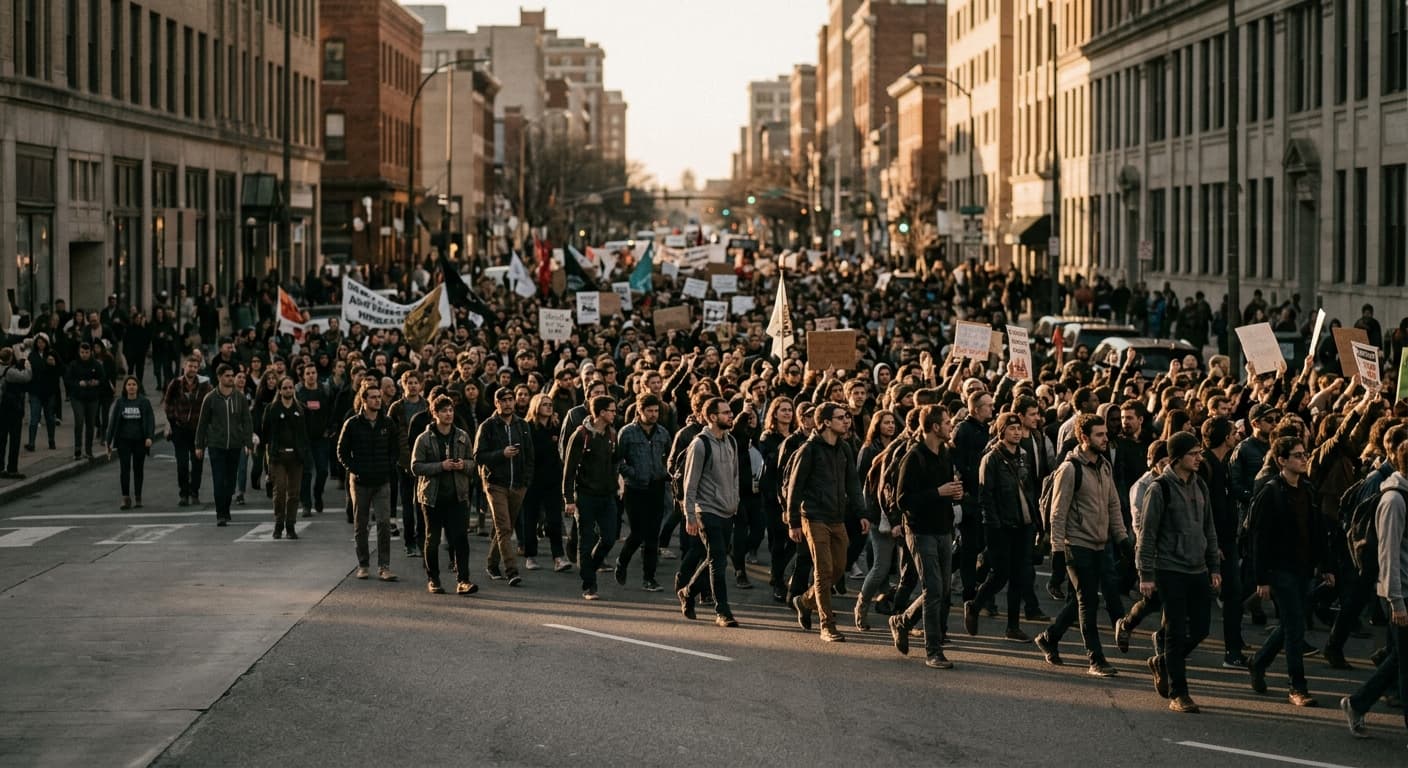
Learn your rights to record police in North Carolina. Covers First Amendment protections, body camera access under HB 972, and limits on recording officers.
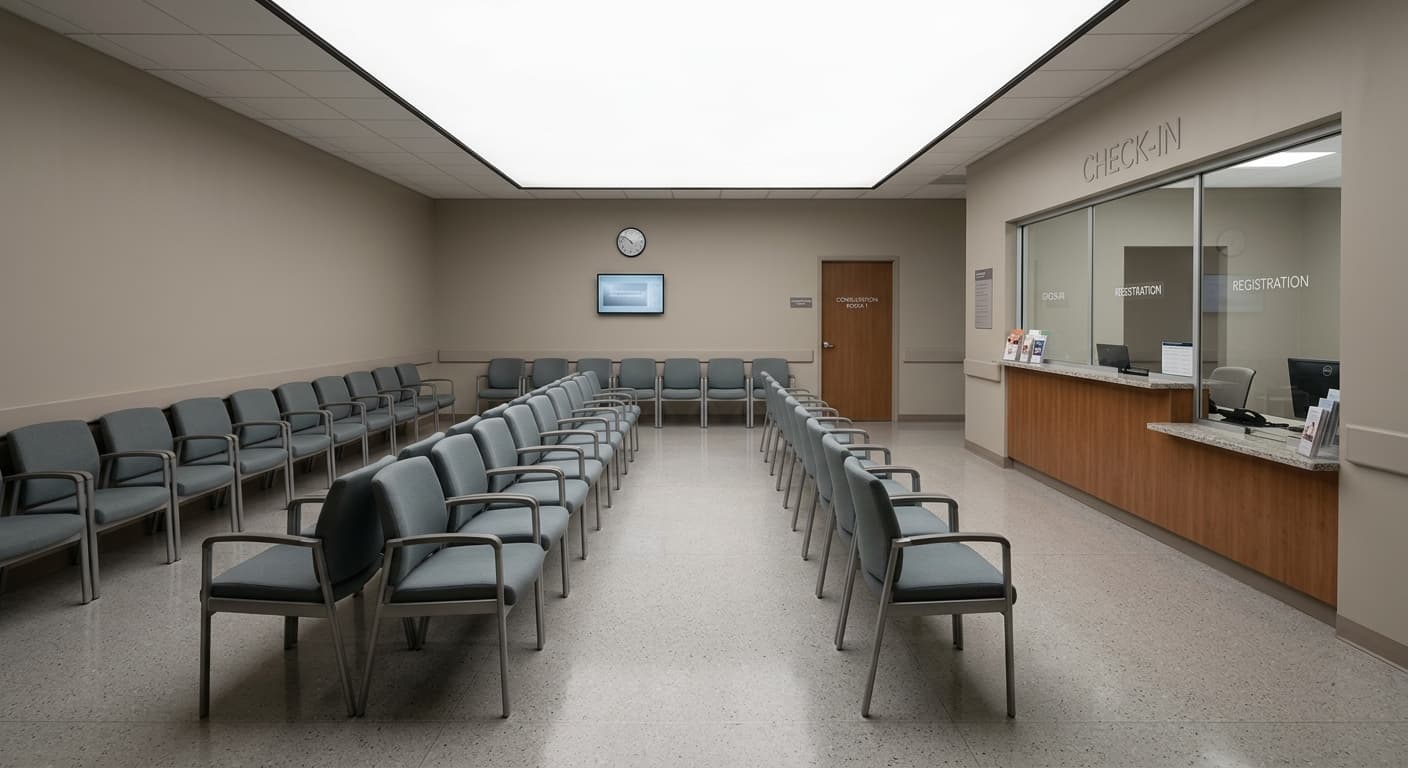
Learn North Carolina medical recording laws covering patient rights to record doctor visits, HIPAA rules, NC Medical Board policy, and using recordings as evidence.
Learn North Carolina phone call recording laws under N.C. Gen. Stat. 15A-287. One-party consent rules, interstate call guidelines, penalties, and evidence use.
North Carolina is a one-party consent state under N.C. Gen. Stat. § 15A-287. Recording your own calls is legal. Secret interception is a Class H felony with civil damages under § 15A-296.
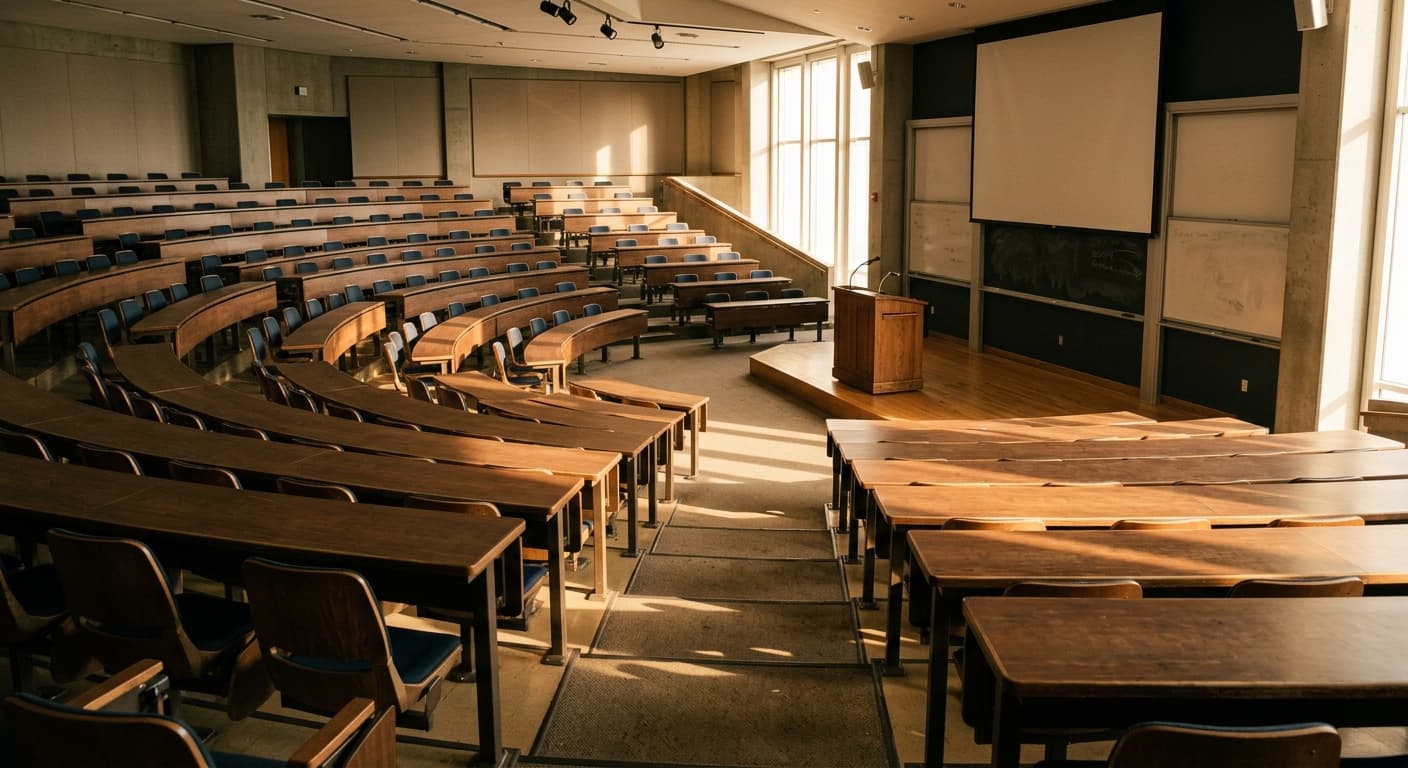
Learn North Carolina school recording laws covering parent rights, student privacy under FERPA, IEP meeting recording, school cameras, and classroom rules.
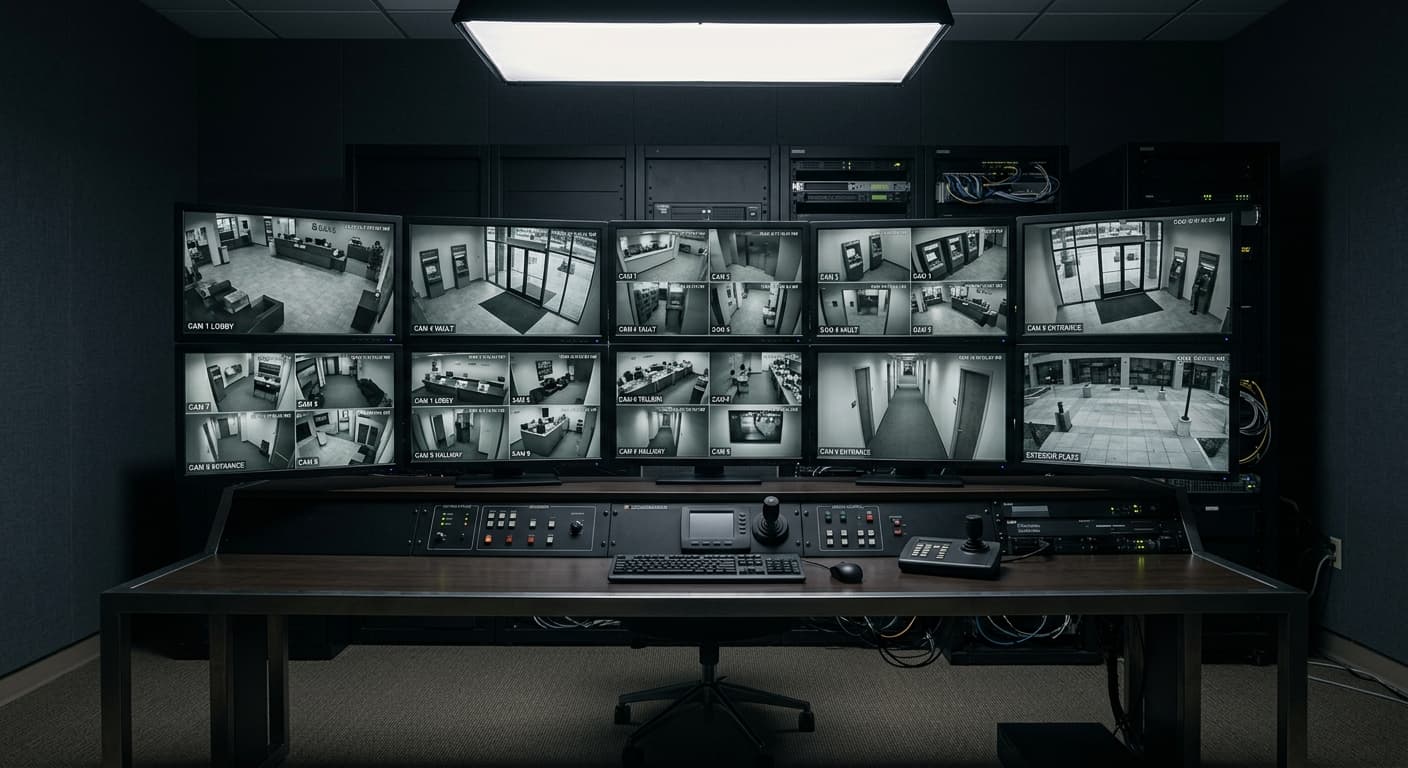
Learn North Carolina security camera laws for homes and businesses. Covers placement rules, audio recording restrictions, HOA regulations, and privacy limits.
North Carolina is one-party consent under § 15A-287: any participant can record. Learn how smart glasses audio, video, and voyeurism laws apply in NC.
Learn North Carolina video recording laws covering public filming rights, voyeurism penalties under N.C. Gen. Stat. 14-202, and nonconsensual intimate images.
Learn North Carolina voyeurism and hidden camera laws under N.C. Gen. Stat. 14-202. Covers secret peeping penalties, revenge porn, deepfakes, and victim rights.
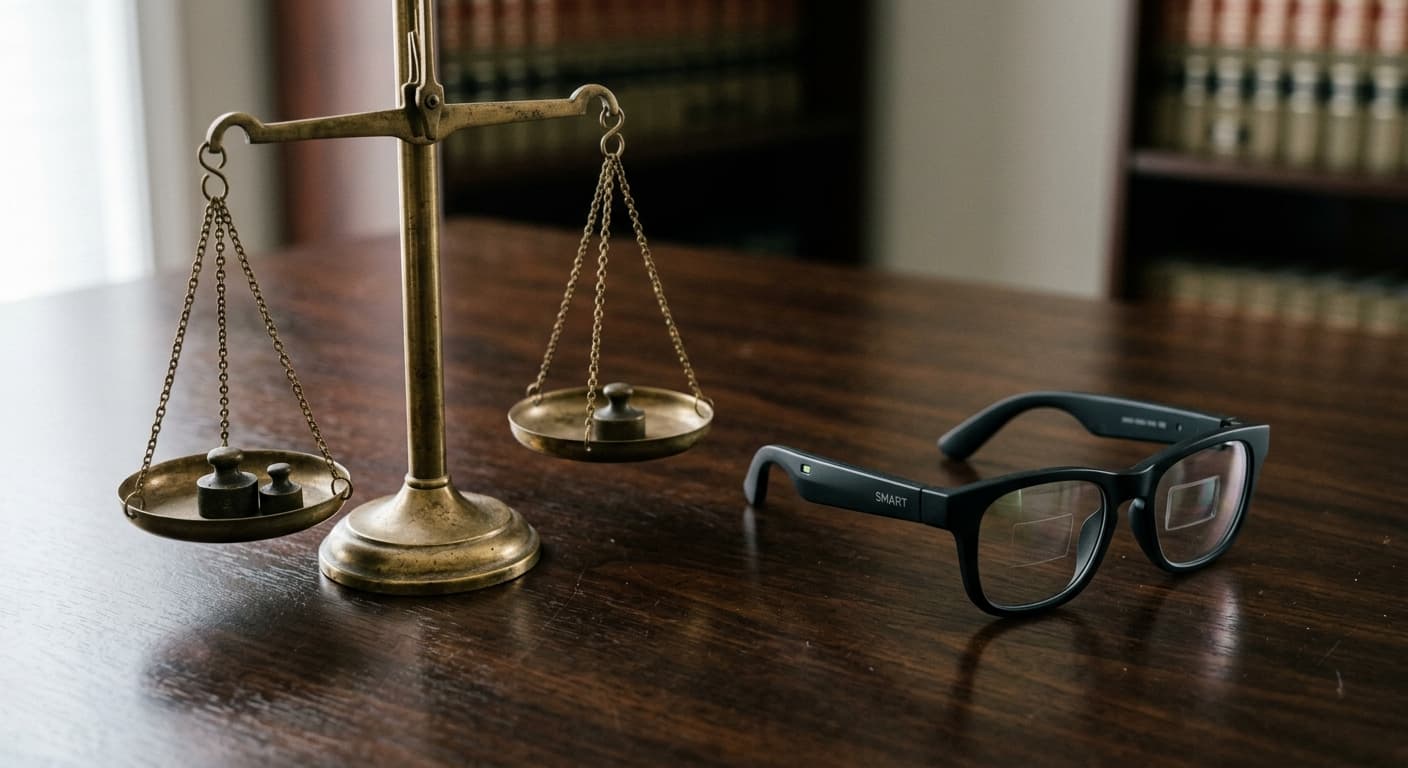
Learn North Carolina workplace recording laws for employees and employers. Covers one-party consent, surveillance rules, no-recording policies, and NLRA rights.
Learn North Dakota audio recording laws under N.D.C.C. § 12.1-15-02. One-party consent allows recording calls and conversations. Class C felony penalties for violations.
Learn North Dakota dashcam laws. Legal to use with no specific mounting restrictions. Audio follows one-party consent. Using dashcam footage as evidence in court.
Learn North Dakota landlord-tenant recording laws. Tenants can record conversations under one-party consent. Landlord surveillance rules, security deposit evidence, and hidden cameras.
Learn your rights to record police in North Dakota. Eighth Circuit principles, First Amendment protections, body camera rules, and what to do if officers interfere.
Learn North Dakota medical recording laws. Patients can record appointments under one-party consent. HIPAA rules, telemedicine recording, hospital cameras, and malpractice evidence.
Learn North Dakota phone call recording laws under N.D.C.C. § 12.1-15-02. Record calls you participate in. Interstate rules with Montana, business recording, and VoIP consent.
Learn your rights to record in public in North Dakota. First Amendment protections, Open Records and Meetings Law, government buildings, and public event recording.
North Dakota is a one-party consent state under N.D. Cent. Code 12.1-15-02(3)(c). Learn the consent rule, penalties, hidden-camera laws, and police-recording rights.

Learn North Dakota school recording laws. Student and parent recording rights under one-party consent. School surveillance, IEP meetings, FERPA, and classroom recording rules.
Learn North Dakota security camera laws for homes and businesses. No permits required. Audio recording rules, neighbor disputes, HOA restrictions, and privacy limits.
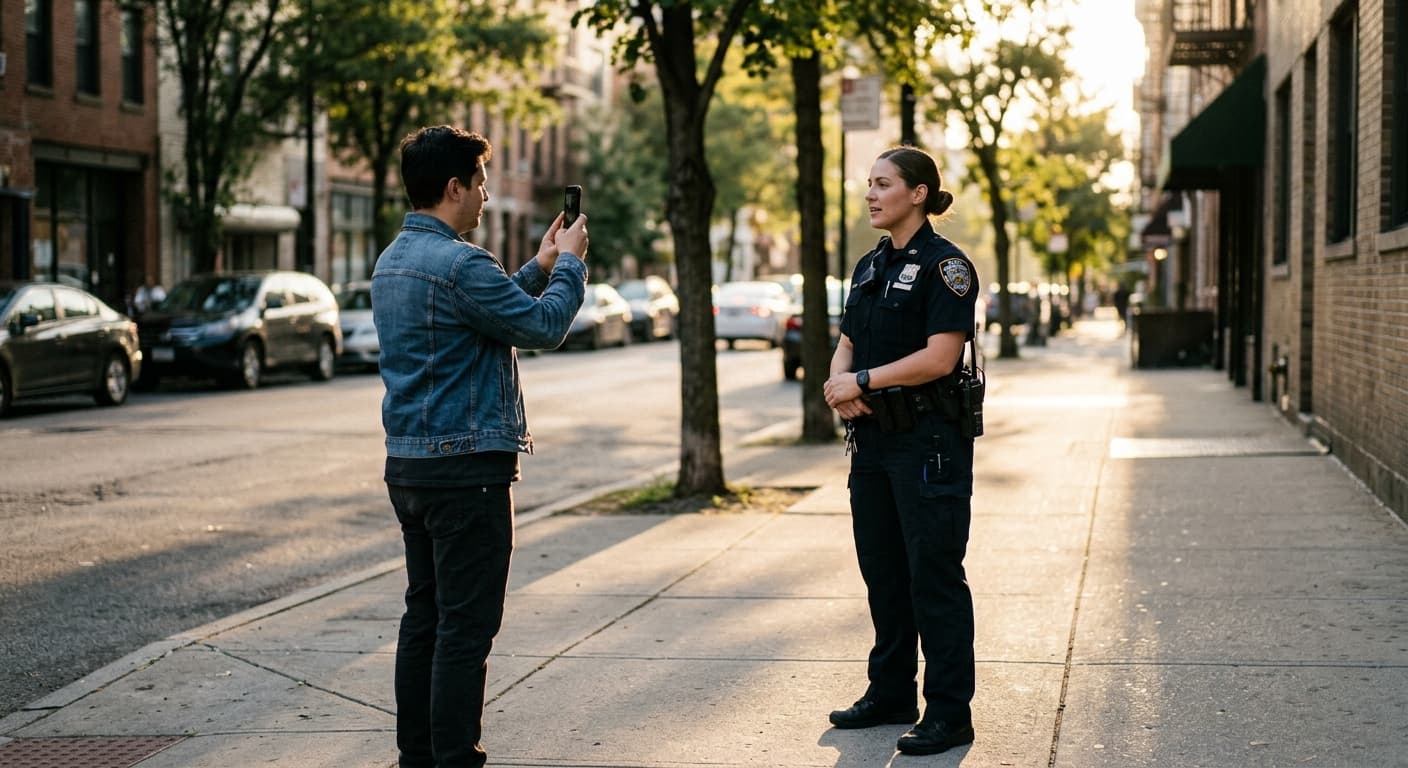
North Dakota is a one-party consent state under N.D.C.C. § 12.1-15-02. Learn what you can legally record with smart glasses, where recording is prohibited, and penalties for violations.
Learn North Dakota video recording laws. No general ban on public filming. Privacy protections under N.D.C.C. § 12.1-17-07.2 for intimate images. Workplace and property rules.
Learn North Dakota voyeurism and hidden camera laws. Privacy protections, intimate image distribution penalties under N.D.C.C. § 12.1-17-07.2, and hidden camera rules.
Learn North Dakota workplace recording laws under N.D.C.C. § 12.1-15-02. One-party consent for employee recordings. Employer surveillance, NLRA protections, and company policies.
The NT's Surveillance Devices Act 2007 only prohibits recording a private conversation you are not part of, so a participant is outside the offence. Penalties, publication rules, and intimate image offences under primary-source verified law.
Northwest Territories follows Canada's federal one-party consent rule. Any party may record a conversation. No territorial private-sector privacy act; PIPEDA applies. Full guide.
Norway follows one-party consent under Straffeloven § 205. GDPR via EEA, workplace rules, NCII law § 267a, and AI Act status — updated 2026.
Nova Scotia is one-party consent: record any conversation you are part of. Covers Criminal Code s. 184, PIPEDA, the NS Intimate Images Act, and civil privacy.
Nunavut follows Canada's one-party consent rule under Criminal Code s. 184. Learn what you can legally record and how PIPEDA and ATIPP apply.
Understand Ohio audio recording laws under ORC 2933.52. Learn one-party consent rules for in-person conversations, wearable recorders, and legal penalties.
Learn Ohio dashcam laws including mounting rules under ORC 4513.24, audio recording consent requirements, and how dashcam footage is used as evidence in court.
Learn Ohio landlord-tenant recording laws. Understand tenant privacy rights, landlord surveillance limits, security cameras in rentals, and recording disputes.