
North Carolina
North Carolina Security Camera Laws: Home, Business, and HOA Rules
Independently fact-checked against primary sources (last audited August 15, 2026). · Reviewed by the RecordingLaw editorial team. · Law checked current as of August 8, 2026. · 8 primary sources cited on this page. How we verify our legal content
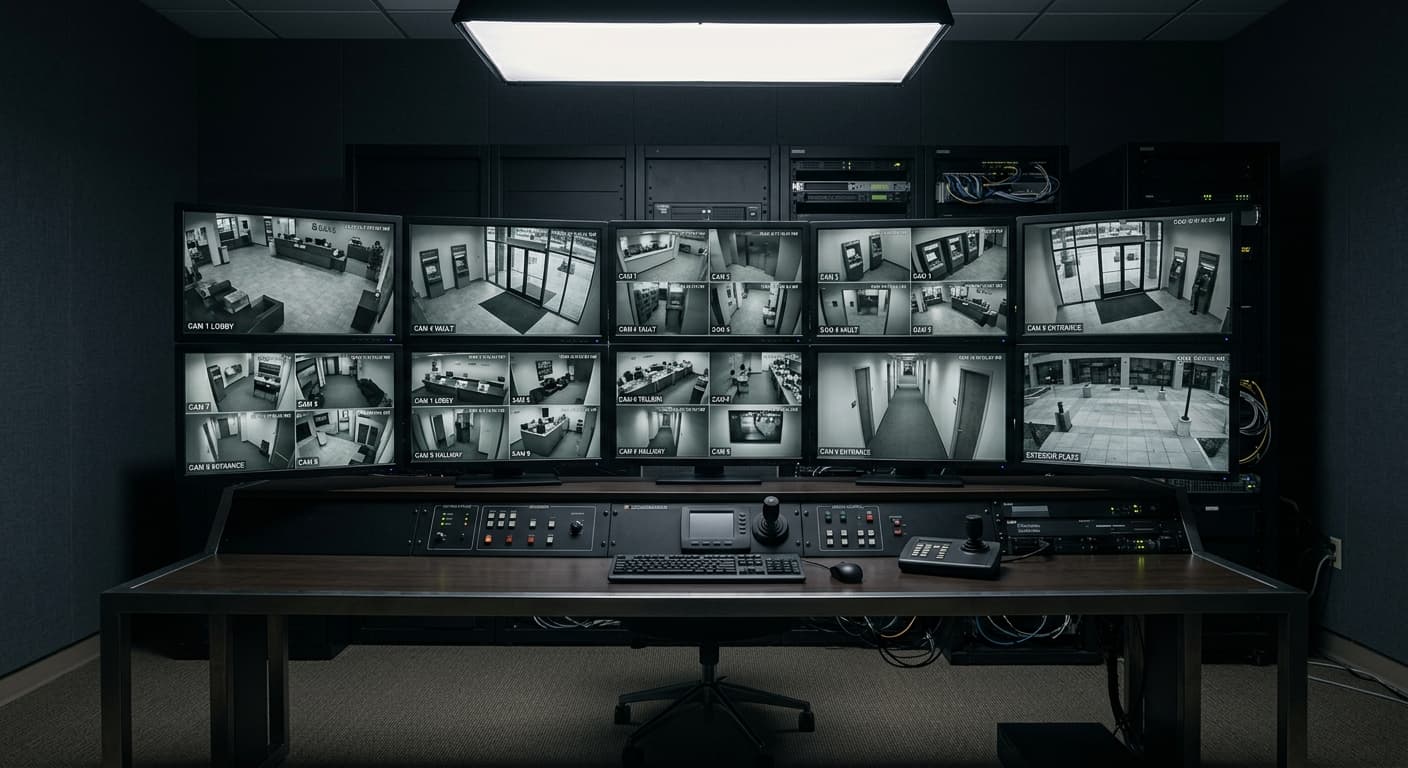
North Carolina homeowners may install security cameras on their own property without a permit. Video recording is legal in public-facing areas; audio recording must satisfy the one-party consent rule under N.C. Gen. Stat. 15A-287. Pointing a camera at a neighbor's private space can violate the voyeurism statute, N.C. Gen. Stat. 14-202.
North Carolina does not have a single comprehensive statute governing security cameras. Instead, security camera use is governed by a combination of the state's wiretapping law, voyeurism statute, common law privacy principles, and local ordinances. Whether you are a homeowner installing cameras around your property, a business owner securing your premises, or a renter wondering what your landlord can monitor, the core legal question is always the same: does the camera intrude on someone's reasonable expectation of privacy?
This guide covers everything you need to know about security camera laws in North Carolina, including residential camera rules, business surveillance requirements, audio recording restrictions, HOA regulations, and the legal boundaries of where you can and cannot point your cameras.
Residential Security Cameras
Can You Install Security Cameras on Your Home?
Yes. North Carolina homeowners have broad rights to install security cameras on their own property. You can place cameras to monitor:
- Your front door, back door, and other entry points
- Your driveway, garage, and carport
- Your yard, patio, and garden
- Your pool area and deck
- The exterior walls and perimeter of your home
There is no state permit or registration required for residential security cameras. You do not need to notify neighbors or local authorities before installing cameras, unless a local ordinance or HOA rule requires it.
Pointing Cameras at Public Areas
Security cameras that capture footage of public areas visible from your property, such as the street, sidewalk, or a shared driveway, are generally permissible. People in public spaces have a reduced expectation of privacy, and incidentally capturing their activities on your security camera does not violate North Carolina law.
The Privacy Boundary: What You Cannot Record
While you can monitor your own property, you cannot use security cameras to invade your neighbors' privacy. Specifically, North Carolina law prohibits:
- Recording areas where neighbors have a reasonable expectation of privacy: Pointing a camera directly into a neighbor's bedroom window, bathroom window, or fenced backyard where they have taken steps to ensure privacy could violate N.C. Gen. Stat. 14-202 (the voyeurism statute)
- Using zoom or telephoto lenses to peer into private spaces: Even if your camera is positioned on your own property, using advanced optics to see into areas not visible to the naked eye crosses the privacy line
- Recording private areas of shared properties: In condominiums, townhomes, or multi-family dwellings, cameras should not capture the private living spaces of other residents
A security camera that incidentally captures a sliver of a neighbor's yard while monitoring your own driveway is typically permissible. A camera positioned to deliberately surveil a neighbor's private activities is not.
Audio Recording With Security Cameras
One-Party Consent and Audio
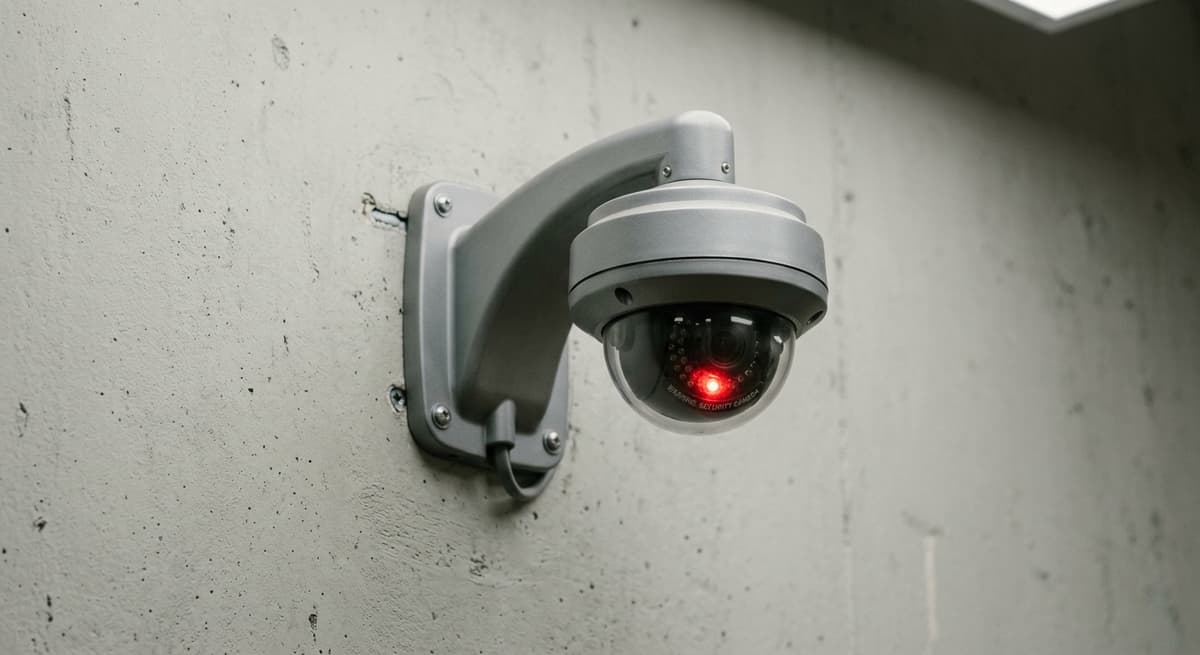
Many modern security cameras include microphones that capture audio alongside video. In North Carolina, the audio recording function triggers the state's wiretapping law under N.C. Gen. Stat. 15A-287.
Under the one-party consent framework, audio recording is legal when at least one party to the conversation consents. For security cameras, this creates a practical issue: if the camera records audio of conversations between visitors, neighbors, or passersby that the camera owner is not part of, no party to those conversations has consented to the recording.
Best Practices for Audio-Equipped Cameras
To stay on the right side of North Carolina law when using security cameras with audio:
- Disable the microphone on outdoor cameras that may capture neighbors' or passersby's conversations
- Post signage notifying visitors that audio and video recording is in progress (this may create implied consent for people who choose to enter the area after seeing the notice)
- Limit audio recording to areas where you regularly participate in conversations, such as your front porch or doorbell camera area
- Use video-only mode for cameras monitoring public-facing areas like your driveway or front yard
Doorbell cameras (like Ring and Nest Hello) are a common gray area. When you use a doorbell camera to have a two-way conversation with a visitor, you are a party to that conversation and can record the audio under one-party consent. When the camera captures conversations between visitors while you are not engaged, the legal analysis becomes less clear.
Business Security Camera Laws
Video Surveillance in Commercial Settings
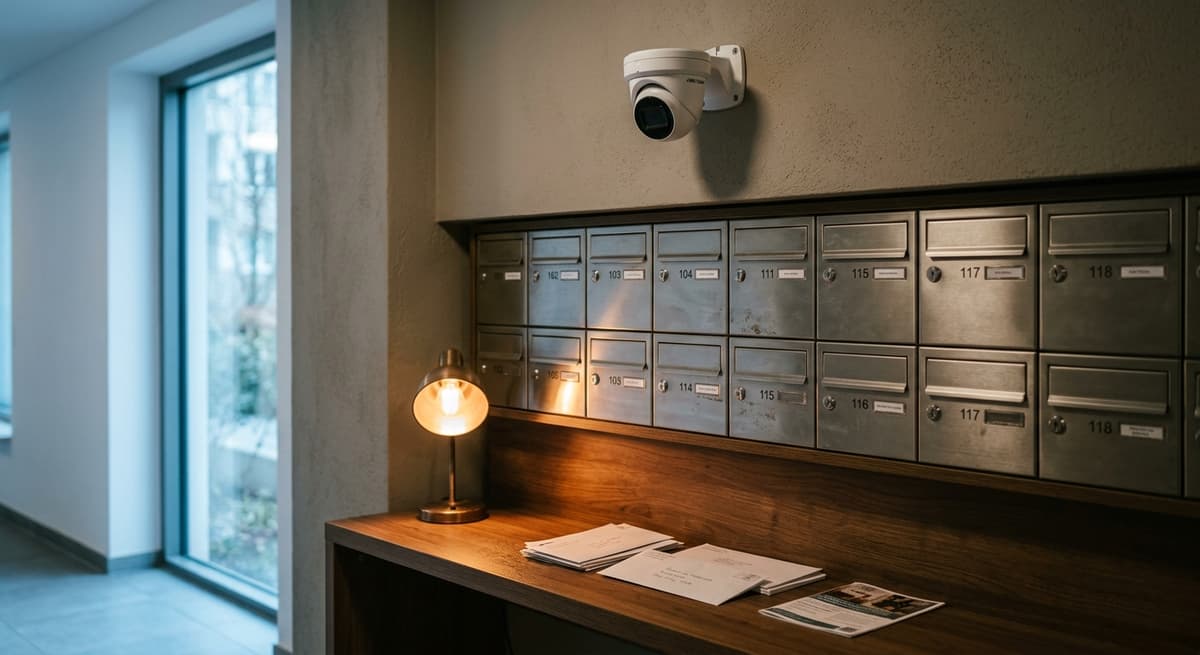
North Carolina businesses can install security cameras throughout their commercial premises for loss prevention, employee safety, and security purposes. Common permissible locations include:
- Sales floors and retail areas
- Entrances, exits, and loading docks
- Parking lots and parking garages
- Warehouses and inventory storage areas
- Hallways and common areas
- Cash register and point-of-sale areas
Prohibited Locations for Business Cameras
Business security cameras cannot be placed in areas where employees or customers have a heightened expectation of privacy:
- Restrooms and bathrooms
- Locker rooms and changing areas
- Lactation rooms
- Fitting rooms in retail stores
- Private offices with closed doors (debatable, depends on circumstances)
Recording in these locations could violate N.C. Gen. Stat. 14-202 and expose the business to criminal prosecution and civil lawsuits.
Employee Notification
While North Carolina does not have a specific statute requiring businesses to notify employees about video surveillance, providing notice is a strong best practice. Businesses should:
- Include a surveillance disclosure in the employee handbook
- Post visible signage in monitored areas
- Inform new employees about camera locations during onboarding
- Document employee acknowledgment of the surveillance policy
Notice reduces any reasonable expectation of privacy and provides a defense against claims of illegal surveillance.
Audio Surveillance in Businesses
The same one-party consent rules apply to business audio surveillance. A business cannot record private conversations between employees or customers unless at least one party to the conversation consents. The safest approach for most businesses is to use video-only surveillance and disable microphones on security cameras.
HOA and Community Association Rules
Can an HOA Restrict Security Cameras?
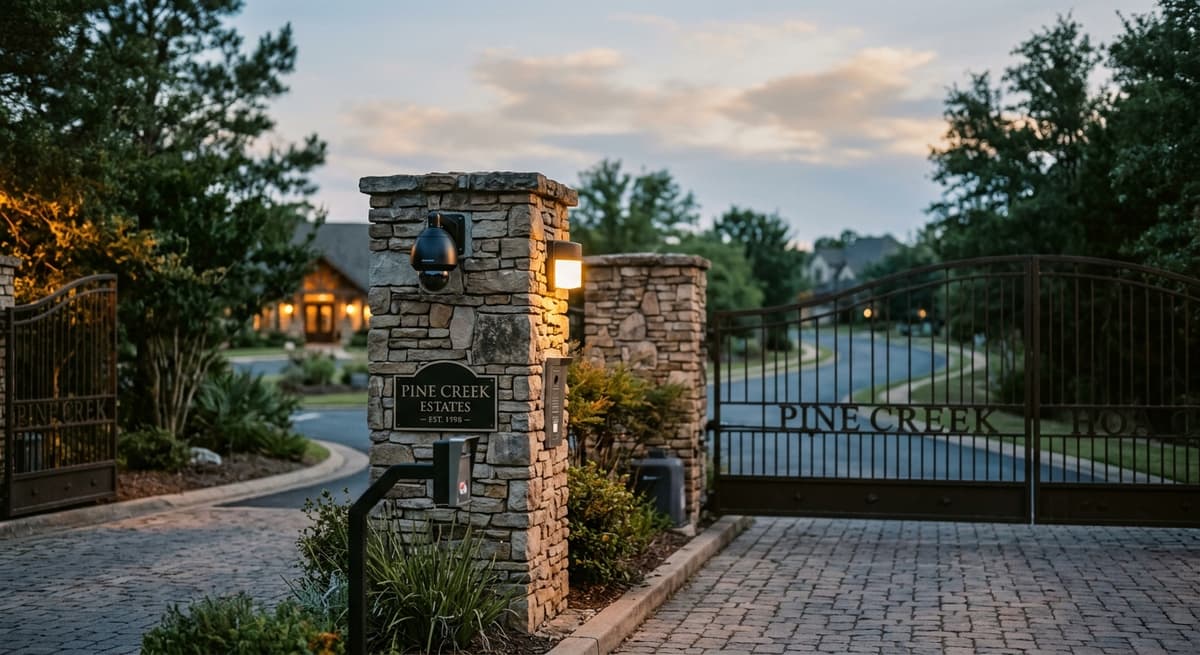
Yes. Homeowners associations in North Carolina can regulate security camera installation through their governing documents:
- CC&Rs (Covenants, Conditions, and Restrictions): May contain provisions about exterior modifications, including camera installation
- Architectural guidelines: Can specify approved camera types, mounting locations, and aesthetic requirements
- Board resolutions: The HOA board may adopt specific rules about security camera placement
Even if the word "camera" does not appear in the CC&Rs, an HOA can often regulate cameras under broader provisions governing exterior modifications, visual impact, or architectural standards.
Balancing Security and Aesthetics
HOAs typically focus on the visual impact of cameras rather than banning them outright. Common HOA requirements include:
- Cameras must be mounted in discrete locations
- Camera housings must match the home's exterior color scheme
- Cameras cannot be placed on common area structures without board approval
- Signage related to security cameras must meet community aesthetic standards
Challenging HOA Camera Restrictions
If you believe your HOA's camera restrictions are unreasonable, you have several options:
- Request a variance or exception from the architectural review committee
- Propose an amendment to the governing documents at a membership meeting
- Consult with an attorney about whether the restriction conflicts with your property rights
- Review N.C. Gen. Stat. Chapter 47F (North Carolina Planned Community Act) for provisions governing HOA authority
Security Camera Footage as Evidence
Using Footage in Court
Security camera footage is regularly used as evidence in North Carolina courts. To maximize the evidentiary value of your footage:
- Preserve the original recording without editing or alteration
- Document the camera system's setup, including camera locations, recording quality, and storage method
- Maintain accurate timestamps by regularly syncing your camera system's clock
- Store footage securely and create backup copies
- Be prepared to authenticate the footage through testimony about how the system operates
How Long to Retain Footage
North Carolina does not mandate a specific retention period for private security camera footage. However, if footage captures an incident that may lead to legal proceedings, you should preserve it until the matter is fully resolved. Many security camera systems overwrite footage automatically after a set period (typically 30 to 90 days), so if you capture something important, download and save it separately.
Law Enforcement Requests for Footage
Police may request your security camera footage as part of an investigation. You are generally not required to provide footage without a court order or warrant. However, voluntarily cooperating with law enforcement by providing footage of criminal activity on or near your property is common and can help resolve investigations quickly.
If you receive a formal subpoena or court order for your footage, you must comply.
Specific Camera Types and Technologies
Doorbell Cameras
Doorbell cameras (Ring, Nest, Arlo, Eufy) are legal in North Carolina and have become one of the most popular forms of residential security. Key considerations:
- The camera should primarily capture your own property and the public approach to your door
- Audio recording follows one-party consent rules (you consent to audio when you engage in two-way communication through the device)
- Cloud storage of footage is subject to the camera manufacturer's privacy policy and terms of service
- Law enforcement has partnered with some doorbell camera companies to request footage, but you are not obligated to share it without a legal process
PTZ (Pan-Tilt-Zoom) Cameras
PTZ cameras that can be remotely directed to different areas raise heightened concerns. While owning a PTZ camera is legal, using the zoom and directional controls to peer into a neighbor's private space could constitute voyeurism under N.C. Gen. Stat. 14-202.
Trail Cameras and Wildlife Cameras
Trail cameras used on your own property for wildlife monitoring or security purposes are legal. If placed on property you do not own (such as public land), check local ordinances and state regulations governing camera placement on public property.
License Plate Readers (LPRs)
Private use of automated license plate reader systems is not specifically regulated by North Carolina state law, but these systems collect data that raises privacy concerns. Several municipalities have adopted ordinances governing LPR use by law enforcement, but private residential use currently falls in a gray area.
Neighbor Disputes Over Security Cameras
Security camera placement is a common source of neighbor disputes in North Carolina. If you believe a neighbor's camera is invading your privacy:
- Talk to your neighbor first and explain your concerns
- Document the camera's position and what it appears to be recording
- If the camera appears to be aimed directly at your private spaces, consult with an attorney about your options under N.C. Gen. Stat. 14-202 or common law invasion of privacy
- Contact your HOA if applicable
- File a police report if you believe the camera constitutes voyeurism
- As a last resort, pursue a civil action for invasion of privacy
North Carolina Recording Laws by Topic
Phone Call Recording | Audio Recording | Video Recording | Workplace Recording | Recording Police | Security Cameras | Recording in Public | Landlord-Tenant | Dashcam Laws | Schools | Medical Recording | Voyeurism & Hidden Cameras
Back to North Carolina Recording Laws
More North Carolina Recording Topics
See Also
- North Carolina Surveillance Camera Laws covers home, HOA, neighbor, workplace, and landlord camera rules in North Carolina.
More North Carolina Laws
Frequently Asked Questions
Do I need a permit to install security cameras on my home in North Carolina?
No. North Carolina does not require any permit or registration for residential security cameras. You can install cameras on your own property to monitor your home, yard, and driveway without notifying local authorities. However, check your HOA rules if you live in a planned community, as your association may have guidelines about camera placement and appearance.
Can my security camera record my neighbor's property in North Carolina?
Your camera can incidentally capture portions of a neighbor's property that are visible from your own property. However, you cannot deliberately point cameras at areas where your neighbor has a reasonable expectation of privacy, such as bedroom or bathroom windows. Doing so could violate N.C. Gen. Stat. 14-202 (the voyeurism statute).
Is it legal for security cameras to record audio in North Carolina?
Audio recording on security cameras must comply with North Carolina's one-party consent law (N.C. Gen. Stat. 15A-287). You can record audio when you are participating in the conversation (such as through a doorbell camera intercom). Cameras that record conversations you are not part of may violate the wiretapping statute. The safest practice is to disable audio on outdoor cameras.
Can a business install security cameras without telling employees in North Carolina?
North Carolina does not have a specific statute requiring employers to notify employees about video surveillance. However, posting signage and including a surveillance policy in the employee handbook is strongly recommended. Cameras cannot be placed in restrooms, locker rooms, changing areas, or other locations with heightened privacy expectations.
Can my HOA ban security cameras in North Carolina?
An HOA can regulate camera placement through CC&Rs and architectural guidelines but typically cannot ban cameras outright given the legitimate security interest they serve. HOAs usually focus on aesthetic requirements like camera color, mounting location, and visibility. Review your governing documents and consult with an attorney if you believe your HOA's restrictions are unreasonable.
Updates
Independently fact-checked against the cited primary sources
Governing law re-checked for recent changes
Fixed ncleg.net URLs to ncleg.gov (9 occurrences).
Reviewed and approved by an editor
The Law Behind This Article
This article rests on the statutory provisions below, held in our own legal record and retrieved from the official source. Tap a section to read the operative text.
North Carolina General Statutes, Chapter 15A: Criminal Procedure Act.
§ 15A-287Interception and disclosure of wire, oral, or electronic communications prohibitedIn forcecited in 18 of our articles
(a) Except as otherwise specifically provided in this Article, a person is guilty of a Class H felony if, without the consent of at least one party to the communication, the person: (1) Willfully intercepts, endeavors to intercept, or procures any other person to intercept or endeavor to intercept, any wire, oral, or electronic communication. (2) Willfully uses, endeavors to use, or procures any other person to use or endeavor to use any electronic, mechanical, or other device to intercept any oral communication when: a. The device is affixed to, or otherwise transmits a signal through, a wire, cable, or other like connection used in wire communications; or b. The device transmits communications by radio, or interferes with the transmission of such communications.
Official text (excerpt) · last checked 2026-07-29 · Read the full text in our law library · Verify at ncleg.gov
Cited in 12 court opinions in our collectionLatest citing opinion in our collection: 2026
In the courts (editorial summary, independently checked):North Carolina courts apply Section 15A-287 to private recording. Kroh v. Kroh (2002) held it reaches one spouse's nonconsensual audio recording of the other in the family home, not video without sound, and adopted vicarious consent by a custodial parent. State v. McGriff (2002) held interception is not willful absent a bad purpose.
Opinions citing this section in our collection:
- State v. McGriff (Court of Appeals of North Carolina 2002, 151 N.C. App. 631)✓A neighbor's cordless phone picked up a call in which a girl said McGriff had tried to force oral sex on her, and she listened about an hour; the court held listening out of concern for a minor was not willful interception under Section 15A-287(a)(1), so the evidence came in.
- Wright v. TOWN OF ZEBULON (Court of Appeals of North Carolina 2010, 202 N.C. App. 540)✓A police chief hid a transmitter under a sergeant's patrol car seat to test whether he tipped off drug dealers; the court affirmed summary judgment on his Section 15A-287(a)(1) claim, finding the public safety purpose meant the interception was not willful.
- Kroh v. Kroh (Court of Appeals of North Carolina 2002, 152 N.C. App. 347)“…rs to intercept, . . . any . . . oral . . . communication.” G.S. § 15A-287(a)(l). An “oral communication” includes…”
Identified automatically from the court opinions citing this section — not a ranking of which case controls.
Also relied on in: North Carolina Smart Glasses Recording Laws 2026, North Carolina Video Recording Laws: Public, Private, and Voyeurism Rules, North Carolina Recording Laws (2026): One-Party Consent Rules
North Carolina General Statutes, Chapter 14: Criminal Law.
§ 14-202Secretly peeping into room occupied by another personIn forcecited in 12 of our articles
(a) Any person who shall peep secretly into any room occupied by another person shall be guilty of a Class 1 misdemeanor. (a1) Unless covered by another provision of law providing greater punishment, any person who secretly or surreptitiously peeps underneath or through the clothing being worn by another person, through the use of a mirror or other device, for the purpose of viewing the body of, or the undergarments worn by, that other person without their consent shall be guilty of a Class 1 misdemeanor. (b) The following definitions apply in this section: (1) Photographic image. - Any photograph or photographic reproduction, still or moving, or any videotape, motion picture, or live television transmission, or any digital image of any individual. (2) Private area of an individual. - The naked or undergarment clad genitals, pubic area, buttocks, or female breast of that individual. (3) Room. - Includes, but is not limited to, a bedroom, a rest room, a bathroom, a shower, a dressing room, a dressing stall, a cubicle, or other similar area designed to provide privacy. (4) Under circumstances in which that individual has a reasonable expectation of privacy.
Official text (excerpt) · last checked 2026-07-29 · Read the full text in our law library · Verify at ncleg.gov
Cited in 17 court opinions in our collectionLatest citing opinion in our collection: 2026
In the courts (editorial summary, independently checked):In Matter of Banks (1978) the North Carolina Supreme Court upheld G.S. 14-202 against vagueness and overbreadth challenges, reading secret peeping to require spying intended to invade the occupant's privacy. State v. Pell (2011) applied its sex offender registration provision and reversed an order unsupported by evidence.
Opinions citing this section in our collection:
- Matter of Banks (Supreme Court of North Carolina 1978, 295 N.C. 236)✓A trial judge held the secret peeping statute unconstitutional. The court reversed, construing the statute to reach only spying done with the wrongful purpose of invading the occupant's privacy, and held it was neither impermissibly vague nor overbroad on that reading.
- State v. Breathette (Court of Appeals of North Carolina 2010, 202 N.C. App. 697)“…any child of either sex under the age of 16 years. N.C. Gen. Stat. § 14-202 .l(a)(l)-(2). The statute is unambiguou…”
- State v. Pell (Court of Appeals of North Carolina 2011, 211 N.C. App. 376)✓A man pleaded guilty to eight counts of felony secret peeping and was ordered onto the sex-offender registry. The court held the danger-to-the-community standard in this section is not vague, but reversed the registration order because the risk evidence did not support it.
Identified automatically from the court opinions citing this section — not a ranking of which case controls.
Also relied on in: North Carolina Audio Recording Laws: One-Party Consent Rules, North Carolina Landlord-Tenant Recording Laws: Cameras and Consent, North Carolina School Recording Laws: Student, Parent, and Campus Rules
Explore the law
This article also draws on these acts and chapters (opening at their first section): North Carolina General Statutes, Chapter 15A: Criminal Procedure Act. § 15A-101 (Definitions) · North Carolina General Statutes, Chapter 47F: North Carolina Planned Community Act. § 47F-1-101 (Short title)
Related law for further reading — not part of this article’s citations.
Search our full record of US law — 2.1 million sections, every state + federal →
Sources and References
- N.C. Gen. Stat. Chapter 15A, Article 16 - Electronic Surveillance(ncleg.gov).gov
- N.C. Gen. Stat. 15A-287 - Interception and Disclosure Prohibited(ncleg.net).gov
- N.C. Gen. Stat. 14-202 - Secretly Peeping into Room(ncleg.net).gov
- N.C. Gen. Stat. Chapter 47F - NC Planned Community Act(ncleg.net).gov
- NC Courts Structured Sentencing Punishment Grids(nccourts.gov).gov
- N.C. Gen. Stat. 15A-287 - Interception and Disclosure Prohibited(ncleg.gov).gov
- N.C. Gen. Stat. 14-202 - Secretly Peeping into Room(ncleg.gov).gov
- N.C. Gen. Stat. Chapter 47F - NC Planned Community Act(ncleg.gov).gov