North Dakota
North Dakota Dashcam Laws: Mounting, Audio, and Evidence Rules (2026)
Independently fact-checked against primary sources (last audited August 15, 2026). · Reviewed by the RecordingLaw editorial team. · Law checked current as of August 15, 2026. · 3 primary sources cited on this page. How we verify our legal content
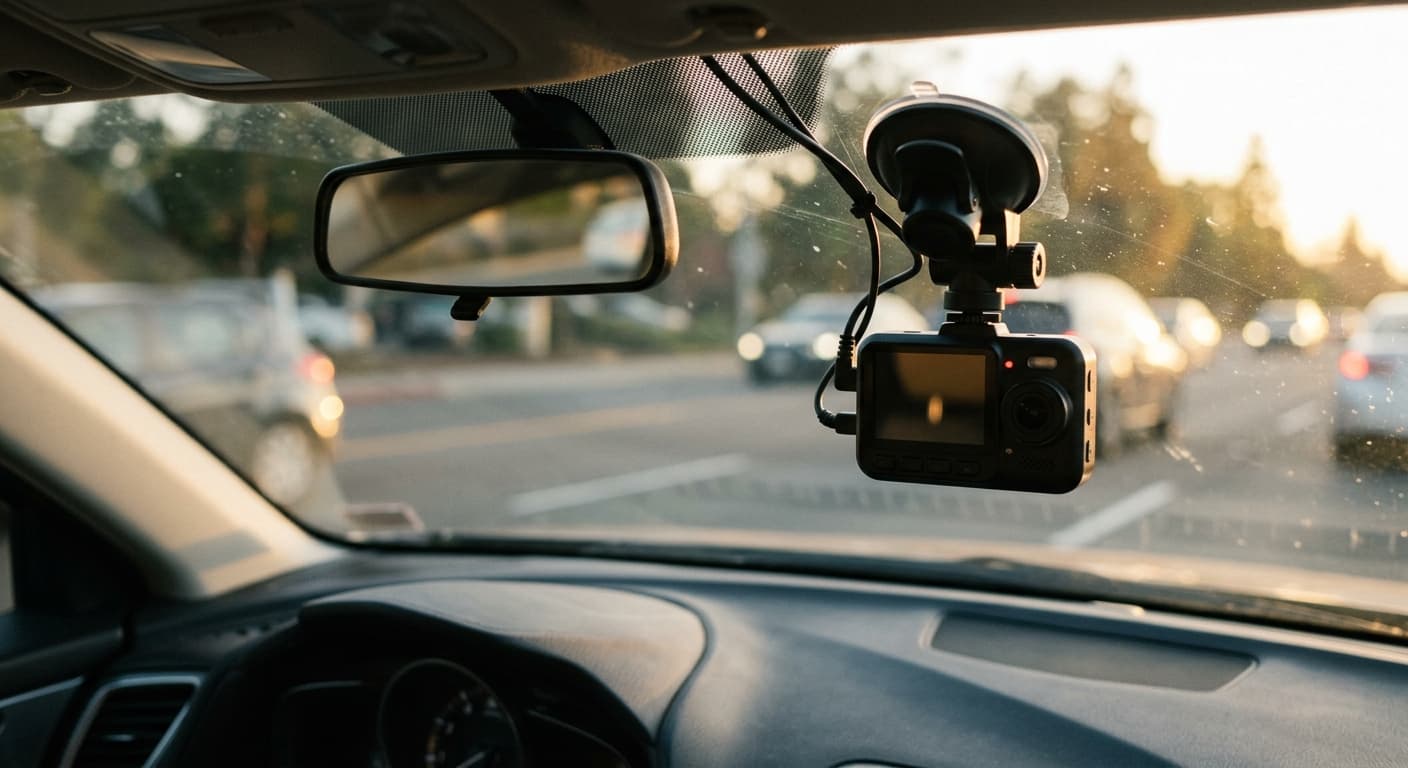
Dashcams are legal in North Dakota. There is no dashcam-specific statute, but the general windshield-obstruction equipment law, N.D.C.C. § 39-21-39, prohibits driving with any nontransparent object on the windshield that obstructs the driver's clear view, and audio recording follows one-party consent under N.D.C.C. § 12.1-15-02. Mount your camera low, small, and out of your forward sightline to stay compliant.
Dashcams are legal in North Dakota. The state has no dashcam-specific statute, but the general windshield-obstruction equipment law, N.D.C.C. § 39-21-39, applies to any nontransparent object mounted on the windshield, including a dashcam. Audio recording by dashcams follows the one-party consent rule under N.D.C.C. § 12.1-15-02, meaning you are the consenting party for conversations inside your vehicle.
This guide covers dashcam legality, mounting best practices, audio recording rules, using footage as evidence, traffic stop rights, and commercial vehicle considerations.
Dashcam Legality
North Dakota has no dashcam-specific statute, but the general windshield-obstruction equipment law, N.D.C.C. § 39-21-39, prohibits driving with any sign, poster, or other nontransparent material on the windshield that obstructs the driver's clear view. Mount the camera low, small, and out of your forward sightline to comply. Dashboard mounts or positions behind the rearview mirror are recommended.
Audio Recording
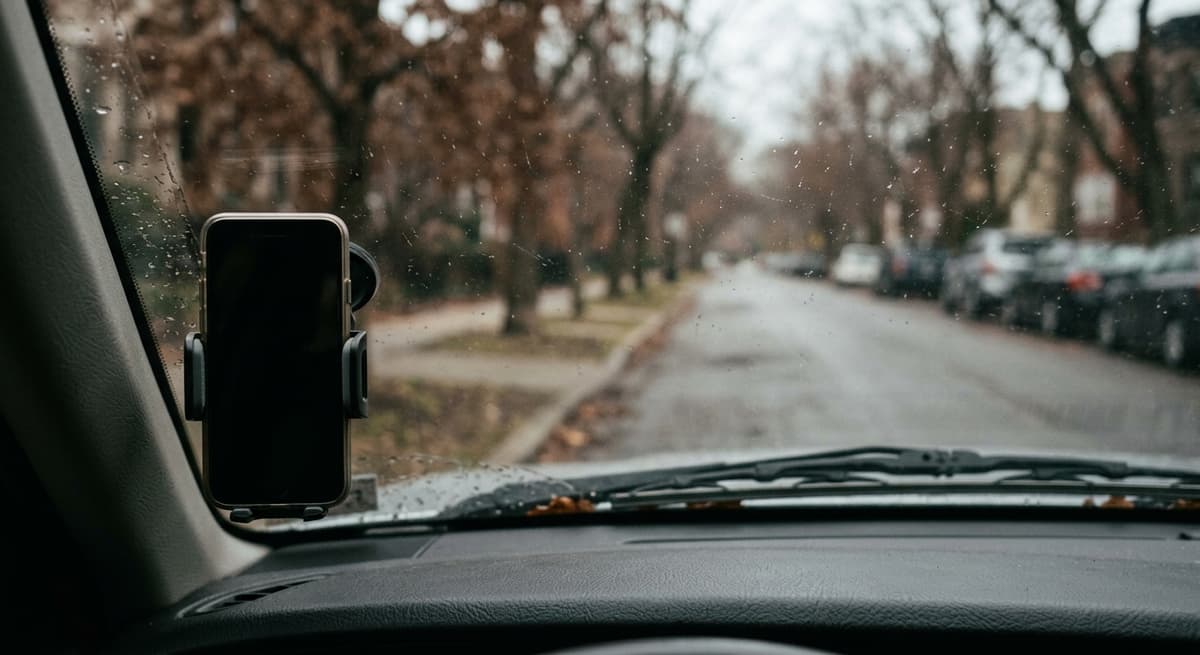
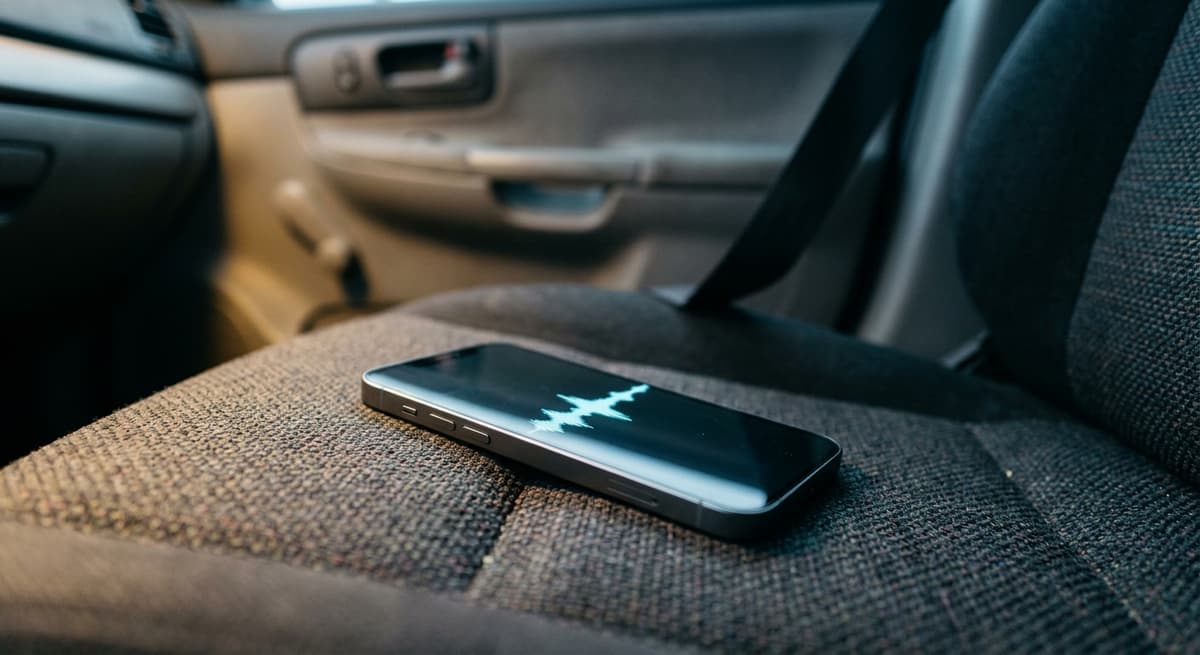
Dashcam audio recording follows one-party consent. As the vehicle occupant, you consent to recording conversations inside your car. You do not need to inform passengers.
Using Footage as Evidence
Dashcam footage is valuable for traffic accident cases, insurance claims, hit and run identification, DUI documentation, and road rage incidents. Preserve original files, remove the memory card after incidents, back up footage, and provide it to your attorney and insurance company promptly.
Traffic Stops
Your dashcam can generally continue running during traffic stops; courts have recognized a First Amendment right to record police performing public duties, though it is not absolute and can yield to legitimate officer-safety or obstruction concerns during the stop. An officer can seize the physical device or memory card without a warrant under recognized exceptions such as plain view or exigent circumstances, but reviewing the footage stored on it generally requires a warrant, the same principle the U.S. Supreme Court applied to cell phone data in Riley v. California, 573 U.S. 373 (2014).
Commercial Vehicles
Commercial operators should comply with FMCSA regulations. Ride-share and delivery drivers can use dashcams; check platform-specific policies.
More North Dakota Recording Laws
Audio Recording | Video Recording | Voyeurism & Hidden Cameras | Workplace Recording | Recording Police | Phone Call Recording | Security Cameras | Recording in Public | Landlord-Tenant | Dashcam Laws | Schools | Medical Recording
Back to North Dakota Recording Laws
More North Dakota Recording Topics
More North Dakota Laws
Frequently Asked Questions
Are dashcams legal in North Dakota?
Yes. North Dakota has no dashcam-specific law, but the general windshield-obstruction statute, N.D.C.C. § 39-21-39, prohibits mounting anything nontransparent on the windshield that obstructs your view, so mount the camera accordingly.
Do I need to tell passengers my dashcam records audio in North Dakota?
No. Under one-party consent, you satisfy the requirement as a participant in conversations inside your vehicle.
Can dashcam footage be used in court in North Dakota?
Yes. Dashcam footage is admissible as evidence for traffic accidents, insurance disputes, and criminal cases. The footage must be authentic and unaltered.
Can police make me turn off my dashcam during a traffic stop?
No. You have the right to continue recording during traffic stops. Officers cannot search the contents of your memory card without a warrant, though they may temporarily seize the card itself if they have probable cause to believe it holds evidence.
Where should I mount my dashcam in North Dakota?
On the dashboard or behind the rearview mirror, in a position that does not block your forward view. North Dakota has no dashcam-specific mounting regulation, but the general windshield-obstruction statute, N.D.C.C. § 39-21-39, prohibits any nontransparent object on the windshield that obstructs the driver's clear view.
Updates
Corrected the dashcam-placement section, which claimed no North Dakota law restricts dashcam mounting; the state's general windshield-obstruction equipment statute, N.D.C.C. 39-21-39, does apply. The page's existing mounting advice already complies with it.
Independently fact-checked against the cited primary sources; governing law re-checked for recent changes
Qualified an absolute Fourth Amendment claim about dashcams during traffic stops. 'Officers cannot order you to turn it off' overstated a right that courts recognize as real but not absolute (subject to officer-safety/obstruction limits), and 'cannot seize the memory card without a warrant' conflated seizure (which does not categorically require a warrant, e.g. under plain view or exigent-circumstances exceptions) with search of the footage's contents (which does, per Riley v. California).
Governing law re-checked for recent changes
Reviewed and approved by an editor
The Law Behind This Article
This article rests on the statutory provisions below, held in our own legal record and retrieved from the official source. Tap a section to read the operative text.
North Dakota Century Code
§ 12.1-15-02Interception of wire or oral communications - EavesdroppingIn forcecited in 17 of our articles
A person is guilty of a class C felony if he: Intentionally intercepts any wire or oral communication by use of any electronic, mechanical, or other device; or Intentionally discloses to any other person or intentionally uses the contents of any wire or oral communication, knowing that the information was obtained through the interception of a wire or oral communication. A person is guilty of a class A misdemeanor if he secretly loiters about any building with intent to overhear discourse or conversation therein and to repeat or publish the same with intent to vex, annoy, or injure others. It is a defense to a prosecution under subsection 1 that: The actor was authorized by law to intercept, disclose, or use, as the case may be, the wire or oral communication. The actor was: A person acting under color of law to intercept a wire or oral communication, and He was a party to the communication or one of the parties to the communication had given prior consent to such interception.
Official text (excerpt) · last checked 2026-08-31 · Read the full text in our law library · Verify at ndlegis.gov
Cited in 5 court opinions in our collectionLatest citing opinion in our collection: 2023
In the courts (editorial summary, independently checked):Fargo Women's Health Organization, Inc. v. Larson (1986) applied the subsection 3(c) defense to this section and held that recordings of calls were properly admitted because the callers knew of and consented to the recording of their own conversations.
Opinions citing this section in our collection:
- Fargo Women's Health Organization, Inc. v. Larson (North Dakota Supreme Court 1986, 391 N.W.2d 627)✓A private investigator hired by an abortion clinic recruited callers to phone a rival anti-abortion clinic and recorded the calls with the callers' consent; the court held that consent triggered the defense in section 12.1-15-02(3)(c), so the tapes were admitted.
- Bartnicki v. Vopper (Supreme Court of the United States 2001, 532 U.S. 514)“…Ann. § 30-12-1 (1994); N. C. Gen. Stat. § 15A-287 (1999); N. D. Cent. Code § 12.1-15-02 (1997); Ohio Rev. Code Ann. § 2933.52…”
- American Civil Liberties Union of Ill. v. Alvarez (Court of Appeals for the Seventh Circuit 2012, 679 F.3d 583)“…55 § 750.539c; N.D. Cent. Code. Ann. § 12.1-15-02. The Cali- fornia statute is illustrat…”
Identified automatically from the court opinions citing this section — not a ranking of which case controls.
Also relied on in: North Dakota Recording Laws (2026): One-Party Consent Rules, North Dakota Smart Glasses Recording Laws (2026), North Dakota AI Meeting Recording Laws (2026)
Search our full record of US law — 2.1 million sections, every state + federal →
Sources and References
- N.D.C.C. § 12.1-15-02(ndlegis.gov).gov
- FMCSA(fmcsa.dot.gov).gov
- ND DOT(dot.nd.gov).gov