
New Mexico
New Mexico Voyeurism and Hidden Camera Laws: § 30-9-20 Penalties (2026)
Independently fact-checked against primary sources (last audited August 15, 2026). · Reviewed by the RecordingLaw editorial team. · Law checked current as of August 15, 2026. · 4 primary sources cited on this page. How we verify our legal content
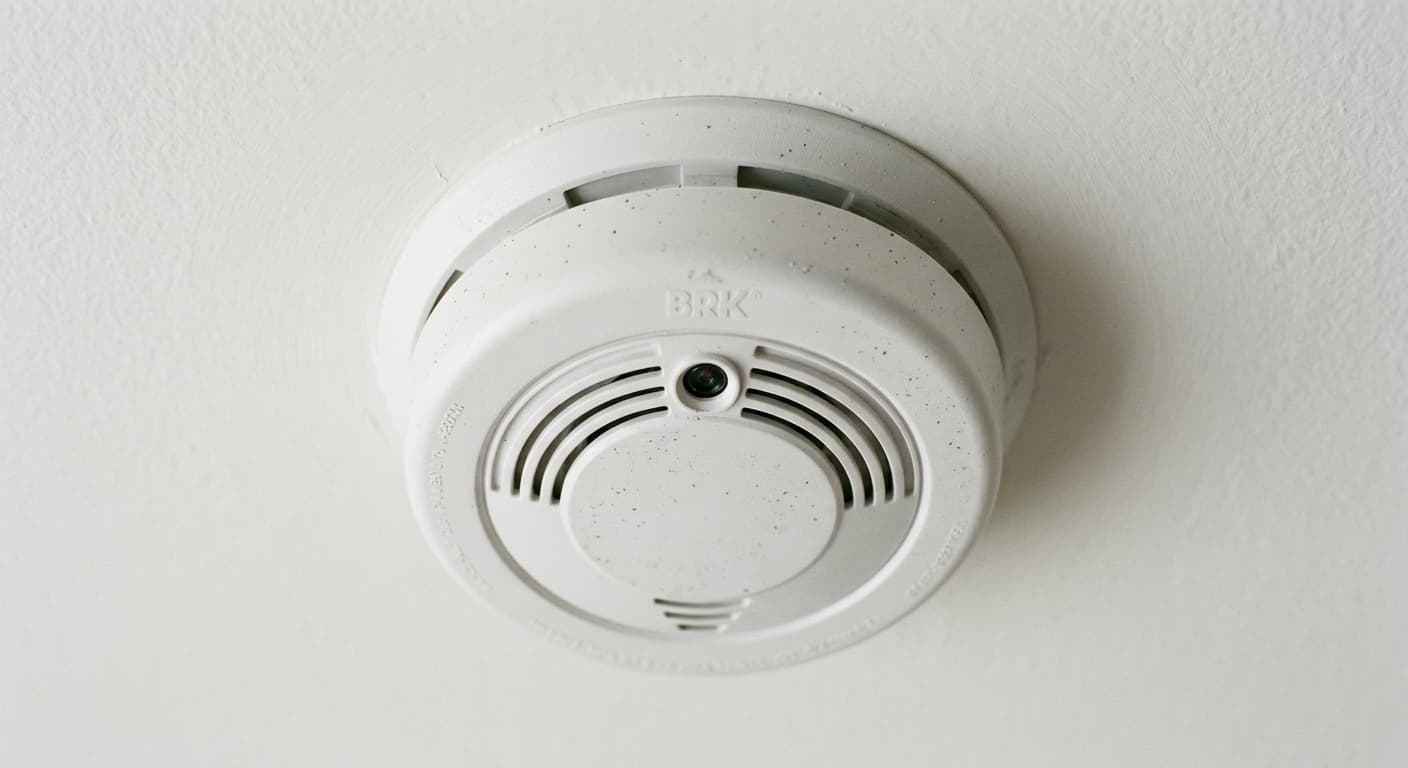
New Mexico criminalizes voyeurism under NMSA 30-9-20, making it illegal to record another person in a state of undress or engaged in sexual activity in any location where that person has a reasonable expectation of privacy, such as a bathroom, locker room, or bedroom, without their consent.
New Mexico treats voyeurism and hidden camera offenses as serious crimes. Under N.M. Stat. Ann. § 30-9-20, it is illegal to use any device to view or record another person in a state of undress or engaged in sexual activity in a place where that person has a reasonable expectation of privacy. A separate statute, N.M. Stat. Ann. § 30-37A-1, criminalizes the unauthorized distribution of intimate images.
This guide covers the full scope of New Mexico's voyeurism and hidden camera laws, including what conduct is prohibited, the penalties for each offense, how these laws interact with the state's recording consent rules, and practical guidance for avoiding violations.
New Mexico's Voyeurism Statute: § 30-9-20
What the Law Prohibits
New Mexico's voyeurism law under N.M. Stat. Ann. § 30-9-20 makes it a crime to knowingly use a recording device, camera, or other equipment to capture images of another person when:
- The person is in a state of undress (partially or fully unclothed)
- The person is engaged in sexual activity
- The recording occurs in a place where the person has a reasonable expectation of privacy
- The person has not consented to being recorded
The statute covers both live viewing (peeping) and the creation of recordings (photos, video, or digital images). The key element is the victim's reasonable expectation of privacy in the location where the recording occurs.
What Counts as a "Reasonable Expectation of Privacy"
New Mexico courts evaluate whether a person had a reasonable expectation of privacy based on the specific location and circumstances. Places where a reasonable expectation of privacy generally exists include:
- Bathrooms and restrooms in homes, businesses, and public facilities
- Locker rooms in gyms, pools, and sports facilities
- Changing rooms and dressing rooms in retail stores
- Hotel rooms and motel rooms
- Bedrooms in private residences
- Hospital rooms and medical examination areas
- Tanning booths and spa treatment rooms
Places where a reasonable expectation of privacy generally does not exist:
- Public streets, sidewalks, and parks
- Open retail spaces and shopping areas
- Office common areas
- Restaurant dining areas
- Public government buildings
Upskirting and Concealed Camera Offenses
New Mexico's voyeurism statute covers upskirting, downblousing, and similar tactics where a concealed camera is used to capture images under or through a person's clothing. These offenses can occur even in public locations because the victim has a reasonable expectation of privacy regarding what is beneath their clothing.
Examples of prohibited conduct include:
- Placing a camera on a shoe or low surface to capture images under a skirt or dress
- Using a phone camera to photograph down a person's shirt or blouse
- Installing cameras at angles designed to see through clothing gaps
- Using hidden cameras in locations that provide views under clothing
Penalties for Voyeurism in New Mexico
Criminal Penalties
| Offense | Classification | Maximum Penalty |
|---|---|---|
| Voyeurism (adult victim, first offense) | Misdemeanor | Up to 364 days jail, up to $1,000 fine |
| Voyeurism (victim under 18) | Fourth-degree felony | Up to 18 months prison |
| Distribution of voyeuristic images | Additional charges per § 30-37A-1 | See unauthorized distribution table |
| Pattern of voyeuristic conduct | May be charged as multiple counts | Cumulative penalties |
Sex Offender Registration
Voyeurism itself is not among the offenses that trigger sex offender registration under N.M. Stat. Ann. § 29-11A-3, which defines a covered sex offense as an exhaustive list of specific Penal Code sections (including criminal sexual contact of a minor, aggravated indecent exposure, and similar offenses). A voyeurism conviction alone does not carry a SORNA registration requirement. However, conduct involving a minor victim may separately support charges under one of the statute's enumerated sex offenses, which would independently trigger registration.
Sex offender registration carries severe collateral consequences including residency restrictions, employment limitations, and public notification requirements. The New Mexico Department of Public Safety maintains the state sex offender registry.
Collateral Consequences
Beyond direct criminal penalties, a voyeurism conviction can result in:
- Loss of professional licenses
- Difficulty finding employment
- Immigration consequences for non-citizens
- Loss of child custody or visitation rights
- Civil lawsuits from victims
- Restraining orders and protective orders
Unauthorized Distribution of Intimate Images: § 30-37A-1

What the Law Covers
New Mexico's unauthorized distribution of intimate images law under N.M. Stat. Ann. § 30-37A-1 makes it illegal to distribute intimate images of another person without that person's consent when done with the intent to harass, humiliate, intimidate, or cause the person to fear for their safety or suffer unwanted physical contact or substantial emotional distress, and where the conduct is such that it would cause a reasonable person to suffer substantial emotional distress.
This law covers:
- Images originally shared privately between partners that are later distributed without consent
- Images obtained through hacking or theft of electronic devices
- Screenshots from private video calls shared publicly
- Any intimate image distributed to cause harm, embarrassment, or distress
Penalties for Unauthorized Distribution
| Offense | Classification | Maximum Penalty |
|---|---|---|
| First offense | Misdemeanor | Up to 364 days jail, fine |
| Subsequent offenses | Fourth-degree felony | Up to 18 months prison |
Relationship to Federal Law
The federal TAKE IT DOWN Act (enacted May 19, 2025, Pub. L. 119-12) creates a federal mechanism requiring platforms to remove non-consensual intimate images, including AI-generated deepfakes, within 48 hours of notice. The platform-compliance deadline took effect May 19, 2026, and is now in force. New Mexico's § 30-37A-1 and the federal law provide complementary protections for victims of image-based abuse.
How Voyeurism Laws Interact with Recording Consent Rules
The Wiretap Statute Does Not Cover In-Person Recording
New Mexico's wiretapping statute under N.M. Stat. Ann. § 30-12-1 covers only "telegraph or telephone" communications. In-person conversations and visual recording are not addressed by the wiretap law. This means the voyeurism statute serves as the primary legal restraint on in-person visual recording in private settings.
The two legal frameworks operate in parallel:
| Activity | Wiretap Statute (§ 30-12-1) | Voyeurism Statute (§ 30-9-20) |
|---|---|---|
| Recording phone calls | One-party consent required | Does not apply |
| In-person audio recording | Not covered | Not covered (audio only) |
| Video in public spaces | Not covered | Prohibited when it captures intimate areas (e.g., upskirting) |
| Video in private spaces (undress) | Not covered | Prohibited |
| Hidden cameras in bathrooms | Not covered | Prohibited |
When Both Statutes May Apply
If someone records a telephone conversation while also capturing video in a private setting, both the wiretap statute and the voyeurism statute could apply. For example, recording a video call where one participant is in a state of undress without consent could trigger both wiretap liability (for the audio component) and voyeurism charges (for the visual component).
Hidden Cameras: Common Scenarios
Hidden Cameras in Rental Properties
Landlords who install hidden cameras in rental units face criminal voyeurism charges if cameras are placed in areas where tenants have a reasonable expectation of privacy. This includes bathrooms, bedrooms, and any interior living space. Tenants who discover hidden cameras should:
- Document the camera's location with photographs
- Contact local law enforcement immediately
- Contact the New Mexico Attorney General's office for additional resources
- Consult with an attorney about civil remedies
Hidden Cameras in the Workplace
Employers who install hidden cameras in workplace bathrooms, locker rooms, or changing areas violate the voyeurism statute. Employees who discover improper surveillance should report it to HR, law enforcement, and potentially the U.S. Equal Employment Opportunity Commission if the surveillance constitutes workplace harassment.
Hidden Cameras in Hotels and Short-Term Rentals
Hotel guests and short-term rental guests have a reasonable expectation of privacy in their rooms. Hidden cameras in hotel rooms, vacation rentals, or Airbnb properties are illegal under the voyeurism statute. If you find a hidden camera in temporary accommodations, contact local police and the property management company.
Defenses to Voyeurism Charges
Common Legal Defenses
Defendants charged with voyeurism in New Mexico may raise several defenses:
- Consent: The person depicted consented to being recorded
- No reasonable expectation of privacy: The recording occurred in a location where the victim had no privacy expectation
- No knowledge: The defendant did not know the camera was recording (relevant for shared devices)
- Constitutional challenges: Arguments that the statute is overbroad or vague as applied to specific circumstances
What Is NOT a Defense
- The recording was never shared or distributed
- The defendant intended the recording for personal use only
- The defendant was in a relationship with the victim
- The recording equipment was legally purchased
Civil Remedies for Victims
Victims of voyeurism and unauthorized image distribution in New Mexico can pursue civil lawsuits in addition to criminal prosecution. Available civil remedies include:
- Invasion of privacy claims seeking compensatory damages
- Intentional infliction of emotional distress claims
- Injunctive relief ordering the removal of distributed images
- Restraining orders preventing further contact or distribution
Victims can also report violations to the New Mexico Attorney General's Consumer Protection Division for additional enforcement support.
More New Mexico Recording Laws
Audio Recording | Video Recording | Voyeurism & Hidden Cameras | Workplace Recording | Recording Police | Phone Call Recording | Security Cameras | Recording in Public | Landlord-Tenant | Dashcam Laws | Schools | Medical Recording
Back to New Mexico Recording Laws
More New Mexico Recording Topics
More New Mexico Laws
Frequently Asked Questions
Is it illegal to put a hidden camera in a bathroom in New Mexico?
Yes. Installing a hidden camera in a bathroom violates the voyeurism statute under N.M. Stat. Ann. § 30-9-20. Bathrooms are places where people have a reasonable expectation of privacy, and recording someone there without consent is a criminal offense.
What is the penalty for voyeurism in New Mexico?
Voyeurism is a misdemeanor for a first offense, carrying up to 364 days in jail and fines, and a fourth-degree felony when the victim is under 18. Voyeurism itself is not among the offenses requiring sex offender registration under section 29-11A-3, though related conduct involving a minor may separately trigger registration under one of that statute's enumerated offenses. Unauthorized distribution of intimate images is a misdemeanor for a first offense and a fourth-degree felony for subsequent offenses.
Can my landlord put cameras inside my apartment in New Mexico?
No. Your landlord cannot install cameras inside your rental unit. Tenants have a reasonable expectation of privacy in their homes, and hidden cameras in bedrooms, bathrooms, or living areas violate the voyeurism statute. Landlords may install cameras in common areas like hallways and parking lots.
Is upskirting illegal in New Mexico?
Yes. Upskirting falls under the voyeurism statute because a person has a reasonable expectation of privacy regarding what is beneath their clothing. Using a concealed camera to capture images under someone's clothing is a criminal offense even in a public place.
What should I do if I find a hidden camera in New Mexico?
Document the camera's location with photographs, do not touch or remove it, and contact local law enforcement immediately. You can also contact the New Mexico Attorney General's office for additional resources. Consider consulting an attorney about civil remedies for invasion of privacy.
Updates
Corrected the TAKE IT DOWN Act's enactment date (May 2025, not 2026) and noted its platform-compliance deadline has now passed, fixed the Act's citation link and a dead New Mexico DOJ consumer-protection citation, and corrected the voyeurism and image-distribution misdemeanor penalty figures and FAQ to state New Mexico's actual 364-day jail cap rather than 'up to 1 year.'
Independently fact-checked against the cited primary sources; governing law re-checked for recent changes
Fixed three claim-contradiction errors: the comparison table incorrectly said the voyeurism statute doesn't cover video in public spaces (it does, when intimate areas are captured, e.g. upskirting); removed an unsupported claim (main text and a KeyTakeaways bullet) that voyeurism convictions trigger SORNA sex-offender registration, since voyeurism is not among § 29-11A-3's enumerated offenses; and corrected the unauthorized-distribution-of-intimate-images paraphrase to reflect the statute's actual specific-intent element instead of an unsupported 'knows or should know' standard.
Corrected the voyeurism-penalty FAQ answer to state that voyeurism itself is not on the list of offenses requiring sex offender registration under N.M. Stat. Ann. § 29-11A-3, matching the correction already made in the body text and KeyTakeaways.
Governing law re-checked for recent changes
Reviewed and approved by an editor
The Law Behind This Article
This article rests on the statutory provisions below, held in our own legal record and retrieved from the official source. Tap a section to read the operative text.
New Mexico Statutes Annotated 1978, Chapter 30
§ 30-9-20Voyeurism prohibited; penaltiesIn forcecited in 26 of our articles
A. Voyeurism consists of intentionally using the unaided eye to view or intentionally using an instrumentality to view, photograph, videotape, film, webcast or record the intimate areas of another person without the knowledge and consent of that person: (1) while the person is in the interior of a bedroom, bathroom, changing room, fitting room, dressing room or tanning booth or the interior of any other area in which the person has a reasonable expectation of privacy; or (2) under circumstances where the person has a reasonable expectation of privacy, whether in a public or private place. B. Whoever commits voyeurism is guilty of a misdemeanor, except if the victim is less than eighteen years of age, the offender is guilty of a fourth degree felony. C. As used in this section: (1) "intimate areas" means the primary genital area, groin, buttocks, anus or breasts or the undergarments that cover those areas; and (2) "instrumentality" means a periscope, telescope, binoculars, camcorder, computer, motion picture camera, digital camera, telephone camera, photographic camera or electronic device of any type.
Official text (excerpt) · last checked 2026-08-31 · Read the full text in our law library · Verify at nmonesource.com
Cited in 10 court opinions in our collectionLatest citing opinion in our collection: 2026
In the courts (editorial summary, independently checked):The New Mexico cases citing Section 30-9-20 reach it as a charge rather than construing its elements. State v. Webb (2017) involved voyeurism counts under 30-9-20(A)(1) over hidden bathroom video of a minor but decided only mandatory joinder. State v. Myers (2009) noted the section was not enacted until 2007.
Opinions citing this section in our collection:
- Kerr v. Parsons (New Mexico Supreme Court 2016, 10 N.M. 227)“…llo, 23 charging him with counts of voyeurism, contrary to NMSA 1978, Section 30-9-20 24 (2007), possession of a controlled…”
- State v. Myers (New Mexico Court of Appeals 2009, 147 N.M. 574)✓Myers hid a camera in an office restroom in 2004 to record women and was convicted of child pornography. The court noted voyeurism under 30-9-20 was not a crime until 2007 and held that applying a later "voyeuristic quality" test to his 2004 conduct violated due process.
- State v. Webb (New Mexico Court of Appeals 2017, 2017 NMCA 77)“…dant with voyeurism (child under eighteen), in violation of NMSA 1978, Section 30-9-20(A)(1) (2007), attempted voyeurism (chil…”
Identified automatically from the court opinions citing this section — not a ranking of which case controls.
Also relied on in: New Mexico Smart Glasses Recording Laws (2026), New Mexico Recording Laws (2026): One-Party Consent Rules, New Mexico Audio Recording Laws: One-Party Consent Rules and Penalties (2026)
§ 30-12-1Interference with communications; exceptionIn forcecited in 37 of our articles
Interference with communications consists of knowingly and without lawful authority: A. displacing, removing, injuring or destroying any radio station, television tower, antenna or cable, telegraph or telephone line, wire, cable, pole or conduit belonging to another, or the material or property appurtenant thereto; B. cutting, breaking, tapping or making any connection with any telegraph or telephone line, wire, cable or instrument belonging to or in the lawful possession or control of another, without the consent of such person owning, possessing or controlling such property; C. reading, interrupting, taking or copying any message, communication or report intended for another by telegraph or telephone without the consent of a sender or intended recipient thereof; D. preventing, obstructing or delaying the sending, transmitting, conveying or delivering in this state of any message, communication or report by or through telegraph or telephone; or E. using any apparatus to do or cause to be done any of the acts hereinbefore mentioned or to aid, agree with, comply or conspire with any person to do or permit or cause to be done any of the acts hereinbefore mentioned.
Official text (excerpt) · last checked 2026-08-28 · Read the full text in our law library · Verify at nmonesource.com
Cited in 19 court opinions in our collectionLatest citing opinion in our collection: 2025
In the courts (editorial summary, independently checked):State v. Johnson (2010) held the consent exception in 30-12-1(E)(3) applies to jail calls where the caller impliedly consents by calling with knowledge the call is recorded. State v. Templeton (2007) found a call from the booking area, recorded with no notice, violated the Act, while a call placed after a recorded notice did not.
Opinions citing this section in our collection:
- State v. Johnson (New Mexico Supreme Court 2010, 148 N.M. 50)✓A jail inmate awaiting a murder retrial made recorded calls asking others to appear at trial and influence testimony; the court held the statute was not violated because an automated message warned both sides, so its prior consent exception applied.
- State v. Ocon (New Mexico Court of Appeals 2021, 493 P.3d 448)“…63); and interference with communications, in violation of NMSA 1978, Section 30-12-1 (1979). On those charges, the jury only…”
- State v. Templeton (New Mexico Court of Appeals 2007, 142 N.M. 369)✓Two of a jailed defendant's phone calls were recorded; the court held the statute was violated as to the booking-area call, where no notice was given and guarded speech did not imply consent, but not as to a later call from a phone that announced monitoring.
Identified automatically from the court opinions citing this section — not a ranking of which case controls.
Also relied on in: New Mexico Security Camera Laws: Home, Business, and HOA Rules (2026), New Mexico Video Recording Laws: Surveillance, Filming, and Consent Rules (2026), New Mexico Dashcam Laws: Windshield Mounting, Audio, and Evidence Rules (2026)
§ 30-37A-1Unauthorized distribution of sensitive images; penaltiesIn forcecited in 13 of our articles
A. Unauthorized distribution of sensitive images consists of distributing, publishing or otherwise making available, by an electronic communications device or other means, sensitive images of a person, with or without information identifying that person, without that person's consent: (1) with the intent to: (a) harass, humiliate or intimidate that person; (b) incite another to harass, humiliate or intimidate that person; (c) cause that person to reasonably fear for that person's own or family members' safety; (d) cause that person to suffer unwanted physical contact or injury; or (e) cause that person to suffer substantial emotional distress; and (2) where the conduct is such that it would cause a reasonable person to suffer substantial emotional distress. B.
Official text (excerpt) · last checked 2026-07-30 · Read the full text in our law library · Verify at nmonesource.com
Cited in 1 court opinions in our collectionLatest citing opinion in our collection: 2025
Opinions citing this section in our collection:
- State v. Valerio (New Mexico Court of Appeals 2025)“…n for the purpose of transfer to or use by a prisoner”); NMSA 1978, § 30-37A-1(B)(1) (2015) (prohibiting the unauthori…”
Identified automatically from the court opinions citing this section — not a ranking of which case controls.
Also relied on in: New Mexico Deepfake Laws: AI Images, Voice Cloning & Penalties (2026), New Mexico Sexting Laws: Legal Consequences and Penalties, New Mexico Surveillance Camera Laws (2026 Guide)
New Mexico Statutes Annotated 1978, Chapter 29
§ 29-11A-3DefinitionsIn forcecited in 2 of our articles
As used in the Sex Offender Registration and Notification Act: A. "business day" means a day that is not a Saturday, a Sunday or a state holiday; B. "conviction" means a conviction in any court of competent jurisdiction and includes a deferred sentence, but does not include a conditional discharge; C. "department" means the department of public safety; D. "institution of higher education" means a: (1) private or public post-secondary educational institution; (2) trade school; or (3) professional school; E. "habitually lives" means any place where a sex offender lives for at least thirty days in any three-hundred-sixty-five-day period; F. "out-of-state registrant" means any person who establishes a residence in New Mexico while the person is required to register as a sex offender in another state or territory; G. "registration requirement" means any requirement set forth in Section 29-11A-4 NMSA 1978 that requires a sex offender to register; provide information, including a DNA sample; renew, revise or change registration information; or provide written notice or disclosure regarding the sex offender's status as a sex offender; H.
Official text (excerpt) · last checked 2026-07-30 · Read the full text in our law library · Verify at nmonesource.com
Cited in 11 court opinions in our collectionLatest citing opinion in our collection: 2024
Opinions citing this section in our collection:
- State v. Sena (New Mexico Supreme Court 2023, 528 P.3d 631)“…ex Offender Registration and Notification Act (SORNA) under NMSA 1978, Section 29-11A-3(E)(11) (2007, amended 2013) and NMSA 19…”
- State v. Myers (New Mexico Court of Appeals 2008, 143 N.M. 710)“…heriff for the county in which the sex offender resides.”); NMSA 1978, §§ 29-11A-3(D)(1) and (E)(4) (2005) (providing that…”
- State v. Schackow (New Mexico Court of Appeals 2006, 140 N.M. 506)“…x Offender Registration and Notification Act (SORNA). See NMSA 1978, § 29-11A-3(E)(1)-(12) (2005). Conviction of assaul…”
Identified automatically from the court opinions citing this section — not a ranking of which case controls.
Explore the law
The laws cited above reference these related sections in their own text:
- New Mexico Statutes Annotated 1978, Chapter 30 § 30-12-11 — Right of privacy; damages view in our statute record · read at the official source
- New Mexico Statutes Annotated 1978, Chapter 30 § 30-12-2 — Grounds for order of interception view in our statute record · read at the official source
- New Mexico Statutes Annotated 1978, Chapter 30 § 30-6A-3 — Sexual exploitation of children view in our statute record · read at the official source
Related law for further reading — not part of this article’s citations.
Search our full record of US law — 2.1 million sections, every state + federal →
Sources and References
- N.M. Stat. Ann. § 30-9-20 - Voyeurism(law.justia.com)
- N.M. Stat. Ann. § 30-12-1(nmonesource.com).gov
- NM DPS(dps.nm.gov).gov
- NM Attorney General(nmdoj.gov).gov
- EEOC(eeoc.gov).gov
- N.M. Stat. Ann. § 30-37A-1 - Unauthorized Distribution of Intimate Images(law.justia.com)