
North Carolina
North Carolina Voyeurism and Hidden Camera Laws: Offenses and Penalties
Independently fact-checked against primary sources (last audited August 15, 2026). · Reviewed by the RecordingLaw editorial team. · Law checked current as of August 8, 2026. · 10 primary sources cited on this page. How we verify our legal content
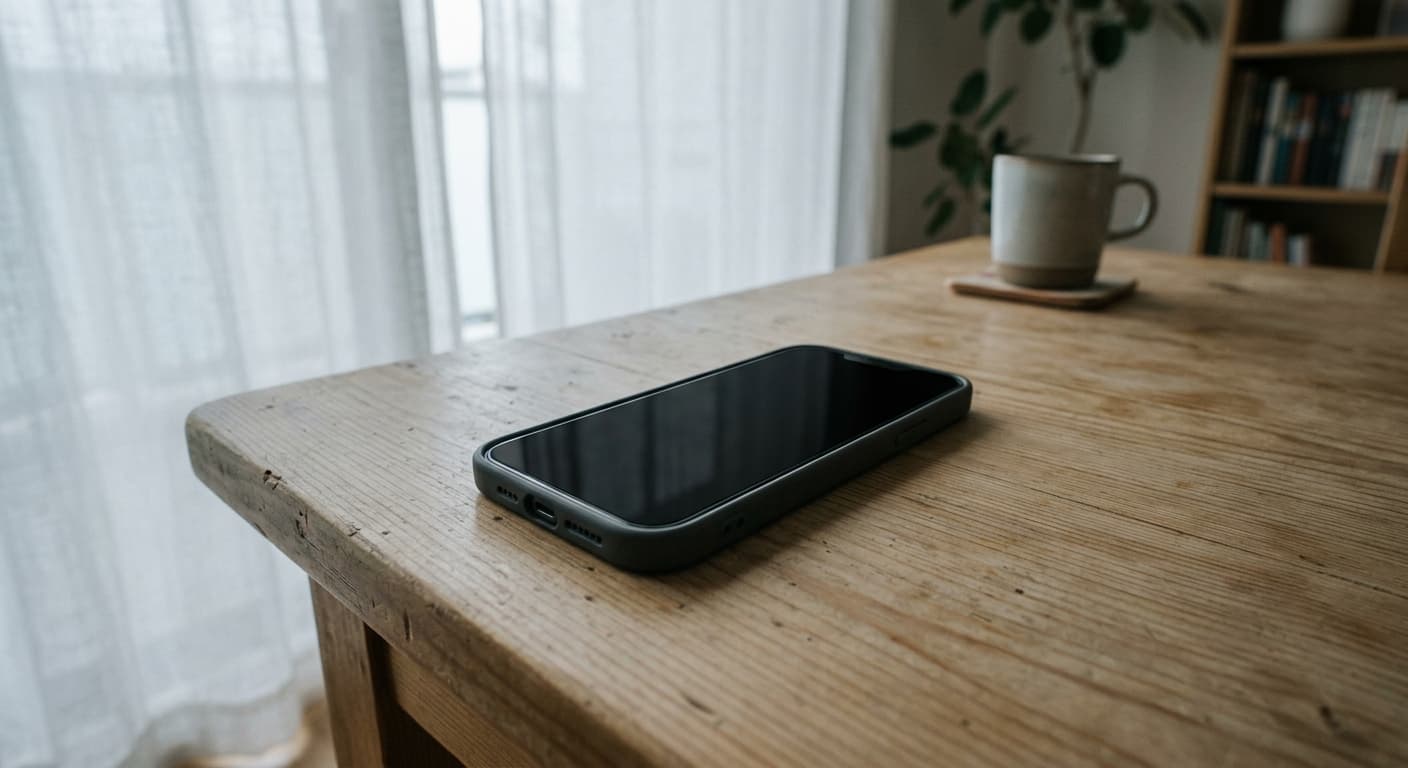
North Carolina criminalizes secret peeping and hidden camera recording under N.C. Gen. Stat. 14-202, which creates a tiered system of offenses ranging from a Class 1 misdemeanor for basic secret peeping to a Class I felony for using a device to photograph someone for sexual gratification.
North Carolina takes voyeurism and hidden camera offenses seriously. The state's voyeurism law, N.C. Gen. Stat. 14-202, establishes multiple levels of criminal liability for secretly observing and recording people in private settings. Additional statutes address the distribution of nonconsensual intimate images and, as of 2025, AI-generated deepfake content. Together, these laws create a comprehensive framework that protects individuals from covert surveillance and unauthorized image distribution.
This guide covers the full scope of North Carolina's voyeurism and hidden camera laws, including the specific offenses and their penalties, what qualifies as "secret peeping," protections against nonconsensual intimate images, the new deepfake law, and the civil remedies available to victims.
N.C. Gen. Stat. 14-202: The Voyeurism Statute
Overview of the Statute
N.C. Gen. Stat. 14-202 is titled "Secretly peeping into room occupied by another person." The statute has been amended multiple times to keep pace with technology, adding provisions that specifically address the use of cameras, smartphones, and other recording devices for voyeuristic purposes.
The statute creates a graduated scale of offenses, with penalties that increase based on the use of recording devices and the offender's intent.
Basic Secret Peeping: Class 1 Misdemeanor
The foundational offense under N.C. Gen. Stat. 14-202(a) is straightforward: any person who secretly peeps into any room occupied by another person is guilty of a Class 1 misdemeanor.
Key elements of this offense:
- "Secretly": The peeping must be done without the knowledge of the person being observed
- "Peeps into": This includes looking through windows, doors, keyholes, or any other opening
- "Room": Defined broadly to include bedrooms, bathrooms, restrooms, showers, dressing rooms, and any similar enclosed space
- "Occupied by another person": Someone must be present in the room at the time
A Class 1 misdemeanor in North Carolina carries a maximum penalty of 120 days in jail and a fine at the court's discretion.
Secret Peeping Under or Through Clothing: Class 1 Misdemeanor
Under N.C. Gen. Stat. 14-202(a1), anyone who secretly or surreptitiously peeps underneath or through the clothing being worn by another person, using a mirror or other device, for the purpose of viewing the body or undergarments of that person without their consent is guilty of a Class 1 misdemeanor.
This provision specifically targets "upskirting" and similar invasive behavior. It does not require that the viewing occur in a "room." The offense can happen anywhere, including in public spaces, making it broader in scope than subsection (a).
Secret Peeping While Possessing a Camera: Class A1 Misdemeanor
N.C. Gen. Stat. 14-202(c) increases the penalty when the offender possesses a device capable of creating a photographic image while secretly peeping. Any person who, while in possession of such a device and with the intent to create a photographic image, secretly peeps into any room is guilty of a Class A1 misdemeanor.
A Class A1 misdemeanor is the most serious misdemeanor classification in North Carolina, carrying a maximum penalty of 150 days in jail.
The prosecution must prove two elements beyond the peeping itself:
- The offender possessed a device capable of creating an image (smartphone, camera, video recorder, etc.)
- The offender had the intent to use that device to create an image
Simply carrying a phone while looking through someone's window could satisfy these elements if the prosecution can establish intent to photograph.
Using a Camera for Sexual Purposes: Class I Felony
N.C. Gen. Stat. 14-202(d) elevates the offense to a felony when the offender uses a camera for sexual purposes. Any person who, while secretly peeping, uses any device to create a photographic image of another person in that room for the purpose of arousing or gratifying the sexual desire of any person is guilty of a Class I felony.
A Class I felony carries a sentence of 3 to 12 months under North Carolina's structured sentencing guidelines, depending on the defendant's prior record level.
Hidden Camera Image of a Private Area: Class I Felony
N.C. Gen. Stat. 14-202(e1) makes it a Class I felony to knowingly create a photographic image of another person's private area without their consent, under circumstances in which that person has a reasonable expectation of privacy.
This is the felony counterpart to the clothing-peeping misdemeanor in subsection (a1). Rather than clothing-specific language, it covers any photographic image of a private area (genitals, pubic area, buttocks, or female breast) taken without consent where the person had a reasonable expectation of privacy, which includes "upskirt" or "downblouse" photographs or videos. Like subsection (a1), this offense can occur anywhere, not just in a "room."
Possessing Voyeuristic Images: Class I Felony
Under N.C. Gen. Stat. 14-202(g), knowingly possessing a photographic image that was obtained in violation of the secret peeping provisions is a Class I felony. This targets people who receive, download, or collect images obtained through voyeurism, even if they did not personally capture the images.
Distributing Voyeuristic Images: Class H Felony
N.C. Gen. Stat. 14-202(h) makes it a Class H felony to knowingly disseminate or allow the dissemination of a photographic image obtained through secret peeping. A Class H felony carries 4 to 39 months in prison depending on the defendant's prior record level.
This provision addresses the secondary harm caused by sharing voyeuristic images. The person who distributes the images faces felony charges even if they were not the original peeper.
Penalty Summary Table

| Offense | Statute | Classification | Maximum Penalty |
|---|---|---|---|
| Basic secret peeping | 14-202(a) | Class 1 Misdemeanor | 120 days jail |
| Peeping under/through clothing | 14-202(a1) | Class 1 Misdemeanor | 120 days jail |
| Secret peeping with camera (intent to photograph) | 14-202(c) | Class A1 Misdemeanor | 150 days jail |
| Using camera while peeping for sexual purpose | 14-202(d) | Class I Felony | 3-12 months prison |
| Photographing a private area without consent | 14-202(e1) | Class I Felony | 3-12 months prison |
| Possessing voyeuristic images | 14-202(g) | Class I Felony | 3-12 months prison |
| Distributing voyeuristic images | 14-202(h) | Class H Felony | 4-39 months prison |
Nonconsensual Intimate Images (Revenge Porn)
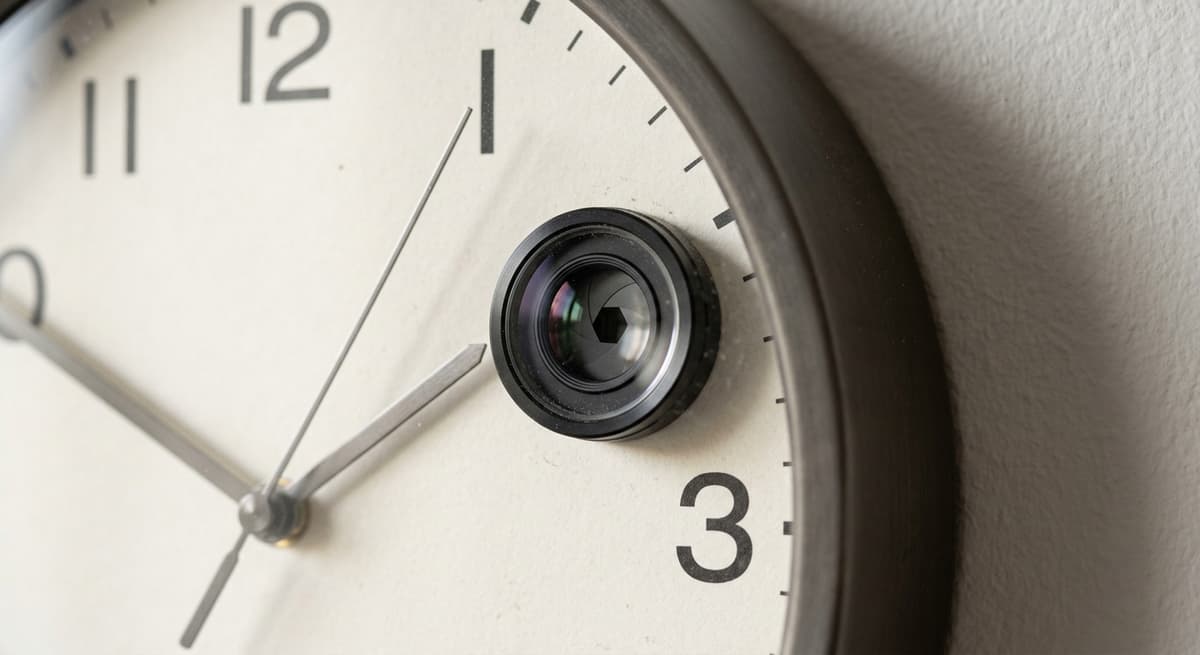
N.C. Gen. Stat. 14-190.5A
Separate from the voyeurism statute, North Carolina has a specific law targeting the distribution of nonconsensual intimate images. Under N.C. Gen. Stat. 14-190.5A, it is a Class H felony to knowingly disclose an intimate image when:
- The depicted person did not consent to the disclosure
- The person disclosing the image knew or should have known the depicted person expected the images to remain private
- The disclosure was made with intent to coerce, harass, intimidate, demean, humiliate, or cause financial loss
What Qualifies as an "Intimate Image"
The statute covers images depicting:
- Sexual activity
- Nudity or partial nudity
- Intimate body parts
The image can be a photograph, video, digital image, or any other visual representation.
Intent Requirement
The prosecution must prove that the person who disclosed the image acted with one of the specified intents: to coerce, harass, intimidate, demean, humiliate, or cause financial loss. Accidental disclosure or disclosure without malicious intent may not satisfy this element, though the circumstances of each case determine the outcome.
Civil Remedies for Victims
Victims of nonconsensual intimate image disclosure can pursue civil claims for damages. This provides a separate avenue of relief beyond criminal prosecution, allowing victims to recover compensation for:
- Emotional distress
- Reputational harm
- Financial losses
- Attorney fees and costs of litigation
Deepfake and AI-Generated Intimate Images
2025 Legislation: S.L. 2024-37 and § 14-190.17C
North Carolina enacted S.L. 2024-37 (effective December 1, 2024), which extended the state's existing nonconsensual-image protections to AI-generated content rather than creating a single standalone "deepfake statute." The law amended the definition of "image" in N.C. Gen. Stat. 14-190.5A (the revenge-porn statute described above) to expressly include "a realistic visual depiction created, adapted, or modified by technological means, including algorithms or artificial intelligence, such that a reasonable person would believe the image depicts an identifiable individual." As a result, a nonconsensual deepfake intimate image of an identifiable adult, disclosed with intent to coerce, harass, intimidate, demean, humiliate, or cause financial loss, is covered by the same Class H felony and civil action described above -- no separate statute is needed for adult victims.
The same legislation also created a narrower, separate offense at N.C. Gen. Stat. § 14-190.17C, but that statute addresses obscene AI-generated material depicting a minor, not adults. It is a Class E felony to knowingly produce, distribute, receive, or possess with intent to distribute such material, and a Class H felony to knowingly possess it; the minor depicted does not need to actually exist for the offense to apply.
At the federal level, the TAKE IT DOWN Act (signed May 19, 2025, Pub. L. 119-12) now requires online platforms to remove nonconsensual intimate images -- including deepfakes -- within 48 hours of a victim's request. The federal law supplements, but does not displace, North Carolina's state-law remedies under § 14-190.5A and § 14-190.17C.
Criminal and Civil Penalties
Because AI-generated intimate images of adults are now covered by the expanded "image" definition in § 14-190.5A, victims of adult deepfakes have the same Class H felony criminal exposure and civil cause of action (actual or liquidated damages, punitive damages, and attorneys' fees) described in the revenge-porn section above. This closed a gap in the traditional statute, which previously covered only images originally captured of a real event; a synthetic image now qualifies as long as a reasonable person would believe it depicts an identifiable person. Offenses under § 14-190.17C (obscene AI-generated material depicting a minor) are prosecuted separately, as described above, and do not carry a parallel civil-action provision in the current statute text.
Hidden Cameras: Common Scenarios
Hidden Cameras in Rental Properties
Landlords or property owners who install hidden cameras in rental units violate N.C. Gen. Stat. 14-202. Tenants who discover hidden cameras should:
- Document the camera without disturbing it (photograph its location and appearance)
- Call law enforcement immediately
- Do not continue staying in the property if possible
- Preserve any evidence of the recording
- Consult with an attorney about criminal and civil options
Hidden Cameras in Hotels and Vacation Rentals
Guests who discover hidden cameras in hotel rooms, Airbnb properties, or other vacation rentals should take the same steps as rental tenants. The property owner or host faces criminal prosecution under N.C. Gen. Stat. 14-202, and the guest can pursue civil claims.
Hidden Cameras in the Workplace
Employers who install hidden cameras in bathrooms, locker rooms, changing areas, or other private workplace spaces violate the voyeurism statute. Employees who discover such cameras should report the situation to law enforcement and consult with an employment attorney.
Hidden Cameras and Domestic Situations
Hidden cameras in domestic settings (between spouses, roommates, or family members) are governed by the same laws. Installing a hidden camera in a bathroom shared with a spouse, recording a roommate in their bedroom, or placing cameras in areas where household members expect privacy can all result in criminal charges.
Defending Against Voyeurism Charges
Common Defenses
Defendants facing voyeurism charges in North Carolina may raise several defenses:
- No secrecy: The statute requires the peeping to be "secret." If the defendant can show the alleged victim knew they were being observed, the secrecy element is not met.
- No room: For charges under subsection (a), the prosecution must prove the peeping occurred into a "room." Observing someone in an open outdoor area may not qualify.
- No intent: For felony charges requiring sexual purpose or intent to photograph, the defendant may argue the required intent was absent.
- Consent: If the person being observed or recorded consented to the observation, no offense occurred.
- Mistaken identity: The defendant may challenge the identification evidence.
Registration and Collateral Consequences
A conviction for certain voyeurism offenses in North Carolina may trigger sex offender registration requirements, depending on the specific offense and circumstances. The collateral consequences of a conviction can include:
- Sex offender registration
- Restrictions on employment
- Restrictions on where the offender can live
- Loss of professional licenses
- Immigration consequences for non-citizens
Victim Resources
Reporting Voyeurism
If you are a victim of voyeurism or hidden camera recording in North Carolina:
- Call 911 if you are in immediate danger
- Contact local law enforcement to file a police report
- Preserve evidence: Do not disturb the camera or recording device; document its location with photographs
- Seek legal counsel: An attorney can advise you on criminal reporting and civil claims
- Contact victim services: The NC Victims Compensation Program provides assistance to crime victims
Removing Nonconsensual Images
If intimate images of you have been distributed without your consent:
- Report the content to the platform where it was posted (most platforms have reporting mechanisms for nonconsensual intimate images)
- Contact law enforcement to file a report under N.C. Gen. Stat. 14-190.5A
- Consult with an attorney about obtaining a court order for removal
- Document every instance where the images appear online
North Carolina Recording Laws by Topic
Phone Call Recording | Audio Recording | Video Recording | Workplace Recording | Recording Police | Security Cameras | Recording in Public | Landlord-Tenant | Dashcam Laws | Schools | Medical Recording | Voyeurism & Hidden Cameras
Back to North Carolina Recording Laws
More North Carolina Recording Topics
More North Carolina Laws
Frequently Asked Questions
What is the penalty for voyeurism in North Carolina?
Penalties range from a Class 1 misdemeanor (up to 120 days jail) for basic secret peeping to a Class H felony (4 to 39 months prison) for distributing voyeuristic images. Using a camera to photograph someone while secretly peeping for sexual gratification is a Class I felony (3 to 12 months prison). The specific charge depends on the offender's conduct, use of recording devices, and intent.
Is it illegal to share intimate photos without someone's consent in North Carolina?
Yes. Under N.C. Gen. Stat. 14-190.5A, knowingly disclosing private intimate images without the depicted person's consent is a Class H felony when done with intent to coerce, harass, intimidate, demean, humiliate, or cause financial loss. Victims also have the right to pursue civil claims for damages.
Does North Carolina have a deepfake law?
North Carolina does not have one standalone deepfake statute. Instead, S.L. 2024-37 (effective December 1, 2024) amended N.C. Gen. Stat. 14-190.5A so its definition of a covered image expressly includes AI-generated deepfakes of identifiable adults, meaning a nonconsensual deepfake intimate image carries the same Class H felony and civil remedies as a real photo. The same legislation created N.C. Gen. Stat. 14-190.17C, a separate felony for obscene AI-generated material depicting a minor. The federal TAKE IT DOWN Act (signed May 19, 2025) additionally requires platforms to remove nonconsensual intimate images -- including deepfakes -- within 48 hours of a victim request.
What should I do if I find a hidden camera in my hotel room or rental in North Carolina?
Document the camera's location with photographs without disturbing it. Call law enforcement immediately to file a police report. Leave the property if possible. Preserve any evidence. Consult with an attorney about criminal and civil options. The property owner faces criminal charges under N.C. Gen. Stat. 14-202.
Can upskirting be charged as a felony in North Carolina?
Yes. Knowingly creating a photographic image of another person's private area without their consent, under circumstances where they have a reasonable expectation of privacy (which includes 'upskirt' or 'downblouse' photos), is a Class I felony under N.C. Gen. Stat. 14-202(e1), carrying 3 to 12 months in prison. The basic act of peeping under someone's clothing without a camera, with no image created, is a Class 1 misdemeanor under 14-202(a1).
Updates
Corrected the federal TAKE IT DOWN Act's signing date from May 19, 2026 to its actual date, May 19, 2025 (Public Law 119-12), everywhere it appeared on this page, including the changelog.
Independently fact-checked against the cited primary sources
Corrected four wrong/dead N.C. Gen. Stat. 14-202 subsection citations (clothing-peeping is (a1) not (b); the felony private-area-image offense is (e1), not a nonexistent '(d1)'; possession is (g), not the repealed (e); dissemination is (h), not (f)), fixed a 4-25 vs 4-39 month sentencing contradiction in the penalty table, and rewrote the deepfake section: North Carolina's 2024 amendment (S.L. 2024-37) extended the existing 14-190.5A private-images statute to cover adult AI deepfakes, while 14-190.17C is a separate, minor-specific obscenity offense with no general adult 'solicit' element or independent civil remedy.
Governing law re-checked for recent changes
Corrected Class H felony sentence range from '4 to 25 months' to '4 to 39 months'. Added S.L. 2024-37 / § 14-190.17C [deepfake](/us-laws/deepfake-laws) statute (effective Dec 1, 2024). Added [TAKE IT DOWN Act](/us-laws/take-it-down-act) (May 19, 2025) federal overlay. Fixed ncleg.net URLs to ncleg.gov. Updated deepfake FAQ answer and SourcesList.
Reviewed and approved by an editor
The Law Behind This Article
This article rests on the statutory provisions below, held in our own legal record and retrieved from the official source. Tap a section to read the operative text.
North Carolina General Statutes, Chapter 14: Criminal Law.
§ 14-202Secretly peeping into room occupied by another personIn forcecited in 12 of our articles
(a) Any person who shall peep secretly into any room occupied by another person shall be guilty of a Class 1 misdemeanor. (a1) Unless covered by another provision of law providing greater punishment, any person who secretly or surreptitiously peeps underneath or through the clothing being worn by another person, through the use of a mirror or other device, for the purpose of viewing the body of, or the undergarments worn by, that other person without their consent shall be guilty of a Class 1 misdemeanor. (b) The following definitions apply in this section: (1) Photographic image. - Any photograph or photographic reproduction, still or moving, or any videotape, motion picture, or live television transmission, or any digital image of any individual. (2) Private area of an individual. - The naked or undergarment clad genitals, pubic area, buttocks, or female breast of that individual. (3) Room. - Includes, but is not limited to, a bedroom, a rest room, a bathroom, a shower, a dressing room, a dressing stall, a cubicle, or other similar area designed to provide privacy. (4) Under circumstances in which that individual has a reasonable expectation of privacy.
Official text (excerpt) · last checked 2026-07-29 · Read the full text in our law library · Verify at ncleg.gov
Cited in 17 court opinions in our collectionLatest citing opinion in our collection: 2026
In the courts (editorial summary, independently checked):In Matter of Banks (1978) the North Carolina Supreme Court upheld G.S. 14-202 against vagueness and overbreadth challenges, reading secret peeping to require spying intended to invade the occupant's privacy. State v. Pell (2011) applied its sex offender registration provision and reversed an order unsupported by evidence.
Opinions citing this section in our collection:
- Matter of Banks (Supreme Court of North Carolina 1978, 295 N.C. 236)✓A trial judge held the secret peeping statute unconstitutional. The court reversed, construing the statute to reach only spying done with the wrongful purpose of invading the occupant's privacy, and held it was neither impermissibly vague nor overbroad on that reading.
- State v. Breathette (Court of Appeals of North Carolina 2010, 202 N.C. App. 697)“…any child of either sex under the age of 16 years. N.C. Gen. Stat. § 14-202 .l(a)(l)-(2). The statute is unambiguou…”
- State v. Pell (Court of Appeals of North Carolina 2011, 211 N.C. App. 376)✓A man pleaded guilty to eight counts of felony secret peeping and was ordered onto the sex-offender registry. The court held the danger-to-the-community standard in this section is not vague, but reversed the registration order because the risk evidence did not support it.
Identified automatically from the court opinions citing this section — not a ranking of which case controls.
Also relied on in: North Carolina Smart Glasses Recording Laws 2026, North Carolina Audio Recording Laws: One-Party Consent Rules, North Carolina Landlord-Tenant Recording Laws: Cameras and Consent
§ 14-190.17CObscene visual representation of sexual exploitation of a minorIn force
(a) It is a Class E felony for any person to knowingly produce, distribute, receive, or possess with intent to distribute material that meets both of the following criteria: (1) Depicts a minor engaging in sexual activity. (2) Is obscene. (b) It is a Class H felony for any person to knowingly possess material that meets both of the following criteria: (1) Depicts a minor engaging in sexual activity. (2) Is obscene. (c) It is not a required element of any offense under this section that the minor depicted actually exist. (2024-37, s. 2(e).)
Official text (excerpt) · last checked 2026-07-29 · Read the full text in our law library · Verify at ncleg.gov
§ 14-190.5ADisclosure of private images; civil actionIn forcecited in 5 of our articles
(a) Definitions. - The following definitions apply in this section: (1) Disclose. - Transfer, publish, distribute, or reproduce. (2) Image. - A photograph, film, videotape, recording, live transmission, digital or computer-generated visual depiction, including a realistic visual depiction created, adapted, or modified by technological means, including algorithms or artificial intelligence, such that a reasonable person would believe the image depicts an identifiable individual, or any other reproduction that is created, adapted, or modified by electronic, mechanical, or other means. (3) Intimate parts. - Any of the following naked human parts: (i) male or female genitals, (ii) male or female pubic area, (iii) male or female anus, or (iv) the nipple of a female over the age of 12. (4), (5) Repealed by Session Laws 2017-93, s. 1, effective December 1, 2017, and applicable to offenses committed on or after that date. (6) Sexual conduct. - Includes any of the following: a. Vaginal, anal, or oral intercourse, whether actual or simulated, normal or perverted. b. Masturbation, excretory functions, or lewd exhibition of uncovered genitals. c.
Official text (excerpt) · last checked 2026-07-29 · Read the full text in our law library · Verify at ncleg.gov
Also relied on in: North Carolina Video Recording Laws: Public, Private, and Voyeurism Rules, North Carolina AI Laws and Regulation (2026), North Carolina Deepfake Laws: AI Images, Voice Cloning & Penalties (2026)
Explore the law
This article also draws on these acts and chapters (opening at their first section): North Carolina General Statutes, Chapter 14: Criminal Law. § 14-1 (Felonies and misdemeanors defined)
Related law for further reading — not part of this article’s citations.
Search our full record of US law — 2.1 million sections, every state + federal →
Sources and References
- N.C. Gen. Stat. 14-202 - Secretly Peeping into Room(ncleg.net).gov
- N.C. Gen. Stat. 14-190.5A - Disclosure of Private Images(ncleg.net).gov
- N.C. Gen. Stat. Chapter 14, Article 26 - Offenses Against Public Morality(ncleg.net).gov
- NC Courts Structured Sentencing Punishment Grids(nccourts.gov).gov
- NC DPS Victim Services(ncdps.gov).gov
- N.C. Gen. Stat. 14-202 - Secretly Peeping into Room(ncleg.gov).gov
- N.C. Gen. Stat. 14-190.5A - Disclosure of Private Images(ncleg.gov).gov
- N.C. Gen. Stat. Chapter 14, Article 26 - Offenses Against Public Morality(ncleg.gov).gov
- N.C. Gen. Stat. § 14-190.17C - Obscene AI-Generated Material Depicting a Minor(ncleg.gov).gov
- TAKE IT DOWN Act, Pub. L. 119-12 (signed May 19, 2025)(congress.gov).gov