North Dakota
North Dakota Security Camera Laws: Home, Business, and HOA Rules (2026)
Independently fact-checked against primary sources (last audited August 15, 2026). · Reviewed by the RecordingLaw editorial team. · Law checked current as of August 15, 2026. · 4 primary sources cited on this page. How we verify our legal content
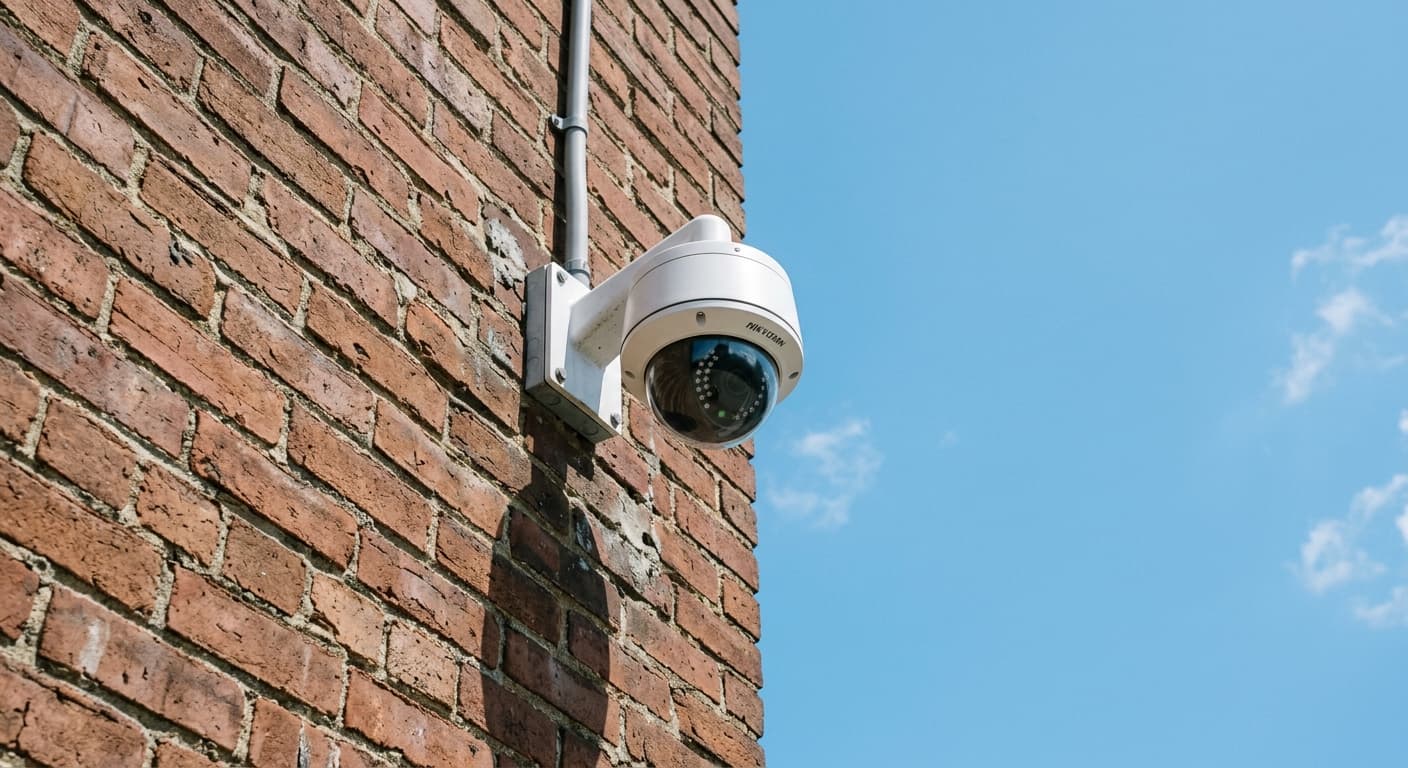
North Dakota homeowners and businesses can install security cameras on their own property without permits or registration. Silent video surveillance is legal; audio recording follows one-party consent rules under N.D.C.C. § 12.1-15-02. Cameras may not record areas where people have a reasonable expectation of privacy.
North Dakota does not have a specific statute regulating the installation of security cameras. Residents and businesses can install surveillance systems without permits or government registration. Privacy limits on where a camera may be aimed come from general common-law invasion-of-privacy principles rather than a specific camera-placement statute. Separately, if footage capturing an intimate image were later distributed without consent, that distribution could be covered by North Dakota's intimate-images statute, N.D.C.C. § 12.1-17-07.2.
This guide covers residential camera rules, business surveillance, audio recording by security cameras, HOA restrictions, neighbor disputes, and smart camera technology in North Dakota.
Residential Security Cameras
Your Right to Install Cameras
North Dakota homeowners can install security cameras on their own property without government permission. You can place cameras on exterior walls, covering entry points, driveways, and yards.
Where You Cannot Aim Cameras
Avoid aiming cameras directly into neighbors' windows, bedrooms, bathrooms, or enclosed private areas. Cameras that record areas where others have a reasonable expectation of privacy may give rise to invasion of privacy claims.
Nanny Cams
Nanny cameras are legal in common areas of your home (living rooms, kitchens, playrooms). Do not place cameras in bathrooms or guest bedrooms.
Audio Recording
Security camera audio recording follows North Dakota's one-party consent rules. If you are present and participating in conversations captured by the camera, you satisfy the consent requirement. If the camera captures conversations between others when you are not present, the recording may violate the wiretap statute.
Business Security Cameras
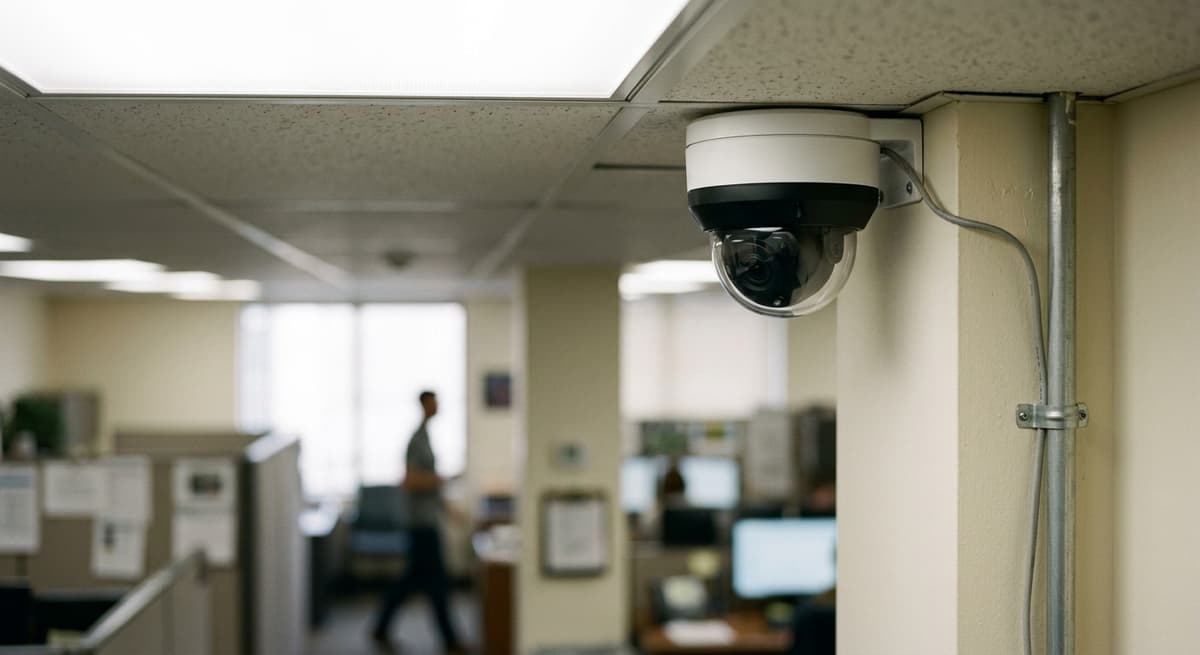
Businesses can install cameras in lobbies, sales floors, warehouses, parking lots, and hallways. Cameras cannot be placed in bathrooms, locker rooms, changing areas, or nursing rooms.
HOA and Community Rules

HOAs can establish rules about camera placement, size, and aesthetics. Review your CC&Rs before installing exterior cameras.
Neighbor Disputes

Resolve security camera disputes by talking to the neighbor, reviewing local ordinances, requesting mediation, or consulting the North Dakota Attorney General.
Smart Cameras and Law Enforcement
Ring doorbells, Nest cameras, and similar devices are legal. Law enforcement can request footage but cannot require it without a warrant. Review your device manufacturer's privacy policy for law enforcement data request procedures.
More North Dakota Recording Laws
Audio Recording | Video Recording | Voyeurism & Hidden Cameras | Workplace Recording | Recording Police | Phone Call Recording | Security Cameras | Recording in Public | Landlord-Tenant | Dashcam Laws | Schools | Medical Recording
Back to North Dakota Recording Laws
More North Dakota Recording Topics
See Also
- North Dakota Surveillance Camera Laws covers home, HOA, neighbor, workplace, and landlord camera rules in North Dakota.
More North Dakota Laws
Frequently Asked Questions
Do I need a permit for security cameras in North Dakota?
No. North Dakota does not require permits or registration for residential or commercial security cameras.
Can my neighbor point a security camera at my house in North Dakota?
A neighbor's camera may incidentally capture your property. However, cameras aimed specifically at your private areas like windows and bedrooms may give rise to invasion of privacy claims.
Do security cameras with audio violate North Dakota wiretapping laws?
Security camera audio follows one-party consent rules. If you are present and participating in recorded conversations, that is legal. Capturing conversations between others when you are not present may violate the wiretap statute.
Can my landlord install cameras inside my apartment in North Dakota?
No. Tenants have a reasonable expectation of privacy inside their rental units. Landlords can install cameras in common areas like hallways and parking lots.
Can police access my security camera footage without a warrant in North Dakota?
Police can request footage voluntarily, but you are not required to provide it without a warrant or court order.
Updates
Independently fact-checked against the cited primary sources; governing law re-checked for recent changes
Corrected the source of camera-aiming privacy limits: N.D.C.C. 12.1-17-07.2 is a distribution-of-intimate-images offense, not a camera-placement or window-peeping statute; privacy limits on where a camera may be aimed come from common-law invasion-of-privacy principles.
Governing law re-checked for recent changes
Reviewed and approved by an editor
The Law Behind This Article
This article rests on the statutory provisions below, held in our own legal record and retrieved from the official source. Tap a section to read the operative text.
North Dakota Century Code
§ 12.1-15-02Interception of wire or oral communications - EavesdroppingIn forcecited in 17 of our articles
A person is guilty of a class C felony if he: Intentionally intercepts any wire or oral communication by use of any electronic, mechanical, or other device; or Intentionally discloses to any other person or intentionally uses the contents of any wire or oral communication, knowing that the information was obtained through the interception of a wire or oral communication. A person is guilty of a class A misdemeanor if he secretly loiters about any building with intent to overhear discourse or conversation therein and to repeat or publish the same with intent to vex, annoy, or injure others. It is a defense to a prosecution under subsection 1 that: The actor was authorized by law to intercept, disclose, or use, as the case may be, the wire or oral communication. The actor was: A person acting under color of law to intercept a wire or oral communication, and He was a party to the communication or one of the parties to the communication had given prior consent to such interception.
Official text (excerpt) · last checked 2026-08-31 · Read the full text in our law library · Verify at ndlegis.gov
Cited in 5 court opinions in our collectionLatest citing opinion in our collection: 2023
In the courts (editorial summary, independently checked):Fargo Women's Health Organization, Inc. v. Larson (1986) applied the subsection 3(c) defense to this section and held that recordings of calls were properly admitted because the callers knew of and consented to the recording of their own conversations.
Opinions citing this section in our collection:
- Fargo Women's Health Organization, Inc. v. Larson (North Dakota Supreme Court 1986, 391 N.W.2d 627)✓A private investigator hired by an abortion clinic recruited callers to phone a rival anti-abortion clinic and recorded the calls with the callers' consent; the court held that consent triggered the defense in section 12.1-15-02(3)(c), so the tapes were admitted.
- Bartnicki v. Vopper (Supreme Court of the United States 2001, 532 U.S. 514)“…Ann. § 30-12-1 (1994); N. C. Gen. Stat. § 15A-287 (1999); N. D. Cent. Code § 12.1-15-02 (1997); Ohio Rev. Code Ann. § 2933.52…”
- American Civil Liberties Union of Ill. v. Alvarez (Court of Appeals for the Seventh Circuit 2012, 679 F.3d 583)“…55 § 750.539c; N.D. Cent. Code. Ann. § 12.1-15-02. The Cali- fornia statute is illustrat…”
Identified automatically from the court opinions citing this section — not a ranking of which case controls.
Also relied on in: North Dakota Recording Laws (2026): One-Party Consent Rules, North Dakota Smart Glasses Recording Laws (2026), North Dakota AI Meeting Recording Laws (2026)
§ 12.1-17-07.2Distribution of intimate images without or against consent - PenaltyIn forcecited in 5 of our articles
As used in this section: "Distribute" means selling, exhibiting, displaying, wholesaling, retailing, providing, giving, granting admission to, providing access to, or otherwise transferring or presenting an image to another individual, with or without consideration. "Hosting company" means a person that provides services or facilities for storing or distributing content over the internet without editorial or creative alteration of the content. "Intimate image" means any visual depiction, photograph, film, video, recording, picture, or computer or computer-generated image or picture, whether made or produced by electronic, mechanical, or other means, that depicts: Exposed human male or female genitals or pubic area, with less than an opaque covering; A female breast with less than an opaque covering, or any portion of the female breast below the top of the areola; or The individual engaged in any sexually explicit conduct. "Service provider" means an internet service provider, including a person who leases or rents a wire or cable for the transmission of data.
Official text (excerpt) · last checked 2026-07-30 · Read the full text in our law library · Verify at ndlegis.gov
Also relied on in: North Dakota Video Recording Laws: Surveillance, Filming, and Privacy Rules (2026), North Dakota Voyeurism and Hidden Camera Laws: Penalties and Protections (2026), North Dakota Sexting Laws: Legal Consequences and Penalties
Search our full record of US law — 2.1 million sections, every state + federal →
Sources and References
- N.D.C.C. § 12.1-15-02(ndlegis.gov).gov
- ND Attorney General(attorneygeneral.nd.gov).gov
- FTC Home Security(consumer.ftc.gov).gov
- N.D.C.C. § 12.1-17-07.2 - Intimate Images(ndlegis.gov).gov