
Virginia
Virginia Laws on Recording Police: Your Rights and Limitations
Independently fact-checked against primary sources (last audited August 15, 2026). · Reviewed by the RecordingLaw editorial team. · Law checked current as of August 15, 2026. · 6 primary sources cited on this page. How we verify our legal content
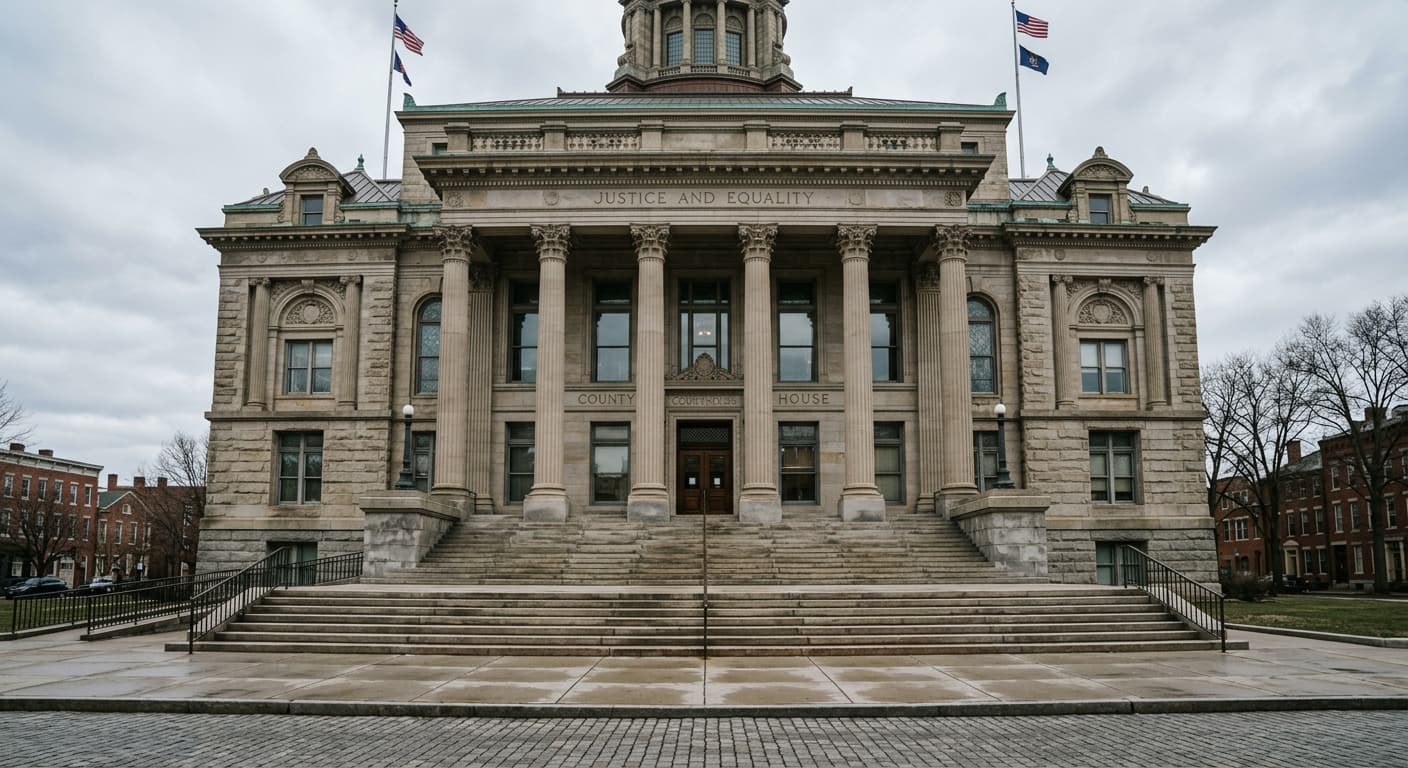
Virginia law gives you the right to record police officers performing their duties in public under the First Amendment. The Fourth Circuit recognized filming and livestreaming police as protected First Amendment activity in Sharpe v. Winterville Police Dep't (2023), though the officer in that case still won qualified immunity because the right was not yet clearly established in 2018. Virginia's one-party consent statute, Va. Code 19.2-62, also permits you to record your own interactions with officers without notifying them.
Virginia residents have a clear legal right to record police officers performing their duties in public. This right is grounded in the First Amendment to the United States Constitution and supported by federal court rulings in the Fourth Circuit, which covers Virginia. The state's one-party consent law under Va. Code Ann. 19.2-62 further supports citizens' ability to record their own interactions with law enforcement.
This guide explains your rights when recording police in Virginia, the legal limitations you must observe, Virginia's law enforcement body camera and interrogation recording requirements, how to access police recordings through public records requests, and what to do if an officer tells you to stop recording.
Your Right to Record Police in Virginia
Constitutional Foundation
The right to record police officers is rooted in the First Amendment, which protects freedom of speech and the press. Federal courts have consistently held that recording matters of public interest, including police activity, is a form of protected expression. The Fourth Circuit Court of Appeals, which has jurisdiction over Virginia, has recognized recording and livestreaming police as First Amendment-protected activity. In Sharpe v. Winterville Police Dep't, 59 F.4th 674 (4th Cir. 2023), the Fourth Circuit held that a passenger livestreaming his own traffic stop is protected speech, and it vacated and remanded the claim against the town's no-livestreaming policy for further proceedings. But the court also held that this right was not clearly established at the time of the 2018 stop, so it affirmed qualified immunity for the individual officer who tried to stop the livestream, meaning he was not held personally liable.
The right to record applies to:
- Traffic stops (including your own)
- Arrests and detentions occurring in public
- Police interactions at protests, rallies, and demonstrations
- Officers performing their duties on public sidewalks, streets, and parks
- Police activity visible from public property
- Your own interactions with police officers
Virginia One-Party Consent and Police Encounters
Under Va. Code Ann. 19.2-62, you can record any conversation you participate in. When you are interacting directly with a police officer, you are a party to that conversation and can record the audio without informing the officer. This applies to:
- Being questioned during a traffic stop
- Conversations during a Terry stop (investigative detention)
- Interactions at a DUI checkpoint
- Any direct conversation between you and law enforcement
Bystander Recording
As a bystander, you can record police activity happening in public. While you may not be a party to the conversation between an officer and another person, video recording of public police activity is protected by the First Amendment. For the audio component, public police encounters generally do not carry the same expectation of privacy as private conversations.
Limitations on Recording Police
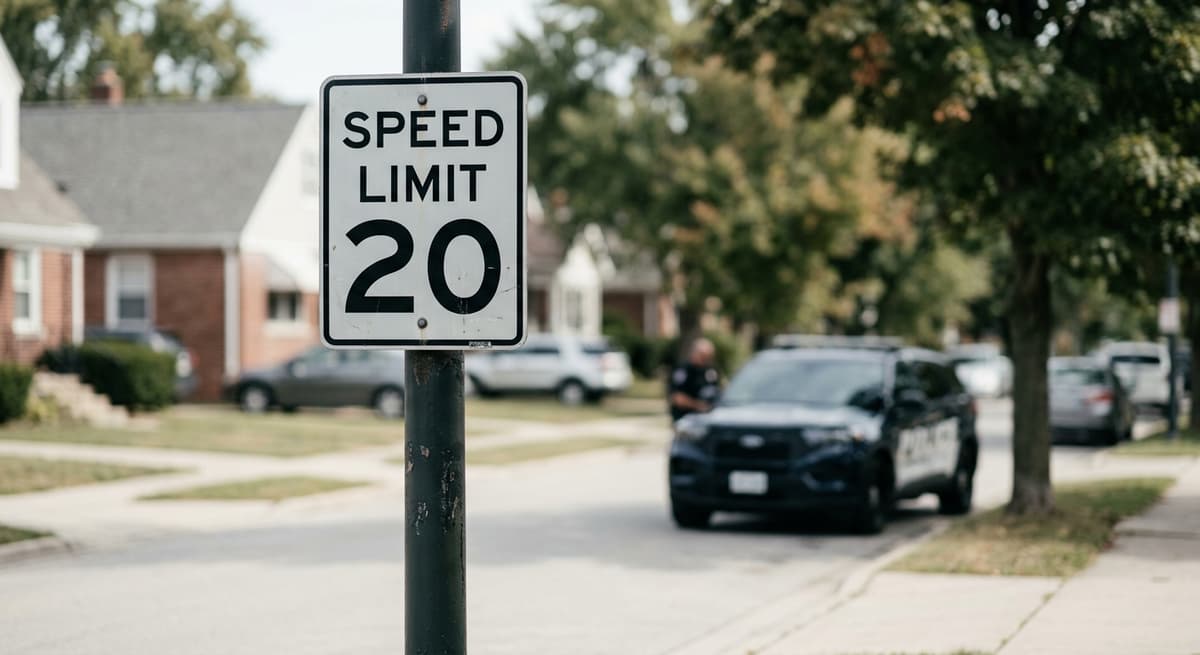
Do Not Interfere With Operations
The most important limitation is that your recording cannot physically interfere with police operations. You may face legitimate legal consequences if you:
- Step into an active crime scene to get a closer recording angle
- Physically block an officer's path or movement
- Refuse to move back when an officer establishes a safety perimeter
- Grab or touch an officer or their equipment
- Shout or create distractions that prevent officers from communicating
Virginia's obstruction of justice statute (Va. Code Ann. 18.2-460) makes it a crime to knowingly obstruct a law enforcement officer in the performance of their duties. This is a Class 1 misdemeanor punishable by up to 12 months in jail and a $2,500 fine.
Do Not Trespass
You cannot trespass on private property to record police activity. If police are conducting operations on private land and you enter that property without permission, you can be charged with trespass under Va. Code Ann. 18.2-119.
Reasonable Distance
Officers can ask you to maintain a reasonable distance from their operations for safety purposes. A request to step back is generally lawful if it is based on legitimate safety concerns. However, an officer cannot order you to stop recording entirely or to move so far away that recording becomes impossible.
Secure Areas
Recording may be restricted in certain secure areas, including:
- Inside police stations (policies vary by department)
- Courtrooms (subject to judge's discretion)
- Crime scenes with active investigations
- Military installations under federal jurisdiction
What to Do If Police Tell You to Stop Recording

Know Your Rights
If a police officer tells you to stop recording, remember:
- Stay calm and polite. Confrontation escalates situations and does not protect your rights.
- State that you are exercising your First Amendment right. You can say something like, "I am recording for my own records. I am not interfering with your duties."
- Do not physically resist if an officer attempts to take your device. Comply physically and challenge the action later through legal channels.
- Do not delete footage at an officer's request. Deleting evidence can complicate your legal position.
- Note the officer's badge number, name, and department for any subsequent complaint or legal action.
If Your Device Is Confiscated
Police officers may lawfully seize or temporarily take possession of your recording device without a warrant, such as incident to a lawful arrest or on probable cause it holds evidence of a crime. However, the Supreme Court's decision in Riley v. California (2014) held that law enforcement generally needs a warrant to search the digital contents of a cell phone, so officers cannot search through your footage or files without one. If your device is taken:
- Ask for the officer's name and badge number
- Ask for a property receipt
- Do not provide your device passcode without consulting an attorney
- File a complaint with the department's internal affairs division
- Consider consulting a civil rights attorney about potential Fourth Amendment violations
If Footage Is Deleted
An officer who intentionally deletes your recording could face:
- Departmental discipline for violating policy
- Civil liability for violating your First Amendment and Fourth Amendment rights under 42 U.S.C. 1983
- Potential evidence tampering charges
Virginia Law Enforcement Recording Requirements
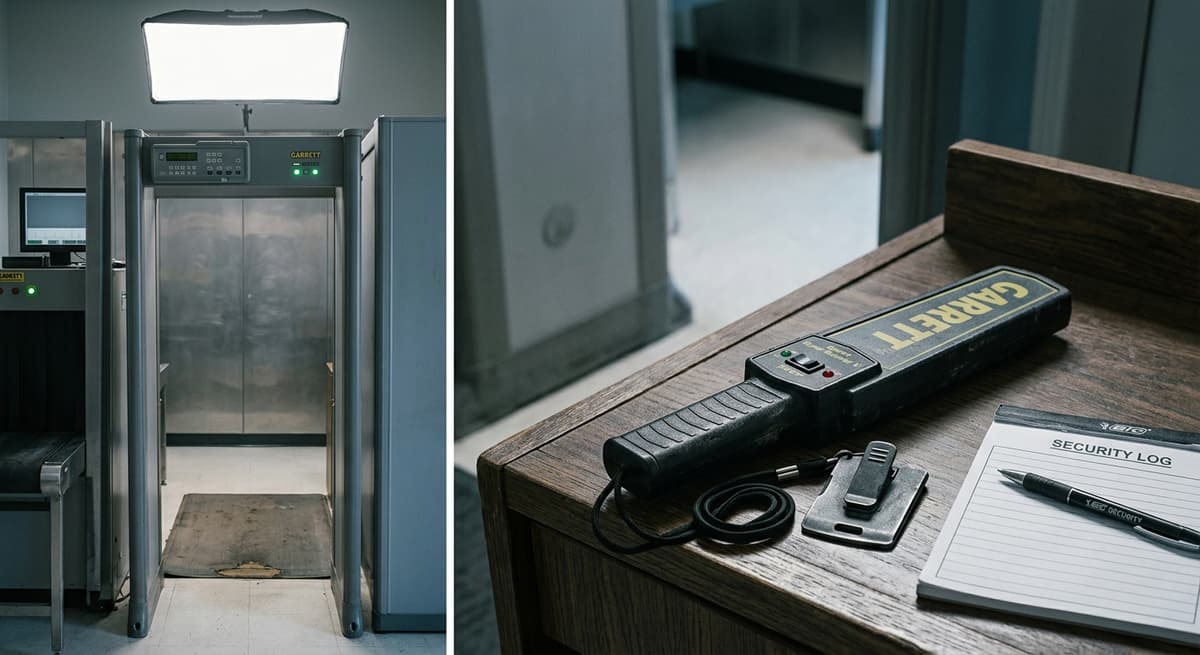
Custodial Interrogation Recording (Va. Code 19.2-390.04)
Va. Code Ann. 19.2-390.04 requires Virginia law enforcement officers to make an audiovisual recording of any custodial interrogation conducted at a place of detention. If audiovisual recording is not practicable, the officer must make an audio recording.
Key provisions:
- Applies to interrogations conducted at a place of detention (police station, sheriff's office, etc.)
- Requires the recording to capture the entire interrogation, including any waiver of rights
- If recording equipment malfunctions or is unavailable, or if exigent circumstances involving public safety prevent recording, the requirement is excused
- Failure to record does not automatically make statements inadmissible, but courts may consider the absence of a recording when evaluating the weight of the evidence
Body-Worn Cameras
Virginia does not have a statewide mandate requiring all law enforcement officers to wear body cameras. Individual departments set their own body camera policies. Many larger departments in Virginia, particularly in Northern Virginia and the Hampton Roads area, have adopted body camera programs.
The Virginia Department of Criminal Justice Services provides guidance and training standards for body camera use, but the decision to deploy body cameras remains with each law enforcement agency.
Dashboard Cameras
Many Virginia law enforcement vehicles are equipped with dashboard cameras. Like body cameras, there is no statewide mandate, and usage varies by department.
Accessing Police Recordings Through FOIA
Virginia Freedom of Information Act
Virginia's Freedom of Information Act (FOIA) provides a framework for accessing government records, including law enforcement recordings.
Body-Worn Camera Footage Classification
Body-worn camera footage generally falls within the broad definition of criminal investigative files under Va. Code Ann. 2.2-3706.1, even though the statute does not name body cameras or portable recording devices specifically. As applied, this means:
- Recordings related to an active investigation may be withheld from public disclosure
- Once an investigation is closed, records may be available through a FOIA request
- Certain exemptions apply to protect ongoing investigations, informant identities, and sensitive information
- The requesting party can challenge a denial through the FOIA process
How to Request Police Recordings
To request police recordings in Virginia:
- Identify the correct agency. Submit your request to the specific law enforcement department that made the recording.
- Submit a written FOIA request. Include the date, time, location, and any case number associated with the incident.
- Reference the FOIA statute. Cite Va. Code 2.2-3700 et seq. in your request.
- Expect a response within 5 working days. Virginia law requires agencies to respond to FOIA requests within 5 working days, though they may request additional time.
- Be prepared for fees. Agencies can charge reasonable costs for searching and copying records.
Personal Access to Your Own Encounter Recordings
If you were involved in an incident captured on a body camera or dashcam, you may have additional rights to access the footage. Virginia law provides that individuals who are the subject of criminal investigative files may access their own records in certain circumstances. Consulting with an attorney about your specific situation is advisable.
Recording Police in Specific Virginia Settings
Traffic Stops
You can record your own traffic stop in Virginia. Place your phone in a visible mount or hold it openly. You are not required to inform the officer that you are recording. Continue to comply with lawful instructions during the stop while maintaining your recording.
DUI Checkpoints
Virginia permits DUI checkpoints. You can record your interactions at a checkpoint. Officers at checkpoints are performing a public function, and recording them is constitutionally protected.
Protests and Public Demonstrations
Recording police activity at protests is strongly protected by the First Amendment. Virginia has seen numerous protests and demonstrations, and the right to document police response to these events has been affirmed. However, if law enforcement declares an unlawful assembly, you must comply with dispersal orders even while recording.
Arrest of Another Person
You can record the arrest of another person occurring in public. Maintain a safe distance and do not interfere. Your recording could serve as important evidence if questions arise about the use of force or the circumstances of the arrest.
Civil Rights Remedies
42 U.S.C. 1983 Claims
If a Virginia law enforcement officer violates your right to record by confiscating your device, deleting footage, or arresting you for lawful recording, you may have a cause of action under 42 U.S.C. 1983. This federal statute allows individuals to sue government officials who violate their constitutional rights.
Potential damages include:
- Compensatory damages for actual harm
- Nominal damages for the rights violation itself
- Punitive damages for particularly egregious conduct
- Attorney fees under 42 U.S.C. 1988
Filing a Complaint
You can also file a complaint with:
- The law enforcement department's internal affairs division
- The Virginia Office of the Attorney General
- The U.S. Department of Justice Civil Rights Division
More Virginia Recording Laws
Audio Recording | Video Recording | Voyeurism and Hidden Cameras | Workplace Recording | Recording Police | Phone Call Recording | Security Cameras | Recording in Public | Landlord-Tenant Recording | Dashcam Laws | School Recording | Medical Recording
Back to Virginia Recording Laws
More Virginia Recording Topics
More Virginia Laws
Frequently Asked Questions
Can I record police officers in Virginia?
Yes. The Fourth Circuit recognized recording and livestreaming police as First Amendment-protected activity in Sharpe v. Winterville Police Dep't, 59 F.4th 674 (4th Cir. 2023). That case also shows the limits: the individual officer who tried to stop a passenger from livestreaming his own traffic stop won qualified immunity because the right was not yet clearly established in 2018, so officers are not automatically liable for interfering with recording. Virginia's one-party consent law (Va. Code 19.2-62) further allows you to record your own interactions with police without informing them.
Can a police officer take my phone for recording them in Virginia?
They may lawfully seize your device without a warrant in some circumstances, such as incident to arrest or on probable cause it holds evidence of a crime. What they cannot do without a warrant is search its contents: the Supreme Court's ruling in Riley v. California requires a warrant before officers can search a cell phone's digital contents, including your footage. If an officer takes your phone, note their badge number and file a complaint. You may have a civil rights claim under 42 U.S.C. 1983.
Does Virginia require police to wear body cameras?
Virginia does not have a statewide body camera mandate. Individual departments set their own policies. Many larger departments in Northern Virginia and Hampton Roads have adopted body camera programs, but it is not required by state law.
Are police interrogations recorded in Virginia?
Va. Code 19.2-390.04 requires law enforcement to make audiovisual recordings of custodial interrogations conducted at places of detention. If audiovisual recording is not practicable, audio recording is required. Exceptions exist for equipment failure and exigent circumstances.
How can I get body camera footage in Virginia?
Submit a written FOIA request under Va. Code 2.2-3700 et seq. to the specific law enforcement department. Body-worn camera footage generally falls within the criminal investigative files definition under Va. Code 2.2-3706.1, which means access may be restricted during active investigations. Agencies must respond within 5 working days.
Updates
Corrected our description of Sharpe v. Winterville Police Dep't: the Fourth Circuit recognized recording and livestreaming police as First Amendment-protected activity, but the individual officer in that case won qualified immunity because the right was not clearly established in 2018, and also fixed a dead citation link to the opinion. Corrected how Riley v. California applies to a seized device: police may lawfully seize a recording device without a warrant in some circumstances, but need a warrant to search its contents. Clarified that body-worn camera footage generally falls within, rather than is explicitly named by, Virginia's criminal investigative files statute.
Independently fact-checked against the cited primary sources; governing law re-checked for recent changes
Governing law re-checked for recent changes
Governing law re-checked for recent changes
Reviewed and approved by an editor
The Law Behind This Article
This article rests on the statutory provisions below, held in our own legal record and retrieved from the official source. Tap a section to read the operative text.
Code of Virginia, Title 19.2: Criminal Procedure
§ 19.2-62Interception, disclosure, etc., of wire, electronic or oral communications unlawful; penalties; exceptionsIn forcecited in 21 of our articles
A. Except as otherwise specifically provided in this chapter any person who: 1. Intentionally intercepts, endeavors to intercept or procures any other person to intercept or endeavor to intercept, any wire, electronic or oral communication; 2. Intentionally uses, endeavors to use, or procures any other person to use or endeavor to use any electronic, mechanical or other device to intercept any oral communication; 3. Intentionally discloses, or endeavors to disclose, to any other person the contents of any wire, electronic or oral communication knowing or having reason to know that the information was obtained through the interception of a wire, electronic or oral communication; or 4. Intentionally uses, or endeavors to use, the contents of any wire, electronic or oral communication, knowing or having reason to know that the information was obtained through the interception of a wire, electronic or oral communication; shall be guilty of a Class 6 felony. B. 1.
Official text (excerpt) · last checked 2026-08-31 · Read the full text in our law library · Verify at law.lis.virginia.gov
Cited in 11 court opinions in our collectionLatest citing opinion in our collection: 2025
In the courts (editorial summary, independently checked):Courts read Section 19.2-62 in step with the federal wiretap act. Global Policy Partners, LLC v. Yessin (2009) held that accessing email stored on a destination server is not an intercept, and Wilks v. Commonwealth (1977) held a conversation police recorded through a cooperating coconspirator was not a protected oral communication.
Opinions citing this section in our collection:
- Belmer v. Commonwealth (Court of Appeals of Virginia 2001, 36 Va. App. 448)✓A juvenile arrested for robbery whispered to his mother's boyfriend in a police interview room while a detective listened in; the court found no reasonable expectation of privacy, so Chapter 6, which carries the Section 19.2-62 ban, did not bar the detective's testimony.
- Wilks v. Commonwealth (Supreme Court of Virginia 1977, 217 Va. 885)✓An arson conspirator agreed to be wired and drew the defendant into a taped shop-talk about the fires; the court held the defendant had no justifiable expectation of noninterception, so the talk was not an oral communication protected by Chapter 6 and the tape was admissible.
- Bartnicki v. Vopper (Supreme Court of the United States 2001, 532 U.S. 514)“…16.02 (Supp. 2001); Utah Code Ann. § 77 23a4 (1982); Va. Code Ann. § 19.2-62 (1995); W. Va. Code § 62 -1D-3 (2000)…”
Identified automatically from the court opinions citing this section — not a ranking of which case controls.
Also relied on in: One-Party Consent States: Complete 2026 Guide, District of Columbia Phone Call Recording Laws: Consent Rules and Interstate Calls, Virginia Security Camera Laws: Home, Business, and HOA Rules
§ 19.2-390.04Custodial interrogations; recordingIn forcecited in 2 of our articles
A. For purposes of this section: "Custodial interrogation" means any interview conducted by a law-enforcement officer in such circumstances that would lead a reasonable person to consider himself to be in custody associated with arrest and during which the law-enforcement officer takes actions or asks questions that are reasonably likely to elicit responses from the person that could incriminate him. "Place of detention" means a police station, sheriff's office, jail, detention center, or other similar facility in which suspects may be detained. B. A law-enforcement officer conducting a custodial interrogation of any person at a place of detention shall cause an audiovisual recording of the entirety of such custodial interrogation to be made. If such law-enforcement officer is unable to cause an audiovisual recording of such custodial interrogation to be made, the law-enforcement officer shall cause an audio recording of such custodial interrogation to be made. This subsection shall not apply when a law-enforcement officer conducting a custodial interrogation has good cause not to record such custodial interrogation.
Official text (excerpt) · last checked 2026-07-29 · Read the full text in our law library · Verify at law.lis.virginia.gov
Also relied on in: Virginia Recording Laws (2026): One-Party Consent Rules
Code of Virginia, Title 18.2: Crimes and Offenses Generally
§ 18.2-119Trespass after having been forbidden to do so; penaltiesIn forcecited in 3 of our articles
If any person without authority of law goes upon or remains upon the lands, buildings or premises of another, or any portion or area thereof, after having been forbidden to do so, either orally or in writing, by the owner, lessee, custodian, or the agent of any such person, or other person lawfully in charge thereof, or after having been forbidden to do so by a sign or signs posted by or at the direction of such persons or the agent of any such person or by the holder of any easement or other right-of-way authorized by the instrument creating such interest to post such signs on such lands, structures, premises or portion or area thereof at a place or places where it or they may be reasonably seen, or if any person, whether he is the owner, tenant or otherwise entitled to the use of such land, building or premises, goes upon, or remains upon such land, building or premises after having been prohibited from doing so by a court of competent jurisdiction by an order issued pursuant to §§ 16.1-253, 16.1-253.1, 16.1-253.4, 16.1-278.2 through 16.1-278.6, 16.1-278.8, 16.1-278.14, 16.1-278.15, 16.1-279.1, 19.2-152.8, 19.2-152.9 or § 19.2-152.10 or an ex parte order issued pursuant to §…
Official text (excerpt) · last checked 2026-07-29 · Read the full text in our law library · Verify at law.lis.virginia.gov
Cited in 13 court opinions in our collectionLatest citing opinion in our collection: 2023
Opinions citing this section in our collection:
- Bruce Beaudett v. City of Hampton City Attorneys A. Paul Burton and W. Stephen Moore Judge T.H. Wilson, II and Judge Nelson T. Overton (Court of Appeals for the Fourth Circuit 1985, 775 F.2d 1274)“…pton Code § 24-17, or Virginia’s criminal trespass statute, Va.Code § 18.2-119. On each occasion he was fined and subs…”
- Bray v. Alexandria Women's Health Clinic (Supreme Court of the United States 1993, 506 U.S. 263)“…protect against force, intimidation, and violence, e.g., Va. Code Ann. §18.2-119 (Supp. 1992) (trespassing), §18.2-120…”
- Virginia v. Hicks (Supreme Court of the United States 2003, 539 U.S. 113)“…ng notified not to return are subject to prosecution under Va. Code Ann. § 18.2-119 (1996): "If any person without autho…”
Identified automatically from the court opinions citing this section — not a ranking of which case controls.
Also relied on in: Virginia Laws on Recording in Public: Rights and Restrictions, Virginia Video Recording Laws: Surveillance Rules and Privacy Limits
§ 18.2-460Obstructing justice; resisting arrest; fleeing from a law-enforcement officer; penaltiesIn force
A. If any person without just cause knowingly obstructs a judge, magistrate, justice, juror, attorney for the Commonwealth, witness, any law-enforcement officer, or animal control officer employed pursuant to § 3.2-6555 in the performance of his duties as such or fails or refuses without just cause to cease such obstruction when requested to do so by such judge, magistrate, justice, juror, attorney for the Commonwealth, witness, law-enforcement officer, or animal control officer employed pursuant to § 3.2-6555, he is guilty of a Class 1 misdemeanor. B. Except as provided in subsection C, any person who, by threats or force, knowingly attempts to intimidate or impede a judge, magistrate, justice, juror, attorney for the Commonwealth, witness, any law-enforcement officer, or an animal control officer employed pursuant to § 3.2-6555 lawfully engaged in his duties as such, or to obstruct or impede the administration of justice in any court, is guilty of a Class 1 misdemeanor. C.
Official text (excerpt) · last checked 2026-07-29 · Read the full text in our law library · Verify at law.lis.virginia.gov
Cited in 43 court opinions in our collectionLatest citing opinion in our collection: 2025
Opinions citing this section in our collection:
- Eric Hamilton v. Commonwealth of Virginia (Court of Appeals of Virginia 2018, 69 Va. App. 176)“…ed in “instructing the jury on the elements of Va. Code § 18.2-460(B) and providing an ambiguous verdict f…”
- Jonathan Rogers v. M. L. Pendleton, Officer M. G. Vinyard, Officer (Court of Appeals for the Fourth Circuit 2001, 249 F.3d 279)“…Rogers was arrested for obstruction of justice under Va.Code Ann. § 18.2-460 (Michie 1996 & Supp.2000) and intoxicat…”
- Michael Thomas Wilson v. Barry A. Kittoe, and Anthony S. Tokach (Court of Appeals for the Fourth Circuit 2003, 337 F.3d 392)“…nor violation of Virginia’s obstruction of justice statute, Va.Code Ann. § 18.2-460(A), and was released. The Commonwealth’…”
Identified automatically from the court opinions citing this section — not a ranking of which case controls.
Code of Virginia, Title 2.2: Administration of Government
§ 2.2-3700Short title; policyIn forcecited in 5 of our articles
A. This chapter may be cited as "The Virginia Freedom of Information Act." B. By enacting this chapter, the General Assembly ensures the people of the Commonwealth ready access to public records in the custody of a public body or its officers and employees, and free entry to meetings of public bodies wherein the business of the people is being conducted. The affairs of government are not intended to be conducted in an atmosphere of secrecy since at all times the public is to be the beneficiary of any action taken at any level of government. Unless a public body or its officers or employees specifically elect to exercise an exemption provided by this chapter or any other statute, every meeting shall be open to the public and all public records shall be available for inspection and copying upon request. All public records and meetings shall be presumed open, unless an exemption is properly invoked. The provisions of this chapter shall be liberally construed to promote an increased awareness by all persons of governmental activities and afford every opportunity to citizens to witness the operations of government.
Official text (excerpt) · last checked 2026-07-29 · Read the full text in our law library · Verify at law.lis.virginia.gov
Cited in 9 court opinions in our collectionLatest citing opinion in our collection: 2023
Opinions citing this section in our collection:
- McBurney v. Young (Supreme Court of the United States 2013, 569 U.S. 221)“…ust decide whether the Virginia Freedom of Information Act, Va.Code Ann. § 2.2-3700 et seq. , violates either the Privi…”
- Mark McBurney v. Nathaniel Young (Court of Appeals for the Fourth Circuit 2012)“…rict court held that Virginia’s Freedom of Information Act, Va. Code Ann. § 2.2-3700 et seq. (2011), ("VFOIA") does not viol…”
- McBurney v. Cuccinelli (Court of Appeals for the Fourth Circuit 2010, 616 F.3d 393)“…ld by the Commonwealth, its officers, employees, or agents. Va.Code Ann. §§ 2.2-3700 to .2-3714. In relevant part, the Act p…”
Identified automatically from the court opinions citing this section — not a ranking of which case controls.
Also relied on in: Virginia School Recording Laws: Student, Parent, and Teacher Rights, Virginia Freedom of Information Act: Who Can Request and How (2026)
§ 2.2-3706.1Disclosure of law-enforcement records; criminal incident information and certain criminal investigative files; limitationsIn forcecited in 4 of our articles
A. For purposes of this section: "Criminal investigative files" means any documents and information, including complaints, court orders, memoranda, notes, diagrams, maps, photographs, correspondence, reports, witness statements, and evidence, relating to a criminal investigation or prosecution, other than criminal incident information subject to disclosure in accordance with subsection B. "Family representative" means the decedent's personal representative or, if no personal representative as set forth in § 64.2-100 has qualified, the decedent's next of kin in order of intestate succession as set forth in § 64.2-200. "Immediate family members" means the decedent's family representative, spouse, child, sibling, parent, grandparent, or grandchild. "Immediate family members" include a stepparent, stepchild, stepsibling, and adoptive relationships. "Ongoing" refers to a case in which the prosecution has not been finally adjudicated, the investigation continues to gather evidence for a possible future criminal case, and such case would be jeopardized by the premature release of evidence. B.
Official text (excerpt) · last checked 2026-07-29 · Read the full text in our law library · Verify at law.lis.virginia.gov
United States Code Title 42
§ 1983Civil action for deprivation of rightsIn forcecited in 50 of our articles
Every person who, under color of any statute, ordinance, regulation, custom, or usage, of any State or Territory or the District of Columbia, subjects, or causes to be subjected, any citizen of the United States or other person within the jurisdiction thereof to the deprivation of any rights, privileges, or immunities secured by the Constitution and laws, shall be liable to the party injured in an action at law, suit in equity, or other proper proceeding for redress, except that in any action brought against a judicial officer for an act or omission taken in such officer’s judicial capacity, injunctive relief shall not be granted unless a declaratory decree was violated or declaratory relief was unavailable. For the purposes of this section, any Act of Congress applicable exclusively to the District of Columbia shall be considered to be a statute of the District of Columbia.
Official text (excerpt) · last checked 2026-07-28 · Read the full text in our law library · Verify at uscode.house.gov
Cited in 282,365 court opinions in our collectionLatest citing opinion in our collection: 2026
Opinions citing this section in our collection:
- Ashcroft v. Iqbal (Supreme Court of the United States 2009, 556 U.S. 662)“…its brought against state officials under Rev. Stat. §1979, 42 U. S. C. §1983.” Hartman, 547 U. S., at 254, n. 2. Cf.…”
- Celotex Corp. v. Catrett, Administratrix of the Estate of Catrett (Supreme Court of the United States 1986, 477 U.S. 317)“…policeman as she left. Petitioner brought an action under 42 U. S. C. § 1983 claiming that the refusal of service a…”
- Monell v. New York City Dept. of Social Servs. (Supreme Court of the United States 1978, 436 U.S. 658)“…decided less than two decades ago. Focusing new light on 42 U. S. C. § 1983 , that decision widened access to the f…”
Identified automatically from the court opinions citing this section — not a ranking of which case controls.
Also relied on in: Alabama Laws on Recording Police: Your Rights and Limits, Alaska Laws on Recording Police: Your Rights and Limits (2026), Arkansas Laws on Recording Police: Your Rights and Limits (2026)
§ 1988Proceedings in vindication of civil rightsIn forcecited in 6 of our articles
The jurisdiction in civil and criminal matters conferred on the district courts by the provisions of titles 13, 24, and 70 of the Revised Statutes for the protection of all persons in the United States in their civil rights, and for their vindication, shall be exercised and enforced in conformity with the laws of the United States, so far as such laws are suitable to carry the same into effect; but in all cases where they are not adapted to the object, or are deficient in the provisions necessary to furnish suitable remedies and punish offenses against law, the common law, as modified and changed by the constitution and statutes of the State wherein the court having jurisdiction of such civil or criminal cause is held, so far as the same is not inconsistent with the Constitution and laws of the United States, shall be extended to and govern the said courts in the trial and disposition of the cause, and, if it is of a criminal nature, in the infliction of punishment on the party found guilty. In any action or proceeding to enforce a provision of sections 1981, 1981a, 1982, 1983, 1985, and 1986 of this title, title IX of Public Law 92–318 [20 U.S.C.
Official text (excerpt) · last checked 2026-07-28 · Read the full text in our law library · Verify at uscode.house.gov
Cited in 17,943 court opinions in our collectionLatest citing opinion in our collection: 2026
Opinions citing this section in our collection:
- Monell v. New York City Dept. of Social Servs. (Supreme Court of the United States 1978, 436 U.S. 658)“…cts of its deputies and sheriff,” id., at 696 , under 42 U. S. C. § 1988 . In rejecting this vicarious-liability…”
- Gall v. United States (Supreme Court of the United States 2007, 552 U.S. 38)“…ssing the Civil Rights Attorney’s Fees Awards Act of 1976, 42 U. S. C. § 1988 ). See also United States v. Oakland…”
- Hensley v. Eckerhart (Supreme Court of the United States 1983, 461 U.S. 424)“…ing the proper amount of an award of attorney’s fees under 42 U. S. C. § 1988 .” Ante, at 440. I agree with the Cou…”
Identified automatically from the court opinions citing this section — not a ranking of which case controls.
Also relied on in: Georgia Laws on Recording Police: Your First Amendment Rights (2026), New Mexico Laws on Recording Police: Your First Amendment Rights (2026), Kansas Laws on Recording Police
Search our full record of US law — 2.1 million sections, every state + federal →
Sources and References
- Va. Code Ann. 19.2-62(law.lis.virginia.gov).gov
- Va. Code Ann. 19.2-390.04 - Custodial Interrogations; Recording(law.lis.virginia.gov).gov
- Va. Code Ann. 2.2-3706.1 - Criminal Investigative Files(law.lis.virginia.gov).gov
- Virginia FOIA(law.lis.virginia.gov).gov
- Va. Code Ann. 18.2-460 - Obstruction of Justice(law.lis.virginia.gov).gov
- 42 U.S.C. 1983(law.cornell.edu)
- Sharpe v. Winterville Police Dep't, 59 F.4th 674 (4th Cir. 2023) -- livestreaming a traffic stop is protected speech, but the officer was granted qualified immunity(ca4.uscourts.gov).gov