
Virginia
Virginia Voyeurism and Hidden Camera Laws: Penalties and Protections
Independently fact-checked against primary sources (last audited August 15, 2026). · Reviewed by the RecordingLaw editorial team. · Law checked current as of August 15, 2026. · 6 primary sources cited on this page. How we verify our legal content
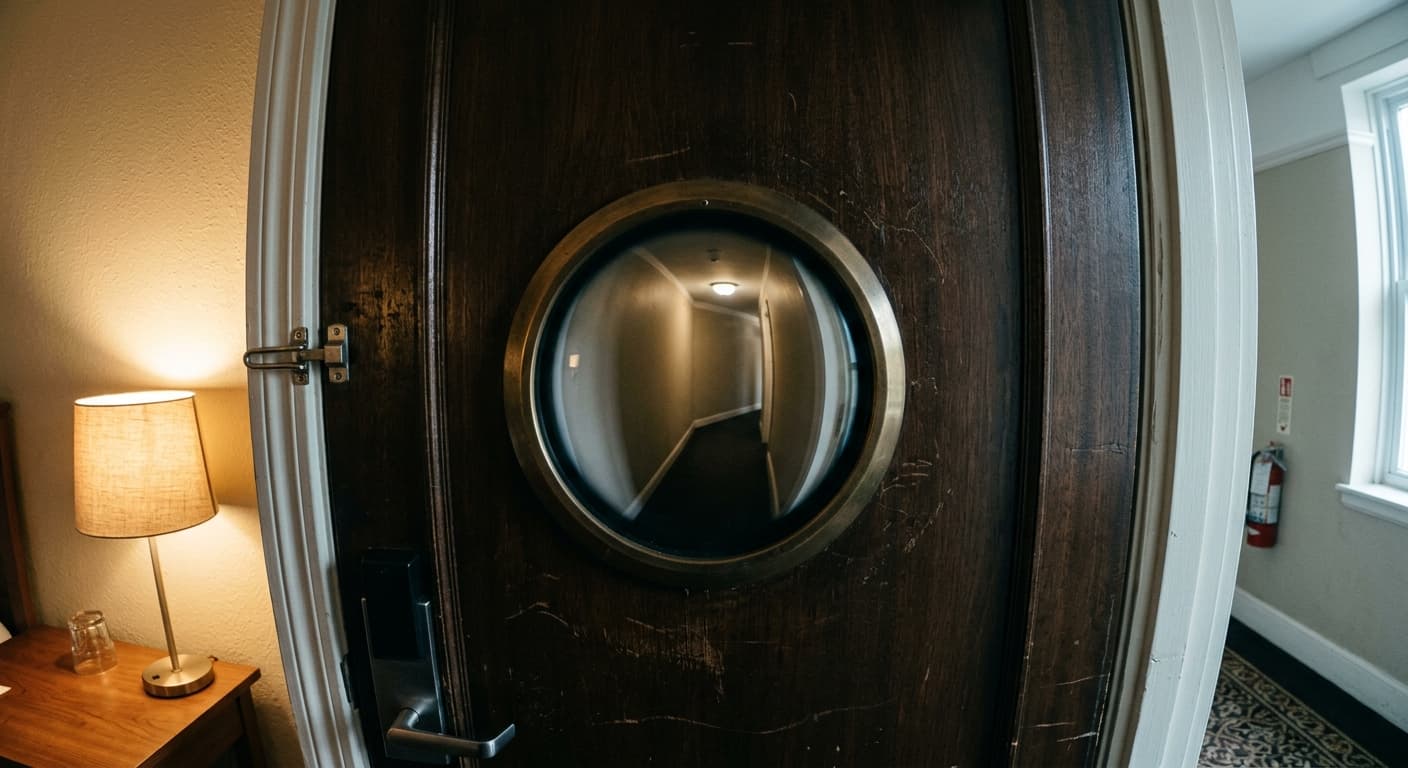
Virginia prohibits secretly filming a nonconsenting person in a state of undress or in a location with a reasonable expectation of privacy under Va. Code 18.2-386.1, making a first offense a Class 1 misdemeanor and elevating the charge to a Class 6 felony when the victim is under 18.
Virginia has a robust set of laws targeting voyeurism, hidden cameras, and the non-consensual creation and distribution of intimate images. These statutes protect individuals in settings where they have a reasonable expectation of privacy, including bathrooms, bedrooms, locker rooms, changing areas, and any other space where a person would reasonably expect not to be observed or recorded in a state of undress.
This guide covers all of Virginia's voyeurism-related statutes, the specific acts they prohibit, the penalties for each offense, civil remedies available to victims, and how these laws apply to emerging technologies like deepfakes and hidden recording devices.
Virginia's Core Voyeurism Statutes
Virginia addresses voyeurism through three primary statutes that work together to cover different aspects of privacy violations:
| Statute | What It Covers | Key Focus |
|---|---|---|
| Va. Code 18.2-386.1 | Unlawful creation of image of another | Secret filming of nonconsenting persons in private settings |
| Va. Code 18.2-130 | Peeping or spying into dwelling | Physical peeping through a window, door, or peephole into occupied buildings |
| Va. Code 18.2-386.2 | Unlawful dissemination of images | Distribution of intimate images without consent |
Each statute targets a different stage of the violation: the creation of the image, the act of peeping, and the distribution of the content.
Unlawful Creation of Image (Va. Code 18.2-386.1)
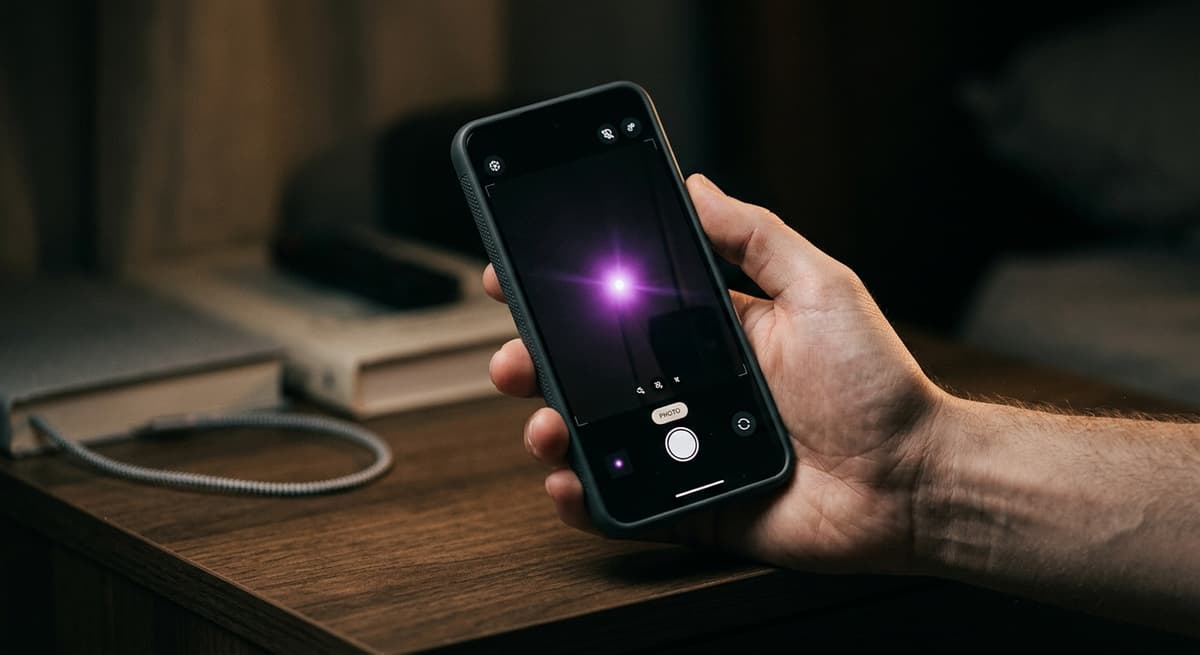
What the Statute Prohibits
Va. Code Ann. 18.2-386.1 makes it a crime to knowingly and intentionally create a videographic or still image of a nonconsenting person when that person is:
- Totally nude in a location where they have a reasonable expectation of privacy
- Clad in undergarments in such a location
- In a state of undress in such a location
The statute also specifically criminalizes filming the "intimate parts" of a nonconsenting person when those parts are covered by clothing and would not otherwise be visible to the public. This provision directly targets upskirting, downblousing, and similar acts.
Key Legal Elements
For a conviction under this statute, the prosecution must prove:
- Knowing and intentional conduct - Accidental recordings are not covered
- Nonconsenting person - The person being filmed did not agree to be recorded
- Reasonable expectation of privacy - The person was in a location where they would reasonably expect not to be observed (for nudity/undress recordings)
- Intimate parts not otherwise visible - For upskirting-type offenses, the targeted areas would not normally be visible to the public
Where Reasonable Expectation of Privacy Exists
Virginia courts recognize a reasonable expectation of privacy in locations such as:
- Private bathrooms and restrooms
- Bedrooms in a residence
- Changing rooms and fitting rooms
- Locker rooms and shower facilities
- Hotel and motel rooms
- Medical examination rooms
- Any enclosed space where a person would reasonably undress
Public restrooms, even though accessible to many people, still carry a reasonable expectation of privacy against being recorded.
Penalties
| Offense | Classification | Maximum Penalty |
|---|---|---|
| First offense (adult victim) | Class 1 misdemeanor | 12 months jail and/or $2,500 fine |
| Victim is under 18 | Class 6 felony | 1 to 5 years imprisonment |
| Second or subsequent offense (adult victim) | Class 6 felony | 1 to 5 years imprisonment |
Sex Offender Registration
A conviction under Va. Code 18.2-386.1 may require registration on the Virginia Sex Offender Registry, depending on the circumstances and the court's determination. The Virginia State Police Sex Offender Registry maintains the statewide database.
Peeping or Spying (Va. Code 18.2-130)
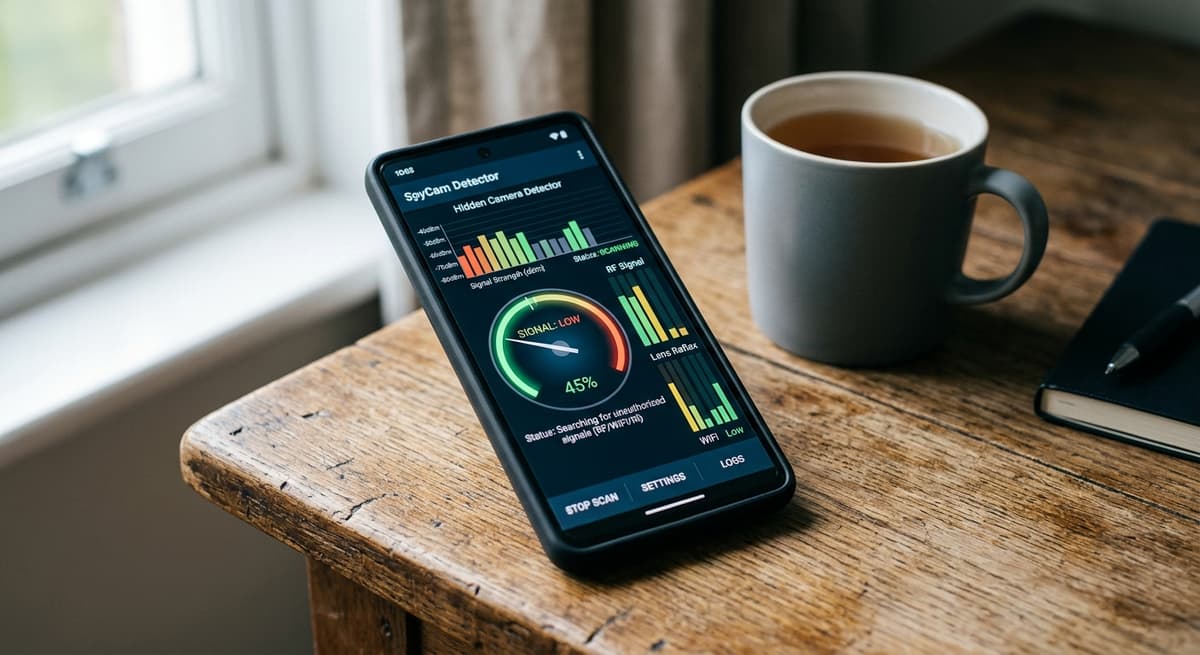
Scope of the Statute
Va. Code Ann. 18.2-130 makes it unlawful to:
- Enter upon the property of another to peep or spy into any window, door, or other opening of any occupied dwelling
- Use a peephole or other aperture to peep or spy into a restroom, dressing room, locker room, hotel or motel room, tanning bed or booth, bedroom, or similar location for the purpose of viewing a nonconsenting person who is nude, in undergarments, or in a state of undress
- A "peephole," as defined by the statute, is any hole, crack, or similar opening through which a person can see
This statute is broader than the voyeurism statute in some respects. It does not require the victim to be nude or undressed. Simply spying into someone's dwelling for the purpose of observing them, regardless of their state of dress, is sufficient for prosecution.
What "Peephole" Means Under the Statute
Va. Code 18.2-130 defines "peephole" narrowly: "any hole, crack or other similar opening through which a person can see." The statute is built around physical apertures, not recording technology, whether that is:
- A window, door, or other opening into an occupied dwelling
- A hole, crack, or similar opening used to view one of the enumerated private locations (restrooms, dressing rooms, locker rooms, hotel or motel rooms, tanning beds or booths, bedrooms)
Recording a person with a hidden camera, drone, or other electronic device is instead addressed under Va. Code 18.2-386.1, Virginia's unlawful-image-creation statute, discussed above.
Penalties
| Offense | Classification | Maximum Penalty |
|---|---|---|
| First offense | Class 1 misdemeanor | 12 months jail and/or $2,500 fine |
Non-Consensual Distribution of Intimate Images (Va. Code 18.2-386.2)

What Constitutes a Violation
Va. Code Ann. 18.2-386.2 prohibits the malicious dissemination or sale of a videographic or still image of another person that was created in a manner prohibited by Va. Code 18.2-386.1, or that depicts the person in a state of nudity or engaged in sexual conduct when the depicted person has not consented to the dissemination.
The law requires that the person distributing the images do so with the intent to coerce, harass, or intimidate the depicted person, or that the distribution is done maliciously.
Coverage of AI-Generated Content (Deepfakes)
Virginia expanded this statute to cover images "created by any means whatsoever," which explicitly includes:
- AI-generated images that depict a recognizable actual person in an intimate or sexual context
- Digitally manipulated photographs where a person's face is placed on an explicit image
- Computer-generated video (deepfake video) depicting a recognizable person
- Any synthetic media that uses a person's likeness without consent
This makes Virginia one of the more comprehensive states in addressing deepfake intimate content. The technology used to create the image is irrelevant; what matters is that it depicts a recognizable person without their consent.
Penalties for Distribution
| Offense | Classification | Maximum Penalty |
|---|---|---|
| Any violation of Va. Code 18.2-386.2 | Class 1 misdemeanor | 12 months jail and/or $2,500 fine |
Unlike the creation offense under Va. Code 18.2-386.1, Section 18.2-386.2 does not currently include a felony enhancement for a second or subsequent offense; every violation is a flat Class 1 misdemeanor.
Civil Remedies for Victims
Va. Code 8.01-40.4: Civil Action
Va. Code Ann. 8.01-40.4 provides victims of non-consensual intimate image distribution with a civil cause of action. Victims can sue for:
- Compensatory damages for emotional distress, reputational harm, and other actual losses
- Punitive damages for particularly egregious conduct
- Reasonable attorney fees and costs
This civil remedy is independent of any criminal prosecution. A victim can pursue civil damages even if the perpetrator is not criminally charged, and even if a criminal case results in acquittal.
Va. Code 19.2-69: Civil Action for Illegal Interception
If the voyeuristic recording also involved audio interception (violating the wiretapping statute), victims have an additional civil remedy under Va. Code Ann. 19.2-69, which provides statutory damages of $400 per day ($4,000 minimum) or $800 per day ($8,000 minimum) for privileged communications.
Protective Orders
Victims of voyeurism can seek protective orders under Virginia's Chapter 9.1 framework, which has three tiers: an emergency protective order under Va. Code Ann. 19.2-152.8 that lasts only until 11:59 p.m. on the third day after issuance, a preliminary protective order under Va. Code 19.2-152.9, and a full protective order under Va. Code Ann. 19.2-152.10 that can last up to two years and be extended. The durable protective order under 19.2-152.10 can require the perpetrator to:
- Stop all contact with the victim
- Stay away from the victim's home, workplace, and school
- Refrain from further recording or surveillance
- Delete or destroy any images in their possession
Common Voyeurism Scenarios in Virginia
Hidden Cameras in Bathrooms and Changing Rooms
Installing hidden cameras in restrooms, bathrooms, changing rooms, or fitting rooms is among the most commonly prosecuted voyeurism offenses. These cameras are often disguised as everyday objects such as smoke detectors, air fresheners, phone chargers, or clocks.
Both homeowners recording guests and businesses recording customers or employees in these private spaces face prosecution under Va. Code 18.2-386.1.
Hidden Cameras in Rental Properties
Landlords who install hidden cameras in rental units face criminal liability under Va. Code 18.2-386.1 (unlawful creation of image). If the landlord also physically peeps through a window, door, or peephole, that conduct could separately violate Va. Code 18.2-130. Tenants who discover hidden cameras should contact law enforcement immediately and document the devices with photographs before they are removed.
Workplace Hidden Cameras
Employers who place cameras in restrooms, locker rooms, changing areas, or lactation rooms violate Virginia law. While employers can install cameras in common work areas (lobbies, hallways, sales floors), areas where employees have a reasonable expectation of privacy for disrobing are off limits.
Intimate Partner Surveillance
Recording an intimate partner without consent in private settings can constitute voyeurism. This includes:
- Hidden cameras in shared bedrooms placed without the other partner's knowledge
- Recording a partner showering or bathing without consent
- Sharing intimate recordings of a partner after a relationship ends (revenge porn)
Virginia courts take these cases seriously, and they often intersect with domestic violence protective orders.
Upskirting and Public Transit
Virginia's provision targeting the recording of "intimate parts" covered by clothing specifically addresses upskirting. This can occur on public transit, in stores, at events, or anywhere in public. Even though the victim is in a public space, the act of recording areas that would not otherwise be visible constitutes a criminal offense.
Technology-Specific Concerns
Spy Cameras and Miniature Recording Devices
The miniaturization of cameras has made hidden recording devices increasingly difficult to detect. Virginia law applies regardless of the device's size or sophistication. Whether the device is a pinhole camera, a camera disguised as a USB charger, or a professionally installed surveillance system, the legal analysis is the same: if it captures images of a nonconsenting person in a private setting, it violates Virginia law.
Smart Home Devices
Smart home cameras, including doorbell cameras and indoor security systems, can raise voyeurism issues when:
- They are aimed at areas where others have a reasonable expectation of privacy
- A household member uses them to covertly record another member in private settings
- They capture images visible through a neighbor's windows
Legitimate security use of these devices is legal, but capturing images of a neighbor in a location where they have a reasonable expectation of privacy can violate Va. Code 18.2-386.1.
Social Media and Distribution
Sharing voyeuristic images on social media platforms, through messaging apps, on websites, or through any electronic means constitutes distribution under Va. Code 18.2-386.2. Each act of sharing can be prosecuted separately, and the images' spread across the internet can significantly increase the harm to the victim and the damages awarded in civil proceedings.
Defenses and Exceptions
Consent
Consent is a complete defense to voyeurism charges. If the person being recorded knowingly and voluntarily agreed to the recording, the statutes do not apply. However, consent must be genuine and informed. Consent obtained through fraud, coercion, or deception may not be recognized as valid.
Legitimate Security Purposes
Video surveillance for legitimate security purposes in areas where there is no reasonable expectation of privacy against visual observation is not voyeurism. Store cameras in shopping aisles, parking lot cameras, and lobby cameras serve legitimate purposes and do not violate these statutes.
Accidental Recording
The voyeurism statute requires "knowing and intentional" conduct. If a recording device accidentally captures content that would otherwise violate the statute, the lack of intent is a defense. However, retaining or distributing accidentally captured intimate content could constitute a separate offense.
More Virginia Recording Laws
Audio Recording | Video Recording | Voyeurism and Hidden Cameras | Workplace Recording | Recording Police | Phone Call Recording | Security Cameras | Recording in Public | Landlord-Tenant Recording | Dashcam Laws | School Recording | Medical Recording
Back to Virginia Recording Laws
More Virginia Recording Topics
More Virginia Laws
Frequently Asked Questions
What is the penalty for voyeurism in Virginia?
Voyeuristic filming of an adult is a Class 1 misdemeanor under Va. Code 18.2-386.1, punishable by up to 12 months in jail and a $2,500 fine. If the victim is under 18, it is a Class 6 felony with 1 to 5 years in prison. Second and subsequent offenses against adults are also Class 6 felonies.
Is it illegal to put a hidden camera in a bathroom in Virginia?
Yes. Installing a hidden camera in a bathroom where someone has a reasonable expectation of privacy violates Va. Code 18.2-386.1 (unlawful creation of image). It would not separately violate Va. Code 18.2-130 (peeping or spying), which covers physical peeping through a window, door, or peephole, not recording devices. Penalties range from a Class 1 misdemeanor to a Class 6 felony depending on the victim's age and the offender's prior record.
Is revenge porn illegal in Virginia?
Yes. Va. Code 18.2-386.2 criminalizes the malicious distribution of intimate images without consent, including AI-generated deepfakes. Every violation, including repeat offenses, is currently a Class 1 misdemeanor; the statute does not include a felony enhancement for a second or subsequent offense. Victims can also sue for compensatory and punitive damages under Va. Code 8.01-40.4.
Does Virginia's voyeurism law cover deepfake intimate images?
Yes. Virginia expanded Va. Code 18.2-386.2 to cover images created by any means whatsoever, including AI-generated content and digitally manipulated images. Maliciously distributing or selling a deepfake intimate image of a recognizable person without their consent is illegal; the statute targets dissemination, not the act of creating the image.
Can I sue someone for voyeurism in Virginia?
Yes. Va. Code 8.01-40.4 provides a civil cause of action for victims of non-consensual intimate image distribution. Victims can recover compensatory damages, punitive damages, and attorney fees. If the voyeurism also involved audio interception, additional civil damages are available under Va. Code 19.2-69.
Updates
Corrected the distribution-offense penalty table for Va. Code 18.2-386.2: the statute is a flat Class 1 misdemeanor with no felony enhancement for a second or subsequent offense (we had invented a felony tier). Also corrected the protective-order citation: the durable, multi-condition order described is issued under Va. Code 19.2-152.10, not 19.2-152.8, which is only a three-day emergency order.
Independently fact-checked against the cited primary sources; governing law re-checked for recent changes
Governing law re-checked for recent changes
Corrected the description of Virginia's peeping/spying statute (Va. Code 18.2-130): it applies to physical apertures and peepholes, not electronic devices, and carries a flat Class 1 misdemeanor with no repeat-offense felony or deadly-weapon enhancement; also clarified that the deepfake-distribution statute (18.2-386.2) criminalizes dissemination, not creation.
Corrected three remaining passages (FAQ, rental-property scenario, smart home devices) that still said a hidden camera or recording device could violate Virginia's peeping statute (Va. Code 18.2-130); that statute covers physical peeping through a window, door, or peephole, not recording devices, which are addressed under Va. Code 18.2-386.1.
Governing law re-checked for recent changes
Reviewed and approved by an editor
The Law Behind This Article
This article rests on the statutory provisions below, held in our own legal record and retrieved from the official source. Tap a section to read the operative text.
Code of Virginia, Title 18.2: Crimes and Offenses Generally
§ 18.2-386.1Unlawful creation of image of another; penaltyIn forcecited in 16 of our articles
A. It is unlawful for any person to knowingly and intentionally create any videographic or still image by any means whatsoever of any nonconsenting person if (i) that person is (a) totally nude; (b) clad in undergarments; (c) in a state of undress so as to expose the genitals, pubic area, buttocks, or female breast; or (d) not exposed to show the genitals, pubic area, buttocks, or female breast but such videographic or still image is obscene, as defined in § 18.2-372, when such nonconsenting person is in a restroom, dressing room, locker room, hotel room, motel room, tanning bed, tanning booth, bedroom, or other location; or (ii) the videographic or still image is created by placing the lens or image-gathering component of the recording device in a position directly beneath or between a person's legs for the purpose of capturing an image of the person's intimate parts or undergarments covering those intimate parts when the intimate parts or undergarments would not otherwise be visible to the general public; and when the circumstances set forth in clause (i) or (ii) are otherwise such that the person being recorded would have a reasonable expectation of privacy. B.
Official text (excerpt) · last checked 2026-08-31 · Read the full text in our law library · Verify at law.lis.virginia.gov
Also relied on in: Virginia Landlord-Tenant Recording Laws: Surveillance and Privacy Rights, Virginia Laws on Recording in Public: Rights and Restrictions, Virginia School Recording Laws: Student, Parent, and Teacher Rights
§ 18.2-130Peeping or spying into dwelling or enclosureIn forcecited in 9 of our articles
A. It shall be unlawful for any person to enter upon the property of another and secretly or furtively peep, spy or attempt to peep or spy into or through a window, door or other aperture of any building, structure, or other enclosure of any nature occupied or intended for occupancy as a dwelling, whether or not such building, structure or enclosure is permanently situated or transportable and whether or not such occupancy is permanent or temporary, or to do the same, without just cause, upon property owned by him and leased or rented to another under circumstances that would violate the occupant's reasonable expectation of privacy. B.
Official text (excerpt) · last checked 2026-07-29 · Read the full text in our law library · Verify at law.lis.virginia.gov
Cited in 1 court opinions in our collectionLatest citing opinion in our collection: 2026
Opinions citing this section in our collection:
- United States v. Watkins (Court of Appeals for the Tenth Circuit 2026)“…ah Code Ann. § 76-12-306;2 Vt. Stat. Ann. tit. 13, § 2605;3 Va. Code Ann. § 18.2-130;1 (in part),3 Wash. Rev. Code § 9A.44.1…”
Identified automatically from the court opinions citing this section — not a ranking of which case controls.
Also relied on in: Virginia Security Camera Laws: Home, Business, and HOA Rules, Virginia Video Recording Laws: Surveillance Rules and Privacy Limits, Virginia Employee Monitoring Laws: Workplace Surveillance and Social Media (2026)
§ 18.2-386.2Unlawful dissemination or sale of images of another; penaltyIn forcecited in 10 of our articles
A. Any person who, with the intent to coerce, harass, or intimidate, maliciously disseminates or sells any videographic or still image created by any means whatsoever that depicts another person (i) who is totally nude; (ii) who is in a state of undress so as to expose the genitals, pubic area, buttocks, or female breast; or (iii) whose genitals, pubic area, buttocks, or female breast are not exposed but such videographic or still image is obscene as defined in § 18.2-372 where such person knows or has reason to know that he is not licensed or authorized to disseminate or sell such videographic or still image is guilty of a Class 1 misdemeanor. For purposes of this subsection, "another person" includes a person whose image was used in creating, adapting, or modifying a videographic or still image with the intent to depict an actual person and who is recognizable as an actual person by the person's face, likeness, or other distinguishing characteristic. B.
Official text (excerpt) · last checked 2026-09-03 · Read the full text in our law library · Verify at law.lis.virginia.gov
Also relied on in: Virginia AI Laws and Regulation (2026), Virginia Deepfake Laws: AI Images, Voice Cloning & Penalties (2026), Virginia Sexting Laws: Legal Consequences and Penalties
Code of Virginia, Title 19.2: Criminal Procedure
§ 19.2-152.10Protective orderIn force
A. The court may issue a protective order pursuant to this chapter to protect the health and safety of the petitioner and family or household members of a petitioner upon (i) the issuance of a petition or warrant for, or a conviction of, any criminal offense resulting from the commission of an act of violence, force, or threat or (ii) a hearing held pursuant to subsection D of § 19.2-152.9. A protective order issued under this section may include any one or more of the following conditions to be imposed on the respondent: 1. Prohibiting acts of violence, force, or threat or criminal offenses that may result in injury to person or property; 2. Prohibiting such contacts by the respondent with the petitioner or family or household members of the petitioner as the court deems necessary for the health or safety of such persons; 3. Any other relief necessary to prevent (i) acts of violence, force, or threat, (ii) criminal offenses that may result in injury to person or property, or (iii) communication or other contact of any kind by the respondent; and 4.
Official text (excerpt) · last checked 2026-07-29 · Read the full text in our law library · Verify at law.lis.virginia.gov
Cited in 2 court opinions in our collectionLatest citing opinion in our collection: 2019
Opinions citing this section in our collection:
- Manning v. Caldwell for City of Roanoke (Court of Appeals for the Fourth Circuit 2019, 930 F.3d 264)“…an be subject to criminal contempt proceedings. See, e.g., Va. Code Ann. § 19.2-152.10, et seq. Once someone is found to pose…”
- Bryan Manning v. Donald Caldwell (Court of Appeals for the Fourth Circuit 2018, 900 F.3d 139)“…an be subject to criminal contempt proceedings. See, e.g., Va. Code 19.2-152.10, et seq. Once someone is found to pose…”
Identified automatically from the court opinions citing this section — not a ranking of which case controls.
§ 19.2-152.8Emergency protective orders authorizedIn forcecited in 2 of our articles
A. Any judge of a circuit court, general district court, juvenile and domestic relations district court or magistrate may issue a written or oral ex parte emergency protective order pursuant to this section in order to protect the health or safety of any person. B. When a law-enforcement officer or an alleged victim asserts under oath to a judge or magistrate that such person is being or has been subjected to an act of violence, force, or threat and on that assertion or other evidence the judge or magistrate finds that (i) there is probable danger of a further such act being committed by the respondent against the alleged victim or (ii) a petition or warrant for the arrest of the respondent has been issued for any criminal offense resulting from the commission of an act of violence, force, or threat, the judge or magistrate shall issue an ex parte emergency protective order imposing one or more of the following conditions on the respondent: 1. Prohibiting acts of violence, force, or threat or criminal offenses resulting in injury to person or property; 2.
Official text (excerpt) · last checked 2026-07-29 · Read the full text in our law library · Verify at law.lis.virginia.gov
Cited in 1 court opinions in our collectionLatest citing opinion in our collection: 2022
Opinions citing this section in our collection:
- Souter v. Irby (District Court, E.D. Virginia 2022)“…r (“EPO”) against Plaintiff. The EPO was issued pursuant to Va. Code § 19.2-152.8. The EPO states that Plaintiff “s…”
Identified automatically from the court opinions citing this section — not a ranking of which case controls.
Also relied on in: Virginia Audio Recording Laws: One-Party Consent Rules and Penalties
§ 19.2-152.9Preliminary protective ordersIn force
A. Upon the filing of a petition alleging that (i) the petitioner is or has been, within a reasonable period of time, subjected to an act of violence, force, or threat, or (ii) a petition or warrant has been issued for the arrest of the alleged perpetrator for any criminal offense resulting from the commission of an act of violence, force, or threat, or the filing of a written motion requesting a hearing to extend a protective order pursuant to § 19.2-152.10 without alleging that the petitioner is or has been, within a reasonable period of time, subject to an act of violence, force, or threat, or that a petition or warrant has been issued for the arrest of the alleged perpetrator for any criminal offense resulting from the commission of an act of violence, force, or threat, the court may issue a preliminary protective order against the alleged perpetrator in order to protect the health and safety of the petitioner or any family or household member of the petitioner.
Official text (excerpt) · last checked 2026-07-29 · Read the full text in our law library · Verify at law.lis.virginia.gov
Cited in 1 court opinions in our collectionLatest citing opinion in our collection: 2025
Opinions citing this section in our collection:
- Redd (District Court, E.D. Virginia 2025)“…e order remains active until a full hearing is heard. See Va. Code Ann. §§ 19.2-152.9(B); 159.10. The hearing must be held w…”
Identified automatically from the court opinions citing this section — not a ranking of which case controls.
§ 19.2-69Civil action for unlawful interception, disclosure, or useIn forcecited in 9 of our articles
Any person whose wire, electronic, or oral communication is intercepted, disclosed, or used in violation of this chapter shall (i) have a civil cause of action against any person who intercepts, discloses, or uses, or procures any other person to intercept, disclose, or use, such communications and (ii) be entitled to recover from any such person: 1. Actual damages but not less than liquidated damages computed at the rate of $400 a day for each day of violation or $4,000, whichever is higher, provided that liquidated damages shall be computed at the rate of $800 a day for each day of violation or $8,000, whichever is higher, if the wire, electronic, or oral communication intercepted, disclosed, or used is between (i) persons married to each other; (ii) an attorney and client; (iii) a licensed practitioner of the healing arts and patient; (iv) a licensed professional counselor, licensed clinical social worker, licensed psychologist, or licensed marriage and family therapist and client; or (v) a clergy member and person seeking spiritual counsel or advice; 2. Punitive damages; and 3. A reasonable attorney fee and other litigation costs reasonably incurred.
Official text (excerpt) · last checked 2026-07-29 · Read the full text in our law library · Verify at law.lis.virginia.gov
Cited in 1 court opinions in our collectionLatest citing opinion in our collection: 2026
Opinions citing this section in our collection:
- Few (District Court, E.D. Virginia 2026)“…ing a civil claim for damages under Va. Code § 19.2-69. See Dkt. 1 at 1-3. Cc. Stat…”
Identified automatically from the court opinions citing this section — not a ranking of which case controls.
Also relied on in: Virginia Medical Recording Laws: Patient Rights and Healthcare Privacy, Virginia Phone Call Recording Laws: What You Need to Know, Virginia Workplace Recording Laws: Employee Rights and Employer Rules
Code of Virginia, Title 8.01: Civil Remedies and Procedure
§ 8.01-40.4Civil action for unlawful creation of image of another or unlawful dissemination or sale of images of anotherIn forcecited in 9 of our articles
A. Any person injured by an individual who engaged in conduct that is prohibited under § 18.2-386.1 or 18.2-386.2, whether or not the individual has been charged with or convicted of the alleged violation, may sue therefor and recover compensatory damages, punitive damages, and reasonable attorney fees and costs. B. No action shall be commenced under this section more than two years after the later of (i) the date of the last act in violation of § 18.2-386.1 or 18.2-386.2, (ii) the date on which such person attained 18 years of age, or (iii) the date on which such person discovered or reasonably should have discovered the prohibited conduct. C. Nothing in this section shall be construed to impose liability on an interactive computer service, as defined in 47 U.S.C. § 230(f), for content provided by another person.
Official text (excerpt) · last checked 2026-07-29 · Read the full text in our law library · Verify at law.lis.virginia.gov
Also relied on in: Virginia Surveillance Camera Laws (2026 Guide), Revenge Porn Laws by State: All 50 States and DC (2026), Virginia Pornography Laws (2026): Legal for Adults, AV Required for Sites
Search our full record of US law — 2.1 million sections, every state + federal →
Sources and References
- Va. Code Ann. 18.2-386.1 - Unlawful Creation of Image of Another(law.lis.virginia.gov).gov
- Va. Code Ann. 18.2-130 - Peeping or Spying Into Dwelling or Enclosure(law.lis.virginia.gov).gov
- Va. Code Ann. 18.2-386.2 - Unlawful Dissemination of Images of Another(law.lis.virginia.gov).gov
- Va. Code Ann. 8.01-40.4 - Civil Action for Non-Consensual Intimate Images(law.lis.virginia.gov).gov
- Va. Code Ann. 19.2-69 - Civil Action for Unlawful Interception(law.lis.virginia.gov).gov
- Virginia State Police Sex Offender Registry(sex-offender.vsp.virginia.gov).gov