
Virginia
Virginia School Recording Laws: Student, Parent, and Teacher Rights
Independently fact-checked against primary sources (last audited August 15, 2026). · Reviewed by the RecordingLaw editorial team. · Law checked current as of August 15, 2026. · 7 primary sources cited on this page. How we verify our legal content
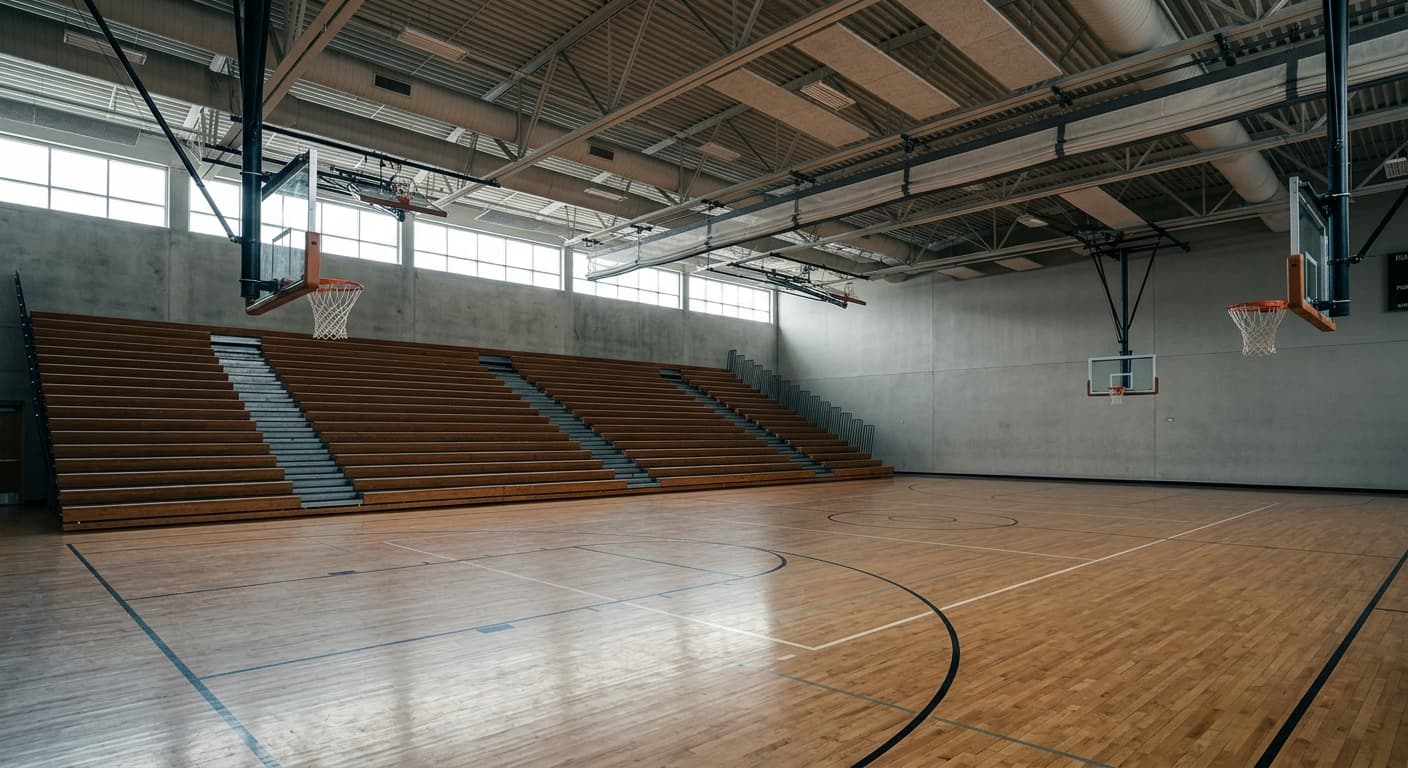
Virginia's one-party consent law (Va. Code 19.2-62) allows any participant, including a student or parent, to record a school conversation without notifying others. FERPA separately governs student education records, meaning recordings that capture other students' educational information may trigger federal privacy protections.
Recording in Virginia schools involves a complex intersection of state wiretapping law, federal student privacy protections, school district policies, and the rights of students, parents, and educators. Virginia's one-party consent law under Va. Code Ann. 19.2-62 provides the baseline legal framework, but school-specific rules add significant layers of restriction.
This guide covers recording rights and limitations in Virginia K-12 schools and higher education institutions, including student recording, parent recording at school meetings, teacher recording rights, school security cameras, IEP meeting recordings, and FERPA considerations.
Student Recording Rights
The Legal Baseline
Under Virginia's one-party consent law, a student who participates in a conversation can legally record it. This means a student can:
- Record a conversation with a teacher during a one-on-one discussion
- Record interactions with school administrators
- Capture conversations with other students they are part of
- Record audio or video on their personal device during interactions they participate in
The recording itself does not violate Virginia criminal law as long as the student is a participant in the conversation being recorded.
School Policy vs. State Law
Most Virginia school districts have codes of conduct or electronic device policies that restrict or prohibit recording on school grounds. While a student recording may be legal under state law, school policies can impose separate consequences:
- Confiscation of the recording device during the school day
- Disciplinary action (detention, suspension)
- Referral to the principal's office
- Notation in the student's disciplinary record
The Virginia Department of Education does not mandate a statewide recording policy for students. Each school district sets its own rules through its school board.
When Student Recording May Be Protected
Certain student recordings may receive additional protection:
- Documenting bullying or harassment: Va. Code 22.1-276.01 defines "bullying" and "cyberbullying" for Virginia's school anti-bullying framework; other Title 22.1 provisions impose the actual obligation on school divisions to prevent and respond to bullying. Student recordings that document bullying behavior may be considered when evaluating whether discipline for the recording is appropriate.
- Recording evidence of discrimination: If a student records evidence of discriminatory treatment by school staff, the recording may support a complaint to the U.S. Department of Education Office for Civil Rights.
- Special education meetings: Parents (and older students) have specific rights regarding recording at IEP meetings (discussed below).
Parent Recording Rights
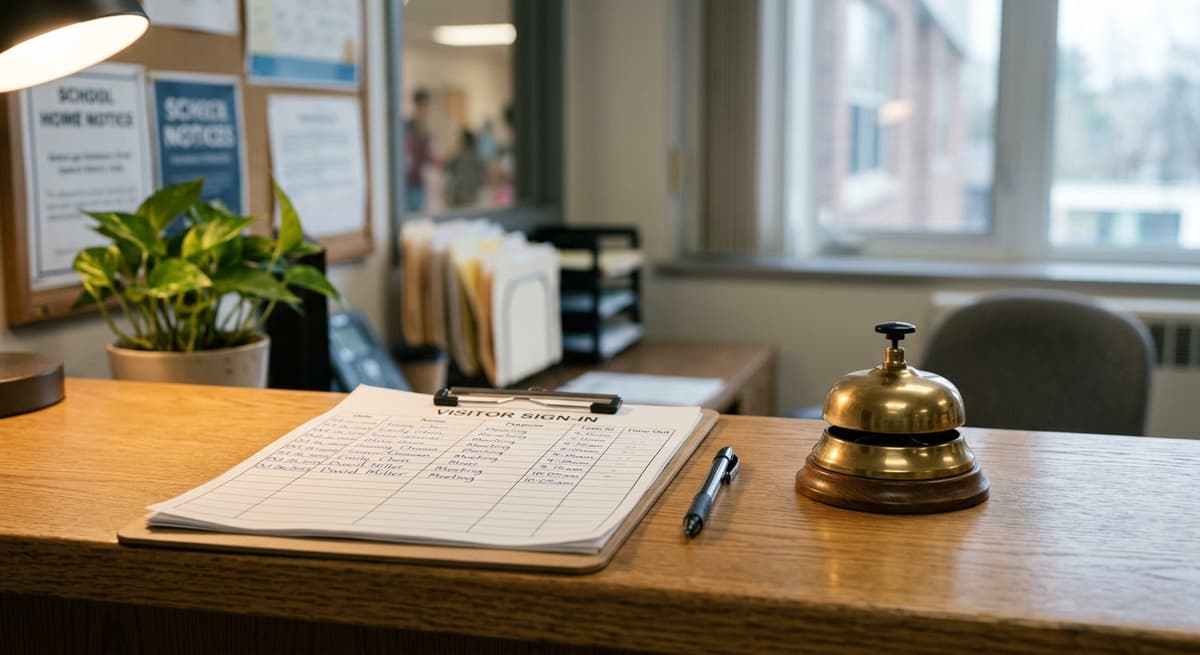
Recording Conversations With School Staff
Virginia parents can record their conversations with teachers, principals, counselors, and other school staff under one-party consent. Common scenarios include:
- Parent-teacher conferences
- Meetings about disciplinary incidents
- Discussions about academic progress or placement
- Conversations about safety concerns
- Phone calls with school administrators
For in-person recordings, there is no admissibility limitation. For phone call recordings, the civil admissibility restriction under Va. Code 8.01-420.2 applies if you plan to use the recording in a civil proceeding.
Recording IEP and 504 Meetings
Recording Individualized Education Program (IEP) and Section 504 meetings is one of the most common recording issues in Virginia schools.
Federal law: Neither the Individuals with Disabilities Education Act (IDEA) nor Section 504 of the Rehabilitation Act specifically addresses recording at IEP or 504 meetings. The U.S. Department of Education has stated that recording decisions should be left to state and local policy.
Virginia law: Virginia's special education regulation, 8VAC20-81-170(J), directly governs recording at meetings to determine eligibility, develop or review an IEP, and review discipline matters. Parents may audio record these meetings, but the regulation requires the parent to inform the school division in writing before the meeting that they intend to record, unless the parent cannot write in English. Video recording is treated differently: a school division may adopt a policy that prohibits, limits, or otherwise regulates video recording devices at these meetings, though the policy must allow an exception when needed for the parent to understand the IEP, the special education process, or other parental rights.
School district policies: Consistent with 8VAC20-81-170(J), Virginia school divisions commonly have policies that:
- Require the advance written notice of intent to audio record that the regulation itself mandates
- Prohibit, limit, or regulate video recording devices at eligibility, IEP, and discipline meetings
- Allow the school to make its own recording if the parent records
- Establish ground rules for recording equipment placement
A school division can lawfully prohibit video recording at these meetings under its own policy, and can require advance written notice before a parent audio records. If a school refuses to hold the meeting solely because a parent gave the required notice of an audio recording, that could raise a procedural concern under IDEA.
Recording School Board Meetings
Virginia school board meetings are public meetings covered by the Freedom of Information Act (Va. Code 2.2-3700 et seq.). Parents and community members can record public school board meetings, including:
- Regular board meetings
- Special sessions open to the public
- Public comment periods
- Committee meetings open to the public
Closed sessions (for personnel matters, legal advice, student discipline appeals) are not open to recording by the public.
Teacher and Staff Recording Rights
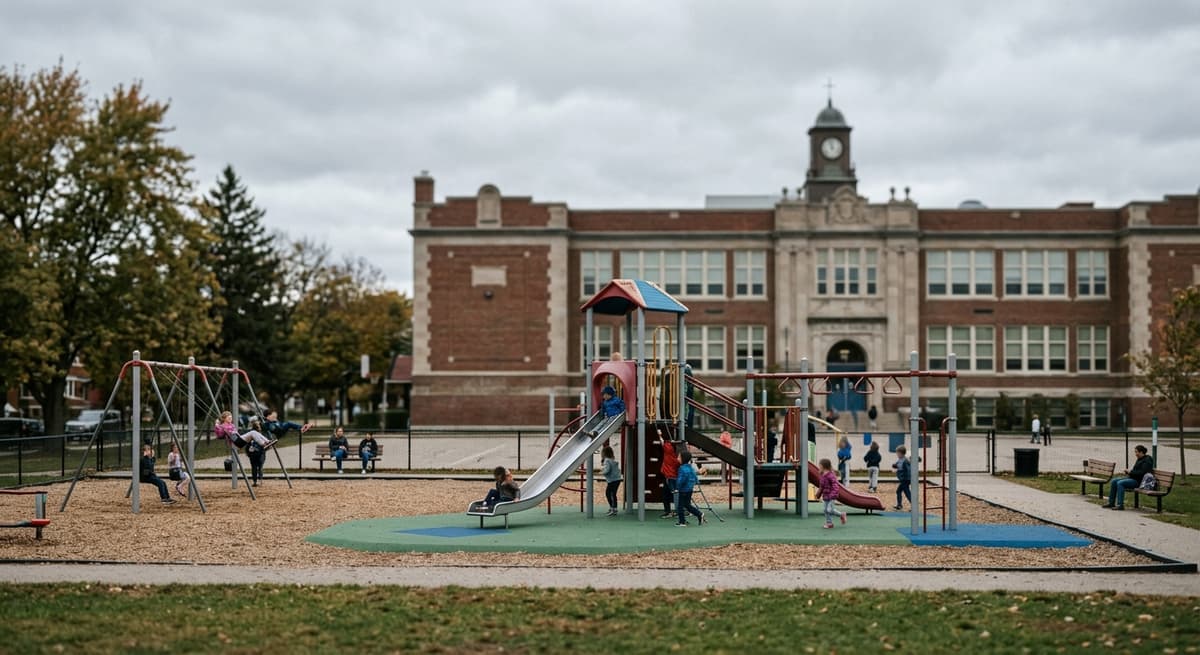
Teachers Recording Students
Virginia teachers can record conversations they participate in with students under one-party consent. However, teachers should be aware of:
- School district policy: Many districts have policies governing when and how staff can record
- FERPA implications: Recordings that become part of a student's educational record are subject to the Family Educational Rights and Privacy Act
- Age considerations: Recording very young children raises ethical considerations even when legal
- Parental notification: Best practices suggest informing parents about any recording that will be maintained as part of a student's record
Teachers Recording Administration
Teachers can record conversations with principals, supervisors, and HR representatives under one-party consent. These recordings can document:
- Performance evaluation discussions
- Disciplinary meetings
- Conversations about working conditions
- Potentially discriminatory or retaliatory statements
Teachers who record may face the same tension between legal rights and employer policy that applies in other workplace contexts.
School Security Cameras
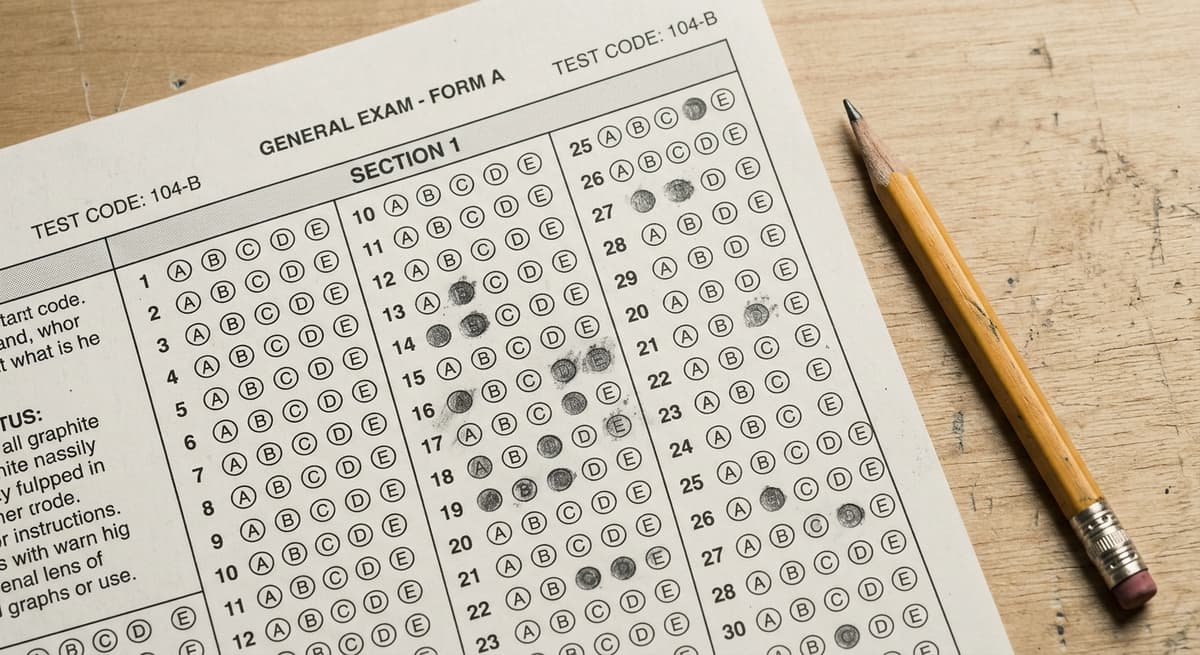
Where Schools Can Place Cameras
Virginia schools can install security cameras in areas where students and staff do not have a reasonable expectation of privacy:
- Hallways and corridors
- Entrances and exits
- Cafeterias and common areas
- Parking lots and bus loading zones
- Gymnasiums (during non-changing activities)
- Libraries and media centers
- Outdoor grounds and playgrounds
- Stairwells and elevators
Where Cameras Are Prohibited
Under Va. Code Ann. 18.2-386.1, school cameras cannot be placed in:
- Student bathrooms and restrooms
- Locker rooms and changing areas
- Shower facilities
- Any area where students have a reasonable expectation of privacy for undressing
Placing cameras in these locations is a criminal offense, and the enhanced penalty applies when the victim is under 18 (Class 6 felony, 1 to 5 years imprisonment).
Audio on School Cameras
School surveillance cameras that capture audio must comply with the wiretapping statute. If no school employee is participating in the recorded conversations, audio capture may violate Va. Code 19.2-62. Most Virginia schools either:
- Disable audio on surveillance cameras
- Post notices about audio recording to eliminate the expectation of privacy
- Use video-only systems
Bus Cameras
Virginia school buses commonly have video cameras. These cameras are used for student safety and discipline documentation. Audio recording on school buses follows the same legal framework as other school locations.
FERPA and Recording
What FERPA Protects
The Family Educational Rights and Privacy Act (FERPA) protects the privacy of student education records. FERPA considerations arise when recordings:
- Capture other students' educational information (grades, disciplinary discussions, special education status)
- Become part of a student's official education record
- Are shared with third parties outside the school
Parent Recordings and FERPA
A parent's personal recording of an IEP meeting or parent-teacher conference is generally not considered a student "education record" under FERPA because it was not created or maintained by the school. However, if the recording captures information about other students, sharing it broadly could raise privacy concerns.
School Recordings and FERPA
Video or audio recordings made by the school that are directly related to a student and maintained by the school are considered education records under FERPA. Parents have the right to:
- Inspect and review recordings that are part of their child's education record
- Request copies of such recordings
- Challenge the content of the recordings through FERPA procedures
Sharing Recordings
Parents should be cautious about sharing recordings from school settings on social media or publicly if the recordings capture other students' faces, names, special education status, or disciplinary situations. While not a criminal issue, broad sharing could raise FERPA concerns and damage relationships with the school.
Higher Education Recording
College Classroom Recording
Virginia's one-party consent law applies in college and university settings. Students can record lectures and class discussions they participate in. However:
- Individual professors may prohibit recording in their syllabi
- University policies may restrict classroom recording
- Accommodations for students with disabilities may specifically authorize recording under Section 504 or the ADA
- Recording copyrighted lecture content and distributing it may raise intellectual property issues
Recording Campus Interactions
College students can record conversations with professors, advisors, administrators, and campus police under one-party consent. This can be relevant in:
- Title IX proceedings
- Academic integrity hearings
- Disability accommodation disputes
- Student organization activities
Recordings as Evidence in School-Related Disputes
Disciplinary Hearings
Recordings can be used as evidence in school disciplinary proceedings, including:
- Suspension and expulsion hearings
- Student conduct board proceedings at colleges
- Special education due process hearings
The formal rules of evidence (including Va. Code 8.01-420.2) generally do not apply in school administrative proceedings, though schools may have their own evidentiary standards.
Due Process Hearings (Special Education)
In IDEA due process hearings, recordings of IEP meetings and related conversations can be submitted as evidence. Virginia's due process hearing procedures are governed by Va. Code 22.1-214 and federal IDEA regulations.
More Virginia Recording Laws
Audio Recording | Video Recording | Voyeurism and Hidden Cameras | Workplace Recording | Recording Police | Phone Call Recording | Security Cameras | Recording in Public | Landlord-Tenant Recording | Dashcam Laws | School Recording | Medical Recording
Back to Virginia Recording Laws
More Virginia Recording Topics
More Virginia Laws
Frequently Asked Questions
Can a student record a teacher in Virginia?
Under Virginia's one-party consent law (Va. Code 19.2-62), a student can legally record a conversation with a teacher they are participating in. However, most school districts have policies restricting recording on school grounds. Violating the school policy can result in disciplinary action even though the recording is legal under state law.
Can I record my child's IEP meeting in Virginia?
You can audio record it, but Virginia's special education regulation, 8VAC20-81-170(J), controls, not just the one-party consent statute: you must inform the school division in writing before the meeting that you intend to audio record, unless you cannot write in English. Video recording is different; the school division may have a policy that prohibits or limits it, though the policy must allow an exception when needed for you to understand the IEP or the special education process.
Can Virginia schools put cameras in locker rooms?
No. Va. Code 18.2-386.1 prohibits cameras in areas where students have a reasonable expectation of privacy for undressing, including locker rooms, bathrooms, and changing areas. Because the victims would be minors, this offense is a Class 6 felony with 1 to 5 years imprisonment.
Does FERPA affect school recordings in Virginia?
Yes. School-made recordings that are directly related to a student and maintained by the school are education records under FERPA. Parents have the right to inspect these records. A parent's personal recording is generally not an education record, but sharing recordings that capture other students' information raises privacy concerns.
Can a college student record a lecture in Virginia?
Virginia's one-party consent law permits students to record lectures they attend. However, individual professors and university policies may restrict classroom recording. Students with disabilities may have a specific right to record as a reasonable accommodation under Section 504 or the ADA.
Updates
Corrected the IEP/504 meeting recording section to reflect Virginia's actual special-education regulation (8VAC20-81-170(J)): parents may audio record with mandatory advance written notice to the school division, and video recording may be lawfully prohibited or limited by school division policy, which is different from what we previously said. Also replaced three dead or mismatched federal education-agency citation links (IDEA, FERPA, Office for Civil Rights) with their current live pages.
Independently fact-checked against the cited primary sources; governing law re-checked for recent changes
Governing law re-checked for recent changes
Corrected a citation error: Va. Code 22.1-276.01 defines "bullying" and "cyberbullying" for Virginia schools but does not itself require schools to address bullying; that obligation lives in other Title 22.1 provisions.
Governing law re-checked for recent changes
Reviewed and approved by an editor
The Law Behind This Article
This article rests on the statutory provisions below, held in our own legal record and retrieved from the official source. Tap a section to read the operative text.
Code of Virginia, Title 19.2: Criminal Procedure
§ 19.2-62Interception, disclosure, etc., of wire, electronic or oral communications unlawful; penalties; exceptionsIn forcecited in 21 of our articles
A. Except as otherwise specifically provided in this chapter any person who: 1. Intentionally intercepts, endeavors to intercept or procures any other person to intercept or endeavor to intercept, any wire, electronic or oral communication; 2. Intentionally uses, endeavors to use, or procures any other person to use or endeavor to use any electronic, mechanical or other device to intercept any oral communication; 3. Intentionally discloses, or endeavors to disclose, to any other person the contents of any wire, electronic or oral communication knowing or having reason to know that the information was obtained through the interception of a wire, electronic or oral communication; or 4. Intentionally uses, or endeavors to use, the contents of any wire, electronic or oral communication, knowing or having reason to know that the information was obtained through the interception of a wire, electronic or oral communication; shall be guilty of a Class 6 felony. B. 1.
Official text (excerpt) · last checked 2026-08-31 · Read the full text in our law library · Verify at law.lis.virginia.gov
Cited in 11 court opinions in our collectionLatest citing opinion in our collection: 2025
In the courts (editorial summary, independently checked):Courts read Section 19.2-62 in step with the federal wiretap act. Global Policy Partners, LLC v. Yessin (2009) held that accessing email stored on a destination server is not an intercept, and Wilks v. Commonwealth (1977) held a conversation police recorded through a cooperating coconspirator was not a protected oral communication.
Opinions citing this section in our collection:
- Belmer v. Commonwealth (Court of Appeals of Virginia 2001, 36 Va. App. 448)✓A juvenile arrested for robbery whispered to his mother's boyfriend in a police interview room while a detective listened in; the court found no reasonable expectation of privacy, so Chapter 6, which carries the Section 19.2-62 ban, did not bar the detective's testimony.
- Wilks v. Commonwealth (Supreme Court of Virginia 1977, 217 Va. 885)✓An arson conspirator agreed to be wired and drew the defendant into a taped shop-talk about the fires; the court held the defendant had no justifiable expectation of noninterception, so the talk was not an oral communication protected by Chapter 6 and the tape was admissible.
- Bartnicki v. Vopper (Supreme Court of the United States 2001, 532 U.S. 514)“…16.02 (Supp. 2001); Utah Code Ann. § 77 23a4 (1982); Va. Code Ann. § 19.2-62 (1995); W. Va. Code § 62 -1D-3 (2000)…”
Identified automatically from the court opinions citing this section — not a ranking of which case controls.
Also relied on in: One-Party Consent States: Complete 2026 Guide, District of Columbia Phone Call Recording Laws: Consent Rules and Interstate Calls, Virginia Security Camera Laws: Home, Business, and HOA Rules
Code of Virginia, Title 18.2: Crimes and Offenses Generally
§ 18.2-386.1Unlawful creation of image of another; penaltyIn forcecited in 16 of our articles
A. It is unlawful for any person to knowingly and intentionally create any videographic or still image by any means whatsoever of any nonconsenting person if (i) that person is (a) totally nude; (b) clad in undergarments; (c) in a state of undress so as to expose the genitals, pubic area, buttocks, or female breast; or (d) not exposed to show the genitals, pubic area, buttocks, or female breast but such videographic or still image is obscene, as defined in § 18.2-372, when such nonconsenting person is in a restroom, dressing room, locker room, hotel room, motel room, tanning bed, tanning booth, bedroom, or other location; or (ii) the videographic or still image is created by placing the lens or image-gathering component of the recording device in a position directly beneath or between a person's legs for the purpose of capturing an image of the person's intimate parts or undergarments covering those intimate parts when the intimate parts or undergarments would not otherwise be visible to the general public; and when the circumstances set forth in clause (i) or (ii) are otherwise such that the person being recorded would have a reasonable expectation of privacy. B.
Official text (excerpt) · last checked 2026-08-31 · Read the full text in our law library · Verify at law.lis.virginia.gov
Also relied on in: Virginia Landlord-Tenant Recording Laws: Surveillance and Privacy Rights, Virginia Laws on Recording in Public: Rights and Restrictions, Virginia Video Recording Laws: Surveillance Rules and Privacy Limits
Code of Virginia, Title 2.2: Administration of Government
§ 2.2-3700Short title; policyIn forcecited in 5 of our articles
A. This chapter may be cited as "The Virginia Freedom of Information Act." B. By enacting this chapter, the General Assembly ensures the people of the Commonwealth ready access to public records in the custody of a public body or its officers and employees, and free entry to meetings of public bodies wherein the business of the people is being conducted. The affairs of government are not intended to be conducted in an atmosphere of secrecy since at all times the public is to be the beneficiary of any action taken at any level of government. Unless a public body or its officers or employees specifically elect to exercise an exemption provided by this chapter or any other statute, every meeting shall be open to the public and all public records shall be available for inspection and copying upon request. All public records and meetings shall be presumed open, unless an exemption is properly invoked. The provisions of this chapter shall be liberally construed to promote an increased awareness by all persons of governmental activities and afford every opportunity to citizens to witness the operations of government.
Official text (excerpt) · last checked 2026-07-29 · Read the full text in our law library · Verify at law.lis.virginia.gov
Cited in 9 court opinions in our collectionLatest citing opinion in our collection: 2023
Opinions citing this section in our collection:
- McBurney v. Young (Supreme Court of the United States 2013, 569 U.S. 221)“…ust decide whether the Virginia Freedom of Information Act, Va.Code Ann. § 2.2-3700 et seq. , violates either the Privi…”
- Mark McBurney v. Nathaniel Young (Court of Appeals for the Fourth Circuit 2012)“…rict court held that Virginia’s Freedom of Information Act, Va. Code Ann. § 2.2-3700 et seq. (2011), ("VFOIA") does not viol…”
- McBurney v. Cuccinelli (Court of Appeals for the Fourth Circuit 2010, 616 F.3d 393)“…ld by the Commonwealth, its officers, employees, or agents. Va.Code Ann. §§ 2.2-3700 to .2-3714. In relevant part, the Act p…”
Identified automatically from the court opinions citing this section — not a ranking of which case controls.
Also relied on in: Virginia Recording Laws (2026): One-Party Consent Rules, Virginia Laws on Recording Police: Your Rights and Limitations, Virginia Freedom of Information Act: Who Can Request and How (2026)
Code of Virginia, Title 22.1: Education
§ 22.1-214Board to prepare special education program for children with disabilitiesIn force
A. The Board of Education shall prepare and supervise the implementation by each school division of a program of special education designed to educate and train children with disabilities between the ages defined in § 22.1-213 and may prepare and place in operation such program for such individuals of other ages. The program developed by the Board of Education shall be designed to ensure that all children with disabilities have available to them a free and appropriate education, including specially designed instruction to meet the unique needs of such children. The program shall require (i) that the hearing of each disabled child be tested prior to placement in a special education program and (ii) that a complete audiological assessment, including tests that will assess inner and middle ear functioning, be performed on each child who is deaf or hard of hearing or who fails the test required in clause (i).
Official text (excerpt) · last checked 2026-07-29 · Read the full text in our law library · Verify at law.lis.virginia.gov
Cited in 18 court opinions in our collectionLatest citing opinion in our collection: 2023
Opinions citing this section in our collection:
- John Schimmel, a Minor, by His Parents and Next Friends John & Betty Schimmel and John Schimmel, Betty Schimmel v. Robert Spillane, Supt. Fairfax Co. Public Schools Fairfax Co. Bd. Of Education John Davis, Supt. Va. Dept. Of Education, the American Civil Liberties Union Foundation of Virginia, Inc., Amicus Curiae. John Schimmel, a Minor, by His Parents and Next Friends John & Betty Schimmel and John Schimmel, Betty Schimmel v. Robert Spillane, Supt. Fairfax Co. Public Schools Fairfax Co. Bd. Of Education, and John Davis, Supt. Va. Dept. Of Education, John Schimmel, a Minor, by His Parents and Next Friends John & Betty Schimmel and John Schimmel, Betty Schimmel v. John Davis, Supt. Va. Dept. Of Education, and Robert Spillane, Supt. Fairfax Co. Public Schools Fairfax Co. Bd. Of Education (Court of Appeals for the Fourth Circuit 1987, 819 F.2d 477)“…ren concerning program placements and tuition eligibility. Va.Code Sec. 22.1-214(B) and (C) (1985). The Virginia statut…”
- Schimmel ex rel. Schimmel v. Spillane (Court of Appeals for the Fourth Circuit 1987, 819 F.2d 477)“…dren concerning program placements and tuition eligibility. Va.Code § 22.1-214(B) and (C) (1985). The Virginia statute…”
- Jemie Sanchez v. Arlington County School Board (Court of Appeals for the Fourth Circuit 2023, 58 F.4th 130)“…inia provides 180 days to commence a civil action. Va. Code § 22.1-214(D). Finally, parties wh…”
Identified automatically from the court opinions citing this section — not a ranking of which case controls.
§ 22.1-276.01DefinitionsIn force
A. For the purposes of this article, unless the context requires a different meaning: "Alternative education program" includes night school, adult education, or any other education program designed to offer instruction to students for whom the regular program of instruction may be inappropriate. "Bullying" means any aggressive and unwanted behavior that is intended to harm, intimidate, or humiliate the victim; involves a real or perceived power imbalance between the aggressor or aggressors and victim; and is repeated over time or causes severe emotional trauma. "Bullying" includes cyberbullying. "Bullying" does not include ordinary teasing, horseplay, argument, or peer conflict. "Cyberbullying" means bullying that occurs through the use of technology, including through cell phones and other electronic devices or technology capable of accessing the Internet. "Disruptive behavior" means a violation of school board regulations governing student conduct that interrupts or obstructs the learning environment.
Official text (excerpt) · last checked 2026-07-29 · Read the full text in our law library · Verify at law.lis.virginia.gov
Code of Virginia, Title 8.01: Civil Remedies and Procedure
§ 8.01-420.2Limitation on use of recorded conversations as evidenceIn forcecited in 13 of our articles
No mechanical recording, electronic or otherwise, of a telephone conversation shall be admitted into evidence in any civil proceeding unless (i) all parties to the conversation were aware the conversation was being recorded or (ii) the portion of the recording to be admitted contains admissions that, if true, would constitute criminal conduct which is the basis for the civil action, and one of the parties was aware of the recording and the proceeding is not one for divorce, separate maintenance or annulment of a marriage. The parties' knowledge of the recording pursuant to clause (i) shall be demonstrated by a declaration at the beginning of the recorded portion of the conversation to be admitted into evidence that the conversation is being recorded. This section shall not apply to emergency reporting systems operated by police and fire departments and by emergency medical services agencies, nor to any communications common carrier utilizing service observing or random monitoring pursuant to § 19.2-62.
Official text (excerpt) · last checked 2026-07-29 · Read the full text in our law library · Verify at law.lis.virginia.gov
Cited in 2 court opinions in our collectionLatest citing opinion in our collection: 1991
Opinions citing this section in our collection:
- Leitman v. McAusland (Court of Appeals for the Fourth Circuit 1991, 934 F.2d 46)“…transcript could not be admitted into evidence pursuant to Va.Code § 8.01-420.2. 5 A state evidentiary rule, such as…”
Identified automatically from the court opinions citing this section — not a ranking of which case controls.
Also relied on in: Virginia Audio Recording Laws: One-Party Consent Rules and Penalties, Virginia Dashcam Laws: Installation, Audio, and Evidence Rules, Virginia Medical Recording Laws: Patient Rights and Healthcare Privacy
Search our full record of US law — 2.1 million sections, every state + federal →
Sources and References
- Va. Code Ann. 19.2-62(law.lis.virginia.gov).gov
- Va. Code Ann. 18.2-386.1(law.lis.virginia.gov).gov
- Va. Code Ann. 22.1-276.01 - Bullying(law.lis.virginia.gov).gov
- Virginia FOIA(law.lis.virginia.gov).gov
- FERPA(studentprivacy.ed.gov).gov
- IDEA(sites.ed.gov).gov
- Office for Civil Rights(ed.gov).gov