Texas Laws on Recording Police: Rights, Limits, and Body Cameras
Independently fact-checked against primary sources (last audited August 15, 2026). · Reviewed by the RecordingLaw editorial team. · Law checked current as of August 7, 2026. · 6 primary sources cited on this page. How we verify our legal content
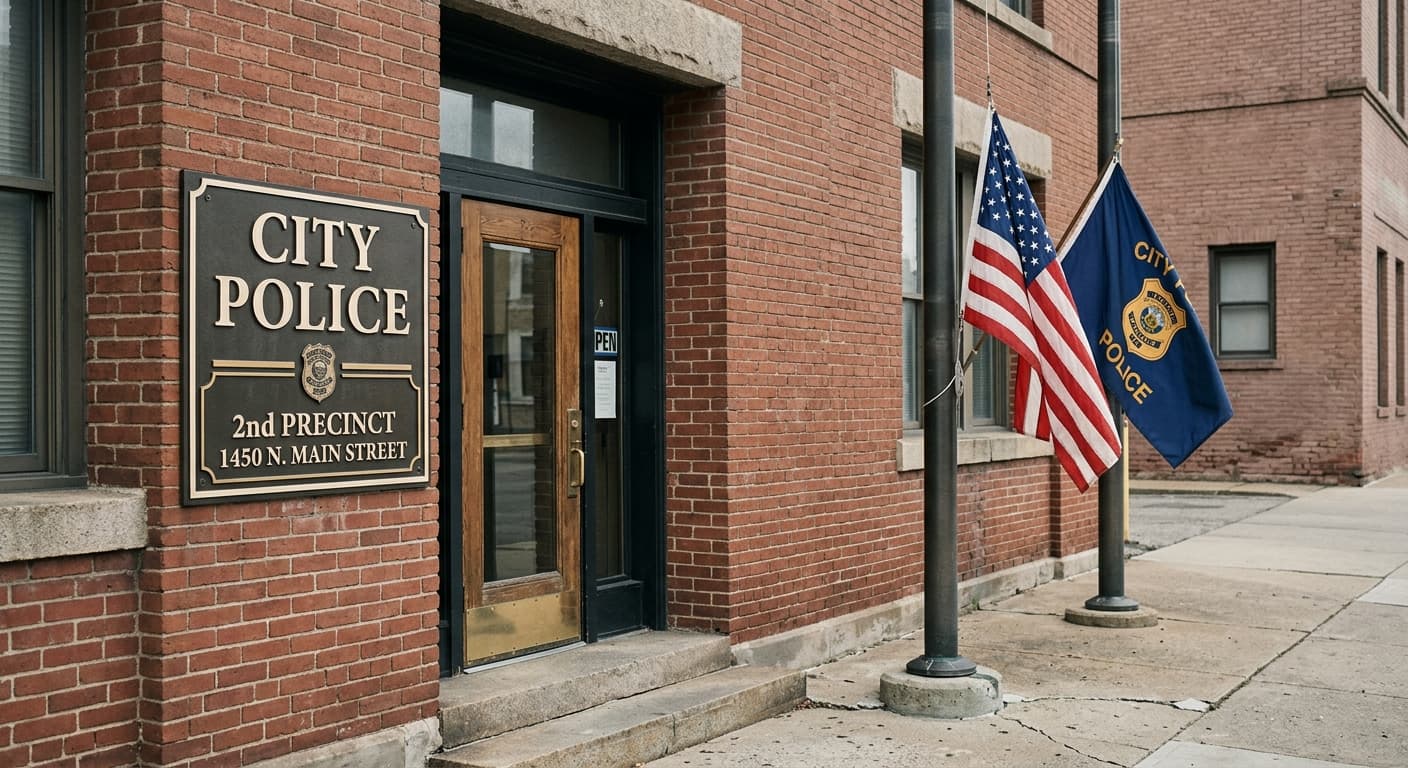
Texas residents have a First Amendment right to record police in public, established by the Fifth Circuit in Turner v. Lieutenant Driver, 848 F.3d 678 (5th Cir. 2017). Texas one-party consent under Tex. Penal Code § 16.02 permits audio recording of personal police interactions. Officers may require a safe distance but cannot order recording to stop.
Overview: Recording Police in Texas
The right to record law enforcement officers in Texas rests on both constitutional protections and state law. The First Amendment protects the right to film police performing their duties in public, and Texas one-party consent law permits audio recording of personal interactions with officers.
The U.S. Court of Appeals for the Fifth Circuit, which has jurisdiction over Texas, Louisiana, and Mississippi, has directly addressed the right to record police and established binding precedent for the region. This page covers the legal basis for recording police, the limitations that apply, and the rules governing police use of recording technology.
The Constitutional Right to Record Police
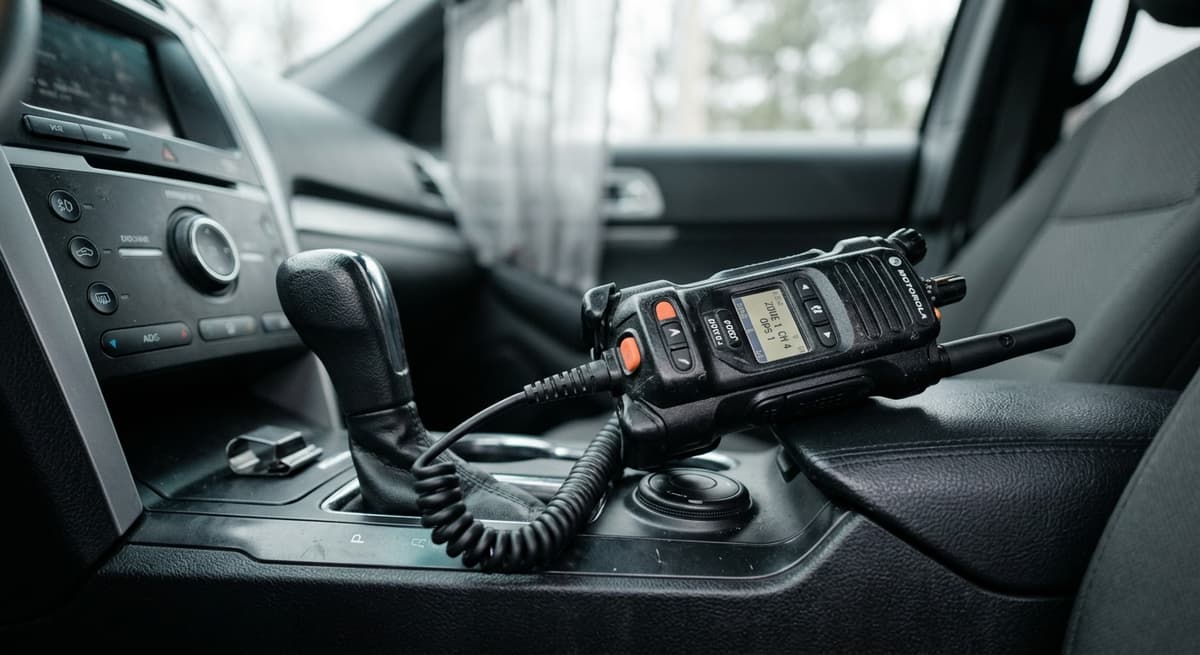
Turner v. Lieutenant Driver, 848 F.3d 678 (5th Cir. 2017)
The landmark case establishing the right to record police in the Fifth Circuit is Turner v. Lieutenant Driver, 848 F.3d 678 (5th Cir. 2017), decided on February 16, 2017. Phillip Turner was standing on a public sidewalk across the street from a police station, recording the building with a video camera. Officers approached, demanded identification, and eventually placed Turner in the back of a patrol car when he refused to identify himself, citing Tex. Penal Code Section 38.02, which does not require identification unless a person is under arrest.
The Fifth Circuit held that "First Amendment principles, controlling authority, and persuasive precedent demonstrate that a First Amendment right to record the police does exist, subject only to reasonable time, place, and manner restrictions." The court recognized that recording police activity serves the public interest by promoting accountability and transparency.
What Turner v. Driver Protects
Under the Turner decision, a person in Texas has the right to:
- Film police officers performing their duties from any public space
- Record traffic stops, including their own
- Document arrests happening in public view
- Livestream or broadcast police encounters in real time
- Record from a safe distance without providing identification
- Photograph police vehicles, stations, and equipment visible from public areas
The court emphasized that this right is not limited to journalists or members of the media. Any member of the public can exercise the right to record police activity.
Limitations on the Right to Record
The Turner decision noted that the right to record police is subject to "reasonable time, place, and manner restrictions." These restrictions include:
- No physical interference: A person cannot physically obstruct an officer's ability to perform their duties while recording
- Reasonable distance: Officers can direct a person to move back to a safe distance, though they cannot order someone to stop recording entirely
- No trespass: The right to record does not include the right to enter private property or restricted areas to obtain a better angle
- Lawful orders: A person recording police must comply with lawful, content-neutral safety orders
Texas Penal Code Section 38.15: Interference with Public Duties
What the Statute Prohibits
Tex. Penal Code Section 38.15 makes it an offense to, with criminal negligence, interrupt, disrupt, impede, or otherwise interfere with a peace officer performing a duty or exercising authority imposed or granted by law. This statute is the primary tool that officers may cite when confronting people who record police activity.
The statute also protects firefighters, emergency medical services personnel, animal control officers, and certain other public safety officials from interference. As of September 1, 2025, utility employees and agents were added to the protected list.
The Speech-Only Defense
A critical defense built into Section 38.15 provides that it is a defense to prosecution that the interruption, disruption, impediment, or interference alleged consisted of speech only. This defense is directly relevant to recording police because:
- Verbal statements made while recording do not constitute interference if they are speech alone
- Recording itself is a form of expression protected by the First Amendment
- An officer cannot charge a person with interference solely because the person spoke while recording
This speech-only defense does not protect physical conduct that obstructs an officer, such as blocking a doorway, standing in the path of a patrol vehicle, or reaching for an officer's equipment.
Penalties for Interference
Interference with public duties is a Class B misdemeanor in Texas, carrying:
- Up to 180 days in jail
- A fine of up to $2,000
However, prosecutors rarely bring charges based solely on a person's act of recording. Cases that do proceed typically involve additional conduct beyond recording, such as physical obstruction, refusal to move to a safe distance, or entry into a restricted area.
Audio Recording of Police Interactions
One-Party Consent Applies
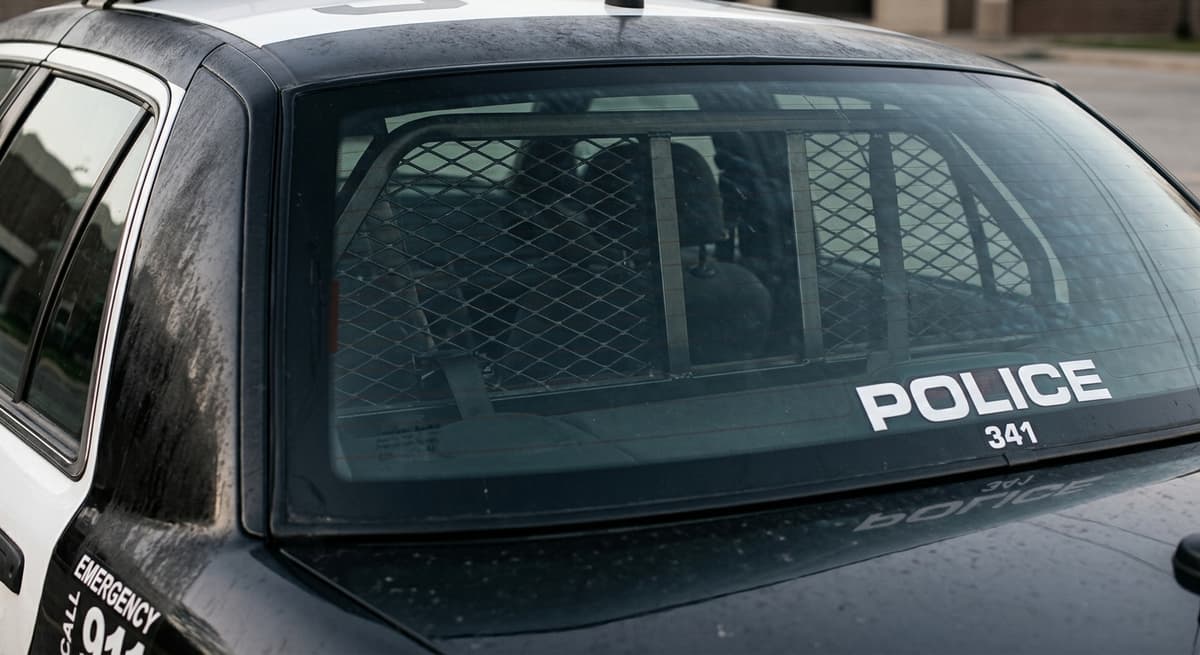
Under Tex. Penal Code Section 16.02, Texas follows a one-party consent framework for audio recording. A person who interacts directly with a police officer is a party to that conversation and can record the audio without informing the officer.
This one-party consent right applies to:
- Traffic stops where the driver or passenger records the interaction
- Encounters on the street where an officer initiates contact
- Conversations at police stations or government offices
- Phone calls to police departments or dispatch centers
- Discussions with officers who come to a person's home
Bystander Audio Recording
A bystander who records a police encounter from a distance captures audio of a conversation they are not participating in. The legality of this recording depends on whether the participants have a reasonable expectation of privacy.
In most public settings where police encounters occur (streets, sidewalks, parking lots, public buildings), there is no reasonable expectation of privacy. The wiretapping statute does not protect conversations conducted in the open where others can overhear. This means bystander audio recording of public police encounters is generally legal in Texas.
Police Body Cameras in Texas
Statutory Framework
Texas established a body-worn camera program through Tex. Occupations Code Chapter 1701, Subchapter N. This subchapter, originally enacted through Senate Bill 158 in 2015, requires law enforcement agencies that operate body camera programs to adopt comprehensive written policies.
The Texas Commission on Law Enforcement (TCOLE) provides oversight and sets standards for body camera programs across the state.
Required Policy Elements
Under Tex. Occupations Code § 1701.655, a law enforcement agency's body camera policy must include:
- Activation guidelines: When officers should activate and deactivate cameras, considering privacy needs in certain situations and locations
- Data retention: A minimum retention period of 90 days for all recorded video
- Storage and security: Requirements for video storage, backup copies, and data security
- Evidence collection: Procedures for collecting body camera footage as evidence
- Public access: Guidelines for open records requests for recordings that are public information
- Officer access: Provisions allowing officers to review recordings of incidents they were involved in before making official statements
Activation Requirements
The statute does not require officers to keep body cameras running for their entire shift. However, an officer who is equipped with a body camera and actively participating in an investigation must keep the camera activated for the entirety of their active participation, unless the camera is deactivated in compliance with the agency's written policy.
Public Access to Body Camera Footage
Body camera recordings are subject to the Texas Public Information Act (Tex. Gov't Code Chapter 552). Members of the public can request body camera footage through open records requests to the law enforcement agency.
However, several exemptions may limit public access:
- Footage relating to an ongoing criminal investigation
- Recordings that reveal undercover officer identities
- Footage involving victims of violent crimes or domestic violence
- Recordings that depict minors
- Footage from inside private residences
The Texas Attorney General's office provides guidance on which exemptions apply to specific body camera footage requests.
The Sandra Bland Act
Background and Requirements
The Sandra Bland Act, formally Senate Bill 1849, took effect on September 1, 2017. Named after Sandra Bland, who died in a Waller County jail in 2015 following a traffic stop, this legislation addressed multiple aspects of police-citizen interactions and jail procedures.
Key provisions of the Sandra Bland Act include:
- Documentation of all traffic stops: Law enforcement agencies must document every traffic stop, including those that result in warnings rather than citations. This data supports racial profiling analysis and accountability.
- De-escalation training: All law enforcement officers must receive de-escalation training as part of their basic training curriculum and continuing education.
- Diversion for mental health: The Act encourages diversion of individuals with mental health conditions away from the criminal justice system when appropriate.
- Jail safety improvements: Enhanced procedures for mental health screening and monitoring of inmates in county jails.
Impact on Recording
The Sandra Bland Act reinforces the documentation of police encounters by requiring that traffic stop data be recorded and preserved. Combined with body camera requirements and dashcam footage, this creates multiple layers of recorded documentation for police-citizen interactions.
Recording Police During Specific Situations
Traffic Stops
Drivers and passengers can record their own traffic stops in Texas. Practical considerations include:
- Mount a phone or camera on the dashboard or visor for hands-free recording
- Inform the officer that recording is in progress if asked, though notification is not legally required
- Keep hands visible and do not make sudden movements to retrieve a recording device
- Do not hold a phone or camera in a way that could be mistaken for a weapon
Protests and Demonstrations
The right to record police activity at protests and public demonstrations is well-established under the First Amendment. Officers can seize a camera, phone, or recording device without a warrant under ordinary Fourth Amendment seizure rules, such as incident to arrest or when the device is evidence in plain view. A warrant is a separate requirement that applies before officers search the device's stored contents, under Riley v. California, 573 U.S. 373 (2014).
Arrests
Bystanders who witness an arrest in a public space can record the encounter. Officers may establish a perimeter for safety purposes, but they cannot prohibit recording from a reasonable distance outside that perimeter.
At the Door of a Private Home
When police officers come to a private home, the resident can record the interaction from inside or outside the home. The resident is a party to the conversation and has one-party consent authority to record the audio.
What to Do If Police Order Someone to Stop Recording
Know the Legal Boundaries
If a police officer orders a person to stop recording, the person should understand that:
- A blanket order to stop recording is generally not lawful under the First Amendment
- An order to move to a different location for safety reasons may be lawful
- Compliance with a potentially unlawful order is safer in the moment, with legal remedies available afterward
- Refusing a direct order, even an unlawful one, can escalate the situation
Remedies for Violations
If law enforcement officers violate a person's right to record, legal remedies include:
- Section 1983 civil rights lawsuits: Federal claims for violations of constitutional rights by government officials
- Internal affairs complaints: Filed with the officer's department
- Complaints to the Texas Commission on Law Enforcement (TCOLE)
- Criminal charges: In extreme cases, officers who destroy evidence or seize property without authority may face criminal prosecution
2025 Federal and State Updates Affecting Police Recording
The TAKE IT DOWN Act, S. 146, 119th Cong., signed May 19, 2025, criminalizes knowing publication of nonconsensual intimate visual depictions and AI-generated deepfakes via interactive computer service. The platform compliance deadline of May 19, 2026, has passed, so covered platforms must now comply with the law's takedown requirements. While primarily a NCII law, it is relevant to police recording situations involving confiscated footage that is later leaked or distributed without consent.
The 89th Texas Legislature (2025) also enacted H.B. 1465 (effective September 1, 2025), which amended Tex. Penal Code § 21.15 to broaden invasive visual recording to any place where a person has a reasonable expectation of privacy, and added mandatory sex-offender registration for § 21.15 convictions. This has no direct effect on lawful public-space recording of police but increases penalties for any officer or civilian who covertly records in private settings.
More Texas Recording Laws
Audio Recording | Video Recording | Voyeurism & Hidden Cameras | Workplace Recording | Recording Police | Phone Call Recording | Security Cameras | Recording in Public | Landlord-Tenant | Dashcam Laws | Schools | Medical Recording
← Back to Texas Recording Laws
More Texas Recording Topics
More Texas Laws
Frequently Asked Questions
Is it legal to record police in Texas?
Yes, going forward. The Fifth Circuit held in Turner v. Lieutenant Driver, 848 F.3d 678 (5th Cir. 2017), that the First Amendment protects the right to record police officers performing their duties in public, and that right is clearly established for conduct after the February 2017 ruling. The same court held the right was not yet clearly established as of the officers' September 2015 conduct, which is why those officers kept qualified immunity. Texas one-party consent law also permits audio recording of personal interactions with officers, and the recording cannot physically interfere with police operations.
Can police tell me to stop recording in Texas?
A blanket order to stop recording is generally not lawful under the First Amendment. Officers can direct a person to move to a safe distance or leave a restricted area, but they cannot prohibit recording altogether. If ordered to stop, complying in the moment and pursuing legal remedies afterward is the safer approach.
Can police confiscate my phone or camera in Texas?
Officers can seize a recording device without a warrant under ordinary Fourth Amendment seizure rules, such as incident to arrest, exigent circumstances, or when the device is evidence in plain view. A warrant is a separate requirement that applies before officers search the device's stored contents. The Supreme Court held in Riley v. California, 573 U.S. 373 (2014), that police generally need a warrant to search the data on a cell phone because cell phones hold highly personal information. If police search a device's contents without a warrant or a valid exception, legal remedies are available through Section 1983 civil rights claims.
What is the penalty for interfering with police in Texas?
Interference with public duties under Tex. Penal Code Section 38.15 is a Class B misdemeanor, carrying up to 180 days in jail and a fine up to $2,000. However, speech alone is a defense to prosecution under this statute, meaning verbal statements or recording activity without physical obstruction typically does not qualify as interference.
Do Texas police have to wear body cameras?
Texas law does not mandate body cameras for all officers. However, agencies that receive grants for body cameras or voluntarily operate body camera programs must adopt written policies under Tex. Occupations Code Section 1701.655. These policies must address activation guidelines, data retention (minimum 90 days), storage security, and public access procedures.
Updates
Corrected two statements that officers cannot seize a phone or camera without a warrant (Riley v. California requires a warrant only to search a device's stored contents, not to seize the device), clarified that Turner v. Driver's First Amendment right to record police applies going forward and did not shield the officers in that case from qualified immunity for their 2015 conduct, and updated the TAKE IT DOWN Act's platform-compliance deadline to reflect that it has already passed.
Independently fact-checked against the cited primary sources
Governing law re-checked for recent changes
Fixed Turner citation to full name Turner v. Lieutenant Driver, 848 F.3d 678 (5th Cir. 2017) and replaced Findlaw URL with official Fifth Circuit PDF. Added Tex. Code Crim. Proc. Art. 2.139 body-cam framework alongside Occupations Code Subchapter N. Replaced Justia in-body link for § 1701.655 with official Texas statutes URL. Added 2025 federal and state updates section covering [TAKE IT DOWN Act](/us-laws/take-it-down-act) (signed May 19, 2025; platform compliance May 19, 2026) and H.B. 1465 § 21.15 expansion.
Reviewed and approved by an editor
The Law Behind This Article
This article rests on the statutory provisions below, held in our own legal record and retrieved from the official source. Tap a section to read the operative text.
Texas Penal Code
§ 16.02UNLAWFUL INTERCEPTION, USE, OR DISCLOSURE OF WIRE, ORAL, OR ELECTRONIC COMMUNICATIONSIn forcecited in 17 of our articles
(a) In this section: (1) "Communication common carrier," "computer trespasser," "contents," "covert entry," "electronic communication," "intercept," "interception device," "investigative or law enforcement officer," "oral communication," "protected computer," and "wire communication" have the meanings assigned by Article 18A.001, Code of Criminal Procedure. (2) "Immediate life-threatening situation" and "member of a law enforcement unit specially trained to respond to and deal with life-threatening situations" have the meanings assigned by Article 18A.201, Code of Criminal Procedure.
Official text (excerpt) · last checked 2026-08-31 · Read the full text in our law library · Verify at statutes.capitol.texas.gov
Cited in 39 court opinions in our collectionLatest citing opinion in our collection: 2026
In the courts (editorial summary, independently checked):Texas courts have applied Section 16.02 to contested recordings. Long v. State (2017) held the oral communication definition carries a reasonable expectation of privacy test, sustaining a conviction over a covert locker room recording. Banargent v. State (2007) held a jail inmate impliedly consented, so no Section 16.02 violation.
Opinions citing this section in our collection:
- Banargent v. State (Texas Court of Appeals, 14th District (Houston) 2007, 228 S.W.3d 393)✓Jail phone prompts and posted notices warned that calls could be recorded, and a recorded call captured the defendant admitting he stabbed the victim; the court held he impliedly consented, so the recording did not violate Section 16.02.
- Long v. State (Court of Criminal Appeals of Texas 2017, 535 S.W.3d 511)✓A school board member had her daughter hide a phone in a visiting locker room to record the coach's halftime speech and sent it to the board; the court held Section 16.02's 'oral communication' incorporates the expectation of privacy test, which the coach met.
- Siddiq v. State (Court of Appeals of Texas 2016, 502 S.W.3d 387)✓Police automatically recorded a DWI arrestee's call to his father from the jail book-in desk, capturing him saying he was drunk; the court applied the law enforcement exception to hold the recording did not violate Section 16.02, so admitting it was not error.
Identified automatically from the court opinions citing this section — not a ranking of which case controls.
Also relied on in: Texas Recording Laws (2026): One-Party Consent Rules, One-Party Consent States: Complete 2026 Guide, Texas Security Camera Laws: Residential, Commercial, and Privacy Rules
§ 38.15INTERFERENCE WITH PUBLIC DUTIESIn forcecited in 3 of our articles
(a) A person commits an offense if the person with criminal negligence interrupts, disrupts, impedes, or otherwise interferes with: (1) a peace officer while the peace officer is performing a duty or exercising authority imposed or granted by law; (2) a person who is employed to provide emergency medical services including the transportation of ill or injured persons while the person is performing that duty; (3) a fire fighter, while the fire fighter is fighting a fire or investigating the cause of a fire; (4) an animal under the supervision of a peace officer, corrections officer, or jailer, if the person knows the animal is being used for law enforcement, corrections, prison or jail security, or investigative purposes; (5) the transmission of a communication over a citizen's band radio channel, the purpose of which communication is to inform or inquire about an emergency; (6) an officer with responsibility for animal control in a county or municipality, while the officer is performing a duty or exercising authority imposed or granted under Chapter 821 or 822, Health and Safety Code; (7) a person who: (A) has responsibility for assessing, enacting, or enforcing public…
Official text (excerpt) · last checked 2026-07-28 · Read the full text in our law library · Verify at statutes.capitol.texas.gov
Cited in 90 court opinions in our collectionLatest citing opinion in our collection: 2026
Opinions citing this section in our collection:
- Duncantell v. State (Texas Court of Appeals, 14th District (Houston) 2007, 230 S.W.3d 835)“…ence with the duties of a public servant. See Tex. Penal Code Ann. § 38.15 (a)(1) (Vernon 2003). We affirm.…”
- Faust v. State (Court of Criminal Appeals of Texas 2015, 491 S.W.3d 733)“…iment, or interference alleged “consisted of speech only.” Tex. Penal Code Ann. § 38.15 (d) (West 2013). This is why one court…”
- Carney v. State (Texas Court of Appeals, 3rd District (Austin) 2000, 31 S.W.3d 392)“…erence with the duties of a peace officer. See Tex.Penal Code Ann. § 38.15 (West Supp.2000). The jury, having foun…”
Identified automatically from the court opinions citing this section — not a ranking of which case controls.
Also relied on in: Texas Video Recording Laws: What Is Legal and What Is Not
Search our full record of US law — 2.1 million sections, every state + federal →
Sources and References
- Tex. Penal Code Section 38.15 - Interference with Public Duties(statutes.capitol.texas.gov).gov
- Tex. Penal Code Section 16.02(statutes.capitol.texas.gov).gov
- Tex. Occupations Code Chapter 1701 - Body Camera Program(statutes.capitol.texas.gov).gov
- Texas Public Information Act(statutes.capitol.texas.gov).gov
- Turner v. Driver - Fifth Circuit 2017(caselaw.findlaw.com)
- Texas State Law Library - Visual Recording(guides.sll.texas.gov).gov
- ACLU of Texas - Right to Film Police(aclutx.org)
- Turner v. Driver - Fifth Circuit (2017)(ca5.uscourts.gov).gov