Texas Laws on Recording in Public: Rights, Limits, and Exceptions
Independently fact-checked against primary sources (last audited August 15, 2026). · Reviewed by the RecordingLaw editorial team. · Law checked current as of August 15, 2026. · 6 primary sources cited on this page. How we verify our legal content
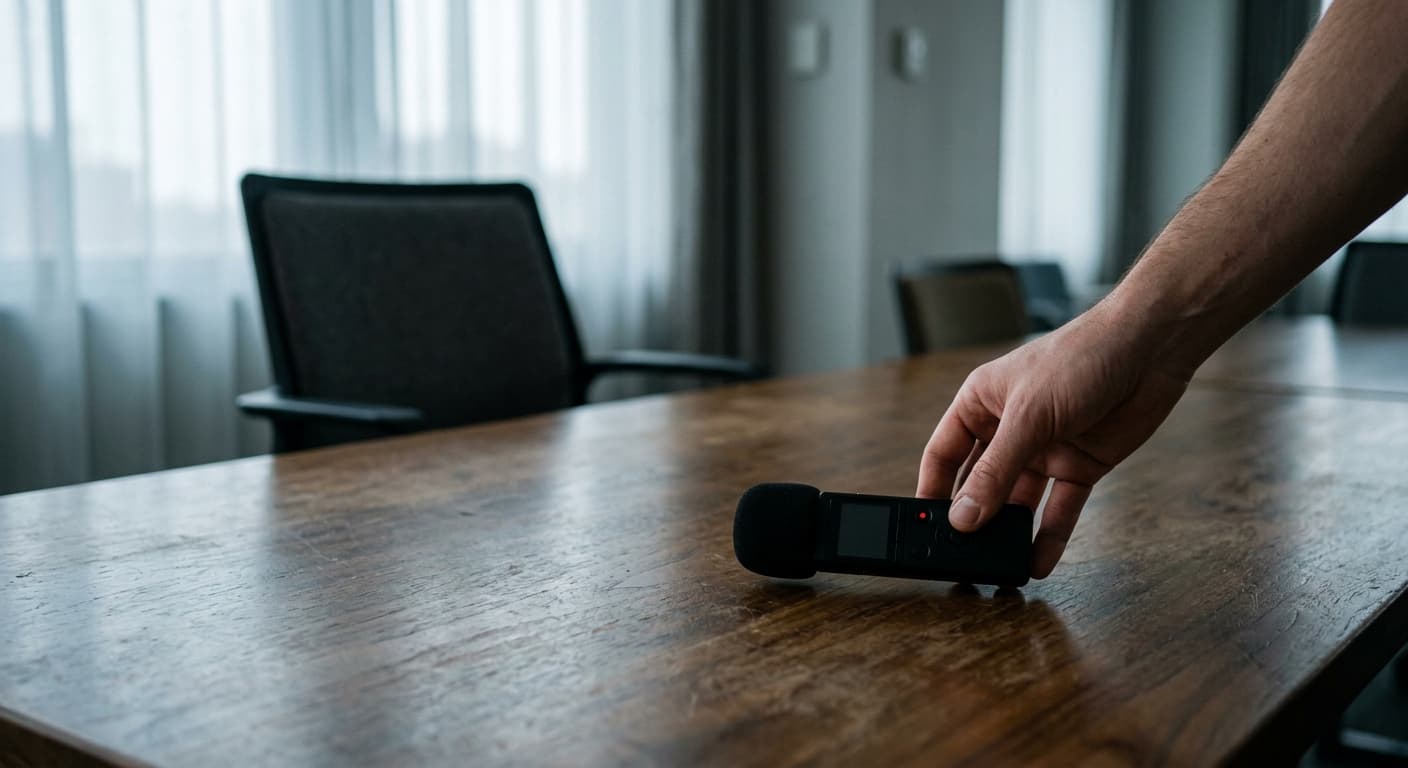
Recording in public places in Texas is legal under the First Amendment, which protects filming anything plainly visible from a public space. Audio recording of public conversations is also permitted because Tex. Penal Code 16.02 only restricts interception of communications where a reasonable expectation of privacy exists, and public settings carry no such expectation.
Overview of Recording in Public in Texas
Texas broadly protects the right to record in public spaces. The First Amendment to the U.S. Constitution, combined with state law, provides a strong legal framework for photography, [video recording, and audio recording of activities visible and audible from public areas. For the complete framework of Texas recording laws, see the parent page.
The general rule is simple: if something is plainly visible from a public place, a person has the right to photograph or record it. This right extends to recording people, buildings, vehicles, police activity, protests, and any other observable activity.
The Texas State Law Library provides resources on visual recording laws, and the ACLU of Texas offers guidance on the right to record in public.
The Constitutional Right to Record in Public
First Amendment Protections
Recording in public spaces constitutes a form of speech and expression protected by the First Amendment. The U.S. Court of Appeals for the Fifth Circuit, which has jurisdiction over Texas, recognized this right in Turner v. Driver (2017), holding that recording government officials performing their duties in public is protected activity; in the Fifth Circuit, Turner v. Driver held the right to record police "does exist, subject only to reasonable time, place, and manner restrictions."
This protection extends beyond recording police. In Texas, a person in a public space can record:
- People walking on streets and sidewalks
- Activities in public parks and plazas
- Exterior views of buildings from public vantage points
- Traffic, accidents, and emergency responses
- Protests, rallies, and public demonstrations
- Street performers and public events
- Construction activity visible from public areas
- Commercial activity in storefront windows
What Qualifies as a "Public Place"
A public place is any location generally open to the public or visible from areas open to the public. In Texas, this includes:
- Streets and sidewalks: All public roads, pathways, and pedestrian areas
- Parks and recreational areas: City, county, and state parks, playgrounds, and trails
- Government buildings: Exteriors and publicly accessible interiors of courthouses, city halls, police stations, and legislative buildings
- Public transportation: Bus stops, train stations, and transit vehicles
- Commercial areas: Shopping centers, restaurant dining areas, and retail stores (though private property rules may apply)
- Schools and universities: Publicly accessible areas of campus grounds
- Hospitals and medical facilities: Publicly accessible lobbies and exterior areas
Audio Recording in Public Places
No Expectation of Privacy in Public
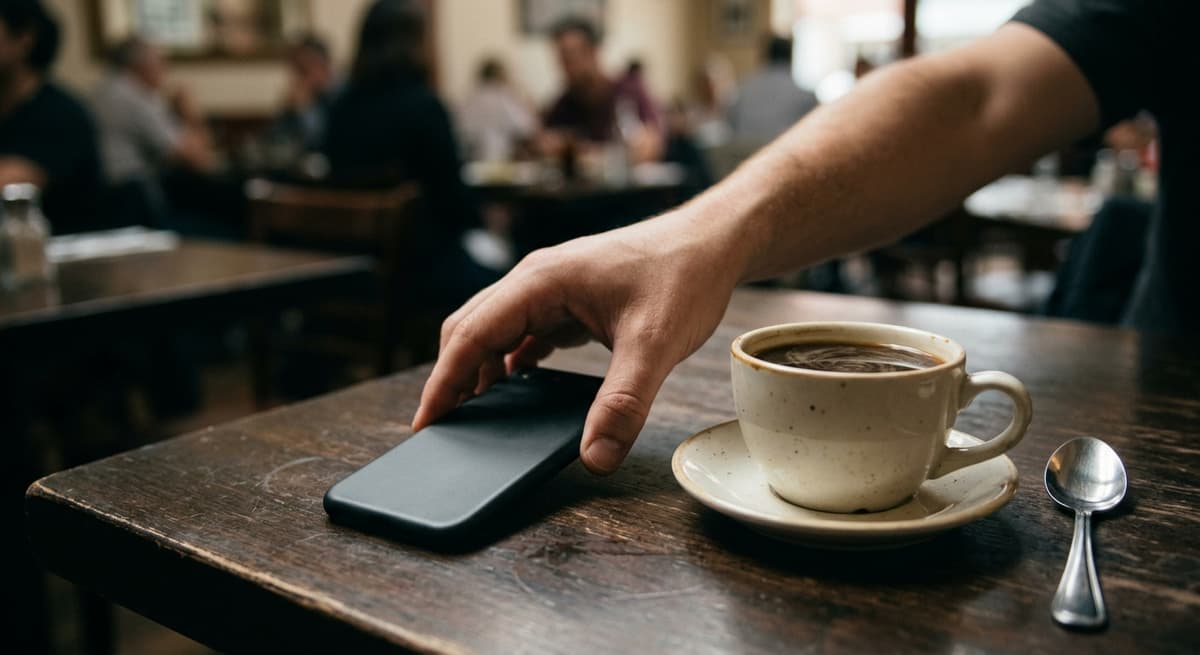
Tex. Penal Code Section 16.02 only prohibits interception of "oral communications" where the speaker has a reasonable expectation of privacy. In public settings where conversations can be overheard by others, no reasonable expectation of privacy exists.
This means audio recording of conversations in public places is generally legal in Texas, even for a bystander who is not participating in the conversation. The wiretapping statute does not apply because the definition of "oral communication" requires that the speaker exhibited an expectation that the conversation was not subject to interception and that the circumstances justified that expectation.
When Public Conversations Have Privacy Expectations
In limited situations, a conversation in a seemingly public area may carry a reasonable expectation of privacy:
- Whispered conversations in a quiet corner of a public library
- Conversations in a private booth at a restaurant with reasonable sound isolation
- Discussions at a bench far removed from other people in a secluded park area
- Conversations through an earpiece or headset where only one side is audible
Courts evaluate these situations case by case, considering the totality of the circumstances.
Recording Government Meetings
The Texas Open Meetings Act
The Texas Open Meetings Act (TOMA), codified in Texas Government Code Chapter 551, requires that meetings of governmental bodies be open to the public. Section 551.023 specifically addresses the right to record:
A person in attendance at an open meeting of a governmental body may record all or any part of the meeting by means of a recorder, video camera, or other means of aural or visual reproduction.
This right is guaranteed by state law, and governmental bodies cannot deny it. The statute does allow governmental bodies to adopt reasonable rules to maintain order at meetings, including rules about recording equipment placement and operation. However, these rules cannot "prevent or unreasonably impair" a person's right to record.
Government Bodies Covered by TOMA
The Open Meetings Act applies to a broad range of governmental bodies in Texas:
- City councils and municipal boards
- County commissioners courts
- School boards and education districts
- Special purpose districts (water, hospital, fire)
- State boards and commissions
- University and college governing boards
- Planning and zoning commissions
- Public utility boards
Government Recording Obligations
Under Sections 551.021 and 551.022, governmental bodies must take minutes or make a recording of their open meetings. These records must include the subject of each deliberation and each vote or decision made. The minutes or recording must be available for public inspection upon request.
For closed (executive) sessions, the governmental body must keep a certified agenda or tape recording and retain it for at least two years. However, these executive session records are not available for public inspection.
Recording in Specific Public Settings
Government Buildings
The exterior of any government building can be photographed or recorded from a public vantage point. This includes federal buildings, state capitol buildings, courthouses, police stations, and military installations visible from public roads.
Interior recording depends on the specific facility:
- Courthouses: Exterior photography is unrestricted. Interior recording during court proceedings is subject to the presiding judge's rules. Under the Texas Rules of Judicial Administration, judges have discretion to permit or restrict electronic media coverage.
- Legislative buildings: The Texas Capitol and legislative office buildings are generally open to photography and recording in public areas.
- City halls and county buildings: Public areas are generally open to recording. Specific offices may restrict recording for security or privacy reasons.
Protests and Demonstrations
The right to record protests and demonstrations in Texas is well-established under the First Amendment. This right applies equally to:
- Participants recording their own activities
- Counter-protesters documenting the other side
- Journalists covering the event
- Bystanders observing from a distance
Officers can seize a camera or phone from a person recording a protest without a warrant, under ordinary Fourth Amendment seizure rules such as incident to arrest or when the device is evidence in plain view. A warrant is a separate requirement that applies before officers search the device's stored contents, under Riley v. California, 573 U.S. 373 (2014). Officers may also establish safety perimeters, and recording from outside those perimeters remains protected.
Retail Stores and Private Businesses
While shopping malls, stores, and restaurants may feel like public places, they are private property. The property owner or business operator can establish rules about recording on their premises. This means:
- A store can prohibit photography or video recording inside the establishment
- A restaurant can ask patrons not to record other diners
- A mall can restrict filming in common areas through posted rules
- Security guards can ask a person to stop recording and to leave the premises
If a person continues recording after being asked to stop on private property, they may face criminal trespass charges under Tex. Penal Code Section 30.05, not wiretapping charges.
Public Transportation
Recording on public buses, trains, and at transit stations in Texas is generally permissible. Transit agencies may adopt reasonable rules about recording equipment (such as prohibiting tripods or professional lighting), but cannot prohibit handheld recording entirely.
Audio recording on public transportation follows the general rule that conversations in public settings lack a reasonable expectation of privacy.
Limitations on Public Recording
Invasive Visual Recording
Even when recording begins from a public location, Tex. Penal Code Section 21.15 prohibits using cameras or recording devices to capture intimate areas of a person without their consent and with intent to invade that person's privacy. A person standing on a public sidewalk who deliberately uses a zoom lens to photograph someone's intimate area through their bedroom window, intending to invade their privacy, violates this statute.
Harassment and Stalking
Repeated recording of a specific person can cross the line into harassment or stalking under Texas law. Tex. Penal Code Section 42.07 prohibits harassment, and Section 42.072 addresses stalking. While a single instance of public recording is generally protected, a pattern of following and recording a specific individual may constitute criminal behavior.
Drone Recording
Drone operation for recording purposes in Texas is subject to both federal FAA regulations and state law. Tex. Gov't Code Chapter 423 restricts certain uses of unmanned aircraft to capture images of private property. Using a drone to record images of a person or privately owned property with the intent to conduct surveillance is an offense under this statute.
Restricted Facilities
Certain facilities restrict recording even from public areas for national security or safety reasons:
- Military installations (federal restrictions)
- Nuclear facilities
- Critical infrastructure (under certain circumstances)
- Secure areas of airports and border crossings
Practical Considerations for Public Recording
If Asked to Stop Recording
When asked to stop recording in a public space:
- Determine whether the person making the request has legal authority (property owner, security guard, law enforcement)
- On public property, there is generally no obligation to stop recording
- On private property, the property owner or their agent has the authority to establish recording rules
- If a law enforcement officer gives an order, compliance in the moment is safer, with legal remedies available afterward
Protecting Recordings
Recordings made in public spaces may become important evidence. Best practices include:
- Enabling automatic cloud backup on recording devices
- Saving original files without editing
- Documenting the date, time, and location of each recording
- If confronted, clearly and calmly state the intent to record for personal or journalistic purposes
← Back to Texas Recording Laws
More Texas Recording Topics
- Texas Audio Recording
- Texas Video Recording
- Texas Medical Recording
- Texas Schools Recording
- Texas Workplace Recording
- Texas Police Recording
- Texas Phone Calls Recording
- Texas Security Cameras Recording
- Texas Voyeurism Recording
- Texas Landlord Tenant Recording
- Texas Dashcam Recording
- Texas Biometric Privacy Laws
- Surveillance Camera Laws
More Texas Recording Laws
More Texas Laws
Frequently Asked Questions
Can I record people in public in Texas?
Yes. The First Amendment protects the right to photograph and record anything plainly visible from a public place in Texas. This includes recording people, buildings, police activity, protests, and other observable activities. No consent is needed for video recording in public areas.
Can I record audio of strangers' conversations in public in Texas?
Generally yes. Tex. Penal Code Section 16.02 only protects oral communications where the speaker has a reasonable expectation of privacy. In public settings where conversations can be overheard, no such expectation exists. The wiretapping statute does not apply to conversations held in the open.
Can I record government meetings in Texas?
Yes. The Texas Open Meetings Act (Gov't Code Section 551.023) guarantees the right to record all or part of any open meeting of a governmental body by audio, video, or other means. The governmental body may adopt reasonable rules about equipment placement but cannot prevent recording.
Can a store or restaurant prohibit recording in Texas?
Yes. Stores, restaurants, and other private businesses can establish rules about recording on their premises. These are private property, and the owner can ask a person to stop recording. Continuing to record after being asked to stop may result in criminal trespass charges, not wiretapping charges.
Can I fly a drone to record in public in Texas?
Drone operation is subject to FAA regulations and Texas Gov't Code Chapter 423, which restricts using unmanned aircraft to capture images of private property or individuals with the intent to conduct surveillance. Flying a drone over public spaces for general recording may be permissible, but targeting private property or persons is restricted.
Updates
Corrected a statement that police cannot seize a camera or phone from a protester without a warrant; Riley v. California requires a warrant only to search a device's stored contents, not to seize the device itself.
Independently fact-checked against the cited primary sources; governing law re-checked for recent changes
Added the required intent-to-invade-privacy element to the description of Tex. Penal Code Section 21.15's zoom-lens example; lack of consent alone is not sufficient under the statute.
Governing law re-checked for recent changes
Added note on [TAKE IT DOWN Act](/us-laws/take-it-down-act) (S. 146, signed May 19, 2025; platform compliance May 19, 2026) and H.B. 1465 § 21.15 expanded location definition (eff. Sept. 1, 2025). Core recording rules under § 16.02 and relevant primary law unchanged.
Reviewed and approved by an editor
The Law Behind This Article
This article rests on the statutory provisions below, held in our own legal record and retrieved from the official source. Tap a section to read the operative text.
Texas Penal Code
§ 16.02UNLAWFUL INTERCEPTION, USE, OR DISCLOSURE OF WIRE, ORAL, OR ELECTRONIC COMMUNICATIONSIn forcecited in 17 of our articles
(a) In this section: (1) "Communication common carrier," "computer trespasser," "contents," "covert entry," "electronic communication," "intercept," "interception device," "investigative or law enforcement officer," "oral communication," "protected computer," and "wire communication" have the meanings assigned by Article 18A.001, Code of Criminal Procedure. (2) "Immediate life-threatening situation" and "member of a law enforcement unit specially trained to respond to and deal with life-threatening situations" have the meanings assigned by Article 18A.201, Code of Criminal Procedure.
Official text (excerpt) · last checked 2026-08-31 · Read the full text in our law library · Verify at statutes.capitol.texas.gov
Cited in 39 court opinions in our collectionLatest citing opinion in our collection: 2026
In the courts (editorial summary, independently checked):Texas courts have applied Section 16.02 to contested recordings. Long v. State (2017) held the oral communication definition carries a reasonable expectation of privacy test, sustaining a conviction over a covert locker room recording. Banargent v. State (2007) held a jail inmate impliedly consented, so no Section 16.02 violation.
Opinions citing this section in our collection:
- Banargent v. State (Texas Court of Appeals, 14th District (Houston) 2007, 228 S.W.3d 393)✓Jail phone prompts and posted notices warned that calls could be recorded, and a recorded call captured the defendant admitting he stabbed the victim; the court held he impliedly consented, so the recording did not violate Section 16.02.
- Long v. State (Court of Criminal Appeals of Texas 2017, 535 S.W.3d 511)✓A school board member had her daughter hide a phone in a visiting locker room to record the coach's halftime speech and sent it to the board; the court held Section 16.02's 'oral communication' incorporates the expectation of privacy test, which the coach met.
- Siddiq v. State (Court of Appeals of Texas 2016, 502 S.W.3d 387)✓Police automatically recorded a DWI arrestee's call to his father from the jail book-in desk, capturing him saying he was drunk; the court applied the law enforcement exception to hold the recording did not violate Section 16.02, so admitting it was not error.
Identified automatically from the court opinions citing this section — not a ranking of which case controls.
Also relied on in: Texas Recording Laws (2026): One-Party Consent Rules, One-Party Consent States: Complete 2026 Guide, Texas Security Camera Laws: Residential, Commercial, and Privacy Rules
§ 21.15INVASIVE VISUAL RECORDINGIn forcecited in 13 of our articles
(a) In this section: (1) "Female breast" means any portion of the female breast below the top of the areola. (2) "Intimate area" means the naked or clothed genitals, pubic area, anus, buttocks, or female breast of a person. (3) "Changing room" means a room or portioned area provided for or primarily used for the changing of clothing and includes dressing rooms, locker rooms, and swimwear changing areas. (3-a) "Place in which a person has a reasonable expectation of privacy" means a place in which a reasonable person would believe that the person could disrobe in privacy, without being concerned that the act of undressing would be photographed or visually recorded by another or that a visual image of the person undressing would be broadcasted or transmitted by another. The term includes a bathroom, bedroom, and changing room. (4) "Promote" has the meaning assigned by Section 43.21.
Official text (excerpt) · last checked 2026-08-31 · Read the full text in our law library · Verify at statutes.capitol.texas.gov
Cited in 44 court opinions in our collectionLatest citing opinion in our collection: 2025
In the courts (editorial summary, independently checked):The Court of Criminal Appeals struck down the 2007 improper photography provision at Penal Code 21.15(b)(1), and Ex parte Shay (2016) set aside a conviction under it. The Legislature re-enacted the section in 2015, and Ex Parte Kamilah a Hamilton (2020) held the current subsection (b)(1) survives strict scrutiny and is not overbroad.
Opinions citing this section in our collection:
- Ex Parte Nyabwa (Texas Court of Appeals, 14th District (Houston) 2011, 366 S.W.3d 719)✓Charged with improper photography, Nyabwa attacked section 21.15(b)(1) by pretrial habeas; the court of appeals held the 2007 subsection regulated the photographer's intent rather than speech and was neither overbroad nor vague. Ex parte Thompson struck it down in 2014.
- Ex parte Shay (Court of Criminal Appeals of Texas 2016, 507 S.W.3d 731)✓Shay pleaded guilty under section 21.15(b)(1) before Ex parte Thompson struck that subsection down; the Court of Criminal Appeals held his favorable plea bargain did not estop habeas relief, set aside the conviction, and remanded to dismiss the indictment.
- Ex Parte Kamilah a Hamilton (Texas Court of Appeals, 14th District (Houston) 2020)✓Indicted under the 2015 version of section 21.15(b)(1) for broadcasting an image of a complainant's intimate area, Hamilton claimed facial overbreadth; the court held the rewritten subsection survives strict scrutiny, is not overbroad, and affirmed denial of relief.
Identified automatically from the court opinions citing this section — not a ranking of which case controls.
Also relied on in: Texas Landlord-Tenant Recording Laws: Cameras, Privacy, and Rights, Texas School Recording Laws: Classrooms, Cameras, and Student Privacy, Texas Workplace Recording Laws: Employee and Employer Rights
Texas Government Code
§ 551.023RECORDING OF MEETING BY PERSON IN ATTENDANCEIn force
(a) A person in attendance may record all or any part of an open meeting of a governmental body by means of a recorder, video camera, or other means of aural or visual reproduction. (b) A governmental body may adopt reasonable rules to maintain order at a meeting, including rules relating to: (1) the location of recording equipment; and (2) the manner in which the recording is conducted. (c) A rule adopted under Subsection (b) may not prevent or unreasonably impair a person from exercising a right granted under Subsection (a).
Official text (excerpt) · last checked 2026-07-28 · Read the full text in our law library · Verify at statutes.capitol.texas.gov
Cited in 1 court opinions in our collectionLatest citing opinion in our collection: 2025
Opinions citing this section in our collection:
- Robert Edward Battaile v. Texas Elections Division, Hon. Jane Nelson; Texas Secretary of State; Jeffrey Travillion, Travis County Commissioner (Texas Court of Appeals, 15th District 2025)“…a governmental service required by law. Applicable Law Texas Government Code §551.023 Guarantees the public the right to rec…”
Identified automatically from the court opinions citing this section — not a ranking of which case controls.
Search our full record of US law — 2.1 million sections, every state + federal →
Sources and References
- Tex. Penal Code Section 16.02(statutes.capitol.texas.gov).gov
- Tex. Penal Code Section 21.15(statutes.capitol.texas.gov).gov
- Texas Open Meetings Act(statutes.capitol.texas.gov).gov
- Tex. Gov't Code Chapter 423 - Unmanned Aircraft(statutes.capitol.texas.gov).gov
- Texas State Law Library - Visual Recording(guides.sll.texas.gov).gov
- ACLU of Texas(aclutx.org)
- RCFP - Texas Recording Guide(rcfp.org)
- Tex. Gov't Code Section 551.023 - Recording of Meeting by Person in Attendance(statutes.capitol.texas.gov).gov