Texas Dashcam Laws: Legality, Placement Rules, and Evidence Use
Independently fact-checked against primary sources (last audited August 15, 2026). · Reviewed by the RecordingLaw editorial team. · Law checked current as of August 15, 2026. · 5 primary sources cited on this page. How we verify our legal content
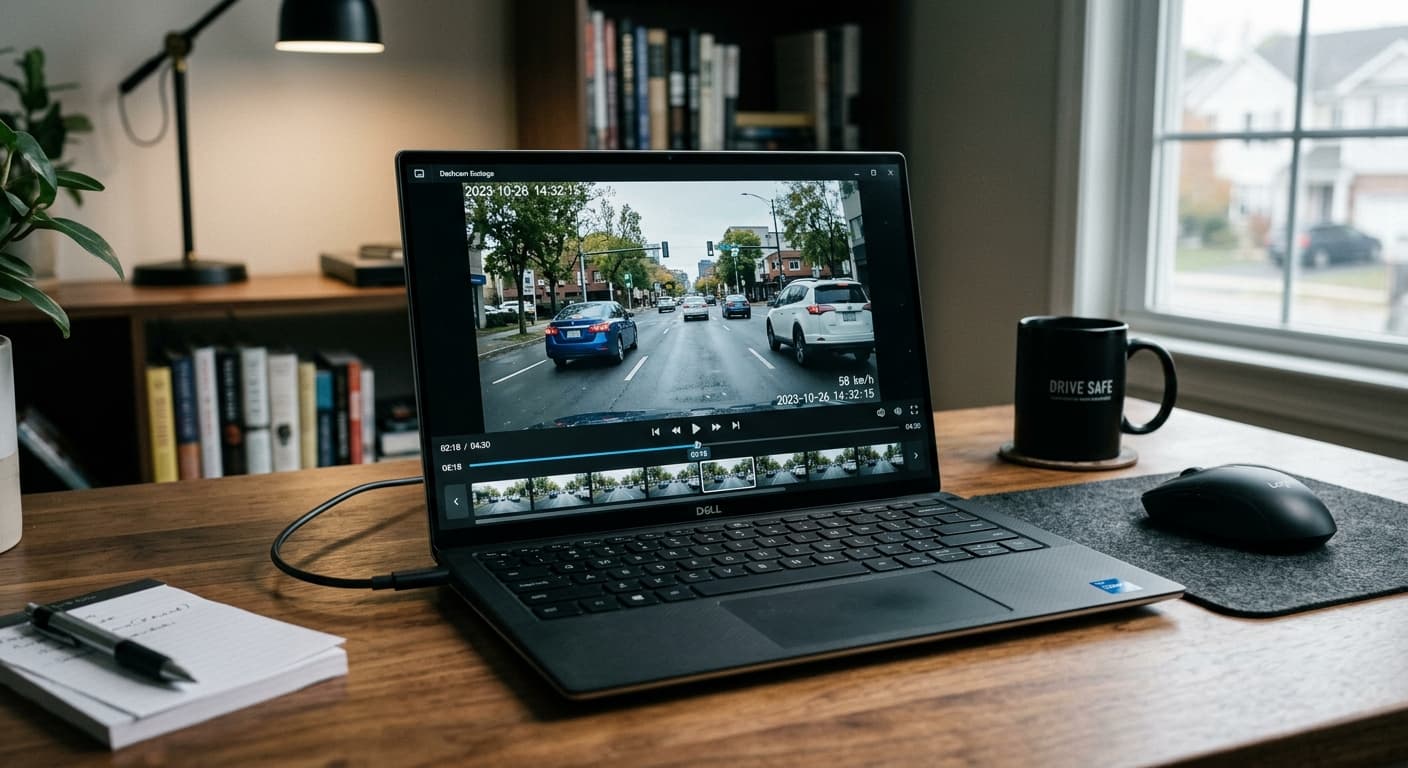
Dashcams are legal in Texas. Drivers may record video and audio inside the vehicle, with audio governed by the one-party consent rule under Tex. Penal Code Section 16.02. Windshield mounting is permitted as long as the camera does not obstruct the driver's clear view of the road.
Overview of Texas Dashcam Laws
Texas does not have a specific statute governing dashboard cameras. Instead, dashcam use falls under general vehicle equipment regulations, recording consent laws, and evidence rules. Dashcams are legal in Texas, and their use has grown significantly for personal safety, insurance documentation, and evidence preservation. For the broader context of recording law in Texas, see the main Texas recording laws page.
The key legal considerations for dashcam use in Texas involve proper placement to avoid windshield obstruction, audio recording consent for in-vehicle conversations, and the admissibility of dashcam footage as evidence.
Dashcam Legality in Texas
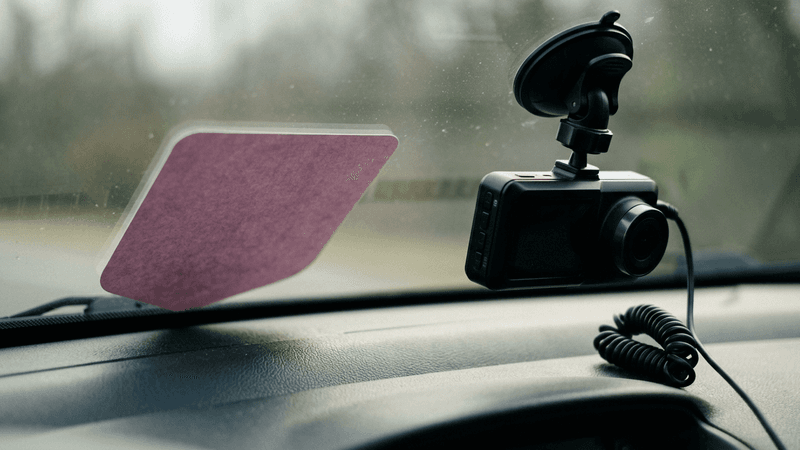
No Prohibition on Dashboard Cameras
Texas has no law prohibiting the use of dashboard cameras in personal or commercial vehicles. Drivers are free to install and operate dashcams for any lawful purpose, including:
- Recording driving conditions and road hazards
- Documenting traffic accidents and near-misses
- Capturing evidence of aggressive or reckless driving by other motorists
- Recording police interactions during traffic stops
- Monitoring vehicle use by family members or employees
- Protecting against fraudulent insurance claims
Windshield Obstruction Rules
The primary legal restriction on dashcam placement in Texas comes from Tex. Transportation Code Section 547.613, which addresses restrictions on vehicle windows. This statute prohibits operating a motor vehicle with any object or material placed on or attached to the windshield, side window, or rear window that obstructs or reduces the operator's clear view.
This means a dashcam mounted on the windshield must not:
- Block the driver's forward line of sight
- Obstruct the view of mirrors or road signage
- Interfere with the deployment of airbags
- Cover a significant portion of the windshield
Recommended Dashcam Placement
To comply with Section 547.613, recommended mounting locations include:
- Behind the rearview mirror: This position uses space already partially obstructed by the mirror itself, minimizing additional view blockage
- Lower corner of the windshield: Mounting in the bottom-left or bottom-right corner keeps the camera out of the primary viewing area
- Dashboard mount: Placing the camera on the dashboard rather than the windshield avoids the windshield obstruction issue entirely
- Rearview mirror replacement: Some dashcams replace the standard rearview mirror, integrating the camera without adding windshield obstruction
Penalties for Windshield Obstruction
Violating Section 547.613 by driving with an obstructed windshield is classified as a misdemeanor in Texas. The statute's $1,000 fine cap applies only to businesses that install window tinting without the required compliance label, not to this general driver offense. Consequences for a driver include:
- Potential traffic citation during a routine traffic stop
- No points assessed on the driver's license for this violation alone
In practice, law enforcement officers rarely issue citations specifically for dashcam placement unless the device clearly obstructs the driver's view. However, if a dashcam contributes to an accident by blocking the driver's visibility, the obstruction could factor into a negligence determination.
Audio Recording by Dashcams
One-Party Consent Inside the Vehicle
Many dashcams record audio in addition to video, capturing conversations inside the vehicle. Under Tex. Penal Code Section 16.02, audio recording in Texas follows the one-party consent rule. The driver who installs and operates the dashcam is a party to any conversation occurring inside the vehicle and satisfies the one-party consent requirement.
This means:
- A driver can record conversations with passengers without informing them
- Audio of phone calls conducted through the vehicle's speaker system is captured with the driver's consent
- Conversations between the driver and passengers during road trips, carpools, or rideshare services fall under the one-party consent exception
Rideshare and Commercial Drivers
Rideshare drivers (Uber, Lyft) and commercial drivers who install dashcams with audio capabilities operate under the same one-party consent framework. The driver is a party to conversations with passengers and can record without notification under Texas law.
However, platform policies may impose additional requirements:
- Uber and Lyft policies require drivers to comply with local recording laws and recommend providing notice
- Commercial fleet policies may require driver notification to passengers
- Some insurance policies for commercial vehicles may address dashcam recording
External Audio Recording
A dashcam's external microphone that captures sounds outside the vehicle (street noise, conversations of pedestrians, police officer statements during traffic stops) raises different considerations. In public settings, there is generally no reasonable expectation of privacy for conversations audible from the roadway, so external audio capture is typically permissible.
During traffic stops, the driver is a party to conversations with the officer and can record the audio of that interaction under one-party consent.
Dashcam Footage as Evidence
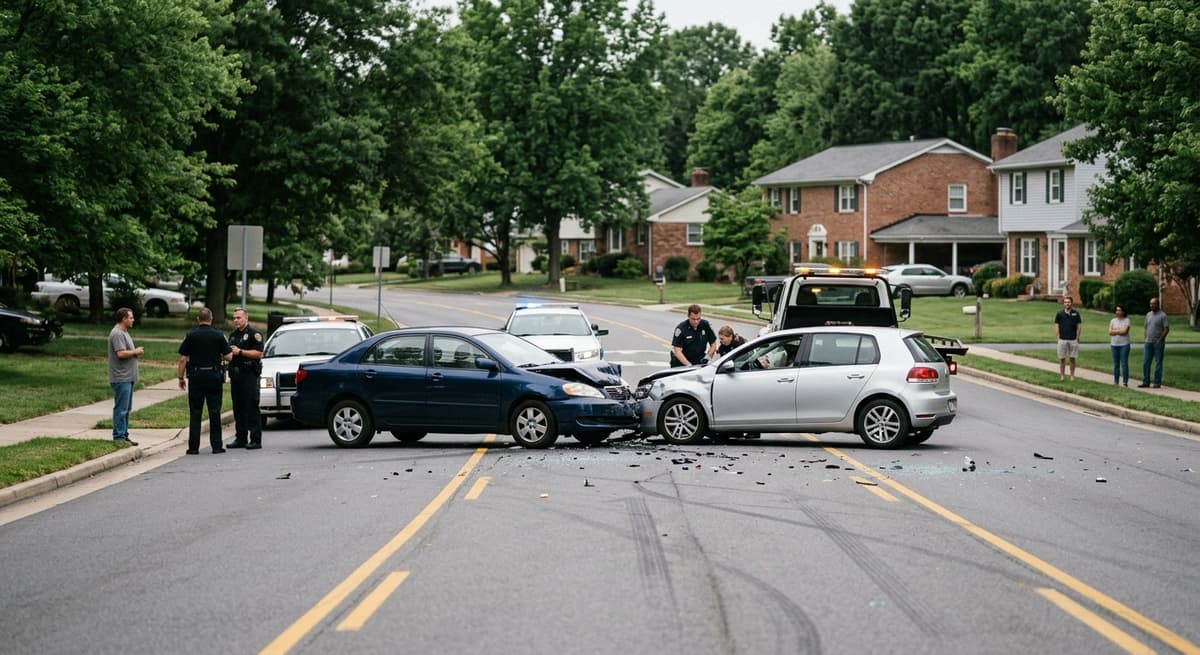
Admissibility in Texas Courts
Dashcam footage is admissible as evidence in Texas civil and criminal proceedings when it meets the requirements of the Texas Rules of Evidence. Key requirements include:
- Relevance (Rule 401): The footage must relate to a fact of consequence in the case
- Authentication (Rule 901): The offering party must show the footage is genuine and depicts what it claims to depict
- Best evidence (Rule 1002): The original recording or a duplicate is preferred over testimony about what the footage showed
- Not unfairly prejudicial (Rule 403): The probative value must not be substantially outweighed by prejudicial effect
Authentication of Dashcam Footage
Authenticating dashcam footage typically requires testimony from the person who operated the dashcam or an expert who can verify the recording's integrity. Important authentication elements include:
- Testimony that the dashcam was functioning properly at the time
- Evidence of the date, time, and GPS location stamps embedded in the footage
- Proof that the footage has not been edited, altered, or selectively trimmed
- Documentation of how the footage was extracted, stored, and preserved
- Chain of custody evidence showing who had access to the footage
Types of Cases Using Dashcam Evidence
Dashcam footage appears in many categories of Texas legal proceedings:
- Car accident cases: Establishing fault, speed, traffic signal compliance, and road conditions
- Insurance claims: Documenting the sequence of events before, during, and after a collision
- DUI/DWI cases: Recording driving behavior that indicates impairment
- Road rage incidents: Capturing aggressive driving, threats, or assaults
- Hit-and-run cases: Recording license plates and vehicle descriptions of fleeing drivers
- Police misconduct claims: Documenting interactions during traffic stops
- Commercial vehicle accidents: Truck driver behavior, loading conditions, and compliance with hours-of-service rules
Insurance Implications
Dashcam footage can significantly impact insurance claims in Texas. The footage provides objective evidence that can:
- Establish which driver was at fault in an accident
- Disprove fraudulent claims (staged accidents, false injury reports)
- Document road and weather conditions at the time of an incident
- Show compliance with traffic laws before a collision
- Capture license plate information for hit-and-run identification
Some insurance companies offer discounts for vehicles equipped with dashcams, recognizing the risk reduction and fraud prevention benefits. However, dashcam footage can also work against the vehicle owner if it captures the owner's own traffic violations or negligent driving.
Commercial Vehicle Dashcams
Fleet Management
Texas commercial vehicle operators frequently use dashcams for fleet management purposes. These systems may include forward-facing cameras, interior cabin cameras, and multi-angle recording systems. Texas law does not impose special requirements on commercial dashcams beyond the general windshield obstruction rules.
The Texas Department of Motor Vehicles oversees commercial vehicle regulations but does not have specific dashcam rules. Federal Motor Carrier Safety Administration (FMCSA) regulations also do not mandate or prohibit dashcams in commercial vehicles.
Electronic Logging Devices (ELDs)
While not dashcams themselves, electronic logging devices required by federal regulation (49 CFR Part 395) work alongside dashcam systems in many commercial fleets. The combination of ELD data and dashcam footage creates comprehensive documentation of commercial driver activity.
Rear-Facing and Multi-Camera Systems
Rear Dashcams
Rear-facing dashcams mounted on the back windshield or trunk are legal in Texas under the same rules as front-facing dashcams. The camera must not obstruct the driver's rearview visibility. Rear dashcams are valuable for:
- Documenting rear-end collisions
- Recording tailgating behavior
- Capturing parking lot incidents
Cabin Cameras
Interior-facing dashcams that record the cabin of the vehicle are legal in Texas. These cameras are commonly used in commercial vehicles, rideshare cars, and family vehicles. The same one-party consent rules apply to any audio captured inside the vehicle.
Dashcam Footage and Privacy
Recording Other Drivers and Pedestrians
Dashcam footage that captures other vehicles, pedestrians, and bystanders on public roads does not violate Texas privacy laws. There is no reasonable expectation of privacy on public roadways, and recording activities visible from a vehicle on public streets is constitutionally protected.
Recording on Private Property
When a vehicle enters private property (parking garages, gated communities, corporate campuses), the property owner may have rules about recording. However, a dashcam that continues to run while the vehicle travels through private property generally does not create legal liability because the recording captures only what is visible from the vehicle's vantage point.
Parked Vehicle Recording (Sentry Mode)
Some dashcams and vehicle systems (like Tesla Sentry Mode) continue recording when the vehicle is parked. These recordings capture activity around the parked vehicle, including other people and vehicles. In public parking areas, this recording is generally permissible because there is no reasonable expectation of privacy. In private parking areas, property owner rules may apply.
More Texas Recording Laws
Audio Recording | Video Recording | Voyeurism & Hidden Cameras | Workplace Recording | Recording Police | Phone Call Recording | Security Cameras | Recording in Public | Landlord-Tenant | Dashcam Laws | Schools | Medical Recording
← Back to Texas Recording Laws
More Texas Recording Topics
More Texas Laws
Frequently Asked Questions
Are dashcams legal in Texas?
Yes. Texas has no law prohibiting dashboard cameras. Drivers can install and operate dashcams in personal and commercial vehicles. The only restriction is that the camera must not obstruct the driver's clear view of the road under Tex. Transportation Code Section 547.613.
Where is the best place to mount a dashcam in Texas?
The safest legal position is behind the rearview mirror, in a lower corner of the windshield, or on the dashboard itself. These positions minimize obstruction of the driver's view and comply with Tex. Transportation Code Section 547.613. Avoid mounting the camera in the center of the windshield where it blocks forward visibility.
Can dashcam footage be used as evidence in Texas?
Yes. Dashcam footage is admissible in Texas courts and insurance proceedings when properly authenticated. The footage must be genuine, unaltered, and relevant to the case. Authentication typically requires testimony from the camera operator and evidence of the recording's chain of custody.
Does a dashcam need to notify passengers about audio recording in Texas?
No. Texas follows one-party consent for audio recording under Penal Code Section 16.02. The driver who operates the dashcam is a party to conversations inside the vehicle, and their consent alone satisfies the legal requirement. No notification to passengers is needed under Texas law.
Can a dashcam record while the car is parked in Texas?
Yes. Dashcams and vehicle sentry modes that record while parked are legal in Texas. In public parking areas, there is no reasonable expectation of privacy, so recording activity around the parked vehicle is permissible. Private parking facilities may have their own rules about surveillance.
Updates
Independently fact-checked against the cited primary sources; governing law re-checked for recent changes
Corrected the windshield-obstruction penalty description: the $1,000 fine cap in Tex. Transportation Code Section 547.613 applies to businesses installing window tint without a compliance label, not to a driver's dashcam-placement violation.
Governing law re-checked for recent changes
Added note on [TAKE IT DOWN Act](/us-laws/take-it-down-act) (S. 146, signed May 19, 2025; platform compliance May 19, 2026) and H.B. 1465 § 21.15 expanded-location definition (eff. Sept. 1, 2025). Dashcam audio rules under § 16.02 and windshield-obstruction rules under Tex. Transp. Code § 547.613 remain unchanged.
Reviewed and approved by an editor
The Law Behind This Article
This article rests on the statutory provisions below, held in our own legal record and retrieved from the official source. Tap a section to read the operative text.
Texas Penal Code
§ 16.02UNLAWFUL INTERCEPTION, USE, OR DISCLOSURE OF WIRE, ORAL, OR ELECTRONIC COMMUNICATIONSIn forcecited in 17 of our articles
(a) In this section: (1) "Communication common carrier," "computer trespasser," "contents," "covert entry," "electronic communication," "intercept," "interception device," "investigative or law enforcement officer," "oral communication," "protected computer," and "wire communication" have the meanings assigned by Article 18A.001, Code of Criminal Procedure. (2) "Immediate life-threatening situation" and "member of a law enforcement unit specially trained to respond to and deal with life-threatening situations" have the meanings assigned by Article 18A.201, Code of Criminal Procedure.
Official text (excerpt) · last checked 2026-08-31 · Read the full text in our law library · Verify at statutes.capitol.texas.gov
Cited in 39 court opinions in our collectionLatest citing opinion in our collection: 2026
In the courts (editorial summary, independently checked):Texas courts have applied Section 16.02 to contested recordings. Long v. State (2017) held the oral communication definition carries a reasonable expectation of privacy test, sustaining a conviction over a covert locker room recording. Banargent v. State (2007) held a jail inmate impliedly consented, so no Section 16.02 violation.
Opinions citing this section in our collection:
- Banargent v. State (Texas Court of Appeals, 14th District (Houston) 2007, 228 S.W.3d 393)✓Jail phone prompts and posted notices warned that calls could be recorded, and a recorded call captured the defendant admitting he stabbed the victim; the court held he impliedly consented, so the recording did not violate Section 16.02.
- Long v. State (Court of Criminal Appeals of Texas 2017, 535 S.W.3d 511)✓A school board member had her daughter hide a phone in a visiting locker room to record the coach's halftime speech and sent it to the board; the court held Section 16.02's 'oral communication' incorporates the expectation of privacy test, which the coach met.
- Siddiq v. State (Court of Appeals of Texas 2016, 502 S.W.3d 387)✓Police automatically recorded a DWI arrestee's call to his father from the jail book-in desk, capturing him saying he was drunk; the court applied the law enforcement exception to hold the recording did not violate Section 16.02, so admitting it was not error.
Identified automatically from the court opinions citing this section — not a ranking of which case controls.
Also relied on in: Texas Recording Laws (2026): One-Party Consent Rules, One-Party Consent States: Complete 2026 Guide, Texas Security Camera Laws: Residential, Commercial, and Privacy Rules
Texas Transportation Code
§ 547.613RESTRICTIONS ON WINDOWSIn forcecited in 4 of our articles
(a) Except as provided by Subsection (b), a person commits an offense that is a misdemeanor: (1) if the person operates a motor vehicle that has an object or material that is placed on or attached to the windshield or side or rear window and that obstructs or reduces the operator's clear view; or (2) if a person, including an installer or manufacturer, places on or attaches to the windshield or side or rear window of a motor vehicle a transparent material that alters the color or reduces the light transmission. (a-1) A person in the business of placing or attaching transparent material that alters the color or reduces the light transmission to the windshield or side or rear window of a motor vehicle commits a misdemeanor punishable by a fine not to exceed $1,000 if the person: (1) places or attaches such transparent material to the windshield or side or rear window of a motor vehicle; and (2) does not install a label that complies with Section 547.609 between the transparent material and the windshield or side or rear window of the vehicle, as applicable.
Official text (excerpt) · last checked 2026-09-08 · Read the full text in our law library · Verify at statutes.capitol.texas.gov
Cited in 14 court opinions in our collectionLatest citing opinion in our collection: 2026
In the courts (editorial summary, independently checked):State v. Exiga (2002) held DPS exceeded its rulemaking authority by extending window tint standards to pre-1988 vehicles that section 547.613(b) exempts, so a stop of a 1985 vehicle could not rest on tint. Johnson v. State (2007) upheld a stop where an officer correctly reading 547.613 would have suspected illegal mirrored tint.
Opinions citing this section in our collection:
- Johnson v. State (Texas Court of Appeals, 10th District (Waco) 2007, 237 S.W.3d 390)✓A trooper stopped Johnson for mirrored one-way tint while relying on an outdated DPS rule; the court held an officer correctly reading Transportation Code 547.613 and its current rules could still have suspected the tint fell below 25 percent light transmittance.
- State v. Luis Exiga (Texas Court of Appeals, 13th District 2002)“…transmission," except as specifically allowed by statute. Tex. Transp. Code Ann. § 547.613 (a), (b) (Vernon 1999). However, thes…”
- Christopher Fred Burleson v. State (Texas Court of Appeals, 3rd District (Austin) 2001)“…windows having a light transmission of 35 percent or less. Tex. Transp. Code Ann. § 547.613(a)(1), (b)(2) (West 1999).1 Appellant…”
Identified automatically from the court opinions citing this section — not a ranking of which case controls.
Also relied on in: Window Tint Laws by State (2026): Legal VLT Limits, Texas Window Tint Laws (2026): Legal VLT Limits, Texas Windshield Mounting Laws (2026 Guide)
Search our full record of US law — 2.1 million sections, every state + federal →
Sources and References
- Tex. Transportation Code Section 547.613(statutes.capitol.texas.gov).gov
- Tex. Penal Code Section 16.02(statutes.capitol.texas.gov).gov
- Texas State Law Library - Recording Laws(guides.sll.texas.gov).gov
- Texas Department of Motor Vehicles(txdmv.gov).gov
- Texas Rules of Evidence(txcourts.gov).gov
- Transportation Code 547.613 (FindLaw)(codes.findlaw.com)