Texas Voyeurism and Hidden Camera Laws: Statutes and Penalties
Independently fact-checked against primary sources (last audited August 15, 2026). · Reviewed by the RecordingLaw editorial team. · Law checked current as of August 15, 2026. · 5 primary sources cited on this page. How we verify our legal content
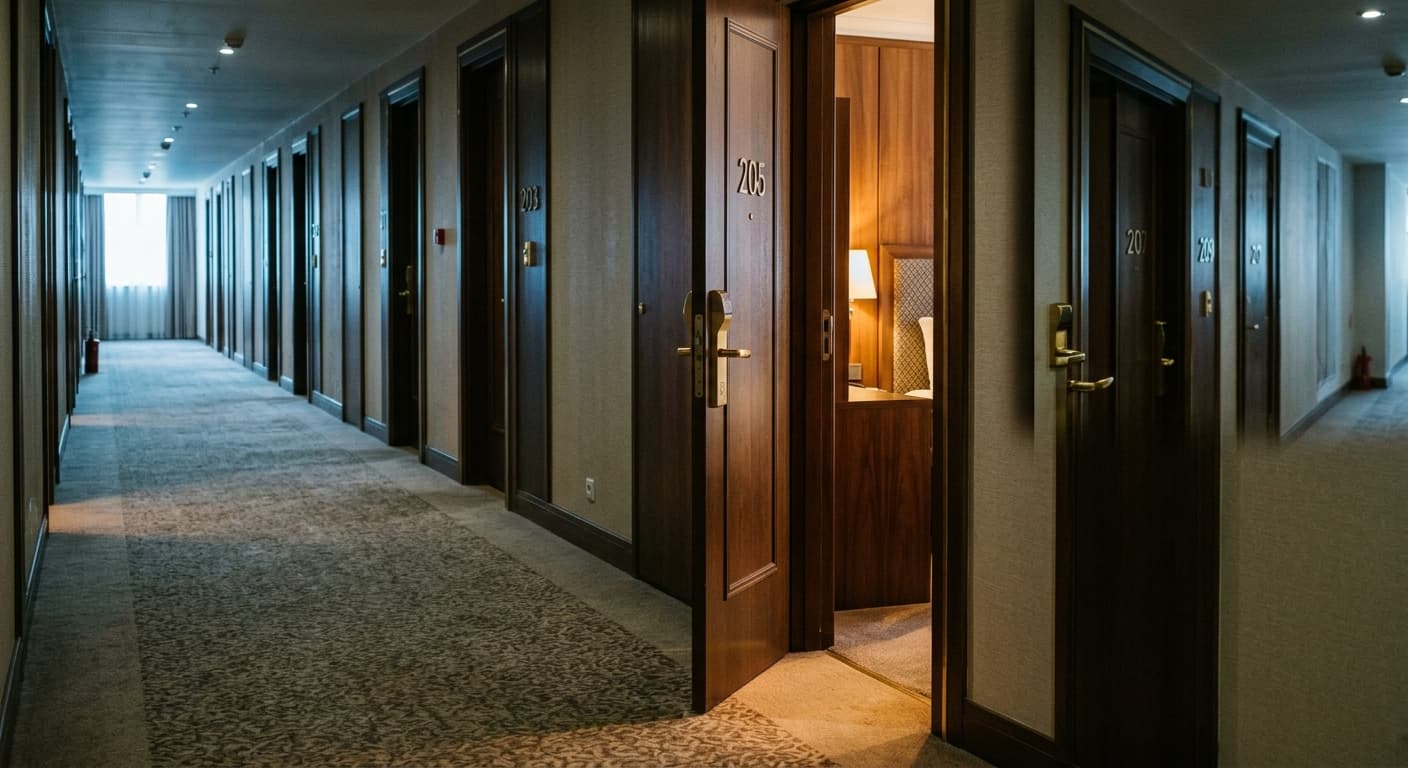
Texas prohibits invasive visual recording under Tex. Penal Code Section 21.15, a state jail felony for photographing or recording someone in a bathroom, changing room, or private space without consent, carrying 180 days to 2 years in state jail, fines up to $10,000, and, for offenses after September 1, 2025, sex offender registration (generally 10 years for a single conviction, life upon a second reportable conviction).
Overview of Texas Voyeurism and Hidden Camera Laws
Texas addresses voyeurism and hidden camera offenses through several overlapping statutes within the Penal Code. These laws protect individuals from unwanted observation and recording in private settings, and the penalties have grown significantly in recent years. For the broader context of Texas recording law, see the main Texas recording laws page.
The three primary statutes are:
- Tex. Penal Code Section 21.17 covers voyeurism, including observation through electronic means
- Tex. Penal Code Section 21.15 covers invasive visual recording, including hidden cameras
- Tex. Penal Code Section 21.16 covers nonconsensual disclosure of intimate visual material
The Texas State Law Library provides a plain-language guide to these statutes with links to the full text.
Texas Voyeurism Law: Penal Code Section 21.17
What Constitutes Voyeurism in Texas
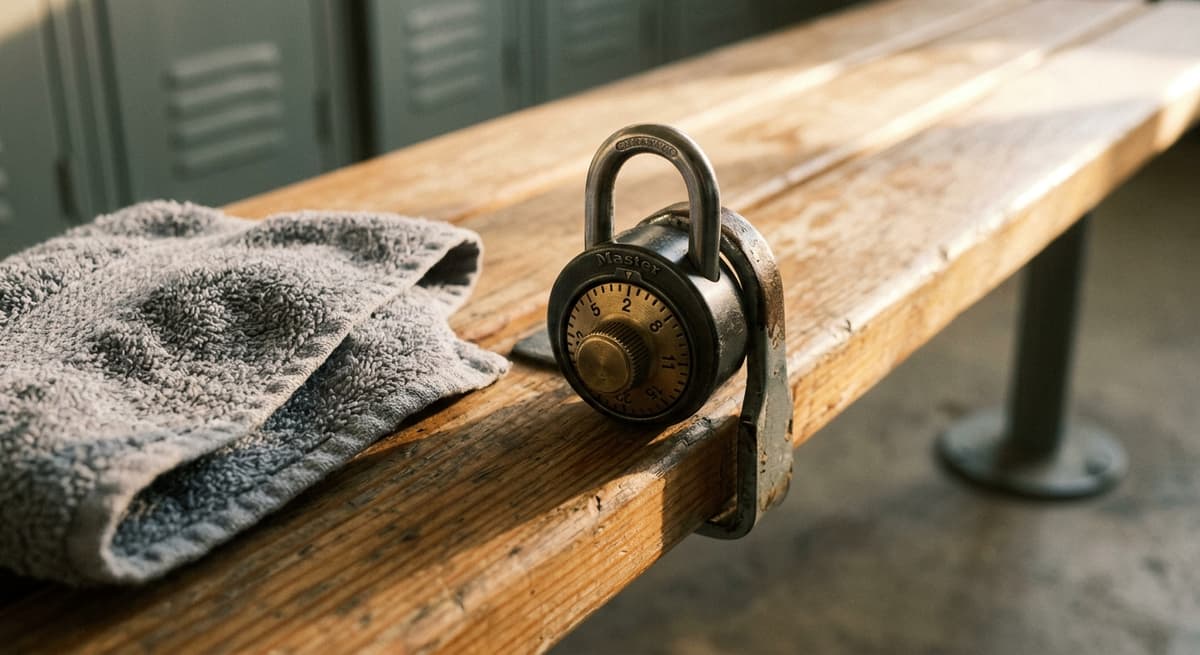
Under Tex. Penal Code Section 21.17, a person commits voyeurism if, with the intent to arouse or gratify the sexual desire of the actor, the person observes another person without that person's consent while the other person is in a dwelling or structure where they have a reasonable expectation of privacy.
The statute covers both direct physical observation (peeping through windows or doors) and remote observation through electronic means. The Texas Legislature added the phrase "including remotely through the use of electronic means" in 2023, making it clear that using hidden cameras, drones, computer hacking, or other technology to observe someone in a private setting constitutes voyeurism.
Elements the Prosecution Must Prove
To secure a conviction under Section 21.17, prosecutors must establish:
- Observation without consent: The defendant watched the victim without permission
- Private setting: The victim was in a dwelling or structure with a reasonable expectation of privacy
- Sexual intent: The defendant acted with the intent to arouse or gratify sexual desire
The sexual intent element distinguishes voyeurism from other observation offenses. Observation of someone in a private setting for non-sexual purposes, such as security monitoring or investigation, falls outside this statute (though it may violate other laws).
Penalties for Voyeurism
The Texas Legislature amended Section 21.17 in 2025, increasing the base offense level and enhancing penalties for repeat offenders and offenses against children:
| Circumstance | Classification | Penalty |
|---|---|---|
| Base offense | Class A Misdemeanor | Up to 1 year in jail, up to $4,000 fine |
| One prior conviction under this section | State Jail Felony | 180 days to 2 years, up to $10,000 fine |
| Victim under 18 years old | State Jail Felony | 180 days to 2 years, up to $10,000 fine |
| Offense committed on a postsecondary educational institution's premises | State Jail Felony | 180 days to 2 years, up to $10,000 fine |
| Victim under 18 years old, with a prior conviction involving a victim under 18 | Third Degree Felony | 2 to 10 years in prison, up to $10,000 fine |
Before the 2025 amendments, the base offense was classified at a lower level. The legislature strengthened these penalties in response to the growing use of technology to commit voyeurism offenses.
Historical Context: From Disorderly Conduct to Dedicated Statutes
Before Texas enacted specific voyeurism and invasive visual recording statutes, prosecutors typically charged "peeping tom" behavior as disorderly conduct under Tex. Penal Code Section 42.01. This approach had significant limitations because disorderly conduct is a low-level misdemeanor that does not adequately address the harm caused by voyeuristic behavior.
The creation of dedicated voyeurism and invasive visual recording statutes gave prosecutors appropriate tools to charge these offenses at a level that reflects their severity.
Invasive Visual Recording: Penal Code Section 21.15
What the Statute Prohibits
Tex. Penal Code Section 21.15 criminalizes invasive visual recording. A person commits this offense if, without the other person's consent and with intent to invade privacy, the person:
- Photographs or records a visual image of an intimate area of another person when that person has a reasonable expectation that the intimate area is not subject to public view
- Photographs or records a visual image of another person in a bathroom, changing room, or other place where a reasonable expectation of privacy exists
The statute also covers broadcasting, transmitting, and promoting such images. This means that sharing or distributing invasive recordings carries the same penalty as making them.
Definition of Intimate Area
Section 21.15 defines "intimate area" broadly to include any area of the human body covered by clothing and intended to be shielded from public view, specifically including:
- Genitals and pubic area
- Anus and buttocks
- Female breast (below the top of the areola)
These areas are protected whether clothed or unclothed, as long as the person has a reasonable expectation that the area is not subject to public view.
H.B. 1465 (89R, 2025): Expanded Protections
The 89th Texas Legislature passed significant amendments to Section 21.15, effective September 1, 2025:
Expanded definition of protected spaces: Section 21.15(a)(3-a) now specifically defines "a place in which a person has a reasonable expectation of privacy" as a location where a reasonable person would believe they could disrobe without being photographed, visually recorded, or having such images broadcast or transmitted. This broader definition extends protection beyond the previously enumerated locations (bathrooms, changing rooms) to any space meeting this standard.
Sex offender registration: The Legislature (H.B. 1465) amended Article 62.001(5)(A) of the Code of Criminal Procedure to add invasive visual recording to the list of offenses requiring sex offender registration. The bill did not add the offense to the separate list of 'sexually violent offenses' that triggers automatic lifetime registration, so for offenses committed on or after September 1, 2025, a single conviction, adjudication, or deferred adjudication generally carries a 10-year registration period; a second reportable conviction of any kind triggers lifetime registration under the Code of Criminal Procedure's general registration rules.
Penalties for Invasive Visual Recording
| Element | Detail |
|---|---|
| Offense Level | State Jail Felony |
| Confinement | 180 days to 2 years in a state jail facility |
| Maximum Fine | $10,000 |
| Sex Offender Registration | Required (offenses on/after Sept. 1, 2025) |
| Probation Eligible | Yes, with possible deferred adjudication |
The addition of sex offender registration makes this offense substantially more consequential. Registered sex offenders in Texas face restrictions on where they can live, work, and travel, along with ongoing reporting requirements.
Hidden Cameras: Common Scenarios and Legal Analysis

Hidden Cameras in Bathrooms and Changing Rooms
Installing a hidden camera in a bathroom, changing room, locker room, or similar private space is a clear violation of Section 21.15. This applies regardless of the location:
- Public restrooms in businesses, restaurants, and government buildings
- Changing rooms in retail stores
- Locker rooms in gyms and fitness centers
- Private bathrooms in homes, hotels, and rental properties
- Dressing rooms in theaters and performance venues
The person who installs the camera does not need to be present when the recording occurs. The act of installing a recording device in a private space with the intent to capture images constitutes the offense.
Hidden Cameras in Rental Properties
Landlords and short-term rental hosts who install hidden cameras in bedrooms, bathrooms, or other private areas of rental properties violate Section 21.15. This issue has received increasing attention with the growth of vacation rental platforms.
Texas law permits landlords and rental hosts to install security cameras in common areas, exterior spaces, and public-facing areas of their properties. Cameras in private spaces where guests or tenants would expect privacy cross the legal line.
Hidden Cameras in the Workplace
Employers who install hidden cameras in employee bathrooms, changing areas, or other spaces with a reasonable expectation of privacy violate Section 21.15. Workplace camera installation in non-private areas (open offices, hallways, parking lots, loading docks) is generally permissible for security and operational purposes.
Spy Cameras and Miniature Recording Devices
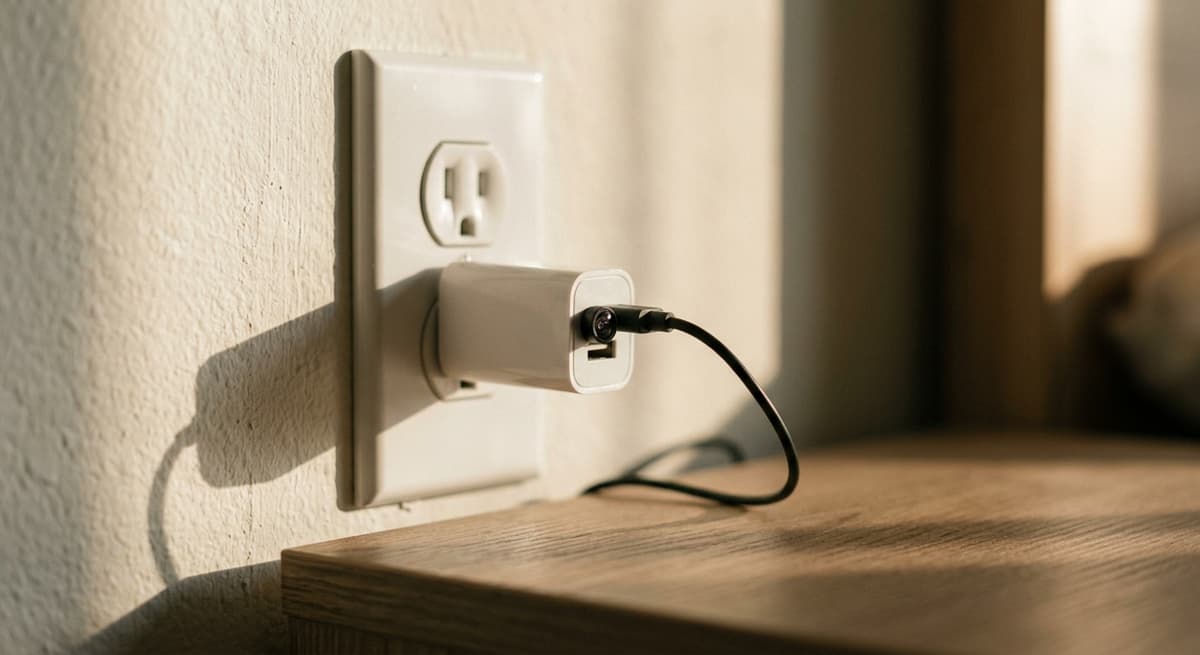
Texas law does not distinguish between types of recording devices. Miniature or disguised cameras (hidden in clocks, smoke detectors, picture frames, or clothing) carry the same legal consequences as standard security cameras when used to record in private spaces without consent.
The sale and purchase of spy cameras is not illegal in Texas. The offense arises from how the device is used, not from possession alone.
Nonconsensual Disclosure: Penal Code Section 21.16
The Revenge Porn Connection
Tex. Penal Code Section 21.16, enacted in 2015 through the Relationship Privacy Act, criminalizes the nonconsensual disclosure of intimate visual material. While this statute overlaps with voyeurism in practice, it addresses a distinct harm: the sharing or distribution of intimate images without the depicted person's consent.
A person commits an offense by:
- Intentionally disclosing visual material depicting another person with intimate parts exposed or engaged in sexual conduct
- Without the depicted person's effective consent
- With intent to harm the depicted person
Connection to Hidden Camera Cases
In many hidden camera cases, the person who made the recording also shares or distributes it. When this happens, prosecutors can bring charges under both Section 21.15 (for the recording) and Section 21.16 (for the disclosure). Each statute is a separate offense, and penalties can stack.
Section 21.16 also covers situations where intimate images were originally created with consent but later shared without permission. The fact that the depicted person consented to creating the material is not a defense to the disclosure charge.
Penalties
Nonconsensual disclosure of intimate visual material is a state jail felony, carrying 180 days to 2 years in state jail and fines up to $10,000.
Civil Remedies for Victims
Lawsuits for Hidden Camera Violations
Beyond criminal prosecution, victims of hidden camera recording and voyeurism in Texas can pursue civil remedies. Texas recognizes several causes of action for privacy violations:
- Intrusion upon seclusion: A tort claim for intentionally intruding on another person's private affairs in a manner that would be highly offensive to a reasonable person
- Public disclosure of private facts: A claim for publicizing private information about another person
- Civil liability under Tex. Civ. Prac. & Rem. Code Chapter 123: If the hidden camera captured audio along with video, the victim can seek $10,000 in statutory damages per violation, plus actual damages, punitive damages, and attorney fees
Civil lawsuits provide victims with the opportunity to recover monetary damages even when criminal prosecution results in a plea bargain or reduced charges.
Protective Orders
Texas courts can issue protective orders prohibiting a person from continuing voyeuristic behavior or possessing certain recording equipment. Violation of a protective order is a separate criminal offense.
Differences Between Voyeurism and Invasive Visual Recording
Understanding the distinction between these two offenses is important because the elements and penalties differ:
| Factor | Voyeurism (Sec. 21.17) | Invasive Visual Recording (Sec. 21.15) |
|---|---|---|
| Act | Observing | Recording, photographing, broadcasting |
| Intent Required | Sexual arousal/gratification | Invasion of privacy |
| Base Penalty | Class A Misdemeanor | State Jail Felony |
| Felony Enhancement Triggers | State jail felony (one prior conviction, victim under 18, or offense on a postsecondary campus); third degree felony (victim under 18 plus a prior victim-under-18 conviction) | N/A (already state jail felony) |
| Sex Offender Registration | Depends on circumstances | Required (offenses after Sept. 1, 2025) |
| Electronic Means | Explicitly covered (2023 amendment) | Inherently involves recording devices |
A single act of using a hidden camera to observe and record someone in a private setting can result in charges under both statutes simultaneously.
Deepfakes and AI-Generated Intimate Imagery: S.B. 441 and H.B. 421 (89R, 2025)
The 89th Texas Legislature enacted statutes targeting AI-generated intimate imagery that directly complement the voyeurism and invasive visual recording framework.
S.B. 441 amended Tex. Penal Code § 21.165 (Criminal Deepfake Statute) to replace "deep fake video" with "deep fake media," extending the offense to still images and any AI-generated, machine-learning-generated, or software-generated depiction of a real person with intimate parts exposed or in sexual conduct, without effective written consent. A new Class B misdemeanor covers threats to produce or distribute such material with intent to coerce, extort, harass, or intimidate, rising to a Class A misdemeanor if the actor has a prior conviction under the section or the threatened material would depict a minor. Third-degree felony enhancements apply instead to the separate offense of actually producing or distributing deep fake media, for repeat offenders and depictions of persons under 18.
S.B. 441 also amended Tex. Civ. Prac. & Rem. Code Chapter 98B to extend civil liability to AI-generated intimate visual material. Website owners and operators face liability for failing to remove offending material within 72 hours after receiving a valid removal request. Recoverable damages include actual damages, exemplary damages, court costs, reasonable attorney fees, and injunctive relief.
H.B. 421 added Chapter 121 to the Texas Business and Commerce Code, imposing duties on operators of "deep fake generators": commercially reasonable age-verification of depicted persons, written consent before generating explicit material depicting any adult, and an absolute bar on generating explicit deepfake material depicting a minor. The chapter creates a private cause of action for actual damages including mental anguish, attorney fees, and exemplary damages.
At the federal level, the TAKE IT DOWN Act, S. 146, 119th Cong. (signed May 19, 2025) criminalizes knowing publication of nonconsensual intimate visual depictions and digital deepfakes via interactive computer service. Platform compliance deadline is May 19, 2026, requiring removal within 48 hours of valid notice. Together with Chapter 98B (72-hour state duty) and DMCA copyright notices, this gives Texas victims three parallel takedown pathways.
Reporting Hidden Camera Crimes in Texas
How to Report
Victims who discover hidden cameras in private spaces can report the crime to:
- Local police departments
- County sheriff's offices
- The Texas Attorney General's office for cases involving technology crimes
When reporting, victims should:
- Preserve the camera and any storage media as evidence (do not destroy it)
- Document the location and placement of the camera with photographs
- Note any identifying information on the device (brand, serial number)
- Record the date, time, and circumstances of discovery
- Avoid touching the device more than necessary to prevent contamination of fingerprint evidence
Statute of Limitations
The statute of limitations for invasive visual recording in Texas is generally three years from the date the offense was committed. For voyeurism classified as a misdemeanor, the limitation period is two years.
More Texas Recording Laws
Audio Recording | Video Recording | Voyeurism & Hidden Cameras | Workplace Recording | Recording Police | Phone Call Recording | Security Cameras | Recording in Public | Landlord-Tenant | Dashcam Laws | Schools | Medical Recording
← Back to Texas Recording Laws
More Texas Recording Topics
More Texas Laws
Frequently Asked Questions
What is the penalty for hidden cameras in bathrooms in Texas?
Installing a hidden camera in a bathroom is invasive visual recording under Tex. Penal Code Section 21.15, a state jail felony. The penalty is 180 days to 2 years in a state jail facility and fines up to $10,000. For offenses committed on or after September 1, 2025, a conviction also requires sex offender registration, generally for 10 years unless the person has another reportable conviction, which triggers lifetime registration.
Is voyeurism a felony in Texas?
The base voyeurism offense under Tex. Penal Code Section 21.17 is a Class A misdemeanor. It becomes a state jail felony if the offender has one prior conviction under the section, the victim was under 18, or the offense occurred on a postsecondary campus, and a third degree felony if the victim was under 18 and the offender has a prior conviction involving a victim under 18. Invasive visual recording (hidden cameras), a related but separate offense under Section 21.15, is always a state jail felony.
Can a landlord put hidden cameras in a rental property in Texas?
Landlords can install security cameras in common areas and exterior spaces. However, installing cameras in bedrooms, bathrooms, or other private areas where tenants have a reasonable expectation of privacy violates Tex. Penal Code Section 21.15 and constitutes a state jail felony.
What should I do if I find a hidden camera in Texas?
Preserve the camera and any storage media as evidence. Document the location with photographs, noting any identifying information on the device. Report the discovery to local law enforcement. Do not destroy the device, as it contains evidence needed for prosecution.
Does Texas require sex offender registration for hidden camera offenses?
Yes, as of September 1, 2025. The 89th Texas Legislature (H.B. 1465) amended Article 62.001(5)(A) of the Code of Criminal Procedure to include invasive visual recording (Tex. Penal Code Section 21.15) among offenses requiring sex offender registration. A single conviction generally carries a 10-year registration period; the offense was not added to the list that triggers automatic lifetime registration, though a second reportable conviction of any kind does trigger lifetime registration. This applies only to offenses committed on or after that date.
Updates
Corrected the Penal Code Section 21.17 voyeurism penalty structure throughout the page: the state-jail-felony tier is triggered by one prior conviction (not two or more), a victim under 18 (not under 14), or an offense on a college campus, and a previously omitted third-degree-felony tier now appears for a victim under 18 combined with a prior victim-under-18 conviction. Also corrected the penalty tied to S.B. 441's new threat offense (it tops out at a Class A misdemeanor, not a felony) and removed a stray, session-mislabeled citation the page's own changelog had already claimed to fix.
Independently fact-checked against the cited primary sources; governing law re-checked for recent changes
Corrected an overstatement that invasive visual recording convictions always require lifetime sex offender registration in Texas; H.B. 1465 (2025) made the offense registrable, but a single conviction generally carries a 10-year registration period unless the person has another reportable conviction.
Governing law re-checked for recent changes
Added explicit H.B. 1465 bill name to § 21.15 2025 amendments section. Added 89R deepfake trilogy section covering S.B. 441 amending § 21.165 and Ch. 98B; H.B. 421 adding Tex. Bus. & Com. Code Ch. 121 AI generator duties. Added federal [TAKE IT DOWN Act](/us-laws/take-it-down-act) (signed May 19, 2025; platform compliance May 19, 2026) with three-pathway framing. Fixed voyeurism SourcesList: replaced bad 88R HB 2306 link with correct 89R H.B. 1465 analysis link; replaced Findlaw § 21.17 link with official TX statutes URL.
Reviewed and approved by an editor
The Law Behind This Article
This article rests on the statutory provisions below, held in our own legal record and retrieved from the official source. Tap a section to read the operative text.
Texas Penal Code
§ 21.15INVASIVE VISUAL RECORDINGIn forcecited in 13 of our articles
(a) In this section: (1) "Female breast" means any portion of the female breast below the top of the areola. (2) "Intimate area" means the naked or clothed genitals, pubic area, anus, buttocks, or female breast of a person. (3) "Changing room" means a room or portioned area provided for or primarily used for the changing of clothing and includes dressing rooms, locker rooms, and swimwear changing areas. (3-a) "Place in which a person has a reasonable expectation of privacy" means a place in which a reasonable person would believe that the person could disrobe in privacy, without being concerned that the act of undressing would be photographed or visually recorded by another or that a visual image of the person undressing would be broadcasted or transmitted by another. The term includes a bathroom, bedroom, and changing room. (4) "Promote" has the meaning assigned by Section 43.21.
Official text (excerpt) · last checked 2026-08-31 · Read the full text in our law library · Verify at statutes.capitol.texas.gov
Cited in 44 court opinions in our collectionLatest citing opinion in our collection: 2025
In the courts (editorial summary, independently checked):The Court of Criminal Appeals struck down the 2007 improper photography provision at Penal Code 21.15(b)(1), and Ex parte Shay (2016) set aside a conviction under it. The Legislature re-enacted the section in 2015, and Ex Parte Kamilah a Hamilton (2020) held the current subsection (b)(1) survives strict scrutiny and is not overbroad.
Opinions citing this section in our collection:
- Ex Parte Nyabwa (Texas Court of Appeals, 14th District (Houston) 2011, 366 S.W.3d 719)✓Charged with improper photography, Nyabwa attacked section 21.15(b)(1) by pretrial habeas; the court of appeals held the 2007 subsection regulated the photographer's intent rather than speech and was neither overbroad nor vague. Ex parte Thompson struck it down in 2014.
- Ex parte Shay (Court of Criminal Appeals of Texas 2016, 507 S.W.3d 731)✓Shay pleaded guilty under section 21.15(b)(1) before Ex parte Thompson struck that subsection down; the Court of Criminal Appeals held his favorable plea bargain did not estop habeas relief, set aside the conviction, and remanded to dismiss the indictment.
- Ex Parte Kamilah a Hamilton (Texas Court of Appeals, 14th District (Houston) 2020)✓Indicted under the 2015 version of section 21.15(b)(1) for broadcasting an image of a complainant's intimate area, Hamilton claimed facial overbreadth; the court held the rewritten subsection survives strict scrutiny, is not overbroad, and affirmed denial of relief.
Identified automatically from the court opinions citing this section — not a ranking of which case controls.
Also relied on in: Texas Landlord-Tenant Recording Laws: Cameras, Privacy, and Rights, Texas Laws on Recording in Public: Rights, Limits, and Exceptions, Texas School Recording Laws: Classrooms, Cameras, and Student Privacy
Texas Code of Criminal Procedure
§ 62.001Art. 62.001. DEFINITIONSIn forcecited in 2 of our articles
In this chapter: (1) "Department" means the Department of Public Safety. (2) "Local law enforcement authority" means, as applicable, the office of the chief of police of a municipality, the office of the sheriff of a county in this state, or a centralized registration authority. (3) "Penal institution" means a confinement facility operated by or under a contract with any division of the Texas Department of Criminal Justice, a confinement facility operated by or under contract with the Texas Juvenile Justice Department, or a juvenile secure pre-adjudication or post-adjudication facility operated by or under a local juvenile probation department, or a county jail. (4) "Released" means discharged, paroled, placed in a nonsecure community program for juvenile offenders, or placed on juvenile probation, community supervision, or mandatory supervision.
Official text (excerpt) · last checked 2026-07-28 · Read the full text in our law library · Verify at statutes.capitol.texas.gov
Cited in 66 court opinions in our collectionLatest citing opinion in our collection: 2026
Opinions citing this section in our collection:
- Crabtree, Mark Alan (Court of Criminal Appeals of Texas 2012)“…to register, even in the absence of a TDPS ruling. See Tex. Code Crim. Proc. art. 62.001(5)(H). Because the criminal pro…”
- Texas Department of Public Safety v. Garcia (Texas Court of Appeals, 3rd District (Austin) 2010, 327 S.W.3d 898)“…is listed in SORA as a reportable offense. See Tex.Code Crim. Proc. Ann. art. 62.001(5)(A); Tex. Penal Code Ann. § 22.011 .…”
- Ex Parte Warren (Court of Criminal Appeals of Texas 2011, 353 S.W.3d 490)“…F.3d 818 , 831 (9th Cir.1997)). 12 . Tex.Code Crim. Proc. Ann. art. 62.001(5) (Vernon 2009). 13…”
Identified automatically from the court opinions citing this section — not a ranking of which case controls.
Also relied on in: Texas Video Recording Laws: What Is Legal and What Is Not
Search our full record of US law — 2.1 million sections, every state + federal →
Sources and References
- Tex. Penal Code Chapter 21 - Sexual Offenses(statutes.capitol.texas.gov).gov
- Tex. Code of Criminal Procedure Art. 62.001 - Sex Offender Registration(statutes.capitol.texas.gov).gov
- Texas State Law Library - Visual Recording Laws(guides.sll.texas.gov).gov
- Texas State Law Library - Recording Laws General(guides.sll.texas.gov).gov
- H.B. 1465, Acts 2025, 89th Leg., R.S. (Bill Analysis, Engrossed Version) - § 21.15 expanded protections and sex-offender registration(capitol.texas.gov).gov