
Kentucky
Kentucky Laws on Recording Police: Your First Amendment Rights
Independently fact-checked against primary sources (last audited August 15, 2026). · Reviewed by the RecordingLaw editorial team. · Law checked current as of August 9, 2026. · 8 primary sources cited on this page. How we verify our legal content
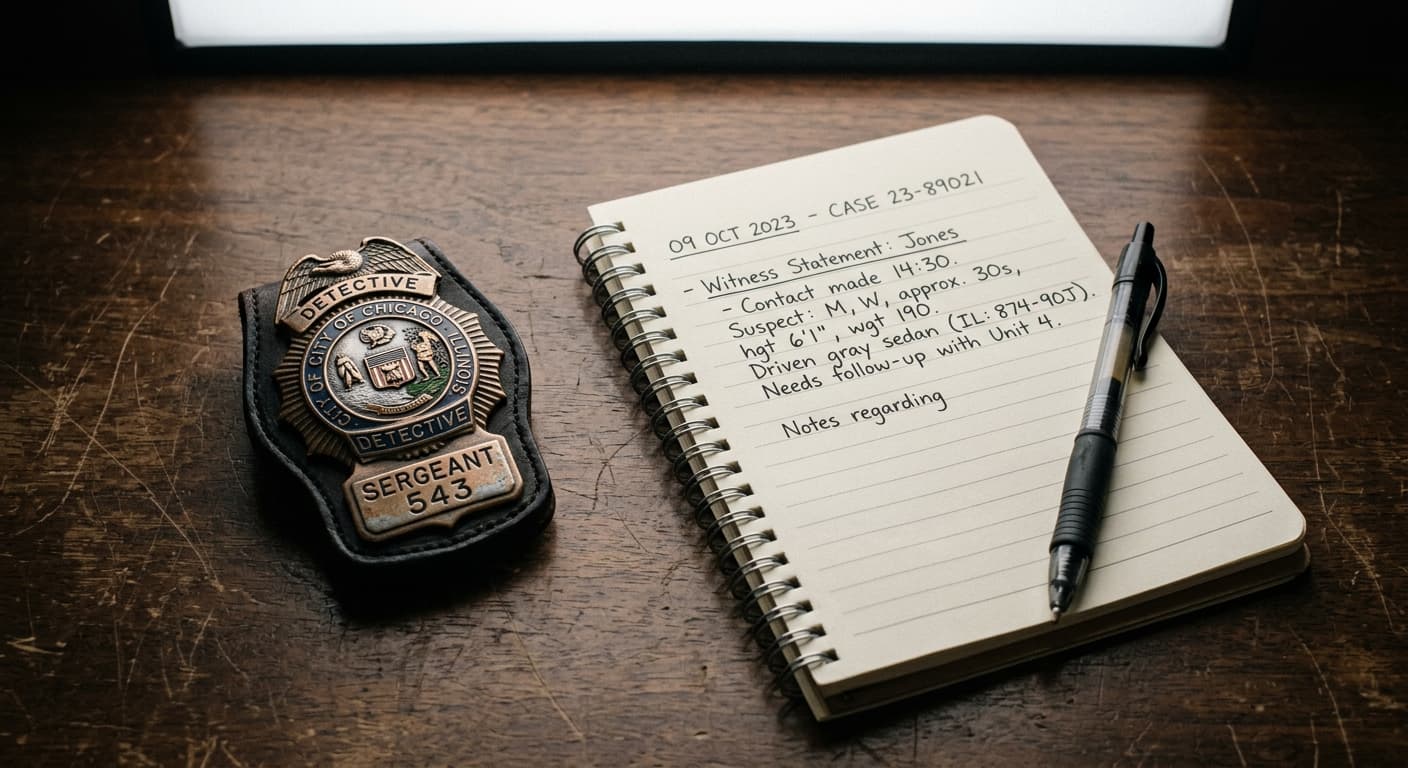
Kentucky residents generally have a First Amendment right to record on-duty police officers in public under federal appeals court rulings and Department of Justice guidance, though the Sixth Circuit itself has not issued a published ruling squarely establishing this right. State one-party consent law under KRS 526.020 also permits audio recording of any interaction where you are a participant. Simply recording an officer does not constitute obstruction under Kentucky law.
Recording police officers in Kentucky is generally lawful under Kentucky's one-party consent recording law, KRS 526.020, and most federal courts recognize First Amendment protection for recording officers performing official duties in public, though the Sixth Circuit has not squarely settled the question in a published, controlling decision.
This guide covers the constitutional foundation for recording police, practical guidelines for exercising this right safely, body camera policies in Kentucky, and what to do if an officer orders you to stop recording.
Constitutional Right to Record Police
First Amendment Foundation
The First Amendment protects the right to gather information about government officials performing their public duties. Multiple federal courts of appeals have recognized that this right extends to recording police officers in the course of their work.
The Sixth Circuit Court of Appeals, which covers Kentucky, has not issued a published decision squarely establishing a First Amendment right to record police. The one on-point case, Crawford v. Geiger, 656 F. App'x 190 (6th Cir. 2016), is unpublished and was decided on qualified immunity grounds without resolving whether the right is clearly established in this circuit. Several other federal appeals courts, including the First, Third, Fifth, Seventh, Ninth, Tenth, and Eleventh Circuits, have recognized in published decisions that recording police activity is protected speech and press activity under the First Amendment.
The Department of Justice has also taken the position that recording police officers in public is constitutionally protected. In a 2012 letter to the Baltimore Police Department, the DOJ stated that "the right to record police officers while performing duties in a public place, including the right to record sound, is a clearly established First Amendment right."
Kentucky State Law Protections
Beyond the First Amendment, Kentucky's recording laws provide additional protection:
- One-party consent (KRS 526.020): When you interact with a police officer, you are a participant in that conversation. You can legally record the audio without informing the officer.
- No expectation of privacy in public: Police officers performing duties in public places do not have a reasonable expectation of privacy in their official actions.
- Open records principle: Kentucky's Open Records Act (KRS 61.870 through 61.884) reflects the state's commitment to government transparency, which includes public accountability for law enforcement.
What You Can Legally Record

Public Police Activity
You can record law enforcement officers in any public setting, including:
- Traffic stops (including your own)
- Arrests being made in public
- Officers on patrol in public areas
- DUI checkpoints and roadblocks
- Protests and crowd management
- Public interactions between officers and citizens
- Emergency response scenes (from a safe distance)
- Courthouse exteriors and public areas
Your Own Interactions With Police
Under one-party consent, you can record every interaction you have with law enforcement:
- Being pulled over for a traffic violation
- Being questioned as a witness or suspect
- Encounters during welfare checks
- Interactions at your front door
- Conversations at a police station (in public areas)
- Phone calls with officers or dispatchers
Police Misconduct
Recording evidence of police misconduct is specifically protected. Courts have held that the public has a significant interest in documenting how officers exercise their authority. This includes recording:
- Use of excessive force
- Unlawful searches or seizures
- Discriminatory treatment
- Violations of department policy
- Verbal abuse or threats
Limitations on Recording Police
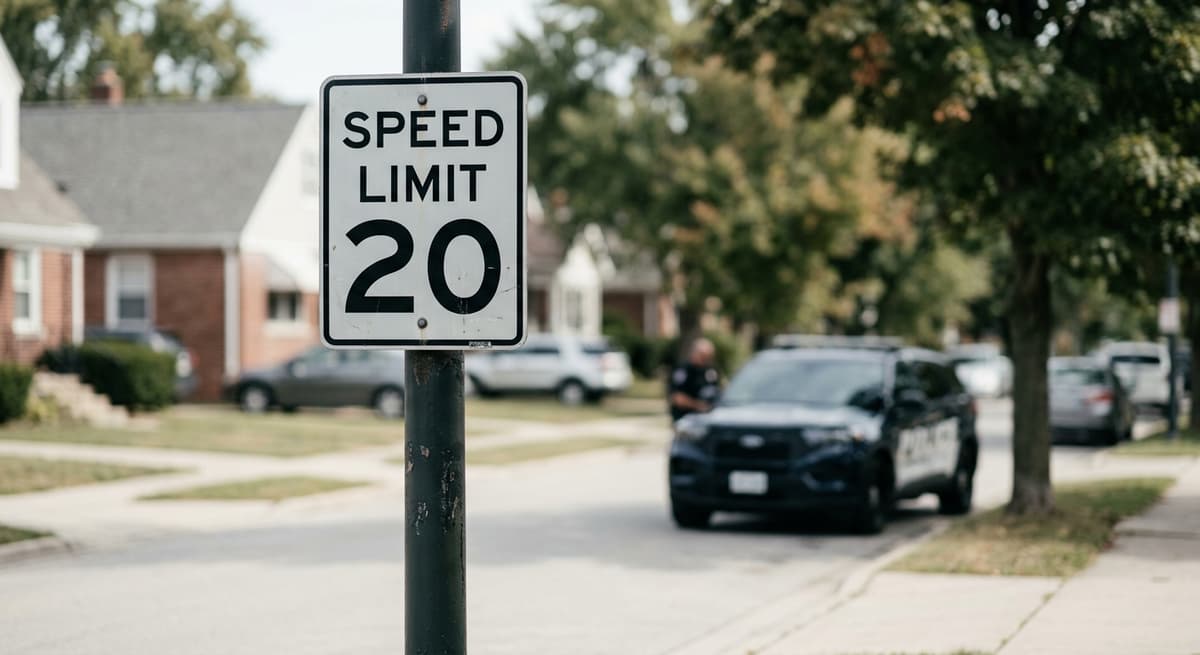
Physical Interference
The right to record does not include the right to physically interfere with police operations. You must maintain a reasonable distance and cannot:
- Stand in the path of officers conducting an arrest
- Cross a police barrier or crime scene tape
- Physically block an officer's movement
- Insert yourself into a dangerous situation
- Touch an officer or their equipment
Obstruction of Government Operations
KRS 519.020 makes it a Class A misdemeanor to intentionally obstruct, impair, or hinder the performance of a governmental function by a public servant. The penalty is up to 12 months in jail.
Simply recording an officer does not constitute obstruction. However, if your recording activity physically impedes police work, you could face this charge. The key distinction is between passive observation/recording and active interference.
Lawful Orders to Move Back
Officers can issue lawful orders to bystanders to move back from a scene for legitimate safety or operational reasons. If an officer tells you to step back, you should comply. You can continue recording from the new position. An officer cannot order you to stop recording entirely, only to change your physical location if you are interfering with their duties.
Trespassing
You do not have the right to trespass on private property to record police activity. If police are conducting operations on private property and the property owner or officers direct you to leave, you must comply. You can continue to record from public property or from your own property.
Secure Government Facilities
Recording restrictions exist in certain government facilities. Federal buildings, military installations (Fort Campbell, Fort Knox), courtroom interiors, and detention facilities may have specific rules limiting or prohibiting recording. These restrictions must be based on legitimate security or operational needs.
Body-Worn Camera Policies in Kentucky

State-Level Framework
Kentucky does not have a comprehensive statewide body camera mandate for all law enforcement agencies. However, the Kentucky Law Enforcement Council provides guidance and training standards for agencies that adopt body camera programs.
Following nationwide calls for police accountability, many Kentucky departments have voluntarily adopted body-worn camera programs. The availability of federal grants through the Department of Justice Bureau of Justice Assistance has helped Kentucky agencies fund these programs.
Major Department Policies
Several major Kentucky law enforcement agencies have implemented body camera programs:
- Louisville Metro Police Department (LMPD): Adopted body cameras with specific activation requirements during all enforcement contacts
- Lexington Police Department: Implemented a body camera program with policies governing activation, storage, and public release
- Kentucky State Police: Has incorporated body cameras into certain operations
Body Camera Footage and Open Records
Access to body-worn camera footage in Kentucky is governed by KRS 61.168, which lists specific footage categories a public agency may withhold and otherwise defers disclosure procedure and timing to the Kentucky Open Records Act (KRS 61.870 to 61.884). Under the Open Records Act, requests must be submitted in writing, and agencies have five business days to respond. Body camera footage created by Kentucky law enforcement agencies may be subject to the Kentucky Open Records Act (KRS 61.870 through 61.884). However, several exemptions may apply:
- Law enforcement investigation exemption (KRS 61.878(1)(h)): Records compiled for law enforcement purposes may be exempt if disclosure would harm an investigation
- Privacy exemption (KRS 61.878(1)(a)): Footage containing personal information may be partially exempt
- Ongoing investigation: Footage related to active criminal investigations is typically withheld until the investigation concludes
The Kentucky Attorney General's Office reviews appeals when agencies deny open records requests for body camera footage.
What to Do If Police Order You to Stop Recording
Know Your Rights
If an officer orders you to stop recording:
- Stay calm and polite. Do not argue, yell, or become confrontational.
- Clearly state your right. You can say: "I have a First Amendment right to record. I am not interfering with your duties."
- Comply with location orders. If told to move back, move back but continue recording.
- Do not physically resist. If an officer physically attempts to take your phone or stop your recording, do not resist. Assert your rights verbally and comply physically.
- Remember details. Note the officer's name, badge number, location, and time.
- File a complaint afterward. Contact the department's internal affairs division or civilian review board.
If Your Recording Device Is Seized
Police may seize your recording device as evidence in certain circumstances, but they generally cannot:
- Delete your recordings
- Search your phone without a warrant (per the U.S. Supreme Court decision in Riley v. California, 573 U.S. 373 (2014))
- Destroy evidence
- Force you to unlock your phone without a valid warrant
If your device is seized, request a receipt for the property, note the circumstances, and contact an attorney.
Legal Remedies for Violations
If your right to record is violated by Kentucky law enforcement, you may have remedies including:
- Section 1983 civil rights lawsuit: 42 U.S.C. 1983 allows you to sue government officials who violate your constitutional rights
- Internal affairs complaint: File a formal complaint with the officer's department
- Kentucky Attorney General complaint: Report the incident to the AG's Office
- ACLU of Kentucky: The ACLU of Kentucky handles cases involving First Amendment violations by law enforcement
- Federal ECPA civil remedy: If an officer illegally intercepts your wire communications, 18 U.S.C. 2520 provides a federal civil cause of action for actual damages, statutory damages ($100/day, minimum $10,000), punitive damages, and attorney fees
- Common-law privacy tort: Kentucky recognizes intrusion upon seclusion as a civil tort under McCall v. Courier-Journal, 623 S.W.2d 882 (Ky. 1981), which may support claims when police conduct unlawfully infringes on private communications
Recording Police During Specific Situations
Traffic Stops
You can record your own traffic stop in Kentucky. Best practices include:
- Mount your phone on the dashboard or passenger seat before the officer approaches
- Inform the officer you are recording if you choose (not legally required)
- Keep your hands visible and follow all lawful instructions
- Do not reach for your phone in a way that could be mistaken for reaching for a weapon
Protests and Public Demonstrations
Recording police at protests is strongly protected First Amendment activity. Protesters, journalists, and bystanders all have the right to document police conduct during demonstrations. Officers cannot:
- Single you out for recording
- Confiscate cameras or phones without a warrant
- Use crowd dispersal orders specifically to stop recording
- Arrest you solely for the act of recording
Arrest Situations
If you witness an arrest in public, you can record from a reasonable distance. Do not approach the arrest scene closely enough to interfere with the officers or compromise their safety. If the person being arrested asks for help, you can record the interaction as evidence but should not physically intervene.
Civilian Oversight and Police Accountability in Kentucky
Louisville Civilian Review Board
Following the events surrounding Breonna Taylor's death in 2020, Louisville established enhanced civilian oversight mechanisms for police conduct. The Louisville Metro Government created structures for reviewing complaints against officers, including those involving interference with recording rights.
Kentucky Open Meetings Act
Law enforcement oversight boards and commissions in Kentucky are subject to the Open Meetings Act (KRS 61.805 through 61.850). Public meetings of police oversight bodies can be attended and recorded.
More Kentucky Recording Laws
Audio Recording | Video Recording | Voyeurism and Hidden Cameras | Workplace Recording | Recording Police | Phone Call Recording | Security Cameras | Recording in Public | Landlord-Tenant Recording | Dashcam Laws | School Recording | Medical Recording
Back to Kentucky Recording Laws
More Kentucky Recording Topics
More Kentucky Laws
Frequently Asked Questions
Can I record police officers in Kentucky?
Yes. The First Amendment protects your right to record law enforcement officers performing their duties in public. Kentucky's one-party consent law (KRS 526.020) also allows you to record any interaction you have with police. You must not physically interfere with police operations.
Can a police officer order me to stop recording in Kentucky?
An officer cannot legally order you to stop recording entirely. They can order you to move back if you are interfering with their duties or if there is a safety concern. If told to move, comply with the location order but continue recording from the new position.
Can police delete recordings from my phone in Kentucky?
No. Deleting recordings from your phone would constitute destruction of evidence. Under Riley v. California (2014), police generally cannot search your phone without a warrant. If your phone is seized, request a property receipt and contact an attorney.
Do Kentucky police officers have to wear body cameras?
Kentucky does not have a statewide body camera mandate. Individual departments set their own policies. Major agencies like the Louisville Metro Police Department and Lexington Police have adopted body camera programs, but requirements vary by department.
What should I do if a police officer threatens to arrest me for recording?
Stay calm and clearly state that you have a First Amendment right to record in public. Do not physically resist. Comply with any orders to move to a different location. Note the officer's name and badge number. File a complaint with the department's internal affairs division or contact the ACLU of Kentucky.
Updates
Corrected an overstated claim that the Sixth Circuit has settled precedent recognizing the right to record police (it has no published ruling on the question), and repointed three misrouted Kentucky statute links (KRS 519.020, KRS 61.878, KRS 61.168) to their correct pages.
Independently fact-checked against the cited primary sources
Corrected the source of the written-request/five-business-day procedure: it belongs to the general Open Records Act (KRS 61.870-61.884), not to the body-camera-specific KRS 61.168.
Governing law re-checked for recent changes
Governing law re-checked for recent changes
Reviewed and approved by an editor
The Law Behind This Article
This article rests on the statutory provisions below, held in our own legal record and retrieved from the official source. Tap a section to read the operative text.
Kentucky Revised Statutes, Chapter 526: EAVESDROPPING AND RELATED OFFENSES
§ 526.020EavesdroppingIn forcecited in 20 of our articles
(1) A person is guilty of eavesdropping when he intentionally uses any device to eavesdrop, whether or not he is present at the time. (2) Eavesdropping is a Class D felony.
Official text (excerpt) · last checked 2026-08-31 · Read the full text in our law library · Verify at apps.legislature.ky.gov
Cited in 8 court opinions in our collectionLatest citing opinion in our collection: 2023
In the courts (editorial summary, independently checked):Basham v. Commonwealth (1984) held wiretap evidence obtained under a valid federal order is admissible in Kentucky, though it noted no state law authorizes electronic surveillance by Kentucky police. Brock v. Commonwealth (1997) held the exclusionary rule reaches only constitutional violations, so a private recording was not suppressed.
Opinions citing this section in our collection:
- Springer v. Commonwealth (Kentucky Supreme Court 1999, 998 S.W.2d 439)✓A neighbor used a police scanner to tape cordless calls from the victim's home, and detectives played it to induce Eades to confess; the court held the federal wiretap act and Kentucky's eavesdropping statutes did not bar using it against someone who was not a party to the calls.
- Stringer v. Wal-Mart Stores, Inc. (Kentucky Supreme Court 2004, 151 S.W.3d 781)✓Wal-Mart secretly ran about forty hours of audio and video surveillance of employees in a store claims area; the court did not decide whether that violated KRS 526.020, holding instead that the employees' statutory claim failed for lack of damages caused by the recording itself.
- Brock v. Commonwealth (Kentucky Supreme Court 1997, 947 S.W.2d 24)✓Brock, claiming self-defense, was kept from using a private tape of the victim's mother saying her son had gone to kill him; the court held that even assuming the tape violated KRS 526.020, the exclusionary rule reaches only state action, so suppression was not required.
Identified automatically from the court opinions citing this section — not a ranking of which case controls.
Also relied on in: Kentucky Recording Laws (2026): One-Party Consent Rules, Kentucky Dashcam Laws: Legality, Mounting Rules, and Evidence Use, Kentucky Landlord-Tenant Recording Laws: Surveillance, Privacy, and Disputes
Kentucky Revised Statutes, Chapter 519: OBSTRUCTION OF PUBLIC ADMINISTRATION
§ 519.020Obstructing governmental operationsIn force
(1) A person is guilty of obstructing governmental operations when he intentionally obstructs, impairs or hinders the performance of a governmental function by using or threatening to use violence, force or physical interference. (2) This section shall not apply to: (a) Any means of avoiding compliance with the law without affirmative interference with governmental functions; or (b) The obstruction, impairment or hindrance of unlawful action by a public servant; or (c) The obstruction, impairment or hindrance of an arrest. (3) Obstructing governmental operations is a Class A misdemeanor.
Official text (excerpt) · last checked 2026-07-29 · Read the full text in our law library · Verify at apps.legislature.ky.gov
Cited in 9 court opinions in our collectionLatest citing opinion in our collection: 2026
Opinions citing this section in our collection:
- Cortezz Dickerson v. William Bower (Court of Appeals of Kentucky 2025)“…ourt, both parties contend Kraps was arrested for violating KRS 519.020, obstructing governmental operations. A…”
- Estep v. Combs (District Court, E.D. Kentucky 2018, 366 F. Supp. 3d 863)“…reatening to use violence, force or physical interference." KRS 519.020 ("Obstructing governmental operations."…”
- Phat's Bar & Grill v. Louisville Jefferson County Metro Government (District Court, W.D. Kentucky 2013, 918 F. Supp. 2d 654)“…reatening to use violence, force or physical interference.” KRS § 519.020.…”
Identified automatically from the court opinions citing this section — not a ranking of which case controls.
Kentucky Revised Statutes, Chapter 61: GENERAL PROVISIONS AS TO OFFICES AND OFFICERS -- SOCIAL SECURITY FOR PUBLIC EMPLOYEES -- EMPLOYEES RETIREMENT SYSTEM
§ 61.168Body-worn cameras and video and audio recordings -- Disclosure, retention, and availability for viewing governed by KRS 61.870 to 61.884 and 171.410 to 171.740 -- ExceptionsIn forcecited in 11 of our articles
(1) As used in this section: (a) "Body-worn camera" means a video or audio electronic recording device that is carried by or worn on the body of a public safety officer. This definition does not include a dashboard mounted camera or recording device used in the course of clandestine investigations; (b) "Body-worn camera recording" or "recording" means a video or audio recording, or both, that is made by a body-worn camera during the course of a public safety officer's official duties; (c) "Personal representative" means a court-appointed guardian, attorney, or agent possessing written authorization to act on behalf of a person that is involved in an incident contained in a body-worn camera recording, a person holding a power of attorney for a person that is involved in an incident contained in a body-worn camera recording, or the parent or guardian of a minor child depicted in a body-worn camera recording.
Official text (excerpt) · last checked 2026-08-31 · Read the full text in our law library · Verify at apps.legislature.ky.gov
Cited in 2 court opinions in our collectionLatest citing opinion in our collection: 2022
In the courts (editorial summary, independently checked):Nathaniel Parish v. Kaitlynn Patrice Petter (2020) addressed whether KRS 61.168 controls how a civil litigant obtains police body-worn camera video, holding that the open records processes in the body camera statutes do not supplant discovery under the Rules of Civil Procedure.
Opinions citing this section in our collection:
- Courier Journal, Inc. v. Shively Police Department (Court of Appeals of Kentucky 2022)“…9-month-old infant.” The Courier-Journal notes that while KRS 61.168(4)(g) generally gives an agency discre…”
- Nathaniel Parish v. Kaitlynn Patrice Petter (Court of Appeals of Kentucky 2020)✓A man contesting a protective order subpoenaed police body camera video; the court held KRS 61.168's open records process does not supplant civil discovery, so the family court erred by refusing to apply the civil rules, though it found the error harmless.
Identified automatically from the court opinions citing this section — not a ranking of which case controls.
Also relied on in: Kentucky Police Body Camera Laws: KRS 61.168 & Access, Kentucky Public Records Laws: The Open Records Act (KRS 61.870) Explained, Public Records Laws by State: FOIA Guide for All 50 States (2026)
§ 61.805Definitions for KRS 61.805 to 61.850In forcecited in 2 of our articles
As used in KRS 61.805 to 61.850, unless the context otherwise requires: (1) "Meeting" means all gatherings of every kind, including video teleconferences, regardless of where the meeting is held, and whether regular or special and informational or casual gatherings held in anticipation of or in conjunction with a regular or special meeting; (2) "Public agency" means: (a) Every state or local government board, commission, and authority; (b) Every state or local legislative board, commission, and committee; (c) Every county and city governing body, council, school district board, special district board, and municipal corporation; (d) Every state or local government agency, including the policy-making board of an institution of education, created by or pursuant to state or local statute, executive order, ordinance, resolution, or other legislative act; (e) Any body created by or pursuant to state or local statute, executive order, ordinance, resolution, or other legislative act in the legislative or executive branch of government; (f) Any entity when the majority of its governing body is appointed by a "public agency" as defined in paragraph (a), (b), (c), (d), (e), (g), or…
Official text (excerpt) · last checked 2026-07-29 · Read the full text in our law library · Verify at apps.legislature.ky.gov
Cited in 33 court opinions in our collectionLatest citing opinion in our collection: 2025
Opinions citing this section in our collection:
- Floyd County Board of Education v. Ratliff (Kentucky Supreme Court 1997, 955 S.W.2d 921)“…hool board and its members violated the Open Meetings laws. KRS 61.805 et seq. KRS 61.805 requires that "all…”
- Courier-Journal & Louisville Times Co. v. University of Louisville Board of Trustees (Court of Appeals of Kentucky 1979, 596 S.W.2d 374)“…ouisville Foundation, Inc. is a public agency as defined in KRS 61.805(2); (2) that the meetings of the Founda…”
- Webster County Board of Education v. Franklin (Court of Appeals of Kentucky 2013, 392 S.W.3d 431)“…y Clerk, as a public agency, the Board violated KRS 61.810, KRS 61.805(3), and the Open Meetings Act. In essen…”
Identified automatically from the court opinions citing this section — not a ranking of which case controls.
Also relied on in: Kentucky Laws on Recording in Public: Rights, Limits, and Exceptions
§ 61.870Definitions for KRS 61.870 to 61.884In forcecited in 5 of our articles
As used in KRS 61.870 to 61.884, unless the context requires otherwise: (1) "Public agency" means: (a) Every state or local government officer; (b) Every state or local government department, division, bureau, board, commission, and authority; (c) Every state or local legislative board, commission, committee, and officer; (d) Every county and city governing body, council, school district board, special district board, and municipal corporation; (e) Every state or local court or judicial agency; (f) Every state or local government agency, including the policy-making board of an institution of education, created by or pursuant to state or local statute, executive order, ordinance, resolution, or other legislative act; (g) Any body created by state or local authority in any branch of government; (h) Any body which, within any fiscal year, derives at least twenty-five percent (25%) of its funds expended by it in the Commonwealth of Kentucky from state or local authority funds.
Official text (excerpt) · last checked 2026-07-29 · Read the full text in our law library · Verify at apps.legislature.ky.gov
Cited in 99 court opinions in our collectionLatest citing opinion in our collection: 2026
Opinions citing this section in our collection:
- Beckham v. Bd. of Educ. of Jefferson Cty. (Kentucky Supreme Court 1994, 873 S.W.2d 575)“…release records pursuant to the Kentucky Open Records Act, KRS 61.870, et seq., has standing to contest the…”
- Kentucky Board of Examiners of Psychologists v. Courier-Journal & Louisville Times Co. (Kentucky Supreme Court 1992, 826 S.W.2d 324)“…below have properly applied the Kentucky Open Records Act, KRS 61.870 through .884, to the essentially undisp…”
- Zink v. Commonwealth, Department of Workers' Claims, Labor Cabinet (Court of Appeals of Kentucky 1994, 902 S.W.2d 825)“…nt) provide him access under the Kentucky Open Records Act (KRS 61.870 et seq.) to certain record…”
Identified automatically from the court opinions citing this section — not a ranking of which case controls.
Also relied on in: How to Get a Police Report in Kentucky (2026 Guide)
§ 61.878Certain public records exempted from inspection except on order of court -- Restriction of state employees to inspect personnel files prohibitedIn forcecited in 5 of our articles
(1) The following public records are excluded from the application of KRS 61.870 to 61.884 and shall be subject to inspection only upon order of a court of competent jurisdiction, except that no court shall authorize the inspection by any party of any materials pertaining to civil litigation beyond that which is provided by the Rules of Civil Procedure governing pretrial discovery: (a) Public records containing information of a personal nature where the public disclosure thereof would constitute a clearly unwarranted invasion of personal privacy; (b) Records confidentially disclosed to an agency and compiled and maintained for scientific research. This exemption shall not, however, apply to records the disclosure or publication of which is directed by another statute; (c) 1. Records confidentially disclosed to an agency or required by an agency to be disclosed to it, generally recognized as confidential or proprietary, which if openly disclosed would permit an unfair commercial advantage to competitors of the entity that disclosed the records; 2.
Official text (excerpt) · last checked 2026-07-29 · Read the full text in our law library · Verify at apps.legislature.ky.gov
Cited in 74 court opinions in our collectionLatest citing opinion in our collection: 2026
Opinions citing this section in our collection:
- Beckham v. Bd. of Educ. of Jefferson Cty. (Kentucky Supreme Court 1994, 873 S.W.2d 575)“…and that others may be excluded from production pursuant to KRS 61.878. In its final order the trial court gav…”
- Kentucky Board of Examiners of Psychologists v. Courier-Journal & Louisville Times Co. (Kentucky Supreme Court 1992, 826 S.W.2d 324)“…The exception central to the present case is that found in KRS 61.878(l)(a): (1) The following public…”
- Zink v. Commonwealth, Department of Workers' Claims, Labor Cabinet (Court of Appeals of Kentucky 1994, 902 S.W.2d 825)“…early unwarranted invasion of personal privacy, pursuant to KRS 61.878(l)(a); and, (3) that the requested publ…”
Identified automatically from the court opinions citing this section — not a ranking of which case controls.
Also relied on in: Police Reports by State: How to Get a Copy, What They Cost, and What's Public
United States Code Title 18
§ 2520Recovery of civil damages authorizedIn forcecited in 115 of our articles
Except as provided in section 2511(2)(a)(ii), any person whose wire, oral, or electronic communication is intercepted, disclosed, or intentionally used in violation of this chapter may in a civil action recover from the person or entity, other than the United States, which engaged in that violation such relief as may be appropriate. In an action under this section, appropriate relief includes— such preliminary and other equitable or declaratory relief as may be appropriate; damages under subsection (c) and punitive damages in appropriate cases; and a reasonable attorney’s fee and other litigation costs reasonably incurred.
Official text (excerpt) · last checked 2026-07-28 · Read the full text in our law library · Verify at uscode.house.gov
Cited in 860 court opinions in our collectionLatest citing opinion in our collection: 2026
In the courts (editorial summary, independently checked):Walker v. Darby (1990) held a 2520 plaintiff need not prove the contents of intercepted conversations, only interception and a justified expectation against it. Bartnicki v. Vopper (2001) barred 2520 damages against defendants who took no part in the interception, obtained the tape lawfully, and disclosed a matter of public concern.
Opinions citing this section in our collection:
- Jessie Walker v. Thomas E. Darby, Hugh L. Robinson, Jr., and Kenneth Day (Court of Appeals for the Eleventh Circuit 1990, 911 F.2d 1573)✓A postal letter carrier said three supervisors wired an intercom near his workstation to listen in. Reversing summary judgment, the Eleventh Circuit held a section 2520 plaintiff can show interception without proving the contents of specific conversations.
- Gelbard v. United States (Supreme Court of the United States 1972, 408 U.S. 41)“…disclosure, or use is entitled to recover civil damages, 18 U. S. C. § 2520 . Title III also bars the use as eviden…”
- DirecTV, Inc. v. Hoa Huynh (Court of Appeals for the Ninth Circuit 2007, 503 F.3d 847)“…7 U.S.C. § 605 (e)(4), or alternatively, for violations of 18 U.S.C. § 2520 (a), or alternatively, for violations o…”
Identified automatically from the court opinions citing this section — not a ranking of which case controls.
Also relied on in: US Recording Laws by State (2026): All 50 States Explained, One-Party Consent States: Complete 2026 Guide, Alabama Audio Recording Laws: Consent Rules and Penalties
United States Code Title 42
§ 1983Civil action for deprivation of rightsIn forcecited in 50 of our articles
Every person who, under color of any statute, ordinance, regulation, custom, or usage, of any State or Territory or the District of Columbia, subjects, or causes to be subjected, any citizen of the United States or other person within the jurisdiction thereof to the deprivation of any rights, privileges, or immunities secured by the Constitution and laws, shall be liable to the party injured in an action at law, suit in equity, or other proper proceeding for redress, except that in any action brought against a judicial officer for an act or omission taken in such officer’s judicial capacity, injunctive relief shall not be granted unless a declaratory decree was violated or declaratory relief was unavailable. For the purposes of this section, any Act of Congress applicable exclusively to the District of Columbia shall be considered to be a statute of the District of Columbia.
Official text (excerpt) · last checked 2026-07-28 · Read the full text in our law library · Verify at uscode.house.gov
Cited in 282,365 court opinions in our collectionLatest citing opinion in our collection: 2026
Opinions citing this section in our collection:
- Ashcroft v. Iqbal (Supreme Court of the United States 2009, 556 U.S. 662)“…its brought against state officials under Rev. Stat. §1979, 42 U. S. C. §1983.” Hartman, 547 U. S., at 254, n. 2. Cf.…”
- Celotex Corp. v. Catrett, Administratrix of the Estate of Catrett (Supreme Court of the United States 1986, 477 U.S. 317)“…policeman as she left. Petitioner brought an action under 42 U. S. C. § 1983 claiming that the refusal of service a…”
- Monell v. New York City Dept. of Social Servs. (Supreme Court of the United States 1978, 436 U.S. 658)“…decided less than two decades ago. Focusing new light on 42 U. S. C. § 1983 , that decision widened access to the f…”
Identified automatically from the court opinions citing this section — not a ranking of which case controls.
Also relied on in: Alabama Laws on Recording Police: Your Rights and Limits, Alaska Laws on Recording Police: Your Rights and Limits (2026), Arkansas Laws on Recording Police: Your Rights and Limits (2026)
Explore the law
This article also draws on these acts and chapters (opening at their first section): Kentucky Revised Statutes, Chapter 61: GENERAL PROVISIONS AS TO OFFICES AND OFFICERS -- SOCIAL SECURITY FOR PUBLIC EMPLOYEES -- EMPLOYEES RETIREMENT SYSTEM § 61.010 (Office not to be sold -- Penalty -- Contracts to sell are void)
Related law for further reading — not part of this article’s citations.
Search our full record of US law — 2.1 million sections, every state + federal →
Sources and References
- KRS 526.020 - Eavesdropping(apps.legislature.ky.gov).gov
- KRS 519.020 - Obstructing Governmental Operations(apps.legislature.ky.gov).gov
- KRS Chapter 61 - Open Records and Open Meetings(apps.legislature.ky.gov).gov
- KRS 61.878 - Open Records Exemptions(apps.legislature.ky.gov).gov
- DOJ Letter on Right to Record Police(justice.gov).gov
- Kentucky Attorney General(ag.ky.gov).gov
- 42 U.S.C. 1983 - Civil Action for Deprivation of Rights(law.cornell.edu)
- Bureau of Justice Assistance - Body-Worn Camera Program(bja.ojp.gov).gov
- KRS 61.168 - Body-Worn Camera Footage Disclosure(apps.legislature.ky.gov).gov