Minnesota Landlord-Tenant Recording Laws: Cameras, Privacy, and Rights
Independently fact-checked against primary sources (last audited August 15, 2026). · Reviewed by the RecordingLaw editorial team. · Law checked current as of August 15, 2026. · 7 primary sources cited on this page. How we verify our legal content
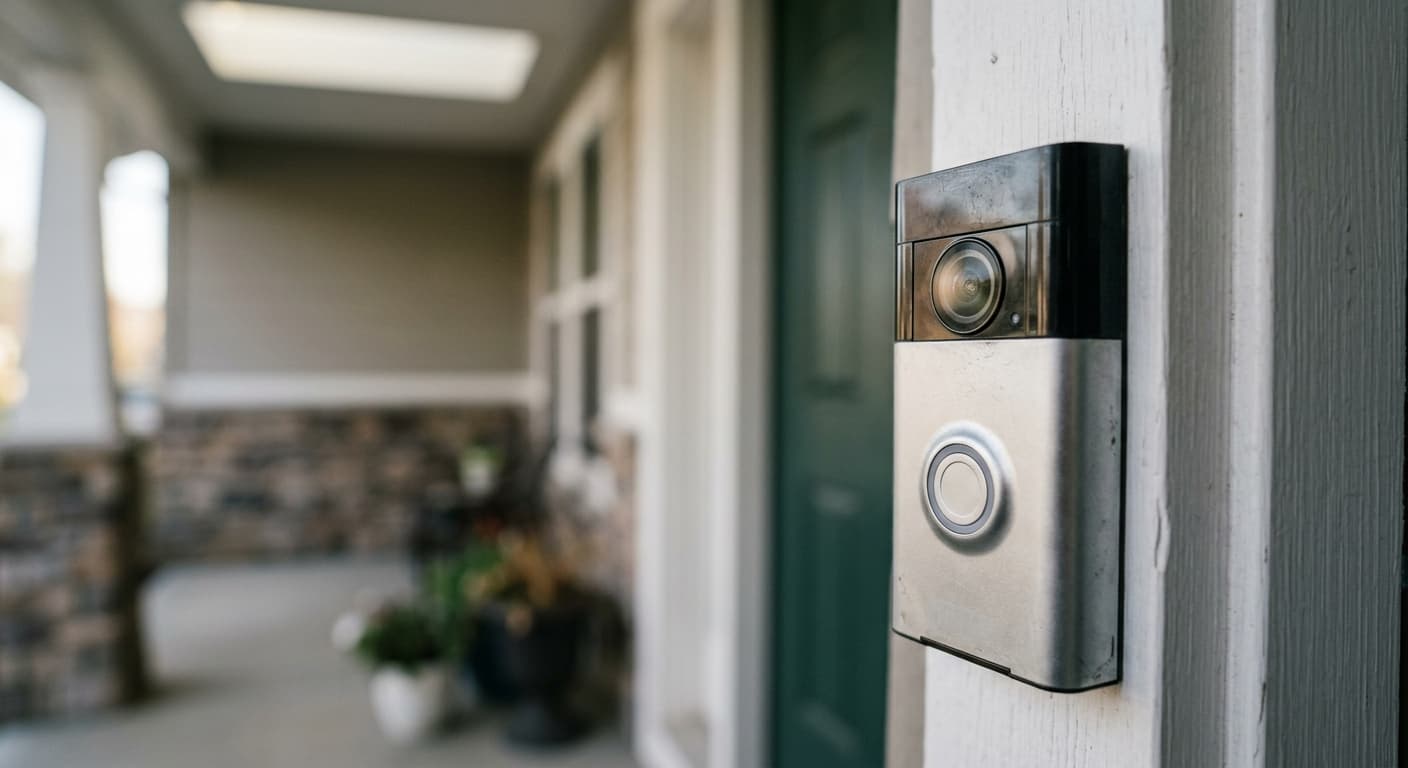
In Minnesota, tenants may record any conversation with a landlord without notice under the one-party consent rule in Minn. Stat. 626A.02. Landlords may install cameras in common areas but cannot place cameras inside rental units or other private spaces under Minn. Stat. 609.746.
Overview of Minnesota Landlord-Tenant Recording Laws
The relationship between landlords and tenants in Minnesota involves recording issues on multiple fronts: security cameras in and around rental properties, recording conversations during disputes, documenting property conditions, and privacy expectations within rental units. Minnesota's one-party consent law under Minn. Stat. Section 626A.02 provides the foundation, while tenant protection statutes and privacy laws add important limitations.
Understanding these laws helps both landlords and tenants protect their interests while respecting each other's legal rights.
Landlord Security Camera Rights
Common Area Surveillance
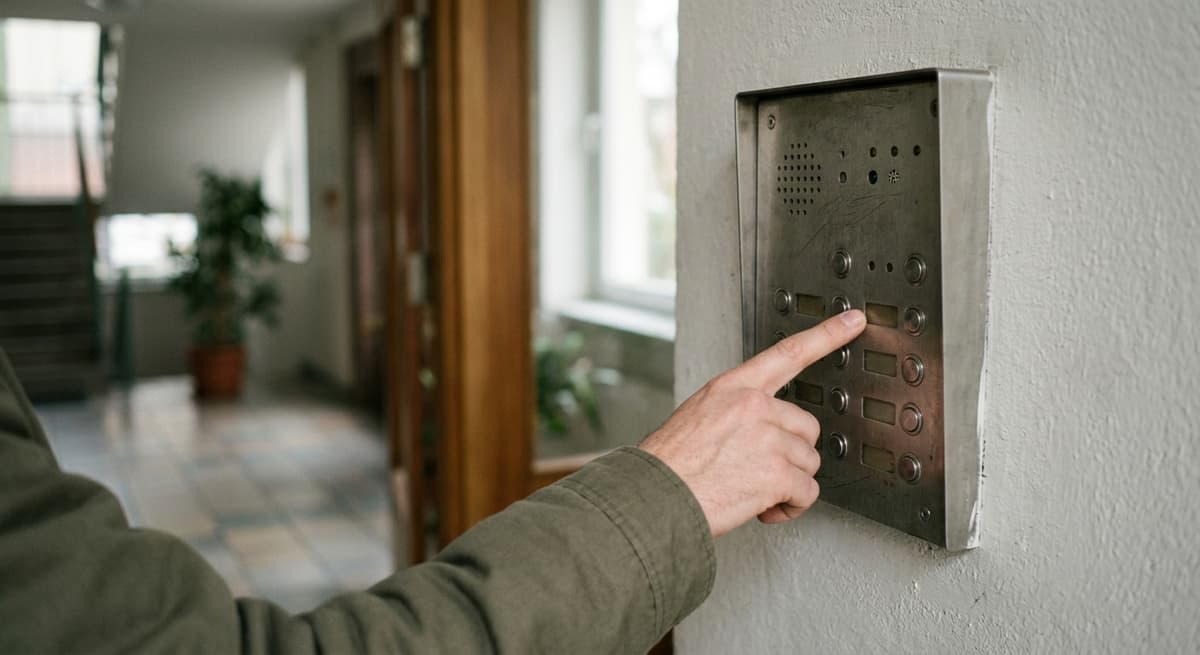
Minnesota landlords can install security cameras in common areas of multi-unit buildings where tenants and visitors do not have a reasonable expectation of privacy. Permissible camera locations include:
- Building entrances and exits
- Hallways and corridors
- Stairwells and elevator lobbies
- Parking lots and garages
- Laundry rooms (general area, not near changing spaces)
- Mail areas and package rooms
- Building exteriors and perimeters
- Storage areas and basement common spaces
These cameras serve legitimate security purposes including deterring crime, documenting unauthorized access, protecting against liability claims, and assisting law enforcement investigations.
Prohibited Camera Locations
Landlords are strictly prohibited from placing cameras in areas where tenants have a reasonable expectation of privacy. Under Minn. Stat. Section 609.746, cameras cannot be placed in:
- Inside individual rental units without the tenant's knowledge and consent
- Bathrooms in any part of the building
- Changing areas near pools, fitness centers, or saunas
- Shower facilities in common areas
- Any location where tenants may reasonably be in a state of undress
A landlord who places hidden cameras inside a tenant's apartment faces serious criminal liability. A first offense is a gross misdemeanor (up to 1 year in jail and $3,000 fine), and if a minor resides in the unit, it is a felony (up to 2 years and $5,000 fine).
Inside Individual Rental Units
Landlords cannot install cameras inside a tenant's rental unit. Even when a unit is vacant between tenants, installing cameras that remain active when a new tenant moves in would violate privacy protections. The interior of a rental unit is the tenant's private space, and the tenant has complete control over what recording occurs there.
The only exception would be if the tenant explicitly consents to interior cameras as part of a specialized arrangement, such as a home monitoring service for elderly or disabled tenants. Even then, the consent should be documented in writing and the tenant should have the right to withdraw consent at any time.
Audio on Landlord Cameras
Security cameras in common areas that record audio must comply with the one-party consent rule under Section 626A.02. A camera that records audio in a hallway or lobby where the landlord is not present may not have a consenting party to the conversations captured.
Landlords should consider:
- Disabling audio on common area cameras
- Posting notices stating that audio and video recording is in progress, allowing tenants to provide implied consent by continuing to use the area
- Using video-only cameras to avoid wiretapping liability
Tenant Recording Rights
Recording Conversations with Landlords
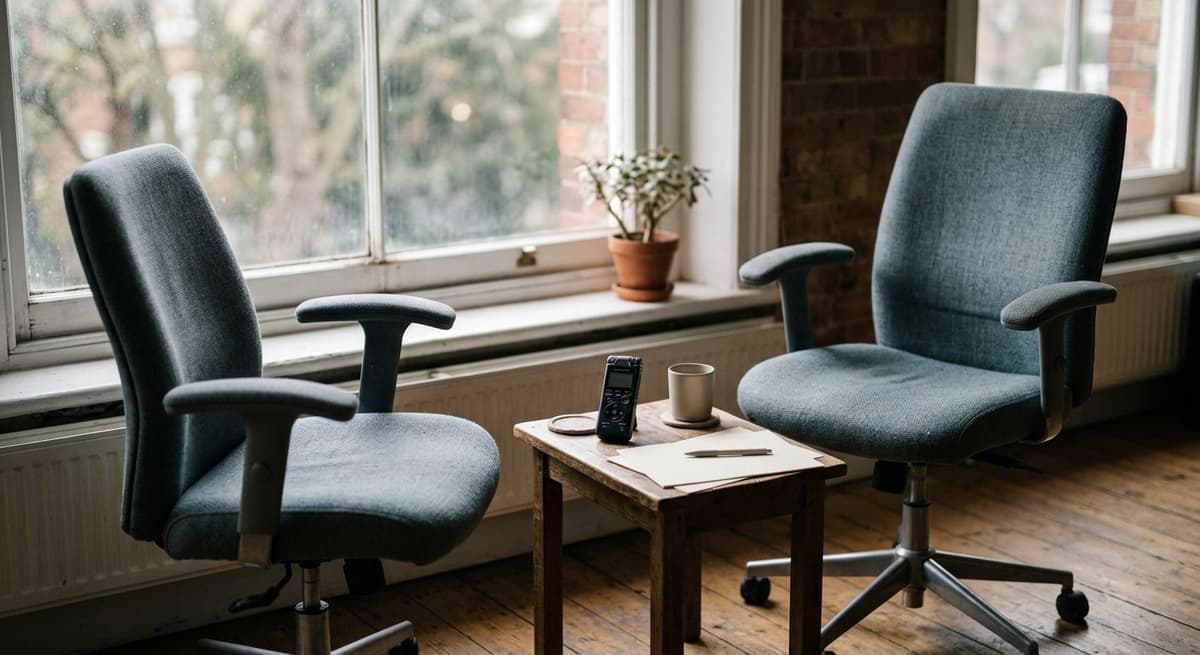
Under Minnesota's one-party consent law, tenants can record any conversation they participate in with their landlord, property manager, or maintenance staff. This right is particularly valuable for:
- Documenting verbal agreements about repairs, rent adjustments, or lease terms
- Recording maintenance requests to create a paper trail when the landlord fails to address issues
- Preserving evidence of harassment or discriminatory behavior by the landlord
- Documenting unauthorized entry into the rental unit
- Recording move-in and move-out inspections to protect against unfair security deposit deductions
- Capturing threats of illegal eviction or retaliation
The tenant does not need to inform the landlord that the conversation is being recorded. The recording is legal as long as the tenant is a participant in the conversation and has no criminal or tortious purpose.
Tenant Security Cameras
Tenants can install their own security cameras inside their rental units. Key considerations include:
- Interior cameras within the rental unit are fully under the tenant's control
- Doorbell cameras on the unit's entrance may be restricted by the lease or landlord policy
- Cameras on balconies and patios designated as the tenant's exclusive-use area are generally permitted
- Cameras aimed at common areas from the tenant's unit may raise issues with other tenants' privacy or with landlord policies
Leases may contain provisions about modifications to the property, which could affect the installation of exterior cameras that require mounting hardware. Tenants should review their lease terms before installing cameras that require drilling or permanent mounting.
Recording Property Conditions
Tenants can and should record the condition of their rental unit at key times:
- At move-in to document existing damage and conditions
- Before reporting maintenance issues to show the problem and when it was reported
- During maintenance visits to document what work was done
- At move-out to document the condition of the unit when leaving
These recordings can be critical evidence in security deposit disputes. Under Minn. Stat. Section 504B.178, landlords must return security deposits within 21 days after the tenant moves out, along with an itemized list of any deductions. Video evidence of property condition can help resolve disputes about damage claims.
Landlord Entry and Recording

Minnesota Landlord Entry Laws
Minn. Stat. Section 504B.211 governs landlord entry into rental units. Under this statute, a landlord may enter a tenant's unit only for a reasonable business purpose and must make a good faith effort to give the tenant reasonable notice of not less than 24 hours in advance. The statute provides:
- The landlord must give the tenant at least 24 hours advance notice, absent an emergency
- Entry is restricted to between 8:00 a.m. and 8:00 p.m., unless the landlord and tenant agree to an earlier or later time
- The tenant cannot unreasonably refuse to allow the landlord to enter for repairs, inspections, or showings
- Entry to prevent injury to persons or property, or to address building-security or law-enforcement concerns, does not require advance notice, but the landlord must leave written disclosure of the entry
Recording Unauthorized Entry
Tenants who suspect their landlord is entering their unit without proper notice can use cameras to document these entries. Security cameras inside the unit can capture:
- The date and time of each entry
- Who entered and what they did
- Whether proper notice was given
- Whether the entry was for a legitimate purpose
Evidence of unauthorized entry can support claims against the landlord, including lease violations and privacy claims.
Landlords Recording During Entry
Landlords who enter a tenant's unit for legitimate purposes (repairs, inspections, showings) may want to record the visit to document property conditions. Under one-party consent, a landlord who is present in the unit and participating in a conversation with the tenant or maintenance staff can record that interaction. However, a landlord cannot leave recording devices inside a tenant's unit.
Recording in Eviction Disputes
Documenting Lease Violations
Both landlords and tenants may use recordings in eviction disputes. Landlords may record interactions that document lease violations, while tenants may record interactions that show the eviction is retaliatory or discriminatory.
Minnesota's eviction process is governed by Minn. Stat. Chapter 504B, which provides specific procedures for different types of evictions. Recordings can be relevant evidence in eviction proceedings when they document:
- Noise complaints or disturbances
- Property damage by tenants
- Unauthorized occupants or pets
- Threatening or harassing behavior
- Landlord retaliation against tenants who exercised their rights
Recordings as Evidence in Housing Court
Recordings made under one-party consent are generally admissible in Minnesota housing court. Under Minnesota Rules of Evidence, Rule 901, the recording must be authenticated and relevant to the dispute. Common uses include:
- Audio recordings of verbal lease agreements or modifications
- Video of property conditions supporting or refuting damage claims
- Recordings of conversations documenting complaints or threats
- Security camera footage showing lease violations or unauthorized entry
Retaliatory Eviction Protections
Minn. Stat. Section 504B.285 protects tenants from retaliatory eviction. A landlord cannot evict a tenant in retaliation for reporting code violations, exercising legal rights, or participating in a tenant organization. Recordings that document the timeline of complaints followed by eviction notices can support a retaliation defense.
Fair Housing and Discriminatory Surveillance
Targeted Surveillance Issues
If a landlord uses surveillance cameras to disproportionately monitor tenants based on race, national origin, religion, disability, familial status, or other protected characteristics, this could constitute housing discrimination under the Fair Housing Act (42 U.S.C. Section 3604) and the Minnesota Human Rights Act (Minn. Stat. Chapter 363A).
Examples of potentially discriminatory surveillance include:
- Installing cameras only near units occupied by tenants of a particular race
- Monitoring a disabled tenant's movements more closely than other tenants
- Using cameras to track the guests of tenants from specific ethnic backgrounds
- Reviewing footage to document the activities of families with children more than other tenants
Tenants who experience discriminatory surveillance can file complaints with the Minnesota Department of Human Rights or the U.S. Department of Housing and Urban Development (HUD).
Penalties for Illegal Recording in Rental Properties
| Statute | Offense | Classification | Maximum Penalty |
|---|---|---|---|
| Section 609.746 | Hidden camera inside rental unit (first) | Gross misdemeanor | 1 year / $3,000 |
| Section 609.746 | Hidden camera involving minor | Felony | 2 years / $5,000 |
| Section 626A.02 | Illegal audio interception | Felony | 5 years / $20,000 |
| Section 617.261 | Sharing intimate recordings | Gross misdemeanor / Felony | 1-3 years |
Civil liability under Minn. Stat. Section 626A.13 for audio violations provides a two-prong damages choice under subd. 3(b): treble actual damages plus violator profits, OR statutory damages of the greater of $100 per day or $10,000 -- whichever prong is greater -- plus punitive damages and attorney fees.
Best Practices for Landlords
- Install cameras only in common areas and building exteriors
- Post clear signage about camera presence in common areas
- Disable audio recording or post audio recording notices
- Never install cameras inside rental units
- Establish a written camera policy and include it in lease agreements
- Retain footage for a reasonable period and secure it against unauthorized access
- Apply surveillance practices uniformly to all tenants to avoid discrimination claims
Best Practices for Tenants
- Record conversations with landlords about disputes, repairs, and lease terms
- Document property conditions at move-in and move-out with video
- Install interior cameras to monitor for unauthorized entry if concerned
- Review your lease for restrictions on camera installation before mounting exterior devices
- Preserve recordings in their original format for potential court use
More Minnesota Recording Laws
Audio Recording | Video Recording | Voyeurism & Hidden Cameras | Workplace Recording | Recording Police | Phone Call Recording | Security Cameras | Recording in Public | Landlord-Tenant | Dashcam Laws | Schools | Medical Recording
Back to Minnesota Recording Laws
More Minnesota Recording Topics
More Minnesota Laws
Frequently Asked Questions
Can my landlord put cameras inside my apartment in Minnesota?
No. Your rental unit is your private space, and your landlord cannot install cameras inside it. Doing so would violate Minn. Stat. Section 609.746, which prohibits surreptitious surveillance in areas where a person has a reasonable expectation of privacy. This is a gross misdemeanor for a first offense and a felony if a minor is involved.
Can I record conversations with my landlord in Minnesota?
Yes. Under Minnesota's one-party consent law (Minn. Stat. Section 626A.02), you can record any conversation you participate in with your landlord without informing them. This is useful for documenting verbal agreements about repairs, lease terms, and disputes.
Can my landlord put security cameras in the hallway?
Yes. Landlords can install security cameras in common areas like hallways, lobbies, parking lots, and building entrances. These are not areas where tenants have a reasonable expectation of privacy. Audio-enabled cameras should have notices posted or audio should be disabled.
Can I install a Ring doorbell camera on my apartment door in Minnesota?
This depends on your lease and your landlord's policies. Minnesota law does not prohibit tenant-installed doorbell cameras, but your lease may restrict modifications to the property. Check your lease terms and consider asking your landlord for permission before installing devices that require mounting hardware.
Can I use recordings as evidence in a security deposit dispute in Minnesota?
Yes. Video and photographic documentation of property conditions at move-in and move-out is admissible evidence in Minnesota housing court. Under Minn. Stat. Section 504B.178, landlords must return deposits within 21 days with an itemized list of deductions. Recordings can help resolve disputes about damage claims.
Updates
Added the concrete Minn. Stat. Section 504B.211 landlord-entry notice standard: at least 24 hours advance notice and entry restricted to 8:00 a.m. to 8:00 p.m. absent agreement, replacing vague 'reasonable notice' language, and fixed a dead Minnesota Rules of Evidence Rule 901 citation link.
Independently fact-checked against the cited primary sources; governing law re-checked for recent changes
Governing law re-checked for recent changes
Governing law re-checked for recent changes
Corrected § 626A.13 subd. 3(b) damages to two-prong structure in civil liability table entry.
Reviewed and approved by an editor
The Law Behind This Article
This article rests on the statutory provisions below, held in our own legal record and retrieved from the official source. Tap a section to read the operative text.
Minnesota Statutes, Chapter 626A: WIRE, ELECTRONIC, OR ORAL COMMUNICATIONS; INTERCEPTION
§ 626A.02INTERCEPTION AND DISCLOSURE OF WIRE, ELECTRONIC, OR ORAL COMMUNICATIONS PROHIBITEDIn forcecited in 18 of our articles
Subdivision 1. Offenses. Except as otherwise specifically provided in this chapter any person who: (1) intentionally intercepts, endeavors to intercept, or procures any other person to intercept or endeavor to intercept, any wire, electronic, or oral communication; (2) intentionally uses, endeavors to use, or procures any other person to use or endeavor to use any electronic, mechanical, or other device to intercept any oral communication when: (i) such device is affixed to, or otherwise transmits a signal through, a wire, cable, or other like connection used in wire communication; or (ii) such device transmits communications by radio, or interferes with the transmission of such communication; (3) intentionally discloses, or endeavors to disclose, to any other person the contents of any wire, electronic, or oral communication, knowing or having reason to know that the information was obtained through the interception of a wire, electronic, or oral communication in violation of this subdivision; or (4) intentionally uses, or endeavors to use, the contents of any wire, electronic, or oral communication, knowing or having reason to know that the information was obtained through the…
Official text (excerpt) · last checked 2026-08-31 · Read the full text in our law library · Verify at revisor.mn.gov
Cited in 20 court opinions in our collectionLatest citing opinion in our collection: 2025
In the courts (editorial summary, independently checked):Copeland v. Hubbard Broadcasting, Inc. (1995) applied the 626A.02 party exemption, finding a secret recording made for commercial newsgathering was not intercepted for the purpose of a tortious act. State v. Page (1986) held an officer's use of a regular telephone extension in the ordinary course of duty was not an interception.
Opinions citing this section in our collection:
- Copeland v. Hubbard Broadcasting, Inc. (Court of Appeals of Minnesota 1995, 526 N.W.2d 402)“…l to the federal wiretapping statutes. Compare Minn.Stat. § 626A.02, subd. 1 (1992), with 18…”
- State v. Page (Court of Appeals of Minnesota 1986, 386 N.W.2d 330)“…g rule applies. See 18 U.S.C. § 2511 (1982); Minn.Stat. § 626A.02 (1984). The federal rule makes it unlaw…”
- State v. Olkon (Supreme Court of Minnesota 1980, 299 N.W.2d 89)✓An undercover deputy posing as an injury client taped his calls and office meetings with a lawyer later convicted of attempted theft by swindle; the court rejected suppression, holding one party's consent meant no warrant was needed, citing the statute's consent exception.
Identified automatically from the court opinions citing this section — not a ranking of which case controls.
Also relied on in: Minnesota Smart Glasses Recording Laws 2025, Minnesota AI Meeting Recording Laws (2026), Minnesota Surveillance Camera Laws (2026 Guide)
Minnesota Statutes, Chapter 504B: LANDLORD AND TENANT
§ 504B.178INTEREST ON SECURITY DEPOSITS; WITHHOLDING SECURITY DEPOSITS; DAMAGES; LIMIT ON WITHHOLDING LAST MONTH'S RENTIn forcecited in 2 of our articles
Subdivision 1. Applicability. Any deposit of money, the function of which is to secure the performance of a residential rental agreement or any part of such an agreement, other than a deposit which is exclusively an advance payment of rent, shall be governed by the provisions of this section. Subd. 2. Interest. Any deposit of money shall not be considered received in a fiduciary capacity within the meaning of section 82.55, subdivision 26, but shall be held by the landlord for the tenant who is party to the agreement and shall bear simple noncompounded interest at the rate of one percent per annum, computed from the first day of the next month following the full payment of the deposit to the last day of the month in which the landlord, in good faith, complies with the requirements of subdivision 3 or to the date upon which judgment is entered in any civil action involving the landlord's liability for the deposit, whichever date is earlier. Any interest amount less than $1 shall be excluded from the provisions of this section. Subd. 3. Return of security deposit.
Official text (excerpt) · last checked 2026-09-06 · Read the full text in our law library · Verify at revisor.mn.gov
Cited in 4 court opinions in our collectionLatest citing opinion in our collection: 2024
Opinions citing this section in our collection:
- Andrew Kaeding v. Karl Auleciems, Susanne Auleciems (Court of Appeals of Minnesota 2016, 886 N.W.2d 658)“…SYLLABUS I. An attempt to waive Minn. Stat. § 504B.178 (2014) by agreeing to forfeit a securit…”
- Tenisha Williams v. Halimatou Diallo (Court of Appeals of Minnesota 2024)“…ng the specific reason for the withholding of the deposit.” Minn. Stat. § 504B.178, subd. 3(a). A landlord may withhold a…”
- Andrew Ellis v. Danielle Thompson, Abdul R. Johnson (Court of Appeals of Minnesota 2015)“…ld still be entitled to one month’s rent and late fees. See Minn. Stat. § 504B.178,…”
Identified automatically from the court opinions citing this section — not a ranking of which case controls.
Also relied on in: Minnesota Landlord-Tenant Laws (2026): Deposits, Notice, and Tenant Rights
§ 504B.211RESIDENTIAL TENANT'S RIGHT TO PRIVACYIn forcecited in 3 of our articles
Subdivision 1. Definitions. For purposes of this section, "landlord" has the meaning defined in section 504B.001, subdivision 7, and also includes the landlord's agent or other person acting under the landlord's direction and control. Subd. 2. Entry by landlord. Except as provided in subdivision 4, a landlord may enter the premises rented by a residential tenant only for a reasonable business purpose and after making a good faith effort to give the residential tenant reasonable notice under the circumstances of not less than 24 hours in advance of the intent to enter. A residential tenant may permit a landlord to enter the rented premises with less than 24 hours notice if desired. The notice must specify a time or anticipated window of time of entry and the landlord may only enter between the hours of 8:00 a.m. and 8:00 p.m. unless the landlord and tenant agree to an earlier or later time. A residential tenant may not waive and the landlord may not require the residential tenant to waive the residential tenant's right to prior notice of entry under this section as a condition of entering into or maintaining the lease. Subd. 3. Reasonable purpose.
Official text (excerpt) · last checked 2026-07-29 · Read the full text in our law library · Verify at revisor.mn.gov
Cited in 7 court opinions in our collectionLatest citing opinion in our collection: 2024
Opinions citing this section in our collection:
- State v. Dotson (Court of Appeals of Minnesota 2017, 900 N.W.2d 445)“…rested him without probable cause. Because we conclude that Minn. Stat. § 504B.211 does not give a landlord or property ma…”
- State of Minnesota v. Daniel Joseph Devens (Supreme Court of Minnesota 2014, 852 N.W.2d 255)“…made a good faith effort to notify Devens of the entry. See Minn. Stat. § 504B.211, subd. 2 (2012). By contrast, Devens di…”
- Negassi H. Ghebrehiwet v. Khaled Ghneim (Court of Appeals of Minnesota 2016)“…at Ghebrehiwet violated the Ghneims’ right to privacy under Minn. Stat. § 504B.211, subd. 2 (2014) and that the Ghneims we…”
Identified automatically from the court opinions citing this section — not a ranking of which case controls.
Also relied on in: Minnesota Ring Doorbell Laws: What You Need to Know in 2026
Minnesota Statutes, Chapter 609: CRIMINAL CODE
§ 609.746INTERFERENCE WITH PRIVACYIn forcecited in 17 of our articles
Subdivision 1. Surreptitious intrusion; observation device. (a) A person is guilty of a gross misdemeanor who: (1) enters upon another's property; (2) surreptitiously gazes, stares, or peeps in the window or any other aperture of a house or place of dwelling of another; and (3) does so with intent to intrude upon or interfere with the privacy of a member of the household. (b) A person is guilty of a gross misdemeanor who: (1) enters upon another's property; (2) surreptitiously installs or uses any device for observing, photographing, recording, amplifying, or broadcasting sounds or events through the window or any other aperture of a house or place of dwelling of another; and (3) does so with intent to intrude upon or interfere with the privacy of a member of the household.
Official text (excerpt) · last checked 2026-08-31 · Read the full text in our law library · Verify at revisor.mn.gov
Cited in 15 court opinions in our collectionLatest citing opinion in our collection: 2026
In the courts (editorial summary, independently checked):State v. Pakhnyuk (2019) held the intent to intrude on privacy in section 609.746, subd. 1(a) attaches only to the peeping, not to entering the property. State v. Ulmer (2006) applied subd. 1(c) to a public restroom, holding the space above a urinal partition is an aperture and the shielded space is private.
Opinions citing this section in our collection:
- State v. Pakhnyuk (Supreme Court of Minnesota 2019, 926 N.W.2d 914)✓A houseguest sat on the roof and watched a 14-year-old undressing through a bedroom window; the Minnesota Supreme Court held the intent to intrude element attaches only to the peeping clause, not to entering the property, and affirmed the conviction.
- State v. Ulmer (Court of Appeals of Minnesota 2006, 719 N.W.2d 213)✓A man leaned over a urinal partition in a store restroom to watch a seven-year-old boy urinate; the court of appeals held a user has an expectation of privacy in that partitioned space and that the gap above the partition is an aperture under the statute.
- State v. Morris (Court of Appeals of Minnesota 2002, 644 N.W.2d 114)✓A man carried a camera concealed in a bag and filmed up a store clerk's skirt; the court of appeals held the area under a skirt is a place with an expectation of privacy and the camera itself an aperture, and rejected the commercial-establishment exemption.
Identified automatically from the court opinions citing this section — not a ranking of which case controls.
Also relied on in: Minnesota Medical Recording Laws: Patient Rights, HIPAA, and Provider Rules, Minnesota Laws on Recording in Public: Rights, Limits, and Privacy Rules, Minnesota School Recording Laws: Classrooms, IEP Meetings, and Campus Surveillance
Explore the law
This article also draws on these acts and chapters (opening at their first section): Minnesota Statutes, Chapter 504B: LANDLORD AND TENANT § 504B.0001
Related law for further reading — not part of this article’s citations.
Search our full record of US law — 2.1 million sections, every state + federal →
Sources and References
- Minn. Stat. Section 626A.02(revisor.mn.gov).gov
- Minn. Stat. Section 609.746 - Privacy(revisor.mn.gov).gov
- Minn. Stat. Section 504B.211 - Landlord Entry(revisor.mn.gov).gov
- Minn. Stat. Section 504B.178 - Security Deposits(revisor.mn.gov).gov
- Minn. Stat. Chapter 504B - Landlord-Tenant(revisor.mn.gov).gov
- Minnesota Department of Human Rights(mn.gov).gov
- U.S. HUD(hud.gov).gov