
Arkansas
Arkansas Medical Recording Laws: Patient Rights, HIPAA, and One-Party Consent (2026)
Independently fact-checked against primary sources (last audited August 15, 2026). · Reviewed by the RecordingLaw editorial team. · Law checked current as of August 15, 2026. · 6 primary sources cited on this page. How we verify our legal content
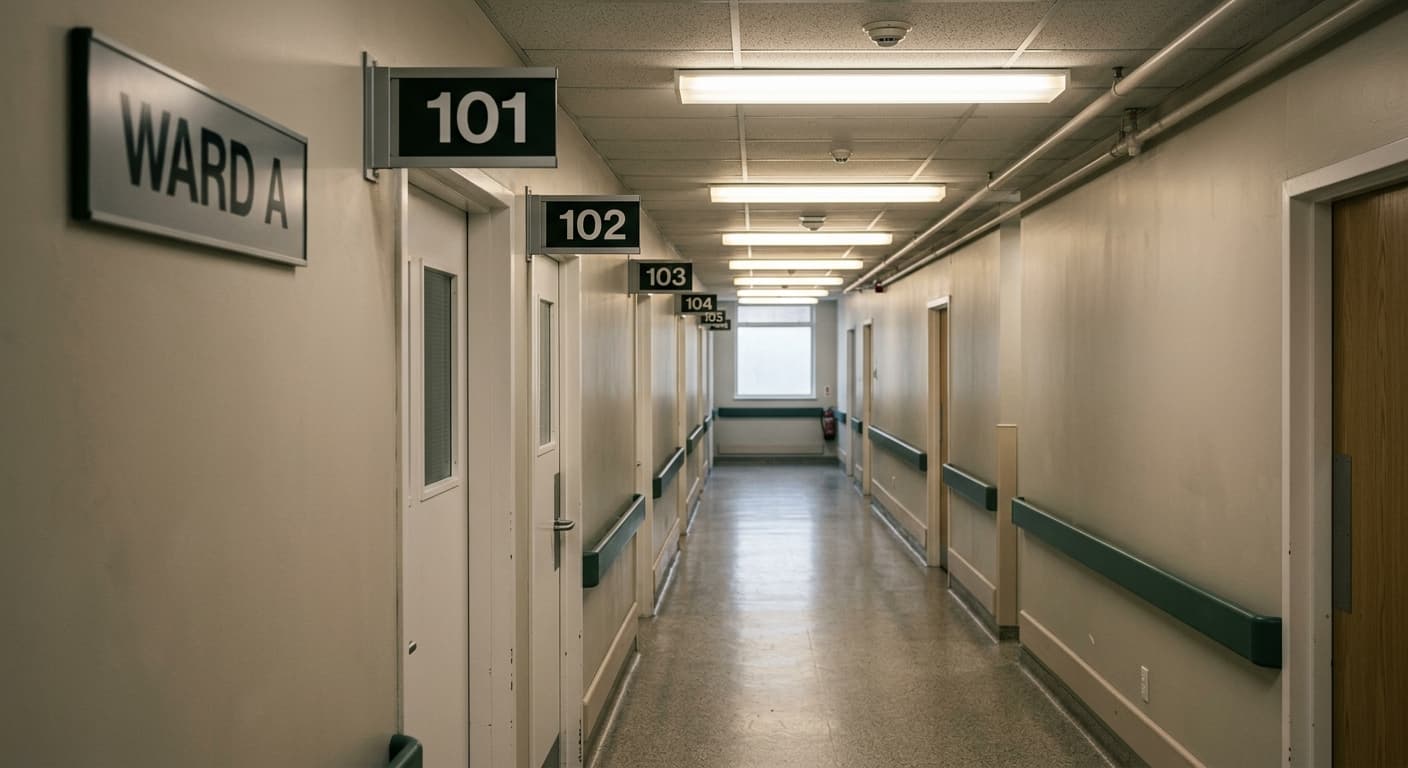
In Arkansas, a patient may record their own medical appointment without informing the provider. Under Ark. Code 5-60-120, one-party consent applies, so your consent alone is sufficient. HIPAA's Privacy Rule at 45 CFR Part 164 restricts how providers handle recordings, not whether patients can make them.
Arkansas's one-party consent law provides patients with broad rights to record their own medical appointments. Under Ark. Code 5-60-120, any party to a conversation can record it without informing the other participants. For patients, this means you can use a phone, voice recorder, or other device to capture your doctor's instructions, diagnoses, and treatment recommendations without asking permission.
While state law is clear, patients should also understand how federal HIPAA regulations, facility policies, and the practical aspects of the patient-provider relationship interact with their recording rights. This guide covers the full legal landscape for medical recording in Arkansas.
Can Patients Record Medical Appointments in Arkansas?
One-Party Consent in Medical Settings
Yes. Under Arkansas's one-party consent framework, you can record any medical appointment you attend. As the patient, you are a party to the conversation, and your consent is all that is required under state law. You do not need to inform your doctor, nurse, or any other healthcare staff.
This right covers:
- Primary care and specialist visits
- Emergency room visits where you are the patient
- Dental and orthodontic appointments
- Mental health sessions
- Physical therapy and rehabilitation visits
- Pre-surgical consultations and post-operative follow-ups
Why Patients Record Medical Visits
Studies from the National Institutes of Health indicate that patients forget a large percentage of medical information shared during appointments. Recording helps patients:
- Review complex treatment plans and medication instructions at home
- Share accurate information with family members and caregivers
- Keep a record of informed consent discussions before procedures
- Track evolving diagnoses and treatment approaches
- Document interactions in case malpractice concerns arise
- Reduce errors in prescription and follow-up care
Provider Reactions and Practical Considerations
Even though Arkansas law permits recording without notification, patients should consider:
- Facility policies: Many healthcare facilities have their own recording policies that may require disclosure. Violating a policy is not criminal, but could lead to being discharged as a patient.
- Provider comfort: Some providers communicate more carefully and thoroughly when they know they are being recorded. Others may become guarded. Consider whether transparency would improve your care.
- Recording quality: Place your device where it captures clear audio. A smartphone on the exam table or in a front pocket works well for most appointments.
HIPAA and Medical Recording in Arkansas
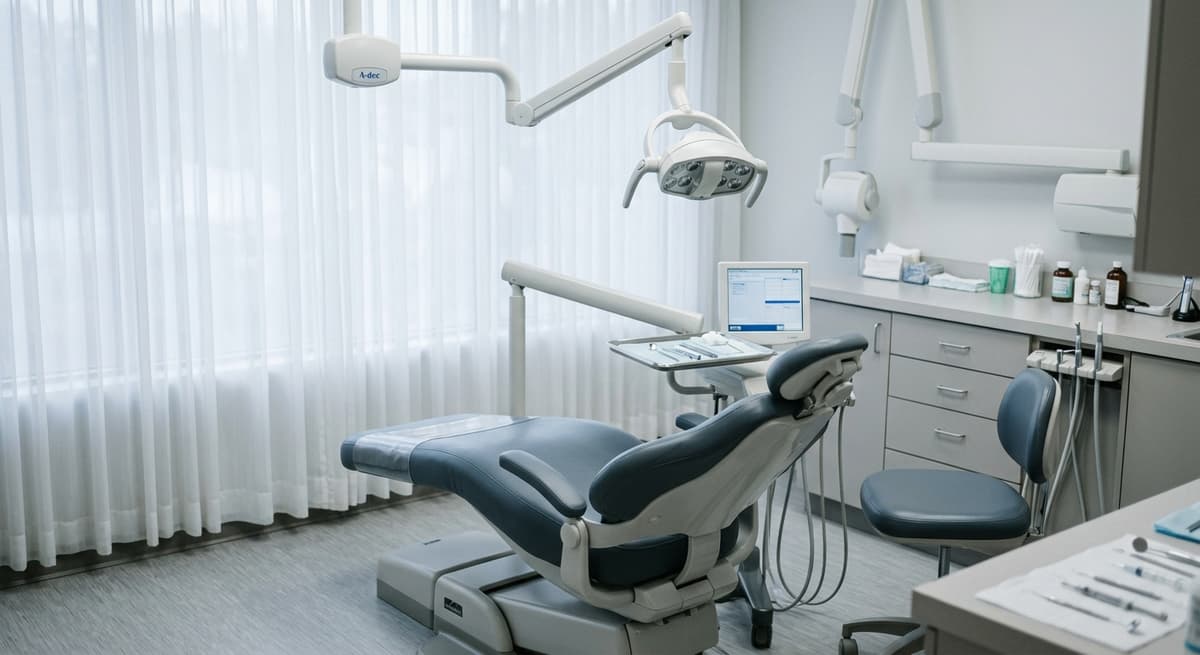
What HIPAA Does and Does Not Prohibit
HIPAA governs how covered entities handle protected health information (PHI). The Privacy Rule at 45 CFR Part 164 applies to healthcare providers, health plans, and clearinghouses.
Key HIPAA principles for patient recording:
- HIPAA does not prohibit patients from recording their own visits. The Privacy Rule restricts covered entities, not patients.
- Providers cannot cite HIPAA to prevent patient recordings. A provider who says "HIPAA doesn't allow recording" is mistaken.
- Provider-initiated recordings become PHI and must be stored and handled under HIPAA Security Rule requirements.
- Patients have a right of access to their own health information under the Privacy Rule, including recordings the provider maintains.
Provider Recording of Patients
When an Arkansas healthcare provider records a patient interaction:
- Under 45 CFR Section 164.506, a provider generally does not need written patient authorization to record for its own treatment documentation, training, or quality assurance purposes, since these are health care operations covered by HIPAA's TPO exception. Written authorization under 45 CFR Section 164.508 is required for uses outside that exception, such as sharing the recording with an unrelated third party.
- The recording becomes part of the patient's medical record
- HIPAA Security Rule requirements govern storage, access, and transmission
- The provider must include recording practices in their Notice of Privacy Practices
Facility Recording Policies
Many Arkansas healthcare facilities have internal recording policies:
- Some facilities require staff consent before patient recording
- Recording may be restricted in surgical suites, psychiatric units, and emergency departments
- Shared patient areas may have restrictions to protect other patients' privacy
- Facility policies do not override Arkansas state law but may affect the patient-provider relationship
Telehealth Recording in Arkansas

One-Party Consent for Telehealth
Telehealth visits are private conversations subject to the same one-party consent rules as in-person appointments. Either the patient or the provider can record a telehealth session without notifying the other party. The Arkansas Department of Health supports telehealth as a way to expand healthcare access throughout the state, particularly in rural communities.
Platform Recording Features
Many telehealth platforms include built-in recording buttons. Before using them:
- Either party can activate recording without the other's consent under Arkansas law
- Verify the platform stores recordings in a HIPAA-compliant environment
- Review terms of service regarding recording ownership and data retention
- Some platforms automatically notify all participants when recording begins, regardless of state law
Patient-Initiated Telehealth Recording
Patients can use screen recording software on their computer or phone to capture telehealth visits. Under one-party consent, this is legal without informing the provider. Store the recording securely for personal medical reference.
Recording in Hospitals and Clinical Settings

Emergency Rooms
Recording in Arkansas emergency rooms is legal under one-party consent. Practical considerations include:
- Shared treatment areas may inadvertently capture other patients' medical information
- Hospital security may question visible recording in emergency settings
- Focus recording on your own treatment interactions
- Recordings that capture other patients' PHI could create issues for the facility
Operating Rooms
Recording in operating rooms is typically restricted by facility policy. Even though one-party consent would apply if the patient is conscious and participating in conversation, most Arkansas hospitals prohibit recording devices in surgical environments for safety and liability reasons.
Mental Health Settings
Mental health treatment carries heightened sensitivity. While Arkansas law permits recording therapy sessions under one-party consent, therapists may have strong professional and ethical reasons to request that sessions not be recorded. Consider discussing recording with your therapist and exploring alternatives like session notes or written summaries.
Medical Research and Clinical Trials
Research involving human subjects in Arkansas must comply with federal regulations under 45 CFR Part 46. When research involves recording:
- Informed consent must disclose that recording will take place
- Participants can decline recording without affecting their participation
- Recordings must be stored securely and de-identified when possible
- The institutional review board (IRB) must approve recording protocols
Patients participating in clinical trials can record their own interactions with research staff under one-party consent, though research consent documents may contain provisions about recording.
Using Medical Recordings as Evidence
Malpractice Claims
Medical appointment recordings can be powerful evidence in Arkansas malpractice cases. A recording capturing a provider's statements about diagnosis, treatment options, and risks establishes what information was communicated. Under one-party consent, these recordings are admissible in Arkansas courts.
Insurance Disputes
When insurers deny claims, recordings documenting a provider's recommendation of a specific treatment help establish medical necessity. This evidence can be critical in appealing claim denials.
Admissibility in Arkansas Courts
For a medical recording to be admissible:
- It must have been lawfully made (one-party consent satisfied)
- It must be authentic and unaltered
- It must be relevant to the issues in the case
- Proper chain of custody must be maintained
Arkansas courts follow the Arkansas Rules of Evidence for determining admissibility.
Penalties for Illegal Medical Recording
Criminal Penalties
Recording a medical conversation you are not a party to violates Ark. Code 5-60-120:
| Statute | Offense | Classification | Max Jail | Max Fine |
|---|---|---|---|---|
| Ark. Code 5-60-120 | Illegal interception | Class A Misdemeanor | 1 year | $2,500 |
Civil Liability
Arkansas recognizes a civil cause of action for invasion of privacy. Victims of unauthorized medical recording may pursue civil claims for:
- Compensatory damages
- Punitive damages in egregious cases
- Injunctive relief
- Attorney fees and court costs
HIPAA Penalties for Providers
Healthcare providers who violate HIPAA face penalties from the U.S. Department of Health and Human Services Office for Civil Rights. The base tiers are set by 45 CFR 160.404 and adjusted for inflation annually under 45 CFR Part 102; the figures below are the current inflation-adjusted amounts:
- Tier 1 (no knowledge): $145 to $73,011 per violation
- Tier 2 (reasonable cause): $1,461 to $73,011 per violation
- Tier 3 (willful neglect, corrected within 30 days): $14,602 to $73,011 per violation
- Tier 4 (willful neglect, not corrected): $73,011 to $2,190,294 per violation
- Annual maximum: $2,190,294 per violation category, combining all penalties for identical violations within a calendar year
Best Practices for Patients and Providers
For Patients
- You have the legal right to record your medical appointments in Arkansas
- Consider informing your provider as a courtesy to maintain a strong relationship
- Store recordings securely and use them for personal medical reference only
- Bring a family member to appointments as an additional support
- Preserve original recordings without editing if you may need them as evidence
For Healthcare Providers
- Understand that patients have a legal right to record under one-party consent
- Do not cite HIPAA as a reason to prevent patient recordings
- Develop a clear recording policy and include it in intake materials
- If you record patient interactions for a purpose outside treatment, payment, or health care operations (such as sharing the recording with an unrelated third party), obtain written HIPAA authorization first
- Communicate treatment information clearly, knowing patients may be recording
Explore More Arkansas Recording Laws
Audio Recording | Video Recording | Voyeurism Laws | Workplace Recording | Recording Police | Phone Call Recording | Security Cameras | Recording in Public | Landlord-Tenant Recording | Dashcam Laws | School Recording | Medical Recording
Back to Arkansas Recording Laws
More Arkansas Recording Topics
More Arkansas Laws
Frequently Asked Questions
Can I record my doctor in Arkansas without telling them?
Yes. Arkansas is a one-party consent state under Ark. Code 5-60-120. As the patient, you are a party to the conversation and can record without informing your healthcare provider.
Does HIPAA prevent patients from recording medical visits in Arkansas?
No. HIPAA restricts how healthcare providers handle protected health information. It does not apply to patients recording their own medical visits. Providers who claim HIPAA prohibits patient recording are incorrect.
Can an Arkansas hospital ban recording?
A hospital can have an internal policy restricting recording in certain areas. Violating the policy is not a crime, but the facility could discharge you as a patient or restrict future visits. The policy does not override your legal right under state law.
Can I record a telehealth visit in Arkansas?
Yes. Telehealth visits are subject to the same one-party consent rules as in-person visits. You can record a telehealth session without informing the provider.
Can medical recordings be used as evidence in Arkansas courts?
Yes. Recordings lawfully made under one-party consent are admissible in Arkansas courts. They can support malpractice claims, insurance disputes, and other legal proceedings. Keep the original recording unaltered and maintain proper chain of custody.
Updates
Updated the HIPAA civil-penalty table for providers to the current inflation-adjusted amounts (previous figures were stale 2009 base numbers, understated by roughly 30-50% at every tier and by about $690,000 on the annual cap), and fixed a broken Arkansas statute citation link.
Independently fact-checked against the cited primary sources; governing law re-checked for recent changes
Removed an invented 'illegal disclosure of intercepted communication' offense from the penalty table; Ark. Code 5-60-120 criminalizes only interception and recording/possession, not a separate disclosure offense.
Governing law re-checked for recent changes
Corrected the HIPAA claim that provider recording of patient visits always requires written 45 CFR 164.508 authorization; 45 CFR 164.506 permits a covered entity to use PHI for its own treatment, training, and quality-assurance (health care operations) purposes without a separate authorization.
Governing law re-checked for recent changes
Spoke propagation: Swapped all Justia Arkansas statute links to primary arkleg.state.ar.us sources. No substantive law changes needed; HIPAA overlay and one-party consent framework unchanged.
Reviewed and approved by an editor
The Law Behind This Article
This article rests on the statutory provisions below, held in our own legal record and retrieved from the official source. Tap a section to read the operative text.
Arkansas Code of 1987 Annotated
§ 5-60-120Interception and recording.In forcecited in 17 of our articles
(a) It is unlawful for a person to intercept a wire, landline, oral, telephonic communication, or wireless communication, and to record or possess a recording of the communication unless the person is a party to the communication or one (1) of the parties to the communication has given prior…
Official text (excerpt) · last checked 2026-08-31 · Read the full text in our law library · Verify at arkleg.state.ar.us
Cited in 10 court opinions in our collectionLatest citing opinion in our collection: 2022
In the courts (editorial summary, independently checked):Lewis v. State (1999) applied Section 5-60-120(a) to a man who taped his ex-wife's calls without being a party or having consent, affirming revocation. Elliott v. State (1998) held that while such recording by a private citizen is unlawful, the statute does not bar the tape from evidence.
Opinions citing this section in our collection:
- Lewis v. State (Supreme Court of Arkansas 1999, 336 Ark. 469)✓A man on probation admitted attaching a recorder to the telephone box outside his ex-wife's house and taping her calls; the court found that violated Section 5-60-120(a) because he was not a party and no party consented, and affirmed the revocation.
- Opinion No. (Arkansas Attorney General Reports 1998)“…consented to the recording. This provision is set forth in A.C.A. § 5-60-120 , as follows: 5-60-120 . Interceptio…”
- King v. State (Supreme Court of Arkansas 2019, 571 S.W.3d 476)✓A friend's phone app secretly recorded a murder suspect's call with a detective; the court held that although Section 5-60-120 makes such a recording by a non-party unlawful, it does not bar admissibility, and affirmed the refusal to exclude the tape.
Identified automatically from the court opinions citing this section — not a ranking of which case controls.
Also relied on in: Arkansas Recording Laws (2026): One-Party Consent Rules, Arkansas Audio Recording Laws: One-Party Consent Rules and Penalties (2026), Arkansas Dashcam Laws: Mounting, Audio, and Legal Uses (2026)
Code of Federal Regulations Title 45
§ 160.404Amount of a civil money penalty.In forcecited in 13 of our articles
(a) The amount of a civil money penalty will be determined in accordance with paragraph (b) of this section, and §§ 160.406, 160.408, and 160.412. These amounts were adjusted in accordance with the Federal Civil Monetary Penalty Inflation Adjustment Act of 1990, (Pub. L. 101-140), as amended by the Federal Civil Penalties Inflation Adjustment Act Improvements Act of 2015, (section 701 of Pub. L. 114-74), and appear at 45 CFR part 102. These amounts will be updated annually and published at 45 CFR part 102.
Official text (excerpt) · last checked 2026-07-28 · Read the full text in our law library · Verify at ecfr.gov
Cited in 2 court opinions in our collectionLatest citing opinion in our collection: 2025
Opinions citing this section in our collection:
- Kirstyn Bashaw v. Majestic Care of Whitehall (Court of Appeals for the Sixth Circuit 2025, 130 F.4th 542)“…de range of civil penalties. See 45 C.F.R. § 160.404. And Nieset testified that Bashaw’s reco…”
- Planned Parenthood Minnesota, North Dakota, South Dakota v. Daugaard (District Court, D. South Dakota 2021)“…ble diligence, would not have known” about the disclosure. 45 C.F.R. § 160.404(b)(2)(i). While the Unif…”
Identified automatically from the court opinions citing this section — not a ranking of which case controls.
Also relied on in: Reporting HIPAA Breaches: Requirements, Timelines, and Process (2026), Texas Medical Records Retention Laws (2026 Guide), Vermont Medical Records Retention Laws (2026 Guide)
§ 164.506Uses and disclosures to carry out treatment, payment, or health care operations.In forcecited in 5 of our articles
(a) Standard: Permitted uses and disclosures. Except with respect to uses or disclosures that require an authorization under § 164.508(a)(2) through (4) or that are prohibited under § 164.502(a)(5)(i), a covered entity may use or disclose protected health information for treatment, payment, or health care operations as set forth in paragraph (c) of this section, provided that such use or disclosure is consistent with other applicable requirements of this subpart. (b) Standard: Consent for uses and disclosures permitted. (1) A covered entity may obtain consent of the individual to use or disclose protected health information to carry out treatment, payment, or health care operations. (2) Consent, under paragraph (b) of this section, shall not be effective to permit a use or disclosure of protected health information when an authorization, under § 164.508, is required or when another condition must be met for such use or disclosure to be permissible under this subpart. (c) Implementation specifications: Treatment, payment, or health care operations. (1) A covered entity may use or disclose protected health information for its own treatment, payment, or health care operations.
Official text (excerpt) · last checked 2026-07-28 · Read the full text in our law library · Verify at ecfr.gov
Cited in 35 court opinions in our collectionLatest citing opinion in our collection: 2026
Opinions citing this section in our collection:
- Citizens for Health v. Leavitt (Court of Appeals for the Third Circuit 2005, 428 F.3d 167)“…missible under this subpart. 5 45 C.F.R. § 164.506 (emphasis added). Citizens challenge s…”
- United Nurses Associations of California v. National Labor Relations Board (Court of Appeals for the Ninth Circuit 2017, 871 F.3d 767)“…ually occurred” and that CVMC’s claim to the 9 45 C.F.R. § 164.506(c)(1) (“A covered entity may use or dis…”
- Steinberg v. CVS Caremark Corp. (District Court, E.D. Pennsylvania 2012, 899 F. Supp. 2d 331)“…d patients with information about treatment alternatives.” 45 C.F.R. §§ 164.506 , 164.501. The CAC’s allegations sugg…”
Identified automatically from the court opinions citing this section — not a ranking of which case controls.
Also relied on in: What Is TPO in HIPAA? Treatment, Payment, and Operations Explained (2026), Alaska Medical Recording Laws: Patient Rights, HIPAA, and One-Party Consent (2026), Alabama Medical Recording Laws: Patient Rights and HIPAA Rules
§ 164.508Uses and disclosures for which an authorization is required.In forcecited in 9 of our articles
(a) Standard: Authorizations for uses and disclosures —(1) Authorization required: General rule. Except as otherwise permitted or required by this subchapter, a covered entity may not use or disclose protected health information without an authorization that is valid under this section. When a covered entity obtains or receives a valid authorization for its use or disclosure of protected health information, such use or disclosure must be consistent with such authorization. (2) Authorization required: Psychotherapy notes.
Official text (excerpt) · last checked 2026-07-28 · Read the full text in our law library · Verify at ecfr.gov
Cited in 199 court opinions in our collectionLatest citing opinion in our collection: 2026
Opinions citing this section in our collection:
- Glen Murphy v. Aldolfo C. Dulay (Court of Appeals for the Eleventh Circuit 2014, 768 F.3d 1360)“…ility Act (“HIPAA”), and its accompanying regulations, see 45 C.F.R. §§ 164.508, 164.512. That authorization form—requ…”
- Kenneth Wilson v. UnitedHealthcare Insurance Co (Court of Appeals for the Fourth Circuit 2022, 27 F.4th 228)“…to identify his authority to do so as required by 45 C.F.R. § 164.508(c)(vi). Either way, United argues…”
- United States v. Deleon (District Court, D. New Mexico 2018, 323 F. Supp. 3d 1273)“…re information without the patient's authorization. See 45 C.F.R. § 164.508 (a)(1) ("Except as otherwise permitted…”
Identified automatically from the court opinions citing this section — not a ranking of which case controls.
Also relied on in: Delaware Medical Recording Laws: Patient Rights, HIPAA, and Consent Rules (2026), Florida Recording Laws (2026): All-Party Consent Rules, Maryland Recording Laws (2026): All-Party Consent Rules
Search our full record of US law — 2.1 million sections, every state + federal →
Sources and References
- Arkansas Code 5-60-120 - Interception and Recording(law.justia.com)
- HIPAA Privacy Rule - 45 CFR Part 164(ecfr.gov).gov
- HIPAA Authorization - 45 CFR Section 164.508(ecfr.gov).gov
- Arkansas Department of Health(healthy.arkansas.gov).gov
- HHS Office for Civil Rights(hhs.gov).gov
- Federal Policy for Protection of Human Subjects - 45 CFR Part 46(ecfr.gov).gov
- HIPAA Treatment/Payment/Health Care Operations Exception - 45 CFR Section 164.506(ecfr.gov).gov