
Delaware
Delaware Medical Recording Laws: Patient Rights, HIPAA, and Consent Rules (2026)
Independently fact-checked against primary sources (last audited August 22, 2026). · Reviewed by the RecordingLaw editorial team. · Law checked current as of August 22, 2026. · 8 primary sources cited on this page. How we verify our legal content
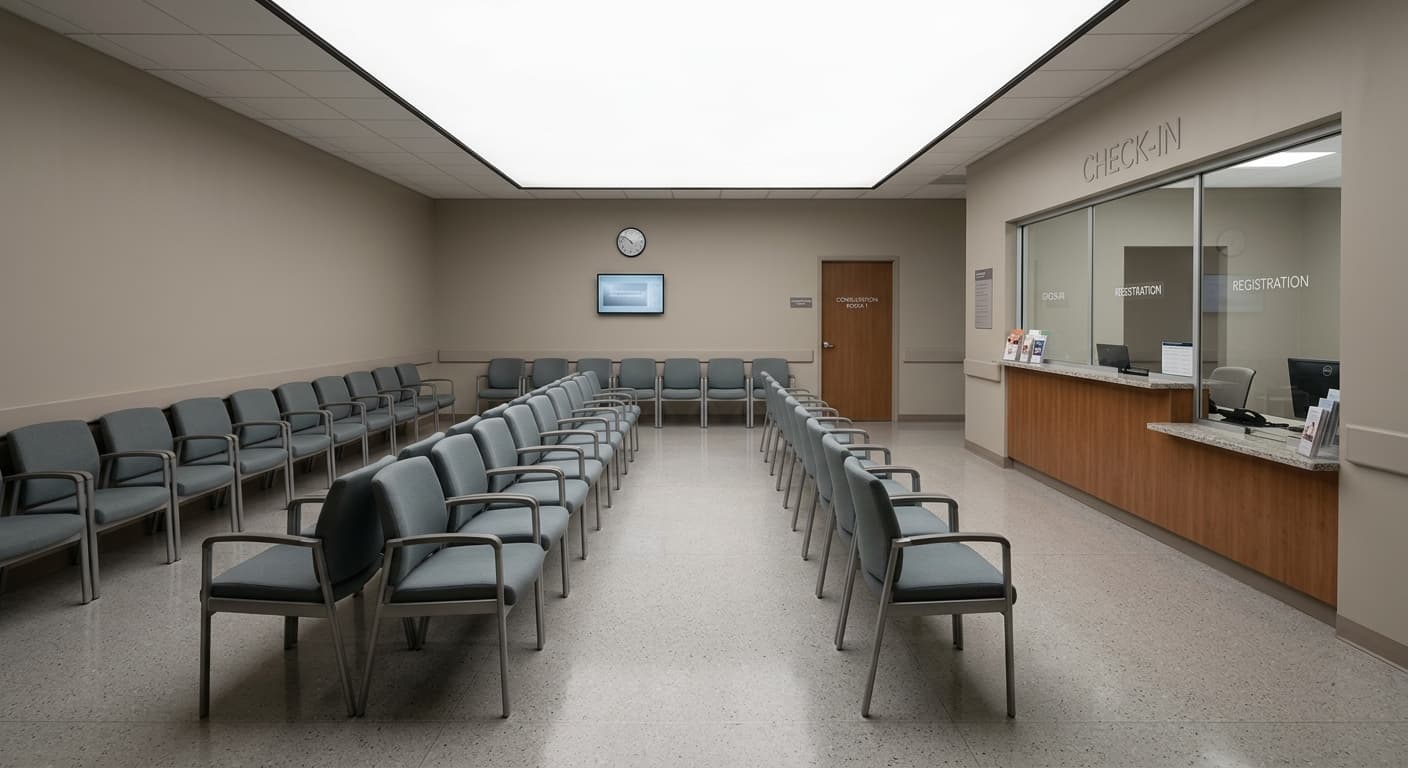
Delaware treats medical appointment recordings as private conversations requiring all-party consent under 11 Del. C. Section 1335. Patients may record their own visits after informing and getting consent from every provider present. HIPAA does not bar patients from recording but governs how providers handle any recordings they initiate.
Recording a medical appointment can help patients remember treatment plans, medication instructions, and diagnostic details. In Delaware, the right to record medical visits intersects with the state's conflicting recording laws, federal HIPAA privacy rules, and professional ethics standards. Understanding how these overlapping rules work is essential for both patients and healthcare providers.
Delaware's privacy statute (11 Del. C. Section 1335) requires the consent of all parties before recording any private conversation, including conversations between a patient and their doctor. The wiretapping statute (11 Del. C. Section 2402) allows one-party consent, but because Delaware state courts have not resolved this conflict, the all-party consent standard is the recommended approach for medical recordings.
Can Patients Record Medical Appointments in Delaware?
The All-Party Consent Requirement
A medical appointment is a private conversation between a patient and a healthcare provider. Under Delaware's all-party consent standard, recording this conversation requires the agreement of every person present. This includes the primary physician, any nurses, medical assistants, specialists, or other staff participating in the visit.
Before recording a medical appointment in Delaware:
- Tell your healthcare provider that you would like to record the visit
- Ask for their explicit consent to be recorded
- If additional staff are present, get their consent as well
- Begin recording only after everyone has agreed
Why Patients Want to Record Medical Visits
Research published by the National Institutes of Health has shown that patients forget 40 to 80 percent of the medical information provided during office visits. Recording medical appointments allows patients to:
- Review complex treatment plans and medication instructions at home
- Share accurate information with family members and caregivers
- Keep a record of informed consent discussions
- Track changes in diagnoses or treatment approaches over time
- Reduce misunderstandings about follow-up care
What If a Provider Refuses to Be Recorded?
A Delaware healthcare provider has the right to decline being recorded. If your doctor or another provider objects to recording, you should respect their decision. Recording without their consent would violate the all-party consent requirement under 11 Del. C. Section 1335.
If recording is important to you, consider:
- Asking the provider to explain their reasons for the refusal
- Requesting written summaries of the visit instead
- Asking a family member to attend the appointment and take detailed notes
- Seeking a different provider who is comfortable being recorded
HIPAA and Medical Recording in Delaware

What HIPAA Does and Does Not Prohibit
The Health Insurance Portability and Accountability Act (HIPAA) is a federal law that governs how covered entities (healthcare providers, health plans, and healthcare clearinghouses) handle protected health information (PHI). The HIPAA Privacy Rule is found at 45 CFR Part 164.
Key points about HIPAA and patient recordings:
- HIPAA does not prohibit patients from recording their own medical visits. The Privacy Rule restricts how covered entities use and disclose PHI, not how patients handle their own health information.
- Healthcare providers cannot cite HIPAA as a reason to prevent patients from recording. HIPAA does not give providers the authority to ban patient recordings.
- If a provider records a patient interaction, that recording becomes PHI and must be handled according to HIPAA requirements, including storage, access controls, and breach notification rules.
Provider Recording of Patients
When a Delaware healthcare provider records a patient interaction (for training, quality assurance, or medical documentation), the recording becomes part of the patient's health record and is subject to HIPAA protections. The provider must:
- Obtain the patient's written authorization before recording under 45 CFR Section 164.508
- Store the recording securely in compliance with the HIPAA Security Rule
- Provide the patient access to the recording if requested under the Right of Access provision
- Include recording practices in the facility's Notice of Privacy Practices
Facility Recording Policies
Many Delaware healthcare facilities have internal policies about recording in clinical areas. These policies may:
- Prohibit all recording by patients, visitors, and staff without prior approval
- Require written consent forms before any recording takes place
- Restrict recording devices in operating rooms, emergency departments, and psychiatric units
- Allow recording of non-clinical discussions (such as scheduling or billing conversations)
A facility policy does not override state law, but violating a facility policy could result in being asked to leave, being discharged as a patient, or facing restrictions on future visits.
Telehealth Recording in Delaware

Consent Requirements for Telehealth
Telehealth visits are private communications that fall under Delaware's all-party consent requirement. Whether the visit occurs by video call, phone call, or messaging platform, both the provider and the patient must consent before any recording begins.
Delaware's telehealth framework allows providers to deliver care through audio and video technologies under Title 24 of the Delaware Code. House Bill 348 (2020) temporarily suspended certain in-person requirements as a COVID-19 emergency measure, but that provision expired July 1, 2021, and is not the state's current telehealth authority. The recording consent requirements apply equally to in-person and telehealth encounters.
Platform Recording Features
Many telehealth platforms include built-in recording features. Before using these features:
- Confirm that the recording complies with Delaware's all-party consent standard
- Verify that the platform's recording feature stores data in a HIPAA-compliant manner
- Obtain explicit consent from all participants before activating the recording
- Review the platform's terms of service regarding recording ownership and retention
Patient-Initiated Telehealth Recording
If you want to record a telehealth visit using your own device (such as screen recording software on your computer or phone), you must inform the provider and get their consent before recording. Screen recording a telehealth visit without the provider's knowledge violates the all-party consent standard.
Recording in Hospitals and Clinical Settings
Emergency Rooms and Urgent Care
Recording in emergency rooms and urgent care facilities raises additional privacy concerns. These settings often involve multiple patients in close proximity, and recording may inadvertently capture other patients' conversations, medical information, or images.
Delaware healthcare facilities may restrict recording in shared clinical spaces to protect the privacy of all patients. Even if you have consent from your own provider, recording in an area where other patients' protected health information could be captured may violate HIPAA rules applicable to the facility.
Operating Rooms and Surgical Procedures
Recording in operating rooms is generally prohibited by facility policy in Delaware hospitals. The reasons include:
- Sterile environment requirements that may be compromised by recording devices
- Patient vulnerability during procedures
- Risk of capturing proprietary surgical techniques
- Liability concerns for the facility and surgical team
If you want a record of your surgical procedure, ask the surgical team whether they routinely record procedures for medical documentation purposes and whether you can obtain a copy.
Mental Health and Behavioral Health Settings
Mental health treatment carries heightened privacy protections under both HIPAA and Delaware law. Recording in mental health settings is particularly sensitive because:
- The therapeutic relationship depends on confidentiality and trust
- Recordings could reveal diagnoses, treatment plans, and personal disclosures
- Delaware law protects mental health records with additional confidentiality safeguards
- Group therapy sessions involve multiple patients whose consent would all be required
Mental health providers in Delaware have strong grounds to decline recording requests, and patients should respect these boundaries.
Medical Research and Clinical Trial Recordings
Research Recording Requirements
Medical research involving human subjects in Delaware must comply with federal regulations under 45 CFR Part 46 (the Common Rule) and institutional review board (IRB) requirements. When research involves recording participants:
- The informed consent process must clearly disclose that recording will take place
- Participants must have the option to decline recording without affecting their participation
- Recordings must be stored securely and de-identified when possible
- The IRB must approve the recording protocol before research begins
Clinical Trial Documentation
Pharmaceutical and medical device companies conducting clinical trials in Delaware may record patient interactions for regulatory compliance and data integrity. These recordings are subject to both HIPAA and FDA regulations, and patients must provide specific written consent.
Penalties for Illegal Medical Recording in Delaware
Criminal Penalties
Recording a private medical conversation without all-party consent exposes the recorder to criminal liability under Delaware law:
| Statute | Offense | Classification | Max Prison | Max Fine |
|---|---|---|---|---|
| 11 Del. C. Section 1335 | Recording without all-party consent | Class A Misdemeanor | 1 year | $2,300 |
| 11 Del. C. Section 2402 | Unlawful interception of communications | Class E Felony | 5 years | $10,000 |
Civil Liability
Under 11 Del. C. Section 2409, any person whose communications are illegally recorded can sue for:
- Actual damages with a minimum of $100 per day of violation or $1,000, whichever is greater
- Punitive damages for willful or egregious conduct
- Reasonable attorney fees and litigation costs
HIPAA Penalties for Providers
Healthcare providers who violate HIPAA by improperly recording or disclosing patient recordings face penalties from the U.S. Department of Health and Human Services Office for Civil Rights:
- Tier 1 (did not know): $145 to $73,011 per violation
- Tier 2 (reasonable cause): $1,461 to $73,011 per violation
- Tier 3 (willful neglect, corrected within 30 days): $14,602 to $73,011 per violation
- Tier 4 (willful neglect, not corrected): $73,011 to $2,190,294 per violation
- Annual maximum: $2,190,294 per violation category (figures inflation-adjusted effective January 28, 2026)
Best Practices for Patients and Providers
For Patients
- Always ask before recording and get verbal consent on the recording itself
- Use a reliable recording device with clear audio capture
- Store medical recordings securely and do not share them publicly
- Bring a family member or caregiver to appointments to take notes as an alternative to recording
- Check your provider's facility policy on recording before your visit
For Healthcare Providers
- Develop a clear recording policy and include it in intake paperwork
- Train staff on how to respond to patient recording requests
- Understand that HIPAA does not give you the right to prevent patients from recording
- If you consent to being recorded, document the consent in the patient's chart
- Ensure that any provider-initiated recordings comply with both HIPAA and Delaware consent law
Explore More Delaware Recording Laws
Audio Recording | Video Recording | Voyeurism Laws | Workplace Recording | Recording Police | Phone Call Recording | Security Cameras | Recording in Public | Landlord-Tenant Recording | Dashcam Laws | School Recording | Medical Recording
Back to Delaware Recording Laws
More Delaware Recording Topics
More Delaware Laws
Frequently Asked Questions
Can I record my doctor appointment in Delaware?
You can record your doctor appointment in Delaware if you inform your healthcare provider and they consent to the recording. Delaware is treated as an all-party consent state, so recording without the provider's permission could violate 11 Del. C. Section 1335.
Does HIPAA prevent me from recording my medical visits?
No. HIPAA restricts how healthcare providers handle your protected health information. It does not prohibit patients from recording their own medical appointments. However, you must still comply with Delaware's all-party consent requirement by getting your provider's permission before recording.
Can a hospital ban recording in Delaware?
A Delaware hospital can establish facility policies that restrict recording in clinical areas. While a hospital policy does not override state law, violating the policy could result in being asked to leave or being discharged as a patient. Check the facility's policy before recording.
Can I record a telehealth visit in Delaware?
You can record a telehealth visit in Delaware only with the consent of all participants. Telehealth calls are private communications subject to the all-party consent standard. Inform your provider and get their agreement before activating any recording feature.
What happens if I record a medical visit without consent in Delaware?
Recording a medical visit without all-party consent could result in criminal charges. Under the privacy statute (Section 1335), it is a Class A misdemeanor with up to 1 year in jail and a $2,300 fine. Under the wiretapping statute (Section 2402), it could be a Class E felony with up to 5 years in prison and a $10,000 fine.
Updates
Updated the HIPAA civil-penalty tier table to the current inflation-adjusted figures effective January 28, 2026 (the page had the flat 2013 baseline), and corrected an expired 2020 COVID-emergency telehealth bill that was described as current law.
Independently fact-checked against the cited primary sources; governing law re-checked for recent changes
Governing law re-checked for recent changes
Spoke-propagation audit. Confirmed no wrong 19 Del. C. Section 1335 cites (correct title is 11 Del. C.). All citations use delcode.delaware.gov canonical URLs. Two-statute conflict (11 Del. C. Section 2402 one-party vs. Section 1335 all-party) verified present. No em-dash violations found.
Reviewed and approved by an editor
The Law Behind This Article
This article rests on the statutory provisions below, held in our own legal record and retrieved from the official source. Tap a section to read the operative text.
Delaware Code, Title 11 (Crimes and Criminal Procedure), Chapter 024 (WIRETAPPING, ELECTRONIC SURVEILLANCE AND INTERCEPTION OF COMMUNICATIONS)
§ 2402Interception of communications generally; divulging contents of communications, violations of chapter.In forcecited in 17 of our articles
(a) Prohibited acts. — Except as specifically provided in this chapter or elsewhere in this Code no person shall: (1) Intentionally intercept, endeavor to intercept, or procure any other person to intercept or endeavor to intercept any wire, oral or electronic communication; (2) Intentionally disclose or endeavor to disclose to any other person the contents of any wire, oral or electronic communication, knowing or having reason to know that the information was obtained through the interception of a wire, oral or electronic communication in violation of this chapter; or (3) Intentionally use or endeavor to use the contents of any wire, oral or electronic communication, knowing or having reason to know that the information was obtained through the interception of a wire, oral or electronic communication in violation of this chapter. (b) Penalties for violation of subsection (a) of this section. — Any person who violates subsection (a) of this section shall be guilty of a class E felony and be fined not more than $10,000. (c) Lawful acts.
Official text (excerpt) · last checked 2026-08-28 · Read the full text in our law library · Verify at delcode.delaware.gov
Cited in 4 court opinions in our collectionLatest citing opinion in our collection: 2023
In the courts (editorial summary, independently checked):Dayton v. Collison (2020) applied 11 Del. C. 2402(a)(1), finding neighbors intercepted a homeowner's backyard conversations with a motion-activated video camera, an intrusion upon seclusion. State v. Hunt (2023) said in the alternative that police access to a consenting owner's phone, if an interception, was lawful under 2402(c)(3).
Opinions citing this section in our collection:
- Dayton v. Collison (Superior Court of Delaware 2020)✓Neighbors aimed a motion-activated audio and video camera at a man's backyard and recorded his conversations there; after trial the court found they intentionally intercepted oral communications in violation of section 2402(a), and that this was an intrusion on his seclusion.
- Everett v. State (Supreme Court of Delaware 2018, 186 A.3d 1224)“…d or a location was bugged, and a host of other details.”); 11 Del. C. § 2402(c)(3) (authorizing government wiretappi…”
- State v. Hunt (Superior Court of Delaware 2023)✓Police read and answered texts on a cooperating witness's phone with his permission; rejecting a postconviction claim, the court found no interception occurred and reasoned in the alternative that any interception in the drug investigation was lawful under section 2402(c)(3).
Identified automatically from the court opinions citing this section — not a ranking of which case controls.
Also relied on in: Delaware Recording Laws (2026): Two-Statute Consent Conflict, Delaware Landlord-Tenant Recording Laws: Surveillance, Privacy Rights, and Legal Limits (2026), Federal Wiretap Act and ECPA: The Complete Guide (2026)
Code of Federal Regulations Title 45
§ 164.508Uses and disclosures for which an authorization is required.In forcecited in 9 of our articles
(a) Standard: Authorizations for uses and disclosures —(1) Authorization required: General rule. Except as otherwise permitted or required by this subchapter, a covered entity may not use or disclose protected health information without an authorization that is valid under this section. When a covered entity obtains or receives a valid authorization for its use or disclosure of protected health information, such use or disclosure must be consistent with such authorization. (2) Authorization required: Psychotherapy notes.
Official text (excerpt) · last checked 2026-07-28 · Read the full text in our law library · Verify at ecfr.gov
Cited in 199 court opinions in our collectionLatest citing opinion in our collection: 2026
Opinions citing this section in our collection:
- Glen Murphy v. Aldolfo C. Dulay (Court of Appeals for the Eleventh Circuit 2014, 768 F.3d 1360)“…ility Act (“HIPAA”), and its accompanying regulations, see 45 C.F.R. §§ 164.508, 164.512. That authorization form—requ…”
- Kenneth Wilson v. UnitedHealthcare Insurance Co (Court of Appeals for the Fourth Circuit 2022, 27 F.4th 228)“…to identify his authority to do so as required by 45 C.F.R. § 164.508(c)(vi). Either way, United argues…”
- United States v. Deleon (District Court, D. New Mexico 2018, 323 F. Supp. 3d 1273)“…re information without the patient's authorization. See 45 C.F.R. § 164.508 (a)(1) ("Except as otherwise permitted…”
Identified automatically from the court opinions citing this section — not a ranking of which case controls.
Also relied on in: Alaska Medical Recording Laws: Patient Rights, HIPAA, and One-Party Consent (2026), Arkansas Medical Recording Laws: Patient Rights, HIPAA, and One-Party Consent (2026), Florida Recording Laws (2026): All-Party Consent Rules
Search our full record of US law — 2.1 million sections, every state + federal →
Sources and References
- Delaware Code Title 11, Section 1335 - Violation of Privacy(delcode.delaware.gov).gov
- Delaware Code Title 11, Section 2402 - Interception of Communications(delcode.delaware.gov).gov
- Delaware Code Title 11, Section 2409 - Civil Liability(delcode.delaware.gov).gov
- HIPAA Privacy Rule - 45 CFR Part 164(ecfr.gov).gov
- HIPAA Authorization Requirements - 45 CFR Section 164.508(ecfr.gov).gov
- HHS Office for Civil Rights(hhs.gov).gov
- Federal Policy for the Protection of Human Subjects - 45 CFR Part 46(ecfr.gov).gov
- HHS Annual Civil Monetary Penalties Inflation Adjustment (effective Jan. 28, 2026)(federalregister.gov).gov