
Arkansas
Arkansas Dashcam Laws: Mounting, Audio, and Legal Uses (2026)
Independently fact-checked against primary sources (last audited August 15, 2026). · Reviewed by the RecordingLaw editorial team. · Law checked current as of August 7, 2026. · 5 primary sources cited on this page. How we verify our legal content
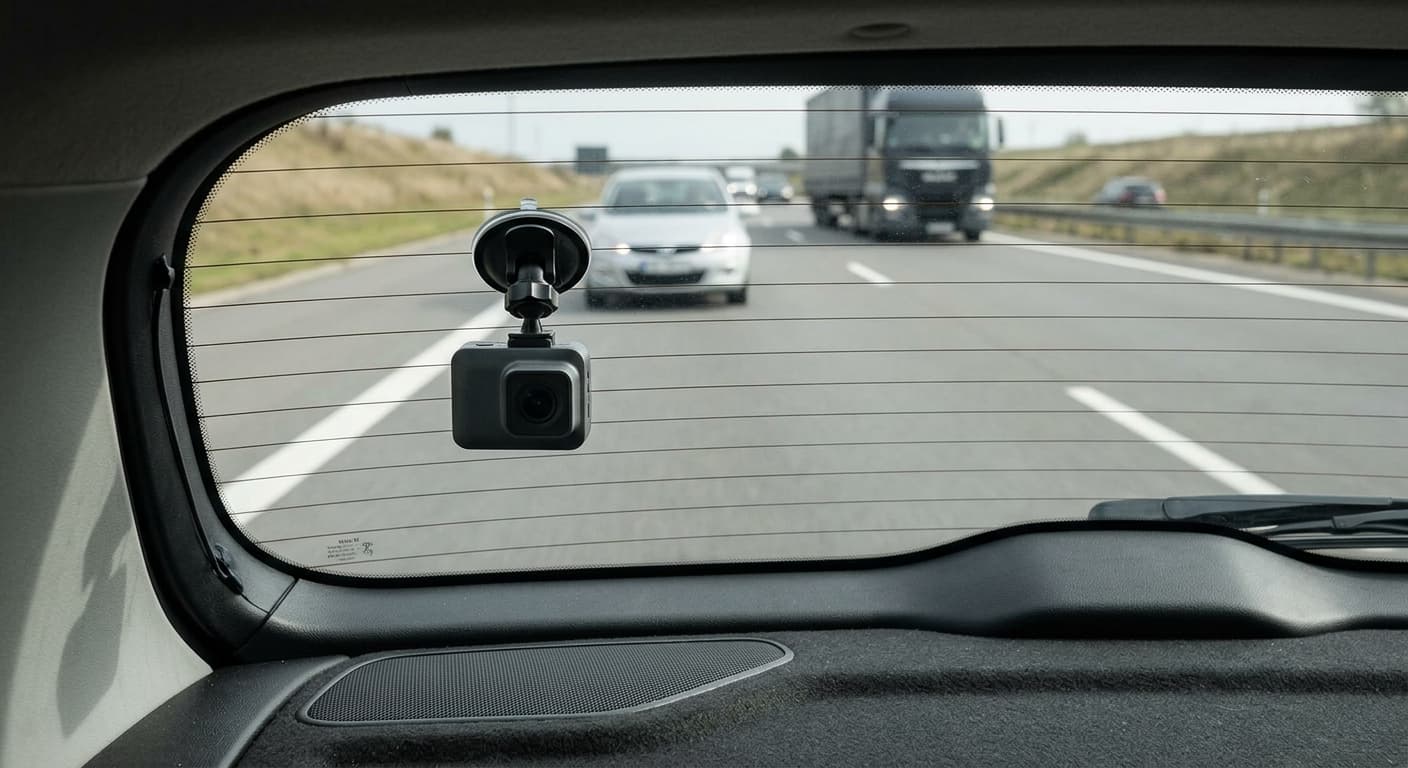
Dashcams are legal in Arkansas and subject to no state-specific restrictions. Audio recorded inside the vehicle follows one-party consent under Ark. Code Ann. 5-60-120, and your presence as the driver satisfies that requirement. Mount the camera so it does not obstruct your windshield view.
Dashcams are legal and widely used in Arkansas. The state has no specific statute that addresses dashboard cameras, which means their use is governed by general traffic safety laws, the one-party consent wiretapping statute (Ark. Code 5-60-120), and federal motor vehicle regulations. Whether you are a daily commuter, a rideshare driver, or a fleet operator, understanding the legal framework for dashcam use in Arkansas will help you make the most of this technology.
Are Dashcams Legal in Arkansas?
Yes. Arkansas does not have any law that prohibits the installation or use of dashboard cameras in motor vehicles. You can use a dashcam in your personal vehicle, commercial vehicle, fleet vehicle, or any other motor vehicle on Arkansas roads.
No Specific Dashcam Statute
Unlike some states that have enacted specific dashcam legislation, Arkansas has not addressed dashcams through dedicated legislation. This means there are no state-imposed requirements for:
- Registration or notification of dashcam use
- Specific dashcam specifications or capabilities
- Mandatory dashcam usage for any vehicle class
- Restrictions on dashcam recording hours or data storage
Mounting Your Dashcam
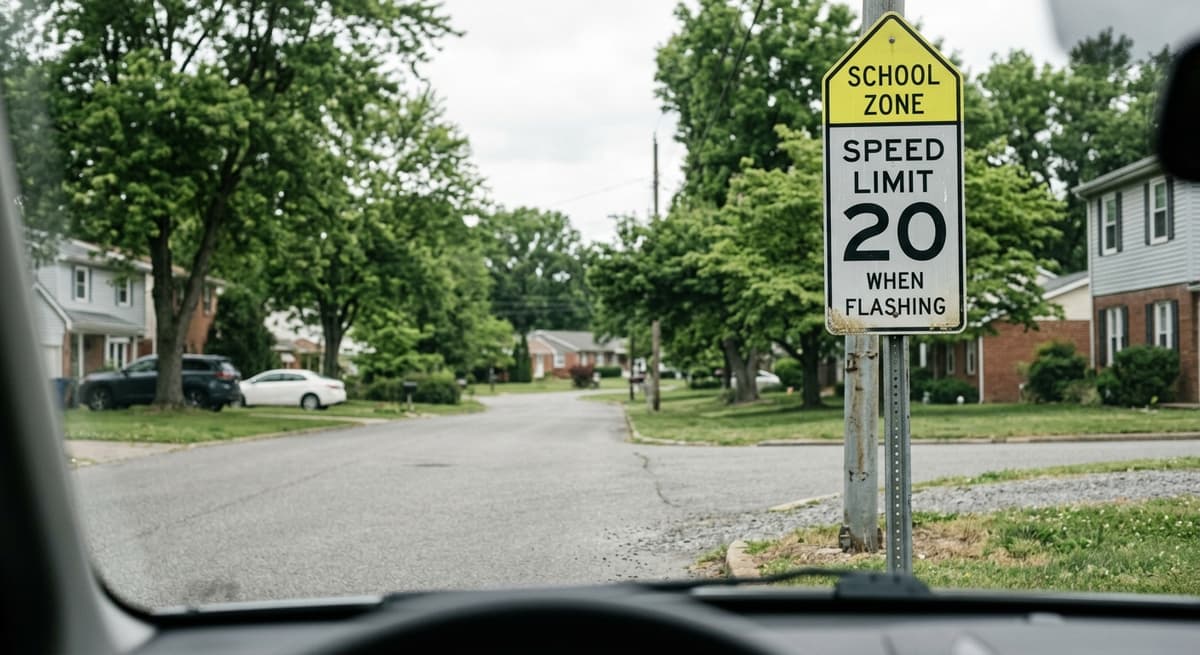
Windshield Placement
The primary legal consideration for dashcam mounting in Arkansas is ensuring that the device does not obstruct the driver's view of the road. While Arkansas does not have a specific windshield obstruction statute comparable to some other states, general safe driving principles apply.
The Arkansas State Police enforces traffic safety standards, and an officer could cite a driver for unsafe operation if a dashcam significantly obstructs the windshield view.
Best Practices for Mounting
To ensure your dashcam does not create a safety issue:
- Mount behind the rearview mirror. This position captures the road ahead while staying out of the driver's primary field of vision.
- Use a small, compact dashcam. Smaller units are less likely to obstruct your view.
- Ensure the suction cup or adhesive mount is secure. A dashcam that falls from the windshield while driving can be a distraction hazard.
- Keep wires managed. Route power cables along the windshield edge and behind trim panels to prevent dangling wires.
- Clean the windshield area. A clean mounting surface ensures better adhesion and reduces the risk of the camera falling.
Dashboard Mounting
If you prefer not to mount on the windshield, many dashcams can be mounted on the dashboard itself. Dashboard mounts avoid any windshield obstruction concerns entirely.
Audio Recording and Dashcams
One-Party Consent Inside Your Vehicle
Most modern dashcams include microphones that record audio inside the vehicle cabin. Under Arkansas one-party consent law (Ark. Code 5-60-120), your presence inside the vehicle satisfies the consent requirement. You can record audio of conversations with:
- Passengers in your vehicle
- Occupants during a carpool
- Riders in a rideshare vehicle (if you are the driver)
- Anyone speaking with you through the window (during a traffic stop, for example)
When Audio Could Be an Issue
While audio recording inside your own vehicle is generally straightforward under one-party consent, there are scenarios to consider:
- Lending your vehicle. If you lend your car to someone else and the dashcam continues recording audio, you are not present as a party to conversations in the vehicle. This could raise consent issues.
- Parked mode recording. Some dashcams continue recording when the vehicle is parked and unoccupied. Audio captured during this time may include conversations you are not part of.
If these scenarios concern you, consider disabling the audio recording function and using video-only mode.
Interstate Travel
If you drive from Arkansas into a two-party consent state with your dashcam recording audio, the other state's law may apply to audio captured within its borders. States bordering Arkansas that you should be aware of:
- Missouri: One-party consent (no conflict)
- Oklahoma: One-party consent (no conflict)
- Tennessee: One-party consent (no conflict)
- Texas: One-party consent (no conflict)
- Mississippi: One-party consent (no conflict)
- Louisiana: One-party consent (no conflict)
All states bordering Arkansas follow one-party consent, so interstate travel within the immediate region does not create a conflict for dashcam audio. If you drive further, check the recording laws of states like Illinois (which has specific exemptions for dash cameras) or other all-party consent states.
Using Dashcam Footage as Evidence
Car Accident Claims
Dashcam footage is one of the most valuable forms of evidence in car accident cases. In Arkansas, fault-based auto insurance rules mean that determining who caused an accident is critical to resolving claims. Dashcam footage can:
- Show the actual sequence of events leading up to a collision
- Capture traffic light states and signal timing
- Document weather and road conditions at the time of the accident
- Record the speed and behavior of other vehicles
- Capture license plates of hit-and-run vehicles
- Provide a time stamp for the incident
Admissibility in Arkansas Courts
Dashcam footage is regularly admitted as evidence in Arkansas courts. To be admissible, the footage must be:
- Authenticated: Typically through testimony from the vehicle owner or driver confirming the recording is genuine and unaltered
- Relevant: The footage must relate to a matter at issue in the case
- Properly preserved: The original or a verified copy should be maintained
Insurance Claims
Insurance companies routinely accept dashcam footage when processing claims. Footage can help:
- Establish fault in an accident
- Dispute a false claim against you
- Document damage immediately after an incident
- Speed up the claims process by providing clear evidence
Contact your insurance provider to ask whether they offer dashcam-related discounts. Some insurers provide reduced premiums for policyholders who use dashcams.
Traffic Violations and Tickets
Dashcam footage can be relevant when contesting a traffic citation. If your dashcam shows that you did not commit the alleged violation (for example, that you stopped before a stop sign or that the traffic light was green), the footage can support your defense in traffic court.
However, dashcam footage can also work against you. If the footage shows you were speeding or committing a violation, it could be used as evidence by the prosecution.
Rideshare Drivers and Dashcams
Legal Framework
Rideshare drivers (Uber, Lyft, etc.) operating in Arkansas can use dashcams in their vehicles. Under one-party consent, the driver's presence in the vehicle satisfies the consent requirement for audio recording.
Platform Policies
Both Uber and Lyft have policies regarding dashcams:
- Uber: Allows drivers to use dashcams and has introduced its own in-app recording features in some markets
- Lyft: Permits dashcam use by drivers
Drivers should review the current policies of their specific platform, as these policies can change.
Recording Passengers
You can record your rideshare passengers (both video and audio) under Arkansas one-party consent. Many rideshare drivers use dual-camera dashcams that record both the road ahead and the interior of the vehicle. This footage can be valuable for:
- Documenting passenger behavior
- Protecting against false complaints
- Providing evidence in accident claims
- Recording the pick-up and drop-off process
Passenger Notification
While Arkansas law does not require you to notify passengers about the dashcam, some drivers choose to place a small sign in the vehicle informing passengers that recording is in progress. This is a courtesy, not a legal requirement.
Commercial Fleet Dashcams
Fleet Management Uses
Commercial fleet operators in Arkansas use dashcams for several business purposes:
- Driver safety monitoring: Identifying risky driving behaviors
- Accident documentation: Providing evidence in liability claims
- Insurance cost reduction: Demonstrating safe driving practices to insurers
- Training: Using footage to coach drivers on safe driving techniques
- Theft prevention: Monitoring cargo and vehicle security
Federal Motor Carrier Regulations
Commercial vehicles operating under the authority of the Federal Motor Carrier Safety Administration (FMCSA) must comply with federal regulations regarding hours of service, vehicle maintenance, and driver qualifications. While FMCSA does not mandate dashcam use, dashcam footage can support compliance documentation and provide evidence in DOT investigations.
Employee Privacy Considerations
When fleet operators install dashcams in company vehicles driven by employees, privacy considerations arise:
- Interior-facing cameras: Cameras that record the driver raise privacy questions. In Arkansas, the employer typically has the right to monitor company vehicles used for business purposes, but clear policies should be established.
- Audio recording: If the company vehicle is also the employee's workspace, audio recording follows one-party consent. However, the employer should inform drivers about the recording capability.
- Off-duty recording: If employees use company vehicles for personal errands, dashcam recording during personal use raises additional privacy considerations. Clear policies about when the dashcam is active should be established.
Types of Dashcams and Features
Front-Facing Cameras
The most basic dashcam type records the road ahead. These cameras are mounted on the windshield or dashboard and provide evidence of external events.
Dual-Camera Systems
Dual-camera dashcams record both the road ahead and the vehicle interior simultaneously. These are popular with rideshare drivers, fleet operators, and individuals who want comprehensive coverage.
Rear-Facing Cameras
Some dashcams include a separate rear-facing camera that records the view behind the vehicle. This provides additional coverage for rear-end collisions and parking incidents.
Parking Mode
Many dashcams include a parking mode feature that activates when the vehicle is parked and detects motion or impact. This can capture vandalism, hit-and-run incidents in parking lots, and break-in attempts.
GPS and Speed Data
Dashcams with GPS capability record your location, speed, and route. This data can corroborate your account of an incident but can also be used against you if it shows you were speeding.
What to Do After an Accident
If you are involved in a car accident and have dashcam footage:
- Do not delete or edit the footage. Preserve the original recording.
- Save the footage immediately. Transfer it to a computer or cloud storage before the loop recording overwrites it.
- Note the dashcam's time and date settings. Ensure they are accurate, as timestamp discrepancies can raise authentication questions.
- Share the footage with your insurance company when filing a claim.
- Provide the footage to your attorney if you are pursuing or defending a legal claim.
- Do not post footage on social media before consulting with an attorney, as public posts could complicate your case.
Explore More Arkansas Recording Law Topics
Audio Recording | Video Recording | Voyeurism Laws | Workplace Recording | Recording Police | Phone Call Recording | Security Cameras | Recording in Public | Landlord-Tenant | Dashcam Laws | School Recording | Medical Recording
Back to Arkansas Recording Laws
More Arkansas Recording Topics
More Arkansas Laws
Frequently Asked Questions
Are dashcams legal in Arkansas?
Yes. Arkansas has no law prohibiting dashcams. You can use a dashboard camera in any personal or commercial vehicle on Arkansas roads. The device should be mounted so it does not obstruct the driver's view.
Does my dashcam need to record audio in Arkansas?
No. Audio recording is optional. If your dashcam does record audio, it is governed by Arkansas one-party consent law (Ark. Code 5-60-120). Your presence in the vehicle satisfies the consent requirement for conversations you participate in.
Can dashcam footage be used as evidence in Arkansas?
Yes. Dashcam footage is regularly admitted as evidence in Arkansas courts for car accident cases, insurance claims, and traffic violation disputes. The footage must be authenticated, relevant, and properly preserved.
Can I use a dashcam as a rideshare driver in Arkansas?
Yes. Rideshare drivers can use dashcams, including interior-facing cameras, under Arkansas one-party consent law. Both Uber and Lyft permit driver dashcam use. Notifying passengers is a courtesy but not a legal requirement in Arkansas.
Will a dashcam lower my car insurance in Arkansas?
Some insurance companies offer discounts for dashcam use. Contact your provider to ask about dashcam-related premium reductions. Even without a direct discount, dashcam footage can help resolve claims faster and more favorably by providing clear evidence of fault.
Updates
Independently fact-checked against the cited primary sources
Governing law re-checked for recent changes
Spoke propagation: Swapped all Justia Arkansas statute links (§ 5-60-120) to primary arkleg.state.ar.us sources. No substantive law changes needed; dashcam legality and one-party consent audio rules unchanged.
Reviewed and approved by an editor
The Law Behind This Article
This article rests on the statutory provisions below, held in our own legal record and retrieved from the official source. Tap a section to read the operative text.
Arkansas Code of 1987 Annotated
§ 5-60-120Interception and recording.In forcecited in 17 of our articles
(a) It is unlawful for a person to intercept a wire, landline, oral, telephonic communication, or wireless communication, and to record or possess a recording of the communication unless the person is a party to the communication or one (1) of the parties to the communication has given prior…
Official text (excerpt) · last checked 2026-08-31 · Read the full text in our law library · Verify at arkleg.state.ar.us
Cited in 10 court opinions in our collectionLatest citing opinion in our collection: 2022
In the courts (editorial summary, independently checked):Lewis v. State (1999) applied Section 5-60-120(a) to a man who taped his ex-wife's calls without being a party or having consent, affirming revocation. Elliott v. State (1998) held that while such recording by a private citizen is unlawful, the statute does not bar the tape from evidence.
Opinions citing this section in our collection:
- Lewis v. State (Supreme Court of Arkansas 1999, 336 Ark. 469)✓A man on probation admitted attaching a recorder to the telephone box outside his ex-wife's house and taping her calls; the court found that violated Section 5-60-120(a) because he was not a party and no party consented, and affirmed the revocation.
- Opinion No. (Arkansas Attorney General Reports 1998)“…consented to the recording. This provision is set forth in A.C.A. § 5-60-120 , as follows: 5-60-120 . Interceptio…”
- King v. State (Supreme Court of Arkansas 2019, 571 S.W.3d 476)✓A friend's phone app secretly recorded a murder suspect's call with a detective; the court held that although Section 5-60-120 makes such a recording by a non-party unlawful, it does not bar admissibility, and affirmed the refusal to exclude the tape.
Identified automatically from the court opinions citing this section — not a ranking of which case controls.
Also relied on in: Arkansas Recording Laws (2026): One-Party Consent Rules, Arkansas Audio Recording Laws: One-Party Consent Rules and Penalties (2026), Arkansas Laws on Recording Police: Your Rights and Limits (2026)
United States Code Title 18
§ 2511Interception and disclosure of wire, oral, or electronic communications prohibitedIn forcecited in 422 of our articles
Except as otherwise specifically provided in this chapter any person who— intentionally intercepts, endeavors to intercept, or procures any other person to intercept or endeavor to intercept, any wire, oral, or electronic communication; intentionally uses, endeavors to use, or procures any other person to use or endeavor to use any electronic, mechanical, or other device to intercept any oral communication when— such device is affixed to, or otherwise transmits a signal through, a wire, cable, or other like connection used in wire communication; or such device transmits communications by radio, or interferes with the transmission of such communication; or such person knows, or has reason to know, that such device or any component thereof has been sent through the mail or transported in interstate or foreign commerce; or such use or endeavor to use (A) takes place on the premises of any business or other commercial establishment the operations of which affect interstate or foreign commerce; or (B) obtains or is for the purpose of obtaining information relating to the operations of any business or other commercial establishment the operations of which affect interstate or foreign…
Official text (excerpt) · last checked 2026-08-28 · Read the full text in our law library · Verify at uscode.house.gov
Cited in 2,045 court opinions in our collectionLatest citing opinion in our collection: 2026
In the courts (editorial summary, independently checked):Griggs-Ryan v. Smith (1990) applied the Section 2511(2)(d) prior-consent exception, treating a tenant repeatedly told that all incoming calls were taped as having impliedly consented. United States v. United States District Court (1972) read the then-current Section 2511(3) as conferring no presidential surveillance power.
Opinions citing this section in our collection:
- Mitchell v. Forsyth (Supreme Court of the United States 1985, 472 U.S. 511)✓The Attorney General authorized a warrantless 1970 national security wiretap that caught the plaintiff's calls; the Court held the since-repealed Section 2511(3) disclaimer left the tap lawful under Title III, and that Mitchell had qualified immunity.
- United States v. United States District Court for the Eastern District of Michigan (Supreme Court of the United States 1972, 407 U.S. 297)✓The Attorney General approved warrantless wiretaps on members of a domestic group accused of bombing a CIA office; the Court read Section 2511(3) as a congressional disclaimer conferring no surveillance power, then held the Fourth Amendment required prior judicial approval.
- Forsyth v. Barr (Court of Appeals for the Fifth Circuit 1994, 19 F.3d 1527)✓Dallas police used, in an internal affairs probe of an officer, calls private parties allegedly intercepted illegally; assuming that was unlawful, the Fifth Circuit held Section 2517(1) and (2) allowed the disclosure and use, defeating the Section 2511(1)(c) and (d) claims.
Identified automatically from the court opinions citing this section — not a ranking of which case controls.
Also relied on in: Connecticut Recording Laws (2026): Hybrid Consent Rules Explained, Oregon Recording Laws (2026): Hybrid One-Party and All-Party Rules, US Recording Laws by State (2026): All 50 States Explained
Search our full record of US law — 2.1 million sections, every state + federal →
Sources and References
- Ark. Code 5-60-120 - Interception and Recording(law.justia.com)
- Arkansas State Police - Department of Public Safety(dps.arkansas.gov).gov
- Federal Motor Carrier Safety Administration(fmcsa.dot.gov).gov
- Arkansas General Assembly(arkleg.state.ar.us).gov
- NHTSA - National Highway Traffic Safety Administration(nhtsa.gov).gov
- 18 U.S.C. 2511 - Federal Wiretap Act(law.cornell.edu)
- Ark. Code 5-60-120 - Interception and Recording(arkleg.state.ar.us).gov