
Massachusetts
Massachusetts Video Recording Laws
Independently fact-checked against primary sources (last audited August 22, 2026). · Reviewed by the RecordingLaw editorial team. · Law checked current as of August 22, 2026. · 4 primary sources cited on this page. How we verify our legal content
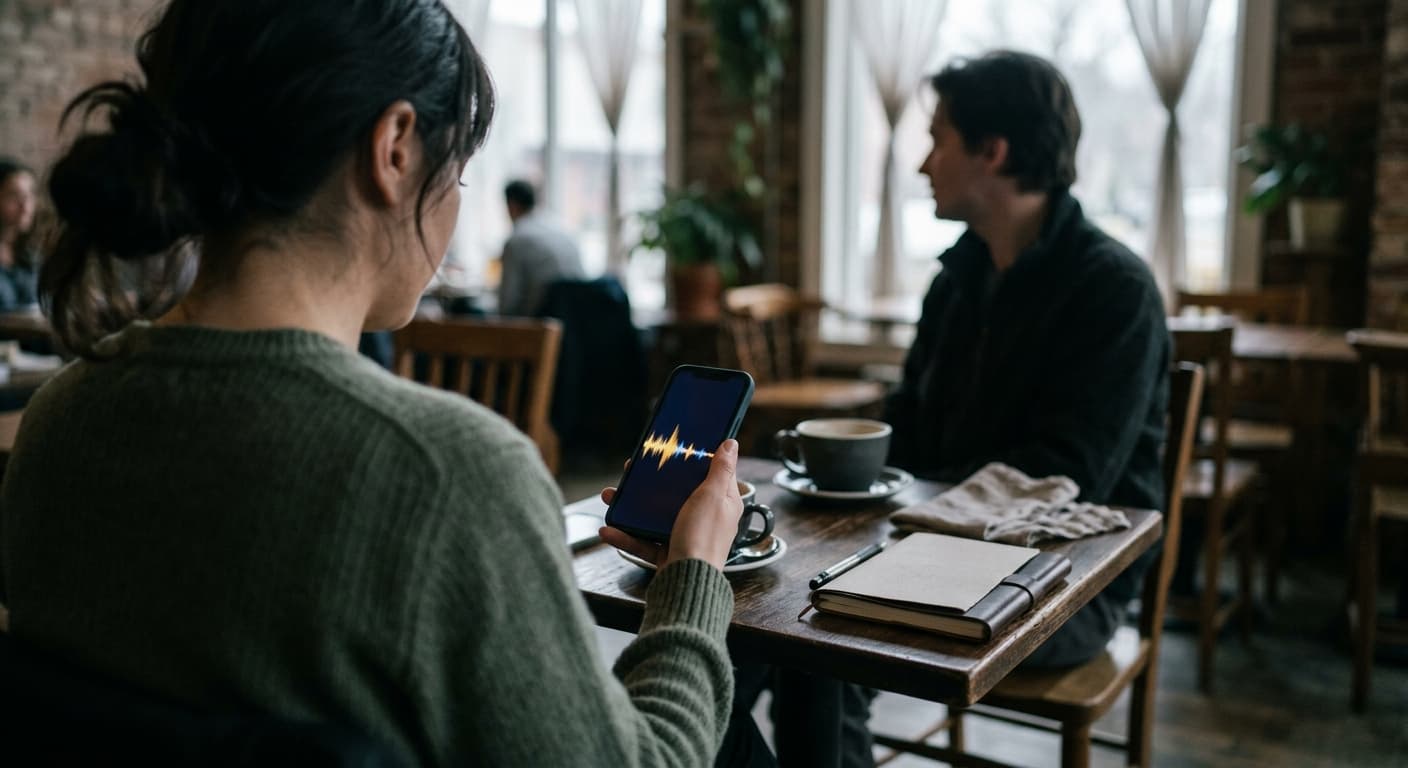
In Massachusetts, silent video recording in public spaces is generally legal. Once a recording captures audio, Mass. Gen. Laws ch. 272, Section 99 applies, making secret recording a felony. Separately, Section 105 prohibits voyeuristic video targeting intimate body parts regardless of whether audio is captured.
Massachusetts draws a critical legal line between silent video recording and video that captures audio. Under Mass. Gen. Laws ch. 272, Section 99, secretly recording any conversation on video is a felony punishable by up to 5 years in state prison and a $10,000 fine. Silent video recording in public spaces is generally permitted, but the moment audio is captured secretly, the full force of the wiretap statute applies.
This guide explains how Massachusetts law treats different types of video recording, the separate voyeurism statutes, the 2024 revenge porn law, and the severe penalties for violations.
How the Wiretap Statute Applies to Video Recording
The Audio Trigger
The Massachusetts wiretap statute under Section 99 specifically targets the interception of "wire or oral communications." Video recording itself is not directly addressed by the wiretap statute. However, when a video captures audio of a conversation, the audio component triggers the full scope of Section 99.
This means:
- Silent video recording in public spaces is generally not regulated by the wiretap statute
- Video with audio that captures conversations secretly is a felony under Section 99
- Hidden cameras with microphones violate the wiretap statute whenever they capture spoken words
- Video calls (FaceTime, Zoom, Teams) that are secretly recorded violate Section 99 because they contain audio
The Secrecy Standard Applied to Video
Massachusetts courts apply the same "secrecy" analysis to video recording with audio as they do to pure audio recording. If all parties to a conversation know that video recording with audio is occurring, the recording is generally legal. If the video recording is hidden and captures audio without the knowledge of all parties, it is a felony.
A visible camera pointed at a meeting table, with all participants aware of its presence, does not violate Section 99. A hidden camera in the same room that captures the conversation without anyone knowing violates the statute regardless of the recorder's reasons.
Silent Video Recording in Massachusetts

Public Spaces
Silent video recording in Massachusetts public spaces is generally legal. Massachusetts has no broad statute prohibiting the act of filming in public areas where people have no reasonable expectation of privacy. You can generally record silent video:
- On public sidewalks and streets
- In parks and open public areas
- At public events, rallies, and demonstrations
- In commercial areas open to the public (with the property owner's permission)
However, silent video recording can still violate other laws if it involves:
- Voyeuristic content targeting intimate body parts (Section 105)
- Trespassing on private property to film
- Harassment or stalking through persistent, unwanted filming
- Recording in areas where people have a reasonable expectation of privacy (restrooms, changing rooms, private offices)
Private Property
On private property, the property owner or occupant controls whether video recording is permitted. A homeowner, business owner, or tenant can prohibit video recording on their premises. Recording on private property after being told to stop could result in trespassing charges.
Businesses that install security cameras on their own property must still comply with the wiretap statute if those cameras capture audio. Silent security cameras are generally permissible, but cameras with microphones that secretly record employee or customer conversations violate Section 99.
Video Voyeurism: Section 105

What the Law Prohibits
Massachusetts has a separate statute specifically targeting invasive visual recording. Mass. Gen. Laws ch. 272, Section 105 prohibits:
- Photographing, videotaping, or electronically surveilling a person's sexual or other intimate parts without consent
- "Upskirting" or recording under or around clothing without consent
- Recording in private areas such as restrooms, changing rooms, locker rooms, or dressing rooms where a person has a reasonable expectation of privacy
- Disseminating images or video obtained through voyeuristic recording
Penalties for Video Voyeurism
| Offense | Maximum Prison Term | Maximum Fine |
|---|---|---|
| Voyeuristic recording of an adult (no dissemination) | 2.5 years (house of correction) | $5,000 |
| Dissemination of voyeuristic material (adult victim) | 2.5 years (house of correction) or 5 years (state prison) | $10,000 |
| Voyeuristic recording of a minor (under 18) | 2.5 years (house of correction) or 5 years (state prison) | $10,000 |
| Dissemination of voyeuristic material involving a minor | Up to 10 years (state prison) | $10,000 |
The legislature strengthened Section 105 in 2014 after the Supreme Judicial Court ruled in Commonwealth v. Robertson that the existing peeping tom statute did not cover "upskirting" in public places. The legislature acted within days to close this gap, enacting Chapter 43 of the Acts of 2014.
How Section 105 Differs From Section 99
Section 99 (the wiretap statute) and Section 105 (the voyeurism statute) address different conduct:
- Section 99 targets secret audio recording of communications. It applies whenever audio is captured without the knowledge of all parties.
- Section 105 targets invasive visual recording of intimate body parts. It applies regardless of whether audio is captured.
A single recording can violate both statutes simultaneously. For example, a hidden camera in a changing room that captures both video and audio violates Section 105 (voyeuristic recording) and Section 99 (secret audio interception).
Revenge Porn and Non-Consensual Intimate Images

The 2024 Law: St. 2024, Ch. 118
In September 2024, Massachusetts enacted St. 2024, ch. 118, a comprehensive law addressing non-consensual sharing of intimate images. Governor Maura Healey signed the legislation, which:
- Criminalizes distributing explicit images or video without the subject's consent
- Covers AI-generated deepfakes that depict a person in intimate situations without their consent
- Imposes fines of up to $10,000 for a first offense (rising to $15,000 for a second or subsequent offense) and up to 2.5 years in a house of correction
- Creates a juvenile diversion program for minors involved in sharing explicit images
- Extends the statute of limitations for certain domestic violence offenses from 6 to 15 years
- Provides civil remedies for victims, including the ability to seek injunctive relief and damages
This law closed a significant gap in Massachusetts law. Before its passage, Massachusetts was one of the few states without a specific revenge porn statute.
Who Is Protected
The law protects any person whose intimate images are shared without their consent, including:
- Former romantic partners whose ex-partners distribute private images
- Victims of hacking or data breaches that expose intimate content
- Individuals targeted by AI-generated deepfake pornography
- Minors, who receive additional protections and diversion options
Recording Video Calls
Zoom, Teams, and Other Platforms
Video calls conducted through platforms like Zoom, Microsoft Teams, Google Meet, FaceTime, and similar services contain both video and audio. Secretly recording these calls violates Section 99 because the audio component is captured without the knowledge of all participants.
To legally record a video call in Massachusetts:
- Announce at the beginning of the call that you intend to record
- Ensure all participants acknowledge the recording
- Use the platform's built-in recording feature, which typically notifies all participants
- Do not use external screen recording software to secretly capture the call
Many video conferencing platforms display a notification when recording begins. This notification can satisfy the Massachusetts disclosure requirement because it puts all parties on notice. However, relying solely on the platform notification is risky if a participant joins late or misses the alert. The safest practice is always a verbal announcement.
AI Meeting Assistants
AI tools that record and transcribe video calls (such as Otter.ai, Fireflies.ai, and similar services) must comply with the same rules. These tools often join calls as a visible "bot" participant, which may alert others to the recording. However, the bot's presence alone does not constitute adequate disclosure. You should still verbally inform all participants that the call is being recorded and transcribed.
Penalties Summary
Criminal Penalties by Offense Type
| Offense | Statute | Maximum Prison | Maximum Fine |
|---|---|---|---|
| Secret video recording with audio | Section 99 | 5 years (state prison) | $10,000 |
| Voyeuristic recording (adult victim), no dissemination | Section 105 | 2.5 years (house of correction) | $5,000 |
| Voyeuristic recording (minor victim) | Section 105 | 5 years (state prison) | $10,000 |
| Non-consensual sharing of intimate images (first offense) | St. 2024, ch. 118 | 2.5 years (house of correction) | $10,000 |
| Disclosure of illegally intercepted video with audio | Section 99 | 2 years (house of correction) | $5,000 |
Civil Liability
Victims of illegal video recording can pursue civil remedies:
- Under Section 99 Q: Liquidated damages of $100 per day or $1,000 minimum, plus attorney fees (for video with secretly recorded audio)
- Under St. 2024, ch. 118: Injunctive relief and damages for non-consensual sharing of intimate images
- Under common law invasion of privacy: Massachusetts recognizes a right of privacy under Mass. Gen. Laws ch. 214, Section 1B, which can provide additional remedies for intrusive video recording
Exceptions to Video Recording Restrictions
When Secret Video With Audio Is Permitted
The exceptions to the wiretap statute's audio requirements include:
- Law enforcement with a court order: Authorized surveillance for designated offenses
- Recording police in public: Protected by the First Amendment under Project Veritas v. Rollins (2020)
- Non-secret recording: When all parties know video and audio are being captured
- Security cameras with posted notice: When signage clearly indicates recording is occurring (though audio recording still requires compliance with Section 99)
When Silent Video Is Permitted
Silent video recording is generally permitted in:
- Public spaces where there is no expectation of privacy
- Private property with the owner's permission
- Commercial establishments with posted notice
- Government buildings during public proceedings
Silent video is prohibited in:
- Locations where individuals have a reasonable expectation of privacy (restrooms, changing rooms, bedrooms)
- Situations that involve voyeuristic targeting of intimate body parts
- Private property without the owner's permission
Massachusetts Recording Laws by Topic
Phone Call Recording | Audio Recording | Video Recording | Workplace Recording | Recording Police | Security Cameras | Recording in Public | Landlord-Tenant | Dashcam Laws | Schools | Medical Recording | Voyeurism & Hidden Cameras
Back to Massachusetts Recording Laws
More Massachusetts Recording Topics
More Massachusetts Laws
Frequently Asked Questions
Is it legal to video record someone in Massachusetts?
It depends on whether the video captures audio. Silent video recording in public spaces is generally legal. Video that captures audio of conversations falls under Mass. Gen. Laws ch. 272, Section 99. If the audio recording is secret, it is a felony carrying up to 5 years in prison and a $10,000 fine.
Can I record a Zoom call in Massachusetts?
Yes, but all participants must know the call is being recorded. Zoom calls contain audio, which triggers the Massachusetts wiretap statute. You must announce that you are recording before capturing any conversation. Using a screen recorder secretly to capture a video call is a felony.
What is the penalty for upskirting in Massachusetts?
Upskirting violates Mass. Gen. Laws ch. 272, Section 105. For an adult victim with no dissemination, the penalty is up to 2.5 years in a house of correction and a $5,000 fine. Disseminating the images, or a minor victim, raises the exposure to up to 5 years in state prison and a $10,000 fine.
Is revenge porn illegal in Massachusetts?
Yes. Massachusetts enacted St. 2024, ch. 118 in September 2024, making it a crime to distribute intimate images without consent. First offense penalties include up to $10,000 in fines and 2.5 years in a house of correction, rising to $15,000 for a second or subsequent offense. The law also covers AI-generated deepfake images.
Can I have a security camera with audio in Massachusetts?
You can install security cameras with audio on your own property, but everyone who may be recorded must know about it. Posting visible signage indicating audio and video recording is in progress helps satisfy the disclosure requirement. Secretly recording audio through hidden security cameras violates Section 99 and is a felony.
Updates
Corrected the 2024 intimate-images law's first-offense fine from $5,000 to $10,000, split the conflated voyeuristic-recording and dissemination penalty tiers apart, scoped the 'no misdemeanor option' claim to the core interception offense, and fixed the disclosure-offense penalty term.
Independently fact-checked against the cited primary sources; governing law re-checked for recent changes
Reviewed and approved by an editor
The Law Behind This Article
This article rests on the statutory provisions below, held in our own legal record and retrieved from the official source. Tap a section to read the operative text.
Massachusetts General Laws, Chapter 272
§ 99Interception of wire and oral communicationsIn forcecited in 19 of our articles
Section 99. Interception of wire and oral communications.— A. Preamble. The general court finds that organized crime exists within the commonwealth and that the increasing activities of organized crime constitute a grave danger to the public welfare and safety. Organized crime, as it exists in the commonwealth today, consists of a continuing conspiracy among highly organized and disciplined groups to engage in supplying illegal goods and services. In supplying these goods and services organized crime commits unlawful acts and employs brutal and violent tactics. Organized crime is infiltrating legitimate business activities and depriving honest businessmen of the right to make a living. The general court further finds that because organized crime carries on its activities through layers of insulation and behind a wall of secrecy, government has been unsuccessful in curtailing and eliminating it. Normal investigative procedures are not effective in the investigation of illegal acts committed by organized crime.
Official text (excerpt) · last checked 2026-08-31 · Read the full text in our law library · Verify at malegislature.gov
Cited in 271 court opinions in our collectionLatest citing opinion in our collection: 2026
In the courts (editorial summary, independently checked):Commonwealth v. Blood (1987) read Section 99 as generally proscribing secret recording of oral communications without all parties' consent, and suppressed under art. 14 a warrantless police recording made with one party's consent. Commonwealth v. Vitello (1975) held Section 99 substantially complies with federal Title III.
Opinions citing this section in our collection:
- Commonwealth v. Vitello (Massachusetts Supreme Judicial Court 1975, 367 Mass. 224)✓In a gaming prosecution built on wiretapped phone calls, the SJC gave chapter 272 section 99 its first full review and held the state wiretap statute substantially complies with federal Title III and that the warrants issued under it met both standards.
- Commonwealth v. Blood (Massachusetts Supreme Judicial Court 1987, 400 Mass. 61)✓Police wired an informant who recorded conversations in private homes about a planned break-in; the SJC held the recordings fell within section 99's one-party-consent exception but that article 14 nonetheless required a warrant, and reversed the convictions.
- Commonwealth v. D'Amour (Massachusetts Supreme Judicial Court 1999, 428 Mass. 725)✓The SJC upheld a section 99 wiretap of a widow suspected of arranging her husband's murder for insurance money, holding the district attorney's written designation of an assistant satisfied Vitello and that probable cause supported the organized crime connection.
Identified automatically from the court opinions citing this section — not a ranking of which case controls.
Also relied on in: Massachusetts Recording Laws (2026): Two-Party Consent Rules, Massachusetts Landlord-Tenant Recording Laws, Massachusetts Nursing Home Camera Laws: All-Party Consent Risks
§ 105Photographing, videotaping or electronically surveilling partially nude or nude person or the sexual or other intimate parts of a person around the person's clothing; exceptions; punishmentIn forcecited in 8 of our articles
Section 105. (a) As used in this section, the following words shall have the following meanings unless the context clearly requires otherwise: ''Electronically surveils'' or ''electronically surveilled'', to view, obtain or record a person's visual image by the use or aid of a camera, cellular or other wireless communication device, computer, television or other electronic device. ''Partially nude'', the exposure of the human genitals, buttocks, pubic area or female breast below a point immediately above the top of the areola. ''Sexual or other intimate parts'', human genitals, buttocks, pubic area or female breast below a point immediately above the tip of the areola, whether naked or covered by clothing or undergarments.
Official text (excerpt) · last checked 2026-08-31 · Read the full text in our law library · Verify at malegislature.gov
Cited in 11 court opinions in our collectionLatest citing opinion in our collection: 2025
In the courts (editorial summary, independently checked):Massachusetts courts have applied section 105 to secret imaging. Commonwealth v. Robertson (2014) held section 105(b) as then written did not reach upskirt photography of fully clothed people, which prompted a 2014 amendment, and Commonwealth v. Wassilie (2019) held the unit of prosecution under paragraph one is each victim.
Opinions citing this section in our collection:
- Commonwealth v. Wassilie (Massachusetts Supreme Judicial Court 2019, 482 Mass. 562)✓A man hid a phone in paper towels facing a public unisex toilet and recorded adults and children; the court held the unit of prosecution under section 105(b), first paragraph, is each victim, and that the third paragraph child upskirting language is not unconstitutionally vague.
- Commonwealth v. Robertson (Massachusetts Supreme Judicial Court 2014, 467 Mass. 371)✓A man was charged with aiming his phone camera up the skirts of clothed women on an MBTA trolley; the court held section 105(b) reaches only a person nude or partially nude at the time, so the charged upskirting fell outside it, and reversed the denial of his motion to dismiss.
- COMMONWEALTH v. MARKUS COOPER. (Massachusetts Appeals Court 2021, 100 Mass. App. Ct. 345)✓A man pointed a phone camera into a bathroom stall where a woman was urinating, then fled; the court held section 105(b), first paragraph, does not require the Commonwealth to produce the photograph, so the camera sound plus his flight supported the conviction.
Identified automatically from the court opinions citing this section — not a ranking of which case controls.
Also relied on in: Massachusetts Laws on Recording in Public, Massachusetts Smart Glasses Recording Laws 2025, Massachusetts Ring Doorbell Laws: What You Need to Know in 2026
Massachusetts General Laws, Chapter 214
§ 1BRight of privacyIn forcecited in 8 of our articles
Section 1B. A person shall have a right against unreasonable, substantial or serious interference with his privacy. The superior court shall have jurisdiction in equity to enforce such right and in connection therewith to award damages.
Official text (excerpt) · last checked 2026-08-31 · Read the full text in our law library · Verify at malegislature.gov
Cited in 199 court opinions in our collectionLatest citing opinion in our collection: 2026
In the courts (editorial summary, independently checked):Ayash v. Dana-Farber Cancer Institute (2005) held that recovery under c. 214, Section 1B requires a disclosure both unreasonable and either substantial or serious, and that publicity on a matter of public concern falls outside it. Cort v. Bristol-Myers Co. (1982) held an attempted intrusion that obtained no information is not actionable.
Opinions citing this section in our collection:
- Madsen v. Erwin (Massachusetts Supreme Judicial Court 1985, 395 Mass. 715)✓A Christian Science Monitor writer fired after her employers questioned her about her sexual orientation sued under Section 1B; the court held the privacy count as pleaded did not survive dismissal but let her replead it, since religion clauses do not immunize tortious conduct.
- Ayash v. Dana-Farber Cancer Institute (Massachusetts Supreme Judicial Court 2005, 443 Mass. 367)✓A physician won a privacy verdict after her institute leaked confidential peer review material about chemotherapy overdoses to a newspaper; the court vacated it, holding disclosures about her professional conduct in a matter of intense public interest fall outside Section 1B.
- Duarte v. Healy (Massachusetts Supreme Judicial Court 1989, 405 Mass. 43)✓Cambridge fire fighter recruits had to give monitored urine samples and Duarte was fired after testing positive for cocaine; the court assumed a Privacy Act violation but held the city manager and fire chief immune for discretionary acts, so the Section 1B claims were dismissed.
Identified automatically from the court opinions citing this section — not a ranking of which case controls.
Also relied on in: Massachusetts Security Camera Laws, Massachusetts Voyeurism and Hidden Camera Laws, Massachusetts Data Privacy Laws: Security Rules & Consumer Rights (2026)
Search our full record of US law — 2.1 million sections, every state + federal →
Sources and References
- Mass. Gen. Laws ch. 272, Section 99 - Wiretapping Statute(malegislature.gov).gov
- Mass. Gen. Laws ch. 272, Section 105 - Video Voyeurism(malegislature.gov).gov
- Governor Healey Signs Bill Banning Revenge Porn (St. 2024, ch. 118)(mass.gov).gov
- Mass. Gen. Laws ch. 214, Section 1B - Right of Privacy(malegislature.gov).gov
- Project Veritas Action Fund v. Rollins, 982 F.3d 813 (1st Cir. 2020)(law.justia.com)