
Massachusetts
Massachusetts Laws on Recording Police
Independently fact-checked against primary sources (last audited August 22, 2026). · Reviewed by the RecordingLaw editorial team. · Law checked current as of August 22, 2026. · 5 primary sources cited on this page. How we verify our legal content
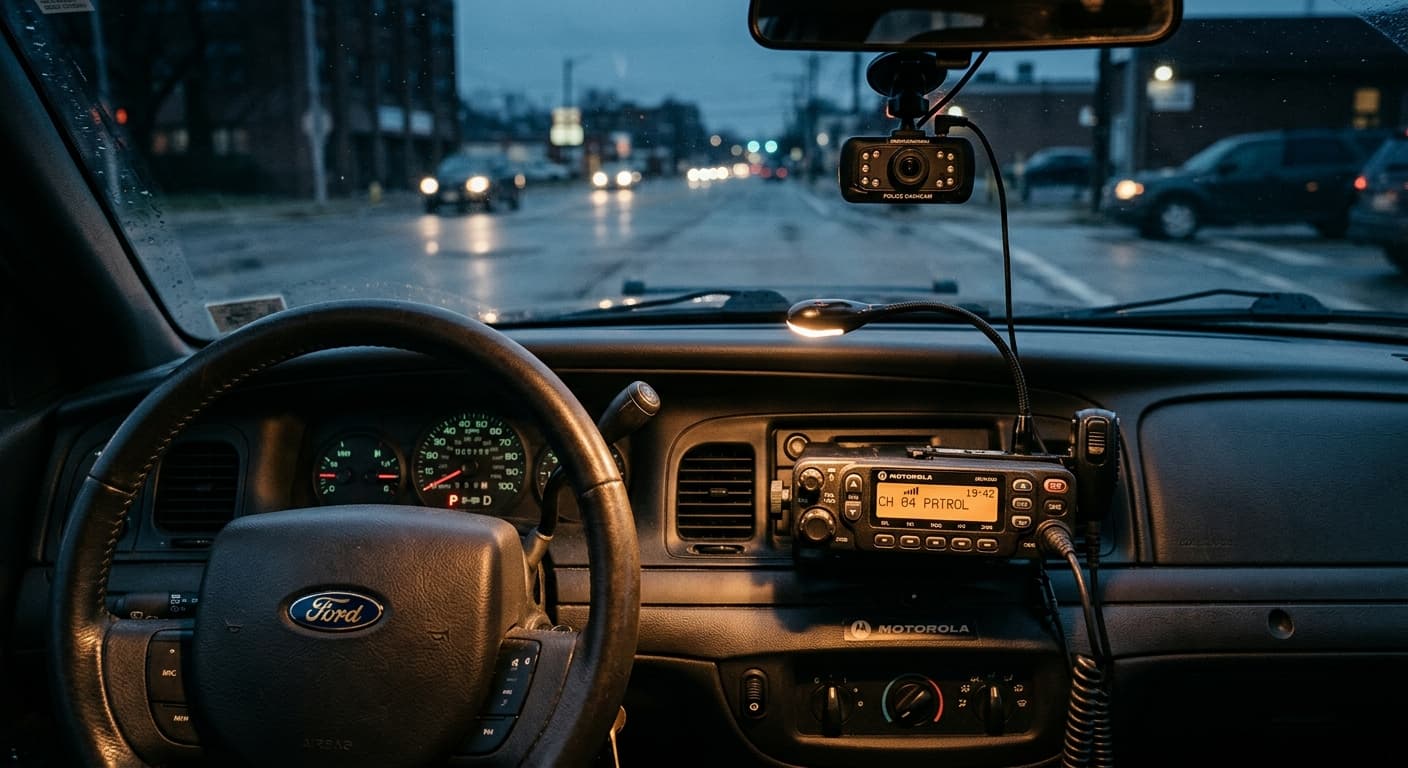
Massachusetts residents may openly or secretly record police officers performing duties in public. The First Circuit held in Project Veritas Action Fund v. Rollins (2020) that applying Mass. Gen. Laws ch. 272, Section 99 to ban such recordings violates the First Amendment. Officers cannot order you to stop recording.
Massachusetts residents have a clear constitutional right to record police officers performing their duties in public. The U.S. Court of Appeals for the First Circuit confirmed this right in Project Veritas Action Fund v. Rollins, 982 F.3d 813 (1st Cir. 2020), ruling that the Massachusetts wiretap statute is unconstitutional when applied to secret recordings of police in public. This is a significant carve-out in a state where every other wiretap violation is a felony.
This guide explains your right to record police in Massachusetts, the legal boundaries of that right, body camera rules, and how the wiretap statute applies to law enforcement surveillance.
The Right to Record Police in Massachusetts
Project Veritas v. Rollins (2020)
In December 2020, the First Circuit issued its landmark ruling in Project Veritas Action Fund v. Rollins. The case challenged the Massachusetts wiretap statute's prohibition on secret recording as it applied to recording government officials, including police officers, performing their duties in public.
The First Circuit held that:
- The First Amendment protects the right to secretly record police officers performing their duties in public spaces
- Applying Mass. Gen. Laws ch. 272, Section 99 to prohibit secret recording of police in public is unconstitutional
- The public has a strong interest in monitoring police conduct, and secret recording serves that interest
- The government failed to demonstrate a sufficiently compelling reason to ban secret recording of police
This ruling means that in Massachusetts, you can record police officers openly or secretly when they are performing official duties in a public place. You are not required to announce that you are recording.
What This Right Covers
The First Amendment right to record police in Massachusetts includes:
- Traffic stops: Recording officers during a traffic stop on a public road
- Arrests: Recording officers making arrests in public
- Protests and demonstrations: Recording police activity at public gatherings
- Street interactions: Recording officers engaging with the public on sidewalks and streets
- Public meetings: Recording police officers attending or speaking at public forums
- Accident scenes: Recording officers responding to incidents in public areas
The right applies to recording with any device, including smartphones, cameras, body-worn cameras, and wearable devices. You can use video, audio, or both.
What This Right Does Not Cover
The First Amendment right to record police has limits:
- Private settings: The ruling applies to police performing duties in public. Recording officers inside a private home during a search, for example, may involve different legal considerations.
- Interference with police duties: You cannot physically obstruct officers while recording. Recording from a reasonable distance is protected; getting in an officer's way is not.
- Restricted areas: Crime scenes, secure facilities, and areas where public access is lawfully restricted may limit your ability to record.
- Private conversations between officers: The ruling specifically addressed recording of official police conduct. Recording private, off-duty conversations between officers may still trigger Section 99.
Your Rights During a Police Encounter
What Officers Can and Cannot Do
Officers CANNOT:
- Order you to stop recording their public duties
- Seize your phone or recording device because you are recording
- Arrest you solely for recording police activity
- Delete recordings from your device
- Demand that you show them your recording or unlock your phone
- Retaliate against you for exercising your right to record
Officers CAN:
- Ask you to move to a safe location if you are in danger or obstructing their work
- Establish a reasonable perimeter around an active crime scene
- Conduct a lawful search of your device only with a warrant (under Riley v. California, 573 U.S. 373 (2014))
Practical Tips for Recording Police
If you choose to record police in Massachusetts:
- Stay at a safe distance. You have the right to record, but you must not physically interfere with police operations.
- Do not reach toward officers or make movements that could be perceived as threatening.
- Keep your hands visible when possible, especially if an officer approaches you.
- Stay calm and identify yourself if asked, but you are not required to explain why you are recording.
- Do not resist if an officer unlawfully orders you to stop recording. Comply, note the officer's badge number, and file a complaint afterward.
- Back up your recording to cloud storage as soon as possible. If your phone is seized, the cloud copy preserves the evidence.
- Know your rights. If your recording is seized or deleted, contact the ACLU of Massachusetts or a civil rights attorney.
Filing a Complaint
If a police officer violates your right to record:
- File a complaint with the officer's department internal affairs division
- Contact the Massachusetts Attorney General's Office
- File a complaint with the Massachusetts Peace Officer Standards and Training Commission (POST), which oversees officer certification and discipline
- Consider filing a federal civil rights lawsuit under 42 U.S.C. Section 1983 for violation of your First Amendment rights
Police Body Cameras in Massachusetts
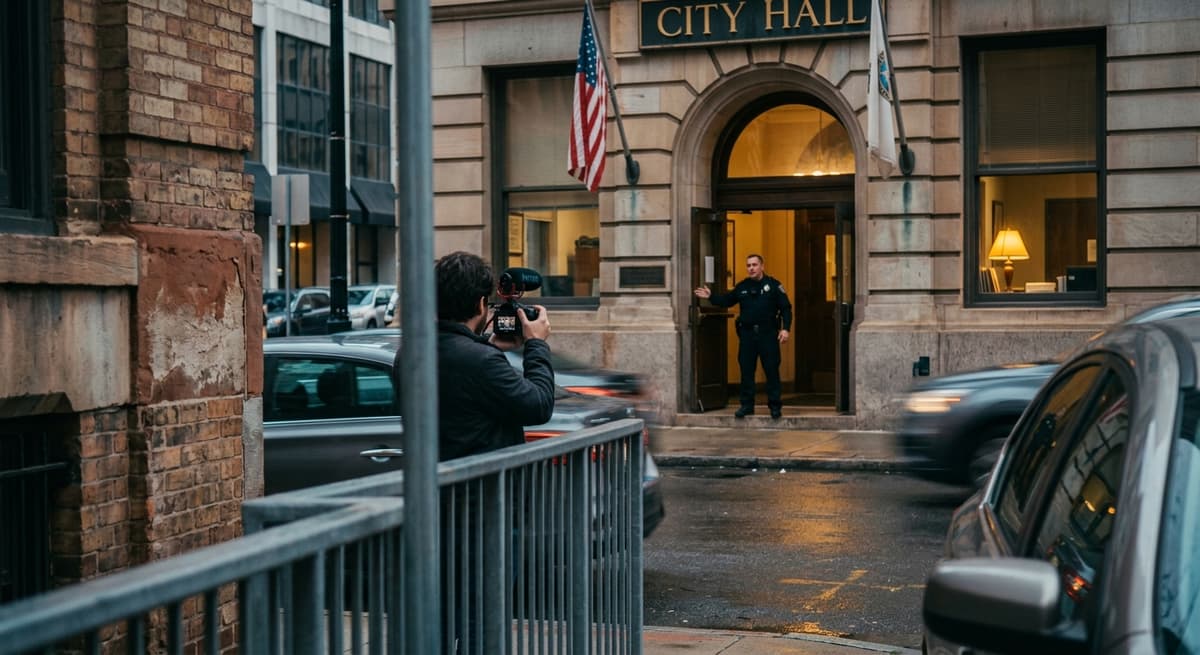
Current State of Body Camera Deployment
Massachusetts does not have a statewide mandate requiring all police officers to wear body cameras. Body camera adoption varies by department:
- The Boston Police Department has expanded its body camera program significantly since 2016, with department-wide deployment progressing through 2024 and 2025
- The Massachusetts State Police have implemented body cameras for patrol units
- Many municipal departments have adopted body cameras independently, while others have not
The 2020 Police Reform Law and Body-Worn Camera Framework
In December 2020, Massachusetts enacted a comprehensive police reform law, St. 2020, ch. 253, which:
- Created the Peace Officer Standards and Training (POST) Commission to certify and decertify officers
- Established standards for use of force
- Limited qualified immunity for officers
- Did not mandate body cameras statewide but encouraged adoption
The reform law also created Mass. Gen. Laws c. 6E, Section 18, which grants the POST Commission authority to promulgate regulations governing body-worn camera programs, including standards for activation, retention, and public access to footage. The POST Commission has used this authority to issue guidance to departments that operate body camera programs, though statewide mandatory deployment has not yet been required.
Body Camera Footage Access
When departments do use body cameras, public access to the footage is governed by Massachusetts public records law. Under Mass. Gen. Laws ch. 66, Section 10, body camera footage is generally a public record, but several exemptions may limit access:
- Footage taken inside a private residence
- Footage that is part of an ongoing investigation
- Footage that identifies witnesses, victims, or confidential informants
- Footage depicting minors
Requests for body camera footage should be directed to the department that recorded it, citing the Massachusetts Public Records Law.
Police Wiretap Surveillance
Court Order Requirements Under Section 99
When law enforcement wants to conduct wiretap surveillance, they must follow strict procedures under Section 99 of the Massachusetts wiretap statute. The requirements include:
- Obtaining authorization from a designated judge (Superior Court justice or Supreme Judicial Court justice)
- Demonstrating probable cause that the target is committing or has committed a designated offense
- Showing that normal investigative procedures have failed or are reasonably unlikely to succeed
- Specifying the particular communications to be intercepted
- Limiting the duration of the wiretap (typically 30 days, with renewal available)
Commonwealth v. Du (2024)
The Massachusetts Supreme Judicial Court reinforced the warrant requirement in Commonwealth v. Du, 495 Mass. 103 (2024). In this case, officers used a cell phone to record video and audio during an undercover drug purchase without obtaining a wiretap warrant.
The court ruled that:
- The recording violated Section 99 because it was conducted without a proper court order
- Both the video and audio components of the recording had to be suppressed
- Even law enforcement officers must comply with Section 99's warrant requirements
- The "secret" element of the recording triggered the statute regardless of the law enforcement purpose
This ruling reinforced that Massachusetts takes its wiretap statute seriously even when applied to police investigations. Officers cannot bypass the warrant requirement simply because they believe recording is necessary for the investigation.
Commonwealth v. Grimaldi (2026): open recording is not "willful" interception
In Commonwealth v. Grimaldi, SJC-13842 (June 2, 2026), the SJC addressed the opposite scenario from Du: state troopers recorded a driver at a sobriety checkpoint using bodycams openly displayed at chest level, backed by a large roadside sign announcing audio-visual recording. The SJC held this was not a willful interception under Section 99, because willfulness requires an intent to record someone secretly, without their knowledge. Read together, Du and Grimaldi confirm that the secrecy element, not the fact that law enforcement is doing the recording, drives the analysis: police must get a warrant to record secretly, but openly displayed recording equipment with visible notice does not trigger the statute at all.
Designated Offenses for Wiretap Warrants
Section 99 limits wiretap warrants to specific categories of serious crime, including:
- Murder, kidnapping, and armed robbery
- Drug trafficking offenses
- Organized crime and racketeering
- Weapons offenses
- Bribery and corruption of public officials
- Terrorism-related offenses
Police cannot obtain a wiretap warrant for minor offenses or investigations that do not involve designated crimes.
Citizen Oversight and Accountability
The POST Commission
The Peace Officer Standards and Training (POST) Commission was established by the 2020 reform law to oversee police officer certification, training, and discipline. The commission has the power to:
- Certify and decertify police officers
- Investigate complaints of misconduct
- Establish training standards
- Maintain a public database of officer disciplinary records
Citizen recordings of police encounters can serve as evidence in POST Commission proceedings and are an important tool for police accountability.
The Role of Citizen Recording in Accountability
The First Circuit's Project Veritas ruling recognized that citizen recording of police serves a vital accountability function. The court noted that the ability to record police secretly is especially important because officers might alter their behavior when they know they are being recorded. Secret recording captures unguarded conduct that may reveal misconduct.
Massachusetts residents should understand that their recordings of police can:
- Serve as evidence in internal affairs investigations
- Support federal civil rights claims under 42 U.S.C. Section 1983
- Be submitted to the POST Commission
- Help establish patterns of misconduct
- Protect both citizens and officers by providing an objective record of events
Massachusetts Recording Laws by Topic
Phone Call Recording | Audio Recording | Video Recording | Workplace Recording | Recording Police | Security Cameras | Recording in Public | Landlord-Tenant | Dashcam Laws | Schools | Medical Recording | Voyeurism & Hidden Cameras
Back to Massachusetts Recording Laws
Commonwealth v. Grimaldi (2026): bodycams at a checkpoint
The Massachusetts Supreme Judicial Court decided Commonwealth v. Grimaldi, SJC-13842 on June 2, 2026. State troopers used openly displayed, chest-mounted bodycams and a large, reflective roadside sign warning of audio-visual recording at a sobriety checkpoint. The SJC held that the troopers did not commit a willful interception under Section 99, because willfulness requires an intent to record someone without their knowledge, and reversed a lower-court order suppressing the footage. The open display of the cameras and the visible warning sign negated the secrecy element the statute requires. The decision confirms that openly announced police recording equipment, including bodycams, does not violate the wiretap statute even without individualized consent from each person recorded.
More Massachusetts Recording Topics
More Massachusetts Laws
Frequently Asked Questions
Can I record police in Massachusetts?
Yes. The First Circuit ruled in Project Veritas v. Rollins (2020) that recording police officers performing duties in public is protected by the First Amendment. You can record openly or secretly. Officers cannot order you to stop recording, seize your device, or arrest you for recording.
Do I have to tell police I am recording them?
No. The First Circuit specifically ruled that secret recording of police in public is constitutionally protected. Unlike the general Massachusetts wiretap statute which requires all parties to know about recording, this exception means you do not need to disclose that you are recording police.
Can police seize my phone if I am recording them?
No. Officers cannot seize your recording device simply because you are filming. Under Riley v. California (2014), police need a warrant to search a cell phone. If an officer unlawfully seizes your device, file a complaint with internal affairs and contact a civil rights attorney.
Do Massachusetts police wear body cameras?
There is no statewide body camera mandate. Some departments, including Boston Police and Massachusetts State Police, have deployed body cameras. Adoption varies by department. The 2020 police reform law created oversight mechanisms but did not require universal body camera use.
Can police secretly record me without a warrant in Massachusetts?
No. Under Mass. Gen. Laws ch. 272, Section 99, police must obtain a court order from a designated judge before conducting wiretap surveillance. The Supreme Judicial Court reinforced this in Commonwealth v. Du (2024), ruling that police recordings made without a warrant violate the statute and must be suppressed.
Updates
Replaced a fabricated pending case ('Grimaldi v. Schnabel') with the real, decided Commonwealth v. Grimaldi (SJC-13842, decided June 2, 2026), and added its holding on openly displayed bodycam recording to the body discussion alongside Commonwealth v. Du.
Independently fact-checked against the cited primary sources; governing law re-checked for recent changes
Governing law re-checked for recent changes
Reviewed and approved by an editor
The Law Behind This Article
This article rests on the statutory provisions below, held in our own legal record and retrieved from the official source. Tap a section to read the operative text.
Massachusetts General Laws, Chapter 272
§ 99Interception of wire and oral communicationsIn forcecited in 19 of our articles
Section 99. Interception of wire and oral communications.— A. Preamble. The general court finds that organized crime exists within the commonwealth and that the increasing activities of organized crime constitute a grave danger to the public welfare and safety. Organized crime, as it exists in the commonwealth today, consists of a continuing conspiracy among highly organized and disciplined groups to engage in supplying illegal goods and services. In supplying these goods and services organized crime commits unlawful acts and employs brutal and violent tactics. Organized crime is infiltrating legitimate business activities and depriving honest businessmen of the right to make a living. The general court further finds that because organized crime carries on its activities through layers of insulation and behind a wall of secrecy, government has been unsuccessful in curtailing and eliminating it. Normal investigative procedures are not effective in the investigation of illegal acts committed by organized crime.
Official text (excerpt) · last checked 2026-08-31 · Read the full text in our law library · Verify at malegislature.gov
Cited in 271 court opinions in our collectionLatest citing opinion in our collection: 2026
In the courts (editorial summary, independently checked):Commonwealth v. Blood (1987) read Section 99 as generally proscribing secret recording of oral communications without all parties' consent, and suppressed under art. 14 a warrantless police recording made with one party's consent. Commonwealth v. Vitello (1975) held Section 99 substantially complies with federal Title III.
Opinions citing this section in our collection:
- Commonwealth v. Vitello (Massachusetts Supreme Judicial Court 1975, 367 Mass. 224)✓In a gaming prosecution built on wiretapped phone calls, the SJC gave chapter 272 section 99 its first full review and held the state wiretap statute substantially complies with federal Title III and that the warrants issued under it met both standards.
- Commonwealth v. Blood (Massachusetts Supreme Judicial Court 1987, 400 Mass. 61)✓Police wired an informant who recorded conversations in private homes about a planned break-in; the SJC held the recordings fell within section 99's one-party-consent exception but that article 14 nonetheless required a warrant, and reversed the convictions.
- Commonwealth v. D'Amour (Massachusetts Supreme Judicial Court 1999, 428 Mass. 725)✓The SJC upheld a section 99 wiretap of a widow suspected of arranging her husband's murder for insurance money, holding the district attorney's written designation of an assistant satisfied Vitello and that probable cause supported the organized crime connection.
Identified automatically from the court opinions citing this section — not a ranking of which case controls.
Also relied on in: Massachusetts Recording Laws (2026): Two-Party Consent Rules, Massachusetts Landlord-Tenant Recording Laws, Massachusetts Nursing Home Camera Laws: All-Party Consent Risks
United States Code Title 42
§ 1983Civil action for deprivation of rightsIn forcecited in 50 of our articles
Every person who, under color of any statute, ordinance, regulation, custom, or usage, of any State or Territory or the District of Columbia, subjects, or causes to be subjected, any citizen of the United States or other person within the jurisdiction thereof to the deprivation of any rights, privileges, or immunities secured by the Constitution and laws, shall be liable to the party injured in an action at law, suit in equity, or other proper proceeding for redress, except that in any action brought against a judicial officer for an act or omission taken in such officer’s judicial capacity, injunctive relief shall not be granted unless a declaratory decree was violated or declaratory relief was unavailable. For the purposes of this section, any Act of Congress applicable exclusively to the District of Columbia shall be considered to be a statute of the District of Columbia.
Official text (excerpt) · last checked 2026-07-28 · Read the full text in our law library · Verify at uscode.house.gov
Cited in 282,365 court opinions in our collectionLatest citing opinion in our collection: 2026
Opinions citing this section in our collection:
- Ashcroft v. Iqbal (Supreme Court of the United States 2009, 556 U.S. 662)“…its brought against state officials under Rev. Stat. §1979, 42 U. S. C. §1983.” Hartman, 547 U. S., at 254, n. 2. Cf.…”
- Celotex Corp. v. Catrett, Administratrix of the Estate of Catrett (Supreme Court of the United States 1986, 477 U.S. 317)“…policeman as she left. Petitioner brought an action under 42 U. S. C. § 1983 claiming that the refusal of service a…”
- Monell v. New York City Dept. of Social Servs. (Supreme Court of the United States 1978, 436 U.S. 658)“…decided less than two decades ago. Focusing new light on 42 U. S. C. § 1983 , that decision widened access to the f…”
Identified automatically from the court opinions citing this section — not a ranking of which case controls.
Also relied on in: Alabama Laws on Recording Police: Your Rights and Limits, Alaska Laws on Recording Police: Your Rights and Limits (2026), Arkansas Laws on Recording Police: Your Rights and Limits (2026)
Search our full record of US law — 2.1 million sections, every state + federal →
Sources and References
- Mass. Gen. Laws ch. 272, Section 99 - Wiretapping Statute(malegislature.gov).gov
- Project Veritas Action Fund v. Rollins, 982 F.3d 813 (1st Cir. 2020)(law.justia.com)
- Massachusetts Law About Police Conduct and Recording the Police(mass.gov).gov
- Peace Officer Standards and Training (POST) Commission(mass.gov).gov
- St. 2020, ch. 253 - Police Reform Law(malegislature.gov).gov
- 42 U.S.C. Section 1983 - Civil Rights Statute(law.cornell.edu)
- Mass. Gen. Laws c. 6E, Section 18 - POST Commission Body-Worn Camera Authority(malegislature.gov).gov