
Massachusetts
Massachusetts Medical Recording Laws
Independently fact-checked against primary sources (last audited August 22, 2026). · Reviewed by the RecordingLaw editorial team. · Law checked current as of August 22, 2026. · 4 primary sources cited on this page. How we verify our legal content
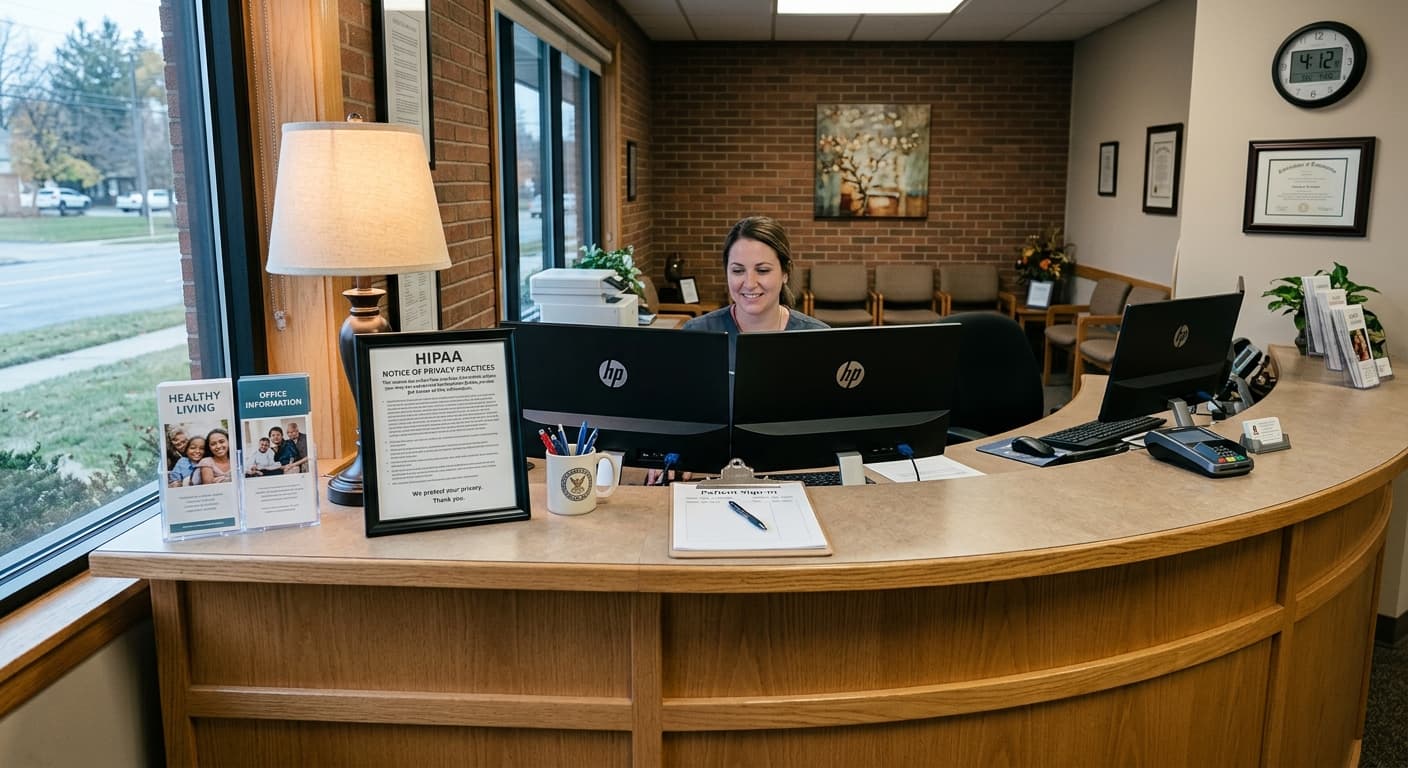
In Massachusetts, patients may record a medical appointment as long as they inform the healthcare provider before recording begins. Secret recording of any clinical conversation is a felony under Mass. Gen. Laws ch. 272, Section 99, carrying up to 5 years in prison and a $10,000 fine.
Recording medical appointments can help patients remember complex diagnoses, treatment plans, and medication instructions. In Massachusetts, patients have the right to record their medical visits, but only if they tell the healthcare provider before the recording begins. Under Mass. Gen. Laws ch. 272, Section 99, secretly recording any conversation, including a conversation with your doctor, is a felony punishable by up to 5 years in state prison and a $10,000 fine. Massachusetts provides no misdemeanor option for wiretap violations.
This guide covers patient recording rights, healthcare provider recording obligations, telehealth recording, HIPAA considerations, and the intersection of medical privacy laws with the Massachusetts wiretap statute.
Patient Recording Rights
Can You Record Your Doctor in Massachusetts?
Yes, as long as the doctor knows about the recording. Massachusetts law does not prohibit patients from recording medical appointments. It prohibits secret recording. If you inform your healthcare provider at the beginning of the appointment that you would like to record the visit, the recording is legal under Section 99.
How to Record a Medical Appointment Legally
- Tell your provider before the appointment begins. A simple statement such as "I would like to record this appointment so I can review the information later" is sufficient.
- Place the recording device in plain view on the exam table or desk.
- Do not start recording before making the disclosure. Even capturing a few seconds of conversation before announcing the recording could technically violate the statute.
- The provider does not need to agree. Under Massachusetts law, the target is secrecy, not consent. If the doctor knows you are recording, the statute is satisfied. However, the doctor could decline to continue the appointment.
Why Patients Record Medical Appointments
Research published by medical institutions shows that patients forget a significant portion of what their doctors tell them during appointments. Common reasons patients record include:
- Complex diagnoses that involve medical terminology the patient wants to review later
- Treatment plans with multiple steps or medication changes
- Sharing information with family members or caregivers who could not attend the appointment
- Second opinion preparation where the patient wants an accurate record of the first doctor's assessment
- Accountability for documenting what was said during the appointment
What If the Doctor Refuses to Be Recorded?
A healthcare provider in Massachusetts can decline to continue an appointment if the patient insists on recording. The provider's objection to recording does not make the recording illegal (since the provider is aware of it), but the provider may:
- Ask the patient to stop recording as a condition of continuing the appointment
- Reschedule the appointment to allow time to review their practice's recording policy
- Offer to provide written summaries or after-visit notes as an alternative
Patients who encounter resistance should ask the practice for its written recording policy and consider whether an alternative documentation method (such as bringing a family member to take notes) would be acceptable.
Healthcare Provider Recording Obligations

When Providers Record Patients
Healthcare providers and medical facilities that record patient interactions must comply with both the Massachusetts wiretap statute and HIPAA privacy rules:
- Disclosure is required. The provider must inform the patient that recording is occurring before any clinical conversation begins.
- Written consent is best practice. While Section 99 requires only awareness (not written consent), HIPAA best practices encourage documented consent for recording.
- Recordings containing patient health information are protected health information (PHI) under HIPAA and must be stored, accessed, and disclosed according to HIPAA rules.
Medical Facility Security Cameras
Hospitals, clinics, and medical offices commonly use security cameras. The rules depend on location and audio capability:
Generally permitted (with signage):
- Waiting rooms and lobbies
- Hallways and corridors
- Parking areas
- Building entrances and exits
Restricted or prohibited:
- Examination rooms (cameras here raise significant privacy concerns)
- Patient rooms in hospitals (cameras require patient consent and clear justification)
- Restrooms and changing areas (cameras are always prohibited)
- Areas where patients undress or receive treatment
Audio recording in medical facilities triggers Section 99. Security cameras with microphones in areas where patients and providers have conversations must comply with the wiretap statute's disclosure requirements.
HIPAA and Recording

HIPAA Does Not Prohibit Patient Recording
A common misconception is that HIPAA prevents patients from recording their own medical appointments. This is incorrect. HIPAA regulates what healthcare providers and their business associates do with patient health information. It does not regulate what patients do with information about their own care.
Key points about HIPAA and recording:
- HIPAA applies to covered entities (healthcare providers, health plans, healthcare clearinghouses) and their business associates
- Patients are not covered entities. HIPAA does not restrict a patient's ability to record their own appointment.
- A provider cannot cite HIPAA as a legal basis for prohibiting patient recording
- If the recording captures other patients' information (such as conversations overhead in a shared waiting area), HIPAA obligations on the facility to protect those other patients' privacy may be relevant
When HIPAA Does Apply to Recordings
HIPAA applies to recordings made by or on behalf of the healthcare provider:
- Recordings maintained as part of the patient's medical record are PHI
- Recordings must be stored securely with access controls
- Recordings cannot be disclosed without patient authorization (with limited exceptions)
- Breach notification rules apply if recordings containing PHI are improperly accessed
Telehealth Recording

Recording Virtual Medical Appointments
Telehealth has become a standard part of healthcare delivery. In Massachusetts, recording telehealth appointments follows the same rules as in-person visits:
- Patients must disclose recording before the appointment begins
- Providers must disclose if they are recording the session
- Platform recording features (such as Zoom's recording button) typically notify all participants, which may satisfy the disclosure requirement
- External recording (such as screen recording software running in the background) that is not disclosed to the other party violates Section 99
AI Transcription in Telehealth
AI-powered transcription and note-taking tools are increasingly used in healthcare settings. Tools like ambient listening AI that transcribes doctor-patient conversations raise specific concerns:
- Provider-deployed AI transcription must be disclosed to the patient before the appointment
- Patient-deployed AI transcription (such as a transcription app on the patient's phone) must be disclosed to the provider
- The AI tool's notification (if any) may not be sufficient under Massachusetts law. Verbal disclosure is the safest practice.
- AI-generated summaries that capture the content of medical conversations are subject to the same legal framework as audio recordings
Interstate Telehealth
When a patient in Massachusetts has a telehealth appointment with a provider in another state:
- Massachusetts law applies to the patient's end of the call
- The provider's state law may also apply
- Both parties should disclose any recording to ensure compliance with both jurisdictions
- The stricter state's law generally controls
Mental Health and Therapy Recording
Recording Therapy Sessions
Recording therapy and mental health sessions involves additional sensitivities beyond the wiretap statute:
- Patients can record their own therapy sessions with disclosure to the therapist
- Therapists may have strong clinical objections to recording, as it may affect the therapeutic relationship and the patient's willingness to speak openly
- Therapist records are subject to enhanced confidentiality protections under Massachusetts mental health privacy laws
- Group therapy sessions present complications because recording would capture other patients' communications, requiring the knowledge of every participant
Psychiatric Facility Recording
Recordings in psychiatric facilities are subject to additional regulations:
- Mass. Gen. Laws ch. 123, Section 36 provides confidentiality protections for psychiatric records
- Security cameras in psychiatric facilities must balance safety needs with patient privacy
- Audio recording of therapeutic interactions requires compliance with both Section 99 and mental health confidentiality laws
Penalties for Illegal Medical Recording
Criminal Penalties
| Offense | Maximum Prison Term | Maximum Fine |
|---|---|---|
| Patient secretly recording a doctor | 5 years (state prison) | $10,000 |
| Provider secretly recording a patient | 5 years (state prison) | $10,000 |
| Disclosing illegally recorded medical conversation | 2.5 years (house of correction) | $5,000 |
All wiretap violations in Massachusetts are felonies. A patient who hides a phone to secretly record a medical appointment faces the same felony charge as someone who wiretaps a phone line.
Civil Liability
- Section 99 Q damages: $100 per day of violation or $1,000 minimum, plus attorney fees
- Medical malpractice claims: Illegally recorded conversations may complicate (but not necessarily preclude) malpractice claims
- HIPAA penalties: Providers who violate HIPAA recording and privacy rules face separate federal penalties including fines from $100 to $50,000 per violation
Professional Consequences for Providers
Healthcare providers who illegally record patients may also face:
- Disciplinary action from the Massachusetts Board of Registration in Medicine or other licensing boards
- Loss of medical license or professional certification
- Hospital credentialing consequences
- Medical malpractice liability
Massachusetts Recording Laws by Topic
Phone Call Recording | Audio Recording | Video Recording | Workplace Recording | Recording Police | Security Cameras | Recording in Public | Landlord-Tenant | Dashcam Laws | Schools | Medical Recording | Voyeurism & Hidden Cameras
Back to Massachusetts Recording Laws
More Massachusetts Recording Topics
More Massachusetts Laws
Frequently Asked Questions
Can I record my doctor's appointment in Massachusetts?
Yes, but you must tell your doctor before recording begins. Secretly recording a medical appointment is a felony under Mass. Gen. Laws ch. 272, Section 99, carrying up to 5 years in prison and a $10,000 fine. Inform the provider at the start of the visit, and the recording is legal.
Does HIPAA prevent me from recording my own medical appointment?
No. HIPAA regulates what healthcare providers do with patient information. It does not regulate what patients do with information about their own care. A provider cannot cite HIPAA as a legal reason to prohibit a patient from openly recording their own appointment.
Can my doctor record me without telling me?
No. Healthcare providers who secretly record patient conversations violate the Massachusetts wiretap statute. They also potentially violate HIPAA privacy rules and face disciplinary action from medical licensing boards. Providers must disclose recording before it begins.
Can I record a telehealth appointment in Massachusetts?
Yes, with disclosure. The same rules apply to telehealth as to in-person visits. Inform your provider before the telehealth session that you are recording. Platform recording features that notify all participants may satisfy the disclosure requirement, but a verbal announcement is the safest practice.
Can I record a therapy session in Massachusetts?
Legally, yes, if you tell the therapist before recording. However, therapists may have strong clinical reasons for objecting, and recording may affect the therapeutic process. Group therapy sessions would require the knowledge of every participant, making recording impractical in most group settings.
Updates
Independently fact-checked against the cited primary sources; governing law re-checked for recent changes
Reviewed and approved by an editor
The Law Behind This Article
This article rests on the statutory provisions below, held in our own legal record and retrieved from the official source. Tap a section to read the operative text.
Massachusetts General Laws, Chapter 272
§ 99Interception of wire and oral communicationsIn forcecited in 19 of our articles
Section 99. Interception of wire and oral communications.— A. Preamble. The general court finds that organized crime exists within the commonwealth and that the increasing activities of organized crime constitute a grave danger to the public welfare and safety. Organized crime, as it exists in the commonwealth today, consists of a continuing conspiracy among highly organized and disciplined groups to engage in supplying illegal goods and services. In supplying these goods and services organized crime commits unlawful acts and employs brutal and violent tactics. Organized crime is infiltrating legitimate business activities and depriving honest businessmen of the right to make a living. The general court further finds that because organized crime carries on its activities through layers of insulation and behind a wall of secrecy, government has been unsuccessful in curtailing and eliminating it. Normal investigative procedures are not effective in the investigation of illegal acts committed by organized crime.
Official text (excerpt) · last checked 2026-08-31 · Read the full text in our law library · Verify at malegislature.gov
Cited in 271 court opinions in our collectionLatest citing opinion in our collection: 2026
In the courts (editorial summary, independently checked):Commonwealth v. Blood (1987) read Section 99 as generally proscribing secret recording of oral communications without all parties' consent, and suppressed under art. 14 a warrantless police recording made with one party's consent. Commonwealth v. Vitello (1975) held Section 99 substantially complies with federal Title III.
Opinions citing this section in our collection:
- Commonwealth v. Vitello (Massachusetts Supreme Judicial Court 1975, 367 Mass. 224)✓In a gaming prosecution built on wiretapped phone calls, the SJC gave chapter 272 section 99 its first full review and held the state wiretap statute substantially complies with federal Title III and that the warrants issued under it met both standards.
- Commonwealth v. Blood (Massachusetts Supreme Judicial Court 1987, 400 Mass. 61)✓Police wired an informant who recorded conversations in private homes about a planned break-in; the SJC held the recordings fell within section 99's one-party-consent exception but that article 14 nonetheless required a warrant, and reversed the convictions.
- Commonwealth v. D'Amour (Massachusetts Supreme Judicial Court 1999, 428 Mass. 725)✓The SJC upheld a section 99 wiretap of a widow suspected of arranging her husband's murder for insurance money, holding the district attorney's written designation of an assistant satisfied Vitello and that probable cause supported the organized crime connection.
Identified automatically from the court opinions citing this section — not a ranking of which case controls.
Also relied on in: Massachusetts Recording Laws (2026): Two-Party Consent Rules, Massachusetts Landlord-Tenant Recording Laws, Massachusetts Nursing Home Camera Laws: All-Party Consent Risks
Massachusetts General Laws, Chapter 123
§ 36Patient records; inspection; maintenance and retentionIn forcecited in 2 of our articles
[ Text of section effective until November 25, 2025. For text effective November 25, 2025, see below.] Section 36. The department shall keep records of the admission, treatment and periodic review of all persons admitted to facilities under its supervision. Such records shall be private and not open to public inspection except (1) upon proper judicial order whether or not in connection with pending judicial proceedings, (2) that the commissioner shall allow the attorney of a patient or resident to inspect records of said patient or resident if requested to do so by the patient, resident or attorney, (3) that the commissioner may permit inspection or disclosure when in the best interest of the patient or resident as provided in the rules and regulations of the department and (4) as required by section one hundred and seventy-eight C to one hundred and seventy-eight O, inclusive, of chapter six. This section shall govern the patient records of the department notwithstanding any other provision of law.
Official text (excerpt) · last checked 2026-07-29 · Read the full text in our law library · Verify at malegislature.gov
Cited in 6 court opinions in our collectionLatest citing opinion in our collection: 2019
Opinions citing this section in our collection:
- Doe v. Commissioner of Mental Health (Massachusetts Supreme Judicial Court 1977, 372 Mass. 534)“…nter. At issue in this case is the construction to be given G. L. c. 123, § 36, where a parent seeking access to psy…”
- Commonwealth v. Fleurant (Massachusetts Appeals Court 1974, 2 Mass. App. Ct. 250)“…o suppress was properly denied. We perceive no violation of G. L. c. 123, § 36 (inserted by St. 1970, c. 888, § 4), as…”
- Commonwealth v. Maxwell (Massachusetts Supreme Judicial Court 2004, 441 Mass. 773)“…e.g., G. L. c. Ill, § 70 (hospital records generally), and G. L. c. 123, § 36 (certain mental health records), contai…”
Identified automatically from the court opinions citing this section — not a ranking of which case controls.
Also relied on in: Massachusetts Medical Records Retention Laws (2026 Guide)
Search our full record of US law — 2.1 million sections, every state + federal →
Sources and References
- Mass. Gen. Laws ch. 272, Section 99 - Wiretapping Statute(malegislature.gov).gov
- HIPAA Privacy Rule(hhs.gov).gov
- Massachusetts Board of Registration in Medicine(mass.gov).gov
- Mass. Gen. Laws ch. 123, Section 36 - Psychiatric Records Confidentiality(malegislature.gov).gov
- Massachusetts Department of Elementary and Secondary Education(doe.mass.edu)