
California
California Voyeurism and Hidden Camera Laws: Penalties and Protections (2026)
Independently fact-checked against primary sources (last audited August 22, 2026). · Reviewed by the RecordingLaw editorial team. · Law checked current as of August 22, 2026. · 9 primary sources cited on this page. How we verify our legal content
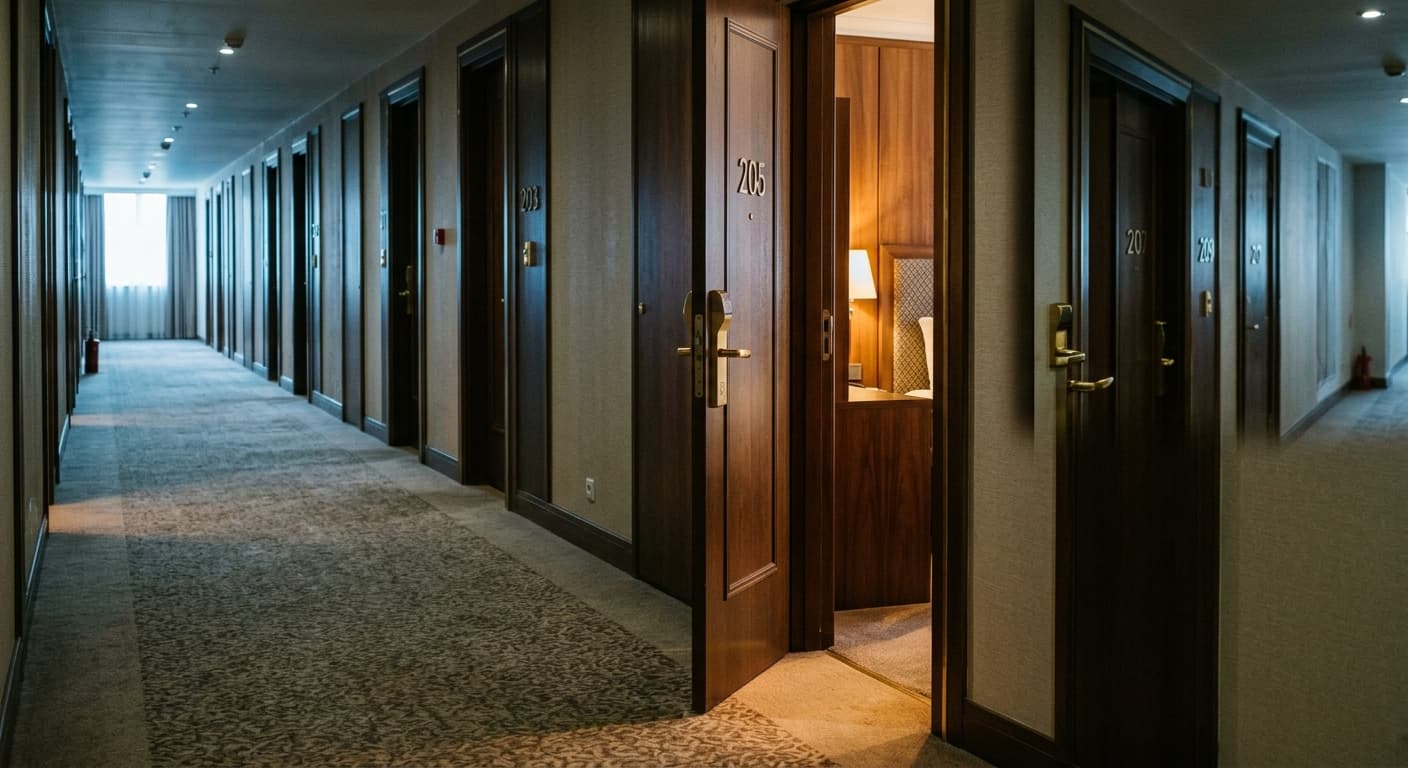
California Penal Code 647(j) makes voyeurism, hidden cameras in private spaces, upskirting, and nonconsensual distribution of intimate images criminal offenses. A first conviction is a misdemeanor carrying up to six months in jail; repeat offenses or crimes against minors carry up to one year in jail and, in some cases, felony charges.
California has some of the strongest privacy protections in the country when it comes to voyeurism, hidden cameras, and the unauthorized distribution of intimate images. The primary criminal statute is Penal Code 647(j), which falls under the state's broader disorderly conduct laws. This guide covers every subsection of the law, the penalties for each offense, civil remedies available to victims, and practical scenarios involving nanny cams, rental properties, and workplace surveillance.
For an overview of California's two-party consent rules for audio and video recording, see our California Recording Laws parent page.
Understanding California Penal Code 647(j)
Penal Code 647(j) is the cornerstone of California's voyeurism and hidden camera laws. Unlike a single blanket prohibition, this statute contains multiple distinct subsections that target different forms of privacy invasion. Each subsection addresses a specific type of conduct, from traditional peeping to high-tech surveillance to the distribution of intimate images online.
The statute was first enacted in its modern form in 1999 and has been amended several times to keep pace with technology. The addition of provisions addressing drones, smartphones, and digitally altered images reflects the legislature's effort to close loopholes that new devices and software create.
Understanding which subsection applies matters because the elements prosecutors must prove differ for each offense. A defense that works against one subsection may not apply to another.
PC 647(j)(1): Peeping Into Private Areas
The first subsection of the voyeurism statute targets the classic "peeping tom" offense. Under PC 647(j)(1), it is illegal to look through a hole or opening, or to use any device to view the interior of a private space with the intent to invade someone's privacy.
What the Law Prohibits
The statute covers viewing "by means of any instrumentality, including, but not limited to, a periscope, telescope, binoculars, camera, motion picture camera, camcorder, mobile phone, electronic device, or unmanned aircraft system." This expansive language means that any device used to peer into a private area can trigger charges.
The protected locations include bedrooms, bathrooms, changing rooms, fitting rooms, dressing rooms, tanning booths, and "the interior of any other area in which the occupant has a reasonable expectation of privacy."
Elements Prosecutors Must Prove
To secure a conviction under PC 647(j)(1), prosecutors must establish that the defendant:
- Looked through a hole, opening, or used a viewing device
- Viewed the interior of a bedroom, bathroom, changing room, or other private area
- Did so with the specific intent to invade the privacy of a person inside
The intent element is critical. Accidentally seeing into a neighbor's window while walking by is not a crime. The prosecution must show that the defendant deliberately sought to invade someone's privacy.
Connection to PC 647(i): Peeking While Loitering
A closely related offense is PC 647(i), which targets someone who, "while loitering, prowling, or wandering upon the private property of another," peeks in the door or window of an inhabited building without lawful business. This is the traditional peeping tom law.
The key difference is that PC 647(i) requires the defendant to be on the victim's private property, while PC 647(j)(1) can apply regardless of where the defendant is standing, so long as they use a device to view into a private space. A person using a drone to peer into a second-story window, for example, could be charged under 647(j)(1) even though they never set foot on the property.
PC 647(j)(2): Upskirting and Recording Through Clothing

Subdivision (j)(2) targets a specific and invasive form of hidden camera abuse commonly known as "upskirting" or "downblousing." This subsection makes it a crime to use a concealed camera to secretly record another person under or through their clothing.
Statutory Language
The law prohibits using "a concealed camcorder, motion picture camera, or photographic camera of any type, to secretly videotape, film, photograph, or record by electronic means, another identifiable person under or through the clothing being worn by that other person, for the purpose of viewing the body of, or the undergarments worn by, that other person."
Required Elements
A conviction requires proof of all of the following:
- Concealed device: The camera or recording device must have been hidden from the victim's view
- Secret recording: The victim did not know they were being recorded
- Under or through clothing: The recording captured images beneath or through what the victim was wearing
- Sexual intent: The defendant acted "with the intent to arouse, appeal to, or gratify the lust, passions, or sexual desires" of themselves
- Privacy invasion: The defendant also intended to invade the victim's privacy
- Reasonable expectation of privacy: The victim had a reasonable expectation that no one would record under their clothing
This subsection is notable because it requires proof of sexual motivation. A recording made for other purposes (such as checking for a medical device or for legitimate security reasons) would not meet this element, though other charges might still apply.
Where This Crime Occurs
Upskirting offenses commonly occur in crowded public places like shopping malls, public transit, escalators, and sporting events. The victim does not need to be in a traditionally "private" space like a bathroom. The reasonable expectation of privacy element refers to the area under their clothing, not their overall location.
PC 647(j)(3): Hidden Cameras in Private Rooms
This subsection is one of the most commonly charged voyeurism offenses. It prohibits placing hidden cameras in bedrooms, bathrooms, changing rooms, and other private spaces to secretly record people who may be undressed.
What the Law Says
Under PC 647(j)(3)(A), it is a crime to use "a concealed camcorder, motion picture camera, or photographic camera of any type, to secretly videotape, film, photograph, or record by electronic means, another identifiable person who may be in a state of full or partial undress" in any private space, with the intent to invade that person's privacy.
Key Legal Details
Two important provisions in this subsection remove common defenses:
Relationship is not a defense. PC 647(j)(3)(B)(i) states explicitly that it is not a defense that "the defendant was a cohabitant, landlord, tenant, cotenant, employer, employee, or business partner or associate of the victim, or an agent of any of these." A landlord who hides a camera in a tenant's bathroom is fully liable. A spouse who records a partner without consent in the bathroom is not excused.
Victim need not be undressed. PC 647(j)(3)(B)(ii) clarifies that it is not a defense that "the victim was not in a state of full or partial undress." The crime is complete when the camera is placed with the intent to record someone who may be undressed. Prosecutors do not need to prove the victim was actually unclothed at the time of recording.
Common Scenarios
This subsection covers situations such as:
- Hidden cameras in bathrooms, showers, or locker rooms
- Spy cameras in hotel rooms or vacation rental bedrooms
- Recording devices in dressing rooms at retail stores
- Secret cameras in tanning booths or spa treatment rooms
- Workplace cameras installed in restrooms or private changing areas
PC 647(j)(4): Distributing Intimate Images (Revenge Porn)
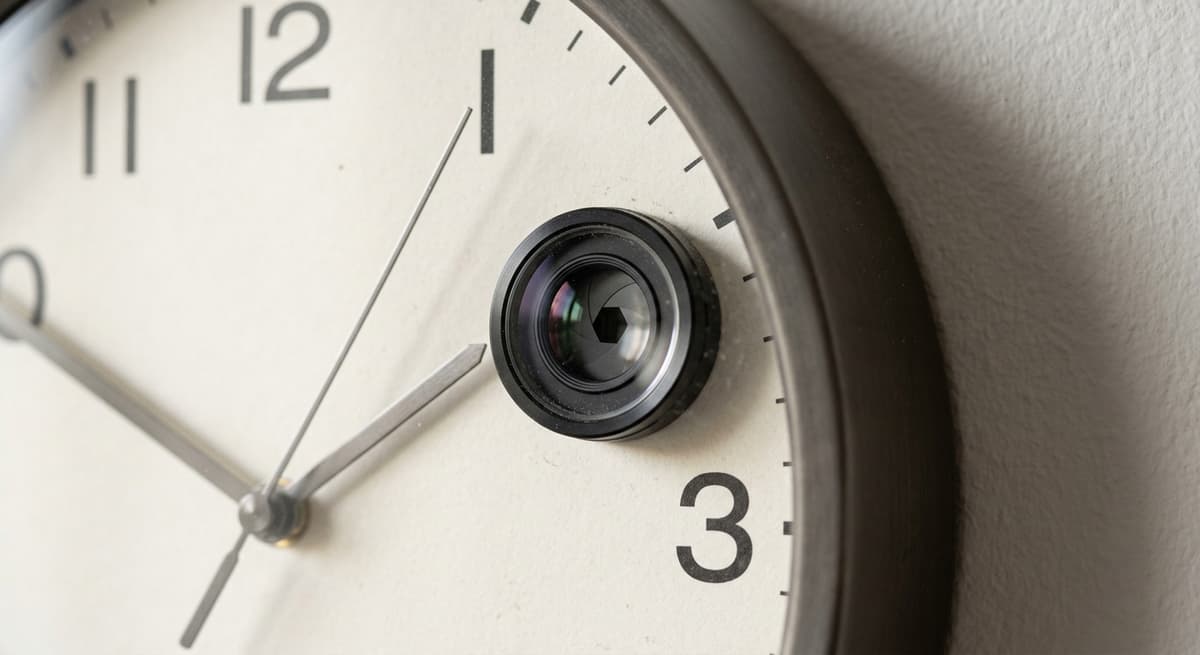
California was one of the first states to pass a dedicated law against nonconsensual distribution of intimate images, commonly known as "revenge porn." This provision was added to PC 647(j) in 2013 and has been expanded several times since then to address deepfakes and AI-generated imagery.
Elements of the Offense
Under PC 647(j)(4)(A)(i), a person commits a crime when they intentionally distribute the image of another identifiable person's intimate body parts, or images of that person engaged in sexual acts, when all of the following are true:
- The defendant knew or should have known the distribution would cause the depicted person serious emotional distress
- The depicted person actually suffered serious emotional distress
- One of these conditions existed: there was a prior agreement that the images would remain private, the images were taken without authorization, or the images were obtained through unauthorized access to the depicted person's devices or accounts
AI-Generated and Deepfake Images
The statute also addresses synthetic intimate images. Under PC 647(j)(4)(A)(ii), it is a crime to create and distribute a "photo realistic image, digital image, electronic image, computer image, computer-generated image, or other pictorial representation" of another person's intimate body parts or sexual acts, when the image is designed to appear authentic. This provision ensures that AI-generated deepfake pornography receives the same treatment as real images.
However, this deepfake provision does not apply to minors under 18. Distribution of fake intimate images depicting minors falls under the more serious child pornography statutes, which carry felony penalties.
Exceptions to the Law
PC 647(j)(4)(D) provides four narrow exceptions where distribution of intimate images is not criminal:
- Reporting unlawful activity: Sharing images with law enforcement or other authorities as part of reporting a crime
- Court orders: Distribution compelled by a lawful court order
- Lawful public proceedings: Images introduced as evidence in legal proceedings
- Public concern: Distribution in the public interest, though this exception does not apply simply because the depicted person is a public figure
Definitions
The statute defines key terms:
- "Intimate body part" means any portion of the genitals, the anus, and in the case of a female, any portion of the breasts below the top of the areola, that is either uncovered or clearly visible through clothing
- "Identifiable" means capable of identification or capable of being recognized, meaning that the victim or someone who knows them could identify the person in the image
- "Distribute" includes exhibiting in public or giving possession
Penalties for Voyeurism Offenses
The penalties for California voyeurism crimes depend on which subsection was violated, whether the victim was a minor, and whether the defendant has prior convictions.
First-Offense Penalties (Misdemeanor)
For a first violation of any paragraph of PC 647(j), the offense is a misdemeanor carrying:
- Up to 6 months in county jail
- A fine of up to $1,000
- Informal (summary) probation for up to 3 years
- Possible restraining order for the victim's protection
Enhanced Penalties for Repeat Offenders
Under PC 647(k)(1), a second or subsequent violation of subdivision (j) is punishable by:
- Up to 1 year in county jail
- A fine of up to $2,000
- Or both jail time and the fine
Enhanced Penalties When the Victim Is a Minor
Under PC 647(k)(2), if the victim was a minor at the time of the offense, even a first-time violation carries the enhanced penalty of:
- Up to 1 year in county jail
- A fine of up to $2,000
- Or both
Felony Charges for Repeat Offenders Against Minors
PC 647(k)(3) contains the most serious penalty enhancement. If the victim of a hidden camera offense under paragraph (3) of subdivision (j) was a minor, and the defendant has a prior conviction for the same offense, the crime can be charged as a felony punishable by imprisonment pursuant to subdivision (h) of Section 1170 of the Penal Code. This means a potential state prison sentence of 16 months, 2 years, or 3 years.
Penalty Summary Table
| Offense | Classification | Max Jail/Prison | Max Fine |
|---|---|---|---|
| First offense, PC 647(j) | Misdemeanor | 6 months county jail | $1,000 |
| Second offense, PC 647(j) | Misdemeanor | 1 year county jail | $2,000 |
| First offense, victim under 18 | Misdemeanor | 1 year county jail | $2,000 |
| Second offense against minor under PC 647(j)(3) | Felony (wobbler) | 16 months to 3 years state prison | $2,000+ |
Sex Offender Registration
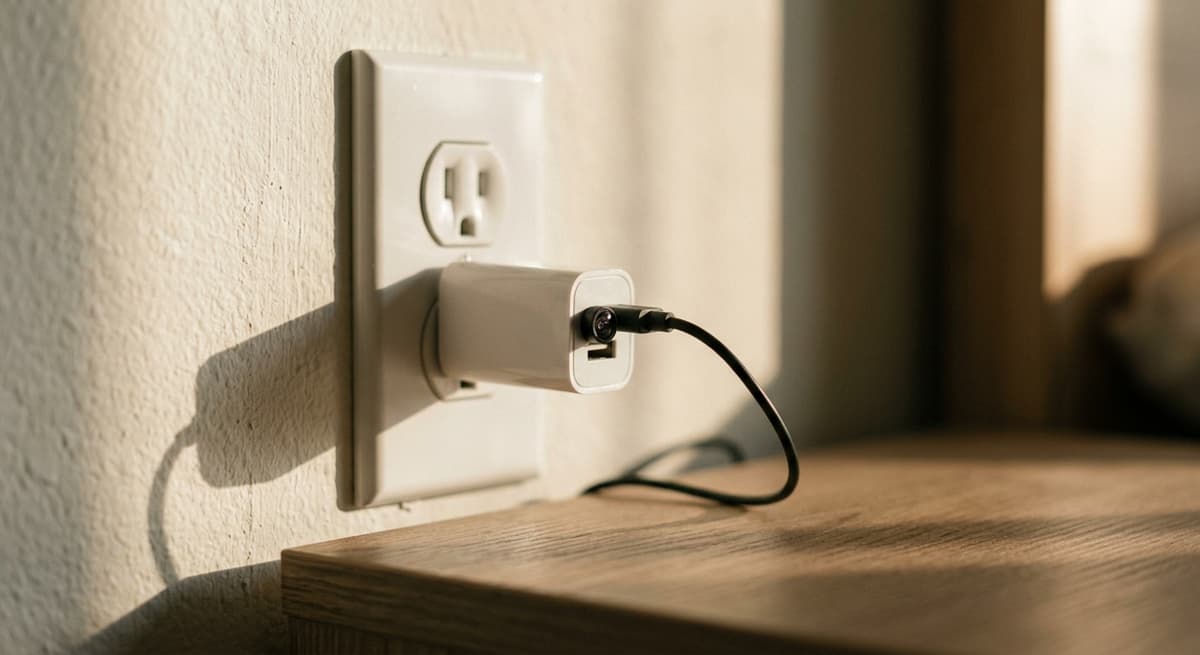
A conviction under PC 647(j) does not automatically require sex offender registration under Penal Code 290. However, the court has discretionary authority under PC 290.006 to order registration if the judge finds the offense was committed as a result of sexual compulsion or for purposes of sexual gratification.
When Courts Order Registration
Courts are more likely to order discretionary sex offender registration when:
- The defendant committed multiple separate violations motivated by sexual gratification
- The conduct showed a pattern of predatory behavior
- The defendant showed little or no remorse
- The victims were minors
- The recordings were distributed or shared with others
If ordered to register, the defendant would be placed on the Tier One sex offender registry for a minimum of 10 years. Failing to register under PC 290 is itself a separate offense that can be charged as a misdemeanor or a felony, and each additional conviction extends the registration period by one year for a misdemeanor or three years for a felony.
Civil Remedies for Victims
Beyond criminal prosecution, California law provides multiple civil causes of action for victims of voyeurism and hidden camera crimes.
Civil Code 1708.85: Nonconsensual Distribution of Intimate Images
Civil Code 1708.85 allows victims to sue anyone who intentionally distributes intimate images without consent. Victims can recover:
- General damages for shame, humiliation, and emotional distress
- Special damages for lost income, therapy costs, and other quantifiable losses
- Punitive damages in cases of malicious conduct
- Attorney's fees and costs
- Injunctive relief to compel removal of the images
Civil Code 1708.8: Invasion of Privacy (Physical and Constructive)
Civil Code 1708.8 provides a civil cause of action for physical invasion of privacy (entering another's property to capture images) and constructive invasion of privacy (using technology to capture images that could not be seen with the naked eye). Victims can recover:
- Up to three times the amount of general and special damages
- A civil fine of $5,000 to $50,000
- Punitive damages
Common Law Tort Claims
Victims may also bring claims for:
- Intrusion upon seclusion: Intentional intrusion into a private matter that would be highly offensive to a reasonable person
- Public disclosure of private facts: Publicizing private information that is not of legitimate public concern
- Intentional infliction of emotional distress: Extreme and outrageous conduct that causes severe emotional distress
Nanny Cams and Home Surveillance
California law permits homeowners to use video surveillance cameras inside their own homes, but with important limitations. Understanding these rules is essential for parents who use nanny cams and for anyone who employs domestic workers.
What Is Legal
You may legally install a nanny cam in common areas of your home, such as the living room, kitchen, playroom, or child's bedroom (when used to monitor caretaker conduct). Video-only recording in these areas generally does not violate California law, provided you are not recording in a space where someone has a reasonable expectation of privacy.
What Is Illegal
Cameras must never be placed in:
- Bathrooms used by the caregiver
- A live-in nanny's private bedroom
- Any room where the caregiver changes clothes
- Shower or bathing areas
Audio Recording Restrictions
California is a two-party consent state for audio recording. Under Penal Code 632, recording a confidential conversation without all parties' consent is a separate crime. A nanny cam that records audio without the caregiver's knowledge violates this law, even if the video component is legal.
The safest approach is to use video-only nanny cams in common areas and to inform the caregiver in writing that video surveillance is in use. Many employment attorneys recommend including a surveillance disclosure clause in the caregiver's employment agreement.
Airbnb, Hotels, and Vacation Rentals
The rise of short-term vacation rentals has created new privacy challenges. Guests in Airbnb properties, hotels, and other rental accommodations have a clear reasonable expectation of privacy in bedrooms and bathrooms.
Legal Framework
Any host who places a hidden camera in a guest's bedroom, bathroom, or other private area violates PC 647(j)(3). The statute's explicit provision that a landlord-tenant or similar relationship is not a defense applies directly to this scenario.
Airbnb Policy Changes
In March 2024, Airbnb announced a complete ban on indoor security cameras and recording devices in all listings worldwide. Previously, hosts could disclose the presence of cameras in common areas. The policy change came after widespread reports of hidden camera incidents. A 2024 CNN investigation revealed that Airbnb had received at least 35,000 customer support tickets about surveillance devices since 2013.
What to Do If You Find a Hidden Camera
If you discover a hidden camera in a rental property or hotel room:
- Do not disturb the device if possible, as it is evidence
- Document the camera's location with your own photos
- Contact local law enforcement to file a police report
- Notify the platform (Airbnb, VRBO, the hotel management)
- Consult an attorney about both criminal charges and a civil lawsuit for damages
Workplace Surveillance Rules
Employers in California may use video surveillance in the workplace for legitimate security purposes, but the same privacy principles apply. Hidden cameras are illegal in any area where employees have a reasonable expectation of privacy.
Prohibited Camera Locations
Employers may never install cameras (hidden or visible) in:
- Restrooms
- Locker rooms or changing areas
- Private offices designated for personal use
- Lactation rooms
- Break rooms used for changing (in some circumstances)
Permitted Camera Locations
Visible security cameras are generally permissible in:
- Retail sales floors
- Warehouses and shipping areas
- Parking lots and building entrances
- Common workspaces and hallways
Employee Notification
While California does not have a specific statute requiring employers to notify employees of all video surveillance, best practices and labor law guidance from the California Division of Labor Standards Enforcement suggest providing notice. Employers who conduct secret audio monitoring of employees violate PC 632 regardless of the business justification.
Federal Video Voyeurism Law
In addition to California's state laws, the federal Video Voyeurism Prevention Act (18 U.S.C. 1801) makes it a crime to capture images of a person's private areas without consent when the person has a reasonable expectation of privacy.
When Federal Law Applies
The federal statute applies on "special maritime and territorial jurisdiction of the United States," which includes:
- Military bases and installations
- National parks and federal lands
- Federal courthouses and government buildings
- Airports and other federal property
- Veterans Affairs facilities
A voyeurism offense committed at a national park in California, for example, could be prosecuted under federal law rather than state law. Federal penalties include up to one year in prison and fines.
TAKE IT DOWN Act (2025)
On May 19, 2025, President Donald Trump signed the TAKE IT DOWN Act into law. The act creates a federal crime for the non-consensual publication of intimate visual depictions (NCII), including AI-generated deepfake intimate images, and requires covered platforms to remove such content within 48 hours of a valid notice; the Act's one-year deadline for platforms to stand up that removal process (May 19, 2026) has already passed. It applies nationwide and works alongside California's existing Civil Code 1708.85 civil remedy and Penal Code 647(j)(4) criminal prohibition. For victims in California, the federal act adds a removal-order enforcement pathway and criminal penalties for violators that are separate from state-law remedies.
Defenses to Voyeurism Charges
Several legal defenses may apply to charges under PC 647(j), depending on the circumstances:
Lack of Intent
Many subsections of PC 647(j) require proof of specific intent. Under (j)(1), the defendant must have intended to invade privacy. Under (j)(2), the defendant must have had sexual motivation. If the recording was accidental or made for a lawful purpose, this element may not be met.
Consent
If the person being recorded consented to the recording, no crime has occurred. Consent must be given by the person whose privacy was invaded, and it must cover the type of recording that was made. Consent to be photographed clothed is not consent to be photographed undressed.
No Reasonable Expectation of Privacy
A person in a truly public space where anyone can see them generally does not have a reasonable expectation of privacy for purposes of PC 647(j)(1). However, the expectation of privacy under one's clothing (relevant to upskirting under (j)(2)) exists regardless of the person's public location.
Constitutional Challenges
In some cases, defendants have raised First Amendment defenses, arguing that recording is protected speech. California courts have generally rejected this argument in voyeurism cases, holding that the privacy interests of victims outweigh any free speech claim when the recording involves intimate images captured without consent.
Related California Recording and Privacy Laws
California's voyeurism statutes work alongside several other privacy laws:
- PC 632: Prohibits recording confidential conversations without all-party consent
- PC 631: Wiretapping and electronic eavesdropping
- PC 653m: Harassing phone calls and electronic communications
- Civil Code 1708.8: Civil invasion of privacy, including drone surveillance
- Civil Code 1708.85: Civil action for nonconsensual distribution of intimate images
More California Recording Topics
More California Recording Laws
- California Video Recording Laws
- California Phone Call Recording Laws
- California Laws on Recording Police
- California Laws on Recording in Public
- California School Recording Laws
- California Security Camera and Surveillance Laws
- California Dashcam Laws
- California Landlord-Tenant Recording Laws
- California Laws on Recording Doctors
More California Laws
Frequently Asked Questions
Is it legal to put a hidden camera in my own home in California?
You may use video-only cameras in common areas of your own home (living room, kitchen, hallways) for security or childcare monitoring. However, you may never place a camera in a bathroom, a guest bedroom, or any area where another person has a reasonable expectation of privacy. If you have a live-in employee such as a nanny, their private quarters are off-limits. Recording audio without consent violates California Penal Code 632, even in your own home.
What should I do if I find a hidden camera in an Airbnb or hotel room?
Do not touch or move the camera, as it may serve as evidence. Take photos of its location and any visible wiring or storage devices. Leave the room and call local law enforcement to file a police report under PC 647(j)(3). Notify Airbnb or the hotel management in writing. Consult a personal injury attorney, as you may have grounds for a civil lawsuit that could include damages for emotional distress and punitive damages under Civil Code 1708.8.
Can I go to prison for a voyeurism conviction in California?
Most voyeurism offenses under PC 647(j) are misdemeanors, carrying up to 6 months in county jail for a first offense or up to 1 year for a second offense. However, a second or subsequent conviction under PC 647(j)(3) where the victim was a minor can be charged as a felony, carrying 16 months to 3 years in state prison. The court may also order sex offender registration at its discretion if the crime was sexually motivated.
Does California law cover AI-generated or deepfake intimate images?
Yes. PC 647(j)(4)(A)(ii) specifically addresses synthetic intimate images, including AI-generated deepfakes. Creating and distributing a photorealistic fake image of another identifiable person depicting their intimate body parts or sexual acts is a misdemeanor if it causes serious emotional distress. For deepfakes depicting minors, the more serious child pornography statutes apply instead.
Can my employer legally record me at work in California?
Employers may use visible security cameras in common work areas like sales floors, warehouses, and lobbies for legitimate business purposes. Cameras are never legal in restrooms, locker rooms, changing areas, or lactation rooms. Secret audio recording of employees violates Penal Code 632 regardless of the business reason. Best practices require employers to notify workers about any video surveillance in the workplace.
Updates
Corrected the TAKE IT DOWN Act's signing date and signer: it was signed May 19, 2025 by President Trump, not 2026 by President Biden, and its one-year platform-compliance deadline has already passed.
Independently fact-checked against the cited primary sources; governing law re-checked for recent changes
Corrected sex-offender-registration, civil-remedy, and statutory-definition details in the voyeurism guide to match current California Penal Code and Civil Code text.
Governing law re-checked for recent changes
Reviewed and approved by an editor
The Law Behind This Article
This article rests on the statutory provisions below, held in our own legal record and retrieved from the official source. Tap a section to read the operative text.
California Penal Code
§ 647In forcecited in 16 of our articles
Except as provided in paragraph (5) of subdivision (b) and in subdivisions (k) and (l), a person who commits any of the following acts is guilty of disorderly conduct, a misdemeanor: (a) An individual who solicits anyone to engage in or who engages in lewd or dissolute conduct in a public place or in a place open to the public or exposed to public view. (b) (1) An individual who solicits, or who agrees to engage in, or who engages in, an act of prostitution with the intent to receive compensation, money, or anything of value from another person. An individual agrees to engage in an act of prostitution when, with specific intent to so engage, the individual manifests an acceptance of an offer or solicitation by another person to so engage, regardless of whether the offer or solicitation was made by a person who also possessed the specific intent to engage in an act of prostitution. (2) An individual who solicits, or who agrees to engage in, or who engages in, an act of prostitution with another person who is 18 years of age or older in exchange for the individual providing compensation, money, or anything of value to the other person.
Official text (excerpt) · last checked 2026-08-31 · Read the full text in our law library · Verify at leginfo.legislature.ca.gov
Cited in 593 court opinions in our collectionLatest citing opinion in our collection: 2026
In the courts (editorial summary, independently checked):In re Giannini (1968) set aside convictions under Penal Code 647(a) because the prosecution introduced no evidence of community standards, and equated "lewd or dissolute" with obscenity only for the purpose of judging an allegedly obscene dance performed for an audience.
Opinions citing this section in our collection:
- Morrison v. State Board of Education (California Supreme Court 1969, 1 Cal. 3d 214)“…public beach and the teacher was arrested for violation of Penal Code section 647, subdivision (a), and convicted, on his…”
- People v. Laiwa (California Supreme Court 1983, 34 Cal. 3d 711)“…to arrest him for being under the influence of a narcotic. (Pen. Code, § 647, subd. (f).) [1] He moved, however, to…”
- In Re Cregler (California Supreme Court 1961, 56 Cal. 2d 308)✓A man previously convicted of theft was arrested for standing in a San Francisco bus station under the pre-1961 vagrancy version of section 647. The court rejected his vagueness challenge, reading loiter to require lingering to commit a crime, and denied habeas relief.
Identified automatically from the court opinions citing this section — not a ranking of which case controls.
Also relied on in: Can an Employer Record Conversations Without Consent? (2026), Is It Illegal to Video Record Someone Without Their Consent? (2026), California Landlord-Tenant Recording and Surveillance Laws (2026)
§ 290In force
(a) Sections 290 to 290.024, inclusive, shall be known, and may be cited, as the Sex Offender Registration Act. All references to “the Act” in those sections are to the Sex Offender Registration Act. (b) Every person described in subdivision (c), for the period specified in subdivision (d) while residing in California, or while attending school or working in California, as described in Sections 290.002 and 290.01, shall register with the chief of police of the city in which the person is residing, or the sheriff of the county if the person is residing in an unincorporated area or city that has no police department, and, additionally, with the chief of police of a campus of the University of California, the California State University, or community college if the person is residing upon the campus or in any of its facilities, within five working days of coming into, or changing the person’s residence within, any city, county, or city and county, or campus in which the person temporarily resides, and shall register thereafter in accordance with the Act, unless the duty to register is terminated pursuant to Section 290.5 or as otherwise provided by law.
Official text (excerpt) · last checked 2026-07-28 · Read the full text in our law library · Verify at leginfo.legislature.ca.gov
Cited in 561 court opinions in our collectionLatest citing opinion in our collection: 2026
Opinions citing this section in our collection:
- People v. McKee (California Supreme Court 2010, 47 Cal. 4th 1172)“…ply to sex offenders that do not apply to other offenders. (Pen. Code, § 290.) Failure of a sex offender to obey the…”
- Johnson v. Department of Justice (California Supreme Court 2015, 60 Cal. 4th 871)“…includes application of the Sex Offender Registration Act (Pen. Code, § 290 et seq.), 1 which was enacted to preve…”
- Pryor v. Municipal Court (California Supreme Court 1979, 25 Cal. 3d 238)“…tion 647, subdivision (a), must register as sex offenders. (Pen. Code, § 290.) It is inconceivable that the Legislat…”
Identified automatically from the court opinions citing this section — not a ranking of which case controls.
§ 290.006In force
(a) Any person ordered by any court to register pursuant to the act, who is not required to register pursuant to Section 290, shall so register, if the court finds at the time of conviction or sentencing that the person committed the offense as a result of sexual compulsion or for purposes of sexual gratification. The court shall state on the record the reasons for its findings and the reasons for requiring registration. (b) The person shall register as a tier one offender in accordance with paragraph (1) of subdivision (d) of Section 290, unless the court finds the person should register as a tier two or tier three offender and states on the record the reasons for its finding. (c) In determining whether to require the person to register as a tier two or tier three offender, the court shall consider all of the following: (1) The nature of the registerable offense. (2) The age and number of victims, and whether any victim was personally unknown to the person at the time of the offense. A victim is personally unknown to the person for purposes of this paragraph if the victim was known to the offender for less than 24 hours.
Official text (excerpt) · last checked 2026-07-28 · Read the full text in our law library · Verify at leginfo.legislature.ca.gov
Cited in 18 court opinions in our collectionLatest citing opinion in our collection: 2024
Opinions citing this section in our collection:
- People v. Eastman (California Court of Appeal, 5th District 2018, 237 Cal. Rptr. 3d 266)“…subd. (j)(2) ), 1 and he admitted allegations "pursuant to Penal Code section 290.006" that the six counts had been "committe…”
- People v. Mosley (California Supreme Court 2015, 60 Cal. 4th 1044)“…tification” and ordered him to register as a sex offender. (Pen. Code, § 290.006.) The registration order made Mosley su…”
- Shoemaker v. Harris (California Court of Appeal 2013, 214 Cal. App. 4th 1210)“…minors are subject only to discretionary registration under Penal Code section 290.006. Upon respondent’s demurrer, the superi…”
Identified automatically from the court opinions citing this section — not a ranking of which case controls.
§ 632In forcecited in 39 of our articles
(a) A person who, intentionally and without the consent of all parties to a confidential communication, uses an electronic amplifying or recording device to eavesdrop upon or record the confidential communication, whether the communication is carried on among the parties in the presence of one another or by means of a telegraph, telephone, or other device, except a radio, shall be punished by a fine not exceeding two thousand five hundred dollars ($2,500) per violation, or imprisonment in a county jail not exceeding one year, or in the state prison, or by both that fine and imprisonment. If the person has previously been convicted of a violation of this section or Section 631, 632.5, 632.6, 632.7, or 636, the person shall be punished by a fine not exceeding ten thousand dollars ($10,000) per violation, by imprisonment in a county jail not exceeding one year, or in the state prison, or by both that fine and imprisonment.
Official text (excerpt) · last checked 2026-08-31 · Read the full text in our law library · Verify at leginfo.legislature.ca.gov
Cited in 267 court opinions in our collectionLatest citing opinion in our collection: 2026
In the courts (editorial summary, independently checked):Kimmel v. Goland (1990) held the section 47(2) litigation privilege does not bar a damages claim under Section 632 for recording confidential conversations without consent. Lieberman v. KCOP Television, Inc. (2003) held a Section 632 violation is complete the moment the recording is made, whether or not it is disclosed.
Opinions citing this section in our collection:
- Rubin v. Green (California Supreme Court 1993, 4 Cal. 4th 1187)“…f telephone conversations with defendants, an offense under Penal Code section 632. We noted that defendants alleged that…”
- Kimmel v. Goland (California Supreme Court 1990, 51 Cal. 3d 202)✓Mobilehome owners secretly taped phone calls with park management in anticipation of suing; the court held the section 47(2) litigation privilege did not bar the cross-complaint for damages under Penal Code section 632, since the injury came from recording, not publication.
- Shulman v. Group W Productions, Inc. (California Supreme Court 1998, 74 Cal. Rptr. 2d 843)✓A TV producer put a wireless microphone on the flight nurse treating a crash victim. No section 632 claim was before the court, but it called section 632 and the intrusion tort laws of general applicability and said the press may not eavesdrop in violation of section 632.
Identified automatically from the court opinions citing this section — not a ranking of which case controls.
Also relied on in: California Recording Laws (2026): All-Party Consent Rules, US Recording Laws by State (2026): All 50 States Explained, Can I Sue Someone for Recording Me on Private or Public Property?
California Civil Code
§ 1708.8In forcecited in 9 of our articles
(a) A person is liable for physical invasion of privacy when the person knowingly enters onto the land or into the airspace above the land of another person without permission or otherwise commits a trespass in order to capture any type of visual image, sound recording, or other physical impression of the plaintiff engaging in a private, personal, or familial activity and the invasion occurs in a manner that is offensive to a reasonable person. (b) A person is liable for constructive invasion of privacy when the person attempts to capture, in a manner that is offensive to a reasonable person, any type of visual image, sound recording, or other physical impression of the plaintiff engaging in a private, personal, or familial activity, through the use of any device, regardless of whether there is a physical trespass, if this image, sound recording, or other physical impression could not have been achieved without a trespass unless the device was used. (c) An assault or false imprisonment committed with the intent to capture any type of visual image, sound recording, or other physical impression of the plaintiff is subject to subdivisions (d), (e), and (h).
Official text (excerpt) · last checked 2026-08-31 · Read the full text in our law library · Verify at leginfo.legislature.ca.gov
Cited in 17 court opinions in our collectionLatest citing opinion in our collection: 2026
In the courts (editorial summary, independently checked):Richardson-Tunnell v. Schools Insurance Program for Employees (2007) held Section 1708.8 creates no exception to Government Code 821.6 immunity for a public entity's investigatory surveillance. Simmons v. Bauer Media Group USA, LLC (2020) let a 1708.8(b) claim over a hidden tracker past an anti-SLAPP motion without reaching its elements.
Opinions citing this section in our collection:
- Hernandez v. Hillsides, Inc. (California Supreme Court 2009, 47 Cal. 4th 272)“…provisions is on the “intent to capture” a “visual image” (Civ. Code, § 1708.8, subd. (a)), or on the “attempt” to do…”
- Richardson-Tunnell v. Schools Insurance Program for Employees (California Court of Appeal 2007, 69 Cal. Rptr. 3d 176)✓Workers' compensation investigators secretly videotaped an injured teacher at her wedding and honeymoon; the court held Civil Code section 1708.8 creates no exception to the investigatory immunity of Government Code section 821.6, so her claim against the public entities failed.
- Raef v. Appellate Division of the Superior Court (California Court of Appeal 2015, 240 Cal. App. 4th 1112)“…Erwin Chemerinsky explained in relation to another statute (Civ. Code, § 1708.8, which, too, forms part of what is popu…”
Identified automatically from the court opinions citing this section — not a ranking of which case controls.
Also relied on in: California Security Camera and Surveillance Laws: Rules for Home and Business (2026), California Video Recording Laws: Filming, Surveillance, and Consent (2026), California Drone Laws (2026): Privacy, Fires & Shoot-Down Rules
§ 1708.85In forcecited in 2 of our articles
(a) A private cause of action lies against a person who intentionally distributes by any means a photograph, film, videotape, recording, or any other reproduction of another, without the other’s consent, if (1) the person knew, or reasonably should have known, that the other person had a reasonable expectation that the material would remain private, (2) the distributed material exposes an intimate body part of the other person, or shows the other person engaging in an act of intercourse, oral copulation, sodomy, or other act of sexual penetration, and (3) the other person suffers general or special damages as described in Section 48a. (b) As used in this section, “intimate body part” means any portion of the genitals, and, in the case of a female, also includes any portion of the breast below the top of the areola, that is uncovered or visible through less than fully opaque clothing.
Official text (excerpt) · last checked 2026-07-28 · Read the full text in our law library · Verify at leginfo.legislature.ca.gov
Cited in 10 court opinions in our collectionLatest citing opinion in our collection: 2026
Opinions citing this section in our collection:
- Santa Ana Police Officers Assn. v. City of Santa Ana (California Court of Appeal 2025)“…cene 9 material, Civil Code section 1708.85, subdivision (f)(1) states: “A plaintif…”
- Depart. of Fair Employment and Housing v. Super. Ct. (California Court of Appeal 2022)“…ertain parties’ identities confidential. (See, for example, Civ. Code, § 1708.85, subd. (f)(1) [plaintiff in action for…”
- Doe v. Superior Court of Los Angeles County (California Court of Appeal 2016, 3 Cal. App. 5th 915)“…ice that the form is a “Confidential Information Form under Civil Code Section 1708.85;” and the form specifically directs “TO…”
Identified automatically from the court opinions citing this section — not a ranking of which case controls.
United States Code Title 18
§ 1801Video voyeurismIn forcecited in 79 of our articles
Whoever, in the special maritime and territorial jurisdiction of the United States, has the intent to capture an image of a private area of an individual without their consent, and knowingly does so under circumstances in which the individual has a reasonable expectation of privacy, shall be fined under this title or imprisoned not more than one year, or both. In this section— the term “capture”, with respect to an image, means to videotape, photograph, film, record by any means, or broadcast; the term “broadcast” means to electronically transmit a visual image with the intent that it be viewed by a person or persons; the term “a private area of the individual” means the naked or undergarment clad genitals, pubic area, buttocks, or female breast of that individual; the term “female breast” means any portion of the female breast below the top of the areola; and the term “under circumstances in which that individual has a reasonable expectation of privacy” means— circumstances in which a reasonable person would believe that he or she could disrobe in privacy, without being concerned that an image of a private area of the individual was being captured; or circumstances in which a…
Official text (excerpt) · last checked 2026-07-28 · Read the full text in our law library · Verify at uscode.house.gov
Cited in 53 court opinions in our collectionLatest citing opinion in our collection: 2026
In the courts (editorial summary, independently checked):Courts have applied 18 U.S.C. 1801 mainly at its edges. United States v. Johnson (2010) read it as Congress's answer to secretly filming nudity on federal property, acquitting on a child exploitation charge instead. EPIC v. Department of Homeland Security (2011) applied the Section 1801(c) law enforcement exception to a TSA scanner claim.
Opinions citing this section in our collection:
- United States v. Anthony Helton (Court of Appeals for the Fourth Circuit 2019, 944 F.3d 198)“…from this list of federal offenses is video voyeurism under 18 U.S.C. § 1801. Rather than list this statute as an enu…”
- United States v. Johnson (District Court, W.D. Missouri 2010, 719 F. Supp. 2d 1059)✓A weightlifting coach hid a camera to film minors weighing in nude; acquitting him under the child exploitation statute, the court called that conduct plain video voyeurism under section 1801, but noted the section reaches only federal maritime and territorial jurisdiction.
- Electronic Privacy Information Center v. United States Department of Homeland Security (Court of Appeals for the D.C. Circuit 2011, 653 F.3d 1)✓Privacy groups challenged TSA body scanners under the Video Voyeurism Prevention Act; the D.C. Circuit held the statute's exception for lawful law enforcement, correctional, or intelligence activity applied to airport screening, so the section 1801 claim failed.
Identified automatically from the court opinions citing this section — not a ranking of which case controls.
Also relied on in: Alaska Voyeurism and Hidden Camera Laws: AS 11.61.123 Explained (2026), Arizona Surreptitious Recording & Voyeurism Laws: ARS 13-3019 Penalties (2026), Arkansas Voyeurism Laws: Hidden Cameras, Penalties, and Defenses (2026)
Search our full record of US law — 2.1 million sections, every state + federal →
Sources and References
- California Penal Code Section 647 (Disorderly Conduct)(leginfo.legislature.ca.gov).gov
- California Penal Code Section 290 (Sex Offender Registration)(leginfo.legislature.ca.gov).gov
- California Penal Code Section 290.006 (Discretionary Registration)(leginfo.legislature.ca.gov).gov
- California Civil Code Section 1708.85 (Nonconsensual Intimate Images)(leginfo.legislature.ca.gov).gov
- California Civil Code Section 1708.8 (Invasion of Privacy)(leginfo.legislature.ca.gov).gov
- California Penal Code Section 632 (Eavesdropping)(leginfo.legislature.ca.gov).gov
- 18 U.S.C. 1801 - Video Voyeurism Prevention Act(law.cornell.edu)
- California Invasion of Privacy Act (PC 630-638)(leginfo.legislature.ca.gov).gov
- TAKE IT DOWN Act (Pub. L. 119-12, signed May 19, 2025) - Federal Non-Consensual Intimate Image Law(congress.gov).gov
- California Courts Self-Help Guide: PC 290 Registration Relief(selfhelp.courts.ca.gov).gov