
California
California Video Recording Laws: Filming, Surveillance, and Consent (2026)
Independently fact-checked against primary sources (last audited August 22, 2026). · Reviewed by the RecordingLaw editorial team. · Law checked current as of August 22, 2026. · 12 primary sources cited on this page. How we verify our legal content
California allows video recording without audio in public spaces because Penal Code 632 covers only confidential communications, not silent footage. Recording someone in a private space or in a state of undress without consent violates Penal Code 647(j) and can result in misdemeanor charges.
Quick Answer
California treats video recording differently depending on whether the recording captures audio, where it takes place, and whether it involves a reasonable expectation of privacy. Video recording without audio is not governed by the state's two-party consent wiretapping law (Penal Code 632), which only applies to confidential communications. However, other California statutes restrict video recording in private settings, prohibit voyeurism, regulate workplace surveillance, and impose penalties for distributing intimate images without consent.
This guide covers all the major California laws that apply to video recording in 2026, including recent legislation targeting AI-generated deepfakes and wearable recording devices like smart glasses.
| Key Point | Answer |
|---|---|
| Video-Only Recording in Public | Generally legal (no audio consent needed) |
| Video Recording in Private Spaces | Illegal without consent under PC 647(j) |
| Audio + [Video Recording | Requires all-party consent](/is-it-illegal-to-video-record-someone-without-their-consent/) under PC 632 |
| Workplace Video Surveillance | Permitted in common areas with notice; prohibited in private areas |
| Residential Security Cameras | Legal on your property; cannot record areas with privacy expectations |
| Revenge Porn / Deepfakes | Criminal under PC 647(j)(4); expanded by SB 926 |
| Civil Damages | Up to $5,000 per violation or treble damages under PC 637.2 / CC 1708.8 |
Video Recording vs. Audio Recording in California
Why the Distinction Matters
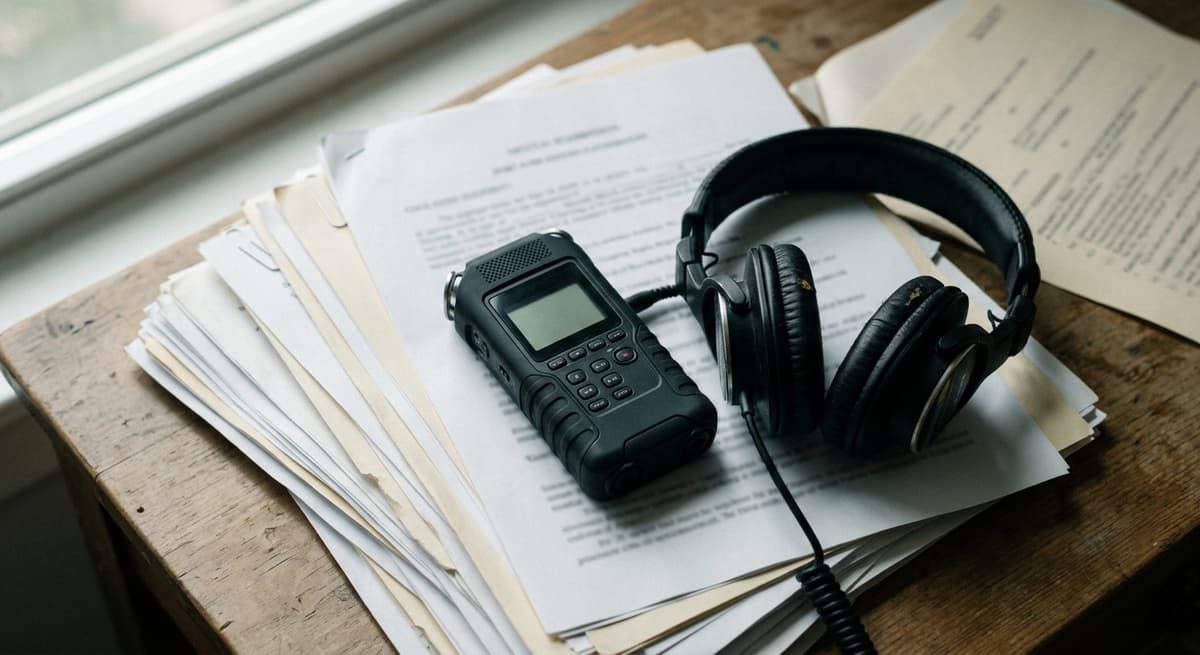
California is a two-party (all-party) consent state for recording confidential communications. Penal Code 632 makes it illegal to use "an electronic amplifying or recording device to eavesdrop upon or record the confidential communication" without consent from all parties. The penalties for violating PC 632 include fines up to $2,500 per violation for a first offense and up to $10,000 per violation for subsequent offenses, plus potential imprisonment.
However, PC 632 specifically targets audio recording of communications. A silent video recording that captures no sound does not constitute "eavesdropping" or recording of a "confidential communication" under the statute.
What This Means in Practice
If you record video without audio in California:
- PC 632 does not apply because there is no recorded communication
- PC 647(j) still applies if you record someone in a private area or in a state of undress
- Civil Code 1708.8 still applies if you invade someone's privacy to capture the footage
- Other privacy torts may apply if the recording intrudes on a reasonable expectation of privacy
If you record video with audio in California:
- PC 632 applies and you need consent from all parties to the conversation
- All video-specific statutes also apply
- Federal wiretap laws may apply to interstate communications
The practical takeaway: adding audio to a video recording in California creates significantly more legal exposure. Many security camera systems in California record video only for this reason.
Filming in Public Spaces
First Amendment Protections
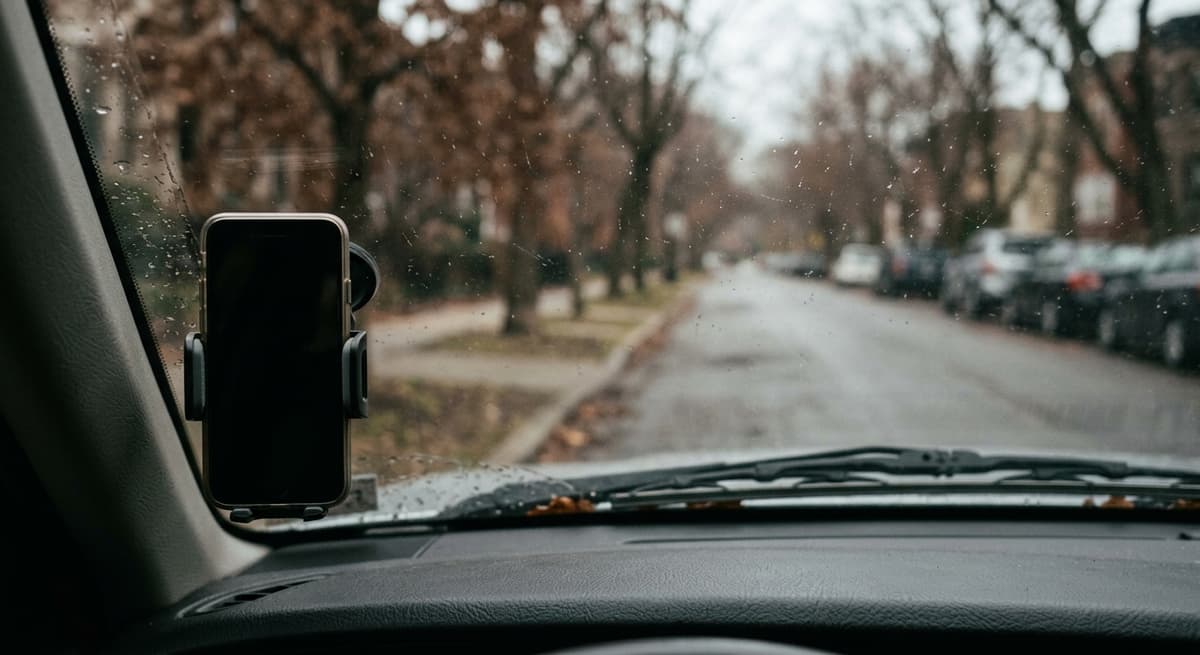
The First Amendment protects the right to film in public spaces where there is no reasonable expectation of privacy. In California, you can generally:
- Film on public streets, sidewalks, and parks
- Record public protests and demonstrations
- Film buildings and landmarks from public property
- Record public meetings and government proceedings
- Film your own interactions with businesses and service providers
The California State Library photography and filming policy confirms that recording is permitted in public government facilities, subject to reasonable time, place, and manner restrictions.
Filming Police and Public Officials
You have the right to record law enforcement officers performing their duties in public. The California Department of State Hospitals has issued a formal policy on public recording of law enforcement activity that acknowledges this right. Federal courts have consistently recognized that filming police in public is protected by the First Amendment.
When recording police in California, keep these rules in mind:
- Do not physically interfere with officers performing their duties
- Do not cross police tape or enter restricted areas to film
- Follow lawful orders to maintain a safe distance
- Officers cannot demand you delete footage or surrender your device without a warrant
- You do not need to stop recording if ordered to do so, as long as you are not interfering
For more on this topic, see our full guide on California laws on recording police.
Limitations on Public Filming
Even in public spaces, some restrictions apply:
- Commercial filming on California state park land requires a permit from the California Film Commission
- Recording on federal lands in California may require a permit under the EXPLORE Act (enacted January 2025) for commercial purposes
- Filming that constitutes harassment or stalking can violate California Penal Code 646.9
- Recording where prohibited by signage on private property open to the public (stores, restaurants) may constitute trespass if you refuse to stop
Penal Code 647(j): Video Voyeurism and Invasion of Privacy
What the Law Prohibits
Penal Code 647(j) is California's primary criminal statute addressing invasive video recording. It covers several distinct types of conduct:
PC 647(j)(1) -- Viewing or Recording in Private Spaces: It is illegal to use any instrument, including a camera, telescope, binoculars, or periscope, to look through a window or other opening into a bedroom, bathroom, or similar private area to view the occupant with the intent to invade their privacy.
PC 647(j)(2) -- Upskirt/Hidden Camera Recording: It is illegal to use a concealed camcorder, motion picture camera, or photographic camera to secretly film "under or through the clothing" of another person without their consent for the purpose of viewing their body or undergarments. This provision targets "upskirting" and similar invasive recording.
PC 647(j)(3) -- Recording Undressed Persons: It is illegal to use a concealed camera to secretly record an identifiable person "in a state of full or partial undress" in any room where the person has a reasonable expectation of privacy, without that person's knowledge or consent. This covers hidden cameras in bathrooms, changing rooms, bedrooms, locker rooms, and similar spaces.
Penalties Under PC 647(j)
Violations of PC 647(j) are charged as misdemeanors under California law:
| Offense | Maximum Fine | Maximum Jail Time |
|---|---|---|
| First offense (any subsection) | $1,000 | 6 months in county jail |
| Second or subsequent offense | $2,000 | 1 year in county jail |
| Offense involving a minor victim | $2,000 | 1 year in county jail |
In addition to criminal penalties, victims can pursue civil damages under Penal Code 637.2, which allows recovery of $5,000 per violation or three times the amount of actual damages, whichever is greater. Victims may also seek injunctive relief and attorney's fees.
Security Camera Laws in California
Residential Security Cameras
California law permits homeowners and renters to install security cameras on their own property. The legal framework for residential cameras includes:
What is permitted:
- Cameras on your property facing your own yard, driveway, and entry points
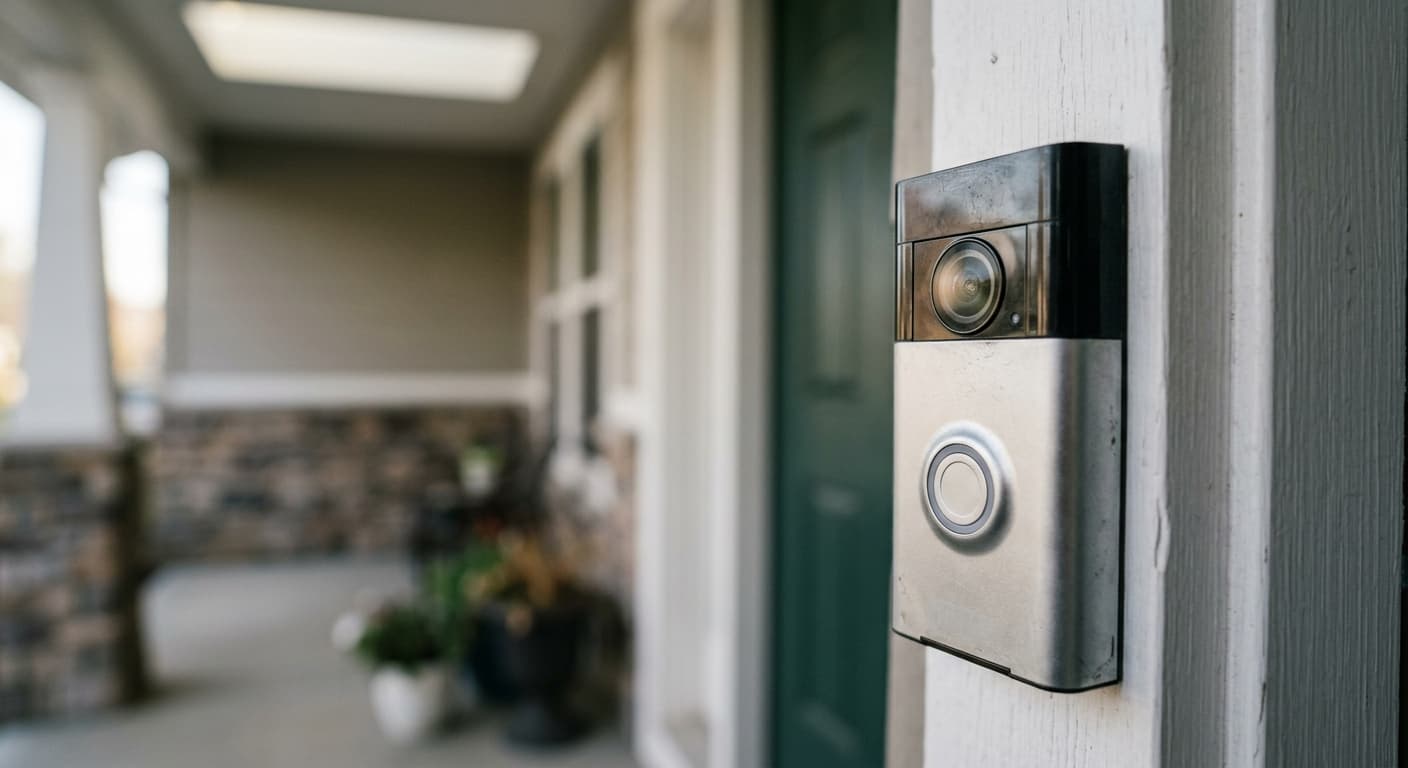
- Doorbell cameras (Ring, Nest, etc.) aimed at your front door and porch
- Interior cameras in common areas of your own home
What is restricted:
- Cameras aimed directly into a neighbor's windows, bedrooms, or private spaces (violates PC 647(j))
- Audio recording by security cameras without consent of all parties (violates PC 632)
- Hidden cameras in areas where guests or tenants have a reasonable expectation of privacy
Signage and notice requirements: Property owners who operate camera systems that record beyond their property boundaries should post visible surveillance notices at property entrances. While there is no statewide mandate requiring signage for purely private residential cameras aimed at your own property, posting signs is considered a best practice and can help establish that recorded parties were on notice.
Commercial Security Cameras
Businesses in California can install security cameras in areas where the public and employees do not have a reasonable expectation of privacy. This includes:
- Sales floors, lobbies, and reception areas
- Parking lots and exterior building perimeters
- Warehouses and shipping areas
- Cash register areas and point-of-sale locations
Businesses cannot place cameras in:
- Restrooms and bathrooms
- Employee changing rooms and locker rooms
- Private offices where employees have been told conversations are confidential
- Break rooms designated as private employee spaces
Some industries in California are required by regulation to maintain video surveillance. Banks, certain retail establishments, and cannabis dispensaries must operate security camera systems as a condition of their business licenses.
Security Camera Audio Recording
This is where many California property owners run into trouble. Because California is a two-party consent state for audio recording, a security camera that records audio may violate PC 632 if it captures confidential conversations without consent. Many security professionals in California recommend disabling audio recording on security cameras or posting clear notice that audio recording is in progress.
Workplace Video Surveillance
Current California Law
California does not have a single comprehensive workplace video surveillance statute. Instead, workplace video monitoring is governed by a combination of:
- California Constitution, Article I, Section 1: Provides a right to privacy that applies to both government and private-sector employees
- Penal Code 647(j): Prohibits video recording in areas where workers have a reasonable expectation of privacy
- Labor Code provisions: Restrict monitoring in certain contexts
- CCPA/CPRA: Gives employees rights over personal data, including video and biometric data collected in the workplace
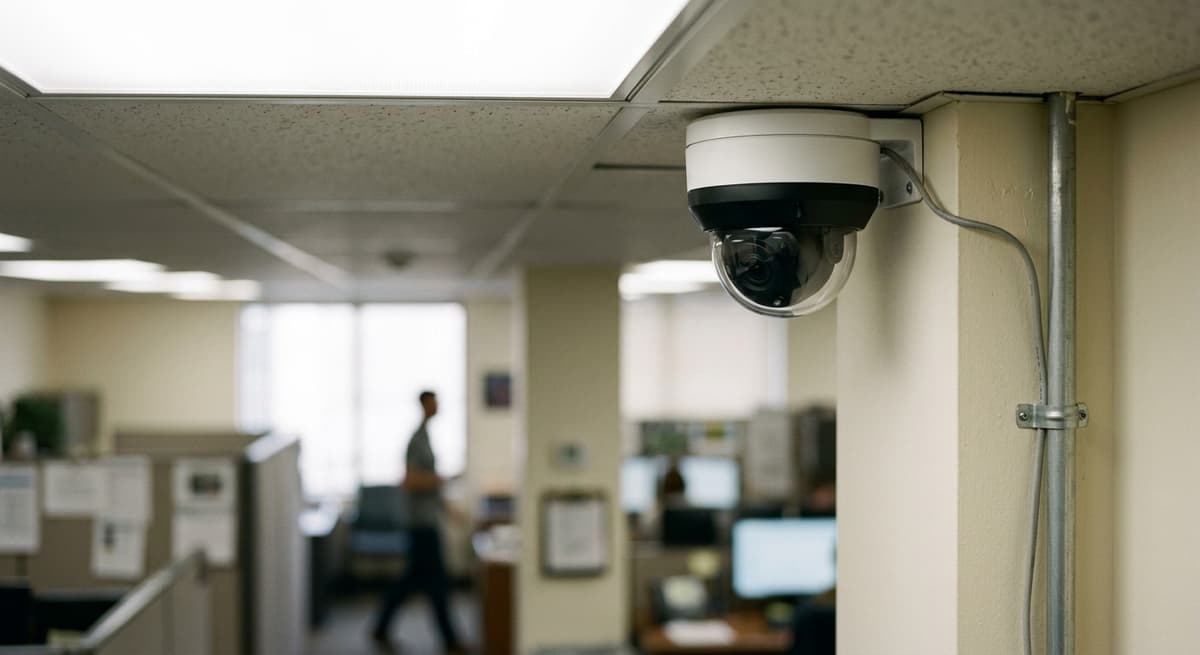
Employers in California can install video cameras in common work areas such as hallways, production floors, and open office spaces. Employers cannot install cameras in restrooms, locker rooms, or other private employee areas. While not legally required in all cases, providing employees with written notice about video surveillance is a strongly recommended best practice.
New Workplace Surveillance Legislation (2025-2026)
The California Legislature has introduced several bills to regulate workplace surveillance more comprehensively:
AB 1331 (Workplace Surveillance): This bill would limit the use of workplace surveillance tools by employers, including prohibiting employers from monitoring workers in employee-only, employer-designated areas. The bill would also give workers the right to leave behind workplace surveillance devices when entering certain employee-only areas. AB 1331 was moved to the inactive file in September 2025 and has not been signed into law.
AB 1221 and SB 238 (Workplace Surveillance Notification): These bills establish notification requirements for employers using surveillance tools. Employers who began using a surveillance tool before January 1, 2026 must provide notice by February 1, 2026. The required notice must describe the worker data collected, the intended purpose of the surveillance tool, and how the surveillance is necessary to meet that purpose.
CCPA/CPRA and Workplace Video
Under the California Consumer Privacy Act as amended by the California Privacy Rights Act (CPRA), employees have specific rights related to video data collected in the workplace:
- Right to know what personal information (including video footage) the employer collects
- Right to limit the use of sensitive personal information, which includes biometric data
- Right to delete personal information in certain circumstances
- Right to opt out of the sale or sharing of personal information
The California Privacy Protection Agency finalized regulations in September 2025 covering cybersecurity audits, risk assessments, and automated decision-making technology (ADMT), effective January 1, 2026. Employers using video surveillance systems with facial recognition or AI analytics should evaluate their compliance with these new rules.
Revenge Porn and Nonconsensual Intimate Images
Penal Code 647(j)(4): Criminal Penalties
Penal Code 647(j)(4) makes it a crime to intentionally distribute intimate images of another identifiable person when:
- The people in the image agreed or understood the image would remain private
- The person distributing the image knows or should know that distribution will cause serious emotional distress
- The person depicted actually suffers that distress
The California Attorney General's office maintains a dedicated cyber exploitation page with resources for victims and law enforcement.
Penalties: A first violation is a misdemeanor punishable by up to six months in county jail, a fine up to $1,000, or both. A second violation carries up to one year in county jail and a fine up to $2,000. The statute of limitations extends to one year after discovery of the offense, but no later than 15 years after the act occurred.
SB 926: AI-Generated Deepfake Intimate Images
Governor Newsom signed SB 926 into law on September 19, 2024, effective January 1, 2025. This law expanded California's revenge porn statute to cover AI-generated sexually explicit deepfakes. SB 926 makes it a crime to create and distribute AI-generated sexually explicit images of an identifiable person:
- When the image is realistic enough that a reasonable person would believe it is authentic
- When the distributor knows or should know distribution will cause serious emotional distress
- When the depicted person actually suffers that distress
This law was part of a broader legislative package addressing AI and deepfakes, authored by Senator Aisha Wahab (D-Hayward). The Los Angeles County District Attorney's Office noted that 90 to 95 percent of all deepfakes online are nonconsensual intimate media, making this a growing area of criminal law.
Civil Code 1708.85: Civil Remedies for Victims
Civil Code 1708.85 provides victims of nonconsensual intimate image distribution with civil remedies, including:
- Temporary restraining orders
- Injunctive relief (court orders to remove images)
- Monetary damages
- The ability to file under a pseudonym to protect privacy during litigation
The Anti-Paparazzi Law: Civil Code 1708.8
Physical and Constructive Invasion of Privacy
California enacted the nation's first anti-paparazzi law in 1998 following the death of Princess Diana. Civil Code 1708.8 creates civil liability for two types of conduct:
Physical invasion of privacy occurs when a person knowingly enters another person's land or airspace without permission, or commits a trespass, to capture visual images, sound recordings, or other impressions of someone engaged in a private, personal, or familial activity. The invasion must be offensive to a reasonable person.
Constructive invasion of privacy occurs when a person uses a visual or auditory enhancing device (telephoto lens, directional microphone, drone) to capture images of someone engaged in a personal or familial activity, under circumstances where the person has a reasonable expectation of privacy, and the image could not have been captured without trespassing unless the enhancing device was used.
Drone-Specific Provisions
AB 856, signed in 2015, amended Civil Code 1708.8 to explicitly include entering "the airspace above the land of another person" in the definition of physical invasion of privacy. This means flying a drone over someone's property to record them engaged in private activities carries the same civil liability as physically trespassing.
Penalties and Damages
Violators of Civil Code 1708.8 face significant financial consequences:
| Remedy | Amount |
|---|---|
| General and special damages | Up to 3x actual damages (treble damages) |
| Punitive damages | Determined by court under CC 3294 standards |
| Civil fine | $5,000 to $50,000 per violation |
| Disgorgement of commercial proceeds | Full amount if violation was for commercial purpose |
A "commercial purpose" is defined as any act done with the expectation of a sale, financial gain, or other consideration. When the recording was made for profit, the court can order the violator to surrender all proceeds.
Exemptions
The statute exempts law enforcement and government employees conducting investigations supported by articulable suspicion. It also protects secondary distributors who republish previously lawful material.
Wearable Recording Devices and Smart Glasses
SB 1130: The Wearable Device Privacy Protection Act (2026)
Senator Eloise Gomez Reyes introduced SB 1130 on February 17, 2026, to address a growing gap in California privacy law created by commercially available smart glasses and wearable recording devices. The bill would add one new section to the Penal Code:
Proposed Penal Code 632.8 would:
- Require explicit consent before using a wearable recording device to capture sound or video of others in a place of business where people have a reasonable expectation of privacy
- Prohibit disabling the recording indicator light on any wearable device
- Define "place of business" as any physical office or retail establishment where the public receives goods or services
- Define "wearable recording device" as any device worn on or attached to the body with recording or transmission capabilities
Penalties under SB 1130:
| Offense | Fine | Imprisonment |
|---|---|---|
| First violation of 632.8 | Up to $2,500 | Up to 1 year |
| Subsequent violations | Up to $10,000 | Up to 1 year |
As of August 2026, SB 1130 has advanced to the Assembly floor (read a third time and amended on August 21, 2026) but has not been signed into law. However, it signals California's direction on regulating wearable recording technology.
Current Law on Smart Glasses
Until SB 1130 or similar legislation passes, smart glasses in California are governed by existing statutes:
- Audio recording through smart glasses is subject to PC 632 all-party consent requirements
- Video-only recording in public spaces is generally permitted
- **Video recording in private spaces** without consent violates PC 647(j)
- Biometric data captured by smart glasses (facial geometry, gait analysis) may be regulated under the CCPA/CPRA as sensitive personal information
Recording on Private Property
Landlord and Tenant Situations
California law addresses video recording in rental properties:
- Landlords can install security cameras in common areas (lobbies, parking structures, exterior hallways) with proper notice
- Landlords cannot install cameras inside rental units or in areas where tenants have a reasonable expectation of privacy
- Tenants can install security cameras within their own units without landlord consent (subject to lease terms about modifications)
- Tenants can record video of their own interactions with landlords if they are in a common area or public space
For detailed coverage, see our guide on California landlord-tenant recording and surveillance laws.
Businesses and Customers
Businesses in California may record customers on video in areas open to the public without individual consent. This includes:
- Store aisles and shopping areas
- Restaurant dining rooms
- Hotel lobbies and common areas
- Parking lots
However, businesses should post visible signage indicating that video surveillance is in use, and audio recording requires all-party consent under PC 632.
Using Video Recordings as Evidence in California
Admissibility Standards
Video recordings are admissible as evidence in California courts when they meet authentication and relevance requirements under the California Evidence Code:
- Authentication (Evidence Code 1400-1421): The offering party must prove the video is a fair and accurate representation of what it claims to show
- Relevance (Evidence Code 350-352): The video must tend to prove or disprove a fact at issue
- Best evidence rule (Evidence Code 1500-1510): The original recording is preferred, though copies are often accepted
Illegally Obtained Recordings
Under Penal Code 632(d), evidence obtained as a result of eavesdropping upon or recording a confidential communication in violation of that section is inadmissible in any judicial, administrative, legislative, or other proceeding. This exclusionary rule applies to recordings that violate PC 632 (audio recording without consent).
Video-only recordings obtained in violation of PC 647(j) may also be excluded as evidence, and the person who made the recording could face criminal charges.
Penalties Summary: California Video Recording Violations
| Statute | Violation | Criminal Penalty | Civil Liability |
|---|---|---|---|
| PC 632 | Recording audio without consent | Up to $2,500 fine + jail (first); $10,000 + prison (repeat) | $5,000 per violation or 3x damages |
| PC 647(j)(1-3) | Video voyeurism / hidden cameras | Up to $1,000 fine + 6 months jail (first) | $5,000 per violation or 3x damages |
| PC 647(j)(4) | Distributing intimate images | Up to $1,000 fine + 6 months jail (first) | Damages + injunctive relief |
| SB 926 (PC 647(j)(4) expanded) | AI deepfake intimate images | Up to $1,000 fine + 6 months jail | Damages + injunctive relief |
| CC 1708.8 | Physical/constructive privacy invasion | N/A (civil statute) | $5,000-$50,000 fine + treble damages |
| CC 1708.85 | Nonconsensual intimate images (civil) | N/A (civil statute) | Damages + restraining order + pseudonymous filing |
More California Recording Topics
More California Recording Laws
- California Audio Recording Laws
- California Dashcam Laws
- California Laws on Recording Doctors
- California Laws on Recording in Public
- California Phone Call Recording Laws
- California School Recording Laws
- California Security Camera and Surveillance Laws
- California Voyeurism and Hidden Camera Laws
- California Workplace Recording Laws
More California Laws
Frequently Asked Questions
Is it legal to film someone without their consent in California?
It depends on the location and whether you record audio. Filming someone in a public space without audio is generally legal in California. However, recording someone in a private space where they have a reasonable expectation of privacy violates Penal Code 647(j). Adding audio to any recording triggers California's all-party consent law under Penal Code 632, meaning you need consent from everyone in the conversation. Filming someone through their window or using a drone over their property can also create civil liability under Civil Code 1708.8.
Can I put security cameras on my property in California?
Yes. California law allows homeowners and businesses to install security cameras on their own property. Cameras should be aimed at your own property and not directly into a neighbor's private spaces like bedrooms or bathrooms. Audio recording on security cameras is restricted by Penal Code 632, so many California security professionals recommend disabling audio or posting clear notice that audio is being recorded. Posting visible signage about your surveillance system is recommended, and it is required if your cameras capture areas beyond your property boundaries.
What are the penalties for secretly recording someone on video in California?
Under Penal Code 647(j), secretly recording someone in a private area or in a state of undress is a misdemeanor. A first offense carries up to 6 months in county jail and a fine of up to $1,000. A second or subsequent offense increases the maximum to 1 year in jail and a $2,000 fine. Victims can also pursue civil damages of $5,000 per violation or three times actual damages under Penal Code 637.2. If the recording involved a physical or constructive invasion of privacy, Civil Code 1708.8 allows fines of $5,000 to $50,000 plus treble damages.
Can my employer record me on video at work in California?
Employers in California can use video surveillance in common work areas such as production floors, hallways, and open offices. They cannot place cameras in restrooms, locker rooms, or changing areas. While California does not yet have a comprehensive workplace surveillance law, pending legislation (AB 1331 and SB 238) would require employers to notify workers about surveillance tools and restrict monitoring in employee-only areas. Under the CCPA/CPRA, employees also have the right to know what personal data, including video and biometric data, their employer collects.
Is sharing someone's intimate video without consent illegal in California?
Yes. Penal Code 647(j)(4) makes it a misdemeanor to distribute intimate images when the people in the image agreed the images would stay private, the distributor knows distribution will cause serious emotional distress, and the victim actually suffers that distress. SB 926, signed into law in September 2024, expanded this to cover AI-generated deepfake intimate images. Victims can also pursue civil remedies under Civil Code 1708.85, including restraining orders, injunctive relief, and damages. The statute of limitations runs for one year after discovery, with a maximum of 15 years after the act.
Updates
Updated SB 1130's status to its current Assembly-floor stage (last amended August 21, 2026) and removed a fabricated proposed Penal Code Section 632.9 -- the bill adds only Section 632.8.
Independently fact-checked against the cited primary sources; governing law re-checked for recent changes
Corrected the citation for the PC 632 exclusionary rule: it comes from PC 632(d) itself, not from Penal Code 631(c) (which is the wiretapping statute's separate 'telephone company' definition subsection).
Governing law re-checked for recent changes
Reviewed and approved by an editor
The Law Behind This Article
This article rests on the statutory provisions below, held in our own legal record and retrieved from the official source. Tap a section to read the operative text.
California Penal Code
§ 647In forcecited in 16 of our articles
Except as provided in paragraph (5) of subdivision (b) and in subdivisions (k) and (l), a person who commits any of the following acts is guilty of disorderly conduct, a misdemeanor: (a) An individual who solicits anyone to engage in or who engages in lewd or dissolute conduct in a public place or in a place open to the public or exposed to public view. (b) (1) An individual who solicits, or who agrees to engage in, or who engages in, an act of prostitution with the intent to receive compensation, money, or anything of value from another person. An individual agrees to engage in an act of prostitution when, with specific intent to so engage, the individual manifests an acceptance of an offer or solicitation by another person to so engage, regardless of whether the offer or solicitation was made by a person who also possessed the specific intent to engage in an act of prostitution. (2) An individual who solicits, or who agrees to engage in, or who engages in, an act of prostitution with another person who is 18 years of age or older in exchange for the individual providing compensation, money, or anything of value to the other person.
Official text (excerpt) · last checked 2026-08-31 · Read the full text in our law library · Verify at leginfo.legislature.ca.gov
Cited in 593 court opinions in our collectionLatest citing opinion in our collection: 2026
In the courts (editorial summary, independently checked):In re Giannini (1968) set aside convictions under Penal Code 647(a) because the prosecution introduced no evidence of community standards, and equated "lewd or dissolute" with obscenity only for the purpose of judging an allegedly obscene dance performed for an audience.
Opinions citing this section in our collection:
- Morrison v. State Board of Education (California Supreme Court 1969, 1 Cal. 3d 214)“…public beach and the teacher was arrested for violation of Penal Code section 647, subdivision (a), and convicted, on his…”
- People v. Laiwa (California Supreme Court 1983, 34 Cal. 3d 711)“…to arrest him for being under the influence of a narcotic. (Pen. Code, § 647, subd. (f).) [1] He moved, however, to…”
- In Re Cregler (California Supreme Court 1961, 56 Cal. 2d 308)✓A man previously convicted of theft was arrested for standing in a San Francisco bus station under the pre-1961 vagrancy version of section 647. The court rejected his vagueness challenge, reading loiter to require lingering to commit a crime, and denied habeas relief.
Identified automatically from the court opinions citing this section — not a ranking of which case controls.
Also relied on in: Can an Employer Record Conversations Without Consent? (2026), Is It Illegal to Video Record Someone Without Their Consent? (2026), California Landlord-Tenant Recording and Surveillance Laws (2026)
§ 632In forcecited in 39 of our articles
(a) A person who, intentionally and without the consent of all parties to a confidential communication, uses an electronic amplifying or recording device to eavesdrop upon or record the confidential communication, whether the communication is carried on among the parties in the presence of one another or by means of a telegraph, telephone, or other device, except a radio, shall be punished by a fine not exceeding two thousand five hundred dollars ($2,500) per violation, or imprisonment in a county jail not exceeding one year, or in the state prison, or by both that fine and imprisonment. If the person has previously been convicted of a violation of this section or Section 631, 632.5, 632.6, 632.7, or 636, the person shall be punished by a fine not exceeding ten thousand dollars ($10,000) per violation, by imprisonment in a county jail not exceeding one year, or in the state prison, or by both that fine and imprisonment.
Official text (excerpt) · last checked 2026-08-31 · Read the full text in our law library · Verify at leginfo.legislature.ca.gov
Cited in 267 court opinions in our collectionLatest citing opinion in our collection: 2026
In the courts (editorial summary, independently checked):Kimmel v. Goland (1990) held the section 47(2) litigation privilege does not bar a damages claim under Section 632 for recording confidential conversations without consent. Lieberman v. KCOP Television, Inc. (2003) held a Section 632 violation is complete the moment the recording is made, whether or not it is disclosed.
Opinions citing this section in our collection:
- Rubin v. Green (California Supreme Court 1993, 4 Cal. 4th 1187)“…f telephone conversations with defendants, an offense under Penal Code section 632. We noted that defendants alleged that…”
- Kimmel v. Goland (California Supreme Court 1990, 51 Cal. 3d 202)✓Mobilehome owners secretly taped phone calls with park management in anticipation of suing; the court held the section 47(2) litigation privilege did not bar the cross-complaint for damages under Penal Code section 632, since the injury came from recording, not publication.
- Shulman v. Group W Productions, Inc. (California Supreme Court 1998, 74 Cal. Rptr. 2d 843)✓A TV producer put a wireless microphone on the flight nurse treating a crash victim. No section 632 claim was before the court, but it called section 632 and the intrusion tort laws of general applicability and said the press may not eavesdrop in violation of section 632.
Identified automatically from the court opinions citing this section — not a ranking of which case controls.
Also relied on in: California Recording Laws (2026): All-Party Consent Rules, US Recording Laws by State (2026): All 50 States Explained, Can I Sue Someone for Recording Me on Private or Public Property?
California Civil Code
§ 1708.8In forcecited in 9 of our articles
(a) A person is liable for physical invasion of privacy when the person knowingly enters onto the land or into the airspace above the land of another person without permission or otherwise commits a trespass in order to capture any type of visual image, sound recording, or other physical impression of the plaintiff engaging in a private, personal, or familial activity and the invasion occurs in a manner that is offensive to a reasonable person. (b) A person is liable for constructive invasion of privacy when the person attempts to capture, in a manner that is offensive to a reasonable person, any type of visual image, sound recording, or other physical impression of the plaintiff engaging in a private, personal, or familial activity, through the use of any device, regardless of whether there is a physical trespass, if this image, sound recording, or other physical impression could not have been achieved without a trespass unless the device was used. (c) An assault or false imprisonment committed with the intent to capture any type of visual image, sound recording, or other physical impression of the plaintiff is subject to subdivisions (d), (e), and (h).
Official text (excerpt) · last checked 2026-08-31 · Read the full text in our law library · Verify at leginfo.legislature.ca.gov
Cited in 17 court opinions in our collectionLatest citing opinion in our collection: 2026
In the courts (editorial summary, independently checked):Richardson-Tunnell v. Schools Insurance Program for Employees (2007) held Section 1708.8 creates no exception to Government Code 821.6 immunity for a public entity's investigatory surveillance. Simmons v. Bauer Media Group USA, LLC (2020) let a 1708.8(b) claim over a hidden tracker past an anti-SLAPP motion without reaching its elements.
Opinions citing this section in our collection:
- Hernandez v. Hillsides, Inc. (California Supreme Court 2009, 47 Cal. 4th 272)“…provisions is on the “intent to capture” a “visual image” (Civ. Code, § 1708.8, subd. (a)), or on the “attempt” to do…”
- Richardson-Tunnell v. Schools Insurance Program for Employees (California Court of Appeal 2007, 69 Cal. Rptr. 3d 176)✓Workers' compensation investigators secretly videotaped an injured teacher at her wedding and honeymoon; the court held Civil Code section 1708.8 creates no exception to the investigatory immunity of Government Code section 821.6, so her claim against the public entities failed.
- Raef v. Appellate Division of the Superior Court (California Court of Appeal 2015, 240 Cal. App. 4th 1112)“…Erwin Chemerinsky explained in relation to another statute (Civ. Code, § 1708.8, which, too, forms part of what is popu…”
Identified automatically from the court opinions citing this section — not a ranking of which case controls.
Also relied on in: California Security Camera and Surveillance Laws: Rules for Home and Business (2026), California Voyeurism and Hidden Camera Laws: Penalties and Protections (2026), California Drone Laws (2026): Privacy, Fires & Shoot-Down Rules
§ 1708.85In forcecited in 2 of our articles
(a) A private cause of action lies against a person who intentionally distributes by any means a photograph, film, videotape, recording, or any other reproduction of another, without the other’s consent, if (1) the person knew, or reasonably should have known, that the other person had a reasonable expectation that the material would remain private, (2) the distributed material exposes an intimate body part of the other person, or shows the other person engaging in an act of intercourse, oral copulation, sodomy, or other act of sexual penetration, and (3) the other person suffers general or special damages as described in Section 48a. (b) As used in this section, “intimate body part” means any portion of the genitals, and, in the case of a female, also includes any portion of the breast below the top of the areola, that is uncovered or visible through less than fully opaque clothing.
Official text (excerpt) · last checked 2026-07-28 · Read the full text in our law library · Verify at leginfo.legislature.ca.gov
Cited in 10 court opinions in our collectionLatest citing opinion in our collection: 2026
Opinions citing this section in our collection:
- Santa Ana Police Officers Assn. v. City of Santa Ana (California Court of Appeal 2025)“…cene 9 material, Civil Code section 1708.85, subdivision (f)(1) states: “A plaintif…”
- Depart. of Fair Employment and Housing v. Super. Ct. (California Court of Appeal 2022)“…ertain parties’ identities confidential. (See, for example, Civ. Code, § 1708.85, subd. (f)(1) [plaintiff in action for…”
- Doe v. Superior Court of Los Angeles County (California Court of Appeal 2016, 3 Cal. App. 5th 915)“…ice that the form is a “Confidential Information Form under Civil Code Section 1708.85;” and the form specifically directs “TO…”
Identified automatically from the court opinions citing this section — not a ranking of which case controls.
Search our full record of US law — 2.1 million sections, every state + federal →
Sources and References
- California Penal Code 647(j) -- Invasion of Privacy(leginfo.legislature.ca.gov).gov
- California Penal Code 632 -- Eavesdropping(leginfo.legislature.ca.gov).gov
- California Invasion of Privacy Act (PC 630-638)(leginfo.legislature.ca.gov).gov
- Civil Code 1708.8 -- Anti-Paparazzi Law(leginfo.legislature.ca.gov).gov
- Civil Code 1708.85 -- Nonconsensual Pornography(leginfo.legislature.ca.gov).gov
- SB 1130 -- Wearable Recording Devices(leginfo.legislature.ca.gov).gov
- Governor Signs SB 926 -- Deepfake Intimate Images(gov.ca.gov).gov
- CA Attorney General -- Cyber Exploitation Resources(oag.ca.gov).gov
- CCPA Regulations(cppa.ca.gov).gov
- CA Privacy Laws Overview(oag.ca.gov).gov
- DSH -- Public Recording of Law Enforcement(dsh.ca.gov).gov
- New Worker Protections 2026(labor.ca.gov).gov