
Are Autopsy Reports Public in Kansas? (2026 Guide)
Yes. Kansas autopsy reports are public records under the Open Records Act, filed with the clerk of the district court, unless flagged as a criminal investigation record.
5 min read
85 articles · page 1 of 2
Yes. Kansas autopsy reports are public records under the Open Records Act, filed with the clerk of the district court, unless flagged as a criminal investigation record.

Kansas opted out of federal exemptions. Its homestead has no dollar cap and is limited only by acreage, the vehicle exemption is $20,000, and see the means test income.

Kansas recognizes common law marriage under a case-law standard from In re Estate of Antonopoulos (1999). Learn the 3 requirements, how to prove it, and how it ends.

Complete guide to life sentences in Kansas: parole eligibility, LWOP rules, notable cases, recent legislative changes, and sentencing statutes. Updated March 2026.

How to find someone's cause of death in Kansas. The certificate is closed to eligible requesters; the completed autopsy report is public under KORA.

Get a Kansas death certificate from the KDHE Office of Vital Statistics. A certified copy costs $20 and includes a five-year search. See who is eligible and how to order online, by mail, or in person.

Kansas has never required a court order for an adult adoptee's own original birth certificate. A notarized written demand to KDHE, plus $20, is enough.

Kansas's SB 394 age-verification law survives heavy litigation over jurisdiction, not constitutionality. Correct citation, penalties, and enforcement explained.

Guide to Kansas AI laws, regulation, and legislation covering deepfakes, employment AI, healthcare AI, and more.

Learn how Kansas consent laws apply to AI meeting recorders. One-party consent rules, penalties, and compliance.

Kansas is an at-will state with public-policy and implied-contract exceptions. Learn what protects Kansas employees from wrongful termination and your legal rights.

Kansas audio recording laws allow one-party consent under K.S.A. 21-6101. Learn when you can legally record conversations, penalties for violations, and court admissibility rules.

Kansas background check laws: Ban the Box, lookback periods, Clean Slate, employer and housing checks.

Kansas has no dedicated biometric privacy law. Learn what limited protections exist for fingerprint and facial recognition data under current Kansas statutes.

Kansas is a no-fault (PIP) state. Learn the K.S.A. 40-3117 tort threshold, 25/50/25 insurance minimums, 2-year filing deadline, and modified comparative fault rules.

Kansas car seat laws require car seats for children under 4, booster seats until age 8 or 4'9", and seat belts until 14. Learn fines, rules, and exemptions.

Kansas uses an 18-factor best-interests test for child custody. Joint legal custody is the statutory first choice but not a presumption; no 50/50 time rule exists.

Kansas uses the Income Shares Model to set child support. Learn how Domestic Gross Income, age brackets, parenting time adjustments, and 2025 HB 2062 changes affect your order.

Kansas offers a free statewide district court records search covering every county. Learn how it works, what's public, and how expungement works.


Kansas requires businesses to investigate breaches and notify residents without unreasonable delay under K.S.A. 50-7a01. Learn about PI definitions, safe harbors, and penalties.

Kansas data privacy laws explained. Covers breach notification under K.S.A. 50-7a01, consumer protections, student data privacy, identity theft penalties, and your rights.
Kansas is a closed-record state. See who can get a certified death certificate, the $20 fee, cause-of-death rules, and how far records go back.

Kansas bars debt buyers from wage garnishment, caps ordinary garnishment at 25%, and lets a bare payment revive old debt. Deadlines and repossession rules.

Kansas criminalizes non-consensual intimate AI-generated images under KSA 21-6101(a)(8) (felony, eff. July 2025). No election deepfake or voice cloning law enacted. Federal TAKE IT DOWN Act also applies.

Kansas defamation laws explained: a one-year deadline to sue (K.S.A. 60-514), the Public Speech Protection Act anti-SLAPP rule, per se categories, and damages.

Kansas divorce guide: incompatibility ground, 60-day residency and waiting period, equitable distribution of property, and step-by-step filing process.

Learn about Kansas dog bite laws, the one-bite rule, negligence claims, comparative fault rules, and the two-year statute of limitations for filing a claim.

Kansas has no dedicated drone-privacy law. Drone surveillance falls under the stalking act, K.S.A. 60-31a02, plus a 2025 foreign-drone procurement ban.

Kansas DUI laws: the 0.08% BAC limit, first-offense penalties under K.S.A. 8-1567, the 30-day suspension plus interlock, refusal penalty, and felony threshold.

Kansas regulates e-scooters by applying its bicycle traffic rules, with no statewide age or helmet requirement. Wichita requires shared-scooter riders to be at least 18.

Kansas has no general emancipation statute. A district court may grant a minor the rights of majority under K.S.A. 38-108 and 38-109. Learn the petition process, who can file, and what rights are granted.

Kansas has no electronic-monitoring notice law or social-media-password statute. See how GPS tracking, hidden cameras, and federal law apply at work.

Kansas expungement law under K.S.A. 21-6614 lets eligible residents seal convictions and arrest records. Learn waiting periods, ineligible offenses, DUI rules, and how to file.

Kansas requires final pay by your next regular payday and penalizes late payment at 1% per day or 100% of unpaid wages, whichever is smaller.

Is it legal to put a GPS tracker on a car in Kansas? Tracking that causes fear is stalking under K.S.A. 21-5427. See penalties and who can track legally.

Kansas rebuilt its grandparent visitation law in 2024. What the new three-part standard requires, and how it differs from the old statute.

Learn about Kansas hit and run laws under K.S.A. 8-1602, including penalties from traffic infractions to felonies, driver duties, and insurance rules.

Kansas identity theft is a severity level 8 felony under K.S.A. 21-6107, level 5 above $100,000 loss. See the AG's authority to assist victims directly.

Kansas security deposit cap is 1 month (1.5 furnished, 0.5 pet add-on), returned in 30 days. Learn notice-to-enter, late-fee limits, and tenant rights under K.S.A. 58-2540.

Kansas landlord-tenant recording laws cover tenant recording rights, landlord cameras, hidden camera rules, and evidence use. Learn your rights under K.S.A. 21-6101.

Kansas public recording laws protect your right to film and record in public spaces. Learn about First Amendment rights, Open Meetings Act, and limitations.
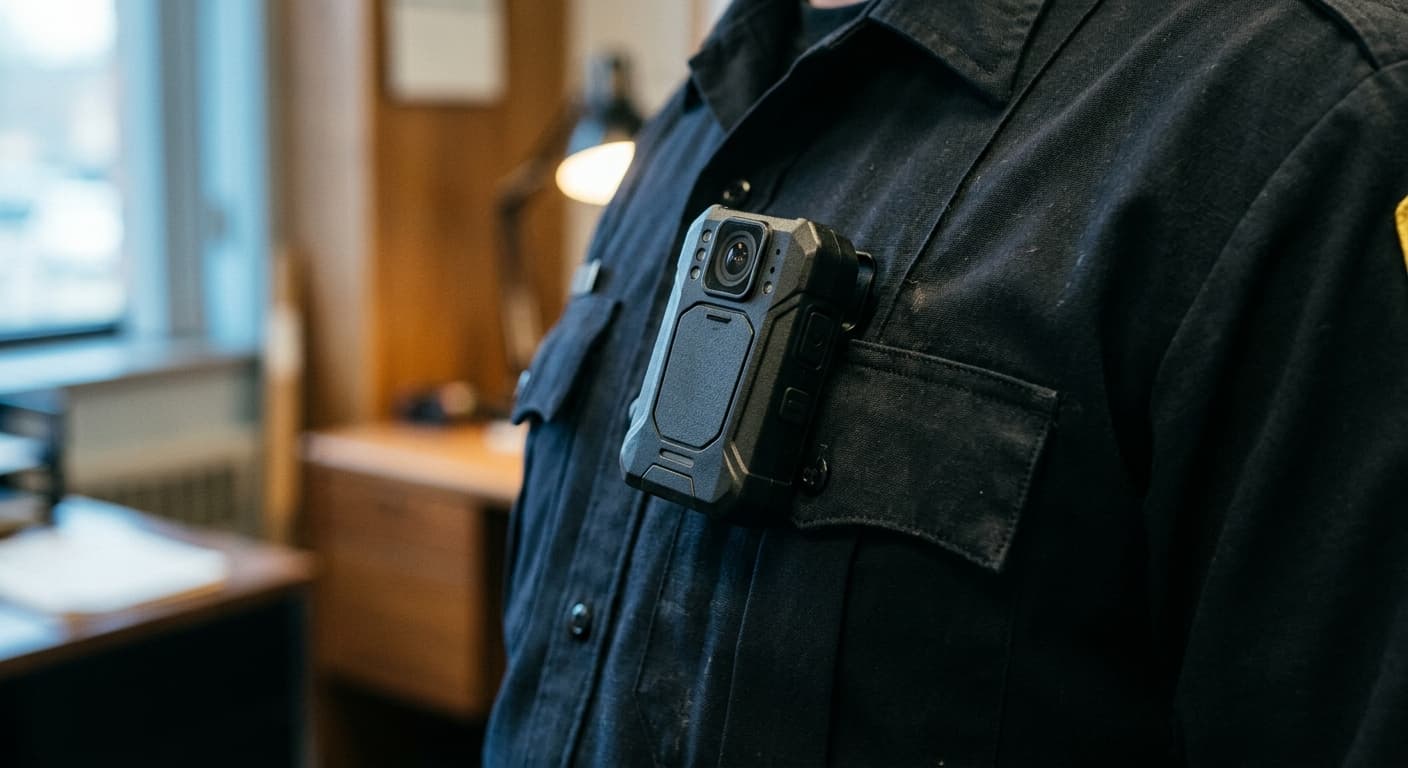
Kansas law protects your right to record police under the First Amendment and K.S.A. 21-6101. Learn your rights, limitations, body camera access, and remedies.

Kansas lemon law (K.S.A. 50-645): 4 repair attempts, 10 total repairs, or 30 days out of service triggers a refund or replacement on new vehicles.

Kansas vital records are not public, but KDHE says marriage and divorce information is open at the county district court. Certified state copies cost $20.

Learn Kansas medical recording laws. Patients can record doctor visits under one-party consent (K.S.A. 21-6101). HIPAA rules, telehealth, and evidence guide.

Kansas medical records retention laws: how long hospitals and doctors keep your records, HIPAA rules, and patient rights.

How to change your name in Kansas: the district court petition under K.S.A. 60-1402, the 60-day residency rule, and how divorce name changes work.
Kansas adult care home camera law under K.S.A. 39-981: assisted living coverage, roommate consent, the video/audio election, and tampering penalties.

Kansas phone call recording laws allow one-party consent under K.S.A. 21-6101. Learn rules for personal calls, business recording, cross-state calls, and penalties.

Kansas classifies bodycam footage as a closed criminal investigation record under K.S.A. 45-254. See who can request to view it within 20 days, and the court-order path for others.

Get a Kansas crash report through the kansas.gov portal, request an incident report under the Open Records Act, and see the 20-day bodycam viewing rule.

Kansas's obscenity, SB 394 age-verification, CSAM, and revenge-porn laws explained, plus the litigation testing the state's age-check requirement.

Kansas power of attorney laws explained: the Kansas Power of Attorney Act (K.S.A. 58-650 to 58-665) governs financial POA; health care decisions require a separate instrument under K.S.A. 58-625 et seq.; notarization required; gifts require express authority.

Kansas probate explained: District Court process, the $75,000 small estate affidavit, and who inherits under K.S.A. Chapter 59 if you die without a will.

Find Kansas property records by county: free County Appraiser owner lookups, Register of Deeds certified copy fees, and why there is no statewide index.

How KORA works: any person may request, a denial needs written grounds within 3 business days, fees are actual cost, and bodycam viewing runs on K.S.A. 45-254.

Kansas is a one-party consent state under K.S.A. 21-6101. Learn the consent rule, criminal penalties, civil remedies, hidden-camera laws, and SB 186 AI-deepfake update.

Learn how to get a Protection from Abuse Order in Kansas: who qualifies, how long PFA orders last, filing costs, firearms rules, and violation penalties.
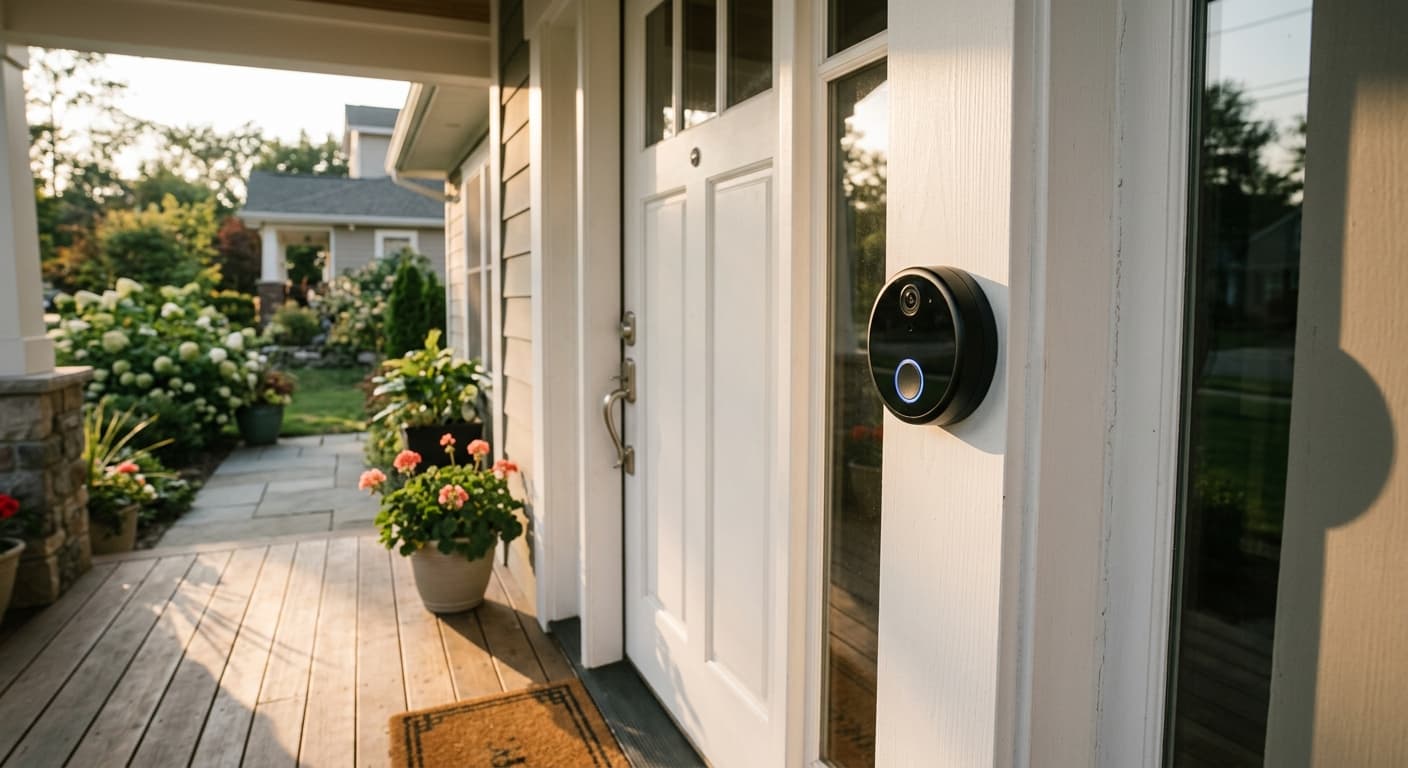
Learn Kansas Ring doorbell laws, including one-party consent rules, video surveillance limits, HOA restrictions, landlord-tenant rights, and penalties under K.S.A. 21-6101.