
Kansas
Kansas Dashcam Laws: Mounting Rules, Audio Recording, and Evidence (2026)
Independently fact-checked against primary sources (last audited August 15, 2026). · Reviewed by the RecordingLaw editorial team. · Law checked current as of August 9, 2026. · 4 primary sources cited on this page. How we verify our legal content
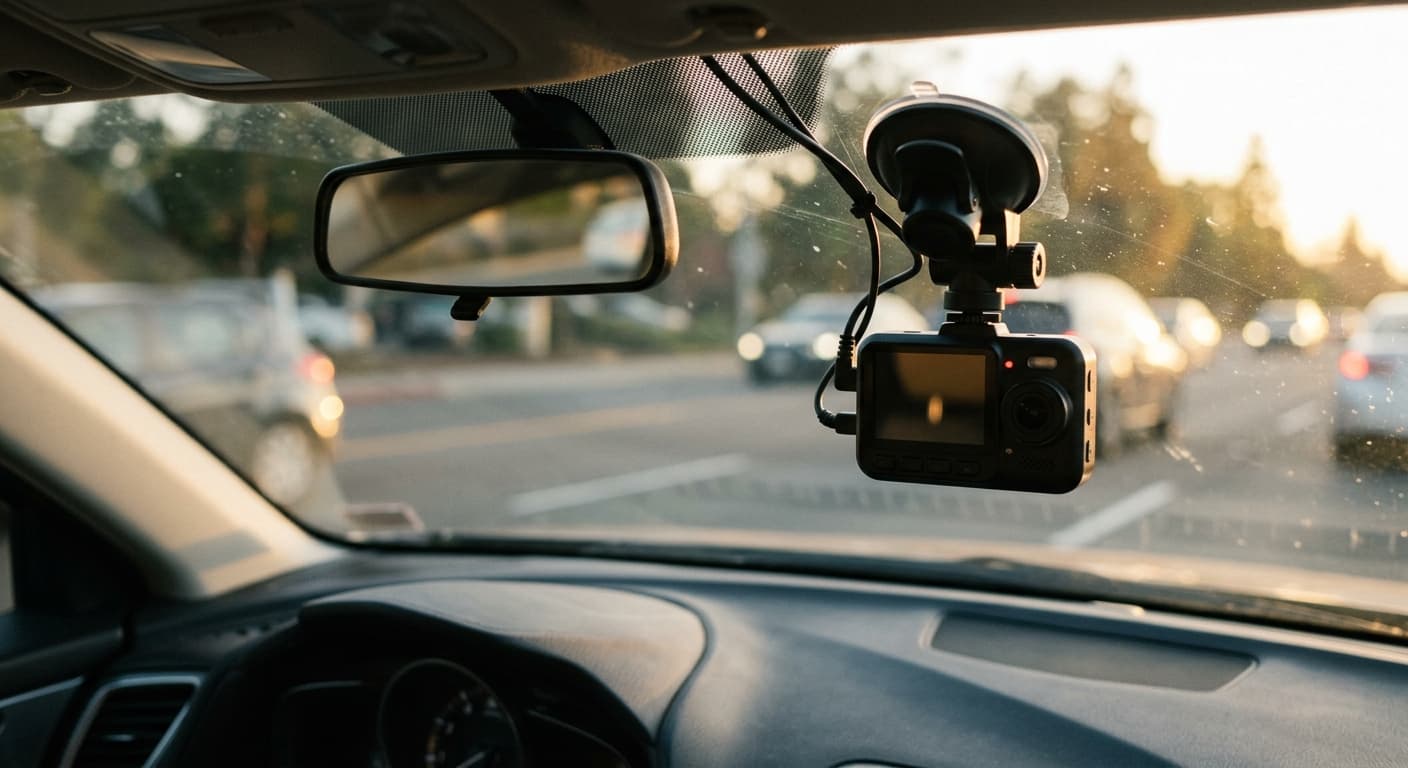
Dashcams are legal in Kansas, and no state law prohibits their use in personal or commercial vehicles. Video recorded on public roads is lawful, and in-vehicle audio is permitted under K.S.A. 21-6101, which requires only one-party consent. Mount the camera where it does not obstruct your view under K.S.A. 8-1741.
Dashcams are legal and widely used in Kansas. The state has no specific statute that addresses dashboard cameras, which means their use is governed by general traffic safety laws, the one-party consent wiretapping statute (K.S.A. 21-6101), and federal motor vehicle regulations. Whether you are a daily commuter, a rideshare driver, or a fleet operator, understanding the legal framework for dashcam use in Kansas will help you stay on the right side of the law.
Are Dashcams Legal in Kansas?
Yes. Kansas does not have any law that prohibits the installation or use of dashboard cameras in motor vehicles. You can use a dashcam in your personal vehicle, commercial vehicle, fleet vehicle, or any other motor vehicle on Kansas roads.
No Specific Dashcam Statute
Unlike some states that have enacted specific dashcam legislation, Kansas has not addressed dashcams through dedicated legislation. This means there are no state-imposed requirements for:
- Registration or notification of dashcam use
- Specific dashcam specifications or capabilities
- Mandatory dashcam usage for any vehicle class
- Restrictions on where dashcam footage can be stored or shared
Because no specific prohibition exists, dashcam use falls under the general legal principle that anything not explicitly prohibited by law is permitted.
Windshield Mounting Rules
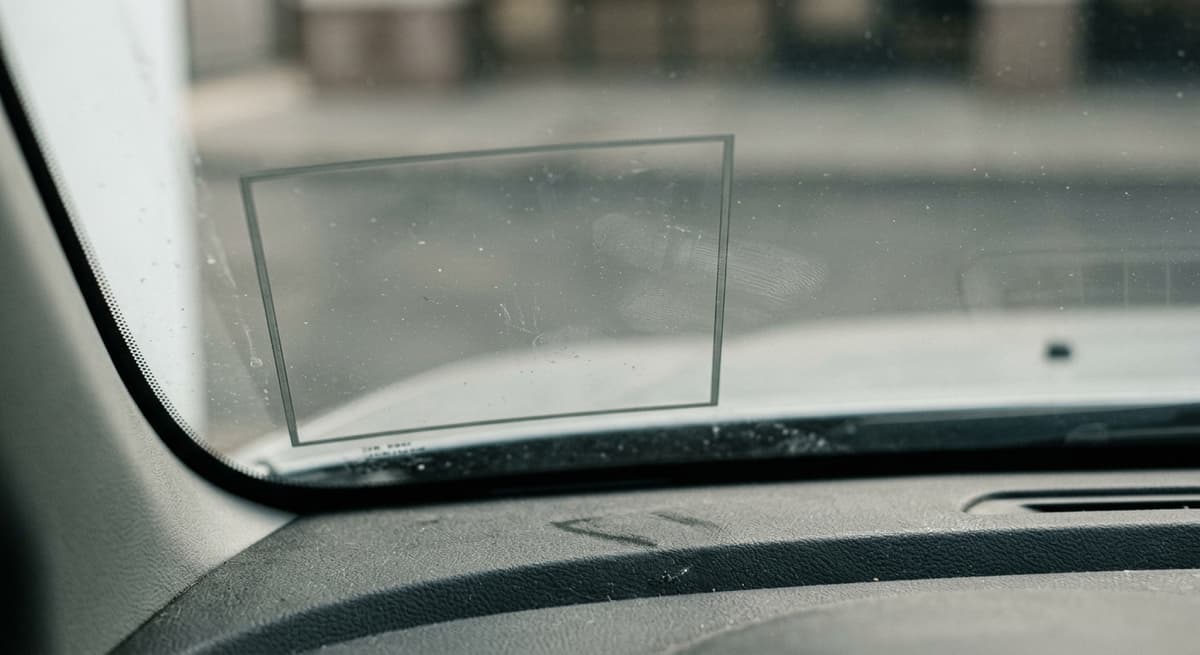
Kansas law does not contain a specific windshield obstruction statute targeting dashcams or other electronic devices. However, K.S.A. 8-1741 requires that every motor vehicle be equipped with a windshield that provides the driver with a clear view of the road. Mounting a dashcam in a location that significantly obstructs the driver's forward view could result in a traffic citation under this provision.
Best practices for mounting your dashcam in Kansas:
- Mount the camera behind the rearview mirror where it does not block your line of sight
- Use a compact camera that takes up minimal windshield space
- Ensure the camera does not obstruct any vehicle inspection stickers or registration decals
- Test your field of vision after installation to confirm you can see the road clearly in all directions
Federal Windshield Standards
The Federal Motor Vehicle Safety Standard (FMVSS) 205, administered by the National Highway Traffic Safety Administration (NHTSA), sets requirements for automotive glazing materials, including windshields. While FMVSS 205 does not directly address dashcam mounting, it establishes that windshields must allow adequate visibility. Dashcam installations that significantly reduce windshield transparency could raise compliance concerns.
Dashcam Audio Recording and Kansas Consent Laws
One-Party Consent for In-Vehicle Audio
One of the most important legal considerations for dashcam users in Kansas is audio recording. Many modern dashcams include built-in microphones that capture conversations inside the vehicle along with road footage.
Kansas is a one-party consent state under K.S.A. 21-6101. As the vehicle owner and operator, your presence in the vehicle satisfies the one-party consent requirement. You do not need to inform passengers that the dashcam is recording audio.
This means you can legally:
- Record conversations with passengers without telling them
- Capture audio during traffic stops with law enforcement
- Record verbal exchanges during road rage incidents or accidents
- Use a dashcam that records audio continuously while driving
When Audio Recording Becomes Problematic
While one-party consent protects you when you are in the vehicle, situations can arise where audio recording crosses legal boundaries:
- Unattended vehicle recording. If you leave your dashcam running while you are not in the vehicle and it captures conversations between other people, you are no longer a party to those conversations. This could violate K.S.A. 21-6101(a)(4), which prohibits using devices to record sounds in a private place without consent.
- Recording in a private place. A parked vehicle in someone's private driveway or garage could be considered a private place under K.S.A. 21-6101(f). Audio recording in such settings without consent may be illegal.
- Cross-state border calls. If your dashcam records a phone call while you are driving through a two-party consent state, the stricter state's law may apply.
Disabling Audio Recording
If you want to avoid any audio recording concerns entirely, most dashcams allow you to disable the microphone through the camera's settings menu. This lets you capture video footage for safety and liability purposes without recording any conversations.
Using Dashcam Footage as Evidence in Kansas
Traffic Accidents and Insurance Claims
Dashcam footage is one of the most valuable forms of evidence in traffic accident cases. Kansas follows a modified comparative fault system under K.S.A. 60-258a, which means a plaintiff can recover damages only if their percentage of fault is less than the defendant's. Clear dashcam footage showing exactly how an accident occurred can be decisive in establishing who was at fault.
How dashcam footage helps in accident claims:
- Shows the sequence of events leading up to the collision
- Captures traffic signals, stop signs, and road conditions at the time of the accident
- Records the speed and behavior of other drivers
- Provides a time-stamped, objective record that contradicts false claims
- Documents weather and visibility conditions
Admissibility in Kansas Courts
For dashcam footage to be admissible in Kansas courts, it must meet the same evidentiary standards as other recordings. Under K.S.A. 60-464, the party offering the footage must authenticate it by showing:
- The recording device was functioning properly
- The footage has not been altered, edited, or tampered with
- The date, time, and location shown are accurate
- The person presenting the footage can identify the vehicles, people, or locations captured
Kansas courts have accepted dashcam footage in both civil and criminal proceedings. The footage is treated like any other photographic or video evidence and is subject to relevance and authentication requirements.
Criminal Cases
Law enforcement officers in Kansas increasingly rely on dashcam footage from both police cruisers and civilian vehicles. Dashcam footage can serve as evidence in:
- DUI and reckless driving prosecutions
- Hit-and-run investigations
- Road rage and assault cases
- Traffic violation disputes
- Insurance fraud investigations
If you witness a crime or traffic violation, you can provide your dashcam footage to law enforcement. Kansas has no law requiring you to turn over footage, but cooperating with investigations is generally advisable.
Small Claims and Civil Disputes
In Kansas small claims court (cases up to $10,000 under K.S.A. 61-2703), dashcam footage can help resolve disputes about property damage, minor collisions, and parking lot incidents. The informal nature of small claims proceedings means that authentication requirements are typically less strict, though the footage still needs to be relevant and genuine.
Commercial Dashcam Use in Kansas
Fleet Operators and Trucking Companies
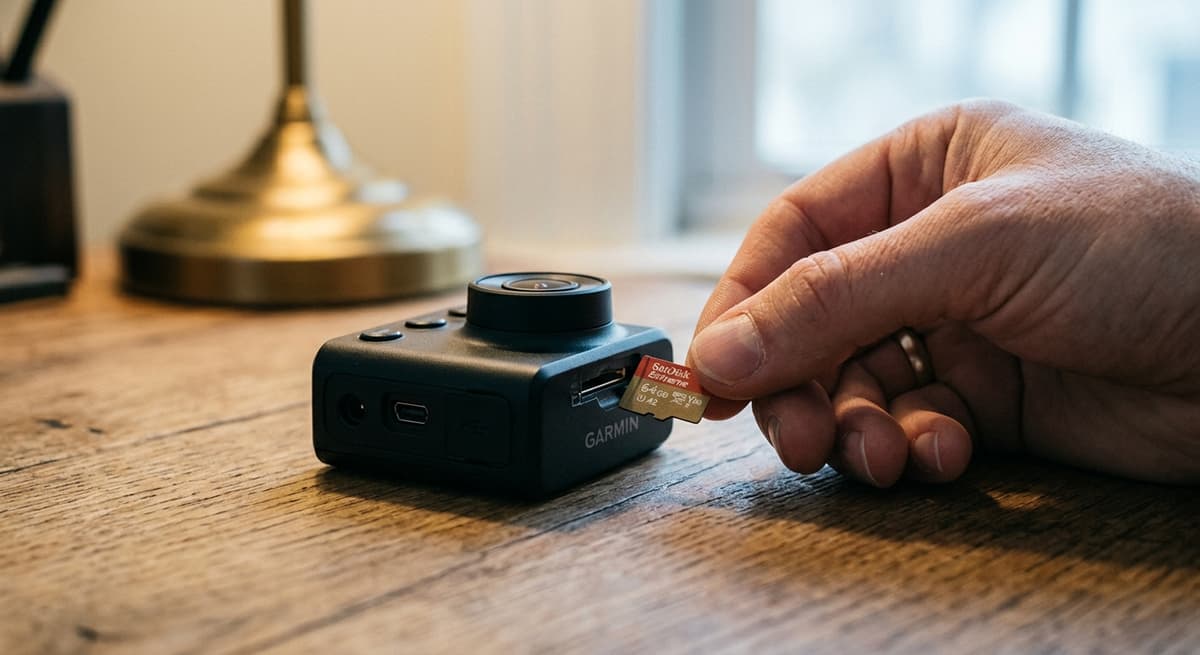
Commercial fleet operators in Kansas commonly use dashcams for driver safety monitoring, accident liability protection, and regulatory compliance. The Federal Motor Carrier Safety Administration (FMCSA) does not mandate dashcam use for commercial vehicles, but it does not prohibit it either.
Benefits for Kansas commercial operators:
- Reduced insurance premiums through documented safe driving records
- Protection against fraudulent accident claims
- Driver training and coaching using real-world footage
- Compliance documentation for FMCSA audits and inspections
- Evidence in workers' compensation disputes
Employee Privacy Considerations
If you operate a fleet in Kansas, be aware that while the state's one-party consent law permits audio recording when the driver consents, employment law and company policies may create additional obligations. Best practices include:
- Including dashcam use in your company's employee handbook
- Having drivers acknowledge the presence of dashcams in writing
- Clearly stating how footage will be used, stored, and shared
- Limiting access to footage to authorized personnel only
- Establishing data retention policies for stored footage
Rideshare and Taxi Drivers
Rideshare drivers for services like Uber and Lyft operating in Kansas can legally use dashcams. Both Uber and Lyft permit dashcam use in their driver guidelines. As a rideshare driver in Kansas, your presence in the vehicle satisfies the one-party consent requirement for audio recording.
Some rideshare drivers choose to post a small notice informing passengers that the vehicle is equipped with a dashcam. While this is not legally required in Kansas, it can help avoid disputes and may deter bad behavior from passengers.
Dashcams and Law Enforcement in Kansas
Recording During Traffic Stops
You have the right to record police officers during traffic stops in Kansas. The First Amendment protects the right to record law enforcement officers performing their duties in public, and a traffic stop on a public road qualifies as a public interaction.
Your dashcam can continue recording during a traffic stop. You do not need to turn it off or announce that it is recording. If an officer asks you to stop recording, you can politely inform them that you have a legal right to record.
For more information about your rights when recording police in Kansas, see our guide on Kansas laws on recording police.
Police Requests for Dashcam Footage
Law enforcement officers in Kansas may ask for your dashcam footage if you witnessed an accident or crime. You are generally under no legal obligation to provide it voluntarily. However, if a court issues a subpoena or search warrant for your footage, you must comply.
If you choose to share footage voluntarily:
- Make a copy of the footage before handing it over
- Note the officer's name, badge number, and the case number
- Ask for a receipt or documentation of the transfer
- Keep the original footage as a backup
Dashcam Data Storage and Privacy
Kansas Data Privacy Considerations
Kansas does not have a comprehensive consumer data privacy law like California's CCPA or the EU's GDPR. This means there are no state-specific regulations governing how dashcam footage must be stored, how long it can be retained, or when it must be deleted.
However, if your dashcam footage captures identifiable individuals, license plates, or private property, you should exercise reasonable care with that data. Best practices include:
- Using password-protected or encrypted storage for footage
- Deleting footage that is no longer needed
- Not posting dashcam footage of identifiable people online without their consent (to avoid potential invasion of privacy claims)
- Keeping footage in a secure location if it may be needed as evidence
Cloud Storage and GPS Data
Many modern dashcams upload footage to cloud storage and record GPS location data. While Kansas law does not specifically regulate this practice, federal regulations on data security may apply if you are a commercial operator. The GPS data captured by your dashcam could potentially be used in legal proceedings to establish your location at specific times.
Penalties for Illegal Dashcam Use in Kansas
While dashcam use itself is legal, certain misuses can result in penalties:
| Violation | Statute | Penalty |
|---|---|---|
| Windshield obstruction causing unsafe driving | K.S.A. 8-1741 | Traffic citation and fine |
| Recording audio without consent (when not a party) | K.S.A. 21-6101 | Class A nonperson misdemeanor: up to 1 year jail, $2,500 fine |
| Voyeuristic use of cameras | K.S.A. 21-6101(a)(6) | Severity level 8 person felony (severity level 5 upon a second or subsequent conviction within 5 years) |
| Sharing illegally obtained footage | K.S.A. 21-6101(a)(2) | Class A nonperson misdemeanor: up to 1 year jail, $2,500 fine |
Civil liability may also apply. Under K.S.A. 22-2518, victims of illegal audio interception can recover a minimum of $1,000 in damages, plus punitive damages and attorney fees.
Dashcams and Kansas Insurance
How Dashcams Affect Insurance Claims
Kansas is a no-fault insurance state under K.S.A. 40-3107. In no-fault states, your own insurance pays for your medical expenses and lost wages after an accident, regardless of who caused it. However, you can step outside the no-fault system and file a liability claim against the at-fault driver if your injuries exceed certain thresholds.
Dashcam footage can be critical in these threshold cases because it provides objective evidence of the accident's severity and the other driver's fault. Insurance adjusters regularly review dashcam footage when processing claims.
Insurance Discounts for Dashcam Users
Some Kansas insurance providers offer discounts for vehicles equipped with dashcams, particularly for commercial fleets. Contact your insurance provider to ask whether dashcam use qualifies you for any premium reductions.
More Kansas Recording Laws
Audio Recording | Video Recording | Voyeurism Laws | Workplace Recording | Recording Police | Phone Call Recording | Security Cameras | Recording in Public | Landlord-Tenant Recording | Dashcam Laws | School Recording | Medical Recording
More Kansas Recording Topics
More Kansas Laws
Frequently Asked Questions
Do I need to tell passengers my dashcam is recording audio in Kansas?
No. Kansas is a one-party consent state under K.S.A. 21-6101. As the vehicle operator, your presence in the vehicle satisfies the consent requirement. You are not legally required to inform passengers that the dashcam is recording audio. However, some drivers choose to post a small notice as a courtesy.
Can dashcam footage be used as evidence in Kansas courts?
Yes. Dashcam footage is admissible in Kansas courts as long as it is properly authenticated under K.S.A. 60-464. The offering party must show that the recording device was functioning properly, the footage has not been altered, and the content is relevant to the case. Courts accept dashcam footage in both civil and criminal proceedings.
Where should I mount my dashcam to comply with Kansas law?
Kansas does not have a specific dashcam mounting statute, but K.S.A. 8-1741 requires a clear view through the windshield. Mount the camera behind the rearview mirror or in the lower corner of the windshield where it does not block your line of sight. Avoid placing it in the center of the windshield or anywhere that obstructs your view.
Can my dashcam record while my car is parked and I am not in it?
The video recording itself is generally legal. However, if the dashcam also records audio while you are not in the vehicle, it could capture conversations between other people without any party consenting. This may violate K.S.A. 21-6101. Consider disabling the microphone for parking mode or using a dashcam that only records video when parked.
Can a police officer tell me to turn off my dashcam during a traffic stop in Kansas?
No. The First Amendment protects your right to record law enforcement officers performing their duties in public. A traffic stop on a public road is a public interaction, and your dashcam can continue recording. If an officer asks you to stop recording, you can politely inform them of your legal right to record.
Updates
Fixed the dead K.S.A. 8-1741 windshield-statute citation link, corrected the mislabeled authentication statute for dashcam footage from K.S.A. 60-456 (opinion testimony) to K.S.A. 60-464 (actual authentication statute), corrected the Kansas small claims limit from $4,000 to the actual $10,000, and repaired a broken markdown link.
Independently fact-checked against the cited primary sources
Governing law re-checked for recent changes
Corrected the penalty table for K.S.A. 21-6101(a)(6) voyeurism: the statute makes a first conviction a severity level 8 person felony, with severity level 5 applying only on a second or subsequent conviction within five years.
Governing law re-checked for recent changes
Confirmed K.S.A. 21-6101 one-party consent framework for in-vehicle audio. No statutory changes. Added UpdatesLog.
Reviewed and approved by an editor
The Law Behind This Article
This article rests on the statutory provisions below, held in our own legal record and retrieved from the official source. Tap a section to read the operative text.
Kansas Statutes Annotated, Chapter 21: CRIMES AND PUNISHMENTS
§ 21-6101Breach of privacy.In forcecited in 26 of our articles
(a) Breach of privacy is knowingly and without lawful authority: (1) Intercepting, without the consent of the sender or receiver, a message by telephone, telegraph, letter or other means of private communication; (2) divulging, without the consent of the sender or receiver, the existence or contents of such message if such person knows that the message was illegally intercepted, or if such person illegally learned of the message in the course of employment with an agency in transmitting such message; (3) entering with intent to listen surreptitiously to private conversations in a private place or to observe the personal conduct of any other person or persons entitled to privacy therein; (4) installing or using outside or inside a private place any device for hearing, recording, amplifying or broadcasting sounds originating in such place, which sounds would not ordinarily be audible or comprehensible without the use of such device, without the consent of the person or persons entitled to privacy therein; (5) installing or using any device or equipment for the interception of any telephone, telegraph or other wire or wireless communication without the consent of the person in…
Official text (excerpt) · last checked 2026-08-31 · Read the full text in our law library · Verify at ksrevisor.gov
Cited in 8 court opinions in our collectionLatest citing opinion in our collection: 2026
In the courts (editorial summary, independently checked):Recent Kansas decisions construe the image-dissemination subsection, K.S.A. 21-6101(a)(8), not the interception subsections. State v. Ivy (2025) held a reasonable expectation of privacy under that subsection has a subjective and an objective component. State v. Jamil (2026), unpublished, found disseminating needs no jury definition.
Opinions citing this section in our collection:
- State v. Ivy (Court of Appeals of Kansas 2025)✓Ivy posted on Snapchat a sexual video his ex-girlfriend had recorded and texted him during their relationship; the court applied a subjective and objective two-part test and held a jury could find she kept a reasonable expectation of privacy, affirming the conviction.
- In re Belcher (Supreme Court of Kansas 2024, 552 P.3d 1213)“…deotape, photograph, film or image obtained in violation of K.S.A. 21-6101(a)(6) or (a)(8), and amendments…”
- State v. Jamil (Court of Appeals of Kansas 2026)✓Jamil secretly filmed a woman undressed and unconscious at his home, then sent the videos to her boyfriend; the court held that sharing with a single recipient can be disseminating under K.S.A. 21-6101(a)(8) and that intent to harass could be inferred from his conduct.
Identified automatically from the court opinions citing this section — not a ranking of which case controls.
Also relied on in: Kansas Audio Recording Laws, Kansas Phone Call Recording Laws, Kansas Laws on Recording Police
Kansas Statutes Annotated, Chapter 22: CRIMINAL PROCEDURE
§ 22-2518Same; civil action for damages; defense available in civil and criminal actions.In forcecited in 11 of our articles
(1) Any person whose wire, oral or electronic communication is intercepted, disclosed or used in violation of this act shall have a civil cause of action against any person who intercepts, discloses or uses, or procures any other person to intercept, disclose or use, such communications, and shall be entitled to recover from any such person: (a) Actual damages, but not less than liquidated damages computed at the rate of $100 a day for each day of violation or $1,000, whichever is greater; (b) punitive damages; and (c) reasonable attorneys' fees and other litigation costs reasonably incurred. (2) A good faith reliance by any person on a court order authorizing the interception of any wire, oral or electronic communication shall constitute a complete defense in any civil or criminal action brought against such person based upon such interception.
Official text (excerpt) · last checked 2026-07-29 · Read the full text in our law library · Verify at ksrevisor.gov
Cited in 6 court opinions in our collectionLatest citing opinion in our collection: 2024
Opinions citing this section in our collection:
- State v. Gibson (Supreme Court of Kansas 1994, 255 Kan. 474)“…f unlawfully intercepted *481 wire or oral communications. K.S.A. 22-2518 establishes a civil cause of action for…”
- Fields v. Atchison, Topeka, & Santa Fe Railway Co. (District Court, D. Kansas 1997, 985 F. Supp. 1308)“…18 U.S.C. § 2510 et seq., and the Kansas Wiretap Act, K.S.A. 22-2518, and invaded their privacy by intercept…”
- Banks v. Opat (District Court, D. Kansas 2021)“…ete defense against any civil action. 18 U.S.C. § 2520(d); K.S.A. § 22-2518(2). “To be in good faith, the officers’…”
Identified automatically from the court opinions citing this section — not a ranking of which case controls.
Also relied on in: Kansas Landlord-Tenant Recording Laws, Kansas Security Camera Laws, Kansas Video Recording Laws
Kansas Statutes Annotated, Chapter 40: INSURANCE
§ 40-3107Motor vehicle liability insurance policies; required contents; exclusions of coverage; legislative interim study.In forcecited in 3 of our articles
Every policy of motor vehicle liability insurance issued or renewed on or after January 1, 2017, by an insurer to an owner residing in this state shall: (a) Designate by explicit description or by appropriate reference of all vehicles with respect to which coverage is to be granted; (b) insure the person named and any other person, as insured, using any such vehicle with the expressed or implied consent of such named insured, against loss from the liability imposed by law for damages arising out of the ownership, maintenance or use of any such vehicle within the United States of America or the Dominion of Canada, subject to the limits stated in such policy; (c) state the name and address of the named insured, the coverage afforded by the policy, the premium charged and the policy period; (d) contain an agreement or be endorsed that insurance is provided in accordance with the coverage required by this act; (e) contain stated limits of liability, exclusive of interest and costs, with respect to each vehicle for which coverage is granted, not less than $25,000 because of bodily injury to, or death of, one person in any one accident and, subject to the limit for one person, to a…
Official text (excerpt) · last checked 2026-07-29 · Read the full text in our law library · Verify at ksrevisor.gov
Cited in 82 court opinions in our collectionLatest citing opinion in our collection: 2020
Opinions citing this section in our collection:
- Liggatt v. Employers Mutual Casualty Co. (Supreme Court of Kansas 2002, 273 Kan. 915)“…ng as they have the owner’s consent to operate the vehicle. K.S.A. 40-3107(a) and (b).” Based upon the abov…”
- West v. Collins (Supreme Court of Kansas 1992, 251 Kan. 657)“…of the ownership, maintenance or use of any such vehicle.” K.S.A. 40-3107(b). The trial court disposed of…”
- Safeco Insurance Co. of America v. Allen (Supreme Court of Kansas 1997, 262 Kan. 811)“…sas unless a motor vehicle liability policy conforming with K.S.A. 40-3107 is in effect for such vehicle. K.S.A. 4…”
Identified automatically from the court opinions citing this section — not a ranking of which case controls.
Also relied on in: Kansas Car Accident Laws: No-Fault, PIP, Insurance, and Your Claim, Motorcycle Accident Laws in Kansas (2026): Deadlines & Helmets
Kansas Statutes Annotated, Chapter 60: PROCEDURE, CIVIL
§ 60-258aComparative negligence.In forcecited in 10 of our articles
(a) Effect of contributory negligence. The contributory negligence of a party in a civil action does not bar that party or its legal representative from recovering damages for negligence resulting in death, personal injury, property damage or economic loss, if that party's negligence was less than the causal negligence of the party or parties against whom a claim is made, but the award of damages to that party must be reduced in proportion to the amount of negligence attributed to that party. If a party claims damages for a decedent's wrongful death, the negligence of the decedent, if any, must be imputed to that party. (b) Special verdicts or findings required. When the comparative negligence of the parties is an issue, the jury must return special verdicts, or in the absence of a jury, the court must make special findings, determining the percentage of negligence attributable to each party and the total amount of damages sustained by each claimant. The court must determine the appropriate judgment. (c) Joining additional parties.
Official text (excerpt) · last checked 2026-09-08 · Read the full text in our law library · Verify at ksrevisor.gov
Cited in 247 court opinions in our collectionLatest citing opinion in our collection: 2026
In the courts (editorial summary, independently checked):Brown v. Keill (1978) held that under K.S.A. 60-258a joint and several liability no longer applies, each defendant paying in proportion to its own fault, with the fault of persons not joined still compared. Kennedy v. City of Sawyer (1980) applied those comparative fault principles to strict liability and implied warranty claims.
Opinions citing this section in our collection:
- Brown v. Keill (Supreme Court of Kansas 1978, 224 Kan. 195)✓A car owner sued the other driver over damage to his Jaguar; his son drove it and drew 90 percent of the fault at trial. The court held K.S.A. 60-258a abolished joint and several liability, capping the defendant at 10 percent, and let the unjoined son's fault be compared.
- Kennedy v. City of Sawyer (Supreme Court of Kansas 1980, 228 Kan. 439)✓A city employee sprayed an arsenic herbicide by its sewage lagoons and neighboring cattle died. Reading K.S.A. 60-258a, the court held its fault comparison reaches products claims joined with negligence, and replaced all-or-nothing implied indemnity with apportionment.
- Wooderson v. Ortho Pharmaceutical Corp. (Supreme Court of Kansas 1984, 235 Kan. 387)✓A woman who suffered kidney failure after taking an oral contraceptive won a failure-to-warn verdict. Applying K.S.A. 60-258a, the court held the trial judge properly refused to compare the fault of her settled physicians or of the plaintiff, since no causal negligence was shown.
Identified automatically from the court opinions citing this section — not a ranking of which case controls.
Also relied on in: Kansas Dog Bite Laws: Liability and Victim Rights, Kansas Hit and Run Laws: Penalties and What to Do, Personal Injury Settlement Amounts: What Injuries Are Worth
§ 60-464Authentication or identification of evidence; examples.In forcecited in 2 of our articles
(a) In general. To satisfy the requirement of authenticating or identifying an item of evidence, the proponent must produce evidence sufficient to support a finding that the item is what the proponent claims it is. (b) Examples. The following are examples only, not a complete list, of evidence that satisfies the requirement: (1) Testimony of a witness with knowledge. Testimony that an item is what it is claimed to be. (2) Nonexpert opinion about handwriting. A nonexpert's opinion that handwriting is genuine, based on a familiarity with it that was not acquired for the current litigation. (3) Comparison by an expert witness or the trier of fact. A comparison with an authenticated specimen by an expert witness or the trier of fact. (4) Distinctive characteristics and the like. The appearance, contents, substance, internal patterns or other distinctive characteristics of the item, taken together with all the circumstances. (5) Opinion about a voice. An opinion identifying a person's voice, whether heard firsthand or through mechanical or electronic transmission or recording, based on hearing the voice at any time under circumstances that connect it with the alleged speaker.
Official text (excerpt) · last checked 2026-07-29 · Read the full text in our law library · Verify at ksrevisor.gov
Cited in 28 court opinions in our collectionLatest citing opinion in our collection: 2026
Opinions citing this section in our collection:
- State v. Robinson (Supreme Court of Kansas 2015, 303 Kan. 11)“…dence because the State did not offer it into evidence. See K.S.A. 60-464 (proper foundation required prior to re…”
- State v. Hill (Supreme Court of Kansas 2010, 290 Kan. 339)“…v. Milum, 202 Kan. at 198 . *365 K.S.A. 60-464 provides: “Authentication of a writing…”
- Watco Companies, Inc. v. Campbell (Court of Appeals of Kansas 2016, 52 Kan. App. 2d 602)“…the document was not properly authenticated as required by K.S.A. 60-464 and was therefore inadmissible as evide…”
Identified automatically from the court opinions citing this section — not a ranking of which case controls.
Kansas Statutes Annotated, Chapter 61: PROCEDURE, CIVIL, FOR LIMITED ACTIONS
§ 61-2703Definitions; small claim, amount.In force
As used in this act: (a) "Small claim" means a claim for the recovery of money or personal property, where the amount claimed or the value of the property sought does not exceed $10,000, exclusive of interest, costs and any damages awarded pursuant to K.S.A. 60-2610, and amendments thereto. In actions of replevin, the verified petition fixing the value of the property shall be determinative of the value of the property for jurisdictional purposes. A small claim shall not include: (1) An assigned claim; (2) a claim based on an obligation or indebtedness allegedly owed to a person other than the person filing the claim, where the person filing the claim is not a full-time employee or officer of the person to whom the obligation or indebtedness is allegedly owed; or (3) a claim obtained through subrogation. (b) "Person" means an individual, partnership, limited liability company, corporation, fiduciary, joint venture, society, organization or other association of persons.
Official text (excerpt) · last checked 2026-07-29 · Read the full text in our law library · Verify at ksrevisor.gov
Cited in 6 court opinions in our collectionLatest citing opinion in our collection: 2009
Opinions citing this section in our collection:
- Armstrong v. Lowell H. Listrom & Co. (Court of Appeals of Kansas 1986, 11 Kan. App. 2d 448)“…judgment beyond the scope of small claims jurisdiction. See K.S.A. 61-2703(a); L. 1986, ch. 224, *449…”
- Quigley v. Sears (Court of Appeals of Kansas 1986, 11 Kan. App. 2d 468)“…permitted in such a case at the time this action was filed. K.S.A. 61-2703(a). See L. 1986, ch. 224, § 1 (amending…”
- Barton v. Miller (Supreme Court of Kansas 1979, 225 Kan. 624)“…the statutory definition of a “small claim” as provided in K.S.A. 61-2703. *626 Part of the confusion in this…”
Identified automatically from the court opinions citing this section — not a ranking of which case controls.
Kansas Statutes Annotated, Chapter 8: AUTOMOBILES AND OTHER VEHICLES
§ 8-1741Windshields and windows; damaged windshields prohibited; obstruction or impairment prohibited; wipers.In forcecited in 2 of our articles
(a) No person shall drive any motor vehicle with any sign, poster or other nontransparent material upon the front windshield, side wings or side or rear windows of such vehicle which substantially obstructs, obscures or impairs the driver's clear view of the highway or any intersecting highway. (b) No person shall drive any motor vehicle with a damaged front windshield or side or rear windows which substantially obstructs the driver's clear view of the highway or any intersecting highway. (c) The windshield on every motor vehicle shall be equipped with a device for cleaning rain, snow or other moisture from the windshield, which device shall be so constructed as to be controlled or operated by the driver of the vehicle. (d) Every windshield wiper upon a motor vehicle shall be maintained in good working order.
Official text (excerpt) · last checked 2026-09-07 · Read the full text in our law library · Verify at ksrevisor.gov
Also relied on in: Kansas Windshield Mounting Laws (2026 Guide)
Search our full record of US law — 2.1 million sections, every state + federal →
Sources and References
- K.S.A. 21-6101 - Breach of Privacy (Kansas Revisor of Statutes)(ksrevisor.org)
- K.S.A. 8-1741 - Windshields and Windows; Obstruction or Impairment Prohibited (Kansas Revisor of Statutes)(ksrevisor.gov).gov
- K.S.A. 22-2518 - Civil Action for Damages (Kansas Revisor of Statutes)(ksrevisor.gov).gov
- K.S.A. 60-258a - Comparative Fault (Kansas Revisor of Statutes)(ksrevisor.org)
- K.S.A. 40-3107 - No-Fault Insurance (Kansas Revisor of Statutes)(ksrevisor.org)
- Federal Motor Vehicle Safety Standards - NHTSA(nhtsa.gov).gov
- Federal Motor Carrier Safety Administration(fmcsa.dot.gov).gov