
South Carolina
South Carolina Landlord-Tenant Recording Laws: Rights for Renters and Landlords (2026)
Independently fact-checked against primary sources (last audited August 15, 2026). · Reviewed by the RecordingLaw editorial team. · Law checked current as of August 15, 2026. · 6 primary sources cited on this page. How we verify our legal content
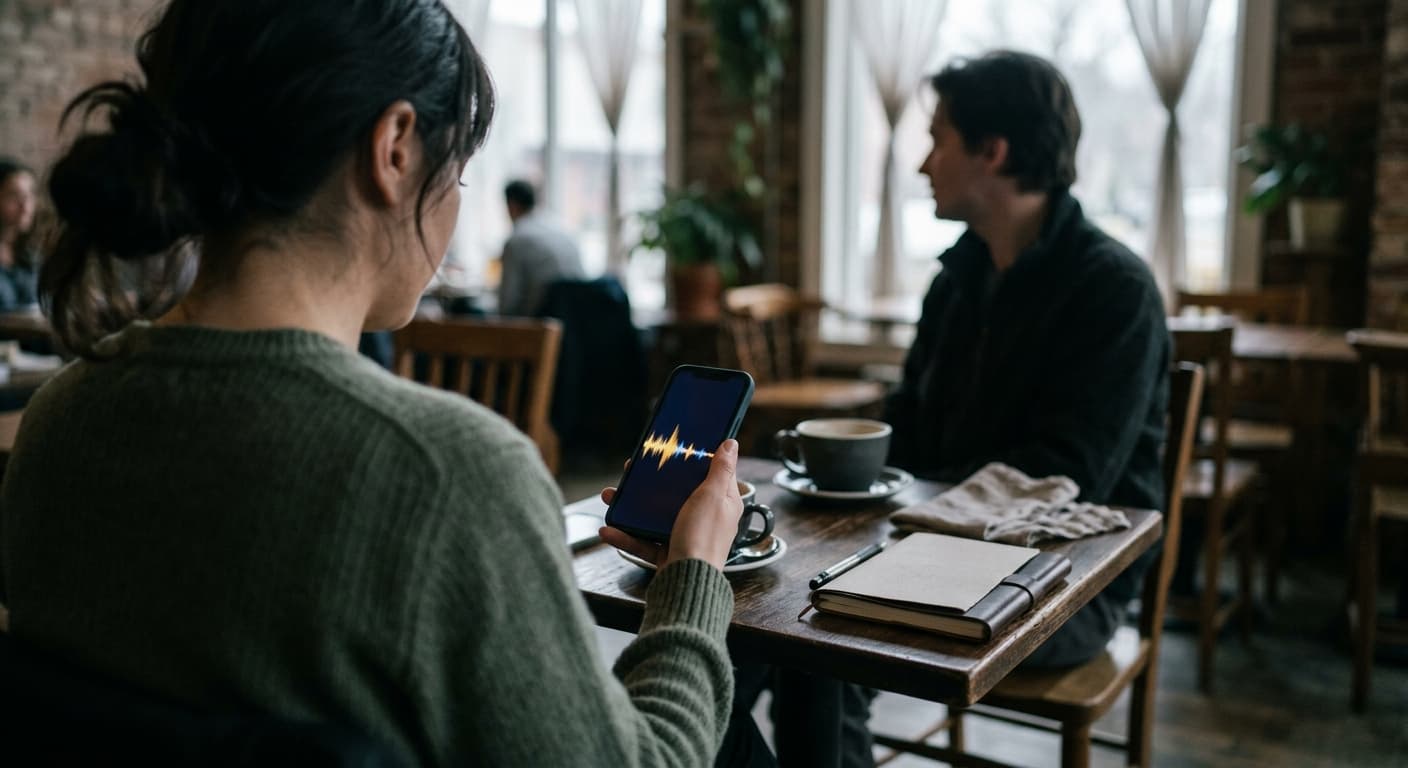
South Carolina tenants can record conversations with their landlord without notice under the one-party consent rule at S.C. Code Ann. 17-30-30. That right covers phone calls, in-person meetings, and move-in or move-out inspections where you are a participant, and recordings made this way are admissible in court.
The landlord-tenant relationship in South Carolina involves a unique set of recording and surveillance issues. Tenants often need to document interactions with landlords about repairs, lease disputes, and potential illegal behavior. Landlords need to monitor their properties for security purposes. South Carolina's recording laws provide a framework for both, but crossing certain lines can result in criminal charges and civil liability.
This guide covers what tenants and landlords can record, where surveillance cameras are permitted, how recordings can be used as evidence, and what to do when privacy rights are violated.
Tenant Recording Rights
Recording Conversations with Your Landlord
Under S.C. Code Ann. 17-30-30, you can record any conversation you participate in without informing the other person. As a tenant, this means you can record:
- Phone calls with your landlord or property manager
- In-person conversations about lease terms, rent increases, or repairs
- Maintenance request discussions
- Move-in and move-out inspections
- Conversations about security deposit disputes
- Discussions about lease renewal or termination
- Any interaction where you are a participant
These recordings can serve as critical evidence in disputes about verbal agreements, harassment, or failure to maintain the property.
Why Tenants Record Landlords
Common situations where tenant recordings prove valuable:
Maintenance and repair disputes. When a landlord verbally agrees to fix a problem but does not follow through, a recording preserves the promise. Under the South Carolina Residential Landlord and Tenant Act (S.C. Code Ann. 27-40-440), landlords must maintain the premises in a fit and habitable condition.
Illegal entry. South Carolina law at S.C. Code Ann. 27-40-530 requires landlords to give reasonable notice before entering a rental unit (except in emergencies). Recording an unauthorized entry documents the violation.
Harassment and retaliation. If a landlord retaliates against you for filing a complaint or exercising your legal rights, recording the interaction provides evidence. S.C. Code Ann. 27-40-910 prohibits landlord retaliation.
Security deposit disputes. Recording a walk-through inspection at move-out can prevent disputes about the condition of the property and justify the return of your security deposit.
Verbal lease modifications. If a landlord verbally agrees to changes in lease terms (reduced rent, permission for a pet, extended move-out date), a recording preserves the agreement.
Tenant Security Cameras
Tenants in South Carolina can generally install security cameras inside their own rental units. Common placements include:
- Inside the unit in common areas (living room, kitchen)
- Doorbell cameras at the unit's entrance
- Window cameras pointing outward at the tenant's parking space
Lease considerations: Before installing cameras, review your lease for provisions about:
- Modifications to the property (drilling holes, running wires)
- Exterior appearance restrictions (especially in apartments and condominiums)
- Rules about recording common areas shared with other tenants
- Sublease provisions that might affect camera placement in shared units
Audio recording caution: If your camera records audio, the one-party consent rule applies. Cameras that passively record conversations you are not part of may violate the wiretapping statute. Consider disabling audio recording on cameras that operate when you are not home.
Landlord Surveillance Rights
Security Cameras in Common Areas
Landlords of multi-unit properties can install security cameras in common areas where tenants do not have a reasonable expectation of privacy:
- Building lobbies and entrance areas
- Hallways and stairwells
- Parking lots and garages
- Laundry rooms
- Exterior building areas
- Mail room areas
- Pool and recreation areas (but not changing rooms or restrooms)
These cameras serve legitimate security purposes and help protect both the property and its tenants.
Where Landlords Cannot Place Cameras
Landlords are strictly prohibited from placing cameras in areas where tenants have a reasonable expectation of privacy:
- Inside individual rental units without tenant consent
- Bathrooms in any location (including common area restrooms)
- Changing rooms near pools, gyms, or laundry areas
- Inside garages or storage units rented to individual tenants (the interior of the rented space is the tenant's private area)
Installing hidden cameras inside a rental unit to view a tenant's private areas violates the voyeurism statute at S.C. Code Ann. 16-17-470. A first offense is a misdemeanor carrying up to 3 years in prison and a fine of up to $500; a second or subsequent voyeurism offense is a felony carrying up to 5 years in prison. The landlord may also face civil liability for invasion of privacy.
Notice Requirements for Common Area Cameras
South Carolina does not have a specific statute requiring landlords to notify tenants about common area security cameras. However, best practices include:
- Including a disclosure in the lease agreement about surveillance in common areas
- Posting visible signage indicating areas under camera surveillance
- Informing tenants during the lease signing process
- Providing information about the purpose and scope of surveillance
Audio Recording by Landlords
Landlord audio surveillance is subject to the wiretapping statute. A landlord cannot install microphones or audio recording devices in common areas to capture tenant conversations without being a party to those conversations. Audio surveillance of this type is a felony under S.C. Code Ann. 17-30-50.
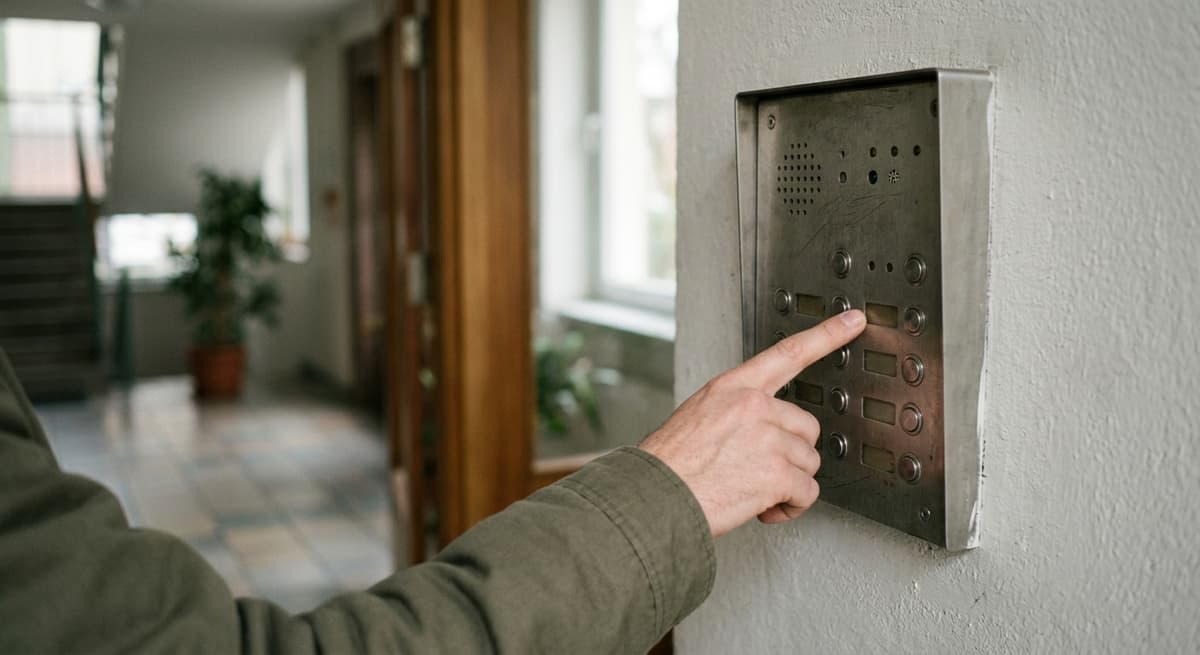
If a landlord uses a camera with audio capability in a common area, the audio function should be disabled unless the landlord is actively participating in conversations captured by the camera (such as through a two-way intercom system).
Recording During Landlord-Tenant Disputes

Documenting Property Conditions
Both tenants and landlords benefit from documenting property conditions through recording:
For tenants:
- Video record the condition of the unit at move-in and move-out
- Photograph and video damage caused by maintenance failures
- Record conversations where you notify the landlord of needed repairs
- Document the condition of the property before and after landlord inspections
For landlords:
- Video record property conditions during inspections
- Document damage caused by tenants
- Record conversations with tenants about lease violations (if you are a participant)
- Preserve evidence of property conditions for security deposit disputes
Recordings as Evidence in Court
Recordings made under one-party consent are admissible in South Carolina courts. In landlord-tenant disputes, recordings can be used in:
Magistrate's court. Most landlord-tenant disputes in South Carolina are heard in magistrate's court. Recordings of conversations about repairs, lease terms, and property conditions are commonly admitted.
Eviction proceedings. Landlords may use recordings to demonstrate lease violations, and tenants may use recordings to show retaliatory eviction or failure to maintain the premises.
Security deposit disputes. Video recordings of move-in and move-out conditions are particularly valuable in security deposit cases. Under S.C. Code Ann. 27-40-410, landlords must return security deposits within 30 days of lease termination.
Fair housing complaints. Recordings can document discriminatory statements or practices that violate the South Carolina Fair Housing Law (S.C. Code Ann. 31-21-10 et seq.) or the federal Fair Housing Act.
Hidden Cameras in Rental Properties

Discovery of Hidden Cameras
If you discover a hidden camera in your rental unit, take these steps:
- Do not touch or remove the camera. Leave it in place for law enforcement to collect as evidence.
- Document the camera. Photograph its location from multiple angles, noting the exact position and any identifying markings.
- Call law enforcement. File a police report immediately. A hidden camera violation in a private area is a misdemeanor on a first offense and a felony on a second or subsequent offense under S.C. Code Ann. 16-17-470.
- Contact an attorney. You may have claims for invasion of privacy, emotional distress, and violation of the voyeurism statute.
- Notify the landlord in writing. If the landlord is not the suspect, notify them. If the landlord installed the camera, do not give them advance notice before contacting law enforcement.
Short-Term Rentals (Airbnb, VRBO)
Hidden cameras in short-term rental properties are an increasing concern. South Carolina guests in short-term rentals have the same privacy protections as long-term tenants:
- Cameras in bedrooms, bathrooms, and other private areas are illegal under the voyeurism statute
- Hosts must disclose any cameras on the property (most platforms require this in their terms of service)
- Exterior cameras and cameras in common areas that are disclosed are generally permitted
- If you discover an undisclosed camera, report it to law enforcement and the rental platform
- If intimate images were captured and distributed without consent, South Carolina's 2025 NCII law (S.C. Code Ann. 16-15-332, signed May 12 2025) provides a criminal remedy
Criminal Penalties for Landlord Voyeurism
A landlord who installs hidden cameras in a tenant's private spaces faces:
| Offense | Classification | Maximum Penalty |
|---|---|---|
| Voyeurism (first offense) | Misdemeanor | Up to 3 years in prison, $500 fine |
| Voyeurism (second or subsequent offense) | Felony | Up to 5 years in prison |
| Wiretapping (if audio is captured) | Felony | Up to 5 years in prison, $5,000 fine |
| Aggravated voyeurism (selling or distributing the recording) | Felony | Up to 10 years in prison |
In addition to criminal penalties, the tenant can pursue civil claims for:
- Invasion of privacy damages
- Emotional distress
- Punitive damages
- Attorney's fees
- Civil damages under S.C. Code Ann. 17-30-135 ($500/day or $25,000 minimum) if audio was captured
Landlord Entry and Recording
Notice Requirements for Entry
Under S.C. Code Ann. 27-40-530(c), landlords must give the tenant at least 24 hours' notice of intent to enter and may enter only at reasonable times. This is an explicit statutory minimum, not an unwritten custom. Exceptions exist for:
- Emergencies (fire, flood, gas leak)
- Tenant abandonment (reasonable belief the tenant has abandoned the unit)
- Court orders requiring access
Recording Unauthorized Entry
If your landlord enters without proper notice, recording the entry can provide valuable evidence. Options include:
- Smart doorbell cameras that capture the landlord arriving
- Interior security cameras that record the entry
- Audio recordings if you are present and confronting the landlord about the unauthorized entry
Under S.C. Code Ann. 27-40-780(b), a tenant harmed by a landlord's unlawful entry, repeated unreasonable lawful entry, or repeated entry demands that amount to harassment can get an injunction against the conduct or terminate the rental agreement, and can recover actual damages plus reasonable attorney's fees. South Carolina law does not provide a fixed one-month's-rent remedy for unauthorized entry.
Lease Provisions About Recording
Common Lease Clauses
Some South Carolina landlords include provisions in leases addressing recording and surveillance:
- No-recording clauses. Some leases prohibit tenants from recording conversations with landlord representatives. While such clauses may be enforceable as a matter of contract, they cannot override state law. A recording made in violation of a lease clause is still legal under S.C. Code Ann. 17-30-30, though violating the clause could potentially be treated as a lease violation.
- Camera installation restrictions. Leases may restrict the type or placement of tenant-installed cameras, particularly regarding modifications to the property.
- Surveillance disclosure clauses. Some leases disclose that common areas are under surveillance and require tenant acknowledgment.
Unconscionable Lease Terms
Under S.C. Code Ann. 27-40-230, courts can refuse to enforce lease terms that are unconscionable. A lease provision that attempts to waive a tenant's legal right to record their own conversations may be deemed unconscionable, particularly if the tenant needs recordings to protect their legal rights.
South Carolina Recording Law Sub-Topics
Audio Recording | Video Recording | Voyeurism Laws | Workplace Recording | Recording Police | Phone Call Recording | Security Cameras | Recording in Public | Landlord-Tenant | Dashcam Laws | School Recording | Medical Recording
Back to South Carolina Recording Laws
More South Carolina Recording Topics
More South Carolina Laws
Frequently Asked Questions
Can I record my landlord in South Carolina without telling them?
Yes. Under South Carolina one-party consent law (S.C. Code Ann. 17-30-30), you can record any conversation you participate in without informing the other party. This includes phone calls, in-person meetings, move-in and move-out inspections, and maintenance discussions with your landlord or property manager.
Can my landlord install cameras inside my rental unit in South Carolina?
No. Landlords cannot install cameras inside a rental unit without the tenant's consent. Cameras in private areas like bathrooms and bedrooms violate the voyeurism statute (S.C. Code Ann. 16-17-470); a first offense is a misdemeanor (up to 3 years in prison, $500 fine), rising to a felony (up to 5 years) for a second or subsequent offense. Landlords can install cameras in common areas of multi-unit properties like hallways and parking lots.
What should I do if I find a hidden camera in my rental in South Carolina?
Do not touch the camera. Document its location with photographs, then call law enforcement immediately to file a report. Contact an attorney about potential civil claims. If the camera is in a private area like a bathroom or bedroom, the person who installed it faces misdemeanor voyeurism charges under S.C. Code Ann. 16-17-470 for a first offense, rising to felony charges for a second or subsequent offense.
Can I install a security camera at the entrance of my apartment in South Carolina?
Generally yes, but check your lease first. Some leases restrict modifications to the property, including installing cameras in common areas or at entrances. A doorbell camera that does not require drilling or permanent modification is typically the least problematic option. If your camera captures audio, consider disabling it when you are not home to comply with wiretapping laws.
Can recordings be used as evidence in landlord-tenant disputes in South Carolina?
Yes. Recordings made legally under one-party consent are admissible in South Carolina courts. They are commonly used in disputes about repairs, security deposits, lease violations, and eviction proceedings. Video recordings of property conditions at move-in and move-out are particularly valuable in security deposit cases.
Updates
Corrected the Landlord Entry section: S.C. Code Ann. 27-40-530(c) explicitly requires at least 24 hours' notice before entry (it is not silent on the point), and the remedy for a landlord's abuse of access is injunctive relief or lease termination plus actual damages and attorney's fees under S.C. Code Ann. 27-40-780(b), not the one-month's-rent figure the page previously stated.
Independently fact-checked against the cited primary sources; governing law re-checked for recent changes
Governing law re-checked for recent changes
Corrected the voyeurism penalty structure throughout this page: a first-offense hidden camera violation under S.C. Code Ann. 16-17-470 is a misdemeanor (up to 3 years), not an automatic 5-year felony, and the '10 years for a minor victim' claim was removed since the statute's 10-year felony tier applies to selling or distributing a recording, with no age element.
Corrected the FAQ answer on hidden cameras inside a rental unit to state that a first voyeurism offense under S.C. Code Ann. 16-17-470 is a misdemeanor, with the felony tier reserved for a second or subsequent offense, matching the correction already made in the body text and penalty table.
Governing law re-checked for recent changes
Reviewed and approved by an editor
The Law Behind This Article
This article rests on the statutory provisions below, held in our own legal record and retrieved from the official source. Tap a section to read the operative text.
South Carolina Code of Laws, Title 17: CRIMINAL PROCEDURES
§ 17-30-30Interception by employee of Federal Communications Commission, by person acting under color or law, and when party has given prior consentIn forcecited in 16 of our articles
(A) It is lawful under this chapter for an officer, employee, or agent of the Federal Communications Commission, in the normal course of his employment and in discharge of the monitoring responsibilities exercised by the commission in the enforcement of 47 U.S.C. Chapter 5, to intercept a wire, oral, or electronic communication transmitted by radio or to disclose or use the information thereby obtained. (B) It is lawful under this chapter for a person acting under color of law to intercept a wire, oral, or electronic communication, where the person is a party to the communication or one of the parties to the communication has given prior consent to the interception. (C) It is lawful under this chapter for a person not acting under color of law to intercept a wire, oral, or electronic communication where the person is a party to the communication or where one of the parties to the communication has given prior consent to the interception.
Official text (excerpt) · last checked 2026-08-31 · Read the full text in our law library · Verify at scstatehouse.gov
Cited in 1 court opinions in our collectionLatest citing opinion in our collection: 2025
Opinions citing this section in our collection:
- McNeely (District Court, D. South Carolina 2025)“…a showing. The South Carolina statute cited by Plaintiff—S.C. Code § 17-30-30—provides “it is lawful . . . for a per…”
Identified automatically from the court opinions citing this section — not a ranking of which case controls.
Also relied on in: South Carolina AI Meeting Recording Laws (2026), South Carolina Smart Glasses Recording Laws 2026, South Carolina Recording Laws (2026): One-Party Consent Rules
South Carolina Code of Laws, Title 16: CRIMES AND OFFENSES
§ 16-15-332Disseminating intimate images without consentIn forcecited in 5 of our articles
(A) A person who intentionally disseminates an intimate image or a digitally forged intimate image of another person without the effective consent of the depicted person is guilty of the unauthorized disclosure of intimate images. A person intentionally disseminates an intimate image or a digitally forged intimate image if he has knowledge that the image was obtained or created under circumstances when he knew or reasonably should have known the person depicted had a reasonable expectation of privacy. Any dissemination of multiple intimate images of the same individual as part of a common act is a single offense. The fact that the identifiable individual: (1) provided affirmative consent for the creation of the intimate image shall not establish that the individual provided effective consent for the dissemination of the intimate image; and (2) disclosed the intimate image to another individual shall not establish that the identifiable individual provided effective consent for the dissemination of the intimate image by the person alleged to have violated this section.
Official text (excerpt) · last checked 2026-09-03 · Read the full text in our law library · Verify at scstatehouse.gov
Also relied on in: South Carolina Sexting Laws: Legal Consequences and Penalties, South Carolina Deepfake Laws: AI Images, Voice Cloning & Penalties (2026), South Carolina AI Laws and Regulation (2026)
United States Code Title 18
§ 1801Video voyeurismIn forcecited in 79 of our articles
Whoever, in the special maritime and territorial jurisdiction of the United States, has the intent to capture an image of a private area of an individual without their consent, and knowingly does so under circumstances in which the individual has a reasonable expectation of privacy, shall be fined under this title or imprisoned not more than one year, or both. In this section— the term “capture”, with respect to an image, means to videotape, photograph, film, record by any means, or broadcast; the term “broadcast” means to electronically transmit a visual image with the intent that it be viewed by a person or persons; the term “a private area of the individual” means the naked or undergarment clad genitals, pubic area, buttocks, or female breast of that individual; the term “female breast” means any portion of the female breast below the top of the areola; and the term “under circumstances in which that individual has a reasonable expectation of privacy” means— circumstances in which a reasonable person would believe that he or she could disrobe in privacy, without being concerned that an image of a private area of the individual was being captured; or circumstances in which a…
Official text (excerpt) · last checked 2026-07-28 · Read the full text in our law library · Verify at uscode.house.gov
Cited in 53 court opinions in our collectionLatest citing opinion in our collection: 2026
In the courts (editorial summary, independently checked):Courts have applied 18 U.S.C. 1801 mainly at its edges. United States v. Johnson (2010) read it as Congress's answer to secretly filming nudity on federal property, acquitting on a child exploitation charge instead. EPIC v. Department of Homeland Security (2011) applied the Section 1801(c) law enforcement exception to a TSA scanner claim.
Opinions citing this section in our collection:
- United States v. Anthony Helton (Court of Appeals for the Fourth Circuit 2019, 944 F.3d 198)“…from this list of federal offenses is video voyeurism under 18 U.S.C. § 1801. Rather than list this statute as an enu…”
- United States v. Johnson (District Court, W.D. Missouri 2010, 719 F. Supp. 2d 1059)✓A weightlifting coach hid a camera to film minors weighing in nude; acquitting him under the child exploitation statute, the court called that conduct plain video voyeurism under section 1801, but noted the section reaches only federal maritime and territorial jurisdiction.
- Electronic Privacy Information Center v. United States Department of Homeland Security (Court of Appeals for the D.C. Circuit 2011, 653 F.3d 1)✓Privacy groups challenged TSA body scanners under the Video Voyeurism Prevention Act; the D.C. Circuit held the statute's exception for lawful law enforcement, correctional, or intelligence activity applied to airport screening, so the section 1801 claim failed.
Identified automatically from the court opinions citing this section — not a ranking of which case controls.
Also relied on in: Alaska Voyeurism and Hidden Camera Laws: AS 11.61.123 Explained (2026), Arizona Surreptitious Recording & Voyeurism Laws: ARS 13-3019 Penalties (2026), Arkansas Voyeurism Laws: Hidden Cameras, Penalties, and Defenses (2026)
Explore the law
This article also draws on these acts and chapters (opening at their first section): South Carolina Code of Laws, Title 17: CRIMINAL PROCEDURES § 17-30-10 (Interception of wire, electronic, or oral communications authorized) · South Carolina Code of Laws, Title 16: CRIMES AND OFFENSES § 16-17-10 (Barratry prohibited)
Related law for further reading — not part of this article’s citations.
Search our full record of US law — 2.1 million sections, every state + federal →
Sources and References
- South Carolina Residential Landlord and Tenant Act(scstatehouse.gov).gov
- South Carolina Code of Laws, Title 17, Chapter 30 -- Wiretapping(scstatehouse.gov).gov
- South Carolina Code of Laws, Title 16, Chapter 17 -- Voyeurism(scstatehouse.gov).gov
- South Carolina Fair Housing Law(scstatehouse.gov).gov
- South Carolina Human Affairs Commission(schac.sc.gov).gov
- 18 U.S.C. 1801 -- Video Voyeurism Prevention Act(law.cornell.edu)
- S.C. Code Ann. 16-15-332 -- Unauthorized Disclosure of Intimate Images (Act 37 of 2025)(scstatehouse.gov).gov