
South Carolina
South Carolina Sexting Laws: Legal Consequences and Penalties
Independently fact-checked against primary sources (last audited August 20, 2026). · Reviewed by the RecordingLaw editorial team. · Law checked current as of August 20, 2026. · 6 primary sources cited on this page. How we verify our legal content
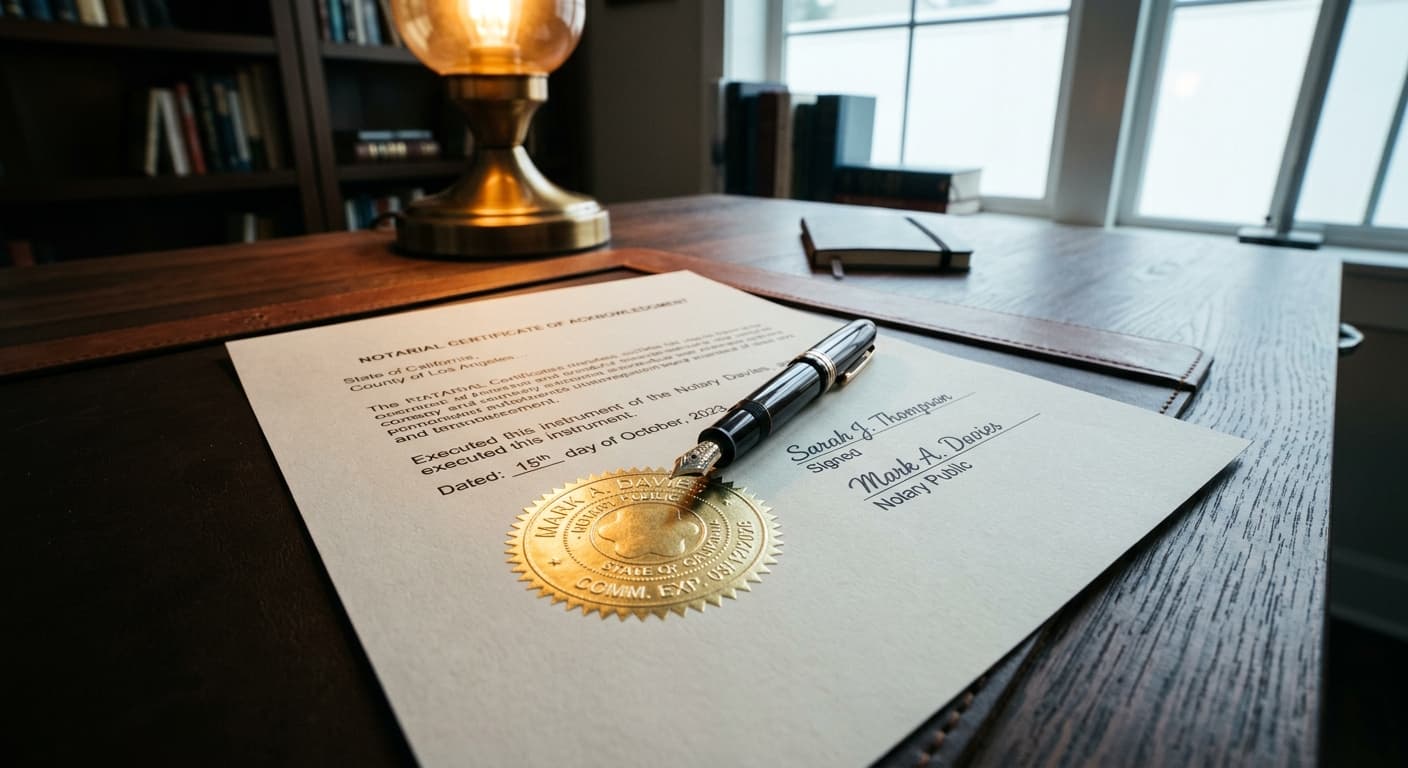
South Carolina has no dedicated teen-sexting statute; the state prosecutes sexting involving minors under its Sexual Exploitation of a Minor laws (S.C. Code §§ 16-15-395, 16-15-405, and 16-15-410), which are felonies. Whether a minor's case can be heard in Family Court depends on which section the prosecutor charges. Each of the three exploitation degrees carries a parallel valve that reaches only a first offense involving a morphed image of an identifiable minor (§ 16-15-395(E), § 16-15-405(E), or § 16-15-410(E)), so it does not cover a real, unaltered image. A separate obscenity-based statute carries a broader valve: under § 16-15-390(D), a minor charged with producing, distributing, or possessing an obscene depiction of a minor faces a misdemeanor heard in Family Court if the minor has no prior adjudication under that section or for any offense that can trigger sex offender registration.
Overview of South Carolina Sexting Laws
South Carolina takes one of the strictest approaches in the country to sexting involving minors. Unlike many other states, South Carolina has never passed a standalone "teen sexting" misdemeanor statute. Instead, the state prosecutes these acts under its Sexual Exploitation of a Minor statutes, which are felonies for adults.

This means that legally, a 16-year-old sending a nude photo to their 16-year-old partner is committing the same statutory offense as an adult producing child pornography. The South Carolina Legislature has recognized the harshness of this approach and added a "safety valve" provision to each degree: a minor charged with a first offense involving a morphed image of an identifiable minor, under § 16-15-395(E), § 16-15-405(E), or § 16-15-410(E), can have that case heard in Family Court as a misdemeanor. A minor charged instead under § 16-15-390, the obscenity-based production and possession statute, gets a broader valve that does not depend on the image being morphed.
South Carolina is also at the forefront of regulating AI-generated explicit content. Since 2025, each of the three sexual exploitation statutes reaches a "morphed image of an identifiable minor" in its own elements, so a deepfake built from a real minor's likeness is prosecuted the same as an actual photograph. The controlling definitions of "morphed image" and "identifiable minor" sit at S.C. Code § 16-15-375(7)-(8).
Sexual Exploitation of a Minor Laws
South Carolina divides sexual exploitation offenses into three degrees. All three are felonies for adults and cover the production, distribution, and possession of explicit material depicting a minor.
First Degree: Production and Coercion (§ 16-15-395)
Under S.C. Code § 16-15-395, it is a felony to use, employ, induce, coerce, encourage, or facilitate a minor to engage in sexual activity or appear in a state of sexually explicit nudity for the purpose of producing visual material. Asking a partner to take an explicit photo can fall under this definition, because subsection (A)(1) reaches conduct aimed at another minor.
Taking a photo of oneself does not. Subsections (A)(1) through (A)(3) all require acting on another minor, and the only self-recording clause is subsection (A)(4), which applies only where the material is recorded, produced, or created for sale or pecuniary gain. Ordinary self-produced sexting is second degree under § 16-15-405(A)(1), not first degree.
Penalty: 3 to 20 years in prison (minimum 3 years mandatory).
Second Degree: Distribution (§ 16-15-405)
Under S.C. Code § 16-15-405, it is a felony under subsection (A)(1) to record, photograph, film, or create a digital file of material depicting a minor, or a morphed image of an identifiable minor, engaged in sexual activity or appearing in a state of sexually explicit nudity, and a felony under subsection (A)(2) to distribute, transport, exhibit, receive, sell, purchase, exchange, or solicit that material. A minor who photographs themselves is reached by (A)(1). Sending a sext, even to the person who requested it, falls under (A)(2).
Penalty: 2 to 10 years in prison (minimum 2 years mandatory).
Third Degree: Possession (§ 16-15-410)
Under S.C. Code § 16-15-410, it is a felony to knowingly possess material containing a visual representation of a minor engaged in sexual activity or appearing in sexually explicit nudity. Receiving a sext and keeping it on a phone falls under this statute.
Penalty: Up to 10 years in prison.
Penalties Summary
| Offense | Statute | Classification | Penalty Range |
|---|---|---|---|
| First Degree (Production/Coercion) | § 16-15-395 | Felony | 3 to 20 years (3-year minimum) |
| Second Degree (Production/Distribution) | § 16-15-405 | Felony | 2 to 10 years (2-year minimum) |
| Third Degree (Possession) | § 16-15-410 | Felony | Up to 10 years |
| Obscene Depiction of a Minor (production, distribution, possession) | § 16-15-390 | Felony | Up to 10 years |
| Teen First Offense, Morphed Image Only (Family Court) | §§ 16-15-395(E), 405(E), 410(E) | Misdemeanor | Court discretion (counseling/probation) |
| Minor with No Prior Adjudication, Real or Morphed Image (Family Court) | § 16-15-390(D) | Misdemeanor | Court discretion (counseling) |
The Family Court Safety Valve for Minors
Recognizing the problem of applying felony statutes to teenagers charged with AI-morphed image offenses, the South Carolina Legislature added a parallel "safety valve" provision to each of the three sexual exploitation degrees: § 16-15-395(E), § 16-15-405(E), and § 16-15-410(E). This safety valve allows a minor's first offense involving a morphed image of an identifiable minor, under any of the three degrees, to be handled more appropriately.
A second, broader valve sits in § 16-15-390(D), added by 2025 Act No. 57 (S.28), effective May 22, 2025. Which valve is available depends on the section the solicitor charges, so it is not accurate to say that a minor accused over a real, unaltered image has no route to Family Court at all.
How the Safety Valve Works
Each provision states that a minor charged under § 16-15-395(A)(4) (the morphed-image/pecuniary-gain offense), or under the (A) conduct of § 16-15-405 or § 16-15-410, whose case is the minor's first offense related to a morphed image of an identifiable minor, can have the case heard in Family Court rather than General Sessions (adult criminal court). It does not extend to a first offense involving a real, unaltered image. In Family Court:
- The charge is treated as a misdemeanor for adjudication purposes
- Judges have discretion to order behavioral health counseling from an appropriate agency or provider
- The focus shifts from punishment to rehabilitation and education
- The outcome is far less severe than what the minor would face in adult court
The Broader Valve Under § 16-15-390(D)
South Carolina separately criminalizes producing, distributing, or possessing an obscene visual depiction of a minor under § 16-15-390, a felony carrying up to 10 years. That statute has its own Family Court provision, and it is not limited to morphed images. Subsection (D) provides that the offense "is a misdemeanor to be heard by the family court if the person charged under this section is a minor, and the minor has no prior adjudication under this section or for any offense for which a person may be included in the sex offender registry," and the family court may order behavioral health counseling as a condition of adjudication.
Two things follow. A minor accused over a real, unaltered image is not automatically shut out of Family Court, because the route depends on the charging decision rather than on whether the image was altered. But § 16-15-390 requires the depiction to be obscene, a narrower standard than the "sexually explicit nudity" that triggers §§ 16-15-395, 405, and 410, so the two sets of statutes do not overlap completely.
Subsection (E) of that same statute is also the one place in South Carolina law that dispenses with a real victim: "It is not a required element of any offense under this section that the minor depicted actually exists." That rule is specific to § 16-15-390 and does not carry over to the three exploitation degrees.
Important Limitations
This safety valve has significant limitations that parents and minors should understand:
- The exploitation-statute valve applies only to a first offense related to a morphed image of an identifiable minor, under § 16-15-395(E) (for the (A)(4) morphed-image/pecuniary-gain conduct), § 16-15-405(E), or § 16-15-410(E). It does not apply to a first offense involving a real, unaltered image charged under those sections, or to a second offense, which can be prosecuted as a felony.
- The § 16-15-390(D) valve is the one that can reach a real image, but only where the charge is actually brought under § 16-15-390. Neither valve is something the accused can elect.
- Prosecutors retain discretion in how they charge serious cases involving coercion, predatory behavior, or wide distribution.
- The provision does not guarantee that the minor will avoid sex offender registration (see the registration section below).
- The underlying statutes remain felonies. The safety valve only redirects the case to a more appropriate venue for first-time offenders.
Revenge Porn and Non-Consensual Sharing (§ 16-15-332)
South Carolina enacted S.C. Code § 16-15-332 in 2025, titled "Disseminating intimate images without consent." This law targets revenge porn and applies to images of both adults and minors.
Elements of the Offense
It is unlawful to intentionally disseminate an intimate image or a digitally forged intimate image of another person without their "effective consent" when the offender knows the image was obtained under circumstances creating a reasonable expectation of privacy.
Definition of "Effective Consent"
The statute defines "effective consent" as the affirmative, conscious, and voluntary authorization by an individual with legal capacity. Importantly, the original sharing of an intimate image with another person is not sufficient effective consent for that person to share it further. This means that sending a partner an intimate photo does not give them permission to show it to others.
Penalties for Revenge Porn
| Circumstance | Classification | First Offense | Second or Subsequent |
|---|---|---|---|
| With intent to harm or for profit | Felony | Up to 5 years prison, up to $5,000 fine | 1 to 10 years prison (1-year mandatory minimum; not suspendable, no probation), up to $10,000 fine |
| Without intent to harm or profit | Misdemeanor | Up to 1 year prison, up to $5,000 fine | Increased penalties |
Civil Remedies
Victims of nonconsensual image sharing can also pursue civil remedies. The law allows individuals to seek injunctive relief (court orders to remove images) and damages for emotional distress, economic harm, and attorney fees.
AI-Generated Images and Deepfakes
South Carolina is among the national leaders in regulating AI-generated sexual content involving minors. The 2025 statutory updates explicitly included "digitally forged intimate images" and "morphed images of an identifiable minor" in the criminal statutes.
Deepfakes Treated as Child Pornography
The operative text of § 16-15-395, § 16-15-405, and § 16-15-410 each reaches "a morphed image of an identifiable minor" alongside a real minor, using the definitions added at § 16-15-375(7)-(8) by 2025 Act No. 58 (S.29). An image created or modified by AI to depict a specific, recognizable minor is therefore treated legally the same as an actual photograph of that minor. This means:
- Production, distribution, and possession of AI-generated child sexual abuse material all carry the same felony penalties as real images
- A recognizable victim is still required for these three felonies. Section 16-15-375(7) defines an "identifiable minor" as a person who was a minor when the image was created, adapted, or modified and who "is recognizable as an actual person by the person's face, likeness, or other distinguishing characteristic." A wholly invented child who does not exist falls outside §§ 16-15-395, 405, and 410. The separate obscenity statute at § 16-15-390(E) is the provision that removes that element
- Revenge porn application: Sharing a deepfake nude of a classmate is prosecuted under § 16-15-332, the same statute that covers sharing real photos
The "Morphed Image" Provision
The safety valve for minors also specifically references "morphed images of an identifiable minor." This means that a teenager who uses AI tools to create explicit images of a classmate can be charged under the sexual exploitation statutes, with the first offense eligible for Family Court processing.
Federal Law: The TAKE IT DOWN Act
Federal law also reaches this conduct, alongside South Carolina's revenge porn statute. The TAKE IT DOWN Act (Public Law 119-12, signed May 19, 2025) added 47 U.S.C. 223(h), making it a federal crime to publish an intimate image of an identifiable person without consent, whether the image is authentic or an AI-generated digital forgery. Publishing an authentic image carries up to 2 years in prison, or 3 years if the victim is a minor. Threatening to publish a digital forgery carries a lower penalty, up to 18 months, or 30 months if the victim is a minor, but threatening to publish an authentic image is punished the same as actually publishing it. Covered platforms must also remove a reported image within 48 hours of a valid request, a duty that became enforceable in 2026. Separately, 15 U.S.C. 6851 (enacted 2022) allows victims to sue for civil damages of at least $150,000 in liquidated damages or actual damages plus attorney fees; whether it reaches AI-generated forgeries remains legally unsettled.
Adults Sexting with Minors
For adults (18 or older), sexting with a minor is a severe felony, and the Family Court safety valves described above are available only to minors. Charges typically include one or more of the following:
Sexual Exploitation (Second Degree)
Distributing or receiving explicit images of a minor. Carries a mandatory minimum of 2 years and up to 10 years in prison.
Criminal Solicitation of a Minor (§ 16-15-342)
Under § 16-15-342, it is a felony punishable by up to 10 years for a person 18 or older to contact or communicate with someone under 18, or someone reasonably believed to be under 18, intending to persuade, induce, entice, or coerce that person to "engage or participate in a sexual activity as defined in Section 16-15-375(5) or a violent crime as defined in Section 16-1-60," or intending to perform a sexual activity in that person's presence.
Two limits on this section matter for sexting cases. First, soliciting an image is not on that list, and the definition of "sexual activity" at § 16-15-375(5) does not include "sexually explicit nudity," which the code defines separately at § 16-15-375(6). Asking a teenager for a nude photo is therefore not, by itself, criminal solicitation of a minor, though it can still be charged under the sexual exploitation statutes.
Second, § 16-15-342(B) makes consent a defense to this specific charge where the person under 18 "is at least sixteen years old." Under subsection (C), consent is not a defense if that person is under 16. This defense is confined to § 16-15-342 and does not apply to the exploitation felonies, where subsection (C) of §§ 16-15-395 and 16-15-405 makes mistake of age irrelevant.
Disseminating Harmful Material to Minors (§ 16-15-385)
Under § 16-15-385, sending explicit content (even content that is legal for adults) to a minor is a felony punishable by up to 10 years in prison.
Mistake of Age Is Not a Defense
South Carolina law explicitly states in §§ 16-15-395(C) and 16-15-405(C) that "mistake of age is not a defense" to prosecution for sexual exploitation. Believing a minor was 18 years old is not a valid legal excuse.
The Missing Romeo and Juliet Defense
Unlike states such as Texas or Florida, South Carolina does not have a specific "Romeo and Juliet" defense written into its sexual exploitation statutes. There is no automatic exemption for close-in-age peers. The safety valve built into the three exploitation degrees does not fill this gap for ordinary sexting: by its own terms, it applies only to a minor's first offense involving a morphed image of an identifiable minor.
This means that two 16-year-olds who exchange real (non-morphed) nude photos of each other are both technically committing felony sexual exploitation under §§ 16-15-405 and 16-15-410, where that valve does not reach them. The separate valve at § 16-15-390(D) can reach a real image, but only if the solicitor charges under § 16-15-390 rather than under the exploitation statutes. That is a charging decision, not a defense the teenagers can raise.
Sex Offender Registration
South Carolina has one of the strictest sex offender registration systems in the country.
General Rule
Convictions for Sexual Exploitation of a Minor (first, second, or third degree) generally require registration on the South Carolina Sex Offender Registry.
Juvenile Adjudications
Juveniles adjudicated delinquent for sexual exploitation offenses can be required to register. However, Family Court judges have discretion. The safety valve provision aims to avoid registration for first-time minor offenders by handling the case as a misdemeanor, but this outcome is not guaranteed.
Risk of Lifetime Registration
A teenager adjudicated for a sex offense could face years of registration requirements that restrict where they can live, work, and attend school. The consequences of registration extend far beyond the original incident and can fundamentally alter the trajectory of a young person's life.
Pending Legislation (2026)
South Carolina continues to consider changes to its sexual exploitation laws. Senate Bill 723, introduced in January 2026, proposes to increase minimum penalties for sexual exploitation of a minor:
- First degree: Increase minimum from 3 years to 5 years imprisonment
- Second degree: Increase minimum from 2 years to 3 years imprisonment
- Third degree: Establish tiered penalties based on the number of images possessed
The bill passed the Senate 44-0 on February 24, 2026 and is now pending in the House Judiciary Committee. If passed, it would make South Carolina's penalties even more severe for adults convicted of these offenses. The bill does not appear to change the Family Court safety valve for minors.
Defenses and Limitations
Law Enforcement Exception
The statutes contain standard exceptions for law enforcement and prosecutors acting in their official capacity. Parents who confiscate a child's phone and discover images should immediately consult an attorney or turn the device over to police to avoid technically violating possession laws. While prosecution of parents in this context is rare, the legal risk exists.
Constitutional Challenges
Some defense attorneys have challenged the application of sexual exploitation statutes to consensual teen sexting on constitutional grounds, arguing that it constitutes an overreach of state power. These challenges have had limited success in South Carolina courts, but they remain an area of active legal debate.
Long-Term Consequences
The consequences of a sexting charge in South Carolina can be devastating, even for minors.
Criminal Record Impact
A felony conviction for sexual exploitation creates permanent barriers to employment, housing, education, and professional licensing. Even a misdemeanor adjudication in Family Court can affect future opportunities in ways that are difficult to predict.
Educational Disruption
Schools may suspend or expel students involved in sexting incidents. The disruption to a student's academic career can have cascading effects on college admissions and scholarship eligibility.
Military and Professional Bars
Sexual offense convictions, including those related to sexting, can permanently disqualify an individual from military service and many licensed professions, including law, medicine, education, and law enforcement.
What to Do If Charged in South Carolina
If you or your child faces an investigation or charges related to sexting in South Carolina, the stakes are exceptionally high due to the felony nature of the underlying statutes.
Immediate Steps
- Contact a criminal defense attorney experienced in South Carolina sex crimes and juvenile law immediately
- Do not speak to law enforcement without your attorney present
- Preserve all evidence on the device. Do not delete messages, images, or data, as this could constitute destruction of evidence
- Do not contact the other parties involved in the incident
Critical Warnings
- Do not assume that because your child is a minor, the charges will be handled lightly. South Carolina's statutes are felonies by default.
- Do not forward or share the images with anyone, even to demonstrate what happened. Each act of sharing constitutes a separate offense.
- Do not discuss the case on social media or with other parents in the community.
More South Carolina Laws
Frequently Asked Questions
Is sexting a felony in South Carolina?
Yes. The statutes governing sexting involving minors (Sexual Exploitation of a Minor) are classified as felonies. Whether a minor's case reaches Family Court depends on the charge. The valve written into all three degrees (Sec. 16-15-395(E), 405(E), and 410(E)) applies only to a first offense involving a morphed image of an identifiable minor. A separate provision, Sec. 16-15-390(D), makes the offense a Family Court misdemeanor for any minor with no prior adjudication under that section or for a registry-triggering offense, and it is not limited to morphed images, but it applies only where the charge is brought under Sec. 16-15-390.
Can I be charged for possessing an explicit image of a minor even if I did not share it?
Yes. Under S.C. Code § 16-15-410 (Third Degree Sexual Exploitation), simply possessing an explicit image of a minor on your phone is a felony offense, even if you never distributed it. This applies to saving a photo that someone else sent you.
Does the new revenge porn law apply to screenshots from Snapchat or Instagram?
Yes. S.C. Code § 16-15-332 prohibits disseminating intimate images without consent. Taking a screenshot of a private photo sent through any platform and sharing it with others without consent violates this statute.
Are AI-generated deepfake nudes illegal in South Carolina?
Yes. Since 2025, Sec. 16-15-395, Sec. 16-15-405, and Sec. 16-15-410 each reach a 'morphed image of an identifiable minor' in their own elements, using the definitions at Sec. 16-15-375(7)-(8). Creating, distributing, or possessing a deepfake sexual image of a real, recognizable minor therefore carries the same felony penalties as a real photograph. Because the minor must be identifiable, these three sections do not reach a wholly invented child; the obscenity statute at Sec. 16-15-390 is the one that drops that element. Deepfake images of adults fall under the revenge porn statute (Sec. 16-15-332), whose terms are defined at Sec. 16-15-330.
Is 'I thought they were 18' a valid defense in South Carolina?
No. South Carolina law explicitly states that mistake of age is not a defense to prosecution for sexual exploitation of a minor. Believing that a minor was 18 years old does not protect against criminal charges under §§ 16-15-395 or 16-15-405.
Updates
Corrected the South Carolina AI and deepfake analysis, which had been attributed to the wrong statute and had wrongly said no real victim is required, added the Family Court provision at § 16-15-390(D) that can reach a real unaltered image, and fixed the elements of first degree sexual exploitation (§ 16-15-395) and criminal solicitation of a minor (§ 16-15-342).
Corrected South Carolina's sexting page: the Family Court misdemeanor safety valve for a minor's first offense involving a morphed image of an identifiable minor applies in parallel form under all three sexual exploitation degrees (§§ 16-15-395(E), 16-15-405(E), and 16-15-410(E)), not only under § 16-15-395(A)(4) as the page previously stated across nine separate passages. Also updated Senate Bill 723's status: it has passed the Senate and is now pending in the House Judiciary Committee.
Independently fact-checked against the cited primary sources; governing law re-checked for recent changes
Corrected the felony second-offense penalty row for S.C. Code 16-15-332(B)(2): the statute sets a mandatory minimum of 1 year imprisonment (non-suspendable, no probation), which the table previously omitted.
Governing law re-checked for recent changes
Rescoped the Family Court 'safety valve' throughout the article: it applies only to a minor's first offense involving a morphed image of an identifiable minor under Sec. 16-15-395(A)(4), not to ordinary teen sexting or to the other exploitation statutes, per the statute's own text.
Governing law re-checked for recent changes
Reviewed and approved by an editor
The Law Behind This Article
This article rests on the statutory provisions below, held in our own legal record and retrieved from the official source. Tap a section to read the operative text.
South Carolina Code of Laws, Title 16: CRIMES AND OFFENSES
§ 16-15-405Second degree sexual exploitation of a minor defined; presumptions; defenses; penaltiesIn force
(A) An individual commits the offense of second degree sexual exploitation of a minor if, knowing the character or content of the material, he: (1) records, photographs, films, develops, duplicates, produces, or creates digital electronic file material that contains a visual representation of a minor or a morphed image of an identifiable minor engaged in sexual activity or appearing in a state of sexually explicit nudity when a reasonable person would infer the purpose is sexual stimulation; or (2) distributes, transports, exhibits, receives, sells, purchases, exchanges, or solicits material that contains a visual representation of a minor or a morphed image of an identifiable minor engaged in sexual activity or appearing in a state of sexually explicit nudity when a reasonable person would infer the purpose is sexual stimulation. (B) In a prosecution pursuant to this section, the trier of fact may infer that a participant in sexual activity or a state of sexually explicit nudity depicted in material as a minor through its title, text, visual representations, or otherwise, is a minor. (C) Mistake of age is not a defense to a prosecution pursuant to this section.
Official text (excerpt) · last checked 2026-08-31 · Read the full text in our law library · Verify at scstatehouse.gov
§ 16-15-395First degree sexual exploitation of a minor defined; presumptions; defenses; penaltiesIn force
(A) An individual commits the offense of first degree sexual exploitation of a minor if, knowing the character or content of the material or performance, he: (1) uses, employs, induces, coerces, encourages, or facilitates a minor to engage in or assist others to engage in sexual activity or appear in a state of sexually explicit nudity when a reasonable person would infer the purpose is sexual stimulation for a live performance or for the purpose of producing material that contains a visual representation depicting this activity or a state of sexually explicit nudity when a reasonable person would infer the purpose is sexual stimulation; (2) permits a minor under his custody or control to engage in sexual activity or appear in a state of sexually explicit nudity when a reasonable person would infer the purpose is sexual stimulation for a live performance or for the purpose of producing material that contains a visual representation depicting this activity or a state of sexually explicit nudity when a reasonable person would infer the purpose is sexual stimulation; (3) transports or finances the transportation of a minor through or across this State with the intent that the…
Official text (excerpt) · last checked 2026-07-29 · Read the full text in our law library · Verify at scstatehouse.gov
Cited in 2 court opinions in our collectionLatest citing opinion in our collection: 2023
Opinions citing this section in our collection:
- State v. Oertel (Court of Appeals of South Carolina 2018)“…t must find the case was properly submitted to the jury."); S.C. Code Ann. § 16-15-395(A)(1) (2015) ("An individual commits th…”
- Bryant v. Stirling (District Court, D. South Carolina 2023)“…title and other information. ECF No. 130 at 2 n.1 (citing S.C. Code §§ 16-15-395(B) and 405(B)). Bryant argues that ba…”
Identified automatically from the court opinions citing this section — not a ranking of which case controls.
§ 16-15-332Disseminating intimate images without consentIn forcecited in 5 of our articles
(A) A person who intentionally disseminates an intimate image or a digitally forged intimate image of another person without the effective consent of the depicted person is guilty of the unauthorized disclosure of intimate images. A person intentionally disseminates an intimate image or a digitally forged intimate image if he has knowledge that the image was obtained or created under circumstances when he knew or reasonably should have known the person depicted had a reasonable expectation of privacy. Any dissemination of multiple intimate images of the same individual as part of a common act is a single offense. The fact that the identifiable individual: (1) provided affirmative consent for the creation of the intimate image shall not establish that the individual provided effective consent for the dissemination of the intimate image; and (2) disclosed the intimate image to another individual shall not establish that the identifiable individual provided effective consent for the dissemination of the intimate image by the person alleged to have violated this section.
Official text (excerpt) · last checked 2026-09-03 · Read the full text in our law library · Verify at scstatehouse.gov
Also relied on in: South Carolina Smart Glasses Recording Laws 2026, South Carolina Landlord-Tenant Recording Laws: Rights for Renters and Landlords (2026), South Carolina Deepfake Laws: AI Images, Voice Cloning & Penalties (2026)
United States Code Title 47
§ 223Obscene or harassing telephone calls in the District of Columbia or in interstate or foreign communicationsIn forcecited in 13 of our articles
Whoever— in interstate or foreign communications— by means of a telecommunications device knowingly— makes, creates, or solicits, and initiates the transmission of, any comment, request, suggestion, proposal, image, or other communication which is obscene or child pornography, with intent to abuse, threaten, or harass another person; by means of a telecommunications device knowingly— makes, creates, or solicits, and initiates the transmission of, any comment, request, suggestion, proposal, image, or other communication which is obscene or child pornography, knowing that the recipient of the communication is under 18 years of age, regardless of whether the maker of such communication placed the call or initiated the communication; makes a telephone call or utilizes a telecommunications device, whether or not conversation or communication ensues, without disclosing his identity and with intent to abuse, threaten, or harass any specific person; makes or causes the telephone of another repeatedly or continuously to ring, with intent to harass any person at the called number; or makes repeated telephone calls or repeatedly initiates communication with a telecommunications device,…
Official text (excerpt) · last checked 2026-07-28 · Read the full text in our law library · Verify at uscode.house.gov
Cited in 208 court opinions in our collectionLatest citing opinion in our collection: 2026
In the courts (editorial summary, independently checked):Sable Communications v. FCC (1989) upheld the 47 U.S.C. 223(b) ban on obscene commercial phone messages but struck its indecency ban as not narrowly tailored. Reno v. American Civil Liberties Union (1997) held the CDA's 223(a) indecency and 223(d) display provisions violate the First Amendment, severing only the words "or indecent".
Opinions citing this section in our collection:
- Reno v. American Civil Liberties Union (Supreme Court of the United States 1997, 521 U.S. 844)✓Online speakers challenged the Communications Decency Act's bans on indecent transmissions to minors and patently offensive displays. The Court held 47 U.S.C. 223(a) and 223(d) facially violate the First Amendment, severing only the words "or indecent" from section 223(a).
- United States v. Playboy Entertainment Group, Inc. (Supreme Court of the United States 2000, 529 U.S. 803)“…suant to § 561 of the Act, 110 Stat. 142 , note following 47 U. S. C. § 223 (1994 ed., Supp. III). Playboy sought…”
- Federal Communications Commission v. Pacifica Foundation (Supreme Court of the United States 1978, 438 U.S. 726)“…ous, filthy, or indecent" telephone calls, 82 Stat. 112 , 47 U. S. C. § 223 , the FCC itself indicated that it thou…”
Identified automatically from the court opinions citing this section — not a ranking of which case controls.
Also relied on in: What Is the Take It Down Act? The 2025 Federal NCII Law Explained, How to File a Take It Down Request (Step by Step), Louisiana Sexting Laws: Legal Consequences and Penalties
United States Code Title 15
§ 6851Civil action relating to disclosure of intimate imagesIn forcecited in 24 of our articles
In this section: The term “commercial pornographic content” means any material that is subject to the record keeping requirements under section 2257 of title 18. The term “consent” means an affirmative, conscious, and voluntary authorization made by the individual free from force, fraud, misrepresentation, or coercion. The term “depicted individual” means an individual whose body appears in whole or in part in an intimate visual depiction and who is identifiable by virtue of the person’s face, likeness, or other distinguishing characteristic, such as a unique birthmark or other recognizable feature, or from information displayed in connection with the visual depiction. The term “disclose” means to transfer, publish, distribute, or make accessible.
Official text (excerpt) · last checked 2026-07-28 · Read the full text in our law library · Verify at uscode.house.gov
Cited in 49 court opinions in our collectionLatest citing opinion in our collection: 2026
In the courts (editorial summary, independently checked):District courts have begun applying the 15 U.S.C. 6851 private action for nonconsensual disclosure of intimate images. Goodnight v. Hammons (2025) read its unwelcome conduct and public concern exceptions narrowly and let the claim proceed. Parkes v. Walker II (2025) dismissed a claim that did not plead interstate commerce.
Opinions citing this section in our collection:
- TILLE v. KAPLAN (District Court, D. New Jersey 2025)“…iolence Against Women Reauthorization Act of 2022 (“VAWA”), 15 U.S.C. § 6851. Compl., D.E. 1, at 7-8. The allegati…”
- Turner v. Echols (District Court, W.D. Virginia 2025)✓A pretrial detainee sued an FBI agent under 15 U.S.C. 6851 over intimate images found in a warrantless phone search; the court dismissed, finding he never alleged he was depicted, never plausibly alleged disclosure, and that the law enforcement exception applied.
- Goodnight v. Hammons (District Court, W.D. Oklahoma 2025)✓A wife allegedly accessed her husband's devices, took his girlfriend's nude photos and sent them to a coworker; the court let the 15 U.S.C. 6851 claim proceed, rejecting the statute's unwelcome-conduct and public-concern exceptions as covering discovered infidelity.
Identified automatically from the court opinions citing this section — not a ranking of which case controls.
Also relied on in: How to File a DMCA Takedown on Xvideos (2026 Guide), Revenge Porn Laws by State: All 50 States and DC (2026), Mississippi Data Privacy Laws: Breach Notification & Consumer Rights (2026)
Explore the law
This article also draws on these acts and chapters (opening at their first section): South Carolina Code of Laws, Title 16: CRIMES AND OFFENSES § 16-15-10 (Bigamy)
Related law for further reading — not part of this article’s citations.
Search our full record of US law — 2.1 million sections, every state + federal →
Sources and References
- South Carolina Code Title 16, Chapter 15: Offenses Against Morality and Decency(scstatehouse.gov).gov
- S.C. Code § 16-15-395: First Degree Sexual Exploitation of a Minor(law.justia.com)
- South Carolina Senate Bill 723 (2026): CSAM Penalties(scstatehouse.gov).gov
- South Carolina Department of Juvenile Justice(djj.sc.gov).gov
- South Carolina Sex Offender Registry(scsor.net).gov
- South Carolina Bill 3058: Disclosure of Intimate Images(scstatehouse.gov).gov
- S.C. Code § 16-15-332: Disseminating Intimate Images Without Consent(womenslaw.org)
- Public Law 119-12 - TAKE IT DOWN Act (Congress.gov)(congress.gov).gov
- 47 U.S.C. 223 - includes TAKE IT DOWN Act provisions (Cornell LII)(law.cornell.edu)
- S.C. Code § 16-15-390: Possessing depictions of minors engaging in sexual activity (family court provision at (D))(scstatehouse.gov)
- S.C. Code § 16-15-375: Definitions applicable to §§ 16-15-385 through 16-15-425 (identifiable minor, morphed image)(scstatehouse.gov)
- S.C. Code § 16-15-342: Criminal solicitation of a minor; defenses; penalties(scstatehouse.gov)
- S.C. Code § 16-15-395: First degree sexual exploitation of a minor(scstatehouse.gov)