
Connecticut
Connecticut Landlord-Tenant Recording and Surveillance Laws (2026)
Independently fact-checked against primary sources (last audited August 22, 2026). · Reviewed by the RecordingLaw editorial team. · Law checked current as of August 22, 2026. · 8 primary sources cited on this page. How we verify our legal content
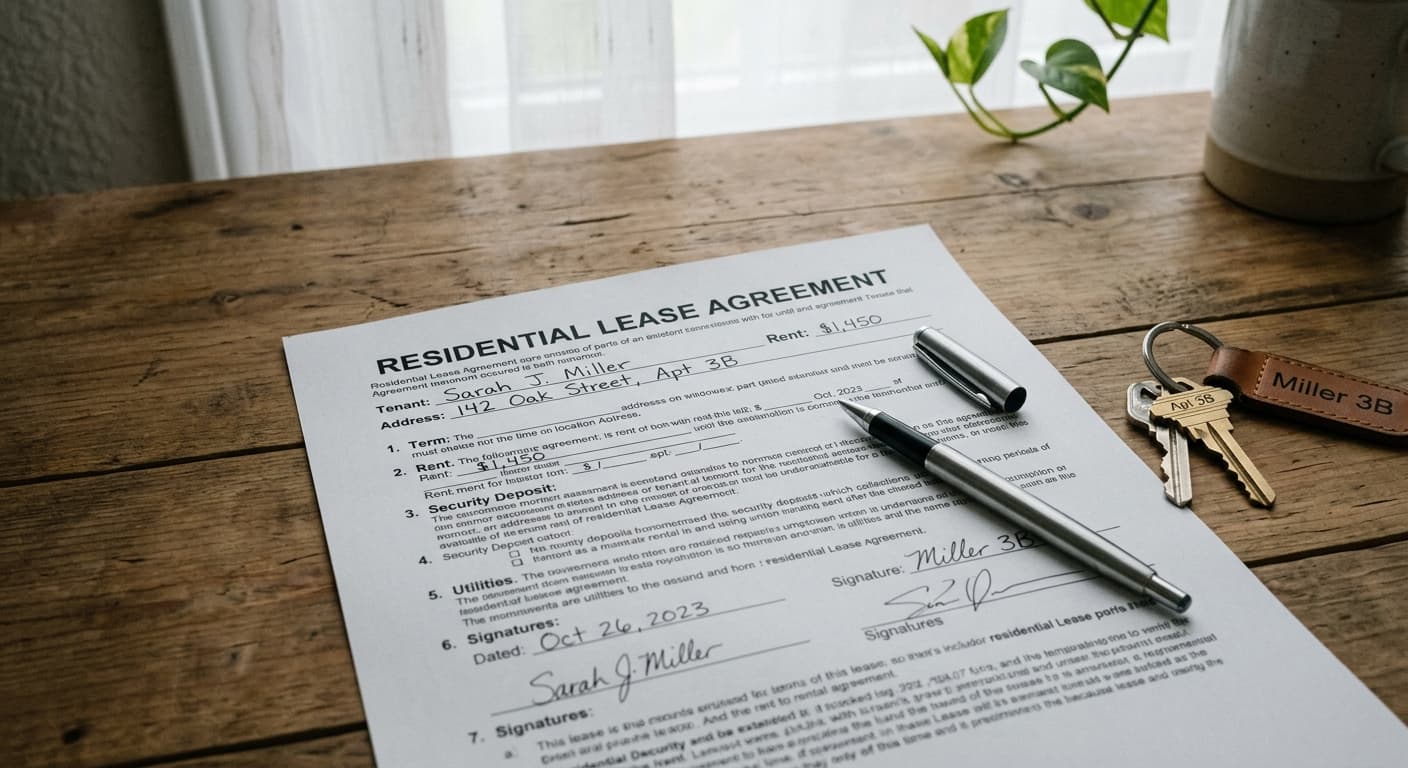
In Connecticut, tenants may record in-person conversations with their landlord without notice, because a participant who is present falls outside Connecticut's criminal eavesdropping offense (Conn. Gen. Stat. §§ 53a-187, 53a-189), but recording landlord phone calls falls under Conn. Gen. Stat. 52-570d, which is satisfied by all-party consent, a recorded verbal notice at the start of the call, or a repeating audible tone warning. Landlords who install hidden cameras inside a tenant's unit without consent risk a felony under Connecticut's voyeurism statute, CGS 53a-189a, which applies when the camera is used with malice or with intent to arouse or satisfy sexual desire.
The landlord-tenant relationship in Connecticut is governed by a combination of recording laws, privacy protections, and surveillance regulations that establish clear boundaries for both parties. Tenants have the right to record certain interactions with their landlords, while landlords must navigate strict rules about where and how they can install surveillance equipment on rental properties.
This guide covers Connecticut's landlord-tenant recording and surveillance legal framework as of 2026, including tenant recording rights, landlord camera rules, hidden camera prohibitions, audio recording limits, and the protections available when either party violates the law.
Tenant Recording Rights
Recording In-Person Conversations with Landlords
Connecticut's criminal eavesdropping offense, CGS 53a-189, reaches only wiretapping or "mechanical overhearing of a conversation" as defined in CGS 53a-187, and that definition excludes a recorder who is present as a party to the conversation. That is why tenants can record in-person conversations they participate in without notifying the other party. This means you can legally record:
- Apartment inspections and walkthroughs where the landlord is present and you are discussing the condition of the unit
- Maintenance discussions about repairs, problems, or improvements
- Lease negotiations conducted in person
- Conversations about rent increases, late fees, or other financial matters
- Interactions where you believe the landlord is harassing or discriminating against you
Your presence and participation in the conversation provides the required consent. You do not need to tell your landlord that you are recording.
Recording Phone Calls with Landlords
For telephone conversations, the rules are different. Under CGS 52-570d, a phone call recording is lawful if it uses one of three methods: consent of all parties to the call, a recorded verbal notice given at the start of the call, or an automatic tone warning that repeats roughly every fifteen seconds while recording. Most tenants recording a personal phone call cannot deliver a verbal notice or tone warning mid-call, so getting your landlord's agreement before you record is typically the most practical way to comply.
Connecticut law also carries a built-in exception: under CGS 52-570d(b)(3)-(4), a person who receives a call conveying threats of extortion, bodily harm, or other unlawful demands, or who receives repeated or extremely-inconvenient-hour calls, may record that call without consent, notice, or a tone warning. A tenant receiving a verbal eviction threat or harassing calls from a landlord may fall within this exception.
If your landlord refuses to consent to recording a phone call and no exception applies, you have several alternatives:
- Ask to continue the conversation in person, where one-party consent applies
- Follow up the phone call with an email or text summarizing what was discussed
- Request that important communications be put in writing
- Keep detailed written notes of the call immediately afterward
Why Tenants Record Landlords
Tenants commonly record interactions with landlords to document:
- Habitability issues: Evidence of mold, pest infestations, broken heating or plumbing, or other conditions that violate Connecticut's warranty of habitability
- Repair promises: A landlord's verbal commitment to make repairs by a certain date
- Harassment or retaliation: Landlord conduct that constitutes harassment, discrimination, or retaliation for exercising tenant rights
- Lease violations: Landlord behavior that violates the terms of the lease
- Eviction disputes: Conversations related to eviction notices, lease termination, or disputes about lease violations
Using Tenant Recordings as Evidence
In-person recordings made with one-party consent are generally admissible in Connecticut courts. These recordings can support claims in:
- Housing court proceedings
- Fair housing discrimination complaints filed with the Connecticut Commission on Human Rights and Opportunities (CHRO)
- Small claims court actions for security deposit disputes or repair costs
- Eviction defense proceedings
A phone recording made without complying with CGS 52-570d, and that does not fall within the statute's exceptions for threatening, extortionate, or repeated/inconvenient-hour calls (CGS 52-570d(b)(3)-(4)), can expose the person who made it to civil liability for damages, costs, and attorney's fees under the statute.
Landlord Surveillance Rights and Limits
Where Landlords Can Install Cameras
Landlords of multi-unit buildings may install security cameras in common areas that all tenants share. Legal camera placements include:
- Building entrances and exits
- Lobbies and foyers
- Hallways and stairwells
- Parking lots and garages
- Laundry rooms (video only, no audio in these shared spaces)
- Exterior areas of the building
- Mail rooms and package delivery areas
Where Landlords Cannot Install Cameras
Landlords are prohibited from placing cameras in:
- Inside any tenant's individual unit (apartment, room, or house)
- Bathrooms in any location
- Areas where tenants have a reasonable expectation of privacy
Installing cameras inside a tenant's unit without the tenant's knowledge and consent violates the voyeurism statute CGS 53a-189a and is a felony offense when done with malice or with intent to arouse or satisfy sexual desire, the elements the statute requires.
Notice to Tenants About Surveillance
While Connecticut does not have a specific statute requiring landlords to notify tenants about common area surveillance cameras (unlike the employer notice requirement under CGS 31-48d), providing notice is a strong best practice:
- Include surveillance disclosure in the lease agreement describing what areas are monitored
- Post visible signage in monitored common areas
- Inform new tenants at move-in about the building's security camera system
Providing notice reduces the expectation of privacy in monitored areas and helps protect the landlord from invasion of privacy claims.
Audio on Landlord Cameras
Audio-enabled cameras in common areas create legal risk for landlords. If cameras capture tenant conversations without any participant present or consenting, the recording may violate Connecticut's eavesdropping law, CGS 53a-189, under the "mechanical overhearing of a conversation" definition in CGS 53a-187.
Best practices for landlords:
- Disable audio recording on all common area cameras
- If audio must be enabled, post prominent signage stating "Audio and video recording in progress"
- Never enable audio on cameras in hallways where tenants have private conversations near their doors
Hidden Cameras in Rental Properties
Felony Offense for Landlords
A landlord who installs hidden cameras inside a tenant's unit without consent and with malice or with intent to arouse or satisfy sexual desire commits voyeurism under CGS 53a-189a. The penalties are severe:
| Offense | Classification | Maximum Prison | Maximum Fine |
|---|---|---|---|
| First offense | Class D Felony | 5 years | $5,000 |
| Subsequent offense | Class C Felony | 10 years | $10,000 |
What Tenants Should Do If They Find a Hidden Camera
If you discover a hidden camera in your rental unit:
- Do not touch or move the camera. It is evidence of a crime.
- Contact local police immediately to file a criminal report.
- Photograph the camera's location using your own device.
- Contact an attorney who handles tenant rights or privacy cases.
- Notify the Connecticut Department of Housing if the landlord is involved in publicly funded housing programs.
- Consider contacting the CHRO if the hidden camera may be related to harassment or discrimination.
- Secure your personal belongings and consider temporary relocation until the matter is resolved.
Airbnb and Short-Term Rental Hidden Cameras
Connecticut's voyeurism laws apply equally to short-term rental hosts. A host who places hidden cameras in bathrooms, bedrooms, or other private areas of a rental with malice or with intent to arouse or satisfy sexual desire commits the same felony offense as a traditional landlord. Short-term rental platforms like Airbnb require hosts to disclose any cameras in their listings, and cameras in private spaces are prohibited regardless of disclosure.
Tenant Security Cameras
Inside Your Unit
Tenants generally have the right to install security cameras inside their own rental unit. These cameras can monitor entry points, common areas of the apartment, and other spaces within the unit. However:
- Check your lease for any restrictions on modifications or installations
- Indoor cameras should not capture areas beyond your unit (pointing through windows into common areas or other units)
- If the camera has audio, be aware of the consent implications when visitors enter
Doorbell Cameras
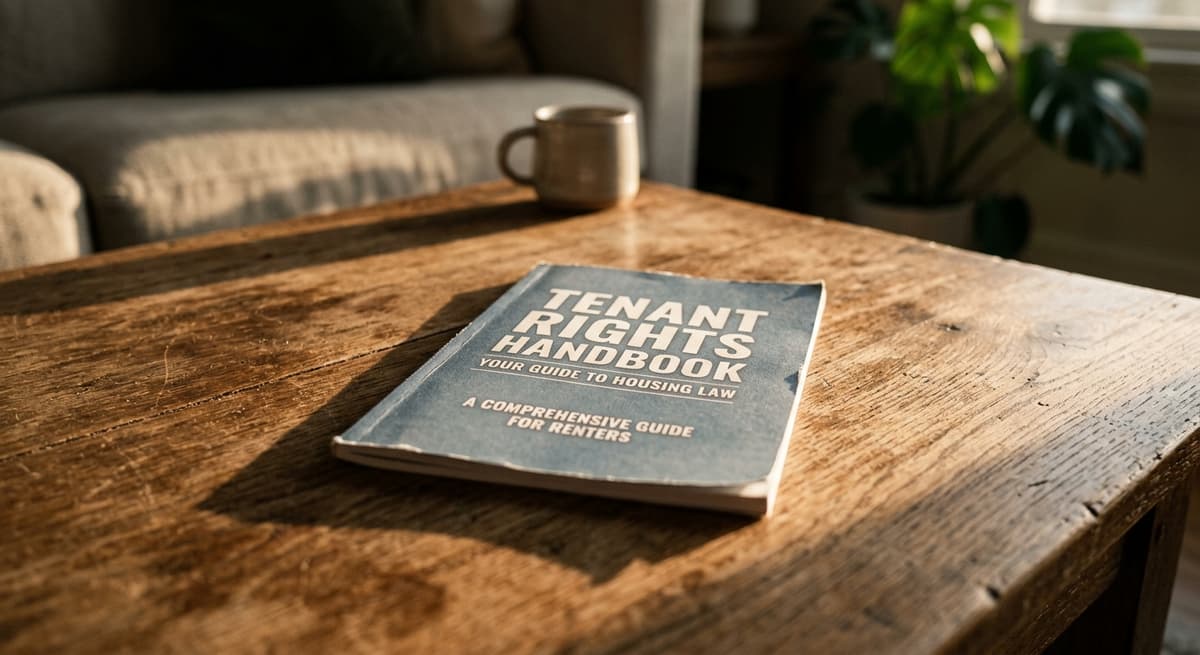
Many tenants want to install video doorbells on their apartment doors. This requires the landlord's permission in most cases, as it involves modifying common area property (the door or door frame). Lease terms may address this. If your landlord approves a doorbell camera:
- Consider audio implications, as conversations in the hallway may be captured
- Post a small notice near the camera indicating recording is in progress
- Ensure the camera does not capture views into other tenants' units
Exterior Cameras
Tenants generally cannot install cameras on the exterior of a rental building without landlord permission, as these areas are the landlord's property. Any exterior camera installation should be authorized in writing by the landlord.
Recording During Eviction Proceedings
Documenting the Eviction Process
Tenants facing eviction may want to record interactions with landlords, process servers, and law enforcement during the eviction process. Under Connecticut's one-party consent rule, you can record any in-person interaction you are part of.
Common scenarios where recording can be valuable:
- Verbal eviction threats made by the landlord in person
- Improper lockout attempts where the landlord tries to change locks or deny access without a court order
- Move-out inspections where the landlord assesses the condition of the unit for security deposit purposes
- Interactions with constables or marshals executing a court-ordered eviction
Court Admissibility
In-person recordings made during the eviction process are admissible in Connecticut housing court, provided they were made with one-party consent and meet standard evidentiary requirements for authentication and relevance.
Fair Housing and Recording
Documenting Discrimination
Recording can be a powerful tool for documenting housing discrimination. If a landlord makes discriminatory statements during an in-person interaction, a recording provides direct evidence that is difficult to dispute.
Connecticut's Fair Housing Act, CGS 46a-64c, prohibits discrimination in housing based on race, color, national origin, ancestry, sex, gender identity or expression, marital status, age, lawful source of income, familial status, disability, sexual orientation, and other protected characteristics. The CHRO investigates complaints of housing discrimination.
Filing a Complaint
If you have recorded evidence of housing discrimination:
- File a complaint with the Connecticut Commission on Human Rights and Opportunities
- You may also file a complaint with HUD (U.S. Department of Housing and Urban Development)
- Consult with a fair housing attorney about private civil action
- Preserve all recordings, written communications, and documentation
Practical Tips for Tenants
- Record in-person interactions with your landlord when you anticipate disputes about repairs, lease terms, or other issues
- Follow up phone calls with written summaries sent via email or text
- Keep records of all communications with your landlord
- If you discover unauthorized surveillance in your unit, contact police before confronting the landlord
- Check your lease for any recording or camera-related provisions
- Know your rights under Connecticut's warranty of habitability and tenant protection laws
Practical Tips for Landlords
- Install security cameras only in common areas, never inside tenant units
- Disable audio recording on all common area cameras
- Post visible signage in all monitored areas
- Disclose surveillance practices in the lease agreement
- Never enter a tenant's unit to install surveillance equipment
- Maintain security camera footage securely with limited access
- Comply with law enforcement requests for footage only with proper legal process (warrant or court order)
More Connecticut Recording Laws
Audio Recording | Video Recording | Voyeurism & Hidden Cameras | Workplace Recording | Recording Police | Phone Call Recording | Security Cameras | Recording in Public | Landlord-Tenant | Dashcam Laws | Schools | Medical Recording
Back to Connecticut Recording Laws
More Connecticut Recording Topics
Related news
More Connecticut Laws
Frequently Asked Questions
Can I record my landlord in Connecticut?
For in-person conversations, yes. A present participant falls outside Connecticut's criminal eavesdropping offense, CGS 53a-189 (which incorporates the "mechanical overhearing" definition in CGS 53a-187), so you can record face-to-face conversations you participate in without notifying your landlord. For phone calls, CGS 52-570d requires all-party consent, a recorded verbal notice at the start of the call, or a repeating tone warning; getting your landlord's consent is typically the most practical way to comply. Recording a phone call in violation of CGS 52-570d can expose you to civil liability for damages under the statute.
Can my landlord put cameras inside my apartment in Connecticut?
Generally no. Installing hidden cameras inside a tenant's private unit without consent, done with malice or with intent to arouse or satisfy sexual desire, violates the voyeurism statute CGS 53a-189a and is a Class D felony punishable by up to 5 years in prison and a $5,000 fine. Landlords may only install cameras in common areas of multi-unit buildings, such as lobbies, hallways, and parking lots.
Can my landlord have cameras in the hallway of my apartment building?
Yes. Landlords may install video surveillance cameras in common areas of multi-unit buildings, including hallways, lobbies, stairwells, and parking areas. While not specifically required by statute, landlords should post visible signage and disclose surveillance in the lease. Audio should be disabled on hallway cameras to avoid recording tenant conversations without consent.
Can I install a Ring doorbell on my apartment door in Connecticut?
You generally need your landlord's permission, as the door and surrounding area are common property. If approved, be aware that the doorbell may capture audio of hallway conversations, which raises consent issues under Connecticut law. Consider posting a small notice indicating recording is in progress and disabling audio if possible.
What should I do if I find a hidden camera in my rental unit?
Do not touch or move the camera. Contact local police immediately to file a criminal report, since installing a hidden camera with malice or with intent to arouse or satisfy sexual desire is a felony offense under CGS 53a-189a. Photograph the camera's location with your own device, contact a tenant rights attorney, and consider notifying the Connecticut Department of Housing. You may also have grounds for a civil lawsuit against the landlord for damages.
Updates
Corrected the citation for Connecticut's in-person recording rule (the criminal eavesdropping offense is CGS 53a-189; CGS 53a-187 is only the definitions section it relies on), and added the phone-recording exception in CGS 52-570d(b) for calls that convey threats or occur repeatedly, which matters for tenants documenting landlord harassment or eviction threats.
Independently fact-checked against the cited primary sources; governing law re-checked for recent changes
Corrected overstated claims that installing a hidden camera in a tenant's unit is automatically a felony regardless of purpose (the voyeurism statute requires malice or sexual intent), that phone-call recording requires all-party consent as the only lawful method (CGS 52-570d also allows a recorded verbal notice or tone warning), and that non-consensual phone recordings are inadmissible (the statute's stated remedy is a civil damages action, not exclusion of evidence).
Completed the CGS 53a-189a correction: the KeyTakeaways bullet, the Airbnb/short-term-rental section, and the hidden-camera FAQ answer now all state the malice-or-sexual-intent element required for a voyeurism felony, matching the sections already corrected elsewhere on the page.
Governing law re-checked for recent changes
Reviewed and approved by an editor
The Law Behind This Article
This article rests on the statutory provisions below, held in our own legal record and retrieved from the official source. Tap a section to read the operative text.
Connecticut General Statutes, Title 53a (Penal Code), Chapter 952
§ 53a-189Eavesdropping: Class D felony.In forcecited in 16 of our articles
(a) A person is guilty of eavesdropping when he unlawfully engages in wiretapping or mechanical overhearing of a conversation. (b) Eavesdropping is a class D felony.
Official text (excerpt) · last checked 2026-08-31 · Read the full text in our law library · Verify at cga.ct.gov
Cited in 14 court opinions in our collectionLatest citing opinion in our collection: 2020
In the courts (editorial summary, independently checked):Washington v. Meachum (1996) held the eavesdropping statutes, section 53a-189 among them, are violated only when neither party to a call knows it is being monitored. State v. McLoughlin (1998), a trial court ruling on a scanner intercept, read 53a-189 to cover cordless calls, a question no Connecticut appellate court had decided.
Opinions citing this section in our collection:
- State v. McLoughlin (Connecticut Superior Court 1998, 45 Conn. Super. Ct. 497)“…on. Subsequently, the defendant was charged in violation of General Statutes § 53a-189, eavesdropping, which is a class D felo…”
- Rado v. Board of Education of the Borough of Naugatuck (Supreme Court of Connecticut 1990, 216 Conn. 541)✓A tenured teacher acquitted of eavesdropping was fired after a panel found he tampered with the school phone system to overhear staff calls; the court treated that conduct as proscribed by section 53a-189 and upheld the moral-misconduct finding.
- Washington v. Meachum (Supreme Court of Connecticut 1996, 238 Conn. 692)✓Inmates challenged prison rules allowing officials to monitor and record their nonprivileged phone calls; the Connecticut Supreme Court held the eavesdropping statutes are violated only when neither party knows the call is being monitored, so the noticed recording was lawful.
Identified automatically from the court opinions citing this section — not a ranking of which case controls.
Also relied on in: Connecticut Recording Laws (2026): Hybrid Consent Rules Explained, Connecticut Phone Call Recording Laws: All-Party Consent Rules and Penalties (2026), Connecticut Audio Recording Laws: Mixed Consent Rules and Penalties (2026)
§ 53a-187Definitions. Applicability.In forcecited in 18 of our articles
(a) The following definitions are applicable to sections 53a-188 and 53a-189: (1) “Wiretapping” means the intentional overhearing or recording of a telephonic or telegraphic communication or a communication made by cellular radio telephone by a person other than a sender or receiver thereof, without the consent of either the sender or receiver, by means of any instrument, device or equipment. The normal operation of a telephone or telegraph corporation and the normal use of the services and facilities furnished by such corporation pursuant to its tariffs shall not be deemed “wiretapping”. (2) “Mechanical overhearing of a conversation” means the intentional overhearing or recording of a conversation or discussion, without the consent of at least one party thereto, by a person not present thereat, by means of any instrument, device or equipment. (3) “Unlawfully” means not specifically authorized by law. For purposes of this section, “cellular radio telephone” means a wireless telephone authorized by the Federal Communications Commission to operate in the frequency bandwidth reserved for cellular radio telephones.
Official text (excerpt) · last checked 2026-07-29 · Read the full text in our law library · Verify at cga.ct.gov
Cited in 12 court opinions in our collectionLatest citing opinion in our collection: 2021
In the courts (editorial summary, independently checked):Connecticut courts read section 53a-187's definitions to reach only surreptitious, nonconsensual monitoring. State v. Grullon (1989) applied it to place one-party-consent recordings outside the eavesdropping statutes, and Washington v. Meachum (1996) held those statutes are violated only when neither party knows the call is monitored.
Opinions citing this section in our collection:
- State v. Grullon (Supreme Court of Connecticut 1989, 212 Conn. 195)✓Police recorded the defendant's calls with his brother, who consented; the court held that replacing the older wiretap penal statute with section 53a-187, which reaches recording only when no party consents, gave no reason to exclude the transcripts.
- Washington v. Meachum (Supreme Court of Connecticut 1996, 238 Conn. 692)✓Inmates challenged prison rules allowing nonprivileged collect calls to be monitored after posted signs, signed forms and a recurring tone; reading section 53a-187's consent-based definitions, the court held the eavesdropping statutes are violated only when neither party knows.
- State v. McVeigh (Supreme Court of Connecticut 1993, 224 Conn. 593)✓Police used a scanner in a neighbor's apartment to record a couple's cordless phone calls; the court rejected the State's argument that a 1989 amendment adding cellular phones to section 53a-187's wiretapping definition left cordless calls unprotected, and ordered suppression.
Identified automatically from the court opinions citing this section — not a ranking of which case controls.
Also relied on in: Connecticut Laws on Recording Police: Your Rights and Limits (2026), Connecticut Laws on Recording in Public: What Is Legal (2026), Connecticut School Recording Laws: Students, Teachers, and Campus Rules (2026)
§ 53a-189aVoyeurism: Class D or C felony.In forcecited in 13 of our articles
(a) A person is guilty of voyeurism when, (1) with malice, such person knowingly photographs, films, videotapes or otherwise records the image of another person (A) without the knowledge and consent of such other person, (B) while such other person is not in plain view, and (C) under circumstances where such other person has a reasonable expectation of privacy, (2) with intent to arouse or satisfy the sexual desire of such person or any other person, such person knowingly photographs, films, videotapes or otherwise records the image of another person (A) without the knowledge and consent of such other person, (B) while such other person is not in plain view, and (C) under circumstances where such other person has a reasonable expectation of privacy, (3) with the intent to arouse or satisfy the sexual desire of such person, commits simple trespass, as provided in section 53a-110a, and observes, in other than a casual or cursory manner, another person (A) without the knowledge or consent of such other person, (B) while such other person is inside a dwelling, as defined in section 53a-100, and not in plain view, and (C) under circumstances where such other person has a reasonable…
Official text (excerpt) · last checked 2026-08-31 · Read the full text in our law library · Verify at cga.ct.gov
Cited in 6 court opinions in our collectionLatest citing opinion in our collection: 2026
In the courts (editorial summary, independently checked):In State v. Panek (2018) the Connecticut Supreme Court held that the 'not in plain view' element of section 53a-189a refers to the view of the general public, not of the person recording, and that the statute reaches a nonconsensual recording made in the victim's immediate presence. It rejected a vagueness challenge.
Opinions citing this section in our collection:
- State v. Panek (Supreme Court of Connecticut 2018, 328 Conn. 219)✓A man secretly recorded women during sexual encounters in his own home and argued they were in his plain view, so the voyeurism statute did not reach him; the Connecticut Supreme Court held the 'not in plain view' element refers to the public's view, reversing the dismissal.
- Middlesex Insurance v. Mara (District Court, D. Connecticut 2010, 699 F. Supp. 2d 439)✓Neighbors sued a homeowner for a campaign of harassment, including a voyeurism count under the statute for videotaping a woman; the federal court found every count alleged intentional acts excluded from his homeowner's policy and declared the insurer had no duty to defend.
- Project Veritas v. Michael Schmidt (Court of Appeals for the Ninth Circuit 2023, 72 F.4th 1043)“…ev. Stat. Ann. §§ 18-9-301(8), 18-9- 304(1)(a) Connecticut: Conn. Gen. Stat. Ann. § 53a-189a(a)(1); Connecticut v. Panek, 177 A.3d 1…”
Identified automatically from the court opinions citing this section — not a ranking of which case controls.
Also relied on in: Connecticut Security Camera Laws: Home, Business, and Workplace Rules (2026), Connecticut Video Recording Laws: Consent, Surveillance, and Privacy Rules (2026), Connecticut Voyeurism and Hidden Camera Laws: Penalties and Protections (2026)
Connecticut General Statutes, Title 46a (Human Rights), Chapter 814c
§ 46a-64cDiscriminatory housing practices prohibited. Disposition of complaints. Penalty.In force
(a) It shall be a discriminatory practice in violation of this section: (1) To refuse to sell or rent after the making of a bona fide offer, or to refuse to negotiate for the sale or rental of, or otherwise make unavailable or deny, a dwelling to any person because of race, creed, color, national origin, ancestry, sex, gender identity or expression, marital status, age, lawful source of income, familial status, status as a veteran or status as a victim of domestic violence. (2) To discriminate against any person in the terms, conditions, or privileges of sale or rental of a dwelling, or in the provision of services or facilities in connection therewith, because of race, creed, color, national origin, ancestry, sex, gender identity or expression, marital status, age, lawful source of income, familial status or status as a veteran.
Official text (excerpt) · last checked 2026-07-29 · Read the full text in our law library · Verify at cga.ct.gov
Cited in 43 court opinions in our collectionLatest citing opinion in our collection: 2026
Opinions citing this section in our collection:
- Commission on Human Rights & Opportunities v. Sullivan Associates (Supreme Court of Connecticut 1999, 250 Conn. 763)“…es not constitute a discriminatory practice in violation of General Statutes § 46a-64c. 1 I therefore respectfully dissent.…”
- Webster Bank v. Oakley (Supreme Court of Connecticut 2003, 265 Conn. 539)“…at the relevant language of the state fair housing statute, General Statutes § 46a-64c (a) (6) and (7), 27 is virtually ident…”
- Commission on Human Rights & Opportunities v. Sullivan (Supreme Court of Connecticut 2008, 285 Conn. 208)“…on the basis of a lawful source of income in violation of General Statutes § 46a-64c. The defendants claim that: (1) this co…”
Identified automatically from the court opinions citing this section — not a ranking of which case controls.
Connecticut General Statutes, Title 52 (Civil Actions), Chapter 925
§ 52-570dAction for illegal recording of private telephonic communications.In forcecited in 21 of our articles
(a) No person shall use any instrument, device or equipment to record an oral private telephonic communication unless the use of such instrument, device or equipment (1) is preceded by consent of all parties to the communication and such prior consent either is obtained in writing or is part of, and obtained at the start of, the recording, or (2) is preceded by verbal notification which is recorded at the beginning and is part of the communication by the recording party, or (3) is accompanied by an automatic tone warning device which automatically produces a distinct signal that is repeated at intervals of approximately fifteen seconds during the communication while such instrument, device or equipment is in use.
Official text (excerpt) · last checked 2026-08-28 · Read the full text in our law library · Verify at cga.ct.gov
Cited in 22 court opinions in our collectionLatest citing opinion in our collection: 2024
In the courts (editorial summary, independently checked):Holler v. Buckley Broadcasting Corp. (1998) held section 52-570d creates a cause of action unknown at common law that is strictly construed, and does not reach a third party's rerecording of an already illegal tape. Jezouit v. Malloy (2019) held the statute does not waive the state's sovereign immunity from suit.
Opinions citing this section in our collection:
- Holler v. Buckley Broadcasting Corp. (Connecticut Appellate Court 1998, 47 Conn. App. 764)✓A girlfriend secretly taped a radio employee's call, and a coworker re-recorded that tape and used it to get him fired. The court held section 52-570d, strictly construed, bars taping a private call but not a third party's re-recording of an already illegal tape.
- Jezouit v. Malloy (Connecticut Appellate Court 2019, 193 Conn. App. 576)“…his complaint because (1) he brought his claim pursuant to General Statutes § 52-570d, which he contends waives sovereign imm…”
- State v. Skok (Supreme Court of Connecticut 2015)“…on without the consent of all parties to the communication. General Statutes § 52-570d (a) prohibits the use of ‘‘any instrume…”
Identified automatically from the court opinions citing this section — not a ranking of which case controls.
Also relied on in: Can I Sue Someone for Recording Me on Private or Public Property?, Connecticut Dashcam Laws: Mounting Rules, Audio Recording, and Evidence (2026), Connecticut Medical Recording Laws: Patients, Doctors, and HIPAA Rules (2026)
Search our full record of US law — 2.1 million sections, every state + federal →
Sources and References
- Conn. Gen. Stat. 53a-187 - Eavesdropping Definitions(cga.ct.gov).gov
- Conn. Gen. Stat. 52-570d - Recording of Telephone Communications(cga.ct.gov).gov
- Conn. Gen. Stat. 53a-189a - Voyeurism(cga.ct.gov).gov
- Conn. Gen. Stat. 46a-64c - Connecticut Fair Housing Act(cga.ct.gov).gov
- Connecticut Commission on Human Rights and Opportunities(portal.ct.gov).gov
- Connecticut Department of Housing(portal.ct.gov).gov
- HUD Fair Housing Complaint(hud.gov).gov
- Conn. Gen. Stat. 53a-189 - Eavesdropping: Class D Felony(cga.ct.gov).gov