
Connecticut
Connecticut Voyeurism and Hidden Camera Laws: Penalties and Protections (2026)
Independently fact-checked against primary sources (last audited August 22, 2026). · Reviewed by the RecordingLaw editorial team. · Law checked current as of August 22, 2026. · 6 primary sources cited on this page. How we verify our legal content
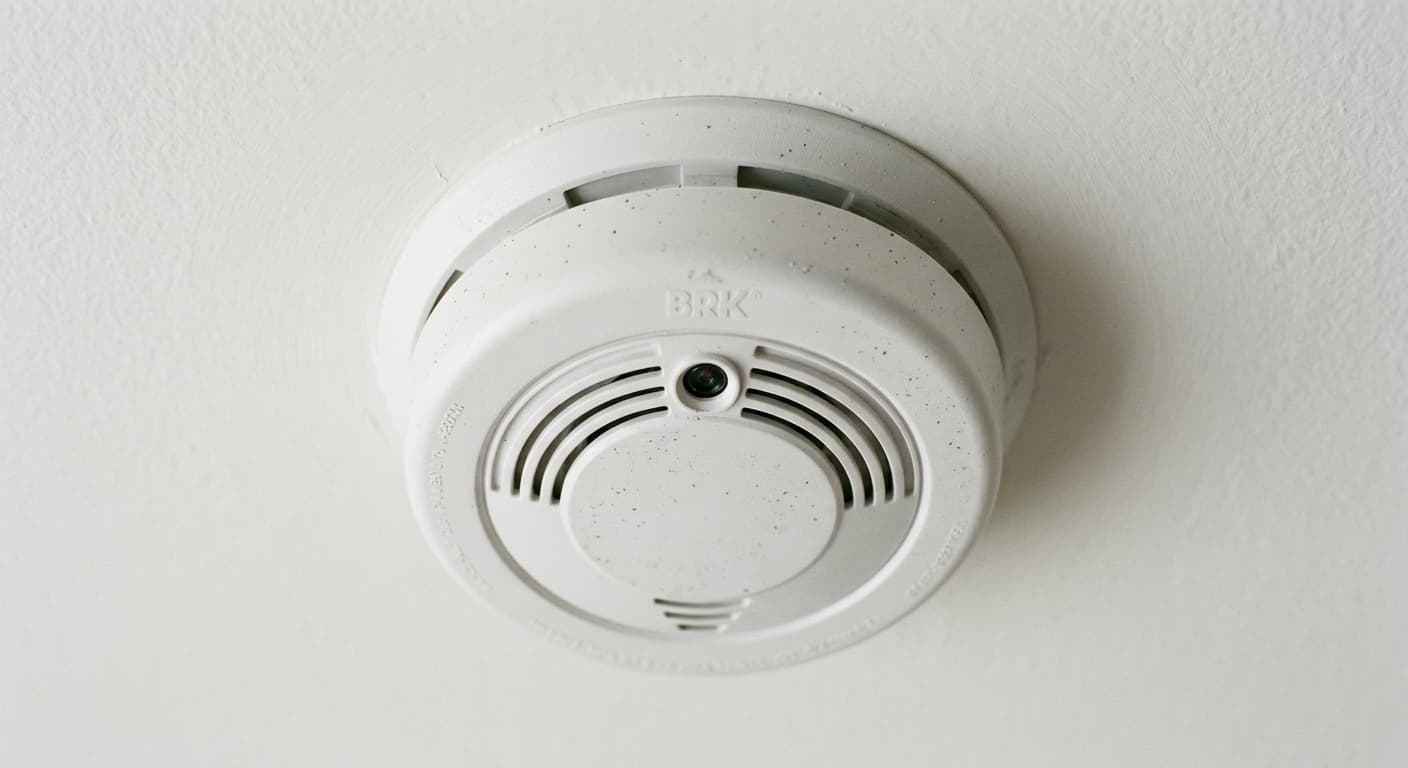
Connecticut criminalizes voyeurism under Conn. Gen. Stat. 53a-189a, making it a Class D felony to record another person without consent in a place where they have a reasonable expectation of privacy. A first offense carries up to five years in prison; repeat offenses and cases involving victims under 16 are Class C felonies.
Connecticut takes voyeurism and hidden camera offenses seriously, classifying them as felonies from the first offense. The state's voyeurism statute, CGS 53a-189a, criminalizes the non-consensual recording of people in private settings and provides escalating penalties for repeat offenders and cases involving minors.
This guide covers Connecticut's voyeurism and hidden camera legal framework as of 2026, including what the statute prohibits, the penalties for violations, distribution of non-consensual images, workplace and landlord scenarios, sex offender registration implications, and the protections available to victims.
CGS 53a-189a: Connecticut's Voyeurism Statute
What the Statute Prohibits
CGS 53a-189a makes it a crime to knowingly photograph, film, or record another person without their knowledge or consent while that person is in a place where they have a reasonable expectation of privacy. The statute specifically targets recordings that capture a person:
- Not wearing clothing or in a state of undress
- In intimate situations that would not normally be visible to the public
- In private locations such as bathrooms, bedrooms, changing rooms, locker rooms, and similar spaces
CGS 53a-189a actually contains four alternative subdivisions rather than one uniform three-element test. Malice-based recording and sexual-intent-based recording both require the recorder's intent, the victim's lack of knowledge and consent, and a reasonable expectation of privacy. Trespass-plus-observation, or "peeping," requires sexual intent and trespass but turns on observation rather than a recorded image. Recording genitals, pubic area, buttocks, or undergarments with sexual intent applies "whether such other person is or is not in a public place," so its privacy element attaches to the body part or undergarment being recorded rather than the location.
"Reasonable Expectation of Privacy"
The concept of a reasonable expectation of privacy is central to voyeurism law. A person has a reasonable expectation of privacy when they are in a location or situation where a reasonable person would not expect to be observed or recorded. Examples include:
- Bathrooms: Both private and public restrooms
- Bedrooms: In a home, hotel room, or guest room
- Changing rooms and fitting rooms: In stores, gyms, or other facilities
- Locker rooms: At gyms, pools, schools, and workplaces
- Hospital rooms and medical examination rooms
- Any enclosed area where a person is undressing or engaged in intimate activity
A person does not have a reasonable expectation of privacy in public streets, parks, stores, or other open areas where they can be freely observed by others. However, even in public places, recording intimate body parts (such as upskirting) can constitute voyeurism.
Criminal Penalties
Penalty Structure
Connecticut imposes severe penalties for voyeurism offenses, with escalation based on repeat offenses and the age of the victim:
| Offense | Classification | Maximum Prison | Maximum Fine |
|---|---|---|---|
| First offense (adult victim) | Class D Felony | 5 years | $5,000 |
| Subsequent offense (adult victim) | Class C Felony | 10 years | $10,000 |
| First offense (victim under 16) | Class C Felony | 10 years | $10,000 |
| Subsequent offense (victim under 16) | Class C Felony | 10 years | $10,000 |
Why Felony Classification Matters
Connecticut's decision to classify voyeurism as a felony from the first offense reflects the seriousness of the violation. A felony conviction carries consequences beyond the immediate prison sentence and fine:
- Permanent felony criminal record
- Potential sex offender registration requirements
- Loss of certain civil rights (voting rights while incarcerated, firearm possession)
- Significant barriers to employment, housing, and education
- Immigration consequences for non-citizens
Types of Voyeurism Offenses

Hidden Cameras in Private Spaces
The most common form of voyeurism involves installing hidden cameras in bathrooms, bedrooms, changing rooms, or other private areas. These cameras may be disguised as everyday objects such as smoke detectors, clocks, phone chargers, or electrical outlets. Regardless of how the camera is disguised, placing it in a location where someone has a reasonable expectation of privacy can violate CGS 53a-189a when done with malice or intent to arouse or satisfy sexual desire.
Upskirting and Downblousing
Recording images up a person's skirt or down their shirt without consent constitutes voyeurism, even in a public place. The victim's expectation of privacy in their intimate body areas persists regardless of their physical location. Connecticut's statute covers this conduct through its focus on recording a person "without their knowledge or consent" in circumstances where the recording captures intimate areas.
Peeping
Using binoculars, telescopes, or cameras to peer into windows or other private spaces to observe a person in a state of undress or engaging in intimate activity falls under voyeurism. CGS 53a-189a(a)(3) itself, the same voyeurism statute discussed throughout this page, criminalizes trespassing with intent to arouse or satisfy sexual desire and observing another person inside a dwelling, not in plain view, with a reasonable expectation of privacy, with no recording device required. That subdivision carries the same Class D felony (Class C for a subsequent offense or a victim under 16) as the recording-based subdivisions.
Digital Voyeurism
Voyeurism through digital means, such as hacking into someone's webcam, intercepting video streams, or using remote access tools to activate a person's camera without their knowledge, is covered by both the voyeurism statute and Connecticut's computer crimes statutes.
Distribution of Non-Consensual Intimate Images

Connecticut's Revenge Porn Law
Connecticut has enacted legislation addressing the non-consensual distribution of intimate images, commonly referred to as "revenge porn." Under CGS 53a-189c, it is illegal to disseminate an intimate image of another identifiable person without that person's consent when the disseminator knows the person depicted has a reasonable expectation that the image would remain private.
Penalties for Non-Consensual Distribution
CGS 53a-189c sets a two-tier penalty based on how widely the image is disseminated, not on the victim's age, a commercial motive, or a harassment pattern:
- Class A misdemeanor for disseminating the image to one person by any means, carrying up to one year in prison and a fine of up to $2,000
- Class D felony for disseminating the image to more than one person by means of an interactive computer service, an information service, or a telecommunications service (posting online, mass-forwarding, and similar conduct), carrying up to 5 years in prison and a fine of up to $5,000
Relationship to Voyeurism
If a person both records intimate images without consent (voyeurism) and then distributes those images (non-consensual dissemination), they face charges under both statutes. The penalties are cumulative, meaning a person convicted of both offenses serves the sentences for each.
Landlord and Tenant Situations
Landlord Hidden Cameras
A landlord who installs hidden cameras in a rental unit to spy on tenants can commit voyeurism under CGS 53a-189a if done with the statute's required malice or intent to arouse or satisfy sexual desire. This applies to cameras placed in:
- Bathrooms and bedrooms of the rental unit
- Common areas of the unit where tenants have a reasonable expectation of privacy
- Any area of the rental property not normally accessible to the landlord
A landlord may install security cameras in common areas of a multi-unit building (lobbies, parking areas, exterior entrances) with proper notice, but placing cameras inside a tenant's private unit is illegal.
Tenant Protections
Tenants who discover hidden cameras in their rental units should:
- Do not touch or move the camera (preserve it as evidence)
- Contact local police to file a report
- Document the camera's location with photographs
- Contact a tenant rights attorney
- Consider filing a complaint with the Connecticut Department of Housing
Airbnb and Short-Term Rentals
Connecticut's voyeurism laws apply equally to short-term rental properties. Hosts who install hidden cameras in bathrooms, bedrooms, or other private areas of a rental property can violate CGS 53a-189a, when done with malice or intent to arouse or satisfy sexual desire, regardless of the short-term nature of the stay. Cameras in common areas must be disclosed in the listing and visible to guests.
Workplace Voyeurism
Employer Hidden Cameras in Private Areas
Employers who install cameras in restrooms, locker rooms, changing areas, or other private spaces in the workplace can violate the voyeurism statute (CGS 53a-189a) when done with malice or intent to arouse or satisfy sexual desire, and always violate the employer monitoring statute (CGS 31-48b, which prohibits monitoring in areas designated for employee health or personal comfort).
The employer faces both criminal prosecution for voyeurism and civil penalties of $500 to $3,000 per offense under the monitoring statute.
Coworker Hidden Cameras
An employee who places hidden cameras in workplace restrooms, locker rooms, or other private areas to record coworkers can be guilty of voyeurism under CGS 53a-189a if done with malice or intent to arouse or satisfy sexual desire. The employer may also face liability if it knew or should have known about the cameras and failed to act.
Sex Offender Registration
When Registration Applies
Connecticut's sex offender registration requirements under CGS 54-251 through 54-261 may apply to individuals convicted of voyeurism. The determination depends on the specific circumstances of the offense, the age of the victim, and other factors considered by the court at sentencing.
Registration Consequences
If voyeurism results in sex offender registration, the consequences are severe and long-lasting:
- Required registration with local police for a period determined by the court
- Public listing on the Connecticut sex offender registry
- Restrictions on where the person can live and work
- Notification requirements when moving to a new address
- Regular verification with law enforcement
Victim Rights and Civil Remedies
Criminal Prosecution
Victims of voyeurism should report the offense to local police. Connecticut prosecutors treat voyeurism cases seriously given the felony classification. Victims may participate in the criminal prosecution process and provide impact statements at sentencing.
Civil Lawsuits
In addition to criminal prosecution, victims may file civil lawsuits against the perpetrator. Civil remedies can include:
- Compensatory damages for emotional distress, therapy costs, and other actual harm
- Punitive damages to punish the offender and deter similar conduct
- Injunctive relief such as a court order requiring the destruction of recorded images
- Attorney fees in some circumstances
Victim Privacy Protections
Connecticut courts may issue protective orders to keep the victim's identity confidential in voyeurism cases. Court records may be sealed to protect the victim's privacy, and the victim's name may be excluded from public documents associated with the case.
Technology and Modern Voyeurism Threats
Miniature Cameras
Advances in camera technology have made it increasingly easy to conceal recording devices. Cameras can now be embedded in objects as small as a pen, button, or USB plug. Awareness of these devices is the first line of defense for potential victims.
How to Detect Hidden Cameras
Several methods can help detect hidden cameras:
- Visual inspection: Look for unusual objects, particularly those with small holes or lenses
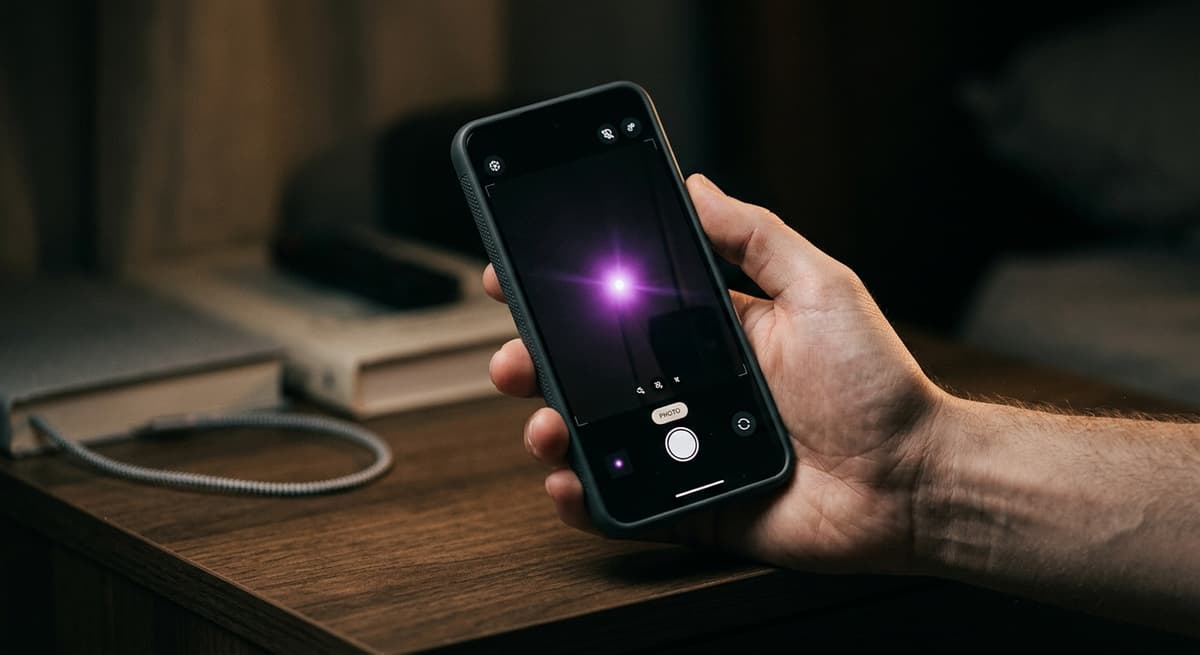
- Smartphone detection: Some smartphone apps can detect infrared light emitted by camera lenses
- RF detection devices: Radio frequency scanners can detect wireless cameras that transmit signals
- Network scanning: Check the Wi-Fi network for unfamiliar devices that might be connected cameras
- Professional sweeps: Security professionals can conduct thorough electronic sweeps of a space
Webcam Hacking
Gaining unauthorized access to another person's webcam to observe them without consent is voyeurism and also violates Connecticut's computer crimes laws. Victims of webcam hacking should report the incident to local police and the FBI's Internet Crime Complaint Center (IC3).
More Connecticut Recording Laws
Audio Recording | Video Recording | Voyeurism & Hidden Cameras | Workplace Recording | Recording Police | Phone Call Recording | Security Cameras | Recording in Public | Landlord-Tenant | Dashcam Laws | Schools | Medical Recording
Back to Connecticut Recording Laws
More Connecticut Recording Topics
More Connecticut Laws
Frequently Asked Questions
What are the penalties for voyeurism in Connecticut?
A first voyeurism offense against an adult is a Class D felony, punishable by up to 5 years in prison and a $5,000 fine. A subsequent offense is a Class C felony with up to 10 years in prison and a $10,000 fine. If the victim is a minor under 16, even a first offense is a Class C felony. Conviction may also result in sex offender registration.
Is it illegal to put a hidden camera in a bathroom in Connecticut?
In most cases, yes. Installing a hidden camera in a bathroom, whether in a home, workplace, business, or rental property, can violate CGS 53a-189a and constitute voyeurism when done with malice or intent to arouse or satisfy sexual desire. A bathroom is the clearest example of a place where a person has a reasonable expectation of privacy. The offense is a Class D felony for a first offense and a Class C felony for subsequent offenses.
Can my landlord put cameras in my apartment in Connecticut?
No. A landlord cannot install cameras inside a tenant's private rental unit. Doing so can violate the voyeurism statute (CGS 53a-189a) and constitute a felony when done with malice or intent to arouse or satisfy sexual desire. Landlords may install cameras in common areas of multi-unit buildings, such as lobbies and parking areas, but not inside individual units. Tenants who discover hidden cameras should contact police immediately.
Is revenge porn illegal in Connecticut?
Yes. CGS 53a-189c makes it illegal to disseminate an intimate image of another identifiable person without their consent when the disseminator knows the person expected the image to remain private. Disseminating the image to one person is a Class A misdemeanor, up to one year in prison and a $2,000 fine. Disseminating it to more than one person through an interactive computer, information, or telecommunications service, such as posting it online or mass-forwarding it, is a Class D felony, up to 5 years in prison and a $5,000 fine. If the images were also obtained through voyeurism, additional felony charges apply.
What should I do if I find a hidden camera?
Do not touch or move the camera, as it is evidence. Contact local police to file a report immediately. Document the camera's location by taking photographs with your own device. If the camera is in a workplace, notify your employer in writing. If it is in a rental property, contact a tenant rights attorney. Consider having a professional security sweep conducted to check for additional devices.
Updates
Corrected the penalty for Connecticut's non-consensual intimate-image dissemination law (CGS 53a-189c): the felony tier is triggered by disseminating the image to more than one person online or through similar services, not by unrelated factors like the victim's age or a commercial motive, which this page had invented. Also clarified that Connecticut's voyeurism statute directly covers peeping without a camera, and that it has four distinct subdivisions rather than one uniform three-element test.
Independently fact-checked against the cited primary sources; governing law re-checked for recent changes
Corrected the description of Connecticut's voyeurism statute (CGS 53a-189a) to include its required intent element (malice or sexual gratification), which the article had omitted when describing what the offense requires.
Added the statute's required intent element (malice, or intent to arouse or satisfy sexual desire) to seven places on the page (Hidden Cameras, Landlord, Airbnb, Employer, Coworker sections and two FAQ answers) that had restated 'placing a camera in a private space = voyeorism' as a categorical rule after the earlier fix corrected only one instance of that same claim.
Governing law re-checked for recent changes
Reviewed and approved by an editor
The Law Behind This Article
This article rests on the statutory provisions below, held in our own legal record and retrieved from the official source. Tap a section to read the operative text.
Connecticut General Statutes, Title 53a (Penal Code), Chapter 952
§ 53a-189aVoyeurism: Class D or C felony.In forcecited in 13 of our articles
(a) A person is guilty of voyeurism when, (1) with malice, such person knowingly photographs, films, videotapes or otherwise records the image of another person (A) without the knowledge and consent of such other person, (B) while such other person is not in plain view, and (C) under circumstances where such other person has a reasonable expectation of privacy, (2) with intent to arouse or satisfy the sexual desire of such person or any other person, such person knowingly photographs, films, videotapes or otherwise records the image of another person (A) without the knowledge and consent of such other person, (B) while such other person is not in plain view, and (C) under circumstances where such other person has a reasonable expectation of privacy, (3) with the intent to arouse or satisfy the sexual desire of such person, commits simple trespass, as provided in section 53a-110a, and observes, in other than a casual or cursory manner, another person (A) without the knowledge or consent of such other person, (B) while such other person is inside a dwelling, as defined in section 53a-100, and not in plain view, and (C) under circumstances where such other person has a reasonable…
Official text (excerpt) · last checked 2026-08-31 · Read the full text in our law library · Verify at cga.ct.gov
Cited in 6 court opinions in our collectionLatest citing opinion in our collection: 2026
In the courts (editorial summary, independently checked):In State v. Panek (2018) the Connecticut Supreme Court held that the 'not in plain view' element of section 53a-189a refers to the view of the general public, not of the person recording, and that the statute reaches a nonconsensual recording made in the victim's immediate presence. It rejected a vagueness challenge.
Opinions citing this section in our collection:
- State v. Panek (Supreme Court of Connecticut 2018, 328 Conn. 219)✓A man secretly recorded women during sexual encounters in his own home and argued they were in his plain view, so the voyeurism statute did not reach him; the Connecticut Supreme Court held the 'not in plain view' element refers to the public's view, reversing the dismissal.
- Middlesex Insurance v. Mara (District Court, D. Connecticut 2010, 699 F. Supp. 2d 439)✓Neighbors sued a homeowner for a campaign of harassment, including a voyeurism count under the statute for videotaping a woman; the federal court found every count alleged intentional acts excluded from his homeowner's policy and declared the insurer had no duty to defend.
- Project Veritas v. Michael Schmidt (Court of Appeals for the Ninth Circuit 2023, 72 F.4th 1043)“…ev. Stat. Ann. §§ 18-9-301(8), 18-9- 304(1)(a) Connecticut: Conn. Gen. Stat. Ann. § 53a-189a(a)(1); Connecticut v. Panek, 177 A.3d 1…”
Identified automatically from the court opinions citing this section — not a ranking of which case controls.
Also relied on in: Connecticut Landlord-Tenant Recording and Surveillance Laws (2026), Connecticut Medical Recording Laws: Patients, Doctors, and HIPAA Rules (2026), Connecticut Laws on Recording in Public: What Is Legal (2026)
§ 53a-189cUnlawful dissemination of an intimate image: Class A misdemeanor or class D felony.In forcecited in 2 of our articles
(a) A person is guilty of unlawful dissemination of an intimate image when (1) such person intentionally disseminates by electronic or other means a photograph, film, videotape or other recorded image of (A) the genitals, pubic area or buttocks of another person with less than a fully opaque covering of such body part, or the breast of such other person who is female with less than a fully opaque covering of any portion of such breast below the top of the nipple, or (B) another person engaged in sexual intercourse, as defined in section 53a-193, (2) such person disseminates such image without the consent of such other person, knowing that such other person understood that the image would not be so disseminated, and (3) such other person suffers harm as a result of such dissemination. For purposes of this subsection, “disseminate” means to sell, give, provide, lend, trade, mail, deliver, transfer, publish, distribute, circulate, present, exhibit, advertise or otherwise offer, and “harm” includes, but is not limited to, subjecting such other person to hatred, contempt, ridicule, physical injury, financial injury, psychological harm or serious emotional distress.
Official text (excerpt) · last checked 2026-07-29 · Read the full text in our law library · Verify at cga.ct.gov
Cited in 1 court opinions in our collectionLatest citing opinion in our collection: 2020
Opinions citing this section in our collection:
- State v. Rivera (Connecticut Appellate Court 2020, 200 Conn. App. 401)“…ris- tic for the purpose of breach of the peace. Second, General Statutes § 53a-189c criminalizes the unlawful dissemination…”
Identified automatically from the court opinions citing this section — not a ranking of which case controls.
Also relied on in: Connecticut Sexting Laws: Legal Consequences and Penalties
Connecticut General Statutes, Title 31 (Labor), Chapter 557
§ 31-48bUse of electronic surveillance devices by employers limited. Prohibition on recording negotiations between employers and employees.In forcecited in 4 of our articles
(a) For purposes of this section, “employer” means the owner or owners in the case of an unincorporated business, the partners in the case of a partnership, the officers in the case of a corporation or in the case of the state, any town, city or borough, or district, local or regional board of education, or housing authority or district department of health, the chief executive officer thereof. (b) No employer or agent or representative of an employer shall operate any electronic surveillance device or system, including but not limited to the recording of sound or voice or a closed circuit television system, or any combination thereof, for the purpose of recording or monitoring the activities of his employees in areas designed for the health or personal comfort of the employees or for safeguarding of their possessions, such as rest rooms, locker rooms or lounges. (c) Any employer who violates any provision of subsection (b) of this section shall, for the first offense, be fined five hundred dollars, for the second offense, be fined one thousand dollars and, for the third and any subsequent offense, be fined one thousand dollars and imprisoned thirty days.
Official text (excerpt) · last checked 2026-07-29 · Read the full text in our law library · Verify at cga.ct.gov
Cited in 5 court opinions in our collectionLatest citing opinion in our collection: 2010
Opinions citing this section in our collection:
- Cotto v. United Technologies Corp. (Supreme Court of Connecticut 1999, 251 Conn. 1)“…g information about toxic substances used at the workplace; General Statutes § 31-48b, which provides criminal sanctions agai…”
- Gerardi v. City of Bridgeport (Supreme Court of Connecticut 2010, 294 Conn. 461)“…he plaintiffs also alleged that the defendants had violated General Statutes § 31-48b (b) regarding the prohibition of monito…”
- Saloomey v. a Child's Garden, Inc., No. 324092 (Apr. 24, 1996) (Connecticut Superior Court 1996, 1996 Conn. Super. Ct. 3220)“…s §§ 31-71c , 31-76k (wage statutes), and a violation of General Statutes § 31-48b (d) (electronic surveillance). 1 T…”
Identified automatically from the court opinions citing this section — not a ranking of which case controls.
Also relied on in: Connecticut Security Camera Laws: Home, Business, and Workplace Rules (2026), Connecticut Video Recording Laws: Consent, Surveillance, and Privacy Rules (2026), Connecticut Workplace Recording Laws: Employee Rights and Employer Rules (2026)
Search our full record of US law — 2.1 million sections, every state + federal →
Sources and References
- Conn. Gen. Stat. 53a-189a - Voyeurism(cga.ct.gov).gov
- Conn. Gen. Stat. 53a-189c - Non-Consensual Dissemination of Intimate Images(cga.ct.gov).gov
- Conn. Gen. Stat. 31-48b - Restrictions on Employer Monitoring(cga.ct.gov).gov
- Conn. Gen. Stat. 54-251 through 54-261 - Sex Offender Registration(cga.ct.gov).gov
- Connecticut Department of Housing(portal.ct.gov).gov
- FBI Internet Crime Complaint Center(ic3.gov).gov