
New Jersey
New Jersey Security Camera Laws: Home, Business, and HOA Rules
Independently fact-checked against primary sources (last audited August 15, 2026). · Reviewed by the RecordingLaw editorial team. · Law checked current as of August 15, 2026. · 3 primary sources cited on this page. How we verify our legal content
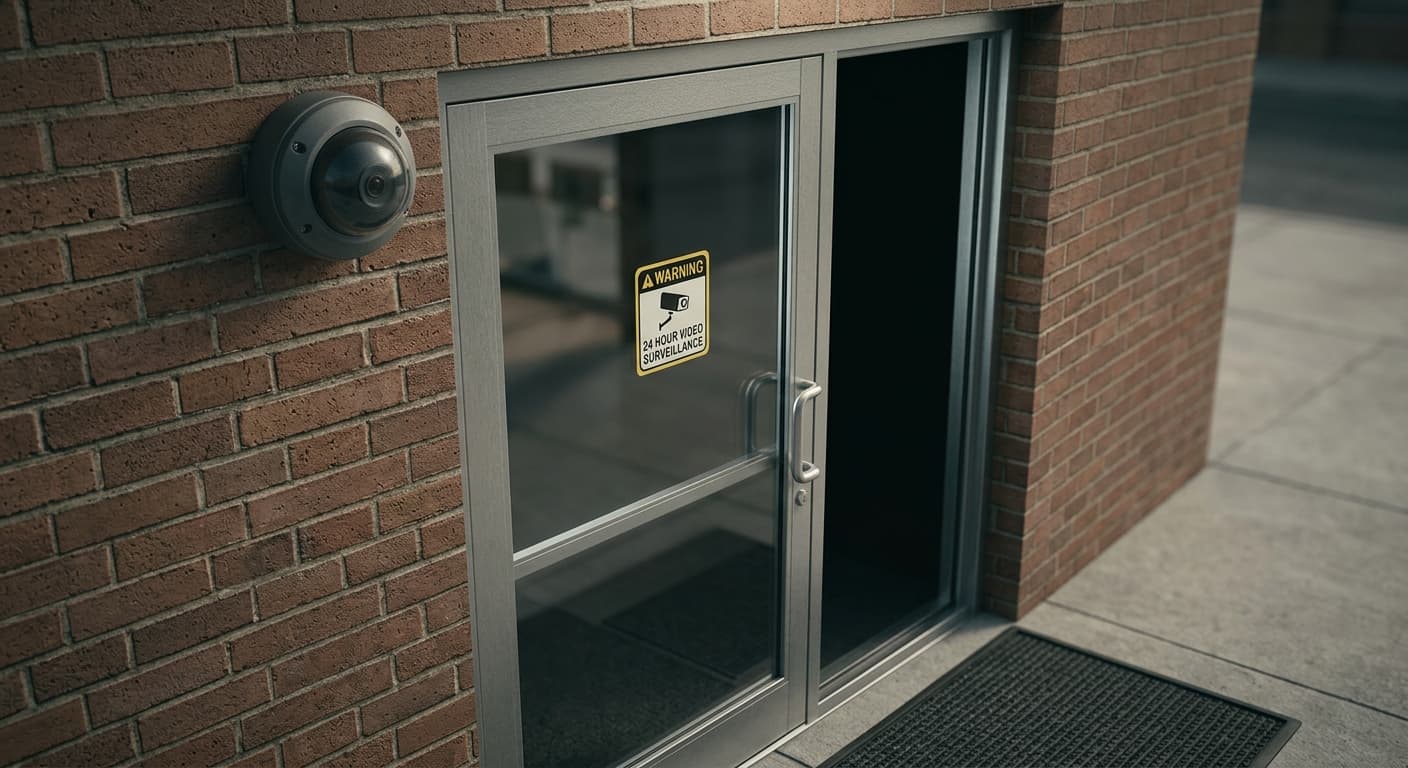
New Jersey allows security cameras on your own property for video surveillance. Audio recording follows the one-party consent rule under N.J.S.A. 2A:156A-4, so you may record conversations you participate in. Pointing cameras at areas where others have a reasonable expectation of privacy violates N.J.S.A. 2C:14-9.
New Jersey does not have a single comprehensive statute governing security cameras. Instead, security camera legality is determined by a combination of the wiretapping statute, the invasion of privacy law, local ordinances, and general privacy principles. The rules depend on where you place cameras, whether they capture audio, and whether they intrude on someone else's reasonable expectation of privacy.
This guide covers home security cameras, business surveillance systems, doorbell cameras, neighbor disputes, HOA rules, and the legal limits on camera placement in New Jersey.
Home Security Cameras in New Jersey
Where You Can Place Cameras
New Jersey homeowners can install security cameras on their own property to protect their home and family. Common and legally permissible camera locations include:
- Front door and porch area to monitor visitors and deliveries
- Driveway and garage entrance to record vehicles and activity
- Backyard facing your own property
- Side yards and fence lines pointed at your own property
- Interior rooms that you control (with caveats for guests and tenants)
- Windows and doors to capture entry and exit points
Where You Cannot Point Cameras
The right to install security cameras does not extend to recording areas where others have a reasonable expectation of privacy. You should not point cameras at:
- A neighbor's windows or interior living spaces
- A neighbor's private backyard that is fenced or otherwise screened from public view
- Bathrooms or bedrooms that are visible through a neighbor's window
- Any area where a reasonable person would expect to be free from surveillance
Recording someone's exposed intimate parts or sexual activity in a location where they have a reasonable expectation of privacy is a crime of the third degree under N.J. Stat. Ann. 2C:14-9(b)(1), punishable by 3 to 5 years imprisonment and up to $15,000 in fines. Recording someone's undergarment-clad intimate parts without consent is a lesser fourth-degree offense, up to 18 months and a $10,000 fine.
Audio Recording by Security Cameras
Many modern security cameras include audio recording capabilities. In New Jersey, audio recording is governed by the wiretapping statute:
- Conversations you participate in: If you are speaking with someone captured by your security camera (like a visitor at your door), one-party consent allows you to record that audio
- Conversations you are not part of: If your camera captures audio of a private conversation between neighbors or passersby that you are not participating in, and those people have a reasonable expectation of privacy, the recording may violate the wiretapping statute
- Public noise and background sound: Incidental audio from public areas (street noise, traffic) does not typically raise wiretapping concerns
Best practice: If your security cameras have audio capabilities and are pointed at areas where third-party conversations might occur, consider disabling the audio feature or adjusting sensitivity to avoid capturing private conversations.
Doorbell Cameras
Legal Status in New Jersey
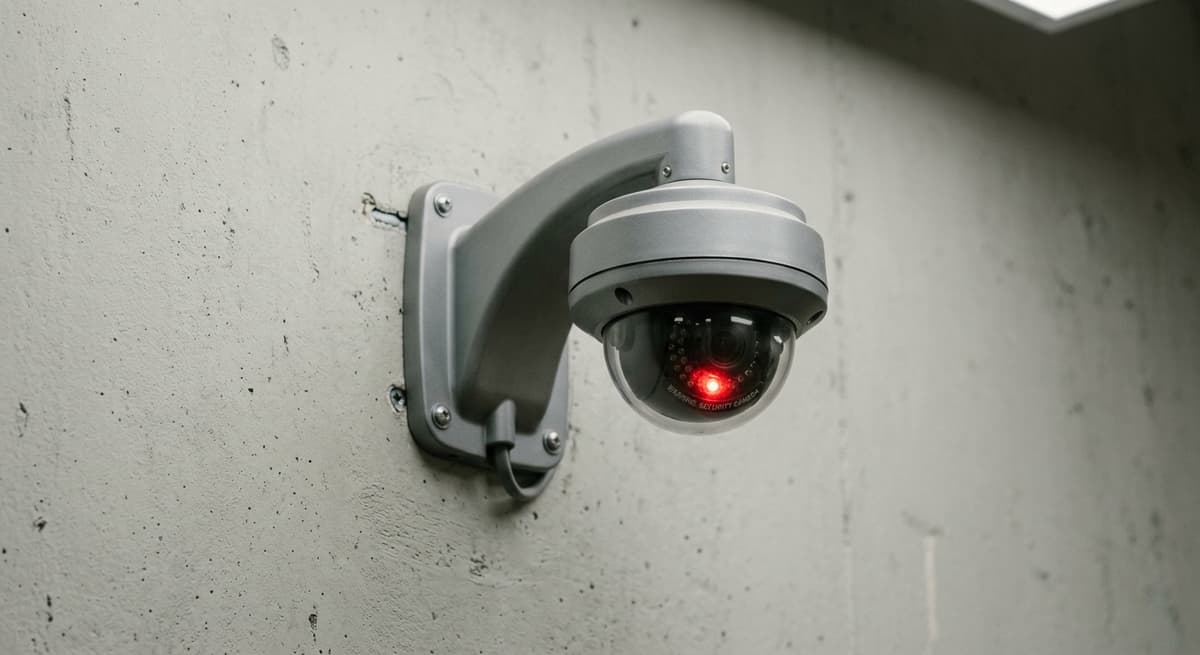
Doorbell cameras like Ring, Nest Hello, Google Nest, and similar devices are legal in New Jersey. These cameras serve a legitimate security purpose by recording activity at your front door.
Audio and Video Concerns
Doorbell cameras present unique legal considerations:
- Video of your doorstep: Fully legal as part of your property security
- Audio of conversations with visitors: Legal under one-party consent when you are speaking with the visitor through the device
- Audio of passing conversations: Potentially problematic if the camera captures private conversations of people walking by who have a reasonable expectation of privacy
- Video of the street and sidewalk: Generally legal because these are public areas
Ring Cameras and Police Partnerships
Ring and other doorbell camera companies have partnered with law enforcement agencies across New Jersey. Through programs like Ring's Neighbors Public Safety Service, police can request (but not demand) footage from doorbell camera owners. Key points:
- Police cannot access your footage without your consent or a warrant
- You are under no obligation to share footage with police when they request it
- If police have a valid warrant or court order, you must comply
- Ring can be compelled to provide footage with a valid legal process directed at the company
Business Security Cameras
Permitted Locations
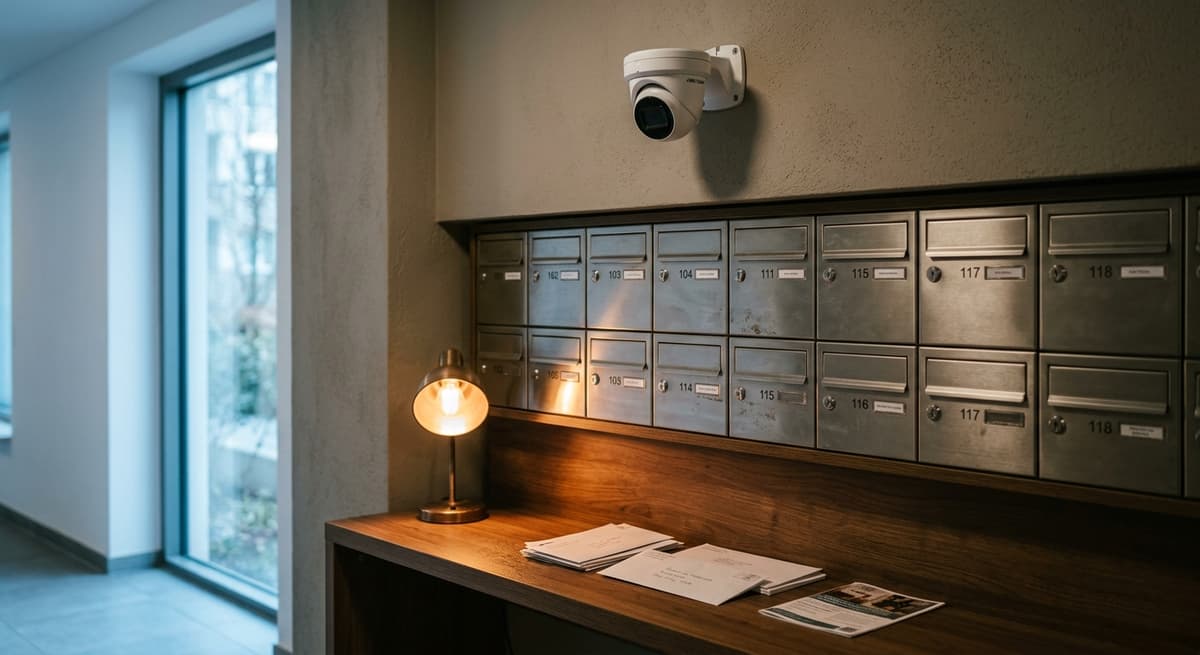
New Jersey businesses can install security cameras in areas where employees and customers do not have a reasonable expectation of privacy:
- Entrances, exits, and lobbies
- Retail sales floors and display areas
- Cash registers and checkout counters
- Parking lots and loading areas
- Warehouses and storage areas
- Hallways and corridors
- Reception and waiting areas
Prohibited Locations
Businesses cannot install security cameras in:
- Bathrooms and restrooms
- Employee locker rooms and changing areas
- Dressing rooms and fitting rooms in retail stores
- Lactation rooms
- Private offices where employees have been told they have privacy
- Any area where a reasonable person would expect privacy
Installing cameras in prohibited locations can result in criminal charges under N.J. Stat. Ann. 2C:14-9 and civil lawsuits from affected employees or customers.
Employee Notification
New Jersey does not have a specific statute requiring employers to notify employees about security cameras. However, notification is considered best practice and may be required by:
- Employment agreements or contracts
- Union collective bargaining agreements
- Industry-specific regulations (healthcare, finance)
- Company policies that create notice obligations
Many businesses post signs such as "Premises Under Video Surveillance" near camera locations. While not legally required, these signs can help avoid disputes and demonstrate good faith.
Customer Notification
There is no New Jersey law requiring businesses to notify customers about security cameras in public areas of the business. However, businesses that record in areas where customers might have some privacy expectation (such as medical offices or financial services) should provide clear notice.
Neighbor Disputes Over Security Cameras
Common Issues
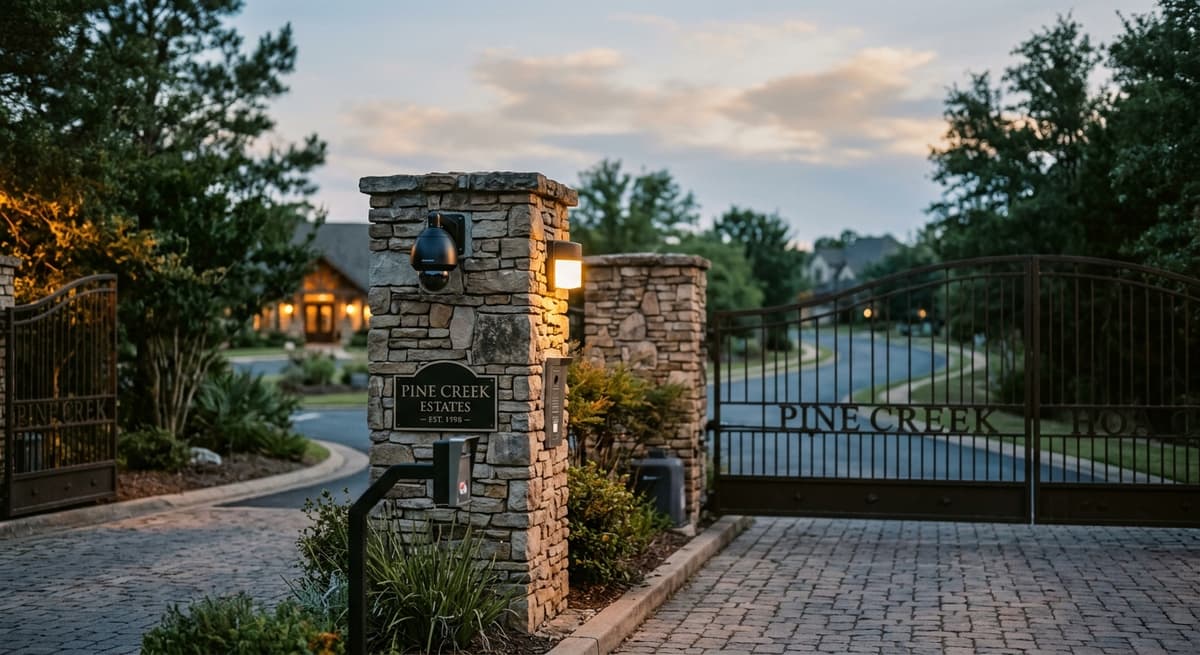
Security camera disputes between neighbors are increasingly common. Typical complaints include:
- A camera pointing at a neighbor's windows or private areas
- Audio recording capturing neighbor conversations
- Cameras perceived as harassment or intimidation
- Bright infrared lights or flashing indicators visible at night
- Cameras positioned to monitor a neighbor's comings and goings
Legal Remedies for Neighbors
If a neighbor's security camera is aimed at your private areas, you may have several options:
- Talk to your neighbor first and explain your concern. Many disputes can be resolved by adjusting camera angles
- Document the camera placement with photographs showing what the camera captures
- Check local ordinances for any camera placement restrictions in your municipality
- File a police report if you believe the camera placement violates N.J. Stat. Ann. 2C:14-9
- Consult an attorney about a civil invasion of privacy claim
- Contact your HOA if your community has camera placement rules
Court Orders
New Jersey courts can issue restraining orders or injunctions requiring a neighbor to reposition or remove security cameras that violate privacy laws. To obtain such an order, you generally need to demonstrate:
- The camera records areas where you have a reasonable expectation of privacy
- You have suffered or will suffer harm from the surveillance
- Other remedies (like asking the neighbor to adjust the camera) have been unsuccessful
HOA and Condominium Rules
Common HOA Restrictions
Many New Jersey homeowners' associations and condominium associations have rules governing security cameras. Common restrictions include:
- Approval requirements: Some HOAs require you to submit plans for camera installation before proceeding
- Aesthetic standards: Rules about camera visibility, size, color, or mounting method
- Placement limitations: Restrictions on where cameras can be mounted on the exterior of your unit
- Audio restrictions: Prohibitions on audio recording that could capture common area conversations
- Direction requirements: Rules that cameras must face your own property and not common areas or other units
Balancing HOA Rules and Security Needs
If your HOA restricts security cameras, consider:
- Reviewing the HOA's governing documents carefully to understand what is actually prohibited
- Requesting a reasonable accommodation if you have safety concerns that necessitate cameras
- Working with the HOA board to reach a compromise on camera placement
- Consulting an attorney if you believe the HOA restriction is unreasonable or conflicts with your rights
New Jersey courts generally enforce HOA restrictions that are reasonable and properly adopted. However, an HOA cannot completely prohibit all security measures if doing so would create an unreasonable safety risk.
Workplace Security Cameras and Employee Rights
CEPA Considerations
New Jersey's Conscientious Employee Protection Act (CEPA) may protect employees who report illegal surveillance by their employers. If an employer installs cameras in prohibited locations like bathrooms or changing areas, employees who report this violation to management or authorities are protected from retaliation under CEPA.
NLRA Considerations
The National Labor Relations Act also provides some limits on employer surveillance. The NLRB has found that employers violate the NLRA when they use surveillance cameras to monitor or chill employees' exercise of their Section 7 rights, such as union organizing or discussing working conditions. Under the Stericycle, Inc., 372 NLRB No. 113 (2023) standard, workplace rules -- including surveillance policies -- are analyzed from the perspective of an employee who might reasonably see the rule as restricting protected activity. NLRB GC Memo 25-05 (February 2025) was a housekeeping rescission of earlier GC memos and did not overturn Stericycle.
Penalties for Illegal Security Camera Use
| Offense | Statute | Classification | Penalty |
|---|---|---|---|
| Recording exposed intimate parts or sexual activity | 2C:14-9(b)(1) | Third Degree | 3 to 5 years, $15,000 fine |
| Recording undergarment-clad intimate parts (upskirting) | 2C:14-9(b)(2) | Fourth Degree | Up to 18 months, $10,000 fine |
| Disclosure of private recordings | 2C:14-9(c) | Third Degree | 3 to 5 years, $30,000 fine |
| Illegal audio surveillance | 2A:156A-3 | Third Degree | 3 to 5 years, $15,000 fine |
In addition to criminal penalties, victims of illegal security camera surveillance can file civil lawsuits for:
- Actual damages and emotional distress
- Liquidated damages under the wiretapping statute ($100/day, $1,000 minimum)
- Attorney's fees and costs
- Injunctive relief (court orders to remove or reposition cameras)
New Jersey Recording Laws by Topic
Phone Call Recording | Audio Recording | Video Recording | Workplace Recording | Recording Police | Security Cameras | Recording in Public | Landlord-Tenant | Dashcam Laws | Schools | Medical Recording | Voyeurism & Hidden Cameras
Back to New Jersey Recording Laws
More New Jersey Recording Topics
See Also
-
New Jersey Surveillance Camera Laws covers home, HOA, neighbor, workplace, and landlord camera rules in New Jersey.
More New Jersey Laws
Frequently Asked Questions
Is it legal to have security cameras on my house in New Jersey?
Yes. You can install security cameras on your own property. Point them at your property and public areas. Do not aim cameras at areas where neighbors have a reasonable expectation of privacy, such as their windows or fenced backyard.
Can my security camera record audio in New Jersey?
Audio recording by security cameras follows New Jersey's one-party consent rule. You can record audio of conversations you participate in, such as speaking with a visitor at your door. Capturing audio of private conversations between others that you are not part of may violate the wiretapping statute.
Can my neighbor point a security camera at my house in New Jersey?
A neighbor can point cameras at public areas and their own property. If a camera is aimed at areas where you have a reasonable expectation of privacy, such as your bedroom windows, it may violate N.J. Stat. Ann. 2C:14-9. You can ask the neighbor to adjust the angle, file a police report, or consult an attorney.
Can my employer put cameras in the workplace in New Jersey?
Employers can install cameras in common areas like hallways, sales floors, and parking lots. Cameras are prohibited in bathrooms, locker rooms, dressing rooms, and other locations where employees have a reasonable expectation of privacy.
Can police access my Ring doorbell footage without my consent?
Police cannot access your doorbell camera footage without your consent or a valid warrant. You are under no obligation to share footage when police request it. However, if police present a valid warrant or court order, you must comply.
Updates
Corrected the penalty description: recording someone's exposed intimate parts or sexual activity in a private location is a third-degree crime (3-5 years, up to $15,000), not fourth degree; only recording undergarment-clad intimate parts is fourth degree. Fixed the disclosure offense's subsection citation (2C:14-9(c), not (d), which is actually the statute's affirmative defense). Removed a stray, unrelated body-worn-camera link and replaced a dead CEPA whistleblower link with the Attorney General's current CEPA guidance.
Independently fact-checked against the cited primary sources; governing law re-checked for recent changes
Reviewed and approved by an editor
The Law Behind This Article
This article rests on the statutory provisions below, held in our own legal record and retrieved from the official source. Tap a section to read the operative text.
New Jersey Statutes (Unannotated)
§ 2C:14-9Invasion of privacy, degree of crime; defenses, privileges.In forcecited in 4 of our articles
1. a. An actor commits a crime of the fourth degree if, knowing that he is not licensed or privileged to do so, and under circumstances in which a reasonable person would know that another may expose intimate parts or may engage in sexual penetration or sexual contact, he observes another person without that person's consent and under circumstances in which a reasonable person would not expect to be observed. b. (1) An actor commits a crime of the third degree if, knowing that he is not licensed or privileged to do so, he photographs, films, videotapes, records, or otherwise reproduces in any manner, the image of another person whose intimate parts are exposed or who is engaged in an act of sexual penetration or sexual contact, without that person's consent and under circumstances in which a reasonable person would not expect to be observed.
Official text (excerpt) · last checked 2026-08-31 · Read the full text in our law library · Verify at lis.njleg.state.nj.us
Also relied on in: New Jersey Voyeurism and Hidden Camera Laws: Statutes and Penalties, New Jersey Video Recording Laws: What Is Legal and What Is Not, New Jersey Surveillance Camera Laws (2026 Guide)
Search our full record of US law — 2.1 million sections, every state + federal →
Sources and References
- N.J. Stat. Ann. 2C:14-9 - Invasion of Privacy(law.justia.com)
- N.J. Stat. Ann. 2A:156A-4 - Lawful Interception Activities(law.justia.com)
- N.J. Stat. Ann. 2A:156A-3 - Prohibited Interception(law.justia.com)
- New Jersey Conscientious Employee Protection Act (CEPA) - OAG Program Summary(njoag.gov).gov
- National Labor Relations Act(nlrb.gov).gov
- New Jersey Government Records Council - OPRA(nj.gov).gov