
New Jersey
New Jersey Video Recording Laws: What Is Legal and What Is Not
Independently fact-checked against primary sources (last audited August 15, 2026). · Reviewed by the RecordingLaw editorial team. · Law checked current as of August 15, 2026. · 3 primary sources cited on this page. How we verify our legal content
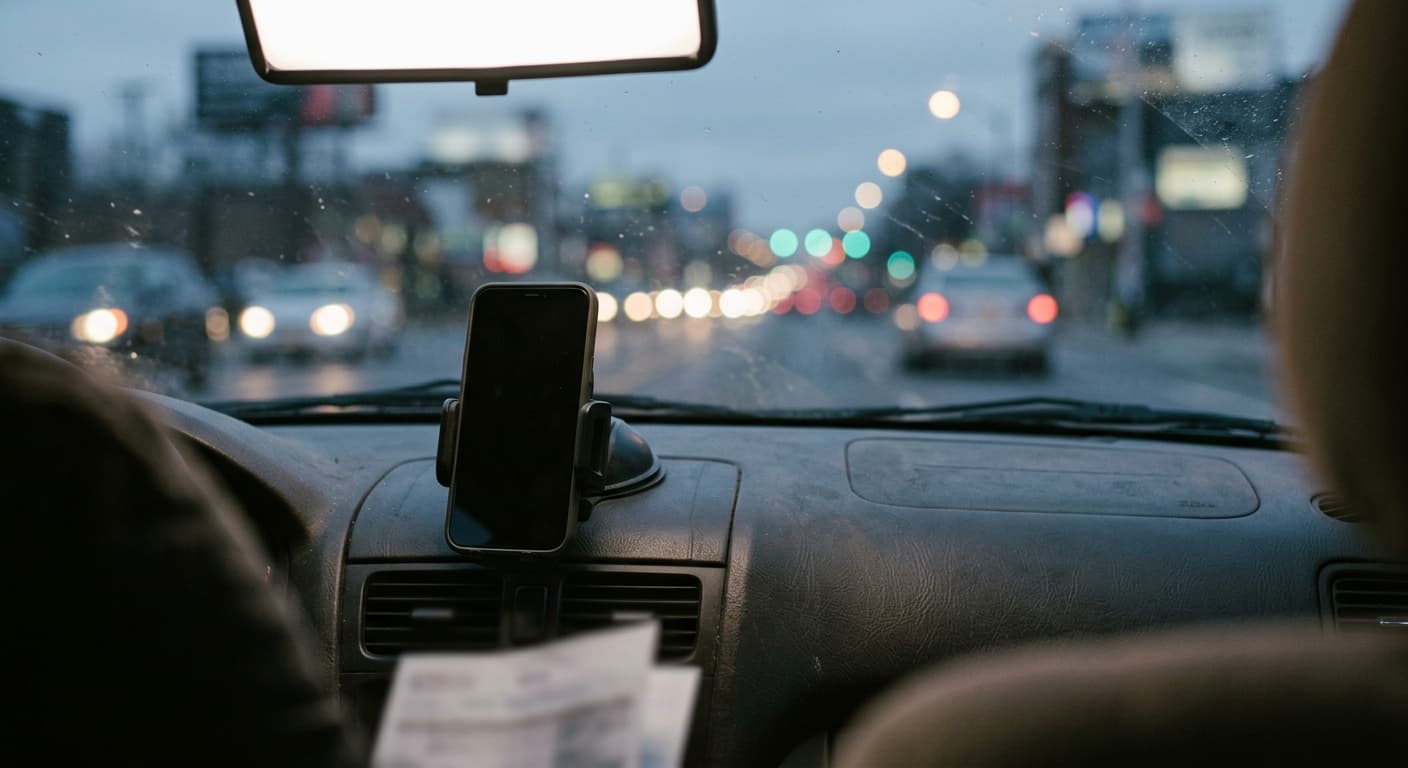
Video recording in New Jersey is legal in public spaces and locations where no reasonable expectation of privacy exists. When your recording also captures audio, the one-party consent rule under N.J. Stat. Ann. 2A:156A-4 permits you to record conversations you participate in. Recording someone in a private location without consent violates N.J. Stat. Ann. 2C:14-9.
New Jersey does not have a single comprehensive video recording statute. Instead, video recording legality depends on where you are filming, whether you are capturing audio, and whether the subject has a reasonable expectation of privacy. The rules come from several different laws, including the New Jersey Wiretapping and Electronic Surveillance Control Act, the invasion of privacy statute at N.J. Stat. Ann. 2C:14-9, and the 2025 deepfake law.
This guide covers everything you need to know about video recording laws in New Jersey in 2026, including public filming rights, privacy restrictions, workplace surveillance, the invasion of privacy statute, and how AI-generated video is now regulated.
Video Recording in Public Places
Your Right to Film in Public
New Jersey has no general prohibition on video recording in public spaces. The First Amendment protects your right to record what is plainly visible in public areas. You can legally:
- Film on public streets, parks, sidewalks, and plazas
- Record public meetings and government proceedings
- Film protests, demonstrations, and public events
- Record interactions with government officials performing their duties
- Use your smartphone, camera, or other recording device in any public space
Video-only recording (without audio) in public places generally does not fall under the wiretapping statute because the statute governs the interception of "oral communications," "wire communications," and "electronic communications." Pure video without audio does not intercept any of these.
When Audio Changes the Analysis
If your video recording also captures audio, the wiretapping statute may apply. Under N.J. Stat. Ann. 2A:156A-4, you can record audio of conversations you participate in under the one-party consent rule. However, if your video captures audio of a private conversation between other people that you are not part of, you could violate the wiretapping law.
For example, filming a street scene that incidentally captures background noise is generally fine. Pointing a directional microphone at two people having a private conversation on a park bench, while filming them, could violate the statute if they have a reasonable expectation of privacy in that conversation.
Public vs. Private Property
The distinction between public and private property matters for video recording:
- Public property: You generally have the right to film anything visible from a public space
- Private property open to the public: Businesses, malls, and restaurants can set their own recording policies and ask you to stop filming or leave
- Private property not open to the public: You need permission from the property owner to film on their property
Even when standing on public property, you cannot use zoom lenses or other technology to record activities inside a private home that are not visible to the naked eye. This could constitute an invasion of privacy.
The Invasion of Privacy Statute: N.J. Stat. Ann. 2C:14-9
What the Law Prohibits
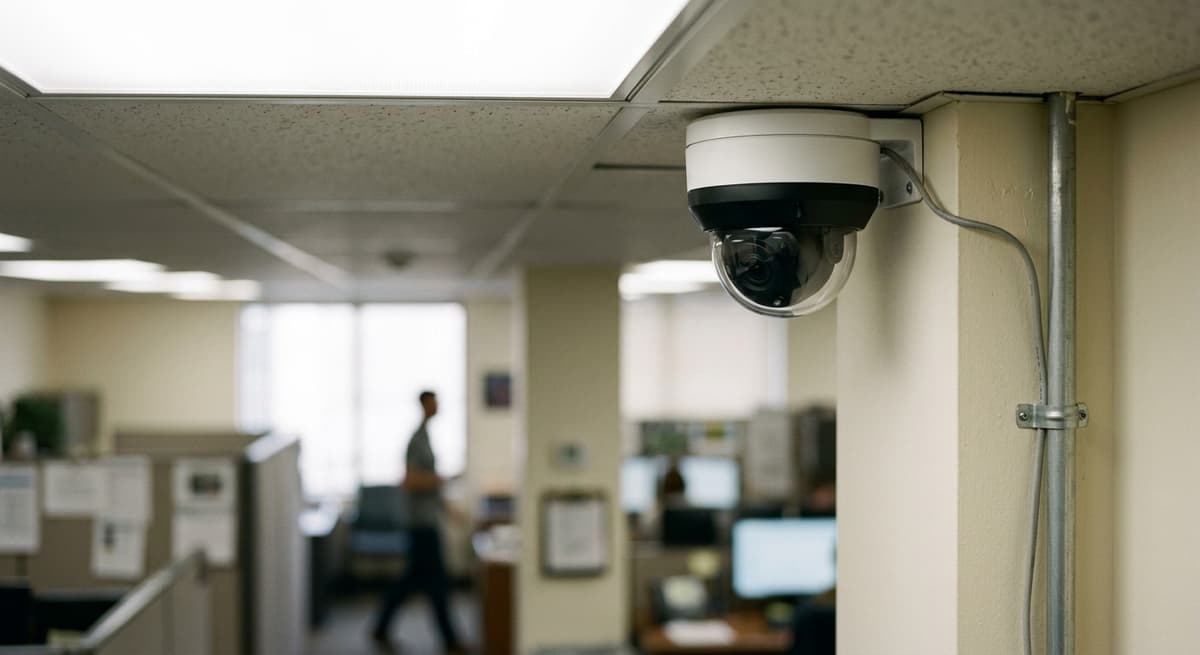
New Jersey's primary video privacy law is N.J. Stat. Ann. 2C:14-9, which addresses invasion of privacy through observation and recording. The statute creates several distinct offenses:
Observation without recording (2C:14-9(a)): It is a crime of the fourth degree to observe another person's intimate parts, or a person engaged in sexual penetration or sexual contact, without that person's consent and under circumstances in which a reasonable person would not expect to be observed. This subsection covers watching only, with no photograph, film, or recording made.
Photographing, filming, or recording (2C:14-9(b)): It is a crime of the third degree to photograph, film, videotape, record, or otherwise reproduce in any manner the image of another person whose intimate parts are exposed or who is engaged in sexual penetration or sexual contact, without that person's consent and under circumstances in which a reasonable person would not expect to be observed. This includes hidden cameras in bathrooms, bedrooms, changing rooms, and similar private locations.
Disclosure of intimate images (2C:14-9(c)): It is a crime of the third degree to knowingly disclose any photograph, film, videotape, recording, or other reproduction made in violation of subsection (b), without that person's consent.
Penalties for Invasion of Privacy
| Offense | Classification | Penalty |
|---|---|---|
| Observation without recording | Crime of the Fourth Degree | Up to 18 months imprisonment, up to $10,000 fine |
| Photographing, filming, or recording | Crime of the Third Degree | 3 to 5 years imprisonment, up to $15,000 fine |
| Disclosure of intimate images | Crime of the Third Degree | 3 to 5 years imprisonment, up to $30,000 fine |
These penalties apply specifically to video recording that violates privacy expectations. They are separate from and in addition to any wiretapping charges that might apply if audio was also captured.
Reasonable Expectation of Privacy
The key legal concept in video recording law is the "reasonable expectation of privacy." Courts evaluate this based on:
- The location: Bathrooms, bedrooms, locker rooms, and changing areas carry strong privacy expectations
- The circumstances: Even in semi-public spaces, certain activities (like trying on clothes in a fitting room) carry privacy expectations
- The person's behavior: Someone who retreats to a secluded area is more likely to have a privacy expectation than someone standing in a crowded room
- Social norms: Would a reasonable person in the same situation expect to be free from observation or recording?
Video Recording at Work in New Jersey
Employer Video Surveillance
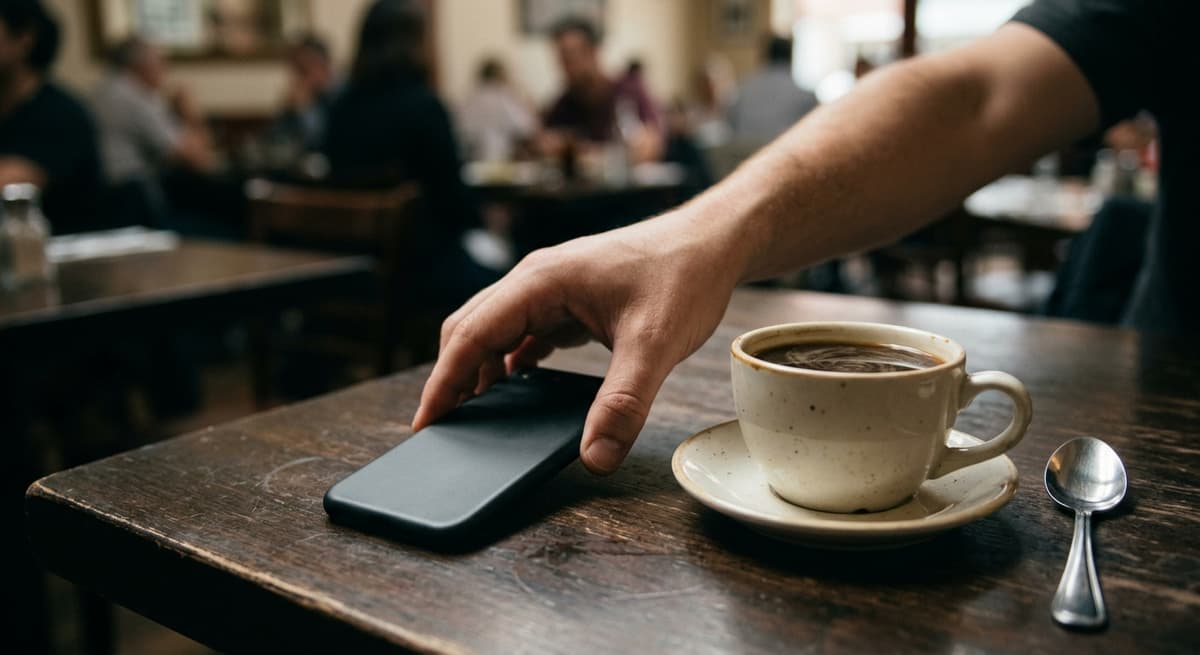
New Jersey employers can install video cameras in common work areas where employees do not have a reasonable expectation of privacy. This includes:
- Lobbies and reception areas
- Hallways and corridors
- Warehouse floors and production areas
- Retail sales floors
- Parking lots and loading docks
Employers cannot install video cameras in:
- Bathrooms and restrooms
- Locker rooms and changing areas
- Break rooms that are designated as private spaces
- Any area where employees have a reasonable expectation of privacy
New Jersey does not have a specific statute requiring employers to notify employees about workplace video surveillance. However, many employers provide notice as a best practice, and some union contracts or employment agreements may require disclosure.
Employee Video Recording at Work
Employees can video record in the workplace, but the rules depend on whether audio is captured:
- Video without audio: Generally permitted in common areas where there is no reasonable expectation of privacy
- Video with audio: Subject to the one-party consent rule under N.J. Stat. Ann. 2A:156A-4, meaning you can record conversations you participate in
New Jersey's Conscientious Employee Protection Act (CEPA) may protect employees who record video evidence of unlawful employer conduct, as long as the recording itself was made lawfully. CEPA prohibits retaliation against employees who report or document violations of law or public policy.
Smart Glasses and Wearable Cameras at Work
Wearable cameras like smart glasses raise unique concerns in the workplace because they can continuously record without others knowing. While New Jersey law does not specifically address wearable cameras, the general principles apply:
- You can record video of common areas where there is no privacy expectation
- Audio recording follows the one-party consent rule
- Your employer may have policies restricting wearable recording devices
- Violating a company recording policy can result in termination even if the recording itself is legal
Video Recording and the 2025 Deepfake Law
Governor Phil Murphy signed P.L. 2025, c. 40 on April 2, 2025, establishing penalties for deceptive AI-generated visual media. Key provisions affecting video recording include:
- Creating an AI-generated video that realistically depicts a person doing something they did not actually do, with intent to harm, is a crime of the third degree
- The penalty includes up to 5 years imprisonment and a fine of up to $30,000
- Victims can pursue civil lawsuits for compensatory and punitive damages
- The law includes First Amendment protections for satire, parody, commentary, news, teaching, and research
This law addresses a growing concern about AI tools that can create realistic fake videos of people. It does not affect legitimate video recording or standard video editing practices.
Revenge Porn and Non-Consensual Intimate Images
New Jersey's Revenge Porn Law
New Jersey was one of the first states to criminalize revenge porn through N.J. Stat. Ann. 2C:14-9(c). Under this law, knowingly disclosing intimate images of another person without their consent is a crime of the third degree when the person making the disclosure knows that the image was obtained without consent or would cause the depicted person harm.
The penalties are severe:
- 3 to 5 years imprisonment
- Fines up to $30,000
- Permanent criminal record for a third-degree offense
- Civil liability for damages suffered by the victim
What Counts as an Intimate Image
Under the statute, an intimate image includes any photograph, film, videotape, recording, or reproduction showing a person in a state of undress or engaged in sexual activity. The image must have been made or obtained without the depicted person's consent, or the disclosure must be made knowing it would cause the person harm.
Platform Liability
New Jersey's law focuses on the person who discloses the intimate images, not on internet platforms that host them. However, victims can seek court orders requiring platforms to remove non-consensual intimate images.
Video Recording for Home Security
Security Camera Placement
New Jersey homeowners can install security cameras on their own property. Legal considerations include:
- Cameras can face public areas: You can point cameras at your front door, driveway, porch, and yard
- Do not record neighbors' private areas: Positioning cameras to record inside a neighbor's home or into their private backyard areas could violate privacy laws
- Audio recording rules apply: If your security cameras record audio, the wiretapping statute governs that audio. Capturing audio of conversations you are not part of could be illegal
- HOA restrictions: Some homeowner associations have rules about security camera placement and visibility
Doorbell Cameras
Doorbell cameras like Ring and Nest are legal in New Jersey. These devices record video of your front door area and may capture audio of conversations. When someone comes to your door and speaks with you through the doorbell camera, the one-party consent rule allows you to record that audio because you are a participant in the conversation.
However, a doorbell camera that captures audio of conversations between neighbors or passersby that you are not part of could raise wiretapping concerns if those conversations carry a reasonable expectation of privacy.
Video Recording and Law Enforcement
Filming Police in Public
The First Amendment protects your right to video record police officers performing their duties in public. The U.S. Court of Appeals for the Third Circuit, which covers New Jersey, ruled in Fields v. City of Philadelphia, 862 F.3d 353 (3d Cir. 2017), that this right exists for all citizens, not just journalists.
You can film:
- Traffic stops (including your own)
- Arrests in public areas
- Police interactions with the public
- Public protests where police are present
You must not interfere with police operations, obstruct officers, or trespass to get a better angle.
Police Body Camera Footage
In January 2025, the New Jersey Supreme Court ruled in Fuster v. Township of Chatham that government officials generally cannot refuse to disclose police body-worn camera footage to people who are the subject of the recordings. This ruling strengthened public access to police video recordings in New Jersey.
Penalties Summary
| Offense | Statute | Classification | Maximum Penalty |
|---|---|---|---|
| Observation without recording | 2C:14-9(a) | Fourth Degree | 18 months, $10,000 fine |
| Recording intimate parts | 2C:14-9(b) | Third Degree | 5 years, $15,000 fine |
| Non-consensual disclosure | 2C:14-9(c) | Third Degree | 5 years, $30,000 fine |
| Wiretapping (video with audio) | 2A:156A-3 | Third Degree | 5 years, $15,000 fine |
| Deceptive AI video | P.L. 2025, c. 40 | Third Degree | 5 years, $30,000 fine |
New Jersey Recording Laws by Topic
Phone Call Recording | Audio Recording | Video Recording | Workplace Recording | Recording Police | Security Cameras | Recording in Public | Landlord-Tenant | Dashcam Laws | Schools | Medical Recording | Voyeurism & Hidden Cameras
Back to New Jersey Recording Laws
More New Jersey Recording Topics
More New Jersey Laws
Frequently Asked Questions
Is it legal to video record someone in New Jersey without their knowledge?
It depends on the location and circumstances. You can video record in public places without anyone's knowledge or consent. However, photographing, filming, or recording someone's intimate parts without consent where they have a reasonable expectation of privacy violates N.J. Stat. Ann. 2C:14-9(b) and is a crime of the third degree.
Can I install security cameras on my property in New Jersey?
Yes. You can install security cameras on your own property. Point them at your own property and public areas. Avoid positioning cameras to record inside a neighbor's home or their private spaces. If cameras capture audio, the wiretapping statute applies to conversations you are not part of.
Is sharing intimate videos without consent illegal in New Jersey?
Yes. Under N.J. Stat. Ann. 2C:14-9(c), distributing intimate images or videos without the depicted person's consent is a crime of the third degree, punishable by 3 to 5 years imprisonment and fines up to $30,000.
Can my employer video record me at work in New Jersey?
Employers can install video cameras in common work areas like hallways, sales floors, and parking lots. They cannot install cameras in bathrooms, locker rooms, or changing areas. New Jersey does not have a specific statute requiring employers to notify employees about workplace video surveillance.
Does New Jersey's deepfake law apply to video?
Yes. P.L. 2025, c. 40 makes it a crime of the third degree to create or distribute AI-generated video that realistically depicts someone doing something they did not do, with intent to harm. Penalties include up to 5 years imprisonment and $30,000 in fines. The law exempts satire, parody, news, and research.
Updates
Corrected New Jersey's video-voyeurism penalties under N.J.S.A. 2C:14-9: photographing, filming, or recording someone's intimate parts without consent is a third-degree crime (3 to 5 years, fine up to $15,000), not a fourth-degree offense as previously stated; only bare observation without recording is fourth-degree (up to 18 months, fine up to $10,000). Also corrected the disclosure offense from subsection (d) to (c).
Independently fact-checked against the cited primary sources; governing law re-checked for recent changes
Governing law re-checked for recent changes
Reviewed and approved by an editor
The Law Behind This Article
This article rests on the statutory provisions below, held in our own legal record and retrieved from the official source. Tap a section to read the operative text.
New Jersey Statutes (Unannotated)
§ 2C:14-9Invasion of privacy, degree of crime; defenses, privileges.In forcecited in 4 of our articles
1. a. An actor commits a crime of the fourth degree if, knowing that he is not licensed or privileged to do so, and under circumstances in which a reasonable person would know that another may expose intimate parts or may engage in sexual penetration or sexual contact, he observes another person without that person's consent and under circumstances in which a reasonable person would not expect to be observed. b. (1) An actor commits a crime of the third degree if, knowing that he is not licensed or privileged to do so, he photographs, films, videotapes, records, or otherwise reproduces in any manner, the image of another person whose intimate parts are exposed or who is engaged in an act of sexual penetration or sexual contact, without that person's consent and under circumstances in which a reasonable person would not expect to be observed.
Official text (excerpt) · last checked 2026-08-31 · Read the full text in our law library · Verify at lis.njleg.state.nj.us
United States Code Title 18
§ 2511Interception and disclosure of wire, oral, or electronic communications prohibitedIn forcecited in 418 of our articles
Except as otherwise specifically provided in this chapter any person who— intentionally intercepts, endeavors to intercept, or procures any other person to intercept or endeavor to intercept, any wire, oral, or electronic communication; intentionally uses, endeavors to use, or procures any other person to use or endeavor to use any electronic, mechanical, or other device to intercept any oral communication when— such device is affixed to, or otherwise transmits a signal through, a wire, cable, or other like connection used in wire communication; or such device transmits communications by radio, or interferes with the transmission of such communication; or such person knows, or has reason to know, that such device or any component thereof has been sent through the mail or transported in interstate or foreign commerce; or such use or endeavor to use (A) takes place on the premises of any business or other commercial establishment the operations of which affect interstate or foreign commerce; or (B) obtains or is for the purpose of obtaining information relating to the operations of any business or other commercial establishment the operations of which affect interstate or foreign…
Official text (excerpt) · last checked 2026-08-28 · Read the full text in our law library · Verify at uscode.house.gov
Cited in 2,045 court opinions in our collectionLatest citing opinion in our collection: 2026
In the courts (editorial summary, independently checked):Griggs-Ryan v. Smith (1990) applied the Section 2511(2)(d) prior-consent exception, treating a tenant repeatedly told that all incoming calls were taped as having impliedly consented. United States v. United States District Court (1972) read the then-current Section 2511(3) as conferring no presidential surveillance power.
Opinions citing this section in our collection:
- Mitchell v. Forsyth (Supreme Court of the United States 1985, 472 U.S. 511)✓The Attorney General authorized a warrantless 1970 national security wiretap that caught the plaintiff's calls; the Court held the since-repealed Section 2511(3) disclaimer left the tap lawful under Title III, and that Mitchell had qualified immunity.
- United States v. United States District Court for the Eastern District of Michigan (Supreme Court of the United States 1972, 407 U.S. 297)✓The Attorney General approved warrantless wiretaps on members of a domestic group accused of bombing a CIA office; the Court read Section 2511(3) as a congressional disclaimer conferring no surveillance power, then held the Fourth Amendment required prior judicial approval.
- Forsyth v. Barr (Court of Appeals for the Fifth Circuit 1994, 19 F.3d 1527)✓Dallas police used, in an internal affairs probe of an officer, calls private parties allegedly intercepted illegally; assuming that was unlawful, the Fifth Circuit held Section 2517(1) and (2) allowed the disclosure and use, defeating the Section 2511(1)(c) and (d) claims.
Identified automatically from the court opinions citing this section — not a ranking of which case controls.
Search our full record of US law — 2.1 million sections, every state + federal →
Sources and References
- N.J. Stat. Ann. 2C:14-9 - Invasion of Privacy(law.justia.com)
- N.J. Stat. Ann. 2A:156A-4 - Lawful Interception Activities(law.justia.com)
- N.J. Stat. Ann. 2A:156A-3 - Prohibited Interception of Communications(law.justia.com)
- Governor Murphy Signs Deepfake Legislation (P.L. 2025, c. 40)(nj.gov).gov
- New Jersey Attorney General - Division on Civil Rights(nj.gov).gov
- Fields v. City of Philadelphia, 862 F.3d 353 (3d Cir. 2017)(law.cornell.edu)
- New Jersey Conscientious Employee Protection Act (CEPA)(nj.gov).gov
- Federal Wiretap Act - 18 U.S.C. 2511(law.cornell.edu)