
Indiana
Indiana Laws on Recording in Public: Rights, Limits, and Practical Rules
Independently fact-checked against primary sources (last audited August 15, 2026). · Reviewed by the RecordingLaw editorial team. · Law checked current as of August 8, 2026. · 4 primary sources cited on this page. How we verify our legal content
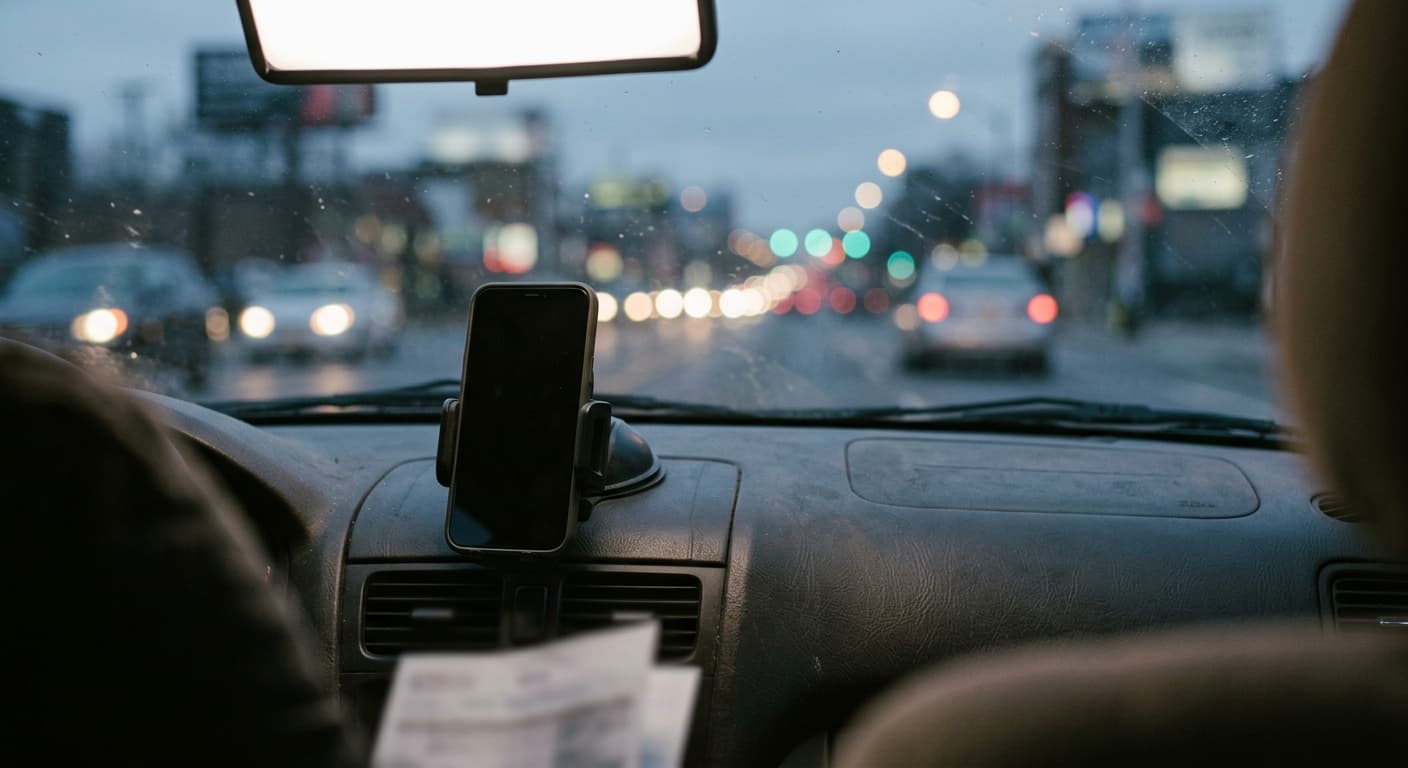
Indiana law permits recording in public spaces. The First Amendment protects your right to photograph, film, and record audio on streets, sidewalks, and parks where no reasonable expectation of privacy exists. For audio, Indiana's one-party consent law (IC 35-33.5-5) applies, letting you record any conversation you participate in.
Indiana law broadly protects your right to record in public. There is no state statute prohibiting photography, video recording, or audio recording in public places where people have no reasonable expectation of privacy. This guide covers your recording rights in public spaces, government meetings, commercial areas, and the limits that apply when you move from public to private settings.
Your Right to Record in Public Spaces
The First Amendment Basis
The First Amendment to the United States Constitution protects the right to record in public spaces. The Seventh Circuit Court of Appeals, which covers Indiana, has recognized that making audio and visual recordings is protected expression under the First Amendment.
In traditional public forums such as streets, sidewalks, and parks, you have a constitutional right to:
- Photograph anything visible from a public vantage point
- Record video of people, buildings, vehicles, and events
- Film government officials performing their public duties
- Record police officers during traffic stops, arrests, and public encounters
- Livestream events as they happen
- Take photographs of public art, architecture, and landmarks
What You Can Record
In public spaces throughout Indiana, you can legally record:
- Street scenes. Pedestrians, traffic, buildings, and general activity on public roads and sidewalks.
- Public events. Parades, festivals, concerts in public parks, sporting events in public venues, and political rallies.
- Government activity. Police encounters, fire department responses, building inspections, and other government operations conducted in public.
- Protests and demonstrations. Both the participants and the law enforcement response.
- Commercial areas. Exterior views of businesses, shopping centers, and restaurants from public sidewalks or roads.
- Public transportation. Buses, trains, and stations operated by public agencies (subject to agency-specific policies).
No Permission Required
You do not need permission to record in public spaces in Indiana. There is no requirement to:
- Ask individuals for consent before photographing or filming them in public
- Obtain a permit for personal photography or video recording
- Notify subjects that you are recording
- Identify yourself as a journalist or filmmaker
However, commercial filming (for advertising, movies, or broadcast) in certain public areas may require permits from local governments.
Audio Recording in Public
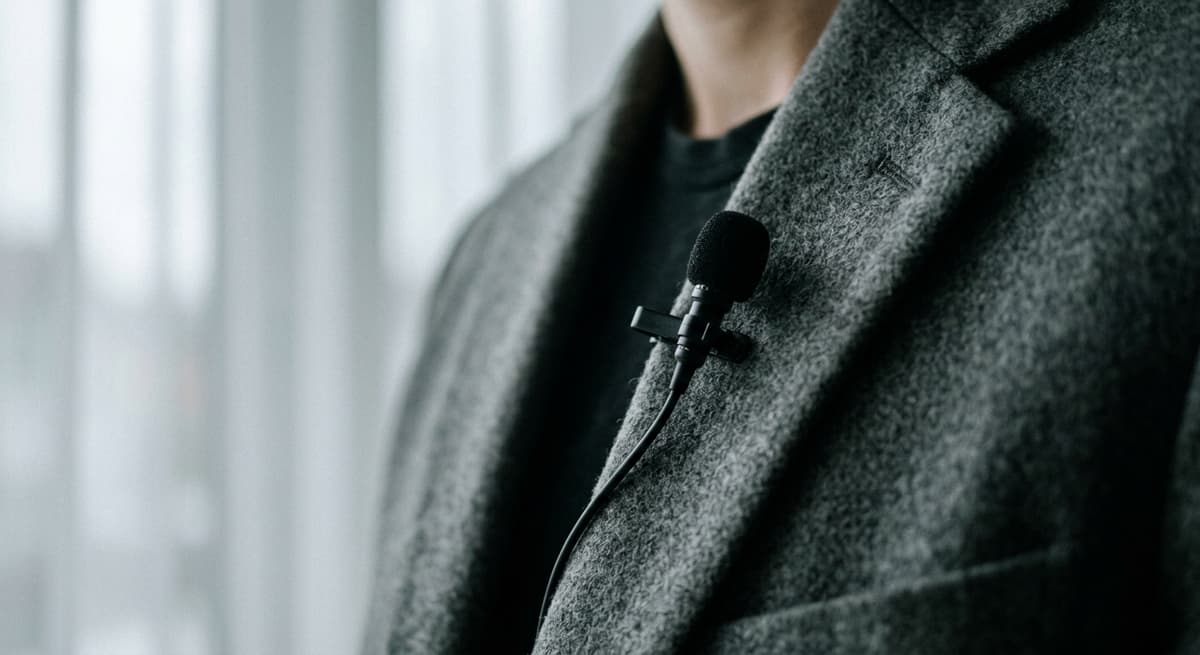
One-Party Consent Applies
Audio recording in public follows Indiana's one-party consent wiretapping law (IC 35-33.5-5). This means:
- Conversations you participate in. You can record any conversation you are part of, whether on a public street, in a restaurant, or at a public event.
- Overheard conversations in public. People speaking in public spaces generally have no reasonable expectation of privacy. Recording ambient sounds and nearby conversations in public areas is generally not treated as unlawful interception.
- Directed recordings. If you approach someone and engage them in conversation, you can record that interaction without informing them.
For detailed guidance on audio recording rules, see Indiana audio recording laws.
Recording Government Meetings
Indiana's Open Door Law
Indiana's Open Door Law (IC 5-14-1.5) requires meetings of governing bodies of public agencies to be open to the public. You have the right to attend and record these meetings, including:
- City and town council meetings
- County commission and board meetings
- School board meetings (elected boards)
- State legislative committee hearings
- Public hearings on zoning, development, and policy
- Township board meetings
Livestreaming Requirements (Effective July 2025)
HEA 1306-2024 amended the Open Door Law to require local government bodies to livestream and archive public meetings. As of July 1, 2025:
- Governing bodies must provide live video transmissions on a publicly accessible platform
- Archived recordings must be posted alongside the agenda and minutes
- Archives must remain available for at least 90 days
- The public can inspect and download recordings without charge
- Technological failures do not invalidate actions taken during the meeting
Noncompliance can be reported to Indiana's Public Access Counselor.
Executive Sessions
While most government meetings are open, executive sessions are closed to the public. Under IC 5-14-1.5-6.1, governing bodies may meet in executive session for limited purposes including:
- Discussion of strategy regarding pending litigation
- Certain personnel matters
- Real estate transactions
- Security matters
You cannot record executive sessions, and government bodies are not required to livestream them.
Recording in Commercial and Semi-Public Spaces
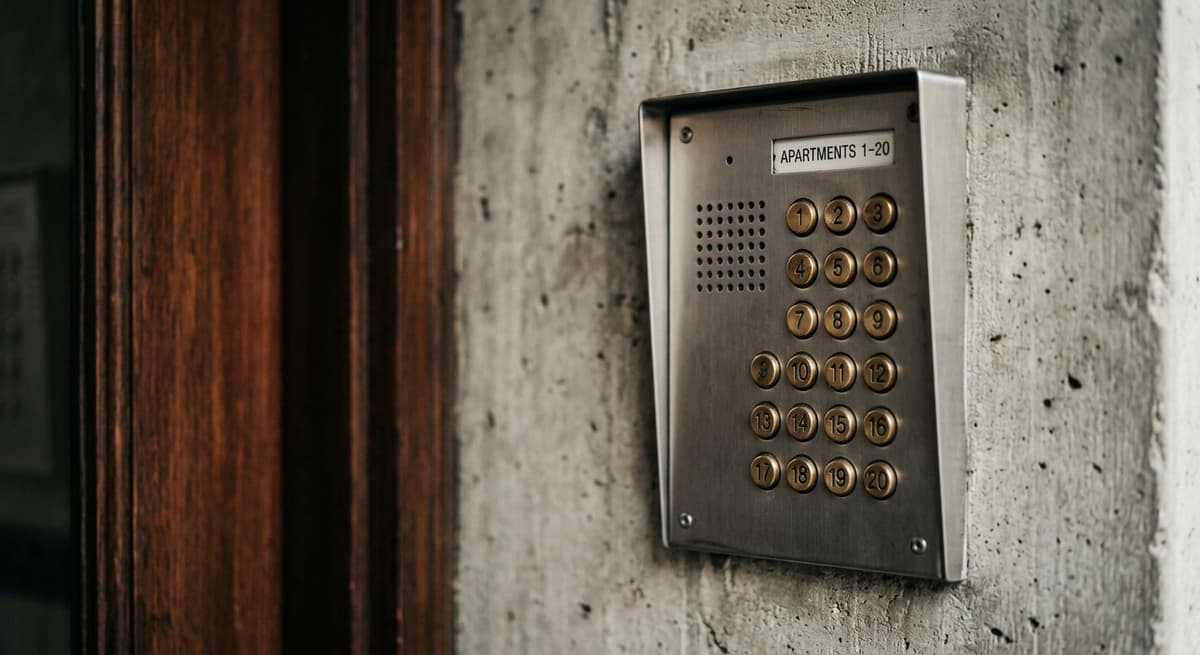
Private Businesses Open to the Public
Stores, restaurants, malls, and other private businesses that are open to the public occupy a middle ground. While customers are present by invitation, the property owner controls recording rules:
- Businesses can prohibit recording. A store, restaurant, or entertainment venue can post "No Photography" or "No Recording" signs and enforce them.
- You must comply or leave. If asked to stop recording by a business owner or employee, you should comply. Refusing to stop and refusing to leave can result in a trespassing charge.
- No criminal penalty for recording. Recording in a business that allows public access is not a crime under Indiana law, even if the business has a no-recording policy. The business's remedy is to ask you to stop and remove you if you refuse.
Malls and Shopping Centers
Malls are private property. Security guards and management can set and enforce recording policies. Many malls prohibit professional photography and commercial filming while allowing casual personal photography.
Restaurants and Bars
You can record your own dining experience, including conversations you participate in. Establishments can ask you to stop if they have a no-recording policy. Recording other diners' private conversations (which you are not part of) at a quiet, intimate restaurant raises different concerns than recording in a noisy public bar.
Hospitals and Medical Facilities
Recording in hospitals involves patient privacy considerations under both Indiana law and federal HIPAA regulations. While you can record your own medical appointments, recording other patients, treatment areas, or sensitive medical information may violate privacy rules. For more, see Indiana medical recording laws.
Recording at Public Events and Venues
Outdoor Public Events
Public events held in parks, on streets, and in other public spaces are subject to the general public recording rules. You can freely record at:
- Community festivals and fairs
- Public political rallies and demonstrations
- Outdoor concerts and performances in public parks
- Sporting events in public venues
- Holiday parades and community celebrations
Private Venues Hosting Public Events
When public events take place at private venues (concert halls, stadiums, convention centers), the venue's recording policy controls. Many private venues:
- Prohibit professional recording equipment
- Allow personal smartphone recording
- Restrict livestreaming
- Include recording restrictions in ticket purchase terms
Checking venue policies before attending is recommended.
Museums, Galleries, and Cultural Institutions
Recording policies vary by institution. Many museums allow personal photography without flash but prohibit video recording, tripods, or flash photography. Galleries displaying works under copyright may restrict photography entirely. Always check posted policies at the entrance.
Filming on Public Transportation
Indiana's public transit systems, including IndyGo in Indianapolis, generally allow personal photography and video recording on buses and at stations. However:
- Commercial filming typically requires a permit
- Recording should not interfere with passengers or operators
- Recording in a way that harasses other passengers may violate transit rules
- Certain security-sensitive areas of transit facilities may restrict photography
Limitations on Public Recording
Harassment and Stalking
Repeatedly following and recording a specific person in public may constitute stalking under Indiana law, even though each individual recording is legal. Indiana's stalking statute (IC 35-45-10) applies when repeated conduct causes the victim to feel frightened, intimidated, or threatened.
Trespassing
Your right to record does not give you the right to enter private property. Recording while trespassing adds a criminal trespass charge to any privacy violation. Always stay in areas where you have a legal right to be.
Obstruction
Blocking sidewalks, roads, building entrances, or emergency access while recording is illegal. You must comply with reasonable requests to move if you are obstructing pedestrian or vehicle traffic.
Government Restrictions
Certain government facilities restrict recording:
- Federal courthouses (photography and recording are prohibited inside most federal courts)
- Military installations
- Certain secure government facilities
- State courtrooms (recording is subject to the presiding judge's discretion and each court's local rules)
Photography and Commercial Use
Model Releases and Consent
While you can photograph anyone in public without consent, commercial use of their image may require a release:
- Editorial use. Publishing photos for news, commentary, or educational purposes generally does not require a model release.
- Commercial use. Using someone's image in advertising, product packaging, or commercial promotions may require their consent.
- Right of publicity. Indiana recognizes a right of publicity, meaning individuals can control the commercial use of their name, image, and likeness.
More Indiana Recording Laws
Audio Recording | Video Recording | Voyeurism & Hidden Cameras | Workplace Recording | Recording Police | Phone Call Recording | Security Cameras | Recording in Public | Landlord-Tenant | Dashcam Laws | Schools | Medical Recording
Back to Indiana Recording Laws
More Indiana Recording Topics
More Indiana Laws
Frequently Asked Questions
Can I record video in public in Indiana?
Yes. Indiana has no general prohibition on video recording in public spaces. You can film on streets, sidewalks, parks, and any area where there is no reasonable expectation of privacy. The First Amendment protects this right.
Do I need permission to photograph someone in public in Indiana?
No. You do not need consent to photograph or film people in public spaces where they have no reasonable expectation of privacy. However, commercial use of someone's image (in advertising or promotions) may require their consent.
Can a business kick me out for recording in Indiana?
Yes. Private businesses can set their own recording policies. If a business asks you to stop recording and you refuse, they can ask you to leave. Refusing to leave after being asked can result in a trespassing charge. Recording in a business is not a crime, but trespassing is.
Can I record a public government meeting in Indiana?
Yes. Indiana's Open Door Law (IC 5-14-1.5) requires public meetings to be open. You can attend and record them. As of July 2025, HEA 1306-2024 also requires government bodies to livestream and archive public meetings for at least 90 days.
Can I record inside a courtroom in Indiana?
Recording in Indiana state courts is subject to the presiding judge's discretion and each court's local rules. Judges can permit or prohibit recording in their courtrooms. Federal courts generally prohibit photography and recording. Always check with the court before attempting to record.
Is it legal to record police in public in Indiana?
Yes. The First Amendment protects your right to record law enforcement performing duties in public. Indiana's 25-foot buffer zone law (IC 35-44.1-2-14) is valid and enforceable: the Seventh Circuit affirmed it as constitutional in Nicodemus v. City of South Bend, 137 F.4th 654 (7th Cir. May 15, 2025). The law only restricts approaching an officer within 25 feet after being ordered to stop; it does not restrict recording itself. You can record police from any public location as long as you do not physically interfere with their operations, and you comply with a lawful order to stop approaching.
Updates
Corrected the FAQ's account of Nicodemus v. City of South Bend: the Seventh Circuit affirmed Indiana's 25-foot police buffer law (IC 35-44.1-2-14) as constitutional on May 15, 2025 (there was no preliminary injunction and no remand), so the buffer law remains in force. Also fixed a Public Access Counselor citation that had been pointing to Indiana's emergency-communications office.
Independently fact-checked against the cited primary sources
Governing law re-checked for recent changes
Reviewed and approved by an editor
The Law Behind This Article
This article rests on the statutory provisions below, held in our own legal record and retrieved from the official source. Tap a section to read the operative text.
Indiana Code, TITLE 35. CRIMINAL LAW AND PROCEDURE
§ 35-33.5-5-5Nonapplicability to interceptions authorized under federal law; classification of offensesIn forcecited in 13 of our articles
Sec. 5. (a) This section does not apply to a person who makes an interception authorized under federal law. (b) A person who knowingly or intentionally intercepts a communication in violation of this article commits unlawful interception, a Level 5 felony. (c) A person who, by virtue of the person's employment or official capacity in the criminal justice system, knowingly or intentionally uses or discloses the contents of an interception in violation of this article commits unlawful use or disclosure of an interception, a Level 5 felony.
Official text (excerpt) · last checked 2026-08-28 · Read the full text in our law library · Verify at iga.in.gov
Cited in 2 court opinions in our collectionLatest citing opinion in our collection: 2007
Opinions citing this section in our collection:
- Edwards v. State (Indiana Court of Appeals 2007, 862 N.E.2d 1254)“…or disclosure of an interception, a Class C felony. I.C. § 35-33.5-5-5. The Indiana Wiretap Act defines interc…”
- State of Indiana v. John Lombardo (Indiana Supreme Court 2000)“…disclosure of an interception, a Class C felony. Ind. Code § 35-33.5-5-5 (1993) (emphases added). The statute…”
Identified automatically from the court opinions citing this section — not a ranking of which case controls.
Also relied on in: Indiana Recording Laws (2026): One-Party Consent Rules, Indiana Audio Recording Laws: One-Party Consent Rules and Penalties, Indiana Dashcam Laws: Mounting Rules, Audio Recording, and Legal Use
§ 35-45-4-5Voyeurism; public voyeurism; aerial voyeurismIn forcecited in 14 of our articles
Sec. 5. (a) The following definitions apply throughout this section: (1) "Camera" means a camera, a video camera, a device that captures a digital image, or any other type of video recording device. (2) "Peep" means: (A) any looking of a clandestine, surreptitious, prying, or secretive nature; or (B) using a concealed camera with the intent of capturing an intimate image (as defined by IC 34-21.5-2-1). (3) "Private area" means the naked or undergarment clad genitals, pubic area, or buttocks of an individual. (b) A person: (1) who knowingly or intentionally: (A) peeps; or (B) goes upon the land of another with the intent to peep; into an occupied dwelling of another person; or (2) who knowingly or intentionally peeps in or into an area where an occupant of the area reasonably can be expected to disrobe or is actually expected to disrobe, including: (A) restrooms; (B) baths; (C) showers; and (D) dressing rooms; without the consent of the other person, commits voyeurism, a Class B misdemeanor.
Official text (excerpt) · last checked 2026-07-29 · Read the full text in our law library · Verify at iga.in.gov
Cited in 19 court opinions in our collectionLatest citing opinion in our collection: 2026
In the courts (editorial summary, independently checked):Casady v. State (2010) held restrooms and showers are areas where occupants reasonably can be expected to disrobe under 35-45-4-5, whether or not they actually did. Steven M. Sandleben v. State of Indiana (2014) read the public voyeurism definition of private area disjunctively, covering undergarment-clad or naked areas.
Opinions citing this section in our collection:
- Casady v. State (Indiana Court of Appeals 2010, 934 N.E.2d 1181)✓A man videotaped men at urinals and in a shower while hiding in a stall and a doorway; the court affirmed his voyeurism convictions, holding the filming was a clandestine peep and that restrooms are listed places where occupants can reasonably be expected to disrobe.
- Steven M. Sandleben v. State of Indiana (Indiana Court of Appeals 2014, 22 N.E.3d 782)✓A man put a camera under a four-year-old's skort in a store and filmed two girls underwater at a pool; the court upheld his public voyeurism convictions, holding the statute reaches naked or undergarment clad areas and was not vague as applied to him.
- David Delagrange v. State of Indiana (Indiana Court of Appeals 2013, 981 N.E.2d 1227)“…e other person, commits voyeurism, a Class B misdemeanor. Ind.Code § 35-45-4-5(a) (2005). After Delagrange committed t…”
Identified automatically from the court opinions citing this section — not a ranking of which case controls.
Also relied on in: Indiana Surveillance Camera Laws (2026 Guide), Indiana Smart Glasses Recording Laws 2025, Indiana Landlord-Tenant Recording Laws: Rights for Renters and Property Owners
Search our full record of US law — 2.1 million sections, every state + federal →
Sources and References
- Indiana Code IC 35-33.5-5(iga.in.gov).gov
- Indiana Open Door Law(in.gov).gov
- Indiana Public Access Counselor(in.gov).gov
- Indiana Code IC 35-45-4-5(iga.in.gov).gov
- Reporters Committee for Freedom of the Press - Indiana(rcfp.org)
- Nicodemus v. City of South Bend, No. 24-1099 (7th Cir. 2025)(law.justia.com)