Indiana Voyeurism and Hidden Camera Laws: Statutes and Penalties
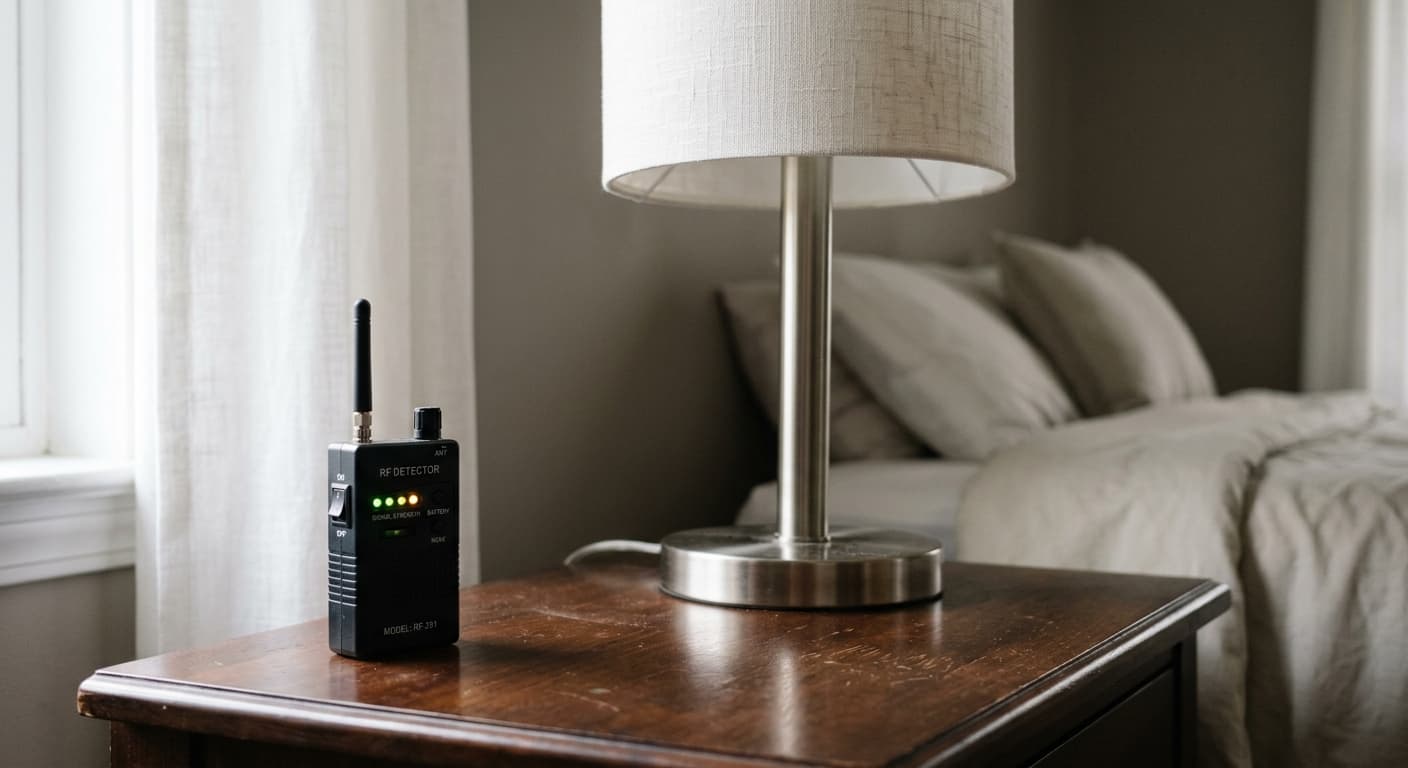
Indiana has multiple criminal statutes addressing voyeurism, hidden cameras, and nonconsensual intimate image distribution. These laws protect people from unauthorized visual surveillance in private settings, hidden recording devices on their property, and the sharing of intimate images without their consent. This guide breaks down each statute, the specific conduct it prohibits, the penalties for violations, and the defenses that may apply.
Indiana Voyeurism Law: IC 35-45-4-5
Overview
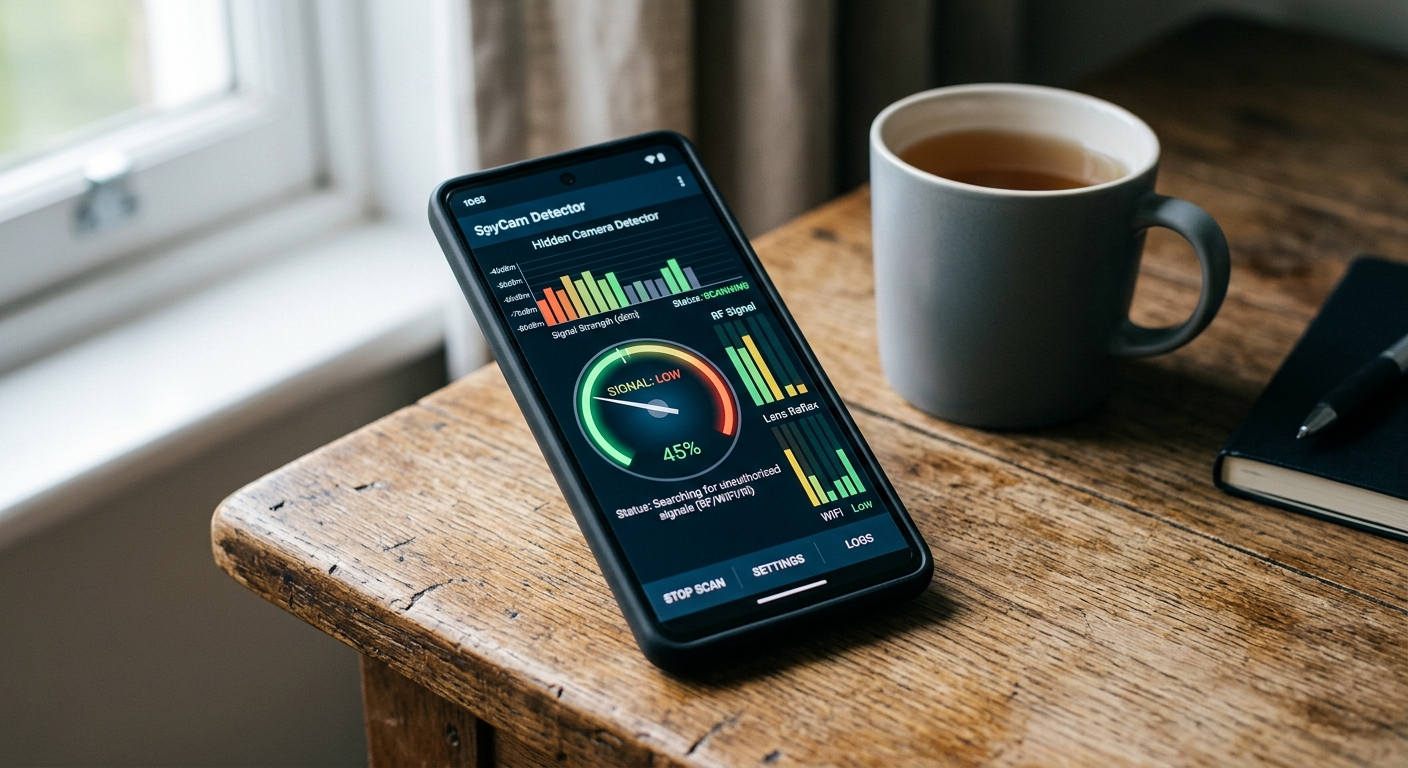
Indiana's primary voyeurism statute is IC 35-45-4-5, which addresses three distinct categories of voyeurism:
- Basic voyeurism (peeping into an occupied dwelling)
- Public voyeurism (recording private areas of a person using a camera)
- Aerial voyeurism (using drones to capture images of people in private settings)
Each category has different elements and penalty ranges.
Key Definitions
Understanding the statute requires knowing several defined terms:
- "Peep" means any looking of a clandestine, surreptitious, prying, or secretive nature.
- "Private area" means the naked or undergarment-clad genitals, pubic area, or buttocks of an individual.
- "Intimate image" means a photograph, digital image, or video that depicts sexual intercourse, other sexual conduct, or the exhibition of the uncovered buttocks, genitals, or female breast of the individual.
Basic Voyeurism (Peeping)
What the Law Prohibits
A person who peeps into an area where an occupant of a dwelling has a reasonable expectation of privacy, without the consent of the occupant, commits voyeurism.
This covers classic "peeping Tom" behavior such as:
- Looking through windows of a home or apartment
- Peering over or through fences into private yards where someone is undressing
- Peeping into bathroom or bedroom windows
- Spying through gaps, holes, or cracks in walls or doors
Penalties
| Offense Level | Classification | Penalty |
|---|---|---|
| Basic peeping | Class B misdemeanor | Up to 180 days in jail, $1,000 fine |
| Peeping with a camera | Class A misdemeanor | Up to 365 days in jail, $5,000 fine |
| Prior conviction or sharing images | Level 6 felony | 6 months to 2.5 years in prison, up to $10,000 fine |
Enhanced Penalty Triggers
The offense escalates from a misdemeanor to a Level 6 felony when:
- The offender has a prior unrelated voyeurism conviction
- A camera or electronic recording device was used to capture the images
- The offender publishes, shares on the internet, or otherwise disseminates the captured images
Public Voyeurism
What the Law Prohibits
Public voyeurism under IC 35-45-4-5 targets a specific type of conduct: using a camera or electronic device to record a "private area" of another person without that person's consent.
This applies in settings where the person may be in a public or semi-public area but still has a reasonable expectation that their private areas will not be photographed or recorded. Examples include:
- Using a hidden camera to photograph up someone's skirt or dress ("upskirting")
- Recording inside a changing room or fitting room
- Placing a camera in a public restroom stall
- Using a concealed camera to capture images in a locker room at a gym, pool, or recreation center
Penalties
Public voyeurism is a Class A misdemeanor punishable by:
- Up to 365 days in jail
- A fine of up to $5,000
The offense becomes a Level 6 felony (6 months to 2.5 years in prison, up to $10,000 fine) if:
- The offender has a prior unrelated conviction
- The images are published, shared online, or disseminated
Aerial Voyeurism (Drones)
What the Law Prohibits
IC 35-45-4-5 includes a specific provision addressing drone-based surveillance. A person who uses an unmanned aerial vehicle (drone) to capture images of another person who is:
- Inside their dwelling, or
- On the land immediately surrounding their dwelling (curtilage), and
- In a location not visible from a public area
commits aerial voyeurism.
This provision recognizes that drones can access vantage points that are not available from ground level, allowing operators to peer into backyards, through upper-story windows, and over privacy fences.
Penalties
| Offense Level | Classification | Penalty |
|---|---|---|
| First offense | Class A misdemeanor | Up to 365 days in jail, $5,000 fine |
| Prior conviction or sharing images | Level 6 felony | 6 months to 2.5 years in prison, up to $10,000 fine |
Interaction with Federal Drone Regulations
Even if you are flying a drone legally under Federal Aviation Administration (FAA) rules (proper registration, flying below 400 feet, maintaining visual line of sight), you can still violate Indiana's aerial voyeurism statute. FAA compliance covers airspace rules, not privacy laws. State criminal statutes like IC 35-45-4-5 govern the privacy dimension of drone operation separately.
Unlawful Surveillance on Private Property: IC 35-46-8.5-1
What the Law Prohibits
IC 35-46-8.5-1 makes it a crime to knowingly or intentionally place a camera or electronic surveillance equipment that records images or data while unattended on the private property of another person without the consent of the owner or tenant.
This statute targets hidden camera placement specifically. It covers:
- Hidden cameras planted in someone else's home or apartment
- Concealed recording devices placed in a neighbor's yard or garage
- Secret cameras installed in a rental property by a landlord
- Surveillance equipment placed on another person's vehicle (combined with tracking provisions)
The statute also prohibits placing a tracking device on an individual or on property owned or used by an individual without their knowledge or consent.
Penalties
| Offense Level | Classification | Penalty |
|---|---|---|
| First offense | Class A misdemeanor | Up to 365 days in jail, $5,000 fine |
| Prior unrelated conviction | Level 6 felony | 6 months to 2.5 years in prison, up to $10,000 fine |
Exceptions
The law provides specific exceptions for:
- Law enforcement with a valid search warrant or property owner consent
- Family member tracking (unless a protective order applies)
- Property owners tracking their own property (such as a leased vehicle), unless a protective order applies
Distribution of Intimate Images: IC 35-45-4-8
Indiana's Revenge Porn Law
IC 35-45-4-8 criminalizes the distribution of intimate images when the person depicted did not consent to the distribution and the distributor knew or reasonably should have known that consent was not given.
"Distribution" is defined broadly. It means transferring the image to another person through any medium, forum, telecommunications device, network, or website, including posting on a website or application.
What the Law Covers
The statute applies to:
- Sharing intimate photos or videos via text, email, or messaging apps
- Posting intimate images on social media platforms
- Uploading intimate content to websites or forums
- Sending intimate images to another person's employer, family, or friends
- Threatening to distribute intimate images (even without actually doing so)
AI-Generated and Deepfake Images
Indiana's law explicitly covers AI-generated and computer-generated intimate images. Creating and distributing a realistic but fabricated intimate image of someone using artificial intelligence tools falls under the same criminal statute. This provision was strengthened in recent legislative amendments to address the growing threat of deepfake pornography.
Penalties
| Offense Level | Classification | Penalty |
|---|---|---|
| First offense | Class A misdemeanor | Up to 365 days in jail, $5,000 fine |
| Prior conviction | Level 6 felony | 6 months to 2.5 years in prison, up to $10,000 fine |
Hidden Cameras in Specific Settings
Rental Properties
Landlords who install hidden cameras in rental units commit multiple offenses under Indiana law. Cameras placed in bathrooms, bedrooms, or other private areas of a tenant's unit violate both the voyeurism statute (IC 35-45-4-5) and the unlawful surveillance statute (IC 35-46-8.5-1). Tenants who discover hidden cameras should contact law enforcement immediately. For more, see Indiana landlord-tenant recording laws.
Hotels and Short-Term Rentals
Placing hidden cameras in hotel rooms, Airbnb properties, or other short-term rental accommodations violates Indiana's voyeurism and unlawful surveillance statutes. Guests who suspect hidden cameras in private areas should report it to law enforcement.
Workplaces
Employers who install cameras in bathrooms, locker rooms, or changing areas violate IC 35-45-4-5. Employees who discover hidden cameras in these areas should report the situation to both HR and law enforcement. For more on workplace rules, see Indiana workplace recording laws.
Schools
Cameras in student bathrooms, locker rooms, or changing areas at schools are criminal violations regardless of who placed them. School districts have a duty to prevent such surveillance and respond immediately to any reports. For more, see Indiana school recording laws.
Defenses to Voyeurism Charges
Consent
If the person depicted consented to the recording, voyeurism charges do not apply. However, consent to being recorded does not automatically include consent to distribution. A person who consented to intimate photos being taken can still be a victim under IC 35-45-4-8 if those images are shared without their consent.
No Reasonable Expectation of Privacy
If the person was in a location where there was no reasonable expectation of privacy (such as a public sidewalk), voyeurism charges may not apply. This defense depends on the specific circumstances and location.
Accidental Recording
The voyeurism statute requires intent. An accidental or inadvertent recording may not meet the statutory elements. However, this defense depends on the specific facts and whether the recording was truly unintentional.
Reporting Hidden Camera Violations
If you discover a hidden camera:
- Do not touch or move the device. It is evidence.
- Document its location with your own photos or video.
- Contact local law enforcement immediately.
- Preserve any related communications (texts, emails, messages from the suspected perpetrator).
- Consult an attorney about potential civil claims for damages.
Civil Remedies
Victims of voyeurism and hidden camera violations can pursue civil lawsuits in addition to criminal prosecution. Potential civil remedies include:
- Compensatory damages for emotional distress, therapy costs, and reputational harm
- Punitive damages to punish particularly egregious conduct
- Injunctive relief to prevent further distribution of images
- Attorney fees and court costs in some circumstances
The statute of limitations for civil claims varies depending on the specific cause of action. Consulting an attorney promptly after discovering a violation is important.
More Indiana Laws
- Indiana Lemon Laws
- Indiana Statute of Limitations
- [Indiana Data Privacy Laws](/us-laws/data-privacy-laws/indiana-data-privacy-laws)
- Indiana Recording Laws
- Indiana Child Support Laws
- Indiana Whistleblower Laws
- Indiana Sexting Laws
- Indiana Recording Laws
More Indiana Recording Laws
Audio Recording | Video Recording | Voyeurism & Hidden Cameras | Workplace Recording | Recording Police | Phone Call Recording | Security Cameras | Recording in Public | Landlord-Tenant | Dashcam Laws | Schools | Medical Recording
Sources and References
- Indiana Code IC 35-45-4-5 - Voyeurism(iga.in.gov).gov
- Indiana Code IC 35-46-8.5-1 - Unlawful Surveillance(law.justia.com)
- Indiana Code IC 35-45-4-8 - Distribution of Intimate Image(iga.in.gov).gov
- Indiana Code IC 35-50-2-7 - Level 6 Felony Sentencing(iga.in.gov).gov
- FAA - Drones(faa.gov).gov