
Indiana
Indiana Lemon Law (2026): How to Qualify and Get a Refund
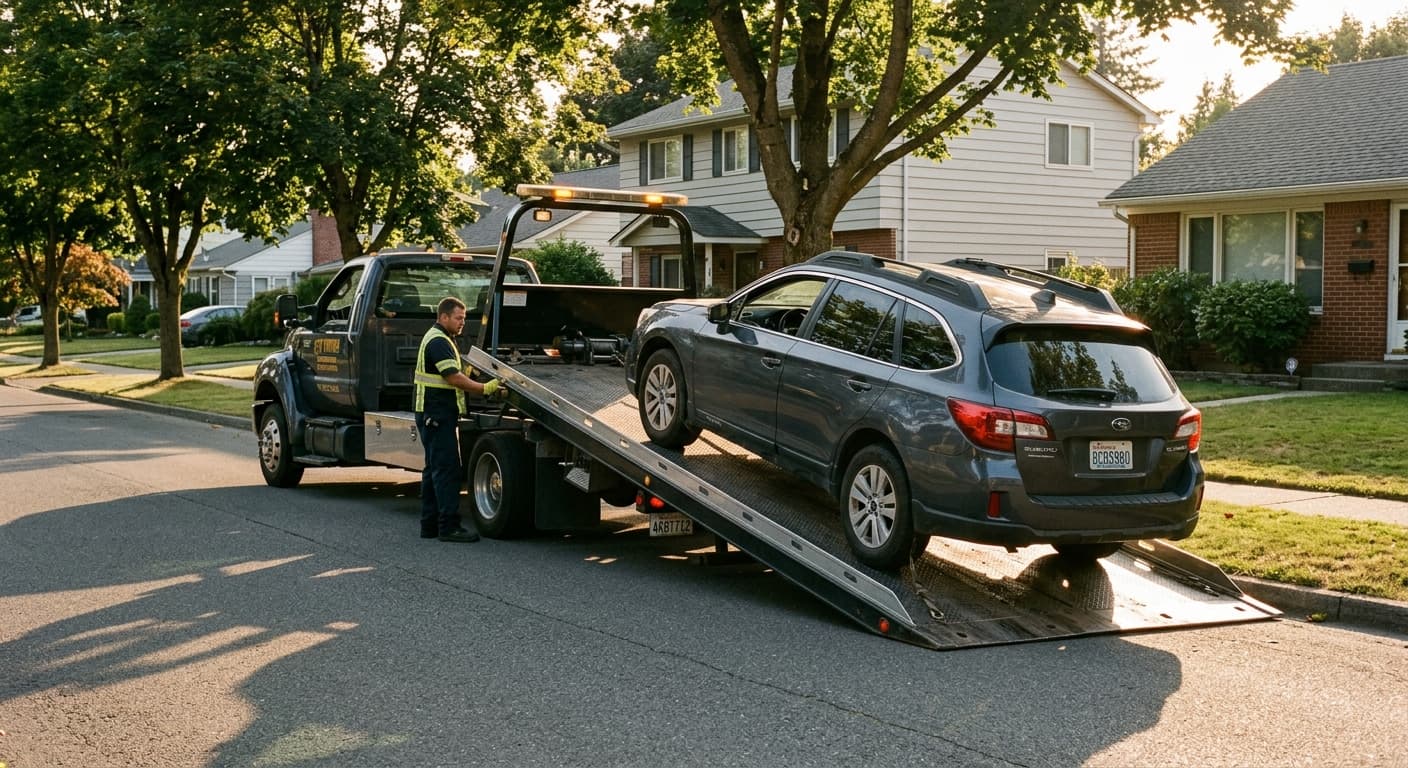
Indiana's lemon law (Ind. Code 24-5-13) covers new motor vehicles under 10,000 pounds with defects that substantially impair use, value, or safety. Buyers may claim a refund or replacement after four or more repair attempts for the same defect, or 30 or more business days out of service, within 18 months or 18,000 miles.
Overview of Indiana's Lemon Law
Indiana's Motor Vehicle Protection Act, codified at Indiana Code § 24-5-13, provides legal protection for consumers who purchase or lease new motor vehicles that turn out to have serious, unfixable defects. The law requires manufacturers to either refund or replace a qualifying vehicle after a reasonable number of repair attempts have failed.
The Indiana Attorney General's Consumer Protection Division oversees enforcement and certification of informal dispute settlement procedures under the statute. If you believe your vehicle qualifies as a lemon, you can contact the Attorney General's office at 1-800-382-5516 or file a complaint online.
What Vehicles Are Covered
Under Indiana Code § 24-5-13-5, the lemon law applies to specific types of motor vehicles. Understanding which vehicles qualify is the first step before pursuing a claim.
Covered Vehicle Types
- Passenger cars: Sedans, coupes, and hatchbacks sold or registered in Indiana
- Trucks: Pickup trucks and light trucks under 10,000 pounds GVWR
- SUVs and crossovers: Sport utility vehicles that fall under the weight limit
- Vans and minivans: Personal passenger vehicles
- Electric vehicles (EVs): Battery electric and plug-in hybrid vehicles under 10,000 pounds are covered the same as gas-powered vehicles
- Leased vehicles: Consumer leases exceeding four months
- Nonresident purchases: Vehicles sold to Indiana buyers who are nonresidents
Vehicles Not Covered
- Conversion vans: Vehicles modified by secondary manufacturers
- Motor homes: Recreational vehicles
- Farm tractors: Agricultural equipment
- Motorcycles and motor driven cycles: Explicitly excluded under the statute (IC 24-5-13-5); includes motorcycles and motor driven cycles
- Snowmobiles: Winter recreational vehicles
- Off-road vehicles: Vehicles designed primarily for off-highway use
- Vehicles over 10,000 pounds: Heavy trucks and commercial vehicles
Who Qualifies as a Buyer
A "buyer" under Indiana law is any person who enters into an agreement or contract within Indiana for the transfer, lease, or purchase of a motor vehicle for purposes other than resale or sublease. The definition focuses on the transaction location and purpose rather than the buyer's state of residence.
This also includes subsequent purchasers. If you buy a used vehicle that is still within the original term of protection, you may qualify for lemon law rights as a "buyer" under the statute.
Indiana's Lemon Law Presumption
Under Indiana Code § 24-5-13-15, the law creates a rebuttable presumption that a reasonable number of repair attempts have been made when certain conditions are met within the "term of protection."
Term of Protection
The term of protection begins on the date of original delivery and ends at the earlier of:
- 18 months after delivery, or
- 18,000 miles after delivery
When the Lemon Law Presumption Applies
| Condition | Requirement | Deadline |
|---|---|---|
| Repair attempts (same defect) | 4 or more attempts for the same nonconformity | Within 18 months or 18,000 miles |
| Days out of service | 30 or more business days for repair of any nonconformity | Within 18 months or 18,000 miles |
| Nonconformity type | Must substantially impair use, market value, or safety | Must be first reported within the term of protection |
Both triggering conditions require that the nonconformity continues to exist after the repair attempts or out-of-service period.
What Qualifies as a Nonconformity
Under Indiana Code § 24-5-13-6, a "nonconformity" means any specific or generic defect or condition, or concurrent combination of defects or conditions, that:
- Substantially impairs the use, market value, or safety of the motor vehicle, or
- Renders the motor vehicle nonconforming to the terms of the manufacturer's warranty
The defect does not need to make the vehicle undrivable. A persistent problem that significantly reduces the vehicle's value or creates a safety concern can qualify.
Examples of Covered Defects
- Engine or transmission failures
- Brake system malfunctions
- Steering problems affecting vehicle control
- Electrical system failures
- Persistent warning lights indicating major issues
- Air conditioning or heating system failures
- Fuel system problems
- Safety equipment defects (airbags, seatbelts)
- EV battery or charging system malfunctions
- Software errors that affect drivability or safety
Consumer Remedies: Refund vs. Replacement
When a vehicle qualifies as a lemon under Indiana law, the buyer has the right to choose between a refund or a replacement. Under Indiana Code § 24-5-13-10, the manufacturer must provide the chosen remedy within 30 days.

Option 1: Vehicle Refund (Buyback)
Under Indiana Code § 24-5-13-11, if the buyer chooses a refund, the manufacturer must pay:
- Full contract price: Including all credits and allowances for trade-in vehicles
- Sales tax: All tax paid on the purchase
- Registration fees: Unexpended portion of prepaid registration and excise tax
- Finance charges: All finance charges actually expended
- Dealer-added options: Cost of options installed by the authorized dealer
Usage Deduction: The manufacturer may deduct a reasonable allowance for use, calculated as:
Usage Deduction = (Total Contract Price x Miles Before Return) / 100,000
For example, if your vehicle cost $40,000 and you drove 8,000 miles before returning it, the usage deduction would be $3,200.
Option 2: Replacement Vehicle
Under Indiana Code § 24-5-13-12, if the buyer chooses a replacement:
- The replacement must be a comparable vehicle
- The manufacturer must reimburse transfer of registration fees
- The manufacturer must reimburse any sales tax incurred
- If the original was financed by the manufacturer or its agent, refinancing terms cannot be less favorable
Additional Reimbursement
Under Indiana Code § 24-5-13-13, the manufacturer must also reimburse necessary towing costs and rental car expenses actually incurred as a direct result of the nonconformity.
Consumer's Option to Retain the Vehicle
Under Indiana Code § 24-5-13-14, the buyer has the option to keep using the returned vehicle until the manufacturer tenders a full refund or delivers a replacement. Any miles driven during this retention period will be reflected in the usage allowance calculation.
How to File a Lemon Law Claim in Indiana
Successfully pursuing a lemon law claim in Indiana requires careful documentation and strict compliance with procedural steps.
Step 1: Document Everything
- Keep all repair orders (dealers are required to provide them)
- Record the dates your vehicle was in the shop
- Document the symptoms you experienced each time
- Save all correspondence with the dealer and manufacturer
- Take photos or videos of the defects
- Maintain records of towing and rental car expenses
Good documentation is the foundation of a successful lemon law claim. Without repair orders and records of out-of-service dates, it becomes difficult to prove the statutory thresholds.
Step 2: Report the Nonconformity
Under Indiana Code § 24-5-13-8, you must report the nonconformity to the manufacturer, its agent, or an authorized dealer within the term of protection. Once reported during the term, the manufacturer must make necessary repairs even if the term of protection later expires.
Step 3: Notify the Manufacturer in Writing
Under Indiana Code § 24-5-13-9, you must notify the manufacturer of your claim in writing if:
- The manufacturer has clearly and conspicuously disclosed in the warranty or owner's manual that written notification is required
- The manufacturer has provided the name and address for sending the notification
If the manufacturer has not made the required disclosure in the warranty or owner's manual, you are not required to give written notice before proceeding.
Step 4: Use Informal Dispute Settlement (If Required)
Under Indiana Code § 24-5-13-19, if the manufacturer has established an informal dispute settlement procedure that is certified by the Indiana Attorney General, you may be required to use it before pursuing other remedies.
Programs like BBB AUTO LINE handle arbitration for several major manufacturers. The process typically involves submitting your case file and attending a hearing where an independent arbitrator reviews the evidence.
Step 5: Contact the Attorney General
If you need assistance or want to file a complaint, contact the Indiana Attorney General's Consumer Protection Division:
- Phone: 1-800-382-5516
- Online: File a complaint
- Fax: 317-233-4393
Step 6: File Legal Action if Necessary
Under Indiana Code § 24-5-13-21, you may bring a civil action for violations of the lemon law. Prevailing consumers may recover reasonable attorney fees and court costs in addition to the refund or replacement remedy.
Arbitration Requirements
Indiana law addresses informal dispute settlement procedures in detail under Indiana Code § 24-5-13-19.
Certification Requirements
The lemon law does not apply to any buyer who has not first used an informal procedure established by or participated in by a manufacturer if:
- The procedure is certified by the Indiana Attorney General
- The procedure complies with 16 CFR 703 (federal arbitration regulations)
- The procedure complies with any additional rules adopted by the Attorney General
If the manufacturer does not have a certified program, no arbitration is required before filing suit.
Consumer Rights in Arbitration
- Right to present evidence and testimony
- Right to have an attorney present
- Right to receive a written decision with findings
- Right to reject an unfavorable decision and proceed to litigation
An arbitration decision in your favor is binding on the manufacturer. If the decision is not in your favor, you can still file a lawsuit in court.
Manufacturer Defenses
Manufacturers may raise affirmative defenses under Indiana Code § 24-5-13-18.
Common Manufacturer Defenses
| Defense | Manufacturer's Argument | Consumer's Counter |
|---|---|---|
| No substantial impairment | Defect does not substantially impair use, value, or safety | Document how the defect affects daily use and safety |
| Consumer abuse or neglect | Defect caused by owner abuse or neglect | Provide maintenance records showing proper care |
| Unauthorized modifications | Problem resulted from unauthorized modifications | Show defect existed before modifications or is unrelated |
| Unauthorized alterations | Vehicle was altered by someone other than the manufacturer or dealer | Demonstrate that alterations did not cause the nonconformity |
Prohibited Conduct
Under Indiana Code § 24-5-13-16, a manufacturer, its agent, or authorized dealer may not refuse to diagnose or repair any vehicle for the purpose of avoiding liability under the lemon law. This anti-avoidance provision prevents dealers from turning away vehicles to keep repair attempt counts low.
Electric Vehicle Considerations
Electric vehicles (EVs) and plug-in hybrids that meet the weight and registration requirements are fully covered under Indiana's lemon law. The statute does not distinguish between powertrains, so battery electric, plug-in hybrid, and traditional gas-powered vehicles all receive the same protection.
EV-Specific Defects That May Qualify
- Battery pack degradation or failure within the term of protection
- Charging system malfunctions
- Software glitches that affect range, performance, or safety
- Thermal management system failures
- Regenerative braking problems
- Electric motor faults
Separate Battery Warranty
Most EV manufacturers provide a separate battery warranty (typically 8 years or 100,000 miles) in addition to the standard bumper-to-bumper warranty. Battery defects that occur within the lemon law's 18-month or 18,000-mile term of protection may qualify under both the lemon law and the battery warranty.
If a battery defect surfaces after the lemon law term expires but within the battery warranty period, the federal Magnuson-Moss Warranty Act may provide an alternative path to relief.
Federal Magnuson-Moss Warranty Act Overlay
Indiana's state lemon law is not the only protection available to buyers. The federal Magnuson-Moss Warranty Act (15 U.S.C. § 2301 et seq.) serves as a nationwide backstop for all consumers who receive a written warranty on a product costing more than $15. Under Magnuson-Moss, if a manufacturer fails to honor its warranty after a reasonable number of repair attempts, the consumer may sue in state or federal court for a refund, replacement, or damages including attorney fees. This federal remedy is especially useful when a defect surfaces after Indiana's 18-month or 18,000-mile window closes but while the manufacturer's written warranty remains active.
Buyback Vehicle Disclosure Rules
Indiana has a separate statute, Indiana Code § 24-5-13.5, that governs what happens when a lemon law buyback vehicle is resold. These rules protect the next buyer from unknowingly purchasing a vehicle with a documented defect history.
Title Branding Requirements
When a manufacturer repurchases or replaces a vehicle under the lemon law, it must stamp "Manufacturer Buyback - Disclosure on File" on the face of the original certificate of title. This branding remains on the title for the life of the vehicle.
Within 31 days of receiving the certificate of title, the manufacturer must apply to the Indiana Bureau of Motor Vehicles for a new title in the manufacturer's name and provide a copy of the disclosure document.
Resale Requirements
Before reselling a buyback vehicle in Indiana, the dealer must:
- Provide the buyer with a written statement disclosing the vehicle's buyback history
- Obtain the buyer's signed acknowledgment of the disclosure
- Provide an express warranty from the manufacturer for at least 12,000 miles or 12 months from the date of resale
Penalties for Nondisclosure
A manufacturer or dealer who fails to comply with these buyback disclosure requirements commits a deceptive act under Indiana's consumer protection statutes. The Attorney General may pursue enforcement, and affected consumers may seek remedies including damages.
Leased Vehicle Rights
Indiana's lemon law includes specific provisions for leased vehicles under Indiana Code § 24-5-13-11.5.
Leased Vehicle Refund
If a leased motor vehicle qualifies as a lemon, the refund is distributed between the lessee and lessor as follows:
Lessee Receives:
- All deposit and lease payments paid to the lessor
- Credits and allowances for any trade-in vehicles
- Less a reasonable allowance for use
Lessor Receives:
- Purchase cost including freight and accessories
- Fees paid to obtain the lease
- Insurance premiums or costs expended for the lessee's benefit
- Sales tax paid by the lessor
- 5% of the lessor's purchase cost
- Less total payments received from the lessee
Usage Deduction for Leases
The usage deduction for leased vehicles is calculated as:
Usage Deduction = (Total Lease Obligation x Miles Before Return) / 100,000
Used Vehicle Protections
Indiana's Motor Vehicle Protection Act is primarily designed for new vehicles. However, several protections exist for used vehicle buyers.
Remaining Manufacturer Warranty
The definition of "buyer" includes any person to whom a motor vehicle is transferred during the term of protection. If you purchase a used vehicle that is still within the original 18 months or 18,000 miles protection period, you may have lemon law rights as a subsequent owner.
Methamphetamine Vehicle Disclosure
Under Indiana Code §§ 24-5-13-16.1 and 24-5-13-16.2, Indiana law requires disclosure when selling any motor vehicle that was used to manufacture methamphetamine within the previous two years. Failure to disclose can result in:
- Decontamination at the seller's expense
- Reimbursement for the buyer's remediation costs
- Liquidated damages up to $10,000
Federal Magnuson-Moss Warranty Act
The federal Magnuson-Moss Warranty Act provides additional protections for used vehicle buyers who still have active warranty coverage. This federal law allows consumers to sue manufacturers for breach of warranty in state or federal court.
Statute of Limitations
Understanding the deadlines for filing a lemon law claim is critical under Indiana Code § 24-5-13-23.
Filing Deadlines
- Report the defect: The nonconformity must be reported to the manufacturer, agent, or dealer within 18 months or 18,000 miles of delivery (whichever comes first)
- Repair obligation continues: Once reported within the term, the manufacturer must continue to attempt repairs even if the term expires
- File a lawsuit: You must file a civil action within two years from the date you first reported the nonconformity to the manufacturer, its agent, or authorized dealer
Missing either deadline can bar your claim, so act promptly.
Tolling Provisions
The 30-business-day out-of-service period is extended during extraordinary events, including:
- War or invasion
- Civil unrest
- Fire or natural disaster
- Terrorist attack
During these events, the manufacturer must provide or arrange for free use of a vehicle for the affected consumer.
Dealer Liability Protections
Under Indiana Code § 24-5-13-24, Indiana's lemon law does not impose liability on franchised dealers or create a cause of action against them. The law targets manufacturers, not the local dealership.
Additionally, manufacturers may not directly or indirectly shift lemon law liability onto their franchised dealers. This provision ensures that dealers cooperate with consumers during the repair process without fear of financial repercussions.
Tips for Strengthening Your Lemon Law Claim
Following these practical steps can improve your chances of a successful outcome:
- Start a written log from day one. Record every symptom, every visit, and every conversation with the dealership service department.
- Request copies of all repair orders. Indiana dealers are required to provide them. Do not leave without your paperwork.
- Send written notice by certified mail. Even if not required, having proof of delivery strengthens your case.
- Do not authorize unrelated repairs during lemon law service visits. Keep the focus on the nonconformity.
- Check NHTSA for recalls and complaints. The NHTSA complaints database may show that other owners have reported the same problem with your vehicle.
- Consult a lemon law attorney before accepting a settlement. Under Indiana Code § 24-5-13-22, prevailing consumers recover reasonable attorney fees, so many attorneys take these cases on contingency.
More Indiana Laws
- Indiana AI Meeting Recording Laws
- Indiana Alimony Laws
- Indiana At-Will Employment Laws
- Indiana Car Accident Laws
- Indiana Car Seat Laws
- Indiana Child Custody Laws
- Indiana Child Support Laws
- Indiana Common Law Marriage Laws
- Indiana Data Privacy Laws
- Indiana Deepfake Laws
- Indiana Divorce Laws
- Indiana Dog Bite Laws
- Indiana Emancipation Laws
- Indiana Expungement Laws
- Indiana Hit and Run Laws
- Indiana Landlord-Tenant Laws
Frequently Asked Questions
How many repair attempts does Indiana require before a vehicle is considered a lemon?
Under Indiana law, a vehicle may qualify as a lemon after four or more repair attempts for the same nonconformity that substantially impairs the use, value, or safety of the vehicle. Alternatively, if the vehicle is out of service for 30 or more business days due to repairs for any nonconformities, it may also qualify. These conditions must occur within 18 months or 18,000 miles from delivery.
Do I need a lawyer to file an Indiana lemon law claim?
You can pursue a claim without an attorney, but legal representation often improves outcomes. Under Indiana Code § 24-5-13-22, prevailing consumers may recover reasonable attorney fees and costs, so many lemon law attorneys offer representation on a contingency basis with no upfront cost.
Does Indiana's lemon law cover used cars?
The Motor Vehicle Protection Act primarily covers new vehicles. However, if a used vehicle is still within the original term of protection (18 months or 18,000 miles from first delivery), the subsequent buyer may have lemon law rights. Used car buyers may also have protections under the federal Magnuson-Moss Warranty Act if an active warranty exists.
What is the usage deduction in an Indiana lemon law refund?
The usage deduction is calculated by multiplying the total contract price by the number of miles driven before return, then dividing by 100,000. For example, if your vehicle cost $40,000 and you drove 8,000 miles, the deduction would be $3,200.
Are electric vehicles covered under Indiana's lemon law?
Yes. Indiana's lemon law applies to all qualifying motor vehicles under 10,000 pounds, regardless of powertrain type. Battery electric vehicles and plug-in hybrids are covered the same as gas-powered vehicles. Common EV defects like battery failures, charging system problems, and software errors that affect safety or drivability may qualify as nonconformities.
Can the dealer be held liable under Indiana's lemon law?
No. Indiana Code § 24-5-13-24 specifically provides that nothing in the chapter imposes liability on a dealer or creates a cause of action against a dealer. The law holds manufacturers responsible. Additionally, manufacturers may not directly or indirectly shift lemon law liability onto their franchised dealers.
What happens if the manufacturer has no arbitration program?
If the manufacturer has not established a certified informal dispute settlement procedure, you are not required to go through arbitration before pursuing other remedies. You can proceed directly with your claim or file a civil lawsuit in court.
Sources and References
- Indiana Motor Vehicle Protection Act (IC 24-5-13)(iga.in.gov).gov
- Indiana Attorney General Consumer Protection Division(in.gov).gov
- Indiana Attorney General - File a Consumer Complaint(in.gov).gov
- Indiana Attorney General Lemon Law Guide (PDF)(in.gov).gov
- IN.gov - Indiana Lemon Law Requirements FAQ(faqs.in.gov).gov
- Indiana Bureau of Motor Vehicles(in.gov).gov
- Indiana Buyback Vehicle Disclosure Act (IC 24-5-13.5)(iga.in.gov).gov
- NHTSA Vehicle Complaints and Recalls(nhtsa.gov).gov
- Magnuson-Moss Warranty Act (FTC)(ftc.gov).gov
- 16 CFR 703 - Informal Dispute Settlement Procedures(ecfr.gov).gov
- BBB AUTO LINE Arbitration Program(bbbprograms.org)
- Indiana Code § 24-5-13 - Motor Vehicle Protection Act(iga.in.gov).gov
- Indiana Code § 24-5-13.5 - Buyback Vehicle Disclosure(iga.in.gov).gov