
Indiana
Indiana Dashcam Laws: Mounting Rules, Audio Recording, and Legal Use
Independently fact-checked against primary sources (last audited August 15, 2026). · Reviewed by the RecordingLaw editorial team. · Law checked current as of August 7, 2026. · 4 primary sources cited on this page. How we verify our legal content
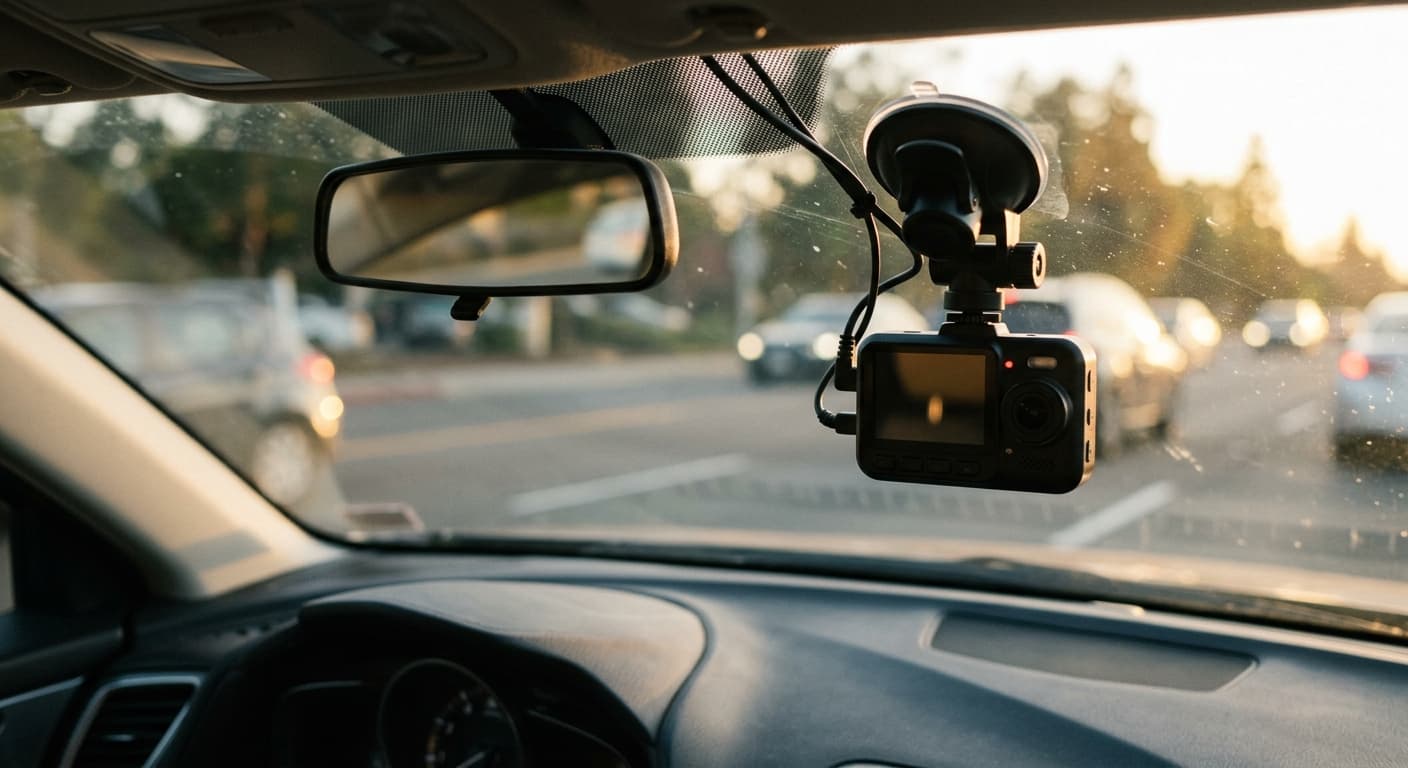
Dashcams are legal in Indiana. Indiana's one-party consent law (IC 35-33.5-5) permits audio recording inside your vehicle when the driver is present. You must mount the camera so it does not obstruct your view, keeping windshield devices within the statute's four-inches-square limit (a 4-by-4-inch area).
Dashcams are legal and widely used in Indiana. Whether you want to document your daily commute, protect yourself in the event of an accident, or provide evidence during a traffic stop, Indiana law permits dashboard camera use with a few important restrictions. This guide covers mounting requirements, audio recording rules, using dashcam footage as evidence, and considerations for commercial and rideshare drivers.
Are Dashcams Legal in Indiana?
Yes. Indiana does not have any law prohibiting the use of dashboard cameras in personal or commercial vehicles. You can legally use a dashcam that records video of the road ahead, the road behind, or the interior of your vehicle.
However, Indiana does regulate where you can mount the device on your windshield to avoid obstructing your view.
Windshield Mounting Rules
Indiana Windshield Obstruction Law
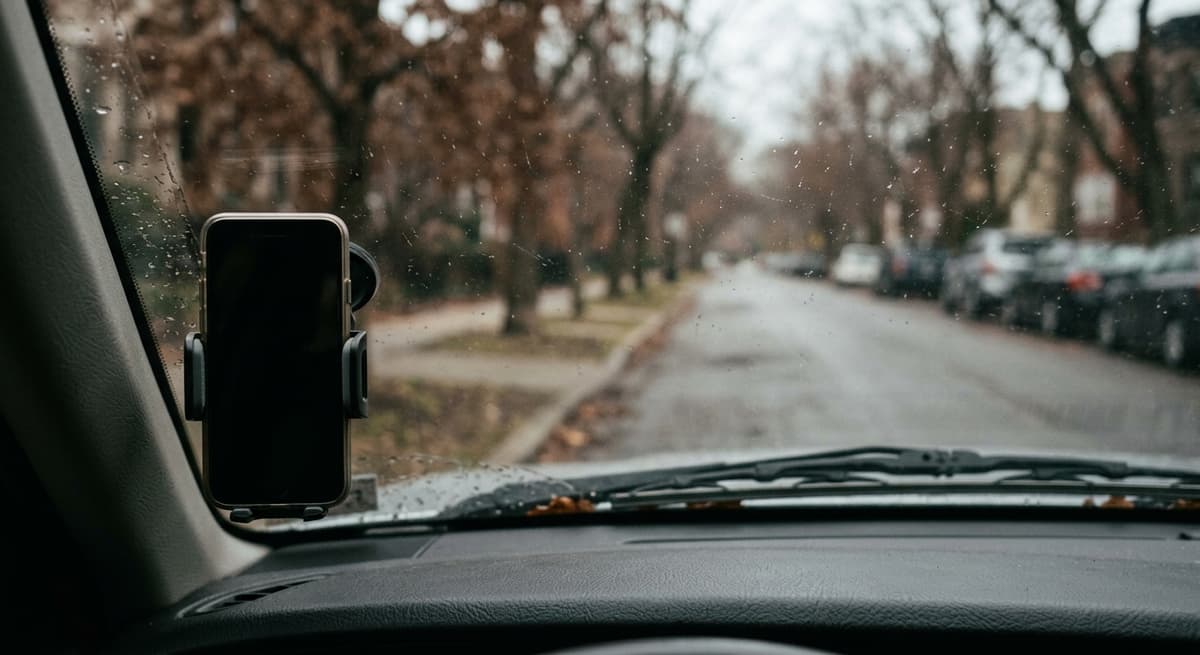
Indiana law prohibits placing nontransparent material on the windshield that obstructs the driver's clear view of the road. The specific rule allows small items to be mounted on the windshield under certain conditions:
- The device must be no larger than four (4) inches square (a 4-by-4-inch area)
- It should be placed in the lower corner of the windshield on the passenger side (the corner farthest from the driver)
- The device must not obstruct the driver's line of sight
Recommended Mounting Locations
To comply with Indiana law and maintain safe visibility:
- Behind the rearview mirror. This is the most popular mounting position. The camera sits at the top center of the windshield, tucked behind the existing mirror, and does not add any new obstruction to your view.
- Lower passenger-side corner. This complies with the 4-square-inch allowance in Indiana law.
- Dashboard mount. Mounting the camera on top of the dashboard rather than on the windshield avoids the windshield obstruction question entirely.
What to Avoid
- Do not mount a dashcam in the center of the windshield where it blocks your view of the road
- Do not use suction cups that leave marks or cause the camera to fall during driving
- Do not mount the camera on the driver's side of the windshield where it blocks your peripheral vision
- Avoid mounting multiple devices on the windshield that collectively obstruct your view
Audio Recording Through Dashcams
One-Party Consent Applies
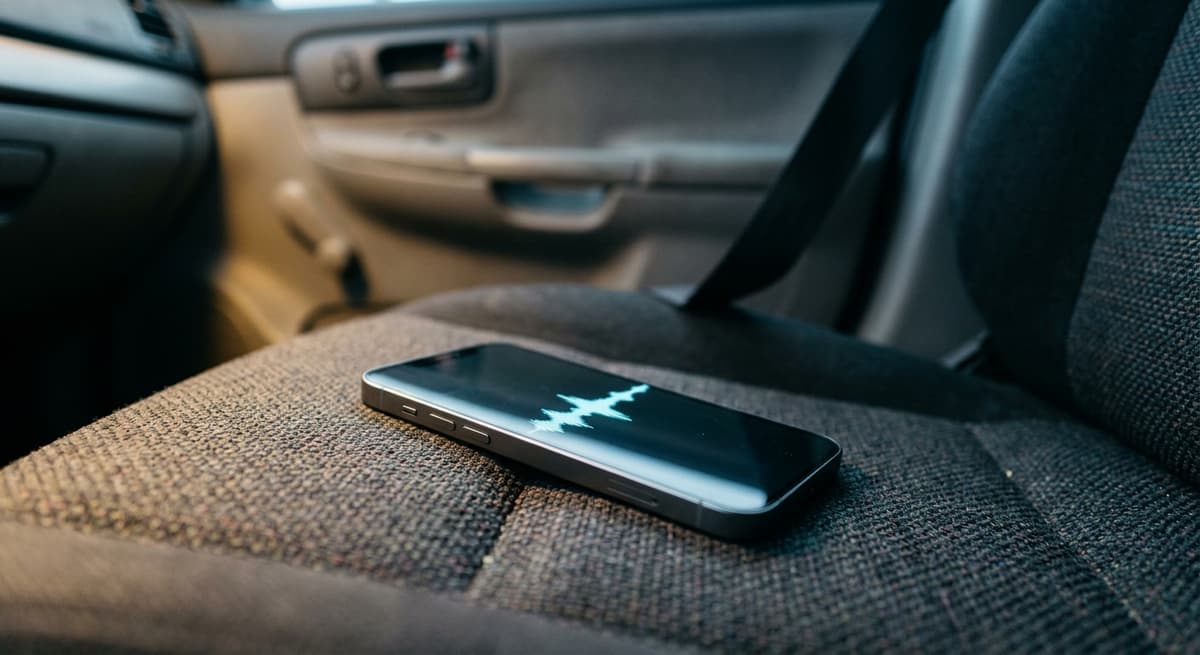
Many dashcams include microphones that record audio inside the vehicle in addition to video. Audio recording through a dashcam is governed by Indiana's one-party consent wiretapping law (IC 35-33.5-5).
As the driver, your presence in the vehicle provides the one-party consent needed for audio recording. You can record conversations inside your car without informing passengers. This applies to:
- Conversations with passengers
- Phone calls on speakerphone
- Interactions with police officers during traffic stops
- Conversations at drive-through windows and toll booths
When Audio May Be Problematic
There are limited scenarios where dashcam audio could raise issues:
- Lending your vehicle. If someone else drives your car and the dashcam records their private conversations, you (the vehicle owner) are not a party to those conversations. However, because the driver knows or should know the dashcam is running, their continued use of the vehicle with the dashcam active may constitute implied consent.
- Interstate travel. If you drive into a two-party consent state like neighboring Illinois, the stricter consent standard may apply to audio recorded inside your vehicle. Consider disabling audio recording when crossing into all-party consent states.
Disabling Audio
If you prefer to avoid any audio-related concerns, most dashcams allow you to disable the microphone through the device settings while continuing to record video. This is a common approach for commercial fleet vehicles and rideshare drivers who want to avoid recording passenger conversations.
Using Dashcam Footage as Evidence

Traffic Accidents
Dashcam footage is one of the most valuable forms of evidence in traffic accident cases in Indiana. It can document:
- The exact sequence of events leading to a collision
- Which driver ran a red light, failed to yield, or crossed a center line
- Road conditions, weather, and visibility at the time of the accident
- The speed and behavior of other vehicles
- Hit-and-run vehicles, including license plate numbers
Indiana follows a modified comparative fault system (IC 34-51-2), meaning your compensation in a car accident case can be reduced by your percentage of fault. Dashcam footage that clearly shows the other driver was at fault can be critical in preserving your claim.
Insurance Claims
Dashcam footage strengthens insurance claims by providing objective, time-stamped evidence. Many Indiana drivers use dashcam footage to:
- Prove fault in disputed accidents
- Document parking lot incidents and hit-and-runs
- Refute false claims by other drivers
- Demonstrate that an accident was caused by road conditions or hazards
- Support uninsured/underinsured motorist claims
Some insurance companies offer discounts for drivers who use dashcams, though this is not universal in Indiana.
Criminal Cases
Dashcam footage may be relevant in criminal cases including:
- DUI investigations (footage of erratic driving by another vehicle)
- Road rage incidents and aggressive driving
- Hit-and-run identification
- Theft or vandalism caught on parking-mode cameras
- Evidence of police conduct during traffic stops
Admissibility Requirements
For dashcam footage to be admitted as evidence in Indiana courts, you typically need to establish:
- Authenticity. The footage is genuine and has not been altered or edited.
- Reliability. The camera was functioning properly, and the date/time stamp is accurate.
- Relevance. The footage is relevant to the issues in the case.
- Chain of custody. The footage has been preserved properly from the time of the incident to presentation in court.
Keeping the original file intact with metadata is the strongest approach. Avoid editing, cropping, or compressing the footage before sharing it with your attorney or insurance company.
Commercial Vehicle Dashcams
Fleet and Trucking
Indiana's commercial motor vehicle regulations do not prohibit dashcams in commercial trucks, delivery vehicles, or fleet vehicles. Many Indiana trucking companies install dashcams for:
- Accident documentation and liability protection
- Driver behavior monitoring and safety training
- Insurance compliance and premium reduction
- Theft prevention and cargo security
- Electronic logging device (ELD) integration
School Bus Cameras
Indiana law authorizes the use of stop-arm cameras on school buses. Under 575 IAC 1-9-14, school buses may be equipped with cameras to capture images of vehicles that illegally pass a stopped school bus with its stop arm extended. These cameras help enforce school bus stop-arm violations, which are serious traffic offenses in Indiana.
Rideshare and Taxi Dashcams
Rideshare drivers (Uber, Lyft) and taxi drivers in Indiana can use dashcams in their vehicles. Considerations include:
- Audio recording. The driver provides one-party consent. Informing passengers that recording is in progress is a best practice, especially for rideshare drivers who may pick up passengers traveling from other states.
- Cabin cameras. Forward-facing and cabin-facing cameras are both legal. Cabin cameras help protect drivers from false complaints and document passenger behavior.
- Platform policies. Check Uber and Lyft's driver policies regarding dashcam use. Both platforms generally permit dashcams but may have specific requirements about notification or signage.
Dashcam Features and Considerations
Parking Mode
Many dashcams include a parking mode that activates recording when motion or impact is detected while the vehicle is parked. This feature is legal in Indiana and useful for capturing:
- Parking lot hit-and-runs
- Vehicle break-ins or vandalism
- Weather-related damage (hail, falling branches)
- Collisions by other parked vehicles
Parking mode recordings that capture video of public areas (streets, parking lots) are lawful. If the camera captures areas of private property, the same privacy principles discussed in Indiana security camera laws apply.
GPS and Speed Data
Dashcams with built-in GPS record your speed, location, and route. This data can be a double-edged sword:
- It can prove you were obeying the speed limit at the time of an accident
- It can also be used against you if it shows you were speeding
- GPS data adds authentication value to footage by confirming the time and location
Night Vision and Low Light
For Indiana drivers, low-light capability is important during winter months when daylight hours are shorter. Consider cameras with:
- Wide dynamic range (WDR) for handling headlight glare and dark roads simultaneously
- Infrared capability for cabin-facing cameras
- High sensitivity sensors for improved nighttime exterior recording
Recording Police During Traffic Stops
Your dashcam provides an automatic recording of traffic stop interactions. Under both the First Amendment and Indiana's one-party consent law, you have the right to record your interactions with police. Dashcam footage of traffic stops can document:
- What the officer said about the reason for the stop
- Whether proper procedures were followed
- The officer's behavior and demeanor
- Your own behavior and compliance
- Whether any search of your vehicle was conducted and under what circumstances
For more on recording police, including the 25-foot buffer law ruling, see Indiana laws on recording police.
More Indiana Recording Laws
Audio Recording | Video Recording | Voyeurism & Hidden Cameras | Workplace Recording | Recording Police | Phone Call Recording | Security Cameras | Recording in Public | Landlord-Tenant | Dashcam Laws | Schools | Medical Recording
Back to Indiana Recording Laws
More Indiana Recording Topics
More Indiana Laws
Frequently Asked Questions
Are dashcams legal in Indiana?
Yes. Dashcams are legal in Indiana for both personal and commercial vehicles. You must mount the camera so it does not obstruct your view of the road. The recommended locations are behind the rearview mirror, in the lower passenger-side corner of the windshield (up to four inches square), or on top of the dashboard.
Does my dashcam need to record audio?
Audio recording is optional. If enabled, it is governed by Indiana's one-party consent law (IC 35-33.5-5). As the driver, your presence provides consent. You can disable audio through the dashcam settings if you prefer video-only recording.
Can dashcam footage be used as evidence in Indiana?
Yes. Dashcam footage is generally admissible in Indiana courts and insurance claims. You need to preserve the original file with metadata and establish that the footage is genuine, properly timestamped, and relevant to the case.
Do I need to tell passengers I have a dashcam with audio?
No. Indiana's one-party consent law does not require you to inform passengers that the dashcam is recording audio. However, informing passengers is a best practice, especially for rideshare drivers who may have passengers from two-party consent states.
Can I use dashcam footage to report another driver in Indiana?
Yes. You can submit dashcam footage to law enforcement to report traffic violations, aggressive driving, DUI, hit-and-runs, or other offenses. Many police departments accept digital evidence submissions. Preserve the original file and note the time, date, and location of the incident.
Should I disable dashcam audio when driving into Illinois?
It is recommended. Illinois requires all-party consent for recording private conversations. While the law's application to dashcam audio in a moving vehicle is not fully settled, disabling audio when crossing into Illinois reduces the risk of violating that state's wiretapping law.
Updates
Corrected the windshield-mounted device size limit to the statute's four-inches-square (4-by-4-inch) allowance under IC 9-19-19-3.
Independently fact-checked against the cited primary sources
Governing law re-checked for recent changes
Reviewed and approved by an editor
The Law Behind This Article
This article rests on the statutory provisions below, held in our own legal record and retrieved from the official source. Tap a section to read the operative text.
Indiana Code, TITLE 35. CRIMINAL LAW AND PROCEDURE
§ 35-33.5-5-5Nonapplicability to interceptions authorized under federal law; classification of offensesIn forcecited in 13 of our articles
Sec. 5. (a) This section does not apply to a person who makes an interception authorized under federal law. (b) A person who knowingly or intentionally intercepts a communication in violation of this article commits unlawful interception, a Level 5 felony. (c) A person who, by virtue of the person's employment or official capacity in the criminal justice system, knowingly or intentionally uses or discloses the contents of an interception in violation of this article commits unlawful use or disclosure of an interception, a Level 5 felony.
Official text (excerpt) · last checked 2026-08-28 · Read the full text in our law library · Verify at iga.in.gov
Cited in 2 court opinions in our collectionLatest citing opinion in our collection: 2007
Opinions citing this section in our collection:
- Edwards v. State (Indiana Court of Appeals 2007, 862 N.E.2d 1254)“…or disclosure of an interception, a Class C felony. I.C. § 35-33.5-5-5. The Indiana Wiretap Act defines interc…”
- State of Indiana v. John Lombardo (Indiana Supreme Court 2000)“…disclosure of an interception, a Class C felony. Ind. Code § 35-33.5-5-5 (1993) (emphases added). The statute…”
Identified automatically from the court opinions citing this section — not a ranking of which case controls.
United States Code Title 18
§ 2511Interception and disclosure of wire, oral, or electronic communications prohibitedIn forcecited in 418 of our articles
Except as otherwise specifically provided in this chapter any person who— intentionally intercepts, endeavors to intercept, or procures any other person to intercept or endeavor to intercept, any wire, oral, or electronic communication; intentionally uses, endeavors to use, or procures any other person to use or endeavor to use any electronic, mechanical, or other device to intercept any oral communication when— such device is affixed to, or otherwise transmits a signal through, a wire, cable, or other like connection used in wire communication; or such device transmits communications by radio, or interferes with the transmission of such communication; or such person knows, or has reason to know, that such device or any component thereof has been sent through the mail or transported in interstate or foreign commerce; or such use or endeavor to use (A) takes place on the premises of any business or other commercial establishment the operations of which affect interstate or foreign commerce; or (B) obtains or is for the purpose of obtaining information relating to the operations of any business or other commercial establishment the operations of which affect interstate or foreign…
Official text (excerpt) · last checked 2026-08-28 · Read the full text in our law library · Verify at uscode.house.gov
Cited in 2,045 court opinions in our collectionLatest citing opinion in our collection: 2026
In the courts (editorial summary, independently checked):Griggs-Ryan v. Smith (1990) applied the Section 2511(2)(d) prior-consent exception, treating a tenant repeatedly told that all incoming calls were taped as having impliedly consented. United States v. United States District Court (1972) read the then-current Section 2511(3) as conferring no presidential surveillance power.
Opinions citing this section in our collection:
- Mitchell v. Forsyth (Supreme Court of the United States 1985, 472 U.S. 511)✓The Attorney General authorized a warrantless 1970 national security wiretap that caught the plaintiff's calls; the Court held the since-repealed Section 2511(3) disclaimer left the tap lawful under Title III, and that Mitchell had qualified immunity.
- United States v. United States District Court for the Eastern District of Michigan (Supreme Court of the United States 1972, 407 U.S. 297)✓The Attorney General approved warrantless wiretaps on members of a domestic group accused of bombing a CIA office; the Court read Section 2511(3) as a congressional disclaimer conferring no surveillance power, then held the Fourth Amendment required prior judicial approval.
- Forsyth v. Barr (Court of Appeals for the Fifth Circuit 1994, 19 F.3d 1527)✓Dallas police used, in an internal affairs probe of an officer, calls private parties allegedly intercepted illegally; assuming that was unlawful, the Fifth Circuit held Section 2517(1) and (2) allowed the disclosure and use, defeating the Section 2511(1)(c) and (d) claims.
Identified automatically from the court opinions citing this section — not a ranking of which case controls.
Search our full record of US law — 2.1 million sections, every state + federal →
Sources and References
- Indiana Code IC 35-33.5-5(iga.in.gov).gov
- Indiana Code IC 34-51-2 - Comparative Fault(iga.in.gov).gov
- 575 IAC 1-9-14 - School Bus Cameras(law.cornell.edu)
- Indiana State Police Recording Devices(in.gov).gov
- Indiana BMV - Vehicle Equipment Requirements(in.gov).gov
- 18 U.S.C. 2511 - Federal Wiretap Act(law.cornell.edu)