
Idaho
Idaho Recording Laws (2026): One-Party Consent Rules
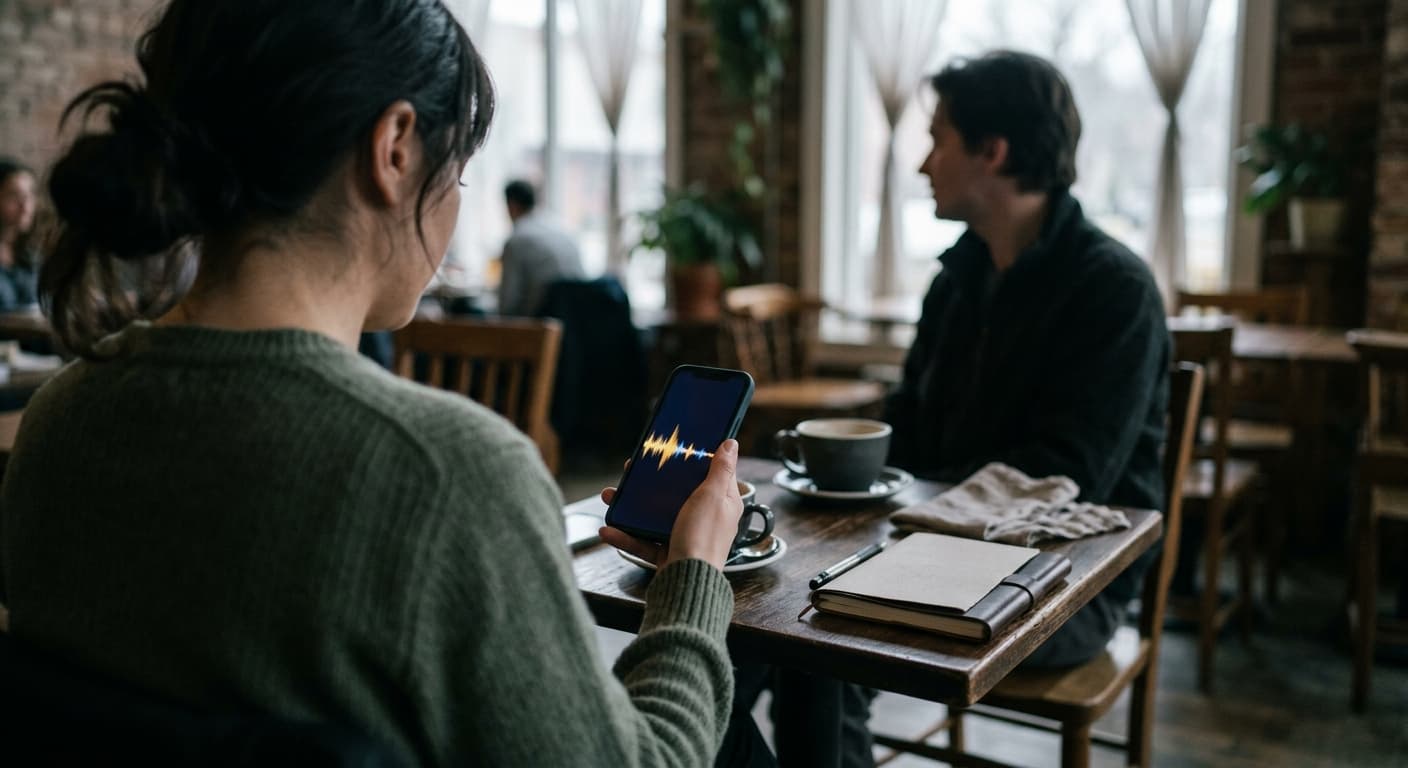
Idaho is a one-party consent state under Idaho Code 18-6702(2)(d). Any participant in a wire, electronic, or oral communication may record it without notifying the other parties. A separate subsection, Idaho Code 18-6702(2)(e), makes it unlawful to intercept any communication for the purpose of committing a criminal act. Unlawful interception is a felony punishable by up to 5 years in prison and a $5,000 fine under Idaho Code 18-6702(1), and it creates civil liability under Idaho Code 18-6709.
Idaho recording law at a glance
| Question | Answer |
|---|---|
| Consent rule | One-party consent |
| Main statute | Idaho Code 18-6702(2)(d) |
| When recording is illegal | No party consents (Idaho Code 18-6702(1)), or any person intercepts for the purpose of committing a criminal act (Idaho Code 18-6702(2)(e)) |
| Criminal penalty | Felony: up to 5 years prison and up to $5,000 fine (Idaho Code 18-6702(1)) |
| Civil remedy | Greater of actual damages, $100/day, or $1,000 minimum, plus punitives and attorney fees (Idaho Code 18-6709) |
| Hidden cameras | Felony under Idaho Code 18-6605 when sexual-gratification or entertainment intent is present |
| Recording police | First Amendment right recognized by the Ninth Circuit (Fordyce 1995; Askins 2018) |
For a full walkthrough of each rule, see the in-depth guides below.
Recording in-person conversations in Idaho
Under Idaho Code 18-6702(2)(d), it is lawful for a participant in a wire, electronic, or oral communication to record without the knowledge of the other parties. A companion subsection, Idaho Code 18-6702(2)(e), separately provides that "it is unlawful to intercept any communication for the purpose of committing any criminal act." Idaho's (2)(e) tracks the spirit of the federal floor at 18 U.S.C. 2511(2)(d) (which uses "criminal or tortious act") but Idaho's own text extends only to criminal acts, not tortious acts. Idaho also does not extend the prohibition to "any other injurious act" as some states do.
A structural feature distinguishes Idaho from a generic one-party state. Idaho Code 18-6701(2) defines an "oral communication" as one "uttered by a person exhibiting an expectation that such communication is not subject to interception under circumstances justifying such expectation." This two-prong test (subjective expectation plus objective justification) is imported directly from the federal Katz framework. A third party who records a conversation without any participant's consent does not violate Idaho Code 18-6702 unless the underlying conversation qualified as a protected "oral communication" in the first place.
In practice, conversations in private homes, closed offices, and medical or legal settings typically satisfy both prongs. Conversations on a public sidewalk, in a loud restaurant, or at a rally typically do not, because bystanders can plainly overhear and the circumstances do not objectively justify a privacy expectation. This means surreptitious recording of open-air public conversations does not violate chapter 67, even by a third party with no participant's consent.
Recording phone calls in Idaho
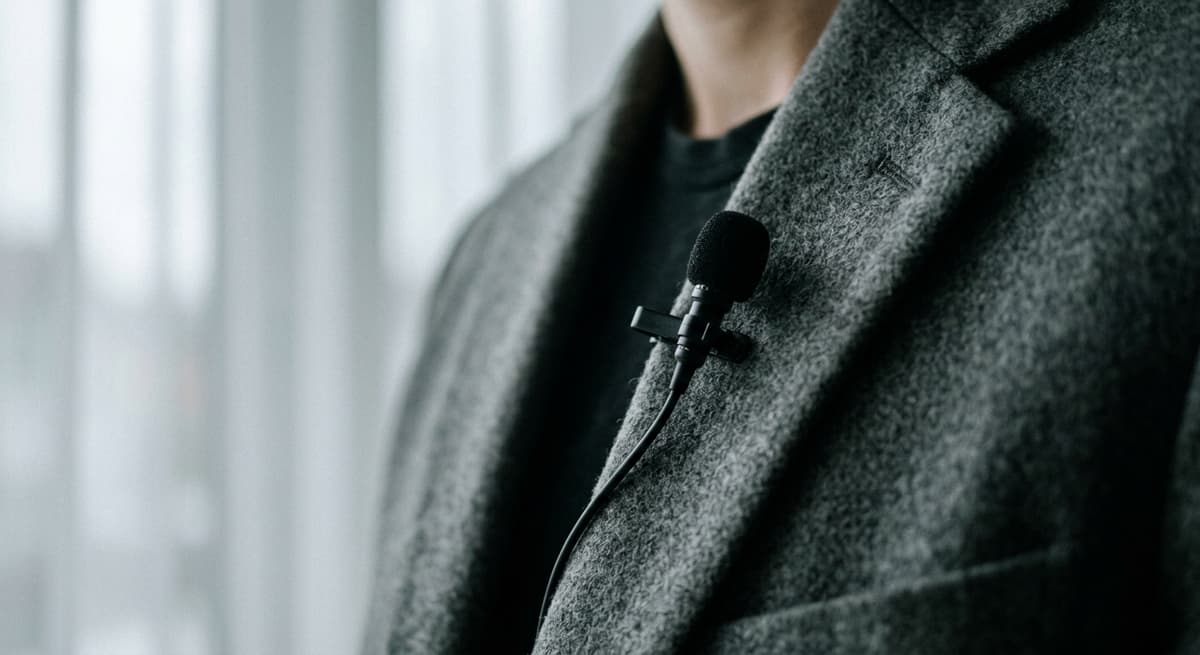
The same Idaho Code 18-6702(2)(d) rule applies to telephone calls: a participant may record a landline, cell, VoIP (Zoom, Teams, Google Meet, Webex), or over-the-top messaging call without notifying the other party, subject to the crime-tort proviso. A homeowner recording their own incoming calls, a small business recording a customer-service call they participate in, and an employee recording a call with their employer are all within the exception.
Interstate calls require extra care. Idaho borders three all-party-consent states. When one party is physically in Washington (RCW 9.73.030), Oregon (ORS 165.540), or Montana (MCA 45-8-213), courts typically apply the stricter all-party rule. The same applies to California (Penal Code 632) and Nevada phone calls (NRS 200.620). If you cannot reliably confirm the other party's location, the safe rule is to announce the recording at the start of the call and obtain a verbal affirmation.
For a full interstate-call walkthrough, see Idaho Phone Call Recording Laws.
Hidden cameras, doorbells, and nanny cams
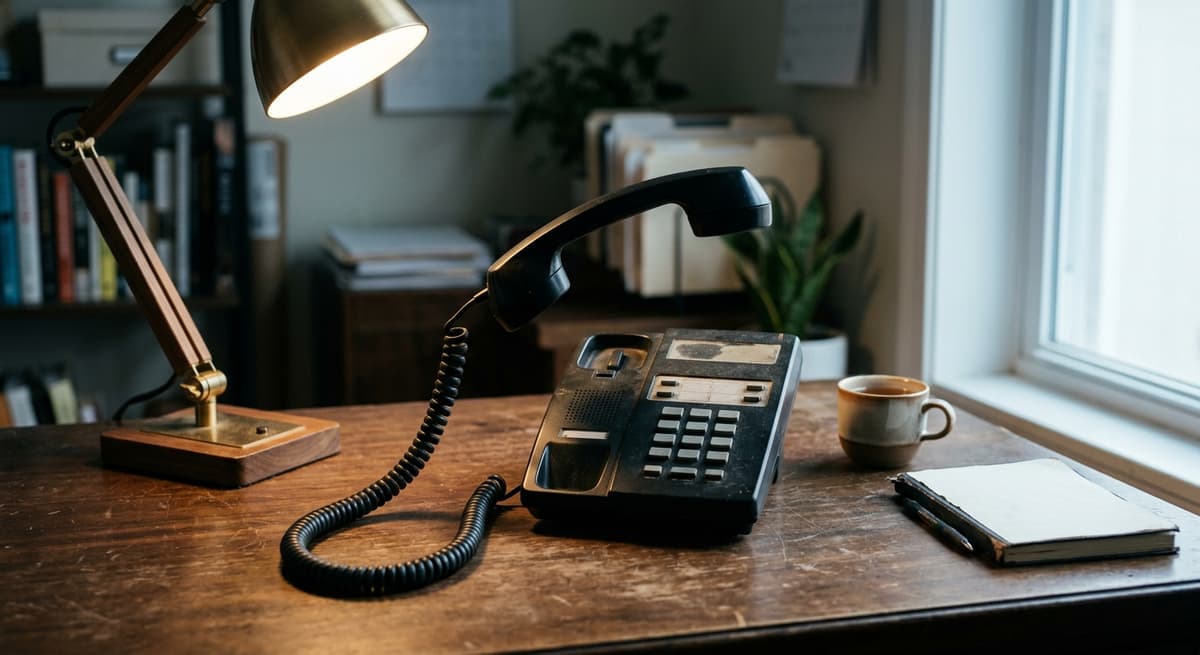
Idaho's visual-side statute is Idaho Code 18-6605, a felony covering both surreptitious recording and non-consensual disclosure of intimate imagery. The recording prong requires sexual-gratification or entertainment intent, an imaging device, capture of intimate areas, lack of consent, and a setting where the depicted person has a reasonable expectation of privacy. A parent monitoring childcare in shared living spaces does not satisfy the intent element, so a nanny cam in a living room or kitchen is generally permissible for video.
A Ring doorbell or front-door camera is generally permissible. Visitors approaching a front door typically have no reasonable expectation of privacy under Idaho Code 18-6701(2), so the audio captured is not a protected "oral communication." And the homeowner is a participant in any conversation they have at the door, satisfying one-party consent. Bathroom-facing or bedroom-facing coverage is a different matter: where the depicted person has REP and any sexual-gratification or entertainment intent is present, the recording prong of Idaho Code 18-6605 applies.
Nanny cam audio is a separate issue. An unattended camera can record conversations between a nanny and child to which the homeowner is not a party, which means no participant has consented. The conservative rule is video-only mode in shared spaces unless a written notice is posted making clear that audio is captured, so that a reasonable caregiver would not expect privacy.
For detailed rules on home surveillance, see Idaho Security Camera Laws and Idaho Video Recording Laws. For voyeurism specifics, see Idaho Voyeurism Laws.
Penalties for illegal recording in Idaho
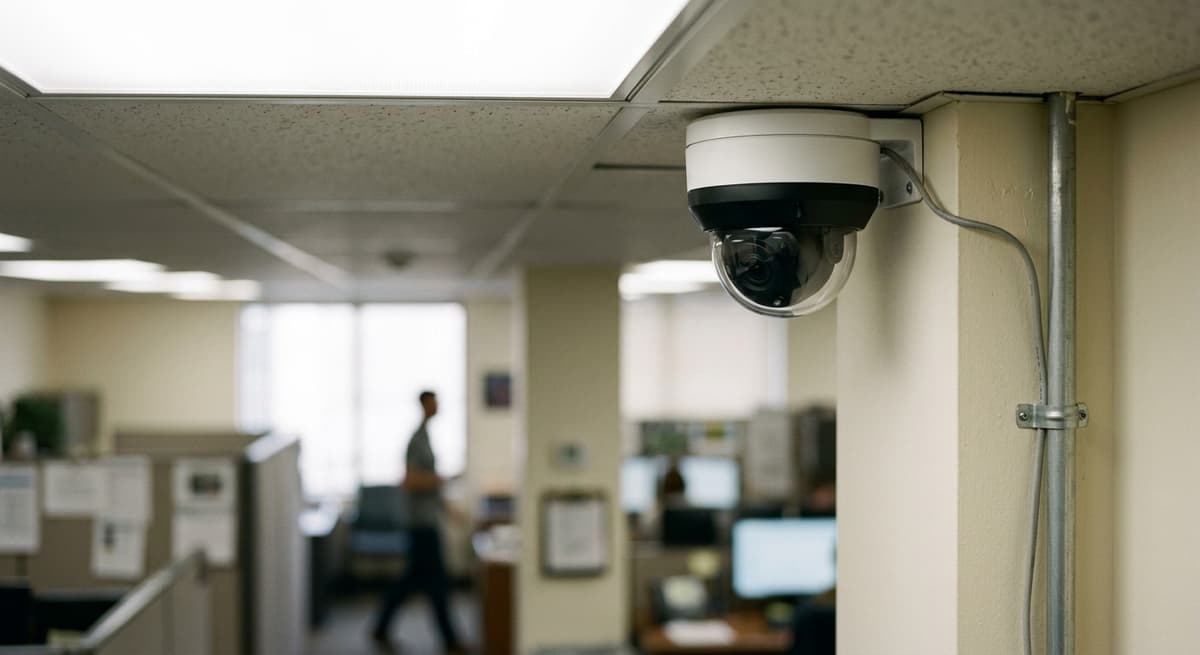
Idaho Code 18-6702(1) makes unlawful interception, disclosure, or use of an intercepted communication a single ungraded felony. Each act is a separate offense: intercepting a conversation, then disclosing the recording, then using its contents each count separately.
| Statute | Offense | Prison | Fine |
|---|---|---|---|
| Idaho Code 18-6702(1) | Unlawful audio interception/disclosure/use | Up to 5 years | Up to $5,000 |
| Idaho Code 18-6605 (recording prong) | Video voyeurism (sexual-gratification intent) | Up to 5 years (18-112 default) | Up to $50,000 (18-112 default) |
| Idaho Code 18-6605 (disclosure prong) | Non-consensual intimate-image distribution | Up to 5 years (18-112 default) | Up to $50,000 (18-112 default) |
| Idaho Code 18-6606 (first offense) | Explicit deepfake disclosure | Up to 6 months county jail | Up to $1,000 |
| Idaho Code 18-6606 (second within 5 years) | Explicit deepfake, repeat | Up to 10 years | Up to $25,000 |
For civil claims, Idaho Code 18-6709 authorizes recovery of the greater of actual damages, $100 per day of violation, or $1,000 minimum, plus punitive damages and reasonable attorney fees and litigation costs. Good-faith reliance on a court order is a complete defense to both civil and criminal liability. Practitioners often pair the 18-6709 claim with a common-law intrusion-upon-seclusion count under Restatement (Second) of Torts 652, with punitive damages available under Idaho Code 6-1604 on a showing of oppressive, fraudulent, malicious, or outrageous conduct.

Recording the police in Idaho
Idaho is in the Ninth Circuit, which recognizes a clearly established First Amendment right to record law enforcement and matters of public interest in public places. Two cases anchor the rule. In Fordyce v. City of Seattle, 55 F.3d 436 (9th Cir. 1995), the court recognized a First Amendment interest in filming matters of public interest and reversed summary judgment for an officer who allegedly struck a citizen's camera during a public protest. In Askins v. U.S. Department of Homeland Security, 899 F.3d 1035 (9th Cir. 2018), the court held expressly that "the First Amendment protects the right to photograph and record matters of public interest," including law enforcement officers performing official duties in public places.
Idahoans recording officers during traffic stops, at protests, on public streets, at federal land borders, and on BLM or Forest Service land have protection under both decisions. Idaho has no buffer-zone or distance-restriction statute. The right is not absolute: do not physically interfere with an officer's activity, record from a reasonable distance, and comply with lawful time, place, and manner orders.
Idaho Code 18-6702(2)(d) as applied to officer interactions is straightforward: you are a party to the conversation, so one-party consent covers the audio. The audio side of the chapter 67 analysis rarely blocks recording of police in public.
For more on body cameras and public records, see Idaho Laws on Recording Police.
Special topics in Idaho
Workplace recording
An Idaho employee who is a party to an HR meeting, a performance review, or a private workplace conversation may record audio under Idaho Code 18-6702(2)(d). Employers may adopt no-recording policies, but under Stericycle, Inc., 372 NLRB No. 113 (Aug. 2, 2023), the policy must advance a legitimate, substantial business interest and must be no broader than necessary. A blanket "no recording" rule typically fails; a rule limited to trade secrets, PHI, or attorney-client communications typically survives. Idaho is a right-to-work state under Idaho Code 44-2003, but that does not strip NLRB jurisdiction. NLRB GC 25-07 (June 25, 2025) separately bars surreptitious recording of collective-bargaining sessions as a per se violation of the NLRA, but that rule is narrowly scoped and does not affect general workplace audio. Idaho attorneys face an additional layer: Idaho State Bar Formal Opinion 130 governs surreptitious recording by attorneys, and what is lawful under 18-6702 may still violate the Idaho Rules of Professional Conduct.
For the full workplace framework, see Idaho Workplace Recording Laws.
AI and deepfake statutes
Idaho enacted an explicit-deepfake criminal statute in 2024. Idaho Code 18-6606 (HB 575 / Chapter 105 of Session Laws of Idaho 2024, signed March 19, 2024, effective July 1, 2024) criminalizes disclosure of AI-generated or digitally manipulated explicit imagery of an identifiable person without their consent. First offense is a misdemeanor; any second conviction within five years is a felony. The companion Idaho Code 67-6628A (FAIR Elections Act, HB 664 / Chapter 172, signed March 25, 2024) provides a civil framework for deceptive synthetic media in electioneering communications, with an affirmative defense for communications bearing a compliant disclosure. Idaho HB 127 (2025), an AI-disclosure consumer-protection bill, was introduced in February 2025 and has not been enacted as of June 2026.
Body-worn cameras and public records
Idaho has no statewide body-worn-camera deployment mandate. Idaho Code 31-871 sets tiered retention minimums: 200 days for recordings with evidentiary value, 60 days for non-evidentiary recordings from mobile equipment, and 14 days for non-evidentiary recordings from fixed equipment. A valid public records request under Idaho Code 74-102 triggers the evidentiary-value tier, so filing promptly is the practical mechanism for preserving footage. Idaho State Police Procedure 06.24 (revised November 2025) supplements at the agency level for ISP troopers.
Federal overlay
The federal Wiretap Act (18 U.S.C. 2510 to 2522) sets a one-party-consent floor that Idaho's statute mirrors. For interstate calls, stricter state law still controls as a practical matter. FCC Declaratory Ruling 24-17 (February 8, 2024) clarifies that AI-generated voices in calls count as "artificial or prerecorded voice" under the TCPA, giving Idaho consumers a federal cause of action for unsolicited AI-voice calls. The TAKE IT DOWN Act, Pub. L. 119-12 (signed May 19, 2025), criminalizes knowing publication of nonconsensual intimate visual depictions including AI deepfakes; covered-platform 48-hour notice-and-removal compliance became mandatory May 19, 2026. HIPAA binds Idaho healthcare providers, not patients; a patient may record their own visit under 18-6702(2)(d) without HIPAA implication.
Recent legal developments
- July 1, 2024: Idaho Code 18-6606 (HB 575) took effect, creating criminal liability for disclosure of explicit AI-generated intimate imagery.
- March 25, 2024: Idaho Code 67-6628A FAIR Elections Act (HB 664) signed, providing a civil framework for deceptive synthetic media in election advertising.
- June 25, 2025: NLRB GC 25-07 issued, barring surreptitious recording of collective-bargaining sessions as a per se NLRA violation.
- May 19, 2026: TAKE IT DOWN Act covered-platform 48-hour notice-and-removal compliance became mandatory, adding a federal layer to Idaho Code 18-6605 and 18-6606 NCII/deepfake remedies.
- November 2025: Idaho State Police Procedure 06.24 revised, updating ISP body-camera operational rules.
Idaho recording laws in depth
By type of recording
- Idaho Audio Recording Laws: One-Party Consent Rules and Penalties (2026)
- Idaho Phone Call Recording Laws: Consent Rules for Landline, Cell, and VoIP (2026)
- Idaho Video Recording Laws: Rules for Filming, Surveillance, and Privacy (2026)
- Idaho Dashcam Laws: Recording Rules, Windshield Mounting, and Legal Limits (2026)
- Idaho Voyeurism Laws: Hidden Cameras, Privacy Violations, and Penalties (2026)
By place or relationship
- Idaho Workplace Recording Laws: Employee and Employer Rights (2026)
- Idaho Laws on Recording Police: Your Rights and Limitations (2026)
- Idaho Laws on Recording in Public: Photography, Filming, and Audio Rights (2026)
- Idaho Security Camera Laws: Home, Business, and Surveillance Rules (2026)
- Idaho Landlord-Tenant Recording Laws: Cameras, Privacy Rights, and Disputes (2026)
- Idaho Medical Recording Laws: Patient Rights, HIPAA, and One-Party Consent (2026)
- Idaho School Recording Laws: Student Privacy, FERPA, and Classroom Rules (2026)
More Idaho laws
- Idaho Alimony Laws
- Idaho At-Will Employment Laws
- Idaho Child Custody Laws
- Idaho Data Privacy Laws
- Idaho Divorce Laws
This article is general legal information, not legal advice. Recording laws change and apply differently to each situation. For advice about your situation, consult a licensed Idaho attorney.
More Idaho Laws
- Idaho AI Meeting Recording Laws
- Idaho Alimony Laws
- Idaho At-Will Employment Laws
- Idaho Car Accident Laws
- Idaho Car Seat Laws
- Idaho Child Custody Laws
- Idaho Child Support Laws
- Idaho Common Law Marriage Laws
- Idaho Data Privacy Laws
- Idaho Deepfake Laws
- Idaho Divorce Laws
- Idaho Dog Bite Laws
- Idaho Emancipation Laws
- Idaho Expungement Laws
- Idaho Hit and Run Laws
- Idaho Landlord-Tenant Laws
Frequently Asked Questions
Is Idaho a one-party or two-party consent state?
Idaho is a one-party consent state. Under Idaho Code 18-6702(2)(d), a participant in a wire, electronic, or oral communication may record it without telling the other party. The criminal prohibition under Idaho Code 18-6702(1) applies when no party consents. A companion provision, Idaho Code 18-6702(2)(e), makes interception unlawful when done for the purpose of committing a criminal act. The 'oral communication' element is further gated by a reasonable-expectation-of-privacy test under Idaho Code 18-6701(2).
Can I record a phone call in Idaho without telling the other person?
Yes, if all parties to the call are in Idaho. Idaho Code 18-6702(2)(d) permits a participant to record without notifying the other party. If the other party is in Washington, Oregon, Montana, or California, those states require all-party consent, and courts generally apply the stricter rule. The safe practice for any interstate call is to announce the recording at the start.
What is the criminal penalty for illegal recording in Idaho?
Unlawful interception, disclosure, or use of a wire, electronic, or oral communication is a felony under Idaho Code 18-6702(1), punishable by up to 5 years in state prison and a fine of up to $5,000. Idaho does not use a class-letter grading scheme for this offense. Each separate act of interception, disclosure, or use is a separate count.
What can I sue for if someone illegally recorded me in Idaho?
Idaho Code 18-6709 provides a civil cause of action for unlawful audio interception. Damages are the greater of actual damages, $100 per day of violation, or $1,000 minimum, plus punitive damages and reasonable attorney fees. Plaintiffs often also plead common-law intrusion upon seclusion, which can add further punitive exposure under Idaho Code 6-1604.
Are Ring doorbells and nanny cams legal in Idaho?
Generally yes, within limits. A Ring doorbell at the front door is typically permissible: visitors approaching a front door usually have no reasonable expectation of privacy under Idaho Code 18-6701(2), and the homeowner is a participant in the conversation. Cameras aimed at bedrooms, bathrooms, or other private spaces where Idaho Code 18-6605 applies are not. Nanny cams should use video-only mode in shared spaces unless written notice is posted, because unattended audio recording of conversations the owner is not part of lacks participant consent.
Can I record my boss or an HR meeting in Idaho?
Generally yes. Idaho is a one-party state, and an employee in the meeting is a party to the conversation under Idaho Code 18-6702(2)(d). An employer may have a no-recording policy, but under NLRB Stericycle (2023) the policy must be narrowly tailored to a specific legitimate business interest. A blanket prohibition is unlikely to survive a Section 8(a)(1) challenge.
Can I record the police in Idaho?
Yes. The Ninth Circuit, which includes Idaho, recognizes a clearly established First Amendment right to record law enforcement performing official duties in public places. Fordyce v. City of Seattle (9th Cir. 1995) is the foundational decision; Askins v. U.S. Department of Homeland Security (9th Cir. 2018) reaffirmed the right explicitly. Idaho has no buffer-zone statute. Do not physically interfere with officers, and comply with lawful time, place, and manner restrictions.
Has Idaho enacted a deepfake law?
Yes. Idaho Code 18-6606 (effective July 1, 2024) criminalizes the disclosure of AI-generated explicit intimate imagery of an identifiable person without consent. A first offense is a misdemeanor; a second conviction within five years is a felony with up to 10 years imprisonment and a $25,000 fine. A companion civil statute, Idaho Code 67-6628A, addresses deceptive synthetic media in election advertising.
Sources and References
- legislature.idaho.gov.gov
- legislature.idaho.gov.gov
- legislature.idaho.gov.gov
- legislature.idaho.gov.gov
- legislature.idaho.gov.gov
- legislature.idaho.gov.gov
- legislature.idaho.gov.gov
- legislature.idaho.gov.gov
- legislature.idaho.gov.gov
- legislature.idaho.gov.gov
- legislature.idaho.gov.gov
- isb.idaho.gov.gov
- isp.idaho.gov.gov
- courtlistener.com
- cdn.ca9.uscourts.gov.gov
- nlrb.gov.gov
- nlrb.gov.gov
- uscode.house.gov.gov
- congress.gov.gov
- docs.fcc.gov.gov
- ecfr.gov.gov