
100% VA Disability (2026): Pay Rates and the Full Benefits List
100% VA disability pays $3,938.58 alone in 2026. See exact dependent rates, the 3 paths to 100%, P&T-only benefits, SMC, and when VA can reduce a rating.
10 min read
598 articles · page 1 of 10
100% VA disability pays $3,938.58 alone in 2026. See exact dependent rates, the 3 paths to 100%, P&T-only benefits, SMC, and when VA can reduce a rating.

Plain-English guide to 11 U.S.C. § 362, the bankruptcy automatic stay: what it stops, the exceptions, repeat-filer rules, and damages for violations.

Plain-English guide to 45 C.F.R. § 164.512: when hospitals may share health records with police, courts, and others without your written authorization.

Plain-English guide to 47 U.S.C. § 227, the TCPA: what robocall, text, and fax rules require, the autodialer definition after Duguid, and lawsuit damages.
70% VA disability pays $1,808.45/month alone in 2026 (more with dependents). See the full rate table, how veterans reach 70%, and the TDIU 70% threshold.

80% VA disability pays $2,102.15/month alone in 2026. See the full rate table, why VA math rounds down at 80%, and TDIU eligibility rules.

A 90% VA disability rating pays $2,362.30 a month alone in 2026. See the full pay table, why 100% is hard to reach, and two paths to 100%-level pay.
RecordingLaw.com provides free state-by-state legal guides on recording laws, lemon laws, criminal law, and more. Founded by Adam Steiner.

See which states let an adult adoptee get their sealed original birth certificate directly, and which require a court order, redaction, or a veto. All 51.

How adoption reunion registries and confidential-intermediary programs work, which states run each, realistic fees, and the private ISRR registry.
Learn how adverse possession elements, proof, taxes, and special rules differ, with links to all 50 state guides and the District of Columbia.
People allege AFFF foam containing PFAS caused cancer and contaminated water. Learn about the federal AFFF MDL 2873 and its status as of June 2026.

27 states require age verification for adult sites, none currently blocked by a court. See the full state table, litigation status, and FSC v. Paxton explained.

Can you copyright AI-generated work, and can you be liable for what AI reproduces? A guide to US copyright law for AI code, images, text, and training data.

How AI and copyright law differ by country: who can own AI-generated work, and where AI may be trained on copyrighted data, across the US, EU, UK, Japan and more.

The EU denies copyright to purely AI-generated works and makes AI providers honour training opt-outs and publish training summaries under the EU AI Act.

Comprehensive guide to AI regulation in the US. Federal executive orders, state AI laws, deepfake legislation, employment AI rules, and an interactive timeline of key milestones.

Are AI meeting recorders like Otter.ai and Fireflies legal? State-by-state consent laws, penalties, and compliance guide for AI transcription tools in 2026.
Learn the legal rules for AI model licensing and open-source attribution. Understand MIT, Apache 2.0, and custom license requirements before shipping AI products.

AI voice cloning laws by state: Tennessee's ELVIS Act, the six states that followed it, and the pending federal NO FAKES Act.

Alabama has no drone privacy law or police warrant statute. See how general surveillance and trespass law apply, plus prison, event, and shoot-down rules.

Alabama has no electronic-monitoring notice statute or social-media-password law. See how federal ECPA, state surveillance statutes, and GPS rules apply.

Alabama's 2026 interstate work zone camera pilot isn't ticketing yet. What the law says about fines, points, and city red light cameras statewide.
Alabama wrongful death law under Code 6-5-410: the 2-year deadline, why only the personal representative can sue, and the unique punitive-only damages rule.

Alaska requires a warrant for police drone use and bans drones for hunting, but has no civilian privacy statute. See the laws, cases, and shoot-down rules.

Alaska has no electronic-monitoring notice statute or social-media-password law, but its privacy clause and stalking statute still limit monitoring.

In Edmonton, Alberta, civil claims of $100,000 or less go to the Alberta Court of Justice. Learn the forms, fees, deadlines, and steps to file your claim.

Civil claims up to $100,000 go to the Alberta Court of Justice; larger claims, appeals, and estate cases go to the Court of King's Bench in Alberta.

How alimony (spousal support) works in every US state: the types, how courts calculate amount and duration, how long it lasts, who qualifies, the federal tax rules, and a 50-state comparison table.

Every major 2020 election fraud claim, fact-checked against court rulings, DOJ findings, and state election officials. All were debunked or dismissed.

Cash and prepaid gift cards are the most anonymous ways to pay someone. See how PayPal, Cash App, crypto, and masked cards compare on privacy and legal risk.

Utah, Texas, Louisiana, and Alabama require app stores to verify age. See each state's status, the Texas SCOTUS order explained, and Apple/Google's response.

Court records are presumptively public with real exceptions. What's confidential everywhere, public-but-offline rules, and sealed vs. expunged explained.
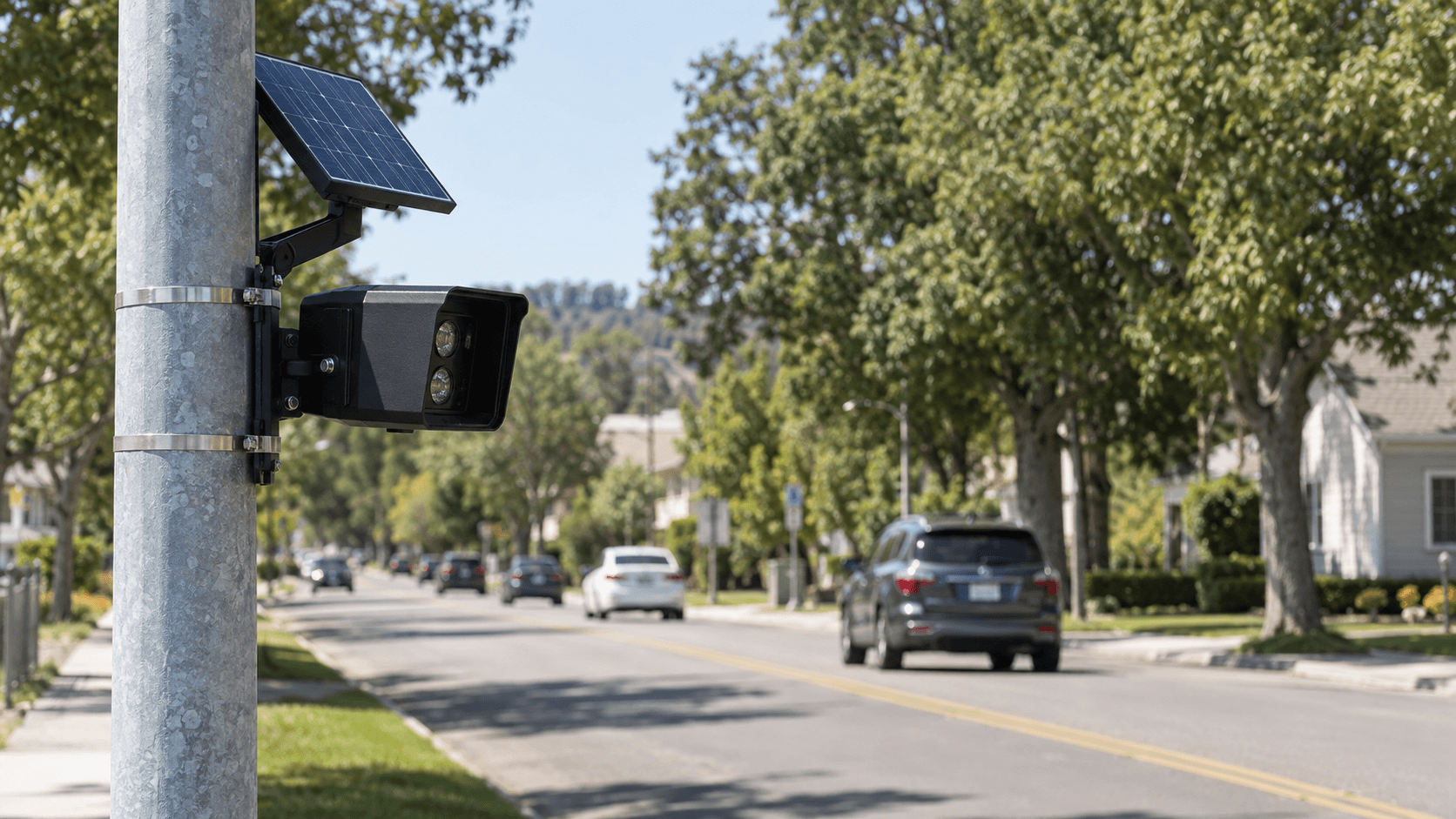
Compare the rules for Flock cameras, data retention, police searches, and sharing, with current state-law examples and the limits of recent court decisions.

Whether a police report is public depends on which record you mean. Crash reports, incident reports, investigative files, and bodycam video all differ.

Idaho law now bars automated devices from issuing traffic citations. What SB 1180 (2025) actually says, what it stopped, and what's still unaddressed.

Arizona has no civilian drone privacy law, but bans drones near critical facilities, preempts local ordinances, and lets police disable drones near the border.

Arizona has no electronic-monitoring notice statute or social-media-password law. See how federal ECPA, state surveillance statutes, and GPS rules apply.

Arizona photo tickets are real driver-liability citations, not civil fines. What the law says about the mailed notice, points, and your obligation to respond.

Arkansas drone law explained: the 2025 Arkansas Privacy Act, the drone voyeurism statute, hunting-scout bans, and why shooting down a drone is a federal felony.
Arkansas employee monitoring law explained: the Ark. Code 11-2-124 social media password ban, one-party consent recording, and the felony hidden-recording ban.
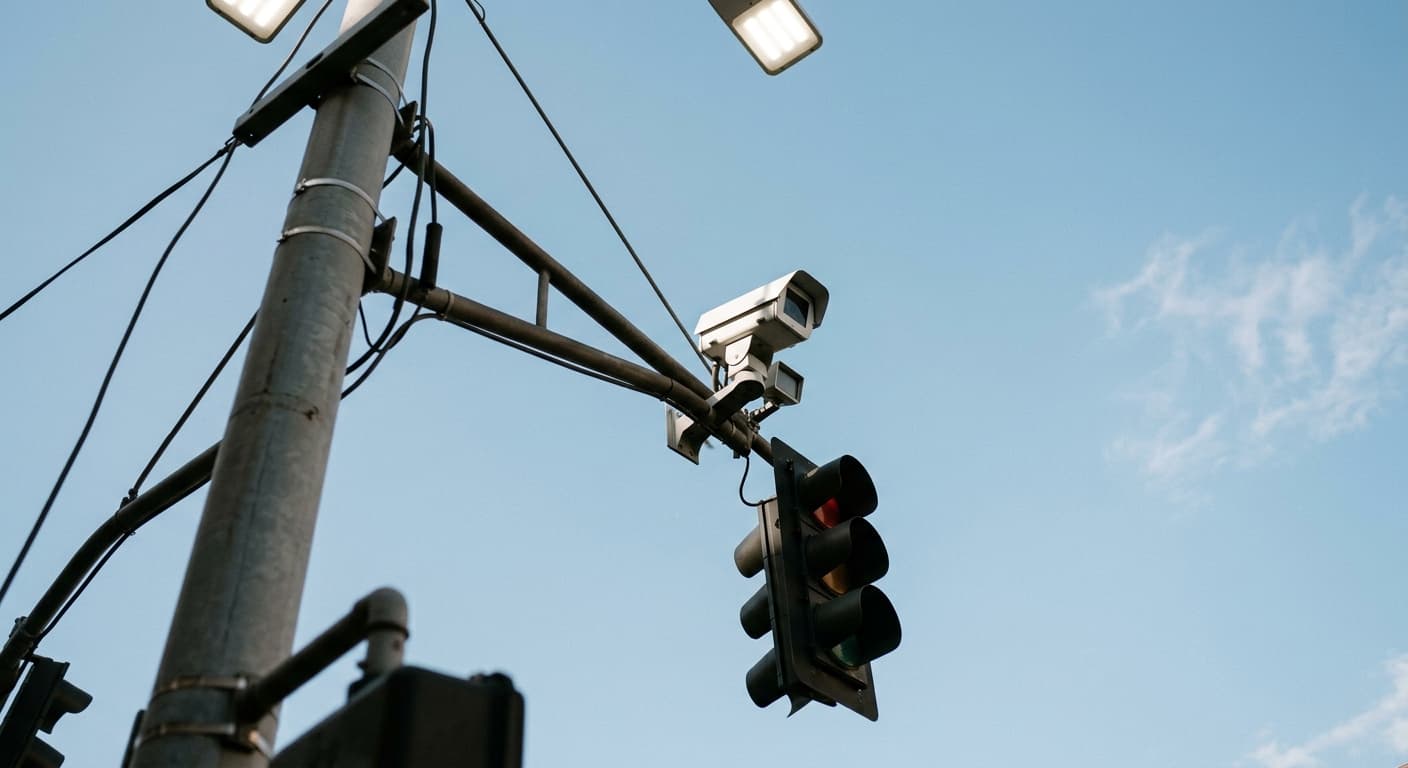
Arkansas law bars mail-only camera tickets. Cameras can flag a violation, but an officer must hand you the citation in person. Here's how it works.
Arkansas wrongful death claims: the 3-year deadline to file, who can sue (personal representative or heirs at law), survival actions, damages, and fault rules.

Every US state except Montana follows at-will employment. Learn the 3 exceptions, how right-to-work differs, and your federal rights in all 51 jurisdictions.

Australia requires a human author for copyright. Purely AI-generated works are unprotected, and there is no text-and-data-mining exception for AI training.
ALPR laws, privacy, retention and sharing rules, with links to all 50 states and DC and explanations of Flock policies and federal court decisions.
What is the average settlement for a back and neck injury? Honest, illustrative value ranges, what drives them, and how fault and caps change your claim.
Alabama bankruptcy guide: the state opts out of federal exemptions, an $18,800 homestead (4/1/24), the means-test median income for 2026, and where to file.
Alaska lets filers choose state or federal exemptions. The state homestead is $72,900, the vehicle exemption is $4,050, and see the 2026 means test income figures.
Arizona bankruptcy guide: the state opts out of federal exemptions, a $400,000 homestead, the 2026 means-test median income, and the District of Arizona court.
Arkansas lets filers choose federal or state exemptions. Its constitutional homestead is limited by acreage rather than value, and see the 2026 means test income.
California opted out of federal exemptions but offers two state systems, one with a large inflation-indexed homestead and one with a bigger wildcard, plus the means test.
Colorado opted out of federal exemptions. The homestead protects $250,000 in equity, or $350,000 if elderly or disabled, plus the vehicle exemption and means test.
Connecticut bankruptcy: filers may choose state or federal exemptions, a $250,000 homestead (Conn. Gen. Stat. 52-352b), the means test, and where to file.
DC bankruptcy guide: choose state or federal exemptions, an unlimited homestead under D.C. Code 15-501(a)(14), the 522(p) cap, plus 2026 means-test income.
Delaware bankruptcy: the state opted out of federal exemptions, a $200,000 homestead (10 Del. C. 4914), the means-test median income, and where to file.
Florida bankruptcy: opted out of federal exemptions, the unlimited homestead with acreage limits and the 522(p) cap, plus current means-test figures.
Georgia opted out of federal exemptions. The homestead is $50,000 through June 2026 and rises to $50,000 after, the vehicle exemption is $5,000, plus the means test.
Hawaii lets filers choose state or federal exemptions. The state homestead protects up to $30,000 for heads of family or seniors, or $20,000 for others, plus the means test.
Idaho opted out of federal exemptions. The homestead protects up to $175,000 of equity, the vehicle exemption is $10,000, and see the 2026 means test income figures.