
Florida
Florida Phone Call Recording Laws: Consent Rules for Calls (2026)
Independently fact-checked against primary sources (last audited August 22, 2026). · Reviewed by the RecordingLaw editorial team. · Law checked current as of August 22, 2026. · 5 primary sources cited on this page. How we verify our legal content
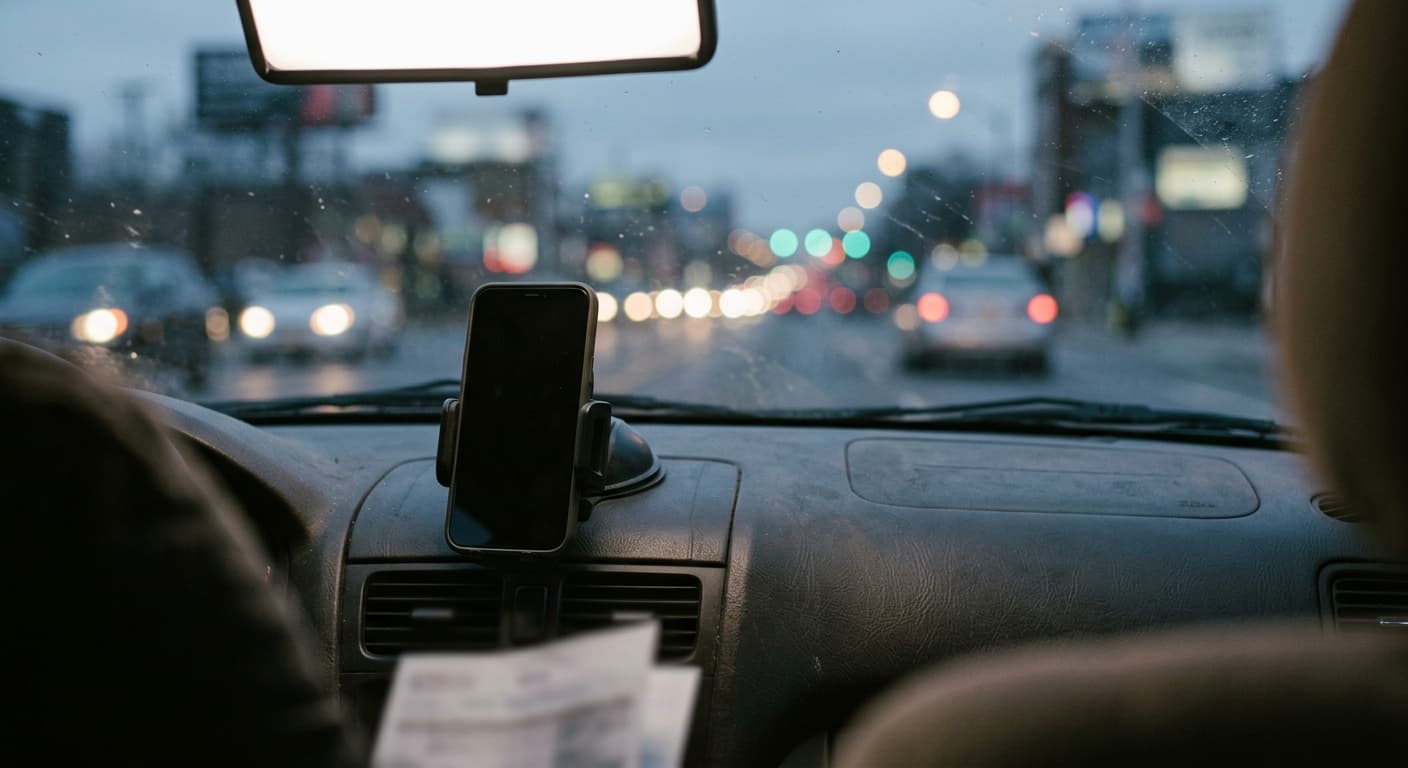
Florida is an all-party consent state: recording any phone call requires consent from every participant under Fla. Stat. 934.03. Violating this law is a third-degree felony carrying up to five years in prison.
Recording phone calls in Florida requires the consent of every person on the call. Under Florida Statute 934.03, intercepting or recording a wire communication without all-party consent is a third-degree felony. This applies to landline calls, cell phone calls, VoIP calls, and any other voice communication transmitted through wire, cable, or electronic means.
Florida's phone call recording law is among the strictest in the nation. While one-party consent states allow a participant to record their own calls without informing the other parties, Florida requires that everyone on the call agrees before any recording begins.
The Legal Framework for Phone Call Recording
What F.S. 934.03 Covers
Florida Statute 934.03 prohibits the intentional interception of "wire communications." Under Section 934.02(1), a "wire communication" is any aural transfer made in whole or in part through wire, cable, or other connection between the point of origin and the point of reception. This includes:
- Traditional landline telephone calls
- Cell phone and mobile phone calls
- VoIP calls (Skype, Zoom audio, Google Voice, etc.)
- Conference calls with multiple parties
- Calls routed through switchboards or PBX systems
- Any voice communication transmitted through wire or cable infrastructure
How to Legally Record a Phone Call in Florida
To lawfully record a phone call in Florida, you must:
- Announce your intent to record at the beginning of the call
- Obtain verbal consent from every person on the call
- Stop recording immediately if any party objects
- Document the consent if possible (the recording itself captures verbal consent)
For conference calls with multiple participants, each person must consent. If new participants join the call after recording has started, you must inform them and obtain their consent before continuing to record.
Implied Consent Through Automated Announcements
In business settings, consent can be implied when an automated announcement at the start of a call states something like "This call may be recorded for quality assurance purposes" and the caller remains on the line. Florida courts have recognized that continuing to participate after receiving clear notice can constitute implied consent.
However, the notice must be:
- Clearly audible and understandable
- Delivered before the substantive conversation begins
- Specific enough that a reasonable person would understand they are being recorded
A brief beep tone without an explanation is not sufficient to establish implied consent. The notification must clearly communicate that recording is or may be taking place.
Criminal Penalties for Illegal Phone Recording
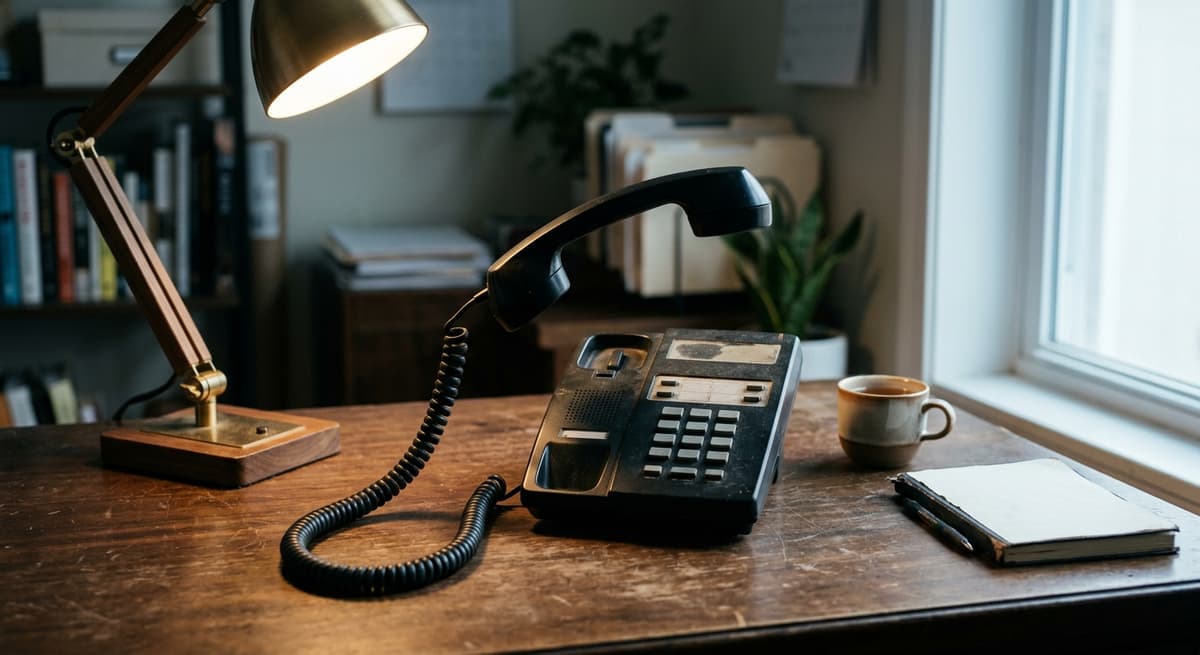
Recording a phone call without all-party consent is a third-degree felony under F.S. 934.03, carrying:
| Offense | Classification | Maximum Prison | Maximum Fine |
|---|---|---|---|
| Recording a phone call without consent | Third-degree felony | 5 years | $5,000 |
| Disclosing contents of illegally recorded call | Third-degree felony | 5 years | $5,000 |
| Using information from illegal recording | Third-degree felony | 5 years | $5,000 |
Each illegally recorded call can constitute a separate offense, meaning multiple calls recorded without consent can result in multiple felony charges.
Civil Liability for Illegal Phone Recording
Under Florida Statute 934.10, a person whose phone call is illegally recorded can sue for:
- Liquidated damages: $100 per day of violation or $1,000, whichever is higher
- Actual damages: Compensation for harm caused by the illegal recording
- Punitive damages: Additional penalties for egregious conduct
- Attorney's fees: Recovery of legal costs
- Equitable relief: Court orders to destroy recordings and prevent future violations
Civil suits can be filed in addition to criminal prosecution. The victim does not need to prove specific financial harm to recover liquidated damages.
Business Phone Call Recording in Florida

Requirements for Businesses
Florida businesses that record customer, client, or partner calls must implement compliant recording practices:
Before the call:
- Configure phone systems to play an automated recording notification
- Train employees on consent requirements
- Develop written policies for call recording
During the call:
- Ensure the notification plays before any substantive conversation
- If no automated notification is available, the employee must verbally inform the caller
- Provide the caller with the option to request a non-recorded call
- If the caller objects, stop recording or transfer to a non-recorded line
After the call:
- Store recorded calls securely
- Limit access to authorized personnel
- Establish retention and destruction schedules
- Respond to requests for copies in compliance with applicable laws
Common Business Recording Scenarios
Customer service calls: The standard practice of playing "this call may be recorded for quality assurance" at the start of a call satisfies the consent requirement when callers remain on the line.
Sales calls: Outbound sales calls require the same consent. The sales representative should verbally inform the prospect that the call is being recorded and obtain consent before proceeding.
Debt collection calls: Debt collectors must comply with both Florida's recording laws and federal regulations under the Fair Debt Collection Practices Act. Recording without consent violates F.S. 934.03 regardless of the purpose.
Legal consultations: Attorneys and law firms must obtain client consent before recording any phone consultation. Attorney-client privilege does not override the wiretapping statute's consent requirement.
Interstate Phone Call Recording
When Florida Law Applies
When a phone call crosses state lines, the question of which state's recording law applies becomes complex. General principles that courts apply include:
- Florida party involvement: When a Florida resident or someone physically in Florida is on the call, Florida's all-party consent law may apply
- Stricter standard prevails: Courts typically apply the stricter of the two states' laws when a conflict exists
- Reasonable expectations: The expectation of the party in the stricter-consent state carries significant weight
Practical Guidance for Interstate Calls
If you are calling from or to Florida, the safest approach is to treat every call as subject to Florida's all-party consent requirement. This means:
- Always announce that you intend to record
- Get consent from every party on the call
- Do not assume that the other state's less restrictive law applies
If you are in a one-party consent state and calling someone in Florida, comply with Florida's all-party consent requirement to avoid potential criminal liability.
Federal Law Comparison
Federal wiretap law (18 U.S.C. 2511) requires only one-party consent. A recording that is legal under federal law may still violate Florida's stricter state law. Federal law sets a floor for privacy protection, not a ceiling. Florida's all-party requirement applies to calls occurring within or involving the state.
11th Circuit: FCC One-to-One TCPA Consent Rule Vacated
The U.S. Court of Appeals for the Eleventh Circuit -- which covers Florida -- vacated the FCC's One-to-One TCPA Consent Rule in Insurance Marketing Coalition v. FCC, No. 24-10277 (11th Cir. Jan. 24, 2025), mandate issued April 30, 2025. The court held the rule exceeded the FCC's statutory authority under the TCPA. This means the stricter FCC rule requiring individualized, one-to-one consent links between sellers and consumers (which had been scheduled to take effect) no longer applies in Florida. The underlying FCC 24-24 baseline TCPA consent requirements remain in force. Florida businesses recording calls must still comply with both the TCPA baseline and F.S. 934.03's all-party consent standard -- the stricter of the two controls.
Exceptions to Phone Call Recording Consent
Law Enforcement Exception (F.S. 934.03(2)(c))
Investigative or law enforcement officers may intercept wire communications when:
- The officer is a party to the communication, or one party has given consent
- The purpose is to obtain evidence of a criminal act
- The interception is conducted under lawful authority
This exception allows law enforcement to conduct recorded calls as part of investigations without the subject's knowledge. Private citizens do not have this exception.
Court-Ordered Wiretaps
Under F.S. 934.07, a judge may authorize the interception of wire communications upon application by law enforcement when:
- There is probable cause to believe a person is committing a specified felony
- Normal investigative techniques have been tried and failed, or are unlikely to succeed
- The interception is targeted to minimize intrusion on innocent parties
Emergency 911 Calls
Employees of public utilities may intercept and record incoming wire communications on designated 911 telephone numbers and published nonemergency numbers staffed by trained dispatchers at public safety answering points. They may also record outgoing calls to the numbers from which incoming emergency calls were placed when necessary to provide emergency services.
Communications Service Providers
Operators of switchboards and agents of communication service providers may intercept communications in the normal course of employment while engaged in activities necessary to service rendition or protection of the provider's rights and property.
Recording Apps and Call Recording Services
Third-party call recording apps (TapeACall, Rev Call Recorder, Cube ACR, etc.) and built-in phone recording features are subject to the same legal requirements as any other recording method. Using an app to record a phone call in Florida without all-party consent is just as illegal as using a dedicated recording device.
Cloud-Based Recording Services
Services that record and store calls in the cloud do not change the legal analysis. The consent requirement attaches to the act of recording, not the technology used. Whether the recording is stored locally on your device, in the cloud, or on a third-party server, you must have all-party consent before the recording begins.
Automatic Call Recording Features
Some phone systems and apps offer automatic call recording that captures every call without manual activation. Using such features in Florida creates a significant legal risk because consent must be obtained for each individual call. An automated system that records without providing notice and obtaining consent violates F.S. 934.03 for every call it captures.
Admissibility of Phone Recordings in Court
For a phone recording to be admissible as evidence in Florida courts:
- The recording must have been obtained with all-party consent
- The recording must be properly authenticated (a witness must verify it is what it claims to be)
- The recording must not have been altered or tampered with
- The recording must be relevant to the matter being litigated
Phone recordings made without all-party consent are generally inadmissible under Florida's exclusionary provisions. The person who made the illegal recording could face criminal charges while the recording itself gets thrown out of court.
Phone Call Recording Tips for Florida Residents
- Always announce recording at the start of every call you intend to record
- Wait for verbal consent from all parties before beginning the recording
- Use automated notifications for business calls to establish implied consent
- Stop recording immediately if anyone objects
- Treat interstate calls as subject to Florida's all-party consent rule
- Disable automatic recording features on apps and phone systems unless you have a reliable consent mechanism in place
- Keep records of consent for important business or legal recordings
More Florida Recording Laws
Audio Recording | Video Recording | Voyeurism & Hidden Cameras | Workplace Recording | Recording Police | Phone Call Recording | Security Cameras | Recording in Public | Landlord-Tenant | Dashcam Laws | Schools | Medical Recording
Back to Florida Recording Laws
More Florida Recording Topics
More Florida Laws
Frequently Asked Questions
Can I record a phone call in Florida?
Yes, but only with consent from every person on the call. Florida is an all-party consent state under F.S. 934.03. You must announce your intent to record and receive agreement from all participants before starting. Recording without consent is a third-degree felony punishable by up to 5 years in prison and a $5,000 fine.
Does a business need to tell me a call is being recorded in Florida?
Yes. Florida's all-party consent law requires businesses to notify you before recording a phone call. Most businesses satisfy this by playing an automated announcement at the start of the call. If you remain on the line after hearing the notification, your continued participation is treated as implied consent. You have the right to ask for a non-recorded call.
What if I am in another state and call someone in Florida?
You should comply with Florida's all-party consent requirement. Courts typically apply the stricter standard when a call crosses state lines between states with different consent rules. Even if your state allows one-party consent recording, recording a call with a Florida party without their consent could violate Florida law.
Are call recording apps legal in Florida?
The apps themselves are legal, but using them to record calls without all-party consent violates Florida Statute 934.03. Whether you use a built-in phone feature, a third-party app, or a dedicated recording device, the legal requirement is the same: every person on the call must consent before recording begins.
Can a recorded phone call be used as evidence in Florida court?
Only if the recording was obtained with all-party consent. Illegally recorded phone calls are generally inadmissible in Florida courts. The person who recorded without consent faces felony charges, and the recording itself will likely be excluded as evidence. Always obtain consent before recording if you plan to use the recording for any legal purpose.
Updates
Independently fact-checked against the cited primary sources; governing law re-checked for recent changes
Governing law re-checked for recent changes
Governing law re-checked for recent changes
Title updated to 2026. Added note on 11th Circuit vacatur of FCC One-to-One [TCPA](/us-laws/tcpa) Consent Rule (Insurance Marketing Coalition v. FCC, No. 24-10277, Jan. 24, 2025) -- binding precedent in Florida. FCC 24-24 baseline TCPA consent requirements remain in force.
Reviewed and approved by an editor
The Law Behind This Article
This article rests on the statutory provisions below, held in our own legal record and retrieved from the official source. Tap a section to read the operative text.
Florida Statutes
§ 934.03Interception and disclosure of wire, oral, or electronic communications prohibited.In forcecited in 51 of our articles
(1) Except as otherwise specifically provided in this chapter, any person who:(a) Intentionally intercepts, endeavors to intercept, or procures any other person to intercept or endeavor to intercept any wire, oral, or electronic communication; (b) Intentionally uses, endeavors to use, or procures any other person to use or endeavor to use any electronic, mechanical, or other device to intercept any oral communication when:1. Such device is affixed to, or otherwise transmits a signal through, a wire, cable, or other like connection used in wire communication; or 2.
Official text (excerpt) · last checked 2026-08-31 · Read the full text in our law library · Verify at leg.state.fl.us
Cited in 74 court opinions in our collectionLatest citing opinion in our collection: 2026
In the courts (editorial summary, independently checked):State v. Walls (1978) held that recording an in-home oral communication without the consent of all parties violated section 934.03 and required suppression, and State v. Inciarrano (1985) held the statute protects only communications uttered with a reasonable expectation of privacy.
Opinions citing this section in our collection:
- State v. Walls (Supreme Court of Florida 1978, 356 So. 2d 294)✓An extortion victim secretly recorded threats made to him in his own home; the court held that was a protected oral communication, that recording it without every party's consent violated Section 934.03, and that Section 934.06 barred using the tape as evidence.
- SHARRON TASHA FORD v. CITY OF BOYNTON BEACH (District Court of Appeal of Florida 2021)“…ng oral communications in violation of the wiretap statute, section 934.03, Florida Statutes (2009), and for obstructing without vio…”
- State v. Calhoun (Circuit Court for the Judicial Circuits of Florida 1984, 7 Fla. Supp. 2d 3)“…hall not be violated” . . . (emphasis mine) Furthermore, section 934.03, Florida Statutes, makes it unlawful for *6 any person (…”
Identified automatically from the court opinions citing this section — not a ranking of which case controls.
§ 934.02Definitions.In force
As used in this chapter:(1) “Wire communication” means any aural transfer made in whole or in part through the use of facilities for the transmission of communications by the aid of wire, cable, or other like connection between the point of origin and the point of reception including the use of such connection in a switching station furnished or operated by any person engaged in providing or operating such facilities for the transmission of intrastate, interstate, or foreign communications or communications affecting intrastate, interstate, or foreign commerce. (2) “Oral communication” means any oral communication uttered by a person exhibiting an expectation that such communication is not subject to interception under circumstances justifying such expectation and does not mean any public oral communication uttered at a public meeting or any electronic communication. (3) “Intercept” means the aural or other acquisition of the contents of any wire, electronic, or oral communication through the use of any electronic, mechanical, or other device.
Official text (excerpt) · last checked 2026-07-28 · Read the full text in our law library · Verify at leg.state.fl.us
Cited in 22 court opinions in our collectionLatest citing opinion in our collection: 2025
Opinions citing this section in our collection:
- Dorsey v. State (Supreme Court of Florida 1981, 402 So. 2d 1178)“…on." These definitions, found in subsections (1) and (2) of section 934.02, Florida Statutes (1977), are as follows: "Wire communi…”
- Sogo v. GARCIA'S NAT. GUN, INC. (District Court of Appeal of Florida 1993, 615 So. 2d 184)“…business hours by any law enforcement agency as defined in Section 934.02, Florida Statutes. (d) Exceptions. The following shal…”
- Shaktman v. State (District Court of Appeal of Florida 1988, 529 So. 2d 711)“…uded pen registers in its list of definitions enumerated in section 934.02, Florida Statutes (1983). The absence of pen registers in…”
Identified automatically from the court opinions citing this section — not a ranking of which case controls.
§ 934.07Authorization for interception of wire, oral, or electronic communications.In force
(1) The Governor, the Attorney General, the statewide prosecutor, or any state attorney may authorize an application to a judge of competent jurisdiction for, and such judge may grant in conformity with ss. 934.03-934.09 an order authorizing or approving the interception of, wire, oral, or electronic communications by:(a) The Department of Law Enforcement or any law enforcement agency as defined in s. 934.02 having responsibility for the investigation of the offense as to which the application is made when such interception may provide or has provided evidence of the commission of the offense of murder, kidnapping, aircraft piracy, arson, gambling, robbery, burglary, theft, dealing in stolen property, criminal usury, bribery, or extortion; any felony violation of ss. 790.161-790.166, inclusive; any violation of s. 787.06; any violation of chapter 893; any violation of the provisions of the Florida Anti-Fencing Act; any violation of chapter 895; any violation of chapter 896; any violation of chapter 815; any violation of chapter 847; any violation of s. 827.071; any violation of s.
Official text (excerpt) · last checked 2026-07-28 · Read the full text in our law library · Verify at leg.state.fl.us
Cited in 26 court opinions in our collectionLatest citing opinion in our collection: 2022
Opinions citing this section in our collection:
- State v. Daniels (Supreme Court of Florida 1980, 389 So. 2d 631)“…a police investigative officer to apply for the order under section 934.07, Florida Statutes (1975). The respondents argued on appea…”
- In Re Grand Jury Investigation (Supreme Court of Florida 1973, 287 So. 2d 43)“…to crimes other than the crimes specifically enumerated in Section 934.07, Florida Statutes, and the Court upon the consideration o…”
- Hudson v. State (District Court of Appeal of Florida 1979, 368 So. 2d 899)“…as committed or is about to commit an offense enumerated in Section 934.07, Florida Statutes (1975); [1] (2) particular communicati…”
Identified automatically from the court opinions citing this section — not a ranking of which case controls.
§ 934.10Civil remedies.In forcecited in 12 of our articles
(1) Any person whose wire, oral, or electronic communication is intercepted, disclosed, or used in violation of ss. 934.03-934.09 shall have a civil cause of action against any person or entity who intercepts, discloses, or uses, or procures any other person or entity to intercept, disclose, or use, such communications and shall be entitled to recover from any such person or entity which engaged in that violation such relief as may be appropriate, including:(a) Preliminary or equitable or declaratory relief as may be appropriate; (b) Actual damages, but not less than liquidated damages computed at the rate of $100 a day for each day of violation or $1,000, whichever is higher; (c) Punitive damages; and (d) A reasonable attorney’s fee and other litigation costs reasonably incurred. (2) A good faith reliance on:(a) A court order, subpoena, or legislative authorization as provided in ss. 934.03-934.09, (b) A request of an investigative or law enforcement officer under s. 934.09(7), or (c) A good faith determination that Florida or federal law, other than 18 U.S.C. s.
Official text (excerpt) · last checked 2026-07-28 · Read the full text in our law library · Verify at leg.state.fl.us
Cited in 33 court opinions in our collectionLatest citing opinion in our collection: 2026
In the courts (editorial summary, independently checked):Minotty v. Baudo (2010) held the civil action reaches only actual interception, not attempts, and does not cover silent video surveillance. Jatar v. Lamaletto (2000) affirmed summary judgment where the plaintiff had no reasonable expectation of privacy. Burgess v. Burgess (1984) held interspousal immunity does not bar the action.
Opinions citing this section in our collection:
- Burgess v. Burgess (Supreme Court of Florida 1984, 447 So. 2d 220)“…mages brought by one spouse against the other spouse, under Section 934.10, Florida Statutes (1979)? Burgess v. Burgess, 417 S…”
- Minotty v. Baudo (District Court of Appeal of Florida 2010, 42 So. 3d 824)✓A doctor hid cameras in colleagues' offices, but the microphones never worked, so only silent video was captured. The court held section 934.10 gives a civil claim only for actual interception of oral communications, not attempts or silent video, and reversed those judgments.
- Roberts v. Jardine (District Court of Appeal of Florida 1978, 358 So. 2d 588)✓Sued under section 934.10 for secretly taping a phone call, the defendant refused to answer interrogatories. The court held she could invoke the Fifth Amendment, since interception is also a crime, and could not be defaulted for it, but had to produce the tape already played.
Identified automatically from the court opinions citing this section — not a ranking of which case controls.
United States Code Title 18
§ 2511Interception and disclosure of wire, oral, or electronic communications prohibitedIn forcecited in 418 of our articles
Except as otherwise specifically provided in this chapter any person who— intentionally intercepts, endeavors to intercept, or procures any other person to intercept or endeavor to intercept, any wire, oral, or electronic communication; intentionally uses, endeavors to use, or procures any other person to use or endeavor to use any electronic, mechanical, or other device to intercept any oral communication when— such device is affixed to, or otherwise transmits a signal through, a wire, cable, or other like connection used in wire communication; or such device transmits communications by radio, or interferes with the transmission of such communication; or such person knows, or has reason to know, that such device or any component thereof has been sent through the mail or transported in interstate or foreign commerce; or such use or endeavor to use (A) takes place on the premises of any business or other commercial establishment the operations of which affect interstate or foreign commerce; or (B) obtains or is for the purpose of obtaining information relating to the operations of any business or other commercial establishment the operations of which affect interstate or foreign…
Official text (excerpt) · last checked 2026-08-28 · Read the full text in our law library · Verify at uscode.house.gov
Cited in 2,045 court opinions in our collectionLatest citing opinion in our collection: 2026
In the courts (editorial summary, independently checked):Griggs-Ryan v. Smith (1990) applied the Section 2511(2)(d) prior-consent exception, treating a tenant repeatedly told that all incoming calls were taped as having impliedly consented. United States v. United States District Court (1972) read the then-current Section 2511(3) as conferring no presidential surveillance power.
Opinions citing this section in our collection:
- Mitchell v. Forsyth (Supreme Court of the United States 1985, 472 U.S. 511)✓The Attorney General authorized a warrantless 1970 national security wiretap that caught the plaintiff's calls; the Court held the since-repealed Section 2511(3) disclaimer left the tap lawful under Title III, and that Mitchell had qualified immunity.
- United States v. United States District Court for the Eastern District of Michigan (Supreme Court of the United States 1972, 407 U.S. 297)✓The Attorney General approved warrantless wiretaps on members of a domestic group accused of bombing a CIA office; the Court read Section 2511(3) as a congressional disclaimer conferring no surveillance power, then held the Fourth Amendment required prior judicial approval.
- Forsyth v. Barr (Court of Appeals for the Fifth Circuit 1994, 19 F.3d 1527)✓Dallas police used, in an internal affairs probe of an officer, calls private parties allegedly intercepted illegally; assuming that was unlawful, the Fifth Circuit held Section 2517(1) and (2) allowed the disclosure and use, defeating the Section 2511(1)(c) and (d) claims.
Identified automatically from the court opinions citing this section — not a ranking of which case controls.
Explore the law
This article also draws on these acts and chapters (opening at their first section): Florida Statutes § 934.01 (Legislative findings.)
Related law for further reading — not part of this article’s citations.
Search our full record of US law — 2.1 million sections, every state + federal →
Sources and References
- Florida Statute 934.03(flsenate.gov).gov
- Florida Statute 934.02 - Definitions(flsenate.gov).gov
- Florida Statute 934.10 - Civil Remedies(flsenate.gov).gov
- Florida Statute 934.07 - Authorization for Interception(flsenate.gov).gov
- Florida Chapter 934(leg.state.fl.us).gov
- 18 U.S.C. Section 2511 - Federal Wiretap Act(law.cornell.edu)