
Wisconsin
Wisconsin Laws on Recording Police: Your Rights and Limitations (2026)
Independently fact-checked against primary sources (last audited August 15, 2026). · Reviewed by the RecordingLaw editorial team. · Law checked current as of August 15, 2026. · 5 primary sources cited on this page. How we verify our legal content
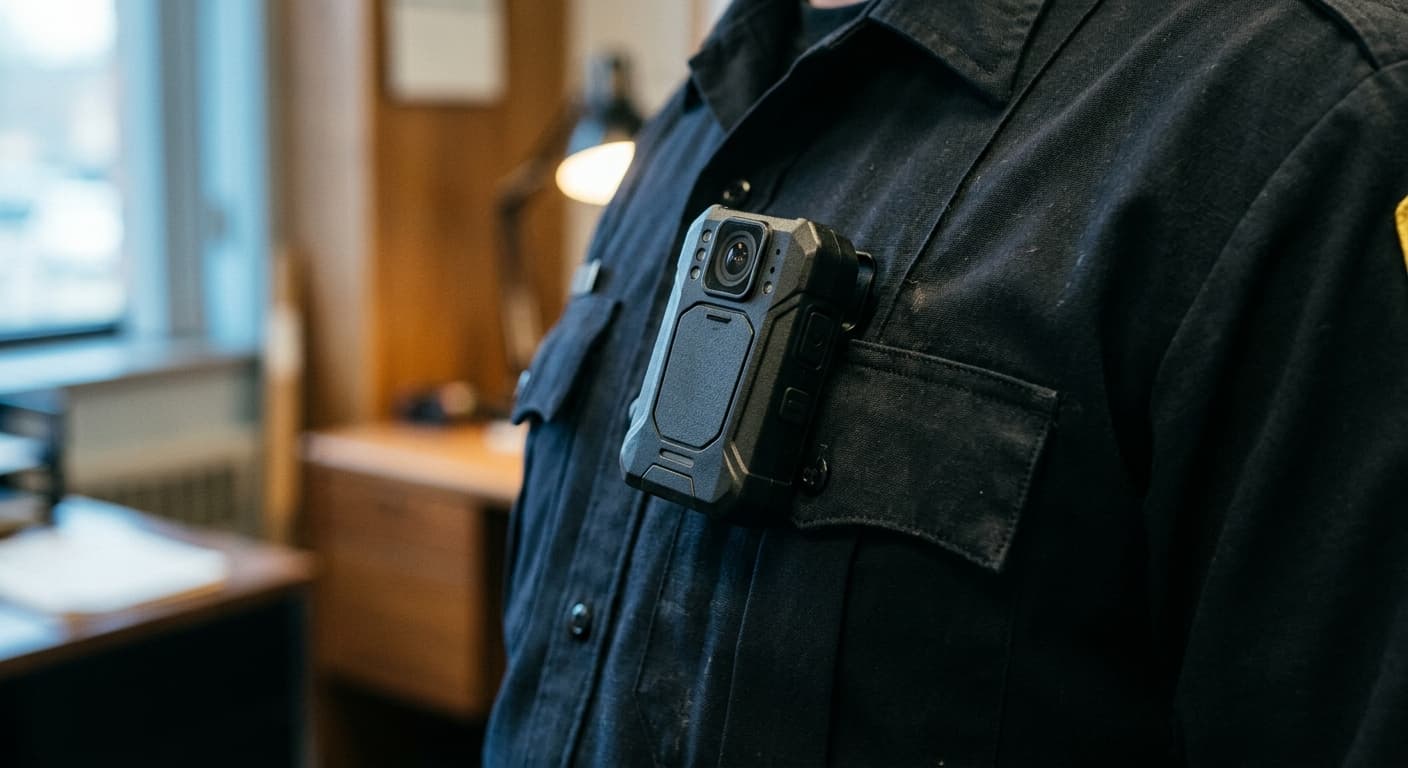
Wisconsin residents have a First Amendment right to record on-duty police officers in public. The Seventh Circuit Court of Appeals, which covers Wisconsin, has recognized this as constitutionally protected activity. Wisconsin's one-party consent law under Wis. Stat. 968.31 also permits you to record any conversation you are part of.
Recording police officers in Wisconsin is a constitutionally protected right. The First Amendment to the U.S. Constitution, as interpreted by federal courts including the Seventh Circuit Court of Appeals (which covers Wisconsin), protects the right of individuals to film law enforcement officers carrying out their duties in public spaces. Wisconsin's one-party consent law under Wis. Stat. 968.31 further supports this right by allowing you to record any conversation you participate in.
This guide covers the legal basis for recording police, practical advice for exercising this right safely, Wisconsin's body camera laws, and what to do if an officer attempts to stop you from filming.
The Constitutional Right to Record Police
First Amendment Protections
The right to record police officers performing their public duties is rooted in the First Amendment's protections for freedom of speech and freedom of the press. Federal courts have consistently held that recording government officials, including law enforcement officers, in the course of their public duties is a form of protected expression.
The U.S. Supreme Court has not directly ruled on the specific question of recording police, but multiple federal circuit courts have recognized this right. The principle behind these decisions is straightforward: the public has a right to gather information about how government officials exercise their authority, and recording is a modern means of doing so.
Seventh Circuit Precedent
Wisconsin falls within the jurisdiction of the U.S. Court of Appeals for the Seventh Circuit, which covers Wisconsin, Illinois, and Indiana. The Seventh Circuit has addressed the right to record police in several key decisions:
- In ACLU of Illinois v. Alvarez (2012), the Seventh Circuit struck down an Illinois eavesdropping statute that criminalized recording police officers in public, holding that the First Amendment protects the right to audio-record police performing their duties in public. While this case arose from Illinois, the ruling applies across the entire Seventh Circuit, including Wisconsin.
- The court reasoned that audio and video recording of matters of public interest, including police conduct, is protected by the First Amendment because it is an important means of gathering and disseminating information.
What This Right Covers
Your right to record police in Wisconsin includes:
- Traffic stops. You can record your own traffic stop from inside your vehicle. Passengers can also record.
- Arrests in public. Bystanders can record arrests that occur on public streets, sidewalks, and other public areas.
- Police interactions. You can record any conversation you have directly with an officer.
- Protests and demonstrations. Both participants and observers can record police activity at public gatherings.
- Public buildings. You can record police activity in areas of government buildings open to the public.
- Livestreaming. Real-time streaming of police encounters is protected to the same extent as recording for later review.
Practical Guidelines for Recording Police
How to Record Safely
While the right to record police is legally protected, exercising it safely requires awareness and preparation:
- Keep your distance. Stand far enough away that you are clearly not interfering with the officer's work. A reasonable distance is typically 10 to 25 feet, though circumstances vary.
- Do not physically intervene. Your right is to observe and record, not to interfere with police operations.
- Keep your hands visible. When recording with a phone, hold it in a way that officers can see your hands are not holding a weapon.
- Identify yourself if asked. While you generally do not have to provide identification as a bystander, being cooperative about non-invasive requests can prevent escalation.
- Do not cross police tape or enter restricted areas. Lawful orders to stay behind a perimeter are valid even when you are recording.
- Use cloud backup. Set your phone to automatically upload recordings to cloud storage so footage is preserved even if your device is confiscated.
What Officers Can and Cannot Do
Officers CANNOT:
- Order you to stop recording solely because you are recording
- Demand that you delete footage or photos
- Search the contents of your phone or camera without a warrant once it is in their possession, even if it was lawfully seized incident to an arrest (per the U.S. Supreme Court's ruling in Riley v. California, 573 U.S. 373 (2014))
- Arrest you solely for recording their activities in public
- Retaliate against you for exercising your recording rights
Officers CAN:
- Issue lawful orders for you to move back for safety reasons
- Establish a perimeter around an active crime scene or emergency
- Arrest you if your recording activity crosses the line into obstruction or interference
- Ask you to identify yourself during a lawful Terry stop if they have reasonable suspicion of criminal activity
If an Officer Tells You to Stop Recording
If a police officer tells you to stop recording:
- Stay calm and polite. Do not argue aggressively or become confrontational.
- Verbally assert your right. You can say something like: "Officer, I am exercising my First Amendment right to record. I am not interfering with your work."
- Comply with other lawful orders. If told to move back, move back while continuing to record from a greater distance.
- Do not resist if detained. If an officer detains or arrests you, do not physically resist. Assert your rights verbally and comply physically. Challenge the action in court, not on the street.
- File a complaint afterward. Contact the police department's internal affairs division or the ACLU of Wisconsin to report the incident.
Wisconsin's One-Party Consent and Police Recording
Recording Conversations With Officers
Under Wis. Stat. 968.31, Wisconsin's one-party consent law, you can record any conversation you participate in with a police officer without informing them. This includes:
- Conversations during a traffic stop
- Discussions at your front door during a welfare check
- Phone calls to or from police departments
- Interviews at a police station (if you are a voluntary participant)
Recording Other People's Interactions With Police
As a bystander recording someone else's interaction with police in a public place, you are generally protected because there is no reasonable expectation of privacy in public. The First Amendment right to record covers bystander recording even when the one-party consent wiretapping statute does not directly apply.
Wisconsin Body Camera Laws

Wis. Stat. 165.87
Wisconsin enacted Wis. Stat. 165.87 to regulate the use of body cameras by law enforcement agencies. This statute does not mandate that agencies use body cameras, but it requires any agency that does use them to adopt a written policy. Required policy elements include:
- When officers must activate and deactivate cameras
- How recorded data is stored, retained, and destroyed
- Who can access the recordings and under what circumstances
- How the recordings interact with the Wisconsin Open Records Law
- Training requirements for officers who use body cameras
Retention and Public Access
Body camera recordings are generally subject to Wisconsin's Open Records Law (Wis. Stat. 19.31-19.39). However, law enforcement agencies may redact or withhold recordings in certain circumstances:
- Recordings that are part of an active investigation
- Recordings that contain personally identifiable information of crime victims
- Recordings made inside private residences (which may have privacy implications)
- Recordings involving minors
To request body camera footage, submit a written open records request to the law enforcement agency. The agency must respond within a reasonable time, and any denial must be accompanied by specific reasons.
Major Wisconsin Law Enforcement Body Camera Policies
Most major Wisconsin law enforcement agencies, including the Milwaukee Police Department, Madison Police Department, and Wisconsin State Patrol, have adopted body camera policies under Wis. Stat. 165.87. These policies generally require officers to activate cameras during:
- Traffic stops
- Arrests and detentions
- Searches
- Uses of force
- Interactions with the public during investigations
Dashcam and In-Car Camera Systems
Many Wisconsin law enforcement vehicles are equipped with dashcam systems that record video and audio during traffic stops and other encounters. These recordings are also subject to the Open Records Law. The audio component is generally permissible because the officer (as a party to the conversation) provides consent.
Recording in Courthouses and Jails
Courthouses
Recording inside Wisconsin courthouses is generally more restricted than recording on public streets. Individual courts may have rules prohibiting recording in courtrooms without the judge's permission. Under Wisconsin Supreme Court Rule 61.11, media organizations may request permission to record court proceedings, but members of the public do not have an automatic right to film inside courtrooms.
Public areas of courthouses, such as lobbies and hallways, may be subject to local rules that vary by county.
Jails and Detention Facilities
Recording inside jails and detention facilities is generally prohibited by facility rules. Visitors and inmates do not have a right to record inside these secure facilities. However, phone calls from jails are routinely recorded by the facility, and inmates are typically notified of this at the beginning of each call.
Filing Complaints for Recording Rights Violations
Internal Affairs Complaints
If a police officer violates your right to record, you can file a complaint with the officer's department. Most Wisconsin law enforcement agencies have an internal affairs division or a citizen complaint process. Include:
- The date, time, and location of the incident
- The officer's name or badge number if known
- A description of what happened
- Any witnesses
- Any evidence (such as your own recording of the encounter)
Civil Rights Lawsuits
If your recording rights are violated by a police officer, you may have grounds for a civil rights lawsuit under 42 U.S.C. 1983. This federal statute allows individuals to sue state actors (including police officers) who violate their constitutional rights. Potential claims include:
- First Amendment retaliation for exercising recording rights
- Fourth Amendment violation for unlawful seizure of your recording device
- Fourth Amendment violation for unlawful arrest based solely on recording activity
ACLU Resources
The ACLU of Wisconsin provides resources and legal assistance for individuals whose recording rights have been violated. They have published guidance on recording police activity and may take cases involving significant civil liberties violations.
More Wisconsin Recording Laws
Audio Recording | Video Recording | Voyeurism & Hidden Cameras | Workplace Recording | Recording Police | Phone Call Recording | Security Cameras | Recording in Public | Landlord-Tenant | Dashcam Laws | Schools | Medical Recording
Back to Wisconsin Recording Laws
More Wisconsin Recording Topics
More Wisconsin Laws
Frequently Asked Questions
Can I legally record police officers in Wisconsin?
Yes. The First Amendment protects your right to record police officers performing their duties in public places. The Seventh Circuit Court of Appeals, which covers Wisconsin, has recognized this right. You can record traffic stops, arrests, and other police activities from a safe distance without interfering.
Can a police officer make me delete my recording in Wisconsin?
No. Officers cannot order you to delete footage or photos. The U.S. Supreme Court held in Riley v. California (2014) that police generally need a warrant to search a cell phone's contents, even though they may lawfully seize the device itself incident to an arrest. Demanding deletion of recordings is not a lawful order.
Can I be arrested for recording police in Wisconsin?
You cannot be lawfully arrested solely for recording police in public. However, if your recording activity interferes with police operations, obstructs an officer, or involves trespassing, you could face charges for those separate offenses. Always maintain a safe distance and comply with lawful orders.
Do Wisconsin police have to wear body cameras?
Wisconsin does not require police officers to wear body cameras. However, Wis. Stat. 165.87 requires any law enforcement agency that chooses to use body cameras to adopt a written policy covering activation, retention, access, and disclosure. Most major agencies in Wisconsin have adopted body cameras voluntarily.
How do I get police body camera footage in Wisconsin?
Submit a written open records request to the law enforcement agency under Wisconsin's Open Records Law (Wis. Stat. 19.31-19.39). The agency must respond within a reasonable time. They may redact portions involving active investigations, crime victims, or minors, and must provide specific reasons for any denial.
Updates
Corrected three passages that inverted the Riley v. California rule (police may lawfully seize a phone or camera incident to an arrest, but need a warrant to search its stored contents) and fixed a dead Wisconsin Open Records Law citation link.
Independently fact-checked against the cited primary sources; governing law re-checked for recent changes
Governing law re-checked for recent changes
Corrected the body-camera statute citation from Wis. Stat. 175.47 (which actually governs officer-involved death investigations) to the real body-camera statute, Wis. Stat. 165.87, verified against the official Wisconsin Legislature text.
Corrected the Sources box entry that still cited Wis. Stat. 175.47 as the body-camera statute to the real body-camera statute, Wis. Stat. 165.87, matching the body-text correction already applied.
Governing law re-checked for recent changes
Reviewed and approved by an editor
The Law Behind This Article
This article rests on the statutory provisions below, held in our own legal record and retrieved from the official source. Tap a section to read the operative text.
Wisconsin Statutes, Chapter 968: Commencement Of Criminal Proceedings
§ 968.31Interception and disclosure of wire, electronic or oral communications prohibited.In forcecited in 22 of our articles
(1) Except as otherwise specifically provided in ss. 196.63 or 968.28 to 968.30, whoever commits any of the acts enumerated in this section is guilty of a Class H felony: (a) Intentionally intercepts, attempts to intercept or procures any other person to intercept or attempt to intercept, any wire, electronic or oral communication. (b) Intentionally uses, attempts to use or procures any other person to use or attempt to use any electronic, mechanical or other device to intercept any oral communication. (c) Discloses, or attempts to disclose, to any other person the contents of any wire, electronic or oral communication, knowing or having reason to know that the information was obtained through the interception of a wire, electronic or oral communication in violation of this section or under circumstances constituting violation of this section. (d) Uses, or attempts to use, the contents of any wire, electronic or oral communication, knowing or having reason to know that the information was obtained through the interception of a wire, electronic or oral communication in violation of this section or under circumstances constituting violation of this section.
Official text (excerpt) · last checked 2026-08-31 · Read the full text in our law library · Verify at docs.legis.wisconsin.gov
Cited in 23 court opinions in our collectionLatest citing opinion in our collection: 2026
In the courts (editorial summary, independently checked):State v. Maloney held recordings made with one party's prior consent fall under Section 968.31(2)(b) and (c), and that aiding a police sting is not an "injurious act." State v. Gilmore pointed to 968.31(2m) damages and 968.31(1)(e) penalties, reserving suppression for illegal interceptions.
Opinions citing this section in our collection:
- State v. Maloney (Wisconsin Supreme Court 2005, 281 Wis. 2d 595)✓A homicide suspect's girlfriend let police record her hotel room conversations with him in Las Vegas; the court held the videotapes lawful under 968.31(2)(b) and (c) because she was a consenting party, and that helping a lawful sting is not an injurious act.
- State v. Popenhagen (Wisconsin Supreme Court 2008, 309 Wis. 2d 601)“…Arnold, 51 Wis.2d at 442 , 187 N.W.2d 354 (citing Wis. Stat. § 968.31 (2)(b)). However, in considering all th…”
- State v. Gilmore (Wisconsin Supreme Court 1996, 201 Wis. 2d 820)✓Prosecutors filed a public complaint quoting 27 pages of lawfully wiretapped calls; the court held the unsealed filing violated the surveillance law but refused suppression, pointing to the civil action in 968.31(2m) and the criminal penalty in 968.31(1)(e) as the remedies.
Identified automatically from the court opinions citing this section — not a ranking of which case controls.
Also relied on in: One-Party Consent States: Complete 2026 Guide, Wisconsin Security Camera Laws: Home, Business, and HOA Rules (2026), Wisconsin Video Recording Laws: Surveillance, Filming, and Privacy Rules (2026)
Wisconsin Statutes, Chapter 165: Department Of Justice
§ 165.87Body cameras and law enforcement.In forcecited in 7 of our articles
(1) If a law enforcement agency uses a body camera on a law enforcement officer, the law enforcement agency shall do all of the following: (a) Administer a written policy regarding all of the following: 1. The use, maintenance, and storage of body cameras and data recorded by the body cameras. 2. Any limitations the law enforcement agency imposes on which law enforcement officers may wear a body camera. 3. Any limitations the law enforcement agency imposes on situations, persons, or encounters that may be recorded by a body camera. (b) Train all law enforcement officers wearing a body camera on the policy under par. (a) and on the requirements under sub. (2). (c) Train all employees that use, maintain, store, or release data from a body camera on the policy under par. (a) and on the requirements under subs. (2) and (3). (d) Periodically review practices regarding the body cameras and data from body cameras to ensure compliance with the policy under par. (a) and the requirements under subs. (2) and (3). (e) If the law enforcement agency maintains an Internet site or has an Internet site maintained on its behalf, make the policy under par.
Official text (excerpt) · last checked 2026-08-31 · Read the full text in our law library · Verify at docs.legis.wisconsin.gov
Cited in 1 court opinions in our collectionLatest citing opinion in our collection: 2022
Opinions citing this section in our collection:
- Pressley v. City of South Milwaukee (District Court, E.D. Wisconsin 2022)“…3. The plaintiff argues that the defendants have relied on Wis. Stat. §165.87(3)(c) to avoid giving him the body came…”
Identified automatically from the court opinions citing this section — not a ranking of which case controls.
Also relied on in: Wisconsin Police Body Camera Laws: Wis. Stat. 165.87, Wisconsin Recording Laws (2026): One-Party Consent Rules, Wisconsin Laws on Recording in Public: Filming, Photography, and Privacy (2026)
Wisconsin Statutes, Chapter 19: General Duties Of Public Officials
§ 19.31Declaration of policy.In forcecited in 2 of our articles
In recognition of the fact that a representative government is dependent upon an informed electorate, it is declared to be the public policy of this state that all persons are entitled to the greatest possible information regarding the affairs of government and the official acts of those officers and employees who represent them. Further, providing persons with such information is declared to be an essential function of a representative government and an integral part of the routine duties of officers and employees whose responsibility it is to provide such information. To that end, ss. 19.32 to 19.37 shall be construed in every instance with a presumption of complete public access, consistent with the conduct of governmental business. The denial of public access generally is contrary to the public interest, and only in an exceptional case may access be denied.
Official text (excerpt) · last checked 2026-07-29 · Read the full text in our law library · Verify at docs.legis.wisconsin.gov
Also relied on in: Wisconsin Public Records Law: No Fixed Deadline, Real Penalties (2026)
United States Code Title 42
§ 1983Civil action for deprivation of rightsIn forcecited in 50 of our articles
Every person who, under color of any statute, ordinance, regulation, custom, or usage, of any State or Territory or the District of Columbia, subjects, or causes to be subjected, any citizen of the United States or other person within the jurisdiction thereof to the deprivation of any rights, privileges, or immunities secured by the Constitution and laws, shall be liable to the party injured in an action at law, suit in equity, or other proper proceeding for redress, except that in any action brought against a judicial officer for an act or omission taken in such officer’s judicial capacity, injunctive relief shall not be granted unless a declaratory decree was violated or declaratory relief was unavailable. For the purposes of this section, any Act of Congress applicable exclusively to the District of Columbia shall be considered to be a statute of the District of Columbia.
Official text (excerpt) · last checked 2026-07-28 · Read the full text in our law library · Verify at uscode.house.gov
Cited in 282,365 court opinions in our collectionLatest citing opinion in our collection: 2026
Opinions citing this section in our collection:
- Ashcroft v. Iqbal (Supreme Court of the United States 2009, 556 U.S. 662)“…its brought against state officials under Rev. Stat. §1979, 42 U. S. C. §1983.” Hartman, 547 U. S., at 254, n. 2. Cf.…”
- Celotex Corp. v. Catrett, Administratrix of the Estate of Catrett (Supreme Court of the United States 1986, 477 U.S. 317)“…policeman as she left. Petitioner brought an action under 42 U. S. C. § 1983 claiming that the refusal of service a…”
- Monell v. New York City Dept. of Social Servs. (Supreme Court of the United States 1978, 436 U.S. 658)“…decided less than two decades ago. Focusing new light on 42 U. S. C. § 1983 , that decision widened access to the f…”
Identified automatically from the court opinions citing this section — not a ranking of which case controls.
Also relied on in: Alabama Laws on Recording Police: Your Rights and Limits, Alaska Laws on Recording Police: Your Rights and Limits (2026), Arkansas Laws on Recording Police: Your Rights and Limits (2026)
Search our full record of US law — 2.1 million sections, every state + federal →
Sources and References
- Wis. Stat. 165.87 - Body Cameras(docs.legis.wisconsin.gov).gov
- Wis. Stat. 968.31 - Interception and Disclosure(docs.legis.wisconsin.gov).gov
- Wis. Stat. 19.31 - Open Records Law(docs.legis.wisconsin.gov).gov
- 42 U.S.C. 1983 - Civil Rights(law.cornell.edu)
- ACLU of Wisconsin - Recording Police(aclu-wi.org)
- U.S. DOJ - Civil Rights Division(justice.gov).gov
- Wisconsin Courts(wicourts.gov).gov
- Riley v. California, 573 U.S. 373 (2014)(law.cornell.edu)