
Oregon
Oregon Security Camera Laws: Installation, Audio, and Privacy Rules
Independently fact-checked against primary sources (last audited August 22, 2026). · Reviewed by the RecordingLaw editorial team. · Law checked current as of August 22, 2026. · 5 primary sources cited on this page. How we verify our legal content
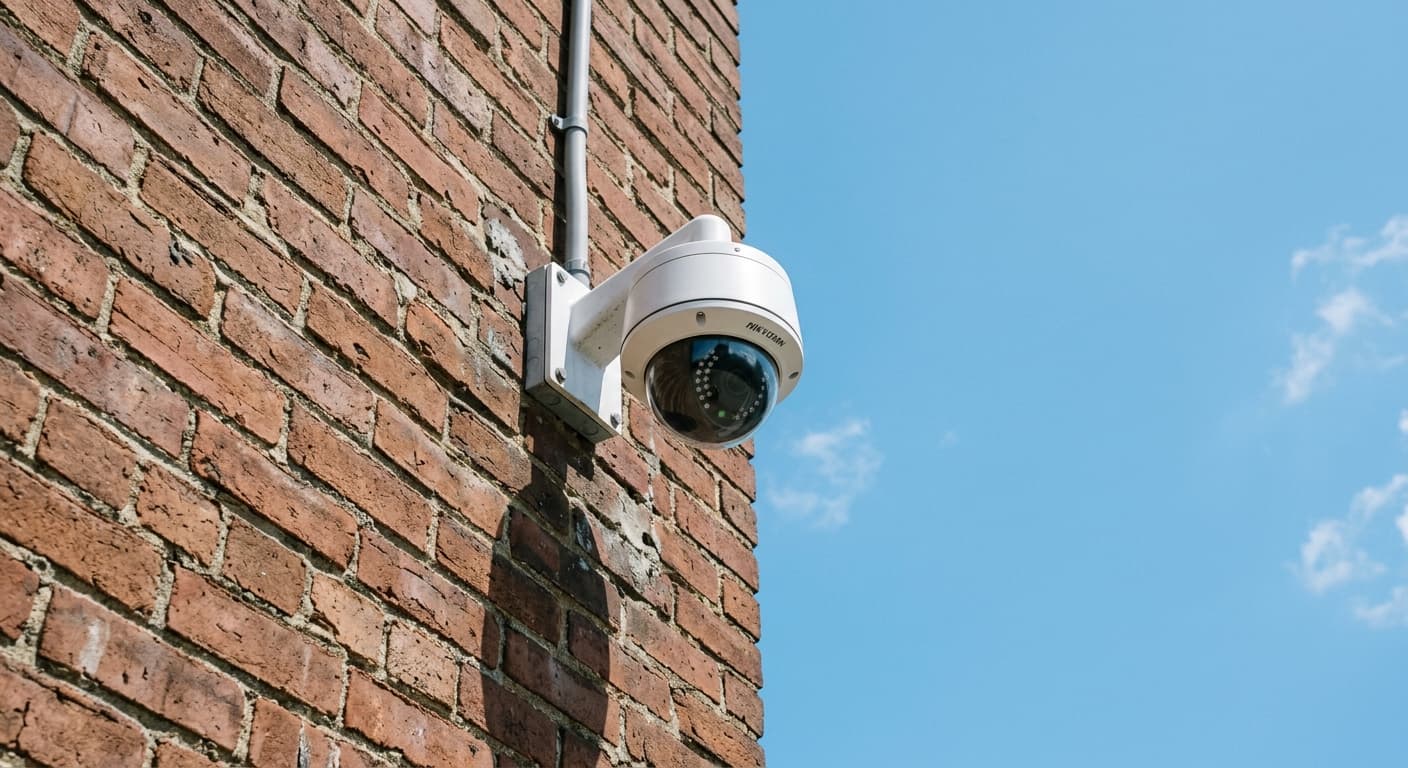
In Oregon, video-only security cameras are legal on your own property and fall outside the wiretapping statute ORS 165.540. Adding audio requires all-party notification for in-person conversations under ORS 165.540(1)(c). Oregon law bars cameras from bathrooms, dressing rooms, and other private spaces under ORS 163.700.
Oregon security camera laws involve the intersection of two legal frameworks. The wiretapping statute, ORS 165.540, governs any security camera that captures audio. The invasion of personal privacy statutes, ORS 163.700 and ORS 163.701, restrict cameras in areas where people have a reasonable expectation of privacy, regardless of whether audio is involved.
This guide covers everything you need to know about legally installing and operating security cameras in Oregon in 2026, including residential systems, business surveillance, audio-enabled cameras, and privacy limitations.
Video-Only Security Cameras in Oregon
General Legality
Video-only security cameras that do not capture audio are not governed by Oregon's wiretapping statute. ORS 165.540 addresses the interception of communications, specifically audio. A camera that records only visual images does not intercept a conversation.
This means video-only security cameras are generally legal when placed in:
- Driveways and parking areas
- Building exteriors and entryways
- Retail sales floors and lobbies
- Office common areas and hallways
- Warehouses and storage facilities
- Front porches and backyards on your own property
Where Video-Only Cameras Are Prohibited
Even without audio, security cameras cannot be placed where they would violate Oregon's invasion of personal privacy statutes:
- Bathrooms and restrooms in any setting
- Dressing rooms and fitting rooms in retail stores
- Locker rooms and showers in gyms, schools, and workplaces
- Tanning booths and similar private enclosures
- Bedrooms in other people's homes (or aimed through windows into them)
- Any location where the camera records intimate areas of a person who has a reasonable expectation of privacy
Violation of ORS 163.700 is a Class A misdemeanor punishable by up to 364 days in jail and a $6,250 fine. If the recording captures a full state of nudity, or if the person recording has a prior conviction for invasion of privacy, public indecency, private indecency, or a sex crime, the offense rises to a Class C felony under ORS 163.701, carrying up to 5 years in prison.
Security Cameras With Audio in Oregon
The Split Consent Problem
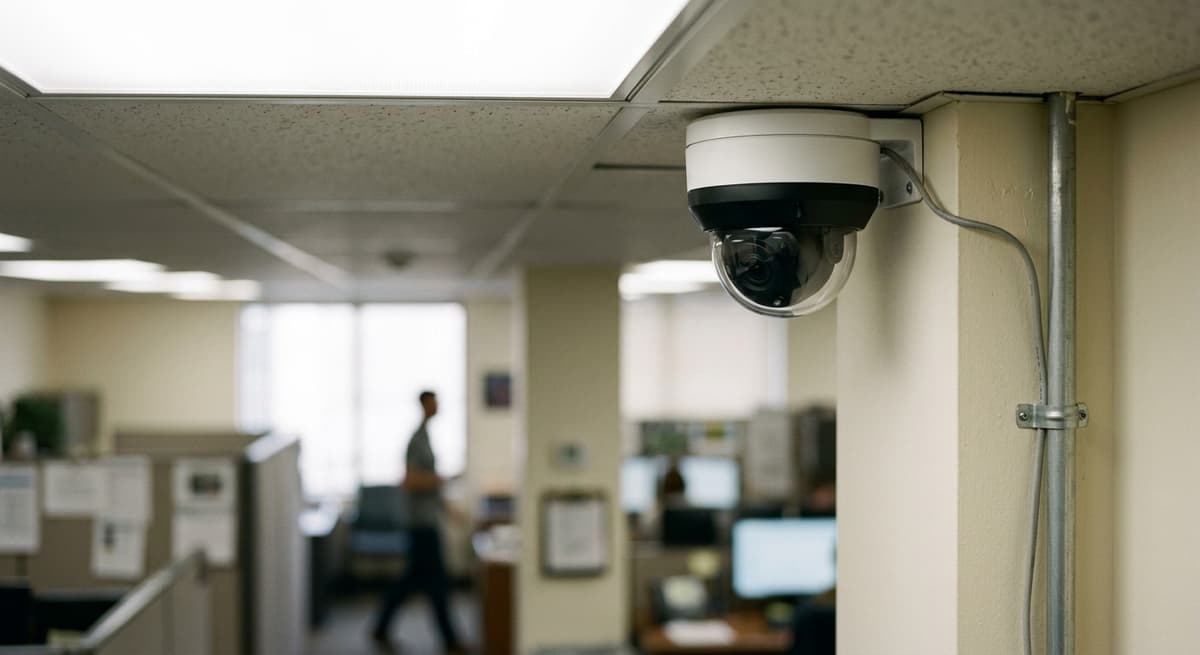
Adding audio to a security camera changes the legal analysis entirely. Oregon's split consent framework under ORS 165.540 applies:
- Audio capturing telephone/electronic communications: One-party consent (rarely relevant for security cameras)
- Audio capturing in-person conversations: All-party notification required under ORS 165.540(1)(c)
A security camera that records audio of in-person conversations in its range triggers the all-party notification requirement. Every person whose conversation is captured must be specifically informed before recording.
Practical Challenges
The all-party notification requirement creates practical challenges for security cameras with audio:
- Security cameras operate continuously, making it difficult to notify each person before every conversation
- A "Recording in Progress" sign may help but may not satisfy the statute's requirement that participants be "specifically informed"
- Outdoor cameras may capture conversations of passersby who cannot reasonably be notified
Compliance Strategies for Audio-Enabled Cameras
If you want to use security cameras with audio in Oregon:
- Consider disabling audio. The simplest approach is to turn off the microphone. Video-only recording avoids the notification requirement entirely.
- Post prominent signage. If you keep audio enabled, post clearly visible signs stating "Audio and Video Recording in Progress" at every entrance to the recorded area.
- Limit audio range. Position cameras so audio capture is limited to areas where notification signage is prominently displayed.
- Use audio only in controlled access areas. In business settings, audio-enabled cameras work best in areas where all entrants pass through a point where they see clear notification.
- Document your notification procedures. Keep records showing how you inform people about audio recording.
Residential Security Cameras
Your Property, Your Cameras
Oregon homeowners and renters have broad rights to install security cameras on their own property:
- Exterior cameras: Record your own yard, driveway, porch, entryway, and perimeter
- Interior cameras: Record common areas inside your home, including living rooms, kitchens, and hallways
- Doorbell cameras: Install Ring, Nest, or similar devices on your front door
Limits on Residential Cameras
Even on your own property, some restrictions apply:
Neighbor privacy. You should not aim cameras to record inside a neighbor's home. While Oregon courts have not established bright-line rules about camera angles, recording through a neighbor's windows could support claims of invasion of privacy or harassment.
Guest and tenant privacy. If you have guests, roommates, or tenants, security cameras in shared living spaces raise privacy concerns. Audio-enabled cameras in areas where in-person conversations occur require notification of all household members and guests.
Audio capture. Any residential camera that records audio of in-person conversations triggers the ORS 165.540(1)(c) notification requirement. This includes doorbell cameras, backyard cameras, and indoor cameras that capture conversations.
Doorbell Camera Considerations
Doorbell cameras like Ring, Nest Hello, and Arlo are extremely popular in Oregon. These devices typically record both video and audio. Because the audio component captures in-person conversations at your doorstep:
- The all-party notification requirement technically applies
- The unconcealed device exception under ORS 165.540(6)(a) may apply if the camera is clearly visible
- Post a small sign near the doorbell stating that audio and video recording is in use
- Consider whether disabling the audio feature is practical for your security needs
Business Security Camera Rules

Permitted Uses
Oregon businesses can use security cameras for:
- Loss prevention: Monitoring retail areas for theft
- Employee safety: Recording work areas for safety compliance
- Building security: Monitoring entrances, exits, and parking areas
- Liability protection: Documenting incidents on business premises
Installation Guidelines
| Area | Video Only | Video + Audio |
|---|---|---|
| Sales floor | Permitted | Notification required |
| Lobby/reception | Permitted | Notification required |
| Parking lot | Permitted | Notification required |
| Warehouse | Permitted | Notification required |
| Hallways | Permitted | Notification required |
| Bathrooms | Prohibited | Prohibited |
| Changing rooms | Prohibited | Prohibited |
| Break rooms (changing) | Prohibited | Prohibited |
| Private offices | Permitted with notice | Notification required |
Employee Notification
Oregon employers should:
- Provide written notice of all surveillance policies in the employee handbook
- Inform employees of camera locations and whether audio is captured
- Obtain written acknowledgment from employees that they understand the surveillance policy
- Update employees when camera systems are added or modified
- Never use cameras punitively or to target specific employees
Homeowners Associations and Security Cameras
HOA Authority Over Cameras
Oregon homeowners associations can adopt rules regarding exterior security cameras. Common HOA restrictions include:
- Limits on camera visibility from common areas
- Requirements for specific camera mounting locations
- Restrictions on camera types or sizes for aesthetic reasons
- Rules about camera angles that may record common areas
HOA Common Area Cameras
HOAs can install security cameras in common areas such as:
- Parking structures and lots
- Building lobbies and entrances
- Pool areas and fitness rooms
- Playgrounds and community spaces
Audio recording in these areas requires compliance with ORS 165.540(1)(c). HOAs should post prominent signage and include surveillance disclosure in governing documents provided to residents.
Data Storage and Retention
Storing Security Camera Footage
Oregon does not have a general statute mandating specific retention periods for private security camera footage. However, best practices include:
- Retain footage for at least 30 days for security purposes
- Maintain longer retention if footage captures an incident under investigation
- Store footage securely to prevent unauthorized access
- Implement automatic overwrite schedules for routine footage
- Back up critical footage to a separate location
Sharing Security Camera Footage
You can voluntarily share security camera footage from your own cameras with law enforcement or other parties. However:
- Law enforcement generally needs a warrant to compel production of security camera footage from private parties
- Sharing footage that contains audio recorded in violation of ORS 165.540 could create additional legal exposure
- Footage shared on social media that captures private conversations may raise liability concerns
Penalties for Security Camera Violations
Wiretapping (Audio Violations)
| Penalty | Maximum |
|---|---|
| Jail time | Up to 364 days |
| Fine | Up to $6,250 |
| Civil damages | Actual damages (min. $100/day or $1,000) + punitive + attorney fees |
Invasion of Privacy (Camera Placement Violations)
| Offense | Classification | Maximum Penalty |
|---|---|---|
| ORS 163.700 (Second Degree) | Class A misdemeanor | 364 days jail, $6,250 fine |
| ORS 163.701 (First Degree) | Class C felony | 5 years prison, $125,000 fine |
Oregon Recording Laws by Topic
Phone Call Recording | Audio Recording | Video Recording | Workplace Recording | Recording Police | Security Cameras | Recording in Public | Landlord-Tenant | Dashcam Laws | Schools | Medical Recording | Voyeurism & Hidden Cameras
More Oregon Recording Topics
See Also
- Oregon Surveillance Camera Laws covers home, HOA, neighbor, workplace, and landlord camera rules in Oregon.
More Oregon Laws
Frequently Asked Questions
Are security cameras legal in Oregon?
Yes. Video-only security cameras are legal in Oregon in most locations. They are not governed by the wiretapping statute. However, cameras cannot be placed in bathrooms, dressing rooms, or other areas where people have a reasonable expectation of privacy. Adding audio to cameras triggers the all-party notification requirement under ORS 165.540(1)(c).
Can my security camera record audio in Oregon?
Security cameras with audio that capture in-person conversations must comply with the all-party notification requirement under ORS 165.540(1)(c). Every person whose conversation is recorded must be specifically informed. The simplest compliance strategy is to disable audio recording or post prominent notification signage.
Can I point my security camera at my neighbor's property in Oregon?
You should aim cameras at your own property. While no specific Oregon statute prohibits pointing cameras toward a neighbor's exterior property, recording through their windows or into private areas of their home could support invasion of privacy claims. Aim cameras at your driveway, yard, and entryways.
Does my business need to post signs about security cameras in Oregon?
Oregon law does not specifically require signage for video-only cameras, but it is a strong best practice. If cameras record audio, the all-party notification requirement under ORS 165.540(1)(c) effectively requires prominent notification. Signs also deter theft and demonstrate good faith.
Can my landlord install security cameras in my apartment in Oregon?
A landlord can install security cameras in common areas of a rental property (lobbies, parking lots, exterior hallways). A landlord cannot install cameras inside your rental unit without your consent, and cameras must never be placed in bathrooms or other private spaces.
Updates
Independently fact-checked against the cited primary sources; governing law re-checked for recent changes
Corrected the fabricated first-degree invasion-of-privacy felony triggers (dissemination, victim under 18) to the statute's actual triggers (full state of nudity or a qualifying prior conviction), and fixed the doorbell-camera section's citation of Oregon's unconcealed-device exception from (2) to the correct (6)(a).
Removed a backwards parenthetical comparing ORS 163.701's nudity felony trigger to ORS 163.700's "intimate area" definition. ORS 163.700 defines "intimate area" as nudity OR covered undergarments, so nudity is the narrower category, not a "broader standard."
Governing law re-checked for recent changes
Reviewed and approved by an editor
The Law Behind This Article
This article rests on the statutory provisions below, held in our own legal record and retrieved from the official source. Tap a section to read the operative text.
Oregon Revised Statutes, Chapter 165: Offenses Involving Fraud or Deception
§ 165.540Obtaining contents of communicationsIn forcecited in 19 of our articles
(1) Except as otherwise provided in ORS 133.724 or 133.726 or subsections (2) to (8) of this section, a person may not: (a) Obtain or attempt to obtain the whole or any part of a telecommunication or a radio communication to which the person is not a participant, by means of any device, contrivance, machine or apparatus, whether electrical, mechanical, manual or otherwise, unless consent is given by at least one participant. (b) Tamper with the wires, connections, boxes, fuses, circuits, lines or any other equipment or facilities of a telecommunication or radio communication company over which messages are transmitted, with the intent to obtain unlawfully the contents of a telecommunication or radio communication to which the person is not a participant. (c) Obtain or attempt to obtain the whole or any part of a conversation by means of any device, contrivance, machine or apparatus, whether electrical, mechanical, manual or otherwise, if not all participants in the conversation are specifically informed that their conversation is being obtained.
Official text (excerpt) · last checked 2026-08-31 · Read the full text in our law library · Verify at oregonlegislature.gov
Cited in 76 court opinions in our collectionLatest citing opinion in our collection: 2026
In the courts (editorial summary, independently checked):State v. Fleetwood (2000) applied ORS 165.540 to body wire evidence, holding that words spoken into a telephone are a telecommunication under subsection (1)(a) and that the (5)(a)(B) exception fails unless the officer or the officer's agent shares reciprocally in the conversation, so the recordings were inadmissible.
Opinions citing this section in our collection:
- State v. Klein (Oregon Supreme Court 2012, 352 Or. 302)“…eing 3 recorded. Conversations recorded in violation of ORS 165.540 are not admissible in 4 court excep…”
- North Pacific Lumber Co. v. Oliver (Oregon Supreme Court 1979, 286 Or. 639)✓A lumber wholesaler secretly monitored traders' calls; on de novo review the court said the practice may have violated ORS 165.540 but refused to rest unclean hands on it, since the ex-employee's calls were never monitored. The employer's noncompete suit failed on other grounds.
- State v. Fleetwood (Oregon Supreme Court 2000, 331 Or. 511)✓A detective wired an informant and recorded the suspect's side of a phone call and his talks with his mother and a juvenile seller; the court held those interceptions violated ORS 165.540(1)(a) and (1)(c) because the informant was not a participant, and upheld suppression.
Identified automatically from the court opinions citing this section — not a ranking of which case controls.
Also relied on in: Oregon Recording Laws (2026): Hybrid One-Party and All-Party Rules, Oregon Voyeurism and Hidden Camera Laws: Offenses, Penalties, and Protections, Oregon Audio Recording Laws: Split Consent Rules for Conversations and Calls
Oregon Revised Statutes, Chapter 163: Offenses Against Persons
§ 163.700Invasion of personal privacy in the second degreeIn forcecited in 11 of our articles
(1) Except as provided in ORS 163.702, a person commits the crime of invasion of personal privacy in the second degree if: (a)(A) For the purpose of arousing or gratifying the sexual desire of the person, the person is in a location to observe another person in a state of nudity without the consent of the other person; and (B) The other person is in a place and circumstances where the person has a reasonable expectation of personal privacy; or (b)(A) The person knowingly makes or records a photograph, motion picture, videotape or other visual recording of another person’s intimate area without the consent of the other person; and (B) The person being recorded has a reasonable expectation of privacy concerning the intimate area. (2) As used in this section and ORS 163.701: (a) “Intimate area” means nudity, or undergarments that are being worn by a person and are covered by clothing.
Official text (excerpt) · last checked 2026-08-31 · Read the full text in our law library · Verify at oregonlegislature.gov
Cited in 16 court opinions in our collectionLatest citing opinion in our collection: 2023
In the courts (editorial summary, independently checked):State v. McQueen (2020) held that a person who intentionally exposes an intimate area to another has no reasonable expectation of privacy as to that person under ORS 163.700(1)(b)(B), reversing a conviction for secretly recording consensual sex. State v. Mayes (2008) read the nudity definition as reaching only post-pubescent people.
Opinions citing this section in our collection:
- State v. Parra-Sanchez (Court of Appeals of Oregon 2023, 324 Or. App. 712)“…wrong, and likely a criminal invasion of her privacy under ORS 163.700. To the extent that our case law regard…”
- State v. Rodriguez-Ganegar (Court of Appeals of Oregon 2003, 186 Or. App. 530)“…hat people were making love in it, the person would violate ORS 163.700(1)(b) by looking into the room in the m…”
- State v. Mayes (Court of Appeals of Oregon 2008, 220 Or. App. 385)✓A man hid cameras in workplace and office restrooms and secretly recorded women and two girls, ages nine and seven. The court held the nudity definition in ORS 163.700 reaches only post-pubescent people, measured from the onset of puberty, and reversed the seven-year-old's count.
Identified automatically from the court opinions citing this section — not a ranking of which case controls.
Also relied on in: Oregon Landlord-Tenant Recording Laws: Surveillance, Privacy, and Consent, Oregon Medical Recording Laws: Patient Rights, HIPAA, and Consent, Oregon School Recording Laws: Student, Parent, and Teacher Rights
§ 163.701Invasion of personal privacy in the first degreeIn forcecited in 6 of our articles
(1) Except as provided in ORS 163.702, a person commits the crime of invasion of personal privacy in the first degree if: (a)(A) The person knowingly makes or records a photograph, motion picture, videotape or other visual recording of another person in a state of nudity without the consent of the other person; and (B) At the time the visual recording is made or recorded the person being recorded is in a place and circumstances where the person has a reasonable expectation of personal privacy; or (b) The person violates ORS 163.700 and, at the time of the offense, has a prior conviction for: (A) Invasion of personal privacy in any degree, public indecency, private indecency or a sex crime as defined in ORS 163A.005; or (B) The statutory counterpart of an offense described in subparagraph (A) of this paragraph in another jurisdiction. (2)(a) Invasion of personal privacy in the first degree is a Class C felony. (b) The Oregon Criminal Justice Commission shall classify invasion of personal privacy in the first degree as crime category 6 of the sentencing guidelines grid of the commission.
Official text (excerpt) · last checked 2026-07-29 · Read the full text in our law library · Verify at oregonlegislature.gov
Cited in 6 court opinions in our collectionLatest citing opinion in our collection: 2023
Opinions citing this section in our collection:
- State v. Parra-Sanchez (Court of Appeals of Oregon 2023, 324 Or. App. 712)“…y, a Class A misdemeanor (ORS 163.700) or Class C fel- ony (ORS 163.701), but intended overt voyeurs to be guil…”
- State v. McQueen (Court of Appeals of Oregon 2020, 307 Or. App. 540)“…acknowl- edges that his conduct was “likely criminal” under ORS 163.701, the statute setting forth the crime of…”
- State v. Murphy (Court of Appeals of Oregon 2022, 319 Or. App. 330)“…was convicted of first-degree invasion of personal privacy, ORS 163.701, based on an incident involving his 15-…”
Identified automatically from the court opinions citing this section — not a ranking of which case controls.
Also relied on in: Oregon Video Recording Laws: Surveillance, Privacy, and Consent Rules, Oregon Smart Glasses Recording Laws (2026), Oregon Surveillance Camera Laws (2026 Guide)
Search our full record of US law — 2.1 million sections, every state + federal →
Sources and References
- ORS 165.540 - Obtaining Contents of Communications(oregonlegislature.gov).gov
- ORS 163.700 - Invasion of Personal Privacy in the Second Degree(oregonlegislature.gov).gov
- ORS 163.701 - Invasion of Personal Privacy in the First Degree(oregonlegislature.gov).gov
- ORS 133.739 - Civil Remedies for Willful Interception(oregonlegislature.gov).gov
- ORS 90 - Oregon Residential Landlord and Tenant Act(oregonlegislature.gov).gov