Kentucky Laws on Recording Police: Your First Amendment Rights
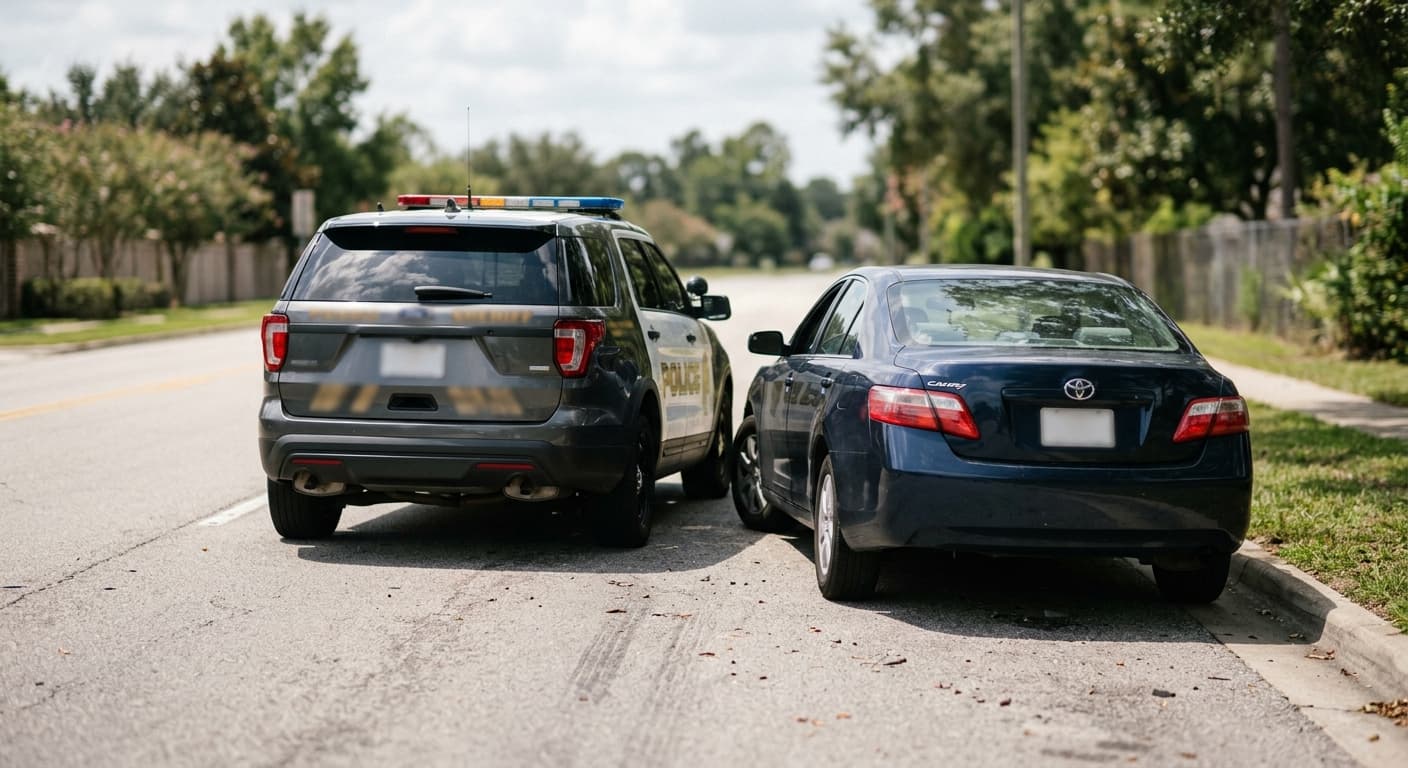
Kentucky law protects your right to record police officers in public. Learn the legal basis, practical limits, body camera rules, and what to do if officers order you to stop filming.
Loading...
Browse our full library of legal guides, state law breakdowns, and practical legal information.
2021 articles
Browse by Category →
Kentucky law protects your right to record police officers in public. Learn the legal basis, practical limits, body camera rules, and what to do if officers order you to stop filming.

Maryland law protects your right to record police in public. Learn about the Graber case, body camera rules under ss 10-402(c)(16), and how to record officers safely.

Learn Connecticut workplace recording laws including CGS 31-48d employer monitoring notice, employee recording rights, and penalties up to $3,000 per violation.

Oregon laws on recording police explained. First Amendment rights, split consent rules under ORS 165.540, body cameras, protest recording, and penalties.


Iowa school recording laws follow one-party consent under Iowa Code 808B.2. Learn FERPA protections, classroom recording rules, IEP rights, and student privacy.


Iowa dashcam laws allow video and audio recording under one-party consent (Iowa Code 808B.2). Learn windshield rules, evidence use, and the separate eavesdropping statute.

Kansas law protects your right to record police under the First Amendment and K.S.A. 21-6101. Learn your rights, limitations, body camera access, and remedies.

Learn South Carolina medical recording laws. Patients can record doctor visits under one-party consent (§ 17-30-30). Covers HIPAA, telehealth, facility policies, and evidence use.

Kansas audio recording laws allow one-party consent under K.S.A. 21-6101. Learn when you can legally record conversations, penalties for violations, and court admissibility rules.