
Tennessee
Tennessee Landlord-Tenant Recording Laws: Rights and Restrictions
Independently fact-checked against primary sources (last audited August 15, 2026). · Reviewed by the RecordingLaw editorial team. · Law checked current as of August 15, 2026. · 4 primary sources cited on this page. How we verify our legal content
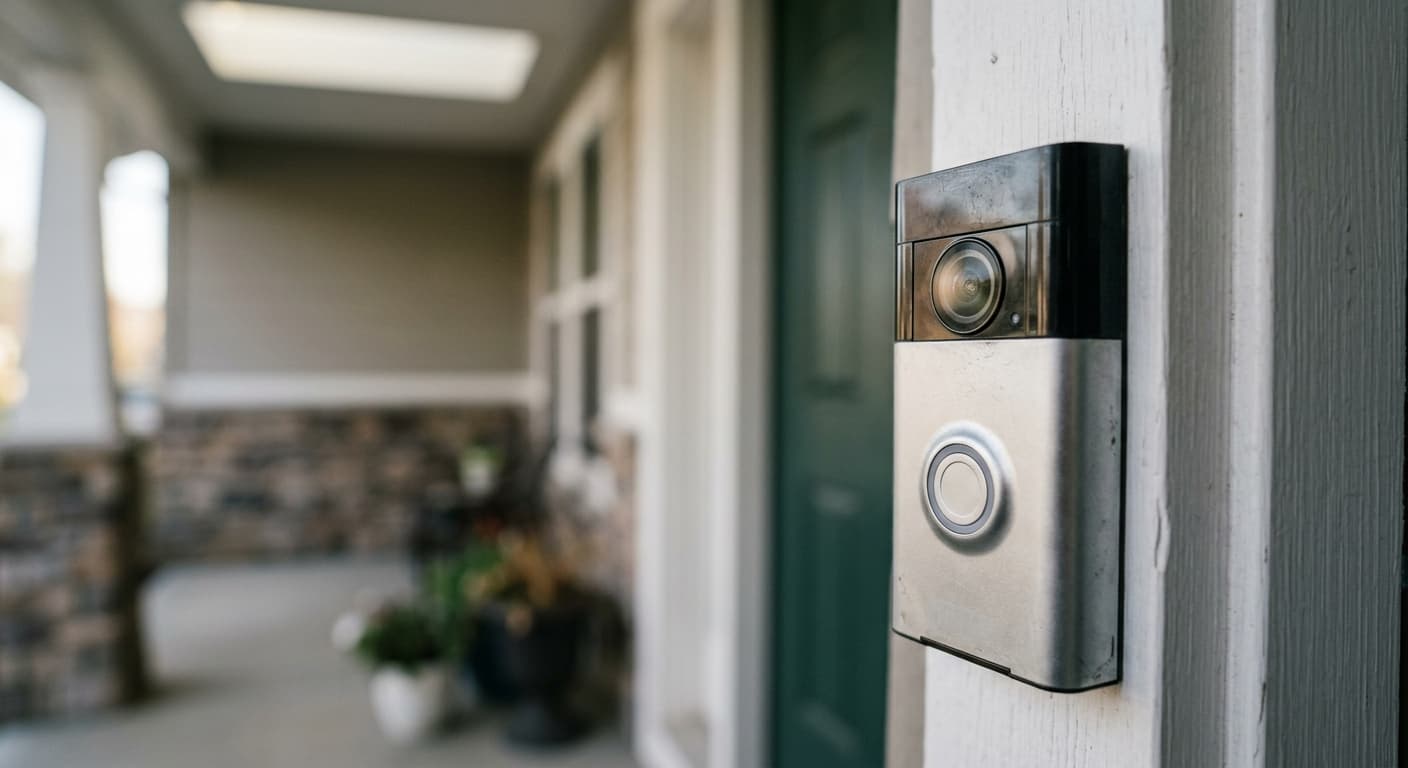
Tennessee is a one-party consent state under Tenn. Code Ann. section 39-13-601, so any party to a conversation may record it without notifying the other. Tenants may legally record landlord interactions, and landlords may not place hidden cameras inside a rental unit without the tenant's explicit consent.
Tennessee's one-party consent law gives both tenants and landlords important rights when it comes to recording. Tenants can record conversations with their landlord to document disputes, and landlords can install security cameras in common areas to protect their property. However, both parties must respect privacy boundaries.
This guide explains the recording rights and restrictions that apply to landlords and tenants in Tennessee, covering everything from security camera placement to using recordings in housing disputes.
Tenant Recording Rights
Recording Conversations With Your Landlord
Under Tenn. Code Ann. section 39-13-601, Tennessee is a one-party consent state. As a tenant, you can record any conversation you participate in with your landlord, property manager, maintenance staff, or leasing agent without notifying them. This includes:
- In-person conversations about rent, repairs, or lease terms
- Phone calls with your landlord or property management company
- Maintenance requests and responses
- Move-in and move-out inspections
- Meetings about lease renewals or terminations
- Any interaction where you are present and participating
Your own consent to the recording satisfies the legal requirement. You do not need to announce that you are recording or get the landlord's permission.
Why Tenants Record Landlord Interactions
Tenants commonly record interactions with landlords to:
- Document verbal agreements about repairs, rent adjustments, or lease modifications
- Preserve evidence of harassment including threats, discriminatory statements, or intimidation
- Record illegal entry by a landlord who enters without your consent outside of an emergency
- Document maintenance failures after verbal repair requests go unfulfilled
- Create a record for potential legal proceedings, small claims court, or housing complaints
- Protect against false accusations about property damage or lease violations
Illegal Entry by Landlords
Tennessee's landlord-tenant law under Tenn. Code Ann. section 66-28-403 frames landlord entry as a consent-based right: a tenant may not unreasonably withhold consent to a landlord's entry to inspect the premises, make repairs, or show the unit, and a landlord may enter without the tenant's consent only in an emergency. This rule applies only in Tennessee's larger counties: under Tenn. Code Ann. section 66-28-102, the Uniform Residential Landlord and Tenant Act, including section 66-28-403, applies only in counties with a population over 75,000 according to the 2010 federal census (Tennessee's largest counties, including Davidson, Shelby, Knox, and Hamilton). In smaller counties, landlord entry is governed by the lease and Tennessee common law instead. If your landlord enters without your consent outside these situations, recording the event provides important evidence. You can:
- Use your phone to record the landlord inside your unit
- Have security cameras running inside your rental unit (your own cameras, not the landlord's)
- Document the date, time, and circumstances of the entry
Recording Other Tenants
As a tenant, you can also record conversations you have with other tenants in shared spaces. However, you cannot:
- Plant recording devices in common areas to capture conversations you are not part of
- Record private conversations between other tenants through shared walls
- Use surveillance equipment to monitor other tenants' comings and goings
Landlord Recording and Surveillance Rights
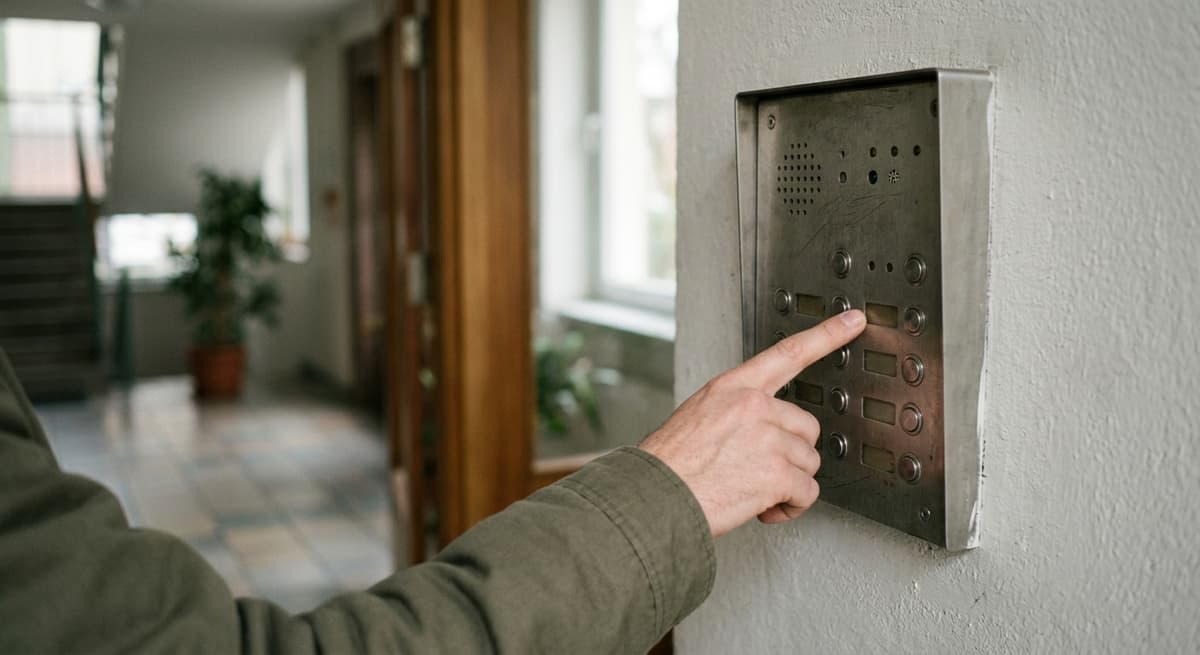
Security Cameras in Common Areas
Landlords in Tennessee can install security cameras in common areas of rental properties to protect their investment and ensure tenant safety. Permitted camera locations include:
- Building entrances and exits, including main doors and fire escapes
- Lobby and reception areas in apartment buildings
- Hallways and stairwells throughout the building
- Parking lots and garages on the rental property
- Laundry rooms and common utility areas
- Exterior areas including building perimeters, walkways, and landscaped areas
- Mail rooms and package delivery areas
Where Landlords Cannot Place Cameras
Landlords face strict limits on camera placement. Cameras are prohibited in:
- Inside individual rental units unless the tenant has given explicit consent
- Bathrooms anywhere on the property, including common area restrooms
- Areas aimed directly into tenant windows or private patios
- Locations designed to monitor individual tenants' personal activities rather than common area security
- Inside utility closets or storage units assigned to specific tenants
Placing cameras in prohibited locations exposes landlords to criminal liability under Tennessee's unlawful photography statute (Tenn. Code Ann. section 39-13-605), as well as civil liability for invasion of privacy.
Audio Recording by Landlords
Landlords who install security cameras with audio capability must comply with the one-party consent rule. This creates practical challenges:
- A camera in a hallway that captures tenant conversations raises wiretapping concerns if the landlord is not a party to those conversations
- The safest approach for landlords is to disable audio recording on common area cameras or to post prominent signage stating that audio recording is in progress
- Some courts have found that posted notice creates implied consent, but this is not a certainty in Tennessee
Landlord Recording of Tenant Phone Calls
A landlord cannot intercept or record a tenant's phone calls under any circumstances. Wiretapping a tenant's phone line is a Class D felony under Tenn. Code Ann. section 39-13-602, carrying 2 to 12 years in prison and fines up to $5,000.
Tenant Security Cameras Inside Rental Units
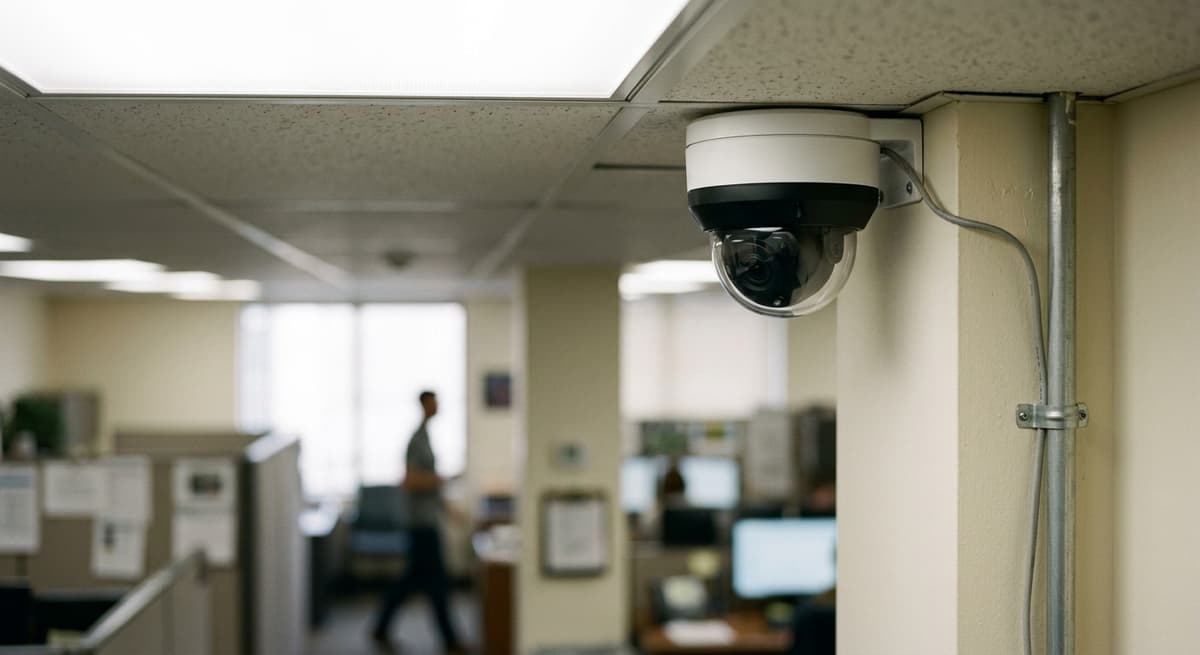
Your Right to Install Cameras
Tennessee tenants generally have the right to install security cameras inside their own rental units. These cameras can monitor:
- The interior of your apartment or house
- Your front door from inside (through a peephole camera or interior-mounted camera)
- Windows from inside (to capture footage of anyone approaching)
Lease Restrictions
Some leases include provisions about modifications to the rental unit. Tenants should review their lease for language about:
- Installing devices that require drilling holes or mounting hardware
- Adding doorbell cameras to shared building entrances
- Running wires or making other modifications to the unit
If the lease is silent on cameras, tenants generally have the right to install them inside their unit. Doorbell cameras that mount to the exterior may require landlord approval.
Cameras Pointed Outside Your Unit
A tenant camera aimed through a window or mounted at an apartment door can incidentally capture common area activity. This is generally permissible, but tenants should avoid:
- Aiming cameras into other tenants' windows or private spaces
- Using cameras to intentionally surveil neighbors
- Recording in a manner that could constitute harassment
Retaliatory Surveillance

Landlord Retaliation Through Cameras
Under Tenn. Code Ann. section 66-28-514, Tennessee law prohibits landlords from retaliating against tenants who exercise their legal rights. Because section 66-28-514 sits within the same Uniform Residential Landlord and Tenant Act as section 66-28-403, it applies only in counties with a population over 75,000 under Tenn. Code Ann. section 66-28-102; tenants in smaller counties do not have this specific statutory claim and should look to their lease terms or consult an attorney about other remedies. If a landlord installs cameras specifically to intimidate or harass a tenant who has filed a complaint, requested repairs, or joined a tenant organization, the surveillance may constitute illegal retaliation.
Signs of retaliatory surveillance include:
- Cameras installed immediately after a tenant complaint
- Cameras aimed specifically at one tenant's unit or assigned areas
- Dramatic increase in surveillance after a tenant exercises a legal right
- Surveillance accompanied by threats or hostile behavior
Remedies for Retaliatory Actions
Tenants who experience retaliatory surveillance can:
- File a complaint with the local housing authority
- Pursue a civil action under the retaliatory conduct provisions of Tennessee landlord-tenant law
- Seek injunctive relief to have cameras removed
- Recover damages including rent abatement and attorney fees
Using Recordings in Landlord-Tenant Disputes
Small Claims Court
Recordings are commonly used in Tennessee small claims court (general sessions court) for landlord-tenant disputes including:
- Security deposit disputes
- Repair and maintenance failures
- Lease violation claims
- Illegal eviction actions
- Property damage disputes
Small claims courts in Tennessee have relatively informal evidentiary rules, making recordings easier to introduce than in higher courts. You should still preserve the original file, note the recording circumstances, and be prepared to authenticate it.
Formal Court Proceedings
In circuit court proceedings, recordings must meet the Tennessee Rules of Evidence standards for authentication, relevance, and legality. A recording made in compliance with the one-party consent law is generally admissible.
Housing Code Enforcement
If you record evidence of housing code violations, such as mold, pest infestations, structural problems, or lack of essential services, you can submit the recordings to local code enforcement officials. Many Tennessee municipalities have housing codes enforced through local departments.
Fair Housing Complaints
Recordings that document discriminatory statements or actions by a landlord can be submitted to the Tennessee Human Rights Commission or the U.S. Department of Housing and Urban Development (HUD). Federal and state fair housing laws prohibit discrimination in housing based on race, color, religion, national origin, sex, disability, and familial status.
Tennessee Recording Laws by Topic
Phone Call Recording | Audio Recording | Video Recording | Workplace Recording | Recording Police | Security Cameras | Recording in Public | Landlord-Tenant | Dashcam Laws | Schools | Medical Recording | Voyeurism & Hidden Cameras
Back to Tennessee Recording Laws
More Tennessee Recording Topics
More Tennessee Laws
Frequently Asked Questions
Can I record my landlord in Tennessee?
Yes. Under Tennessee's one-party consent law (Tenn. Code Ann. section 39-13-601), you can record any conversation you participate in with your landlord without notifying them. This includes in-person conversations, phone calls, and meetings.
Can my landlord put cameras inside my apartment in Tennessee?
No. Landlords cannot install cameras inside individual rental units without the tenant's explicit consent. Landlords can install cameras in common areas such as lobbies, hallways, parking lots, and building entrances.
Can I install my own security cameras in my rental unit?
Yes. Tennessee tenants generally have the right to install security cameras inside their rental units. Check your lease for any restrictions on modifications that require drilling or mounting hardware. Doorbell cameras on shared building exteriors may need landlord approval.
Can I use a recording of my landlord as evidence in court?
Yes. Recordings made in compliance with Tennessee's one-party consent law are generally admissible in court proceedings. This includes small claims court for security deposit disputes, housing code enforcement actions, and fair housing complaints.
What can I do if my landlord installed cameras aimed at my unit?
If your landlord has installed cameras that invade your privacy or appear retaliatory, you can file a complaint with local housing authorities, consult an attorney about pursuing civil action, and document the surveillance. In counties with a population over 75,000, Tennessee law prohibits landlord retaliation under Tenn. Code Ann. section 66-28-514; in smaller counties, where that statute does not apply, an attorney can advise you on other available remedies.
Updates
Added a required scope qualifier: Tennessee's statutory landlord entry-notice and anti-retaliation rules (Tenn. Code Ann. sections 66-28-403 and 66-28-514) apply only in counties with a population over 75,000, not statewide; smaller-county tenancies rely on lease terms and common law instead. Also fixed a mislinked citation for the phone-wiretapping penalty statute.
Independently fact-checked against the cited primary sources; governing law re-checked for recent changes
Governing law re-checked for recent changes
Removed a reference to a nonexistent 'Tenn. Code Ann. section 39-13-607' (the link actually pointed to section 39-13-601's text, which does not support that label) and corrected the description of landlord entry under section 66-28-403: it is a consent-based right, not a general reasonable-notice requirement.
Reworded a bullet describing why tenants record illegal entry to match the corrected consent-based framing of Tenn. Code Ann. section 66-28-403 used elsewhere on the page, rather than the unsupported notice-requirement claim.
Governing law re-checked for recent changes
Updated the source list: Tennessee repealed the civil-damages statute for wiretapping (Tenn. Code Ann. § 39-13-603) effective May 28, 2024, so this page now cites the repealing act instead of the repealed statute.
Reviewed and approved by an editor
The Law Behind This Article
This article rests on the statutory provisions below, held in our own legal record and retrieved from the official source. Tap a section to read the operative text.
Tennessee Code Annotated
§ 39-13-601Wiretapping and electronic surveillance — Prohibited acts — Exceptions.In forcecited in 20 of our articles
(a)(1) Except as otherwise specifically provided in §§ 39-13-601 — [former] 39-13-603 [repealed] and title 40, chapter 6, part 3, a person commits an offense who: (A) Intentionally intercepts, endeavors to intercept, or procures any other person to intercept or endeavor to intercept, any wire, oral
Official text (excerpt) · last checked 2026-08-31 · Read the full text in our law library · Verify at publications.tnsosfiles.com
Cited in 25 court opinions in our collectionLatest citing opinion in our collection: 2026
In the courts (editorial summary, independently checked):Lawrence v. Lawrence held a parent may vicariously consent under Section 39-13-601 to recording a 2 1/2-year-old child's phone call with the other parent. State of Tennessee v. Henry Floyd Sanders noted that a body-wire recording made with one party's consent is lawful under the section's exceptions.
Opinions citing this section in our collection:
- Lawrence v. Lawrence (Court of Appeals of Tennessee 2010, 360 S.W.3d 416)“…called upon to construe the term “consent” as it is used in Tenn. Code Ann. § 39-13-601 to determine whether Mother had an “unr…”
- Harold Dean McDaniel v. Kimberly Ruth McDaniel (Court of Appeals of Tennessee 2010)“…ourt: I have had an opportunity to look at T.C.A. 39-13-601(a)(1), (A) and (B), and…”
- State of Tennessee v. Henry Floyd Sanders (Tennessee Supreme Court 2014, 452 S.W.3d 300)✓Police recorded a front yard conversation in which a man admitted touching his ex-partner's daughter; the court upheld admission of the recording as a voluntary statement to a confidante and noted that this type of recording is sanctioned as lawful by 39-13-601(b)(4)-(5).
Identified automatically from the court opinions citing this section — not a ranking of which case controls.
Also relied on in: Tennessee Recording Laws (2026): One-Party Consent Rules, Tennessee Voyeurism and Hidden Camera Laws: Statutes and Penalties, Tennessee Audio Recording Laws: One-Party Consent Rules and Penalties
§ 39-13-603Civil actions — Injunctive relief — Damages — Defenses — Limitation of actions.Repealedcited in 11 of our articles
(a) Except as provided in § 39-13-601(b)(4), any aggrieved person whose wire, oral or electronic communication is intentionally intercepted, disclosed, or used in violation of § 39-13-601 or title 40, chapter 6, part 3 may in a civil action recover from the person or entity that engaged in that…
Official text (excerpt) · last checked 2026-08-06 · Read the full text in our law library · Verify at publications.tnsosfiles.com
Cited in 8 court opinions in our collectionLatest citing opinion in our collection: 2018
Opinions citing this section in our collection:
- Robinson v. Fulliton (Court of Appeals of Tennessee 2003, 140 S.W.3d 312)“…il damages provision of the Tennessee wiretapping statutes, Tenn. Code Ann. § 39-13-603. The trial court, sitting without a jur…”
- Montgomery v. Montgomery (Court of Appeals of Tennessee 2005, 181 S.W.3d 720)“…0), whichever is greater” plus attorney fees and costs. See Tenn. Code Ann. § 39-13-603(a)(1). On appeal, Defendant argues that…”
- State of Tennessee v. William Keith Paulson, alias (Court of Criminal Appeals of Tennessee 2009)“…ted.” Violation of subsection (a) is a Class A misdemeanor. T.C.A. § 39-13-603(a)(3). As previously noted, subsection…”
Identified automatically from the court opinions citing this section — not a ranking of which case controls.
Also relied on in: Tennessee Medical Recording Laws: Patient Rights and Provider Rules, Tennessee Phone Call Recording Laws: One-Party Consent Rules, Tennessee Security Camera Laws: Home, Business, and HOA Rules
§ 39-13-605Unlawful photographing in violation of privacy.In forcecited in 10 of our articles
(a) It is an offense for a person to knowingly photograph, or cause to be photographed an individual, when the individual has a reasonable expectation of privacy, without the prior effective consent of the individual, or in the case of a minor, without the prior effective consent of the minor's…
Official text (excerpt) · last checked 2021-05-21 · Read the full text in our law library
Cited in 14 court opinions in our collectionLatest citing opinion in our collection: 2026
In the courts (editorial summary, independently checked):State of Tennessee v. David Eric Lambert (2020) reversed a conviction under the pre-2018 version of section 39-13-605 because a fully clothed shopper in public had no reasonable expectation of privacy. State of Tennessee v. Brandon Robert Vandenburg (2019) rejected a vagueness challenge to the same element.
Opinions citing this section in our collection:
- State of Tennessee v. Thomas Whited (Tennessee Supreme Court 2016, 506 S.W.3d 416)✓A father hid a phone to video his twelve-year-old daughter and her friend undressing; the court noted the evidence would have supported unlawful photography under section 39-13-605, but charges were dropped because the statute excepts photographing a minor with parental consent.
- State of Tennessee v. David Eric Lambert (Court of Criminal Appeals of Tennessee 2020)✓A man followed a fully clothed woman through a Walmart and aimed his phone at her, but no image was ever found; the court held section 39-13-605 was not satisfied because she had no reasonable expectation of privacy and no photograph existed to judge, and reversed the conviction.
- State of Tennessee v. Brandon Robert Vandenburg (Court of Criminal Appeals of Tennessee 2019)✓A student photographed and filmed an unconscious, intoxicated woman as she was sexually assaulted in his dorm, then sent the files to a friend; the court upheld his felony conviction under section 39-13-605 and rejected his claim that the statute was unconstitutionally vague.
Identified automatically from the court opinions citing this section — not a ranking of which case controls.
Also relied on in: Tennessee School Recording Laws: Student, Parent, and Teacher Rights, Tennessee Video Recording Laws: What Is Legal and What Is Not, Tennessee Workplace Recording Laws: Employee and Employer Rights
§ 66-28-403Access by landlord.In forcecited in 2 of our articles
(a) The tenant shall not unreasonably withhold consent to the landlord to enter onto the premises, including entering into the dwelling unit, in order to inspect the premises, make necessary or agreed repairs, decorations, alterations, or improvements, supply necessary or agreed services, or…
Official text (excerpt) · last checked 2021-05-21 · Read the full text in our law library
Cited in 4 court opinions in our collectionLatest citing opinion in our collection: 2013
Opinions citing this section in our collection:
- United States v. Hunter Lee Williams Nicholas Edward George and Geoffrey Hillman Leek (Court of Appeals for the Sixth Circuit 2003, 354 F.3d 497)“…rrence or set of circumstances demanding immediate action.” Tenn.Code Ann. § 66-28-403(b). Just as we conclude that the possib…”
- United States v. Felix Booker (Court of Appeals for the Sixth Circuit 2013, 728 F.3d 535)“…rrence or set of circumstances demanding immediate action.” Tenn.Code Ann. § 66-28-403(b). The officers’ mere suspicion that a…”
- United States v. Hunter Lee Williams (02-5001) Nicholas Edward George (02-5002) and Geoffrey Hillman Leek (02-5003) (Court of Appeals for the Sixth Circuit 2003, 342 F.3d 430)“…rrence or set of circumstances demanding immediate action.” Tenn.Code Ann. § 66-28-403(b). Just as we conclude that the possib…”
Identified automatically from the court opinions citing this section — not a ranking of which case controls.
Also relied on in: Tennessee Ring Doorbell Laws: What You Need to Know in 2026
§ 66-28-514Retaliatory conduct prohibited.In force
(a) Except as provided in this section, a landlord may not retaliate by increasing rent or decreasing services or by bringing or threatening to bring an action for possession because the tenant: (1) Has complained to the landlord of a violation under § 66-28-301;…
Official text (excerpt) · last checked 2021-05-21 · Read the full text in our law library
Search our full record of US law — 2.1 million sections, every state + federal →
Sources and References
- Tenn. Code Ann. section 39-13-601 - Wiretapping and Electronic Surveillance(law.justia.com)
- Tenn. Code Ann. section 66-28-403 - Landlord Access to Dwelling Unit(law.justia.com)
- Tenn. Code Ann. section 66-28-514 - Retaliatory Actions Prohibited(law.justia.com)
- Tennessee Human Rights Commission(tn.gov).gov
- HUD Fair Housing Complaint(hud.gov).gov
- Tennessee Rules of Evidence(tncourts.gov).gov
- Tenn. Code Ann. section 39-13-605 - Unlawful Photography(law.justia.com)
- 2024 Tenn. Pub. Ch. 1045 (SB 2221), § 3 — repealed Tenn. Code Ann. § 39-13-603 (civil action for interception) effective May 28, 2024(publications.tnsosfiles.com).gov