
Tennessee
Tennessee Security Camera Laws: Home, Business, and HOA Rules
Independently fact-checked against primary sources (last audited August 15, 2026). · Reviewed by the RecordingLaw editorial team. · Law checked current as of August 15, 2026. · 4 primary sources cited on this page. How we verify our legal content
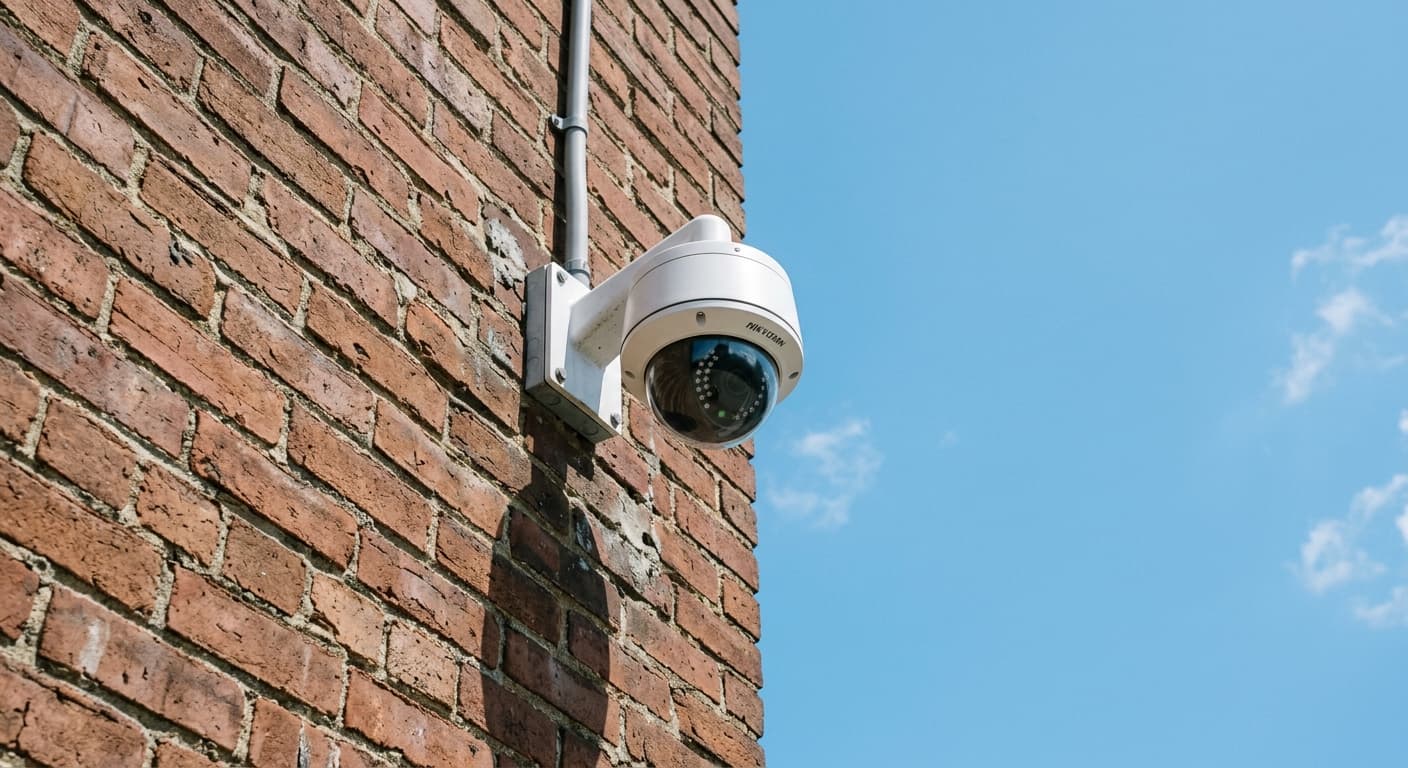
Tennessee homeowners may install security cameras on their own property. Video recording of driveways, porches, and yards is legal. Audio recording requires one-party consent under Tenn. Code Ann. 39-13-601. Cameras are barred from bathrooms, bedrooms, and changing areas where people hold a reasonable expectation of privacy under Tenn. Code Ann. 39-13-605.
Tennessee does not have a single comprehensive security camera statute. Instead, the legality of security cameras is governed by a combination of the state's wiretapping laws, voyeurism statutes, property rights, and common law privacy principles. The rules vary depending on whether you are installing cameras at home, at a business, in a rental property, or in a community governed by a homeowners association.
This guide covers everything you need to know about security camera laws in Tennessee, including where you can place cameras, audio recording limits, neighbor disputes, and specific rules for businesses and landlords.
Residential Security Cameras
General Rule: Home Security Cameras Are Legal
Tennessee homeowners have broad rights to install security cameras on their own property. You can place cameras:
- On your front porch and at your front door (including doorbell cameras like Ring or Nest)
- Aimed at your driveway, garage, and parking areas
- Covering your backyard, garden, and side yards
- Inside common areas of your home such as living rooms, kitchens, and hallways
- Pointed at entry points including doors and windows
Restrictions on Home Camera Placement
Even on your own property, there are limits. You cannot place cameras in areas where household members or guests have a reasonable expectation of privacy:
- Bathrooms are always off-limits for cameras
- Bedrooms where guests sleep should not have hidden cameras
- Changing areas must remain camera-free
- Guest rooms where visitors are staying should not be monitored without disclosure
Tennessee's unlawful photography statute (Tenn. Code Ann. section 39-13-605) and observation without consent statute (Tenn. Code Ann. section 39-13-607) create criminal liability for surveillance in private settings, particularly when done for sexual purposes.
Audio Recording on Security Cameras
Many modern security cameras include microphone capability. When a security camera records audio, Tennessee's one-party consent law under Tenn. Code Ann. section 39-13-601 applies. Key considerations:
- Outdoor cameras that capture conversations on your property are generally permissible because outdoor conversations often lack a reasonable expectation of privacy
- Indoor cameras with audio require that at least one party to any captured conversation consents to the recording
- Cameras aimed at public areas that pick up conversations from sidewalks or streets are less likely to face legal challenges, since public conversations carry limited privacy expectations
- Audio recording of private conversations between people who do not know they are being recorded and who are not on your property could cross into illegal wiretapping
The safest approach is to disable audio recording on cameras aimed at areas where you cannot be present to participate in conversations, or to post clear signage alerting visitors that audio and video recording is in progress.
Neighbor Disputes Over Security Cameras
Tennessee homeowners sometimes face disputes when their cameras capture footage of a neighbor's property. Key principles:
- You can aim cameras at your own property even if they incidentally capture portions of a neighbor's yard, driveway, or home exterior
- Deliberately aiming a camera into a neighbor's windows or private living spaces could constitute an invasion of privacy
- Tennessee recognizes a common law tort of invasion of privacy, which includes intrusion upon seclusion
- Neighbors who believe a camera constitutes harassment may seek an injunction or file a civil lawsuit
Courts evaluate these disputes based on the totality of the circumstances, including the camera's angle, zoom level, the extent of the neighbor's property captured, and whether the recording is of areas visible to the public.
Business Security Cameras
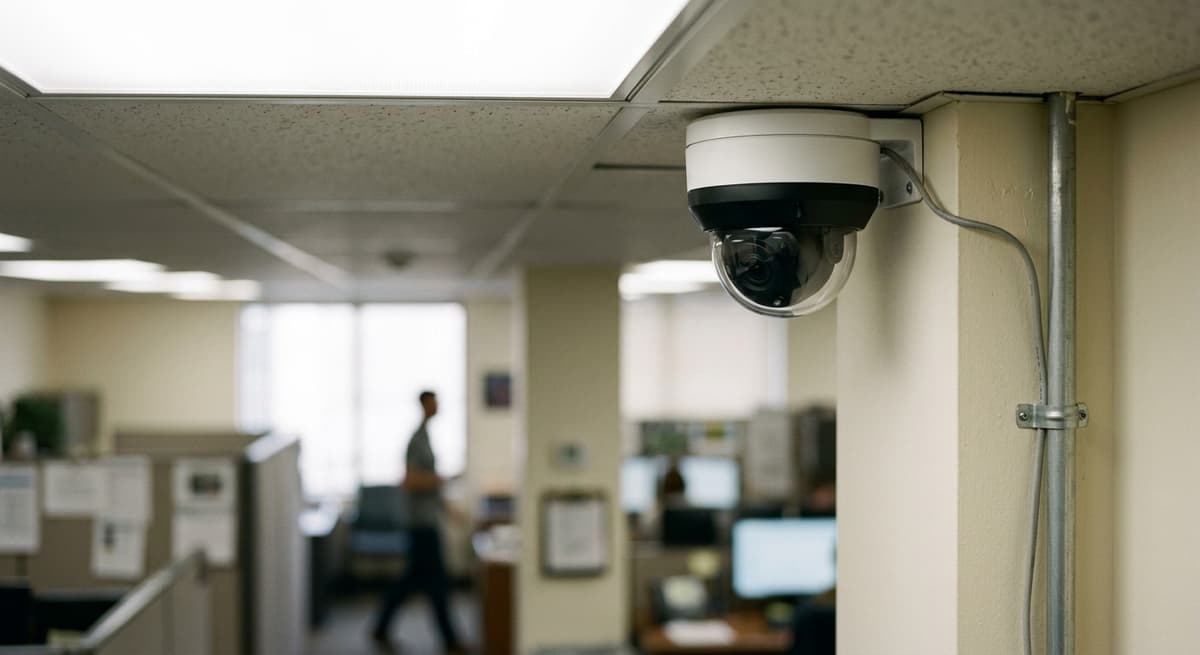
Employer Surveillance Authority
Tennessee businesses have broad authority to install security cameras in commercial settings. Permitted locations include:
- Retail sales floors, checkout areas, and entrances
- Office common areas, hallways, and lobbies
- Warehouses, loading docks, and storage areas
- Parking lots and building exteriors
- Cash handling areas and safes
- Drive-through windows and service counters
Prohibited Business Camera Locations
Businesses cannot install cameras in:
- Employee restrooms and bathrooms
- Changing rooms, fitting rooms, and locker rooms
- Designated nursing or lactation rooms
- Any area where employees or customers have a reasonable expectation of bodily privacy
Placing cameras in these prohibited locations exposes business owners to criminal charges under sections 39-13-605 and 39-13-607 and civil liability for invasion of privacy.
Employee Notification
Tennessee law does not require employers to notify employees about security cameras in common work areas. However, best practices include:
- Including camera use disclosure in employee handbooks
- Posting signage in areas under video surveillance
- Informing employees about audio recording capabilities if present
- Documenting the business justification for surveillance
Retention and Storage
Tennessee does not mandate a specific retention period for business security camera footage. However, businesses should consider:
- Retaining footage for at least 30 days to address potential incidents
- Storing footage securely with access controls
- Having a written retention policy that complies with any industry-specific regulations
- Preserving footage that may be relevant to pending or anticipated litigation (litigation hold requirements)
Doorbell Cameras and Smart Home Devices
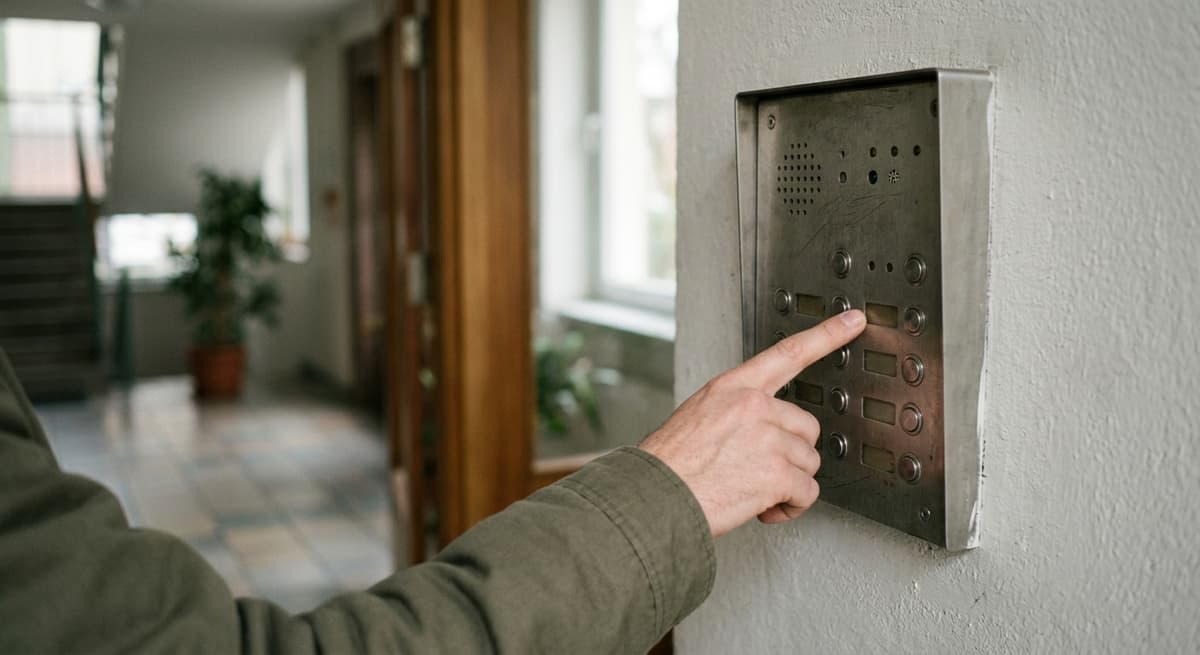
Ring, Nest, and Similar Devices
Doorbell cameras are widely used in Tennessee and are legal to install. These devices typically record video and audio of your front porch, doorstep, and the immediate surrounding area. Legal considerations include:
- Video recording of your front door area is clearly permissible
- Audio recording is subject to the one-party consent rule, but visitors to your door are generally in a semi-public setting with limited privacy expectations
- Recording delivery drivers, postal workers, and service providers at your door is legal
- Sharing footage with law enforcement or on social media is generally permissible if the recording was lawfully made
Smart Home Integration
Security cameras that integrate with smart home systems (Alexa, Google Home, Apple HomeKit) follow the same legal rules as standalone cameras. The method of viewing or storing footage does not change the underlying legality of the recording.
Cloud Storage and Data Privacy
The Tennessee Information Protection Act (TIPA), effective July 1, 2025, establishes data privacy requirements for businesses that process personal information of Tennessee consumers. If you use a security camera service that stores footage in the cloud, the service provider may be subject to TIPA requirements regarding how your data is handled, stored, and shared.
HOA and Community Rules

HOA Authority Over Cameras
Homeowners associations in Tennessee can regulate security camera placement through their covenants, conditions, and restrictions (CC&Rs). Common HOA restrictions include:
- Limiting camera visibility from common areas or the street
- Requiring certain camera types or colors for aesthetic reasons
- Restricting camera mounting locations on building exteriors
- Prohibiting cameras aimed at common areas or neighbor units
Limits on HOA Power
HOAs cannot override state law. Even if an HOA prohibits all security cameras, a homeowner may argue that the restriction is unreasonable, particularly if it compromises home security. Tennessee courts evaluate HOA restrictions under a reasonableness standard.
Additionally, HOAs cannot authorize camera placement that would violate state privacy laws. An HOA camera in a community pool changing area would be illegal regardless of any HOA rule permitting it.
Condominiums and Multi-Unit Buildings
In multi-unit buildings, security cameras in common areas (lobbies, parking garages, hallways) are typically managed by the building owner or condo association. Individual unit owners generally can install cameras within their own units and at their unit entrances, subject to any building rules.
Rental Property Security Cameras
Landlord Cameras
Tennessee landlords can install security cameras in common areas of rental properties, including:
- Building entrances and lobbies
- Parking lots and garages
- Hallways and stairwells
- Laundry rooms and common recreational areas
Landlords cannot install cameras:
- Inside individual rental units without tenant consent
- In areas where tenants have a reasonable expectation of privacy
- Aimed directly into tenant windows or private patios
- In a manner designed to monitor individual tenants' daily activities
Tenant Camera Rights
Tenants in Tennessee can generally install security cameras inside their own rental units. For exterior cameras such as doorbell cameras, tenants should check their lease for restrictions. Landlords may restrict modifications to the building exterior but cannot prevent tenants from taking reasonable security measures.
Using Security Camera Footage as Evidence
Admissibility in Court
Security camera footage is regularly admitted as evidence in Tennessee courts. Under the Tennessee Rules of Evidence, the footage must be:
- Authenticated by someone who can confirm the camera system's operation and the footage's accuracy
- Relevant to the issues in the case
- Legally obtained in compliance with state and federal privacy laws
- Unaltered and presented in its original or a faithful reproduction format
Providing Footage to Law Enforcement
You are not required to provide your security camera footage to police without a warrant. If police request footage, you can:
- Voluntarily provide it
- Decline and wait for a warrant or subpoena
- Consult with an attorney before deciding
If police obtain a warrant for your footage, you must comply.
Tennessee Recording Laws by Topic
Phone Call Recording | Audio Recording | Video Recording | Workplace Recording | Recording Police | Security Cameras | Recording in Public | Landlord-Tenant | Dashcam Laws | Schools | Medical Recording | Voyeurism & Hidden Cameras
Back to Tennessee Recording Laws
More Tennessee Recording Topics
See Also
- Tennessee Surveillance Camera Laws covers home, HOA, neighbor, workplace, and landlord camera rules in Tennessee.
More Tennessee Laws
Frequently Asked Questions
Are security cameras legal in Tennessee?
Yes. Tennessee has no law prohibiting residential or commercial security cameras. You can install cameras on your own property to monitor your home, yard, driveway, and entrances. Cameras must not be placed where people have a reasonable expectation of privacy, such as bathrooms or changing areas.
Can my security camera record my neighbor's property in Tennessee?
Your camera can incidentally capture portions of a neighbor's property if it is primarily aimed at your own. Deliberately aiming a camera into a neighbor's windows or private living spaces could constitute an invasion of privacy. Courts evaluate these situations based on the camera's angle, zoom, and what is captured.
Do I need to post signs if I have security cameras in Tennessee?
Tennessee does not require homeowners to post signs for residential cameras. However, signs can deter criminal activity and reduce the risk of privacy disputes. Businesses should consider posting signage as a best practice, especially if cameras have audio recording capability.
Can my landlord install cameras inside my apartment in Tennessee?
No. Landlords cannot install cameras inside individual rental units without tenant consent. Landlords can install cameras in common areas such as lobbies, hallways, parking lots, and building entrances.
Can I use security camera footage as evidence in Tennessee?
Yes. Security camera footage is routinely admitted as evidence in Tennessee criminal and civil cases. The footage must be authenticated, relevant, and legally obtained. Keep original files unedited and be prepared to testify about the camera system and its operation.
Updates
Fixed three mislinked citations for Tenn. Code Ann. section 39-13-607 (two inline links and the citations-column entry) that pointed to the wrong statute section.
Independently fact-checked against the cited primary sources; governing law re-checked for recent changes
Governing law re-checked for recent changes
Governing law re-checked for recent changes
Updated a source citation: Tennessee repealed the state civil cause of action for illegal interception (Tenn. Code Ann. section 39-13-603) effective May 28, 2024; this page never described that remedy, so only the citation was corrected.
Reviewed and approved by an editor
The Law Behind This Article
This article rests on the statutory provisions below, held in our own legal record and retrieved from the official source. Tap a section to read the operative text.
Tennessee Code Annotated
§ 39-13-601Wiretapping and electronic surveillance — Prohibited acts — Exceptions.In forcecited in 20 of our articles
(a)(1) Except as otherwise specifically provided in §§ 39-13-601 — [former] 39-13-603 [repealed] and title 40, chapter 6, part 3, a person commits an offense who: (A) Intentionally intercepts, endeavors to intercept, or procures any other person to intercept or endeavor to intercept, any wire, oral
Official text (excerpt) · last checked 2026-08-31 · Read the full text in our law library · Verify at publications.tnsosfiles.com
Cited in 25 court opinions in our collectionLatest citing opinion in our collection: 2026
In the courts (editorial summary, independently checked):Lawrence v. Lawrence held a parent may vicariously consent under Section 39-13-601 to recording a 2 1/2-year-old child's phone call with the other parent. State of Tennessee v. Henry Floyd Sanders noted that a body-wire recording made with one party's consent is lawful under the section's exceptions.
Opinions citing this section in our collection:
- Lawrence v. Lawrence (Court of Appeals of Tennessee 2010, 360 S.W.3d 416)“…called upon to construe the term “consent” as it is used in Tenn. Code Ann. § 39-13-601 to determine whether Mother had an “unr…”
- Harold Dean McDaniel v. Kimberly Ruth McDaniel (Court of Appeals of Tennessee 2010)“…ourt: I have had an opportunity to look at T.C.A. 39-13-601(a)(1), (A) and (B), and…”
- State of Tennessee v. Henry Floyd Sanders (Tennessee Supreme Court 2014, 452 S.W.3d 300)✓Police recorded a front yard conversation in which a man admitted touching his ex-partner's daughter; the court upheld admission of the recording as a voluntary statement to a confidante and noted that this type of recording is sanctioned as lawful by 39-13-601(b)(4)-(5).
Identified automatically from the court opinions citing this section — not a ranking of which case controls.
Also relied on in: Tennessee Recording Laws (2026): One-Party Consent Rules, Tennessee Voyeurism and Hidden Camera Laws: Statutes and Penalties, Tennessee Audio Recording Laws: One-Party Consent Rules and Penalties
§ 39-13-603Civil actions — Injunctive relief — Damages — Defenses — Limitation of actions.Repealedcited in 11 of our articles
(a) Except as provided in § 39-13-601(b)(4), any aggrieved person whose wire, oral or electronic communication is intentionally intercepted, disclosed, or used in violation of § 39-13-601 or title 40, chapter 6, part 3 may in a civil action recover from the person or entity that engaged in that…
Official text (excerpt) · last checked 2026-08-06 · Read the full text in our law library · Verify at publications.tnsosfiles.com
Cited in 8 court opinions in our collectionLatest citing opinion in our collection: 2018
Opinions citing this section in our collection:
- Robinson v. Fulliton (Court of Appeals of Tennessee 2003, 140 S.W.3d 312)“…il damages provision of the Tennessee wiretapping statutes, Tenn. Code Ann. § 39-13-603. The trial court, sitting without a jur…”
- Montgomery v. Montgomery (Court of Appeals of Tennessee 2005, 181 S.W.3d 720)“…0), whichever is greater” plus attorney fees and costs. See Tenn. Code Ann. § 39-13-603(a)(1). On appeal, Defendant argues that…”
- State of Tennessee v. William Keith Paulson, alias (Court of Criminal Appeals of Tennessee 2009)“…ted.” Violation of subsection (a) is a Class A misdemeanor. T.C.A. § 39-13-603(a)(3). As previously noted, subsection…”
Identified automatically from the court opinions citing this section — not a ranking of which case controls.
Also relied on in: Tennessee Landlord-Tenant Recording Laws: Rights and Restrictions, Tennessee Medical Recording Laws: Patient Rights and Provider Rules, Tennessee Phone Call Recording Laws: One-Party Consent Rules
§ 39-13-605Unlawful photographing in violation of privacy.In forcecited in 10 of our articles
(a) It is an offense for a person to knowingly photograph, or cause to be photographed an individual, when the individual has a reasonable expectation of privacy, without the prior effective consent of the individual, or in the case of a minor, without the prior effective consent of the minor's…
Official text (excerpt) · last checked 2021-05-21 · Read the full text in our law library
Cited in 14 court opinions in our collectionLatest citing opinion in our collection: 2026
In the courts (editorial summary, independently checked):State of Tennessee v. David Eric Lambert (2020) reversed a conviction under the pre-2018 version of section 39-13-605 because a fully clothed shopper in public had no reasonable expectation of privacy. State of Tennessee v. Brandon Robert Vandenburg (2019) rejected a vagueness challenge to the same element.
Opinions citing this section in our collection:
- State of Tennessee v. Thomas Whited (Tennessee Supreme Court 2016, 506 S.W.3d 416)✓A father hid a phone to video his twelve-year-old daughter and her friend undressing; the court noted the evidence would have supported unlawful photography under section 39-13-605, but charges were dropped because the statute excepts photographing a minor with parental consent.
- State of Tennessee v. David Eric Lambert (Court of Criminal Appeals of Tennessee 2020)✓A man followed a fully clothed woman through a Walmart and aimed his phone at her, but no image was ever found; the court held section 39-13-605 was not satisfied because she had no reasonable expectation of privacy and no photograph existed to judge, and reversed the conviction.
- State of Tennessee v. Brandon Robert Vandenburg (Court of Criminal Appeals of Tennessee 2019)✓A student photographed and filmed an unconscious, intoxicated woman as she was sexually assaulted in his dorm, then sent the files to a friend; the court upheld his felony conviction under section 39-13-605 and rejected his claim that the statute was unconstitutionally vague.
Identified automatically from the court opinions citing this section — not a ranking of which case controls.
Also relied on in: Tennessee School Recording Laws: Student, Parent, and Teacher Rights, Tennessee Video Recording Laws: What Is Legal and What Is Not, Tennessee Workplace Recording Laws: Employee and Employer Rights
§ 39-13-607Observation without consent.In forcecited in 6 of our articles
(a) It is an offense for a person to knowingly spy upon, observe or otherwise view an individual, when the individual is in a place where there is a reasonable expectation of privacy, without the prior effective consent of the individual, if the viewing: (1) Would offend or embarrass an ordinary…
Official text (excerpt) · last checked 2026-08-31 · Read the full text in our law library
Cited in 7 court opinions in our collectionLatest citing opinion in our collection: 2026
In the courts (editorial summary, independently checked):Tennessee courts treat the defendant's own purpose of sexual arousal or gratification as an element. State of Tennessee v. Thomas Whited (2016) described that element in contrasting the statute with child-exploitation offenses, and State of Tennessee v. Ezekiel Abraham Schmaltz (2025) allowed proof of it by circumstantial evidence.
Opinions citing this section in our collection:
- State of Tennessee v. Thomas Whited (Tennessee Supreme Court 2016, 506 S.W.3d 416)✓A father secretly recorded his 12-year-old daughter and her friend undressing. The court reversed his child-exploitation convictions; his unappealed Section 39-13-607 convictions stood, and it read that statute as expressly requiring the defendant's own sexual-arousal purpose.
- State of Tennessee v. Ezekiel Abraham Schmaltz (Court of Criminal Appeals of Tennessee 2025)✓An uncle repeatedly pulled down a sleeping 11-year-old niece's pants and shone a phone flashlight at her exposed underwear; the court held that circumstantial evidence sufficed to prove the sexual-arousal purpose element of Section 39-13-607, but ordered the two counts merged.
- State of Tennessee v. David Allen Donton, Jr. (Court of Criminal Appeals of Tennessee 2022)✓A man peered over a restroom stall at an 8-year-old girl in a Dollar General and pleaded guilty under Section 39-13-607; on appeal the court noted the statute's sexual-arousal purpose is an element that cannot double as enhancement factor (7), yet affirmed his confinement.
Identified automatically from the court opinions citing this section — not a ranking of which case controls.
Also relied on in: Tennessee Ring Doorbell Laws: What You Need to Know in 2026, Tennessee Surveillance Camera Laws (2026 Guide), Tennessee Smart Glasses Recording Laws 2026
United States Code Title 18
§ 2511Interception and disclosure of wire, oral, or electronic communications prohibitedIn forcecited in 422 of our articles
Except as otherwise specifically provided in this chapter any person who— intentionally intercepts, endeavors to intercept, or procures any other person to intercept or endeavor to intercept, any wire, oral, or electronic communication; intentionally uses, endeavors to use, or procures any other person to use or endeavor to use any electronic, mechanical, or other device to intercept any oral communication when— such device is affixed to, or otherwise transmits a signal through, a wire, cable, or other like connection used in wire communication; or such device transmits communications by radio, or interferes with the transmission of such communication; or such person knows, or has reason to know, that such device or any component thereof has been sent through the mail or transported in interstate or foreign commerce; or such use or endeavor to use (A) takes place on the premises of any business or other commercial establishment the operations of which affect interstate or foreign commerce; or (B) obtains or is for the purpose of obtaining information relating to the operations of any business or other commercial establishment the operations of which affect interstate or foreign…
Official text (excerpt) · last checked 2026-08-28 · Read the full text in our law library · Verify at uscode.house.gov
Cited in 2,045 court opinions in our collectionLatest citing opinion in our collection: 2026
In the courts (editorial summary, independently checked):Griggs-Ryan v. Smith (1990) applied the Section 2511(2)(d) prior-consent exception, treating a tenant repeatedly told that all incoming calls were taped as having impliedly consented. United States v. United States District Court (1972) read the then-current Section 2511(3) as conferring no presidential surveillance power.
Opinions citing this section in our collection:
- Mitchell v. Forsyth (Supreme Court of the United States 1985, 472 U.S. 511)✓The Attorney General authorized a warrantless 1970 national security wiretap that caught the plaintiff's calls; the Court held the since-repealed Section 2511(3) disclaimer left the tap lawful under Title III, and that Mitchell had qualified immunity.
- United States v. United States District Court for the Eastern District of Michigan (Supreme Court of the United States 1972, 407 U.S. 297)✓The Attorney General approved warrantless wiretaps on members of a domestic group accused of bombing a CIA office; the Court read Section 2511(3) as a congressional disclaimer conferring no surveillance power, then held the Fourth Amendment required prior judicial approval.
- Forsyth v. Barr (Court of Appeals for the Fifth Circuit 1994, 19 F.3d 1527)✓Dallas police used, in an internal affairs probe of an officer, calls private parties allegedly intercepted illegally; assuming that was unlawful, the Fifth Circuit held Section 2517(1) and (2) allowed the disclosure and use, defeating the Section 2511(1)(c) and (d) claims.
Identified automatically from the court opinions citing this section — not a ranking of which case controls.
Also relied on in: Connecticut Recording Laws (2026): Hybrid Consent Rules Explained, Oregon Recording Laws (2026): Hybrid One-Party and All-Party Rules, US Recording Laws by State (2026): All 50 States Explained
Search our full record of US law — 2.1 million sections, every state + federal →
Sources and References
- Tenn. Code Ann. section 39-13-601 - Wiretapping and Electronic Surveillance(law.justia.com)
- Tenn. Code Ann. section 39-13-605 - Unlawful Photography(law.justia.com)
- Tenn. Code Ann. section 39-13-607 - Observation Without Consent(law.justia.com)
- Tennessee Information Protection Act - Attorney General(tn.gov).gov
- Tennessee Rules of Evidence(tncourts.gov).gov
- Tennessee Comptroller - Open Records Counsel(comptroller.tn.gov).gov
- 2024 Tenn. Pub. Ch. 1045 (SB 2221), § 3 — repealed Tenn. Code Ann. § 39-13-603 (civil action for interception) effective May 28, 2024(publications.tnsosfiles.com).gov
- Federal Wiretap Act - 18 U.S.C. section 2511(law.cornell.edu)