
New Mexico
New Mexico Medical Recording Laws: Patient Rights and HIPAA Rules (2026)
Independently fact-checked against primary sources (last audited August 15, 2026). · Reviewed by the RecordingLaw editorial team. · Law checked current as of August 15, 2026. · 5 primary sources cited on this page. How we verify our legal content
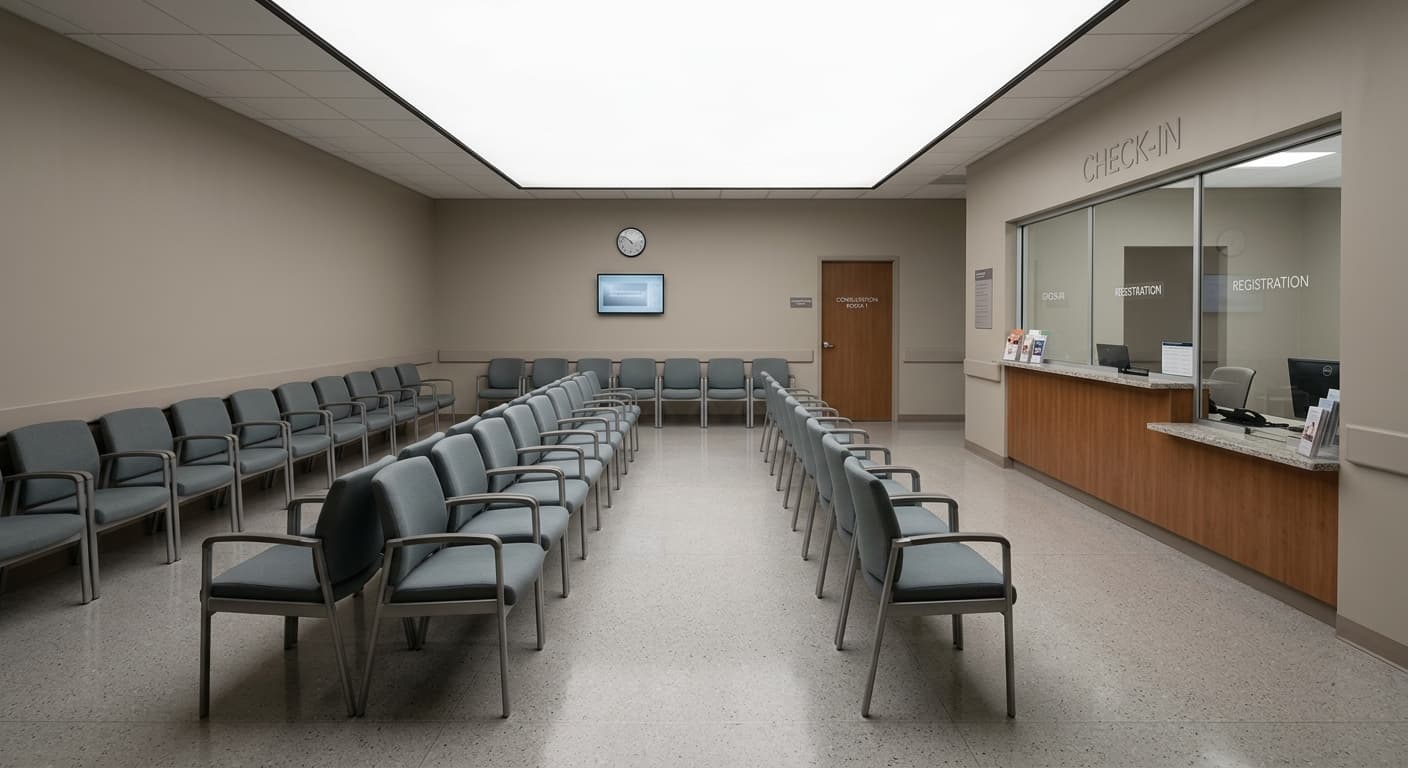
New Mexico patients may record their own medical appointments without provider consent. The wiretapping statute under N.M. Stat. Ann. § 30-12-1 covers only telephone and wire communications, leaving in-person visits unprotected by it. HIPAA restricts healthcare providers, not patients recording their own care.
New Mexico patients have broad rights to record their own medical appointments and healthcare interactions. The state's wiretapping statute under N.M. Stat. Ann. § 30-12-1 covers only telephone and wire communications, so in-person conversations during medical visits can be recorded without consent from the healthcare provider. HIPAA privacy rules apply to healthcare providers, not to patients making recordings of their own care.
This guide covers patient recording rights, provider restrictions, HIPAA implications, telemedicine recording, hospital surveillance, and how medical recordings are used as evidence.
Patient Recording Rights
Recording Your Own Medical Appointments
New Mexico patients can record in-person medical appointments without informing or getting consent from doctors, nurses, or other healthcare staff. The wiretapping statute does not apply to face-to-face conversations. You can record:
- Consultations with your primary care physician
- Specialist appointments
- Pre-surgical discussions and informed consent conversations
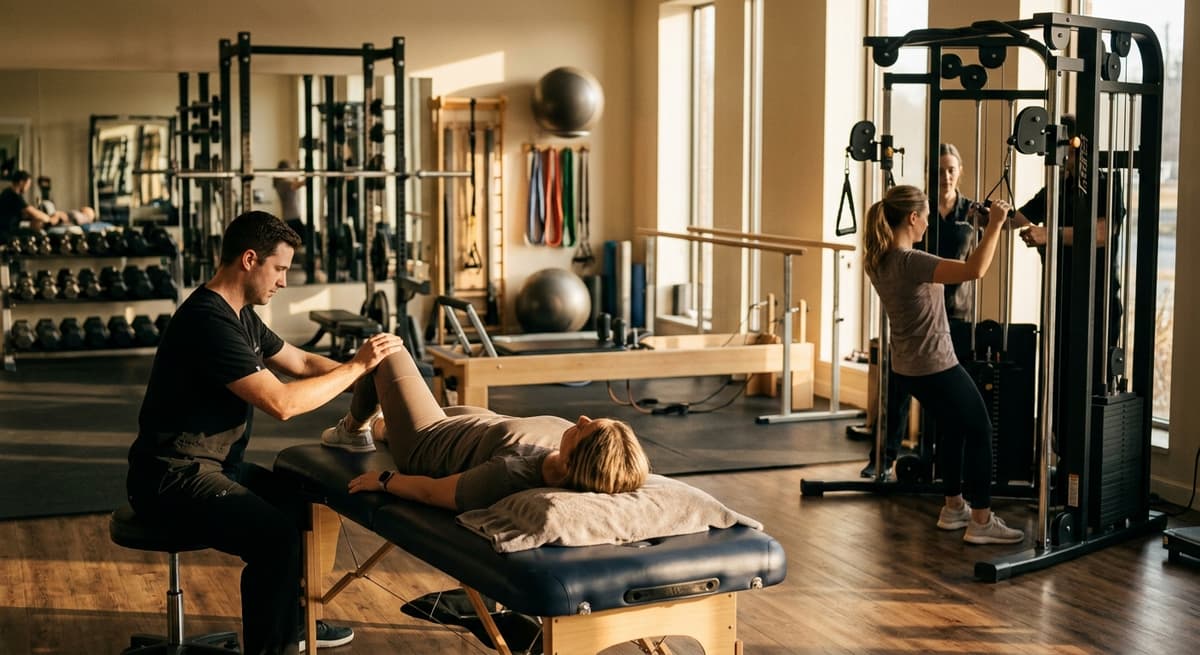
- Physical therapy and rehabilitation sessions
- Mental health counseling sessions (though recording may affect the therapeutic relationship)
- Dental appointments
- Chiropractic visits
- Emergency room interactions
Why Patients Record Medical Visits
Research published in medical journals supports patient recording as beneficial for healthcare outcomes. Common reasons include:
- Remembering complex medical instructions. Studies show patients forget 40-80% of medical information provided during visits.
- Sharing information with family caregivers. Recordings allow family members to hear exactly what the provider said.
- Documenting informed consent discussions. Recordings prove what risks and alternatives were discussed before procedures.
- Creating a record of diagnoses. Helpful when seeking second opinions or transferring care to a new provider.
- Protecting against potential malpractice. Recordings document the standard of care provided.
Recording Telemedicine Visits
Telemedicine calls conducted by phone or video follow the one-party consent rule under § 30-12-1. You can record your telehealth visit as a participant without informing your provider. This applies to:
- Phone consultations with your doctor
- Video visits through telehealth platforms
- Follow-up calls with nurses or physician assistants
- Remote monitoring check-in calls
Healthcare Facility Recording Policies
Can a Hospital or Clinic Ban Recording?
Many healthcare facilities maintain policies that prohibit or restrict recording by patients and visitors. While these policies cannot override New Mexico's permissive recording law, they can create practical consequences:
- A facility may ask you to stop recording and leave if you refuse
- Recording policies may be included in patient agreements signed at admission
- Staff may decline to provide care if you insist on recording (except in emergency situations)
- You could be discharged from a practice for repeated policy violations
Common Facility Restrictions
Healthcare facilities commonly restrict recording in:
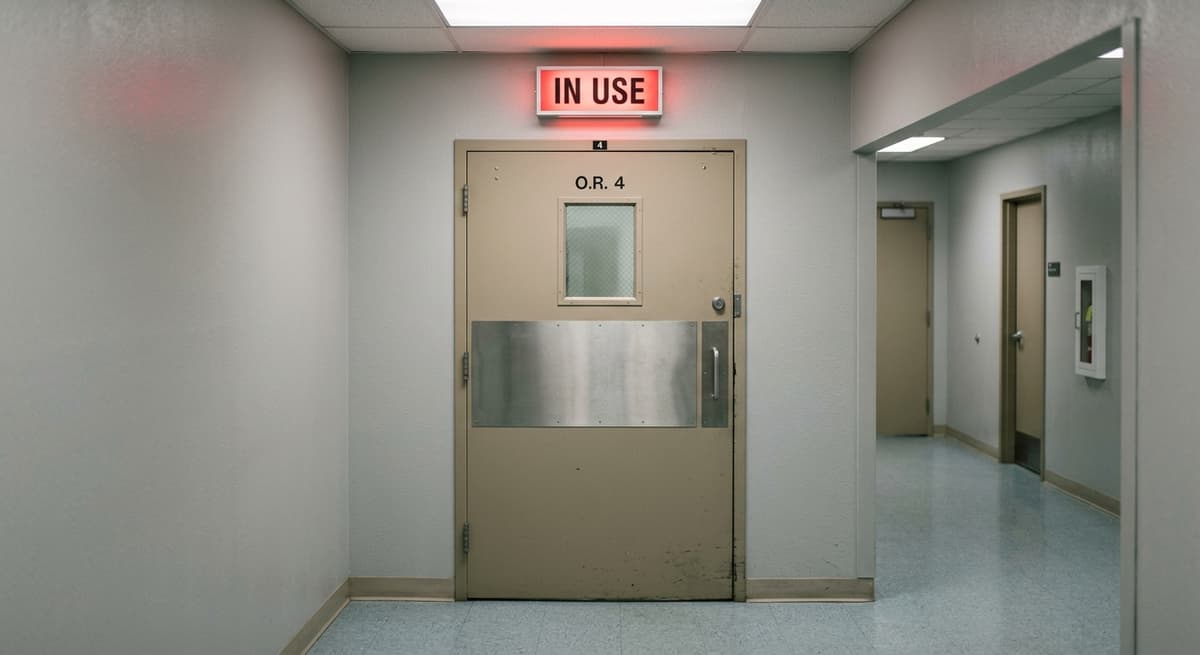
- Operating rooms and surgical suites
- Intensive care units (may disturb other patients)
- Areas where other patients are visible or audible
- Mental health and substance abuse treatment areas
- Pediatric wards (other children's privacy)
Practical Approach
If you want to record a medical appointment:
- Check the facility's recording policy in advance
- Ask your provider's permission as a courtesy, even though it is not legally required
- Explain your reason for recording (remembering instructions, sharing with family)
- If the provider objects, consider whether pressing the issue is worth the potential effect on the care relationship
- Record discreetly if you choose not to disclose, understanding the legal protection
HIPAA and Patient Recording
What HIPAA Does and Does Not Restrict
The Health Insurance Portability and Accountability Act (HIPAA) is often misunderstood in the context of recording. Key clarifications:
- HIPAA restricts healthcare providers and insurers from sharing your protected health information (PHI) without authorization
- HIPAA does NOT restrict patients from recording their own medical encounters
- HIPAA does NOT give providers the right to confiscate patient recording devices
- HIPAA does NOT make it illegal for patients to share recordings of their own care
The U.S. Department of Health and Human Services (HHS) enforces HIPAA. If a healthcare provider claims HIPAA prohibits you from recording your own appointment, that is an incorrect interpretation of the law.
When HIPAA Does Apply to Recordings
HIPAA concerns arise when recordings capture other patients' protected health information:
- Recordings in waiting rooms that capture other patients' names or conversations
- Hospital room recordings that capture a roommate's medical discussions
- Video recordings that show other patients in identifiable ways
Patients should be mindful of other patients' privacy when recording in shared healthcare spaces.
Healthcare Provider Recording Obligations and Restrictions
What Providers Can Record
Healthcare providers can record patient interactions for legitimate medical purposes:
- Dictating notes after patient visits
- Recording telemedicine sessions (with patient consent as part of informed consent)
- Video recording surgical procedures for medical education
- Photographing injuries or conditions for the medical record
What Providers Cannot Do
Providers cannot:
- Record patients in a state of undress without consent (voyeurism under N.M. Stat. Ann. § 30-9-20)
- Share recordings containing patient information without HIPAA authorization
- Use patient recordings for marketing without consent
- Allow unauthorized staff to access recorded patient information
Hospital Surveillance Cameras
Hospitals and medical facilities can install surveillance cameras in:
- Lobbies and waiting areas
- Hallways and corridors
- Parking lots and exterior areas
- Nurse stations and medication rooms
- Emergency department common areas
Cameras are prohibited in:
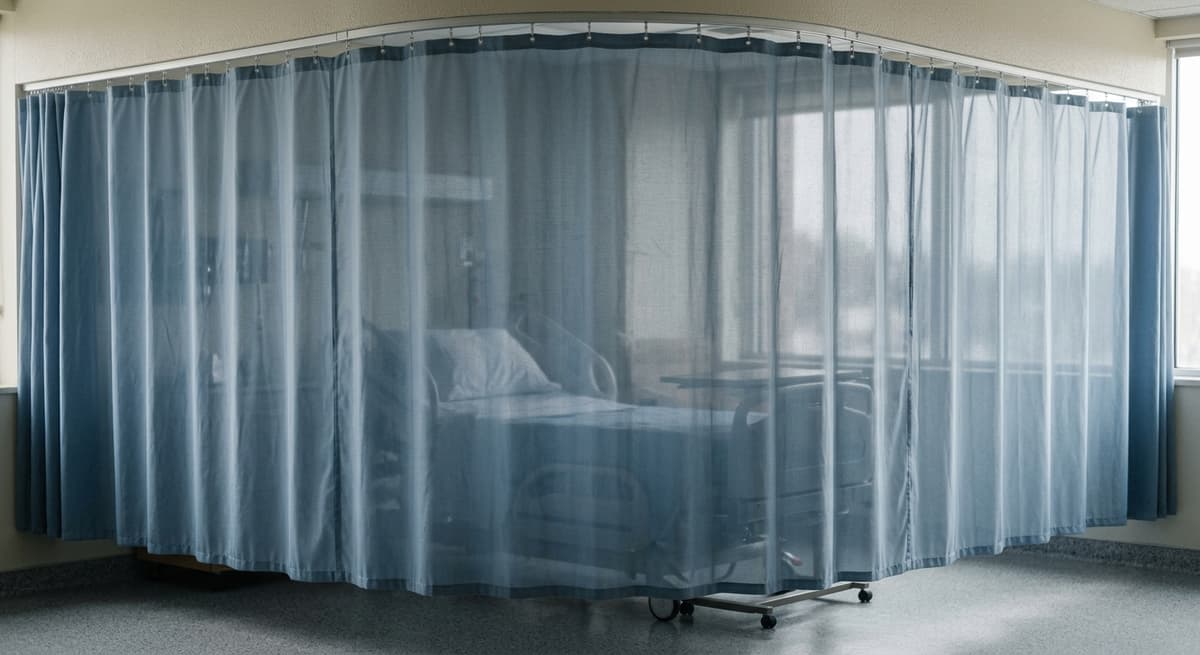
- Patient rooms (unless consented for specific medical monitoring)
- Bathrooms and changing areas
- Examination rooms during private examinations
Using Medical Recordings as Evidence
Medical Malpractice Claims
Recordings of medical appointments can serve as powerful evidence in malpractice cases. They can establish:
- What the provider told you about risks and alternatives (informed consent)
- Whether the provider's examination was thorough
- The diagnosis and treatment plan communicated
- Whether the provider followed the standard of care
- Statements by the provider acknowledging errors
Insurance Disputes
Recordings can help resolve disputes with health insurance companies by documenting:
- Medical necessity discussions with your provider
- Referral recommendations
- Prior authorization conversations
- Provider statements about treatment being standard of care
Workers' Compensation Claims
Recordings of medical evaluations can support workers' compensation claims through the New Mexico Workers' Compensation Administration. Documenting what treating physicians and independent medical examiners say during evaluations creates a reliable record for administrative proceedings.
Admissibility Standards
Medical recordings must meet the same admissibility standards as any other recording in New Mexico courts:
- The recording must be authenticated as genuine
- It must be relevant to the case
- It must not be unfairly prejudicial
- Hearsay rules may apply to some statements
Mental Health Recording Considerations
Therapy Sessions
While New Mexico law permits recording therapy sessions, mental health professionals have strong objections to recording for clinical reasons:
- Recording may inhibit the patient's openness
- It may alter the therapeutic relationship
- Confidentiality expectations in therapy are higher than in general medical care
- Some therapists view recording as incompatible with the therapeutic process
If you want to record therapy sessions, discuss it openly with your therapist. Consider whether recording aligns with your treatment goals.
Substance Abuse Treatment
Federal regulations under 42 CFR Part 2 provide enhanced privacy protections for substance abuse treatment records that go beyond HIPAA. While these regulations primarily restrict provider disclosures, recording in substance abuse treatment settings should be approached with extra caution.
Emergency Medical Situations
Recording in Emergency Rooms
Patients and family members can record in emergency rooms, though practical limitations apply:
- Staff may be focused on life-saving treatment and unable to address recording concerns
- Recording should not interfere with emergency care
- Other patients' privacy must be respected in shared emergency spaces
- Hospitals may restrict family members' access to treatment areas regardless of recording
More New Mexico Recording Laws
Audio Recording | Video Recording | Voyeurism & Hidden Cameras | Workplace Recording | Recording Police | Phone Call Recording | Security Cameras | Recording in Public | Landlord-Tenant | Dashcam Laws | Schools | Medical Recording
Back to New Mexico Recording Laws
More New Mexico Recording Topics
More New Mexico Laws
Frequently Asked Questions
Can I record my doctor's appointment in New Mexico?
Yes. New Mexico's wiretapping statute does not cover in-person conversations, so you can record face-to-face medical appointments without consent. For telemedicine calls, one-party consent applies and your participation satisfies it. HIPAA does not prohibit patients from recording their own medical encounters.
Does HIPAA prevent me from recording at a hospital in New Mexico?
No. HIPAA restricts healthcare providers from sharing your health information, not patients from making recordings. However, you should avoid recording other patients in shared spaces, and the facility may have its own recording policy that could affect your access to care.
Can I use a medical recording as evidence in a malpractice case?
Yes. Lawfully made recordings of medical appointments are generally admissible as evidence in New Mexico courts. They can document informed consent discussions, diagnoses, treatment plans, and any statements by the provider about errors.
Can a doctor refuse to treat me if I record in New Mexico?
A non-emergency provider may decline to continue treating a patient who refuses to follow the facility's recording policy. However, emergency medical providers must render care regardless of recording. The recording itself is not illegal under New Mexico law.
Can I record a telemedicine visit in New Mexico?
Yes. Telemedicine calls follow the one-party consent rule under N.M. Stat. Ann. § 30-12-1. You can record phone and video telehealth appointments you participate in without informing your healthcare provider.
Updates
Independently fact-checked against the cited primary sources; governing law re-checked for recent changes
Governing law re-checked for recent changes
Reviewed and approved by an editor
The Law Behind This Article
This article rests on the statutory provisions below, held in our own legal record and retrieved from the official source. Tap a section to read the operative text.
New Mexico Statutes Annotated 1978, Chapter 30
§ 30-12-1Interference with communications; exceptionIn forcecited in 37 of our articles
Interference with communications consists of knowingly and without lawful authority: A. displacing, removing, injuring or destroying any radio station, television tower, antenna or cable, telegraph or telephone line, wire, cable, pole or conduit belonging to another, or the material or property appurtenant thereto; B. cutting, breaking, tapping or making any connection with any telegraph or telephone line, wire, cable or instrument belonging to or in the lawful possession or control of another, without the consent of such person owning, possessing or controlling such property; C. reading, interrupting, taking or copying any message, communication or report intended for another by telegraph or telephone without the consent of a sender or intended recipient thereof; D. preventing, obstructing or delaying the sending, transmitting, conveying or delivering in this state of any message, communication or report by or through telegraph or telephone; or E. using any apparatus to do or cause to be done any of the acts hereinbefore mentioned or to aid, agree with, comply or conspire with any person to do or permit or cause to be done any of the acts hereinbefore mentioned.
Official text (excerpt) · last checked 2026-08-28 · Read the full text in our law library · Verify at nmonesource.com
Cited in 19 court opinions in our collectionLatest citing opinion in our collection: 2025
In the courts (editorial summary, independently checked):State v. Johnson (2010) held the consent exception in 30-12-1(E)(3) applies to jail calls where the caller impliedly consents by calling with knowledge the call is recorded. State v. Templeton (2007) found a call from the booking area, recorded with no notice, violated the Act, while a call placed after a recorded notice did not.
Opinions citing this section in our collection:
- State v. Johnson (New Mexico Supreme Court 2010, 148 N.M. 50)✓A jail inmate awaiting a murder retrial made recorded calls asking others to appear at trial and influence testimony; the court held the statute was not violated because an automated message warned both sides, so its prior consent exception applied.
- State v. Ocon (New Mexico Court of Appeals 2021, 493 P.3d 448)“…63); and interference with communications, in violation of NMSA 1978, Section 30-12-1 (1979). On those charges, the jury only…”
- State v. Templeton (New Mexico Court of Appeals 2007, 142 N.M. 369)✓Two of a jailed defendant's phone calls were recorded; the court held the statute was violated as to the booking-area call, where no notice was given and guarded speech did not imply consent, but not as to a later call from a phone that announced monitoring.
Identified automatically from the court opinions citing this section — not a ranking of which case controls.
Also relied on in: New Mexico Recording Laws (2026): One-Party Consent Rules, New Mexico Smart Glasses Recording Laws (2026), New Mexico Audio Recording Laws: One-Party Consent Rules and Penalties (2026)
§ 30-9-20Voyeurism prohibited; penaltiesIn forcecited in 26 of our articles
A. Voyeurism consists of intentionally using the unaided eye to view or intentionally using an instrumentality to view, photograph, videotape, film, webcast or record the intimate areas of another person without the knowledge and consent of that person: (1) while the person is in the interior of a bedroom, bathroom, changing room, fitting room, dressing room or tanning booth or the interior of any other area in which the person has a reasonable expectation of privacy; or (2) under circumstances where the person has a reasonable expectation of privacy, whether in a public or private place. B. Whoever commits voyeurism is guilty of a misdemeanor, except if the victim is less than eighteen years of age, the offender is guilty of a fourth degree felony. C. As used in this section: (1) "intimate areas" means the primary genital area, groin, buttocks, anus or breasts or the undergarments that cover those areas; and (2) "instrumentality" means a periscope, telescope, binoculars, camcorder, computer, motion picture camera, digital camera, telephone camera, photographic camera or electronic device of any type.
Official text (excerpt) · last checked 2026-08-31 · Read the full text in our law library · Verify at nmonesource.com
Cited in 10 court opinions in our collectionLatest citing opinion in our collection: 2026
In the courts (editorial summary, independently checked):The New Mexico cases citing Section 30-9-20 reach it as a charge rather than construing its elements. State v. Webb (2017) involved voyeurism counts under 30-9-20(A)(1) over hidden bathroom video of a minor but decided only mandatory joinder. State v. Myers (2009) noted the section was not enacted until 2007.
Opinions citing this section in our collection:
- Kerr v. Parsons (New Mexico Supreme Court 2016, 10 N.M. 227)“…llo, 23 charging him with counts of voyeurism, contrary to NMSA 1978, Section 30-9-20 24 (2007), possession of a controlled…”
- State v. Myers (New Mexico Court of Appeals 2009, 147 N.M. 574)✓Myers hid a camera in an office restroom in 2004 to record women and was convicted of child pornography. The court noted voyeurism under 30-9-20 was not a crime until 2007 and held that applying a later "voyeuristic quality" test to his 2004 conduct violated due process.
- State v. Webb (New Mexico Court of Appeals 2017, 2017 NMCA 77)“…dant with voyeurism (child under eighteen), in violation of NMSA 1978, Section 30-9-20(A)(1) (2007), attempted voyeurism (chil…”
Identified automatically from the court opinions citing this section — not a ranking of which case controls.
Also relied on in: New Mexico Landlord-Tenant Recording Laws: Rights for Renters and Landlords (2026), New Mexico School Recording Laws: Students, Parents, and Teacher Rights (2026), New Mexico Workplace Recording Laws: Employee and Employer Rights (2026)
Explore the law
The laws cited above reference these related sections in their own text:
- New Mexico Statutes Annotated 1978, Chapter 30 § 30-12-11 — Right of privacy; damages view in our statute record · read at the official source
- New Mexico Statutes Annotated 1978, Chapter 30 § 30-12-2 — Grounds for order of interception view in our statute record · read at the official source
Related law for further reading — not part of this article’s citations.
Search our full record of US law — 2.1 million sections, every state + federal →
Sources and References
- N.M. Stat. Ann. § 30-12-1(nmonesource.com).gov
- HIPAA(hhs.gov).gov
- NM Workers Comp(workerscomp.nm.gov).gov
- 42 CFR Part 2(ecfr.gov).gov
- U.S. Department of Health and Human Services(hhs.gov).gov
- N.M. Stat. Ann. § 30-9-20 - Voyeurism(law.justia.com)