
Mississippi
Mississippi Laws on Recording in Public: Rights, Limits, and Protections (2026)
Independently fact-checked against primary sources (last audited August 15, 2026). · Reviewed by the RecordingLaw editorial team. · Law checked current as of August 15, 2026. · 3 primary sources cited on this page. How we verify our legal content
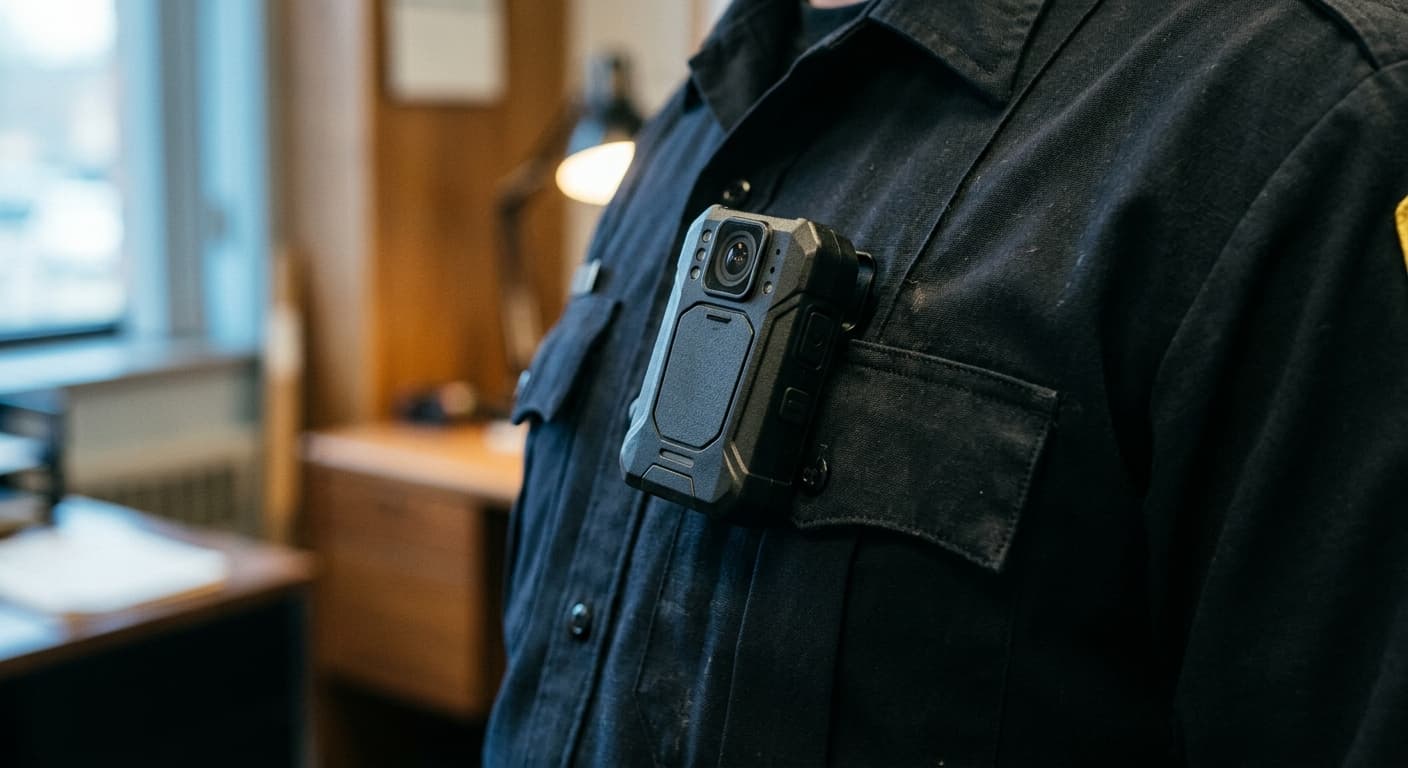
Recording in public places in Mississippi is legal under First Amendment protections, and no Mississippi statute restricts filming in public areas. For audio conversations where speakers hold a reasonable expectation of privacy, the one-party consent rule under Miss. Code Ann. 41-29-531 applies.
Recording in public spaces in Mississippi is a broadly protected activity. The First Amendment to the U.S. Constitution protects your right to photograph, film, and record in public, and Mississippi does not have any state statute that restricts recording in public areas. Whether you are a journalist covering a news story, a citizen documenting a government meeting, or someone filming a scenic Mississippi landmark, understanding the rules will help you exercise your rights confidently.
This guide covers your rights to record in public, the legal basis for those rights, specific situations where recording in public spaces may be restricted, and how Mississippi's Open Meetings Act supports public transparency.
Your Right to Record in Public
The First Amendment Foundation
The right to record in public is grounded in the First Amendment's protections for freedom of speech, freedom of the press, and the right to petition the government. Courts have recognized that gathering information through photography and video recording in public spaces is a form of expression protected by the First Amendment.
The U.S. Court of Appeals for the Fifth Circuit, which has jurisdiction over Mississippi, confirmed the First Amendment right to record in public in Turner v. Driver, 848 F.3d 678 (5th Cir. 2017), holding that the right exists subject to reasonable time, place, and manner restrictions and is clearly established prospectively going forward (the individual officers in that case were granted qualified immunity for conduct that predated the ruling). While the case specifically addressed recording police, the underlying principle extends to all forms of public recording.
No Expectation of Privacy in Public
A foundational principle of recording law is that people generally have no reasonable expectation of privacy when they are in public spaces. This means:
- You can photograph or film anyone in a public space without their consent.
- You do not need to obtain model releases for filming people in public (unless the footage will be used for commercial purposes like advertising).
- Conversations held at normal volume in public places can be overheard and recorded.
- Activities visible to the public can be documented.
- You do not need to announce that you are recording.
This principle has been recognized by courts across the United States and applies fully in Mississippi.
What You Can Record in Public
In Mississippi's public spaces, you can record:
- Streets, sidewalks, and roads. All public rights-of-way are open to filming.
- Parks and public squares. City, county, state, and national parks are public spaces.
- Government buildings (public areas). Lobbies, hearing rooms, legislative chambers, and public service counters.
- Public events and gatherings. Festivals, parades, protests, rallies, and public celebrations.
- Police officers performing their duties. Confirmed by Fifth Circuit case law.
- Public transportation. Buses, trains, and stations (subject to transit authority policies).
- Courthouses (exterior and public areas). Interior courtroom recording typically requires judge's permission.
- Landmarks, bridges, and public architecture. No permission needed to photograph or film from public areas.
Audio Recording in Public Spaces
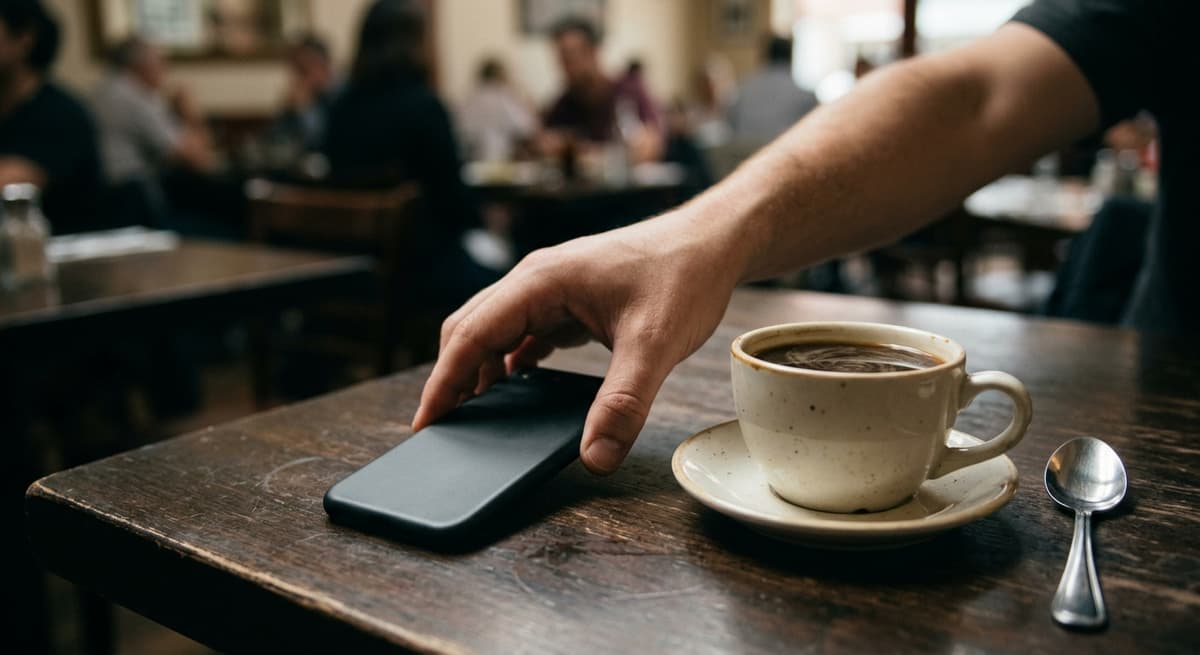
When Consent Is Not Needed
In truly public settings where no one has a reasonable expectation of privacy in their conversation, you can record audio without consent. This includes:
- Speeches and public addresses made to a crowd
- Conversations conducted at full volume in open public areas
- Public meetings and hearings
- Street performers and public demonstrations
- Announcements made over loudspeakers
When One-Party Consent Applies
Mississippi's one-party consent rule (section 41-29-531) applies when the speakers have a reasonable expectation of privacy in their conversation, even if they happen to be in a public place. For example:
- Two people having a quiet, private conversation at a park bench may have a reasonable expectation of privacy in their words, even though they are in a public park.
- A phone call made in public, even at a coffee shop, may carry a reasonable expectation that the call is not being intercepted.
If you are a participant in the conversation, you can always record under the one-party consent rule. If you are not a participant, recording a private conversation you overhear may violate the wiretapping statute.
Mississippi's Open Meetings Act
The Right to Record Government Meetings
Mississippi's Open Meetings Act (Miss. Code Ann. section 25-41-1 et seq.) is a powerful tool for public transparency. Under section 25-41-5, all official meetings of public bodies must be open to the public unless specifically declared an executive session.
Public bodies covered by the Open Meetings Act include:
- State legislative bodies. The Mississippi House of Representatives and Senate.
- County boards. Boards of supervisors, planning commissions, and county agencies.
- Municipal bodies. City councils, town boards, and municipal commissions.
- School boards. Local and regional school district boards.
- State agencies and commissions. Regulatory bodies, licensing boards, and advisory committees.
- Special districts. Water districts, fire districts, and other public entities.
What You Can Record at Government Meetings
At open public meetings, you can:
- Video record the proceedings. Point your camera at the meeting and record without restriction.
- Audio record the meeting. Capture speakers, votes, and discussions.
- Livestream the meeting. Broadcast in real-time on social media or personal websites.
- Take photographs. Document attendees, documents displayed, and the meeting environment.
Limits on Government Meeting Recording
Some restrictions may apply:
- Executive sessions. When a public body goes into executive session (closed session), the public is excluded and recording is not permitted. Executive sessions are limited to specific topics defined by statute, such as personnel matters, litigation strategy, and real estate negotiations.
- Courtroom proceedings. While courthouses are public buildings, courtroom recording is typically controlled by the presiding judge and may require prior approval.
- Disruptive behavior. You can be asked to stop or leave if your recording equipment or behavior disrupts the meeting. Using a tripod that blocks an aisle or bright lights that distract speakers may be restricted.
Public Recording in Specific Settings
Recording at Protests and Demonstrations
Mississippi protects the right to assemble and protest under both the First Amendment and the Mississippi Constitution, Article 3, Section 11. Recording at protests serves an important accountability function:
- You can record protesters, counter-protesters, and law enforcement from public spaces.
- Police may establish crowd control zones, and you must comply with lawful orders about your physical location.
- Recording evidence of excessive force, unlawful arrests, or civil rights violations is constitutionally protected.
- Consider using a livestreaming app so footage is preserved even if your device is confiscated.
Recording on Public Transportation
Mississippi does not have a specific statute addressing recording on public transit. General rules apply:
- Public transit stations and platforms are public spaces where recording is generally permitted.
- Transit authorities may have their own policies about commercial filming or photography (requiring permits and insurance).
- Personal recording for non-commercial purposes is typically allowed.
- Video recording on buses and trains is common for security purposes, so passengers have a reduced expectation of privacy.
Recording in Stores and Restaurants
Stores, restaurants, and other businesses open to the public are private property. Even though they are open to the public, the property owner controls recording policies:
- Businesses can prohibit recording on their premises and post signs to that effect.
- If you are asked to stop recording and refuse, you can be asked to leave. Refusing to leave after being asked can result in trespassing charges under Miss. Code Ann. section 97-17-87.
- You can record from outside the business (from a public sidewalk) without restriction.
- Businesses cannot confiscate your device or demand you delete footage.
Recording at Schools
Public schools are government property, but recording rules are more complex:
- School board meetings are open to the public under the Open Meetings Act and can be recorded.
- Inside schools during school hours recording may be restricted by school policy. Schools have authority to control access and activities on campus for student safety.
- Student privacy is protected under the Family Educational Rights and Privacy Act (FERPA), which restricts recording that captures student education records.
- Public school events like football games, graduations, and concerts are generally open to recording by attendees.
Recording at Hospitals and Medical Facilities
Hospitals and medical facilities have heightened privacy protections:
- Public areas like lobbies and waiting rooms may permit recording, but many facilities have policies against it.
- Patient care areas are private, and recording other patients without consent may violate both section 97-29-63 and HIPAA.
- You can record your own medical interactions as a participant under one-party consent.
- Emergency departments and critical care areas may restrict recording for safety and operational reasons.
Restrictions on Public Recording
Time, Place, and Manner Restrictions
Even in public, the government can impose reasonable "time, place, and manner" restrictions on recording. These restrictions must be:
- Content-neutral. The restriction cannot target a specific viewpoint or subject matter.
- Narrowly tailored. The restriction must serve a significant government interest without being broader than necessary.
- Leave alternative channels. You must still have meaningful ways to record or communicate your message.
Examples of valid restrictions include noise ordinances, permit requirements for large film productions, and safety-related distance requirements near emergency scenes.
Prohibited Uses of Public Recordings
While making the recording in public is generally legal, how you use it may create liability:
- Commercial use without consent. Using someone's image for advertising or product endorsement without their consent may violate their right of publicity.
- Harassment. Recording someone repeatedly in a manner that constitutes stalking or harassment is illegal regardless of the location.
- Defamation. Editing or presenting footage in a misleading way that damages someone's reputation can create defamation liability.
- Copyright infringement. Recording copyrighted performances, art installations, or other protected works may raise copyright issues.
Photography and Video of Children in Public
Photographing or filming children in public spaces is not inherently illegal in Mississippi. Parents and guardians take photos and videos of children at public events, parks, and gatherings constantly. However:
- Schools and organized activities may have policies about photographing other people's children.
- Recording that is focused on children in a manner suggesting inappropriate intent may attract law enforcement attention.
- Publishing photos of other people's children without parental consent, while not necessarily illegal, raises ethical concerns.
Using Public Recordings as Evidence
Admissibility in Court
Recordings made in public are generally admissible in Mississippi courts if they meet the standard evidence requirements:
- Authentication under Mississippi Rules of Evidence Rule 901
- Relevance to the issues in the case
- Not unfairly prejudicial in a way that substantially outweighs probative value
Common Uses of Public Recordings
Public recordings are frequently used in:
- Traffic accident documentation
- Personal injury claims (slip and fall, dog bites, etc.)
- Property damage disputes
- Insurance claims
- Criminal cases (assault, theft, vandalism)
- Civil rights complaints
- Government accountability journalism
More Mississippi Recording Laws
Audio Recording | Video Recording | Voyeurism & Hidden Cameras | Workplace Recording | Recording Police | Phone Call Recording | Security Cameras | Recording in Public | Landlord-Tenant | Dashcam Laws | Schools | Medical Recording
Back to Mississippi Recording Laws
More Mississippi Recording Topics
More Mississippi Laws
Frequently Asked Questions
Is it legal to record in public in Mississippi?
Yes. The First Amendment protects your right to photograph, film, and record in public spaces. Mississippi has no state statute that restricts recording in public areas. You can film on streets, sidewalks, parks, and at public events without consent from those being recorded.
Can I record a government meeting in Mississippi?
Yes. Mississippi's Open Meetings Act (section 25-41-1 et seq.) requires most government body meetings to be open to the public. You can video record, audio record, and livestream public meetings. Executive sessions are closed to recording.
Can a store or restaurant tell me to stop recording in Mississippi?
Yes. Stores and restaurants are private property even though they are open to the public. The owner can prohibit recording and ask you to leave if you refuse. However, they cannot confiscate your device or force you to delete footage.
Do I need consent to photograph someone in public in Mississippi?
No. People in public spaces have no reasonable expectation of privacy for activities visible to others. You can photograph or film anyone in a public place without their consent. However, using the image commercially (for advertising) may require consent.
Can I audio record conversations I overhear in public in Mississippi?
It depends. If the conversation is conducted at normal volume in an open public space with no expectation of privacy, recording is generally permissible. If the speakers are having a private conversation (speaking quietly, in a secluded area), recording without being a participant may violate the wiretapping statute.
Updates
Fixed a dead case-law link for Turner v. Driver and added a clarifying note that the right to record, while binding on Mississippi going forward, was established only prospectively, with qualified immunity for the officers in the underlying case. Separately, repointed every Mississippi Code and Constitution citation on this page from the Legislature's bare homepage to the specific Justia section it names.
Independently fact-checked against the cited primary sources; governing law re-checked for recent changes
Governing law re-checked for recent changes
Spoke propagation from parent hub: replaced all Justia URLs with legislature.ms.gov canonical source; replaced FindLaw Turner v. Driver citation with ca5.uscourts.gov (No. 15-11311) on police, public-recording, and video spokes; corrected is_gov flags for legislature.ms.gov entries in SourcesList components; added keywords and citations arrays to [dashcam](/dashboard-camera-legality-and-privacy-laws-is-it-illegal-to-use-dashcams-in-north-america), landlord-tenant, and schools spokes; updated workplace spoke NLRB section to cite Stericycle, Inc., 372 NLRB No. 113 (2023) as the controlling work-rule standard replacing Boeing. No fabricated cases (Lewis v. State, Glazner v. Glazner) or SB 2437 references found. No 47 CFR 64.501 or FCC 23-107 references found.
Reviewed and approved by an editor
The Law Behind This Article
This article rests on the statutory provisions below, held in our own legal record and retrieved from the official source. Tap a section to read the operative text.
Mississippi Code of 1972 Annotated
§ 41-29-531Exceptions to civil liability for violation of this article.In forcecited in 18 of our articles
This article shall not apply to: An operator of a switchboard, or an officer, employee or agent of a communication common carrier whose facilities are used in the transmission of a wire communication, intercepts a communication, or who discloses or uses an intercepted communication in the normal…
Official text (excerpt) · last checked 2026-08-31 · Read the full text in our law library · Verify at billstatus.ls.state.ms.us
Cited in 4 court opinions in our collectionLatest citing opinion in our collection: 2026
Opinions citing this section in our collection:
- Campbell v. MESC (Court of Appeals of Mississippi 2000, 782 So. 2d 751)“…le involved in the conversation are aware of the recording. Miss.Code Ann. § 41-29-531(e) (the statute does not apply to a con…”
- Brian S. Pope v. Deborah Baird Martin a/k/a Deborah L. Martin a/k/a Deborah Martin Pope a/k/a Deborah L. Pope (Court of Appeals of Mississippi 2023)“…vides a list of those who are immune from civil liability. Miss. Code Ann. § 41-29-531 (Rev. 2018). Relevant to the present ca…”
- Rosenberg (District Court, S.D. Mississippi 2026)“…olation of the Mississippi Security of Communications Act, Miss. Code Ann. §§ 41-29-531 to -537 (Count IX). See id. at 40-47.…”
Identified automatically from the court opinions citing this section — not a ranking of which case controls.
Also relied on in: Mississippi Recording Laws (2026): One-Party Consent Rules, Mississippi AI Meeting Recording Laws (2026), Mississippi Ring Doorbell Laws: What You Need to Know in 2026
§ 25-41-1Legislative declaration.In forcecited in 2 of our articles
It being essential to the fundamental philosophy of the American constitutional form of representative government and to the maintenance of a democratic society that public business be performed in an open and public manner, and that citizens be advised of and be aware of the performance of public…
Official text (excerpt) · last checked 2020-07-08 · Read the full text in our law library
Cited in 18 court opinions in our collectionLatest citing opinion in our collection: 2025
Opinions citing this section in our collection:
- Hinds Cty. Bd. of Sup'rs v. Common Cause (Mississippi Supreme Court 1989, 551 So. 2d 107)“…ery court injunction to comply with the Open Meetings Act, Miss. Code Ann. § 25-41-1 , et seq., Ch. 481, Laws 1975, and the…”
- Gannett River States Pub. Corp., Inc. v. City of Jackson (Mississippi Supreme Court 2004, 866 So. 2d 462)“…ion of two important state statutes, the Open Meetings Act, Miss.Code Ann. §§ 25-41-1 to -17 (Rev.2003), and the Mississippi…”
- Mayor and City Council v. Commercial Dispatch (Mississippi Supreme Court 2017)“…cted at open meetings except as otherwise provided herein. Miss. Code Ann. § 25-41-1 (Rev. 2010). The City takes the positio…”
Identified automatically from the court opinions citing this section — not a ranking of which case controls.
Also relied on in: Mississippi School Recording Laws: Student, Parent, and Teacher Rights (2026)
Search our full record of US law — 2.1 million sections, every state + federal →
Sources and References
- Turner v. Driver, 848 F.3d 678 (5th Cir. 2017)(courtlistener.com)
- Miss. Code Ann. section 41-29-531(law.justia.com)
- Mississippi Open Meetings Act(law.justia.com)
- Mississippi Rules of Evidence(courts.ms.gov).gov
- FERPA FAQs(studentprivacy.ed.gov).gov
- HHS HIPAA(hhs.gov).gov