Indiana Medical Recording Laws: Patient Rights, HIPAA, and Provider Rules
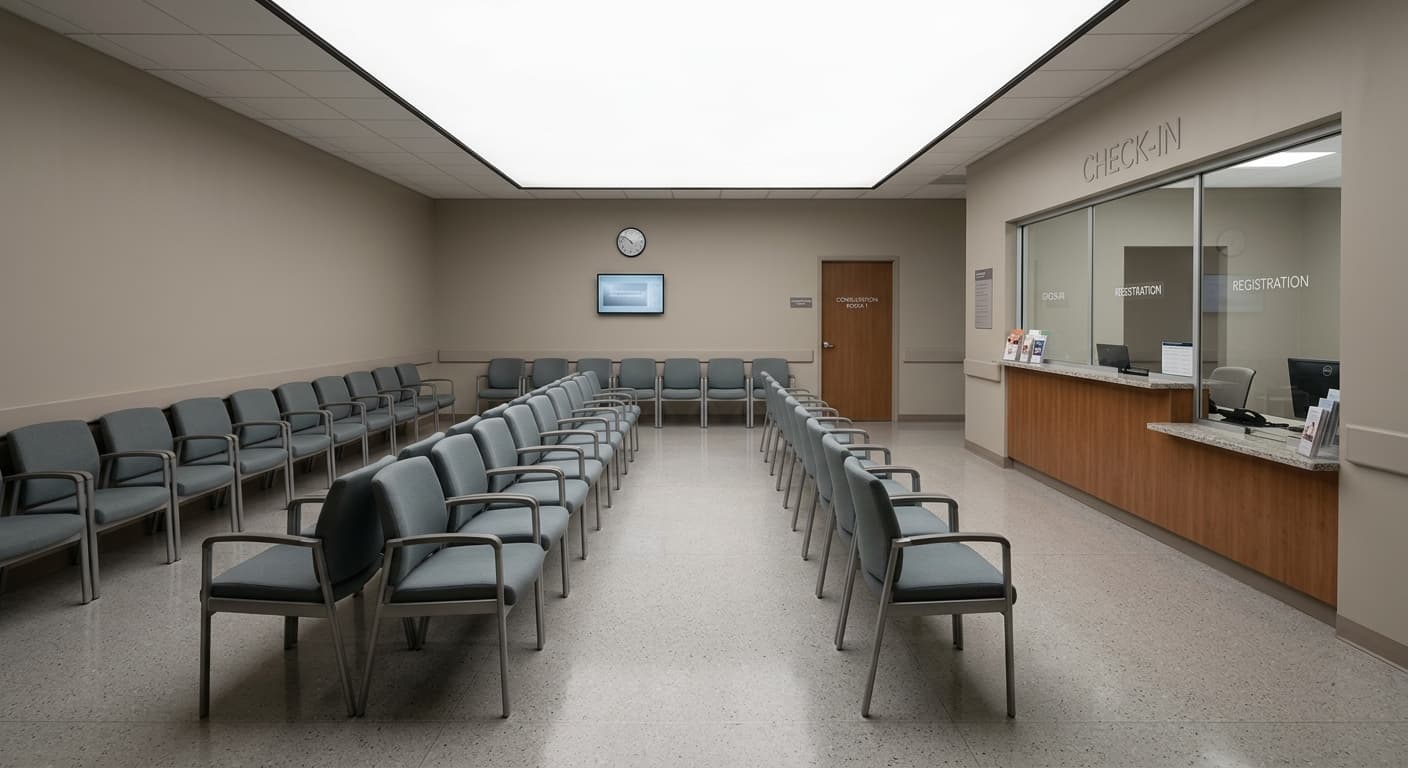
Patients in Indiana have the legal right to record their own medical appointments under the state's one-party consent wiretapping law. This can be valuable for remembering complex diagnoses, documenting informed consent discussions, and preserving evidence in case of disputes. However, medical recording also intersects with federal HIPAA regulations, healthcare provider policies, and special considerations for telehealth. This guide explains how these overlapping rules work in practice.
Your Right to Record Medical Appointments
The Legal Basis

Indiana's one-party consent law (IC 35-33.5-5) allows you to record any conversation you participate in without informing the other parties. As a patient attending a medical appointment, you are a participant in the conversation. This means you can:
- Record conversations with your doctor during office visits
- Record discussions with nurses, physician assistants, and medical staff
- Record informed consent discussions before procedures
- Record discharge instructions and follow-up care instructions
- Record phone calls with your healthcare provider's office
- Record conversations with pharmacists about prescriptions
You do not need to ask permission, announce that you are recording, or obtain a signed consent form from the provider.
Why Patients Record Medical Visits
Research consistently shows that patients forget a significant portion of what their doctor tells them during an appointment. Common reasons for recording include:
- Remembering diagnoses and treatment plans. Complex medical information is easier to process when you can replay the conversation at home.
- Sharing with family caregivers. Family members who could not attend the appointment can listen to the recording to understand the treatment plan.
- Documenting informed consent. A recording captures exactly what risks, benefits, and alternatives were discussed before a procedure.
- Evidence for malpractice claims. If a provider made statements about your diagnosis or treatment that later prove relevant to a malpractice case, a recording provides direct evidence.
- Insurance disputes. Recordings can document what a provider recommended and why, supporting insurance appeals for denied claims.
- Medication instructions. Dosage, timing, and interaction warnings are easier to follow when you can replay them.
HIPAA and Patient Recording
What HIPAA Does and Does Not Do
The Health Insurance Portability and Accountability Act (HIPAA) is often misunderstood in the context of medical recording. Key points:
- HIPAA restricts healthcare providers, not patients. HIPAA's Privacy Rule regulates how covered entities (hospitals, clinics, doctors, insurance companies) use and disclose protected health information (PHI). It does not regulate what patients do with their own medical information.
- HIPAA does not prohibit patients from recording. There is no HIPAA provision that prevents you from recording your own medical appointment.
- Providers cannot cite HIPAA as a reason to stop you from recording. While providers may have internal policies against recording, "HIPAA violation" is not a legally accurate basis for prohibiting a patient from recording their own conversation with their provider.
How HIPAA Affects Providers
HIPAA affects the healthcare provider's side of recording:
- Provider recordings of patients. If a healthcare provider records a patient interaction (such as for medical education or telemedicine documentation), the recording becomes part of the patient's medical record and is subject to HIPAA's privacy and security rules.
- Storage and transmission of recordings. Any recording that contains PHI must be stored and transmitted according to HIPAA security standards.
- Patient access to recordings. Under HIPAA's access right, patients have the right to obtain copies of their medical records, which may include recordings maintained by the provider.
Indiana Health Records Law
Indiana's health records law (IC 16-39) sets standards for records held by doctors, dentists, chiropractors, hospitals, clinics, and other healthcare providers within the state. Under this law:
- Patients (or their authorized representatives) can access their medical records
- Providers must respond to records requests within 30 days
- Only the patient, authorized representative, or authorized healthcare worker has access to medical records, except by subpoena or court order
Healthcare Provider Recording Policies
Can a Doctor Ask You to Stop Recording?

Yes. While recording is legal under Indiana law, healthcare providers can:
- Ask you to stop recording as a matter of office policy
- Include no-recording clauses in their patient agreement forms
- Decline to continue the appointment if you refuse to stop recording
Important distinctions:
- The recording itself is not illegal even if the provider has a no-recording policy. The recording is protected by Indiana's one-party consent law.
- The provider can end the appointment. A doctor is generally not required to continue treating a non-emergency patient who violates their office policies.
- Emergency situations are different. A provider cannot refuse emergency treatment based on a patient's recording. Federal law (EMTALA) requires hospitals to provide emergency stabilization regardless of other factors.
Hospital and Clinic Policies
Many Indiana hospitals and clinics have policies addressing patient recording. Common approaches include:
- Open recording policies. Some providers encourage patient recording as a way to improve compliance with treatment plans.
- Conditional permission. Some facilities allow recording with advance notice or written agreement.
- Restrictive policies. Some facilities prohibit recording in clinical areas, though enforcement of these policies against patients exercising their state law rights is limited.
Recording in Operating Rooms and Procedure Areas
Recording during surgical procedures and medical procedures raises additional considerations:
- Operating rooms and procedure suites may restrict electronic devices for sterility and safety reasons
- Patients under anesthesia cannot consent to or initiate recording during the procedure
- Some providers use their own recording equipment for surgical documentation
- Pre-operative and post-operative conversations are subject to the standard one-party consent rule
Telehealth Recording
Recording Virtual Appointments
Telehealth has expanded significantly in Indiana, and recording virtual medical appointments follows the same one-party consent framework as in-person visits. You can record:
- Video calls with your doctor through telehealth platforms
- Phone consultations with healthcare providers
- Virtual therapy sessions (discussed further below)
- Telemedicine consultations with specialists
Interstate Telehealth Considerations
If you are in Indiana receiving telehealth services from a provider located in another state, consent requirements may depend on the provider's location:
- Provider in a one-party consent state. One-party consent applies from both sides. You can record without informing the provider.
- Provider in a two-party consent state. The stricter standard may apply. If your provider is in California, Florida, Illinois, or another two-party consent state, consider informing them before recording.
Telehealth Platform Recording Features
Many telehealth platforms (Zoom for Healthcare, Doxy.me, Teladoc) have built-in recording features that typically notify all participants. Using the platform's recording function provides notice to the provider, satisfying even two-party consent requirements. Using a separate, external recording device does not trigger these notifications.
Mental Health and Therapy Recording
Recording Therapy Sessions
Indiana's one-party consent law technically permits you to record your own therapy sessions. However, this area involves unique considerations:
- Therapeutic relationship. Recording can affect the dynamics of a therapy session. Therapists may feel that recording inhibits open communication.
- Therapist policies. Many therapists have policies prohibiting recording, and violating these policies may lead to termination of the therapeutic relationship.
- Confidentiality concerns. Recorded therapy sessions contain highly sensitive personal information. Safeguarding these recordings is critical.
- Court proceedings. Recorded therapy sessions may be discoverable in litigation. Consider whether creating a recording could be harmful if it later becomes evidence in a custody, disability, or other proceeding.
Recording Psychiatric Evaluations
Patients undergoing psychiatric evaluations, competency assessments, or involuntary commitment proceedings may wish to record these interactions. The one-party consent law permits it if you are a participant, but:
- Court-ordered evaluations may have specific rules about recording
- Evaluators may object and raise the concern with the court
- Recordings of forensic evaluations may have complex admissibility issues
Nursing Homes and Long-Term Care
Family Members Recording Care
Family members visiting loved ones in nursing homes and long-term care facilities can record their own conversations with staff under one-party consent. This includes:
- Discussions with nursing staff about the resident's care
- Meetings with facility administrators about care plans
- Conversations with doctors during facility visits
Camera Monitoring of Residents
Some families wish to install cameras in a loved one's room to monitor their care. Indiana does not have a specific statute authorizing or prohibiting "granny cams" in nursing home rooms. Key considerations:
- Shared rooms. Cameras in shared rooms raise privacy concerns for the other resident. Consent from all residents in the room (or their legal guardians) is recommended.
- Private rooms. The resident (or their authorized decision-maker) can generally consent to camera installation in a private room.
- Facility policies. Many facilities have policies addressing room cameras. Working with the facility to establish guidelines is recommended.
- Audio recording. If the camera includes audio, the one-party consent and ambient recording considerations discussed elsewhere in this guide apply.
Using Medical Recordings as Evidence
Malpractice Claims
Recordings of medical conversations can be powerful evidence in malpractice cases. They can document:
- What the provider said about diagnosis, treatment options, and risks
- Whether informed consent was properly obtained
- Instructions given for post-treatment care
- The provider's response to patient complaints or concerns
- Conversations about test results and their implications
Recordings made under Indiana's one-party consent law are generally admissible in malpractice litigation.
Insurance Appeals
When an insurance company denies coverage for a treatment or procedure, a recording of your provider explaining why the treatment is medically necessary can support your appeal. This is especially useful when:
- The provider's written notes do not capture the full clinical reasoning
- There is a dispute about what the provider recommended
- The insurer claims the treatment was not medically necessary
Informed Consent Disputes
Informed consent requires that a patient understand the risks, benefits, and alternatives to a proposed treatment. If a dispute arises about whether informed consent was properly obtained, a recording of the pre-procedure discussion provides direct evidence of what was communicated.
More Indiana Laws
- Indiana Lemon Laws
- Indiana Statute of Limitations
- [Indiana Data Privacy Laws](/us-laws/data-privacy-laws/indiana-data-privacy-laws)
- Indiana Recording Laws
- Indiana Child Support Laws
- Indiana Whistleblower Laws
- Indiana Sexting Laws
- Indiana Recording Laws
More Indiana Recording Laws
Audio Recording | Video Recording | Voyeurism & Hidden Cameras | Workplace Recording | Recording Police | Phone Call Recording | Security Cameras | Recording in Public | Landlord-Tenant | Dashcam Laws | Schools | Medical Recording
Sources and References
- Indiana Code IC 35-33.5-5(iga.in.gov).gov
- HHS HIPAA(hhs.gov).gov
- Indiana Medicaid HIPAA(in.gov).gov
- Indiana Code IC 16-39(law.justia.com)
- Indiana Code IC 35-45-4-5(iga.in.gov).gov