
Montana
Montana Laws on Recording in Public: First Amendment Rights and Limitations (2026)
Independently fact-checked against primary sources (last audited August 22, 2026). · Reviewed by the RecordingLaw editorial team. · Law checked current as of August 22, 2026. · 10 primary sources cited on this page. How we verify our legal content
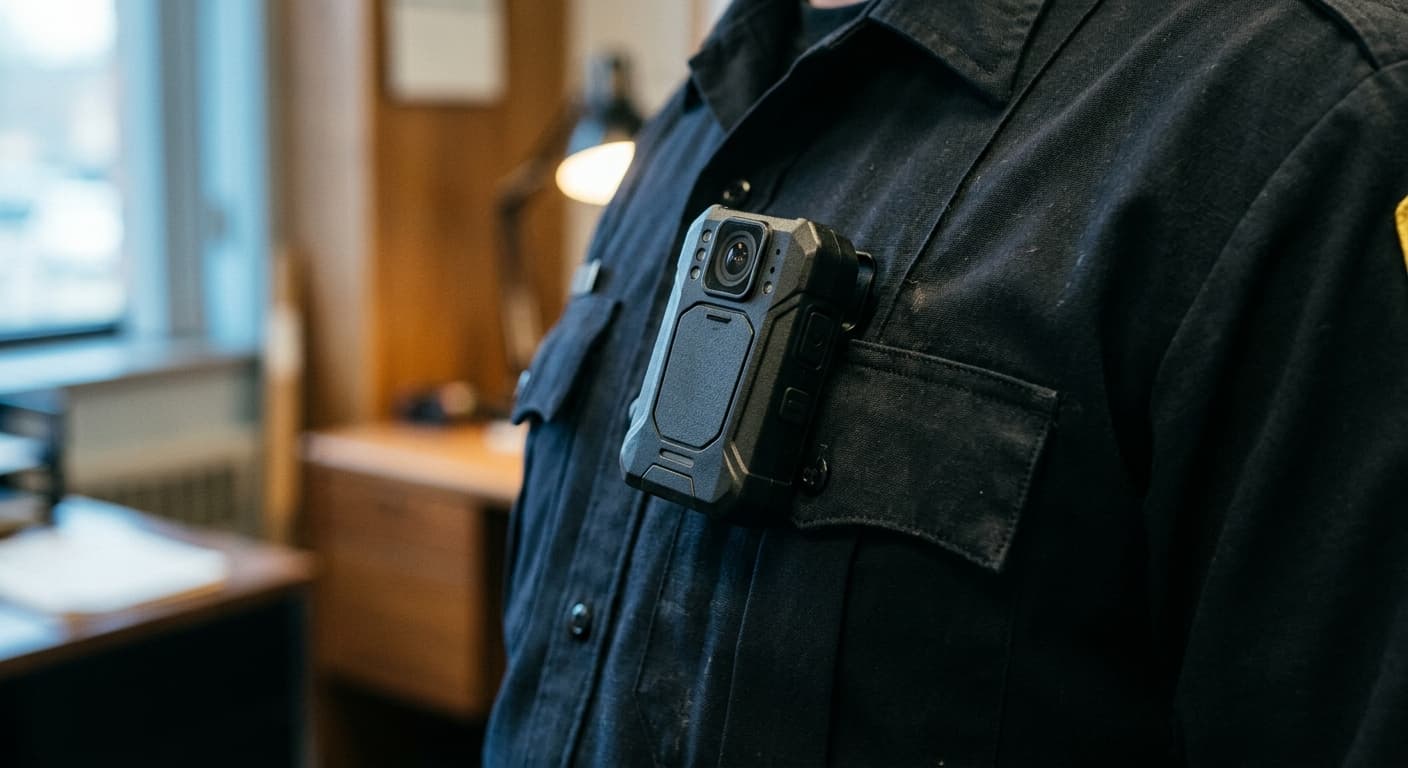
Recording video and taking photographs in public in Montana is legal under the First Amendment without anyone's consent. Audio recording of private conversations, however, requires either a warning to all parties or qualifies as recording public officials performing official duties under Mont. Code Ann. 45-8-213.
Montana provides strong protections for recording in public spaces. The First Amendment to the U.S. Constitution, Montana's own constitutional provisions, and specific statutory exceptions combine to create a legal framework that broadly supports the right to record in public. However, important limitations apply when public recordings capture private conversations using hidden devices.
This guide covers your rights when recording in public places, the boundaries of those rights, and how Montana law treats different types of public recording.
First Amendment Right to Record in Public
The First Amendment protects the right to gather information in public spaces, including through photography, videography, and audio recording. Courts have consistently recognized that this right extends to all citizens, not just journalists or media organizations.
What the First Amendment Protects
In Montana, the First Amendment protects your right to:
- Photograph and record video on public streets, sidewalks, parks, plazas, and other public spaces
- Record government buildings (exterior and publicly accessible areas)
- Record public events, including protests, demonstrations, parades, and festivals
- Record interactions between police officers and members of the public
- Livestream events occurring in public spaces
- Record from your own property or from any location where you have a legal right to be
Ninth Circuit Recognition
Montana falls within the Ninth Circuit Court of Appeals, which has recognized the right to record in public as a constitutionally protected activity. The Ninth Circuit's decisions affirm that citizens may record law enforcement and other government activities in public without interference, as long as the recording does not physically obstruct government operations.
When Public Recording Triggers MCA 45-8-213
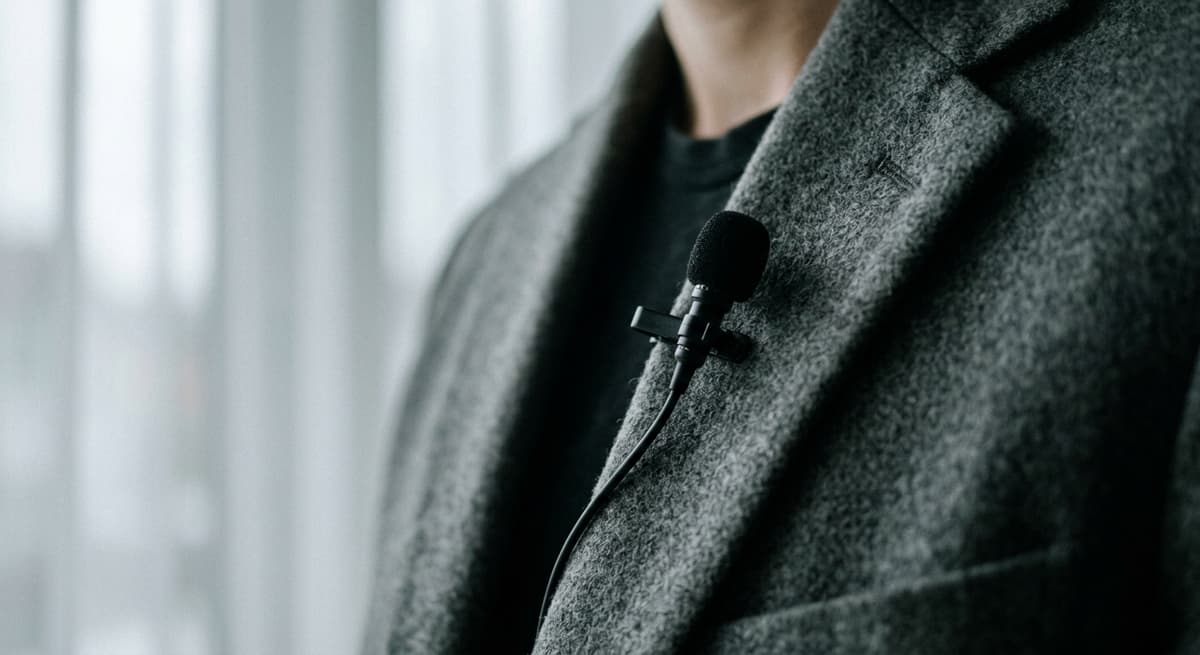
While video recording in public is broadly protected, Montana's privacy in communications statute introduces limitations when audio is involved.
The Audio Exception
Under MCA 45-8-213(1)(c), recording a conversation using a hidden device without all-party knowledge is illegal. This applies even in public settings if:
- You are using a concealed recording device to capture a private conversation
- The conversation is between parties who have not been warned that recording is taking place
- The parties are having a conversation they reasonably consider private, even though they are in a public location
For example, placing a hidden microphone at a restaurant table to record a conversation between two people at the next table could violate MCA 45-8-213, even though the restaurant is a public place. The conversation itself is private, and the recording device is hidden.
When Audio Recording in Public Is Lawful
Audio recording in public is lawful when:
- You provide a warning to all parties that you are recording (MCA 45-8-213(2)(a)(iii))
- You are recording public officials performing official duties (MCA 45-8-213(2)(a))
- You are recording speakers at a public meeting (MCA 45-8-213(2)(a))
- You are recording sounds that do not constitute a "conversation" (ambient noise, public speeches, street performances)
- Your recording device is not hidden and the parties are clearly aware of its presence (the statute targets "hidden" devices)
Public Speeches and Performances
Recording a public speech, street performance, or public announcement does not violate MCA 45-8-213 because the speaker is addressing the public and has no reasonable expectation of privacy in their words. The statute targets private conversations, not public communications.
Recording Public Meetings in Montana
Montana's Open Meetings Act, codified at MCA Title 2, Chapter 3, Part 2, guarantees public access to government meetings and supports the right to record them.
Your Rights at Public Meetings
Under Montana's Open Meetings laws:
- All meetings of public agencies and governmental bodies must be open to the public unless a specific exception applies
- Citizens have the right to attend and record open meetings
- MCA 2-3-212 specifically provides that audio recordings may serve as the official record of open meetings
- MCA 45-8-213(2)(a) separately exempts recording of "persons speaking at public meetings" from the consent requirement
Types of Public Meetings Covered
Montana's Open Meetings Act applies to:
- City council and town meetings
- County commission meetings
- School board meetings
- State legislative hearings and committee meetings
- Public hearings on zoning, permitting, environmental, and regulatory matters
- Meetings of boards, commissions, and advisory committees created by state or local government
- Special district meetings (water, sewer, fire, etc.)
Limitations at Public Meetings
While recording is broadly permitted, meeting bodies may impose reasonable time, place, and manner restrictions:
- Requiring recording equipment to be placed in designated areas
- Prohibiting flash photography that disrupts proceedings
- Requiring that recording equipment not block the view of other attendees
- Restricting the use of tripods or stands in narrow aisles
These restrictions must be content-neutral (applied regardless of who is recording or what they are recording) and must not effectively prevent recording entirely.
Recording on Government Property
Publicly Accessible Areas
Recording in publicly accessible areas of government buildings is generally protected:
- Lobbies, hallways, and public service counters of government offices
- Courthouses (with some restrictions, see below)
- Public parks and recreation areas
- Public libraries (common areas)
- Government offices that are open to the public for services
Courthouse Recording
Recording in Montana courthouses involves special considerations:
- Court proceedings: Recording may be permitted at the discretion of the presiding judge. Montana Supreme Court rules govern camera access in courtrooms.
- Public areas: Hallways, lobbies, and other common areas of courthouses are generally open to recording.
- Restricted areas: Judges' chambers, jury deliberation rooms, and certain secure areas may be off-limits to recording.
Restricted Government Facilities
Some government facilities have additional restrictions:
- Military installations are governed by federal regulations that may prohibit photography and recording
- Correctional facilities have their own recording policies
- Secure areas of law enforcement facilities may restrict recording for safety and investigative reasons
Recording Private Property Open to the Public
Many recording situations occur on private property that is open to the public, such as shopping malls, retail stores, restaurants, and entertainment venues.
General Rules
- Property owners may set their own recording policies for their premises
- A property owner or manager can ask you to stop recording and ask you to leave
- If you refuse to leave after being asked, you may be trespassing under Montana law
- However, a property owner's policy does not override criminal law protections. For example, a store cannot legally install hidden cameras in its fitting rooms, regardless of its internal policies.
Common Policies
Many businesses in Montana have policies addressing recording on their premises:
- No recording policies: Some businesses prohibit all recording on their premises. Violation typically results in being asked to leave.
- **Limited recording** policies: Some businesses allow personal photography but prohibit commercial filming without permission.
- Open recording policies: Some businesses, particularly tourist attractions, encourage photography and recording.
Street Photography and Public Photography
Montana follows general First Amendment principles regarding photography in public:
What You May Photograph
- Any person, building, or activity visible from a public space
- Private property that is visible from a public vantage point (the exterior of buildings, vehicles on public roads, etc.)
- Landmarks and scenery without restriction
- Yourself (selfies) in any public location
Limitations
- Upskirting and similar intrusive photography violates MCA 45-5-223, even in public locations
- Commercial use of a person's image may require their consent under right of publicity principles
- Harassment through recording: Repeatedly following and recording someone in a manner that constitutes harassment may violate other Montana statutes, even if the individual recordings are lawful
Protest and Demonstration Recording
Recording protests and demonstrations in Montana is strongly protected by the First Amendment:
Your Rights as a Protester
- You may record your own participation in a protest
- You may record other protesters, counter-protesters, and bystanders in public
- You may record police officers policing the protest (no warning required under MCA 45-8-213(2)(a))
- You may livestream the event in real time
Your Rights as a Bystander
- You may record a protest from a safe distance without participating
- You are not required to identify yourself as a journalist to exercise recording rights
- Press credentials are not required to record public events
Law Enforcement Interactions at Protests
- Officers cannot order you to stop recording the protest or their activities
- Officers may issue lawful dispersal orders that you must comply with, but you may continue recording while complying
- Officers cannot single out individuals who are recording for arrest or dispersal
- Officers cannot seize or delete your recordings without a warrant
Recording and Privacy in Semi-Public Spaces
Some locations present a gray area between fully public and fully private:
Apartment Building Common Areas
- Lobbies, hallways, and parking garages of apartment buildings are semi-public
- Building management may set recording policies for these areas
- Residents generally have reduced privacy expectations in common areas
- Cameras aimed at individual unit doors or windows may raise privacy concerns
Shopping Malls and Retail Centers
- Common areas of malls are generally open to recording
- Individual stores may have their own policies
- Recording in fitting rooms, restrooms, or other private areas is prohibited regardless of location
Medical Facilities
- Waiting rooms are semi-public but recording patients may raise HIPAA and state privacy concerns
- Recording in examination rooms requires patient consent
- Visitors should follow facility recording policies
More Montana Recording Laws
Audio Recording | Video Recording | Voyeurism & Hidden Cameras | Workplace Recording | Recording Police | Phone Call Recording | Security Cameras | Recording in Public | Landlord-Tenant | Dashcam Laws | Schools | Medical Recording
Back to Montana Recording Laws
More Montana Recording Topics
More Montana Laws
Frequently Asked Questions
Can I record video in public in Montana without anyone's permission?
Yes. Video recording in public spaces is protected by the First Amendment. You may record on public streets, sidewalks, parks, and other public areas without anyone's consent. However, if your recording captures audio of a private conversation using a hidden device, MCA 45-8-213 may apply. Recording public officials performing official duties requires no consent or warning.
Can I record a public meeting in Montana?
Yes. Montana's Open Meetings Act (MCA Title 2, Chapter 3) guarantees public access to government meetings, and MCA 45-8-213(2)(a) specifically exempts recording of persons speaking at public meetings from the consent requirement. Audio recordings may serve as the official record of open meetings under MCA 2-3-212.
Can a store owner stop me from recording in their business in Montana?
A private property owner can set their own recording policies and ask you to stop recording on their premises. If you refuse to leave after being asked, you could be charged with trespassing. However, the property owner's policy does not override criminal law protections. For example, hidden cameras in fitting rooms or restrooms are illegal regardless of the business owner's policies.
Do I need to be a journalist to record in public in Montana?
No. The First Amendment right to record in public extends to all citizens, not just journalists. You do not need press credentials, media affiliation, or any special authorization to record in public spaces. The right to gather information about matters of public interest belongs to everyone.
Can I livestream events in public in Montana?
Yes. Livestreaming in public spaces is protected by the same First Amendment principles that protect photography and video recording. You may livestream protests, public events, police activity, and government meetings. The same limitations apply: you cannot physically interfere with police operations, and audio recording of private conversations using hidden devices requires compliance with MCA 45-8-213.
Updates
Independently fact-checked against the cited primary sources; governing law re-checked for recent changes
Corrected the Montana warning-exception pinpoint citation from the nonexistent MCA 45-8-213(2)(c) to the correct MCA 45-8-213(2)(a)(iii).
Governing law re-checked for recent changes
Reviewed and approved by an editor
The Law Behind This Article
This article rests on the statutory provisions below, held in our own legal record and retrieved from the official source. Tap a section to read the operative text.
Montana Code Annotated, Title 45
§ 45-8-213Privacy In CommunicationsIn forcecited in 23 of our articles
45-8-213. Privacy in communications. (1) Except as provided in 69-6-104, a person commits the offense of violating privacy in communications if the person knowingly or purposely: (a) with the purpose to terrify, intimidate, threaten, harass, or injure, communicates with a person by electronic communication and threatens to inflict injury or physical harm to the person or property of the person or makes repeated use of obscene, lewd, or profane language or repeated lewd or lascivious suggestions; (b) uses an electronic communication to attempt to extort money or any other thing of value from a person or to disturb by repeated communications the peace, quiet, or right of privacy of a person at the place where the communications are received; (c) records or causes to be recorded a conversation by use of a hidden electronic or mechanical device that reproduces a human conversation without the knowledge of all parties to the conversation; (d) with the purpose to terrify, intimidate, threaten, harass, or injure or to obtain money or other valuable consideration, publishes, distributes, or discloses real or digitally fabricated printed or electronic photographs, pictures, images, or…
Official text (excerpt) · last checked 2026-08-31 · Read the full text in our law library · Verify at mca.legmt.gov
Cited in 23 court opinions in our collectionLatest citing opinion in our collection: 2025
In the courts (editorial summary, independently checked):State v. Dugan (2013) struck the statute's prima facie intent clause as overbroad. State v. Brown (1988) noted the statute still bars recording without all participants' permission and rejected an overbreadth attack on its public-official exception. State v. DuBray (2003) found no violation where the defendant knew of the recording.
Opinions citing this section in our collection:
- State v. Smith (Montana Supreme Court 2004, 322 Mont. 206)✓A man who phoned threats to kill his estranged wife's boyfriend argued he should have been charged under section 45-8-213(1)(a) instead of assault with a weapon. The court held the two statutes punish different conduct, so the charge was within prosecutorial discretion.
- State v. Dugan (Montana Supreme Court 2013, 369 Mont. 39)“…rbroad, the Court today strikes the prima facie language in § 45-8-213, MCA. However, a narrow application would be…”
- In re C.S. (Montana Supreme Court 1984, 210 Mont. 144)“…n of privacy in communication, a misdemeanor as provided in Section 45-8-213, MCA. The facts underlying the offense were…”
Identified automatically from the court opinions citing this section — not a ranking of which case controls.
Also relied on in: Montana Recording Laws (2026): Announcement Exception and Penalties, Montana Landlord-Tenant Recording Laws: Camera Rules, Privacy Rights, and Disputes (2026), Montana Security Camera Laws: Home, Business, and Surveillance Rules (2026)
§ 45-5-223Surreptitious Visual Observation Or Recordation -- Place Of Residence -- Public Place -- ExceptionsIn forcecited in 9 of our articles
45-5-223. Surreptitious visual observation or recordation -- place of residence -- public place -- exceptions. (1) A person commits the offense of surreptitious visual observation or recordation in a place of residence if the person purposely or knowingly hides, waits, or otherwise loiters in person or by means of a remote electronic device within or in the vicinity of a private dwelling house, apartment, or other place of residence for the purpose of: (a) watching, gazing at, or looking upon any occupant in the residence in a surreptitious manner without the occupant's knowledge; or (b) by means of an electronic device, surreptitiously observing or recording the visual image of any occupant in the residence without the occupant's knowledge. (2) A person commits the offense of surreptitious visual observation or recordation in public if the person purposely or knowingly observes or records a visual image of the sexual or intimate parts of another person in a public place without the other person's knowledge when the victim has a reasonable expectation of privacy.
Official text (excerpt) · last checked 2026-08-31 · Read the full text in our law library · Verify at mca.legmt.gov
Cited in 1 court opinions in our collectionLatest citing opinion in our collection: 2026
Opinions citing this section in our collection:
- United States v. Watkins (Court of Appeals for the Tenth Circuit 2026)“…nn. § 609.746;1 Miss. Code Ann. § 97-29-61;2 MPC § 250.12;1 Mont. Code Ann. 45-5-223;3 Neb. Rev. Stat. § 28-311.08; Nev. Rev…”
Identified automatically from the court opinions citing this section — not a ranking of which case controls.
Also relied on in: Montana Video Recording Laws: Consent Rules, Surveillance, and Penalties (2026), Montana Workplace Recording Laws: Employee Rights, Employer Monitoring, and the WDEA (2026), Montana Smart Glasses Recording Laws (MCA 45-8-213)
Montana Code Annotated, Title 2
§ 2-3-212Minutes Of Meetings -- Public InspectionIn force
2-3-212. Minutes of meetings -- public inspection. (1) Appropriate minutes of all meetings required by 2-3-203 to be open must be kept and must be available for inspection by the public. If an audio recording of a meeting is made and designated as official, the recording constitutes the official record of the meeting. If an official recording is made, a written record of the meeting must also be made and must include the information specified in subsection (2). (2) Minutes must include without limitation: (a) the date, time, and place of the meeting; (b) a list of the individual members of the public body, agency, or organization who were in attendance; (c) the substance of all matters proposed, discussed, or decided; and (d) at the request of any member, a record of votes by individual members for any votes taken. (3) If the minutes are recorded and designated as the official record, a log or time stamp for each main agenda item is required for the purpose of providing assistance to the public in accessing that portion of the meeting.
Official text (excerpt) · last checked 2026-07-29 · Read the full text in our law library · Verify at mca.legmt.gov
Cited in 7 court opinions in our collectionLatest citing opinion in our collection: 2024
Opinions citing this section in our collection:
- Boulder Monitor v. Jefferson High School District No. 1 (Montana Supreme Court 2014, 373 Mont. 212)“…adopting formal rules, not keeping minutes in violation of § 2-3-212, MCA, and not requiring formal votes, must n…”
- Associated Press v. Crofts (Montana Supreme Court 2004, 321 Mont. 193)“…adopting formal rules, not keeping minutes in violation of § 2-3-212, MCA, and not requiring formal votes, must n…”
- Motta v. Philipsburg School Board Trustees, District 1 (Montana Supreme Court 2004, 323 Mont. 72)“…trict’s failure to keep minutes at these meetings violated § 2-3-212, MCA. ¶8 Finally, the District Court co…”
Identified automatically from the court opinions citing this section — not a ranking of which case controls.
Search our full record of US law — 2.1 million sections, every state + federal →
Sources and References
- Montana Code Annotated 45-8-213 - Privacy in Communications(leg.mt.gov).gov
- Montana Open Meetings Law - Title 2, Chapter 3, Part 2(leg.mt.gov).gov
- Montana Code Annotated 2-3-212 - Minutes and Records of Open Meetings(leg.mt.gov).gov
- Montana Constitution Article II, Section 10 - Right of Privacy(leg.mt.gov).gov
- Montana Code Annotated 45-5-223 - Surreptitious Visual Observation or Recordation(leg.mt.gov).gov
- Montana Code Annotated 45-8-213 - Privacy in Communications(mca.legmt.gov).gov
- Montana Open Meetings Law - Title 2, Chapter 3, Part 2(mca.legmt.gov).gov
- Montana Code Annotated 2-3-212 - Minutes and Records of Open Meetings(mca.legmt.gov).gov
- Montana Constitution Article II, Section 10 - Right of Privacy(mca.legmt.gov).gov
- Montana Code Annotated 45-5-223 - Surreptitious Visual Observation or Recordation(mca.legmt.gov).gov