Montana Dashcam Laws: Recording Rules, Audio Consent, and Windshield Mounting (2026)
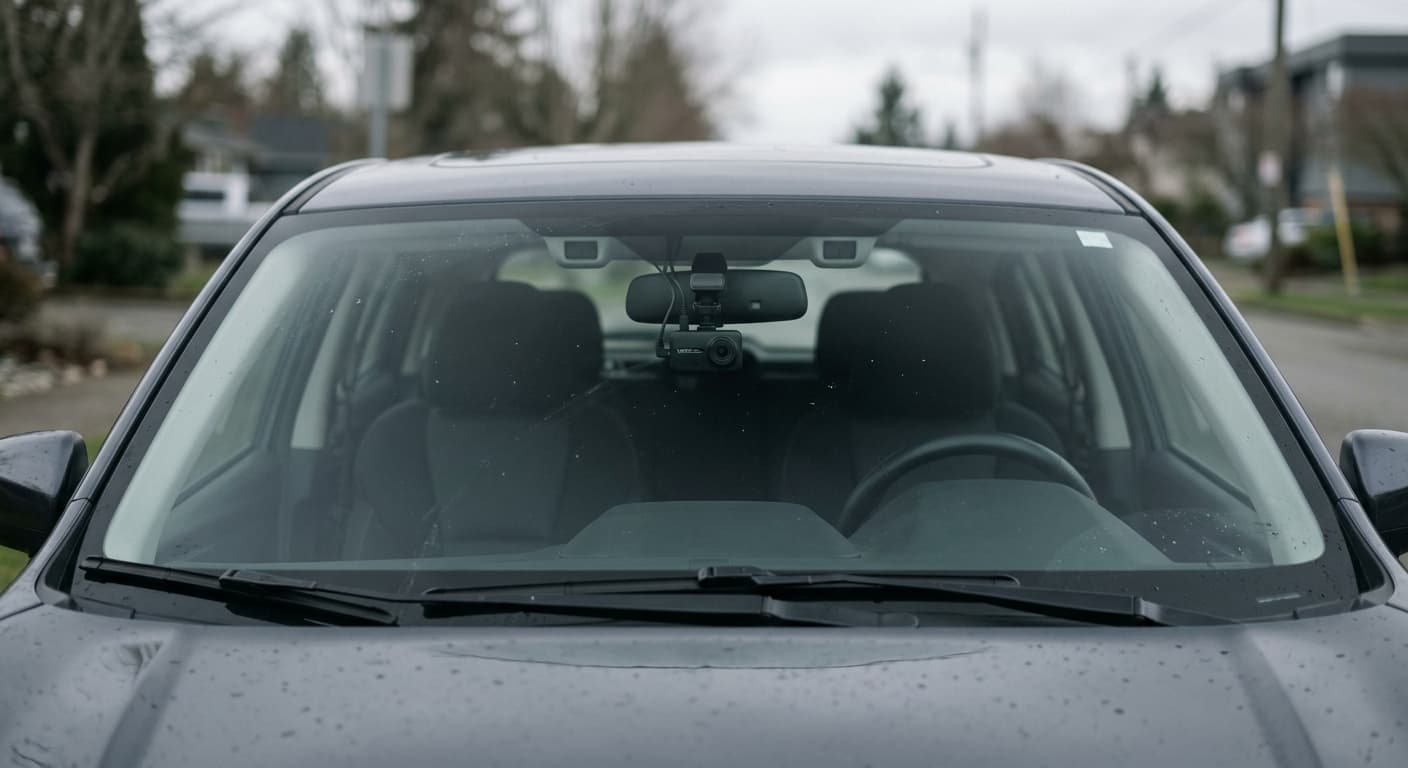
Montana does not have a standalone dashcam statute, but the use of dashboard cameras is governed by the state's general recording laws, windshield safety rules, and privacy protections. Video-only dashcam recording on public roads is legal without restriction. The legal questions arise when a dashcam captures audio, because Montana's privacy in communications law (MCA 45-8-213) specifically targets recording with hidden electronic devices.
Montana's law is unique in that it focuses on hidden recording devices rather than recording in general. If your dashcam is visible and you announce that recording is taking place, the warning exception under MCA 45-8-213 may allow you to record audio lawfully. However, a dashcam tucked behind a rearview mirror that silently records passenger conversations could be considered a hidden device, triggering the all-party knowledge requirement.
Montana Dashcam Legality Overview
Is It Legal to Use a Dashcam in Montana?
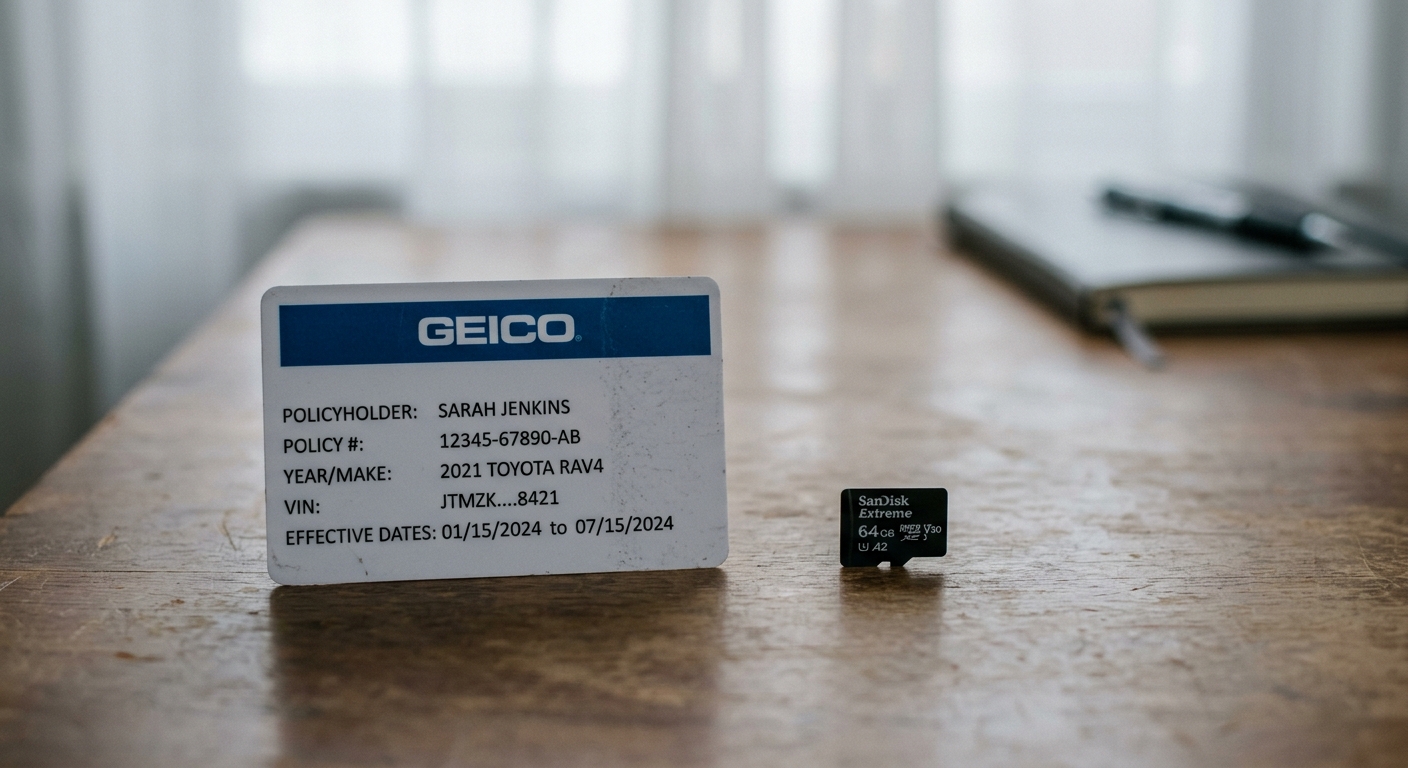
Yes. Montana does not prohibit the installation or use of dashboard cameras in personal or commercial vehicles. Drivers throughout the state use dashcams for safety documentation, insurance protection, and recording scenic Montana drives.
The legality depends on two factors: where the dashcam is mounted (windshield obstruction rules) and whether it records audio (privacy in communications rules).
Video-Only vs. Audio-Enabled Dashcams
The distinction between video-only and audio-enabled dashcams is legally critical in Montana.
| Feature | Legal Status in Montana |
|---|---|
| Video-only dashcam (no microphone) | Legal on public roads |
| Visible dashcam with audio + verbal warning | Legal under the warning exception |
| Hidden dashcam recording interior audio | Requires all-party knowledge under MCA 45-8-213 |
| Dashcam recording exterior road sounds | Generally legal (no expectation of privacy) |
A video-only dashcam that records traffic, road conditions, and exterior events does not implicate Montana's recording consent statutes. Audio recording of conversations inside the vehicle is where legal risk begins.
The Hidden Device Element
Montana's statute is unique because it specifically targets recording done with a "hidden electronic or mechanical device." This means the legality of dashcam audio recording depends partly on whether the dashcam itself is visible or concealed:
- A dashcam mounted prominently on the dashboard with a visible recording indicator may not qualify as a "hidden" device
- A small dashcam tucked behind the rearview mirror with no visible indicator is more likely to be considered hidden
- The warning exception provides additional protection: if you verbally announce that recording is taking place, either party may record
Windshield Mounting Rules in Montana
MCA 61-9-405: Windshield Obstruction
Montana's windshield obstruction requirements are found in MCA 61-9-405. This statute requires that motor vehicles have windshields that provide a clear view for the driver and that no condition substantially impairs the driver's ability to see through the windshield.
While the statute does not specifically mention dashcams, any device that obstructs the driver's view could lead to a citation. Montana law enforcement officers have discretion to determine whether a dashcam placement creates a safety hazard.
Best Practices for Dashcam Placement
To comply with Montana's windshield rules:
- Behind the rearview mirror: The most common and safest placement. The mirror already occupies this space, so a dashcam adds minimal additional obstruction.
- Lower passenger-side corner: If the dashcam cannot fit behind the mirror, the lower right corner keeps it away from the driver's primary line of sight.
- Dashboard mount: Avoids the windshield entirely, eliminating any obstruction concern.
- Avoid center and driver-side placements: Mounting a dashcam directly in front of the driver or in the center of the windshield is most likely to draw attention from law enforcement.
Montana Winter Driving Considerations
Montana's harsh winter conditions create practical concerns for dashcam use. Extreme cold can affect battery life and camera performance. Ice buildup on the windshield around a suction-cup mounted dashcam can cause the mount to fail. Drivers should:
- Use a dashcam rated for cold temperatures (many are tested to -4 F or lower)
- Consider a hardwired installation to avoid battery issues
- Keep the windshield clear of ice and condensation around the dashcam mount
- Check the dashcam regularly during winter months to ensure it is functioning
Audio Recording Consent and Your Dashcam
How MCA 45-8-213 Applies to Dashcam Audio
MCA 45-8-213(1)(c) makes it a crime to knowingly or purposely record a conversation with a hidden electronic or mechanical device without the knowledge of all parties. For dashcam users, this means:
- If your dashcam records audio and is not clearly visible to all occupants, it may qualify as a hidden device
- Recording passenger conversations without their knowledge violates the statute
- The warning exception under subsection (1)(c) provides a path to lawful recording: if any party to the conversation announces that recording is taking place, either party may record
The Warning Exception for Dashcam Users
Montana's warning exception is a practical tool for dashcam users who want to record audio. The process is straightforward:
- When passengers enter your vehicle, announce: "I have a dashcam that records audio and video."
- Once the warning has been given, you are legally permitted to record.
- The warning must be given each time new passengers enter the vehicle.
- The statute does not require the other parties to consent, only that they have knowledge of the recording.
This is a key distinction from states that require actual consent. In Montana, the warning alone is sufficient. If a passenger objects to being recorded after the warning, you should turn off the audio as a matter of courtesy, but the legal requirement is knowledge, not agreement.
Rideshare and Commercial Drivers
Montana rideshare and taxi drivers can use the warning exception by posting a visible sign in the vehicle stating "Audio and video recording in progress" and verbally informing passengers. Many rideshare platforms also include recording disclosures in their terms of service, but Montana drivers should still provide their own warning to ensure compliance with MCA 45-8-213.
The Montana Department of Transportation does not specifically regulate dashcams in rideshare vehicles, but general traffic safety standards apply.
Using Dashcam Footage as Evidence in Montana
Accident and Insurance Claims
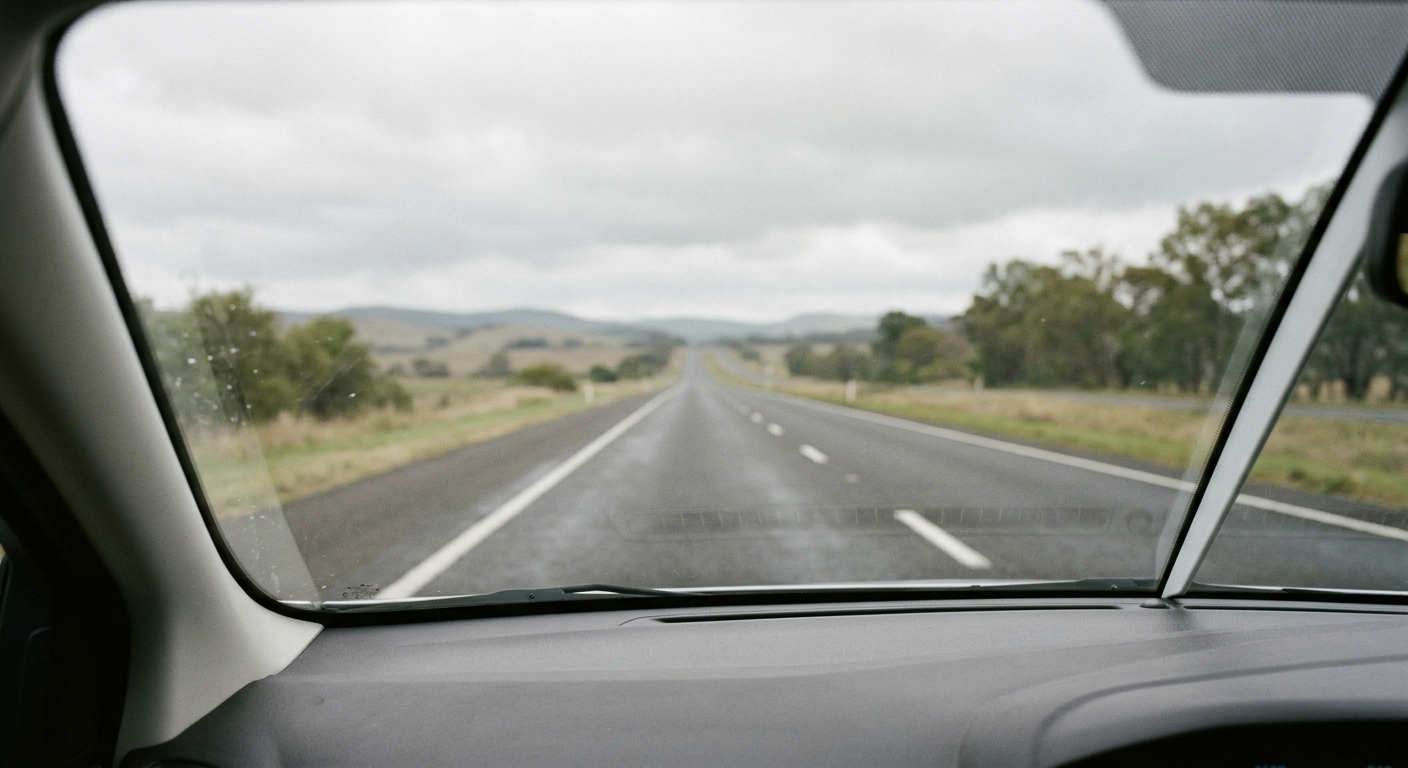
Dashcam footage is valuable evidence in Montana accident claims. Montana is a fault-based auto insurance state, meaning the driver at fault for an accident is responsible for damages. Dashcam video can help establish fault by showing:
- The speed and direction of each vehicle before impact
- Traffic signals, stop signs, and road conditions at the time of the accident
- Whether either driver was distracted, impaired, or driving recklessly
- The severity of the impact and resulting damage
Montana insurance companies routinely accept dashcam footage as supporting evidence. To maximize its evidentiary value:
- Enable date and time stamps on your dashcam
- Use a camera with sufficient resolution to capture license plates and road signs
- Preserve the original footage without any editing
- Back up recordings promptly, as many dashcams record on a loop and overwrite old footage
Admissibility in Montana Courts
For dashcam footage to be admissible in a Montana court:
- The footage must be relevant to the issues in the case
- The party introducing the footage must demonstrate its authenticity and that it has not been tampered with
- If the footage includes audio recorded without proper warning under MCA 45-8-213, the audio portion may be challenged
- The footage must be preserved through a proper chain of custody
Law Enforcement and Traffic Stops
Montana law enforcement officers may ask for dashcam footage during a traffic stop or accident investigation. You are not legally required to turn over your dashcam footage without a warrant or subpoena, though cooperating voluntarily may help your case if the footage supports your version of events.
Montana Highway Patrol officers often use their own dashcams and body cameras. Under Montana's open records laws, you may be able to obtain law enforcement dashcam footage through a public records request.
Criminal Penalties for Illegal Dashcam Audio Recording
First Offense
A first-time violation of MCA 45-8-213 is a misdemeanor punishable by:
- Up to 6 months in jail
- A fine of up to $500
- Or both
Subsequent Offenses
A second or subsequent violation is a more serious misdemeanor carrying:
- Up to 1 year in jail
- A fine of up to $1,000
- Or both
| Offense | Classification | Max Jail | Max Fine |
|---|---|---|---|
| First offense | Misdemeanor | 6 months | $500 |
| Subsequent offense | Misdemeanor | 1 year | $1,000 |
Civil Liability
Montana does not have a specific civil statute for recording violations like some states, but victims of illegal recording may pursue civil claims under Montana's constitutional right to privacy (Article II, Section 10 of the Montana Constitution) or common law tort claims for invasion of privacy.
Commercial Vehicle Dashcams in Montana
Trucking and Fleet Operations
Commercial trucking companies operating on Montana's highways increasingly use dashcams for fleet safety, liability protection, and driver monitoring. The Federal Motor Carrier Safety Administration (FMCSA) does not mandate or prohibit dashcams in commercial vehicles.
Montana-specific considerations for commercial dashcams:
- Video-only dashcams in commercial vehicles are legal throughout the state
- Interior-facing dashcams with audio require compliance with MCA 45-8-213
- The warning exception applies to employer-employee relationships: employers should inform drivers that audio is being recorded
- Fleet management systems that transmit GPS and vehicle performance data but do not record audio are not subject to the recording statute
School Bus Dashcams
Montana school districts may install dashcams on school buses for safety monitoring. Video-only cameras recording bus interiors and exteriors are standard practice. If audio recording is included, the district should provide notice to parents and students in compliance with MCA 45-8-213.
Dashcam Privacy Considerations in Montana
Montana's Constitutional Right to Privacy
Montana has one of the strongest constitutional privacy protections in the United States. Article II, Section 10 of the Montana Constitution states: "The right of individual privacy is essential to the well-being of a free society and shall not be infringed without the showing of a compelling state interest."
This constitutional provision gives Montanans a broader privacy expectation than residents of most other states. While this does not directly regulate dashcams, it shapes how courts interpret recording disputes and privacy claims related to dashcam footage.
Recording Other Drivers and Pedestrians
A dashcam recording video of other vehicles and pedestrians on public roads does not generally raise privacy concerns. People on public roadways have a reduced expectation of privacy. However, using dashcam footage to harass, stalk, or intimidate another person could violate Montana's stalking laws under MCA 45-5-220.
Parking Mode Recording
Many dashcams have a parking mode that activates when the vehicle detects motion or impact while parked. This feature is generally legal when the vehicle is parked on a public street or in a public lot. Recording on private property without the property owner's knowledge may raise additional concerns, particularly given Montana's strong constitutional privacy protections.
More Montana Laws
- Montana Sexting Laws
- Montana Recording Laws
- Montana Recording Laws
- Montana Recording Laws
- Montana Child Support Laws
- Montana Car Seat Laws
- Montana Recording Laws
- Montana Statute of Limitations
Explore More Montana Recording Laws
Audio Recording | Video Recording | Voyeurism Laws | Workplace Recording | Recording Police | Phone Call Recording | Security Cameras | Recording in Public | Landlord-Tenant Recording | Dashcam Laws | School Recording | Medical Recording