
Maryland
Maryland Workplace Recording Laws: Employee and Employer Rules (2026)
Independently fact-checked against primary sources (last audited August 22, 2026). · Reviewed by the RecordingLaw editorial team. · Law checked current as of August 22, 2026. · 6 primary sources cited on this page. How we verify our legal content
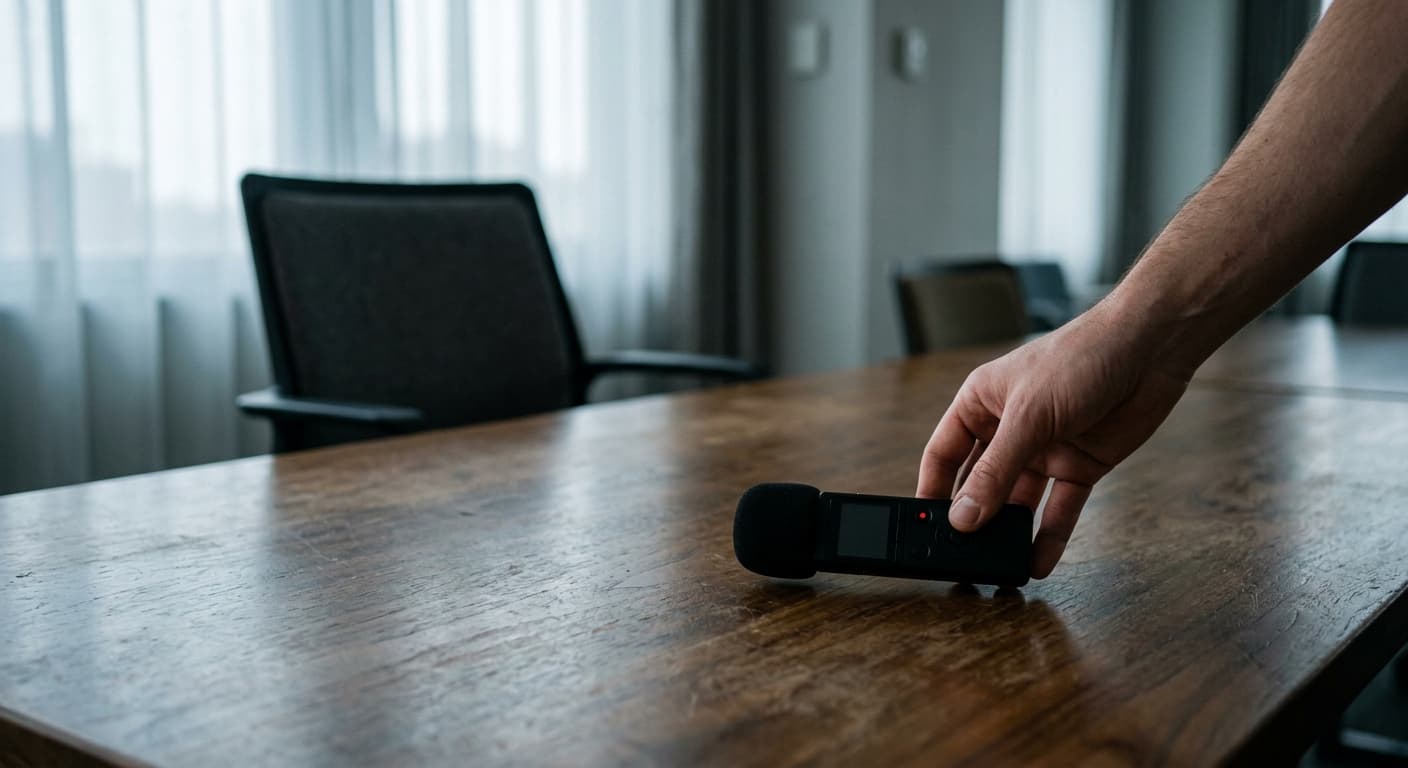
Maryland requires all-party consent under Md. Code, Cts. & Jud. Proc. § 10-402, so employees may not secretly record workplace conversations with coworkers, supervisors, or clients. Employers may monitor workplace communications if they provide advance written notice and obtain consent from employees before recording begins.
Maryland's strict all-party consent law applies with full force in workplace settings. Under Md. Code, Cts. & Jud. Proc. ss 10-402, no one may record a private conversation without the consent of every participant. This rule does not change because the conversation happens at work.
This creates challenges for employees who want to document workplace misconduct and for employers who want to monitor business operations. This guide explains what both employees and employers can and cannot do under Maryland law.
Can Employees Record at Work in Maryland?
The Short Answer: Not Without Consent
Maryland employees cannot secretly record conversations in the workplace. The wiretapping statute makes no exception for work-related recordings. You cannot record:
- Private conversations with coworkers
- Meetings with your supervisor or manager
- Performance reviews or disciplinary meetings
- Phone calls with clients or customers
- Video conferences or virtual meetings (audio component)
- Conversations in break rooms, hallways, or offices
Any of these recordings made without consent from all parties constitutes a felony under ss 10-402, carrying up to 5 years in prison and a $10,000 fine.
Why Employees Want to Record
Employees often want to record workplace conversations to document:
- Sexual harassment or hostile work environment
- Racial discrimination or other illegal treatment
- Wage theft or labor law violations
- Retaliation for whistleblowing
- Unsafe working conditions
- Promises made during negotiations
While these motivations may be understandable, Maryland law does not create a workplace exception to the wiretapping statute. An employee who secretly records a supervisor making racist comments has committed a felony, and the recording cannot be used as evidence in court.
Legal Alternatives to Secret Recording
Employees who need to document workplace misconduct should use lawful methods:
- Written contemporaneous notes: Record dates, times, witnesses, and exact quotes in writing as soon as possible after each incident
- Email documentation: Send follow-up emails summarizing conversations ("Per our discussion today, you said...")
- Formal complaints: File written complaints through HR, compliance departments, or union representatives
- Witness statements: Ask coworkers who witnessed the conduct to provide written statements
- Consult an employment attorney: Get legal advice about evidence-gathering strategies that comply with Maryland law
- Report to government agencies: File complaints with the EEOC, Maryland Commission on Civil Rights, or OSHA
Recording with Consent
If you want to record a workplace conversation in Maryland, you can do so legally by obtaining explicit consent from every participant:
- Ask each person in the conversation for permission before recording
- If anyone declines, do not record
- Consider sending a follow-up email confirming that consent was given
- Note that an employer can prohibit recording as a workplace policy, even with consent
Can Employers Record Employees in Maryland?
Employer Monitoring of Communications
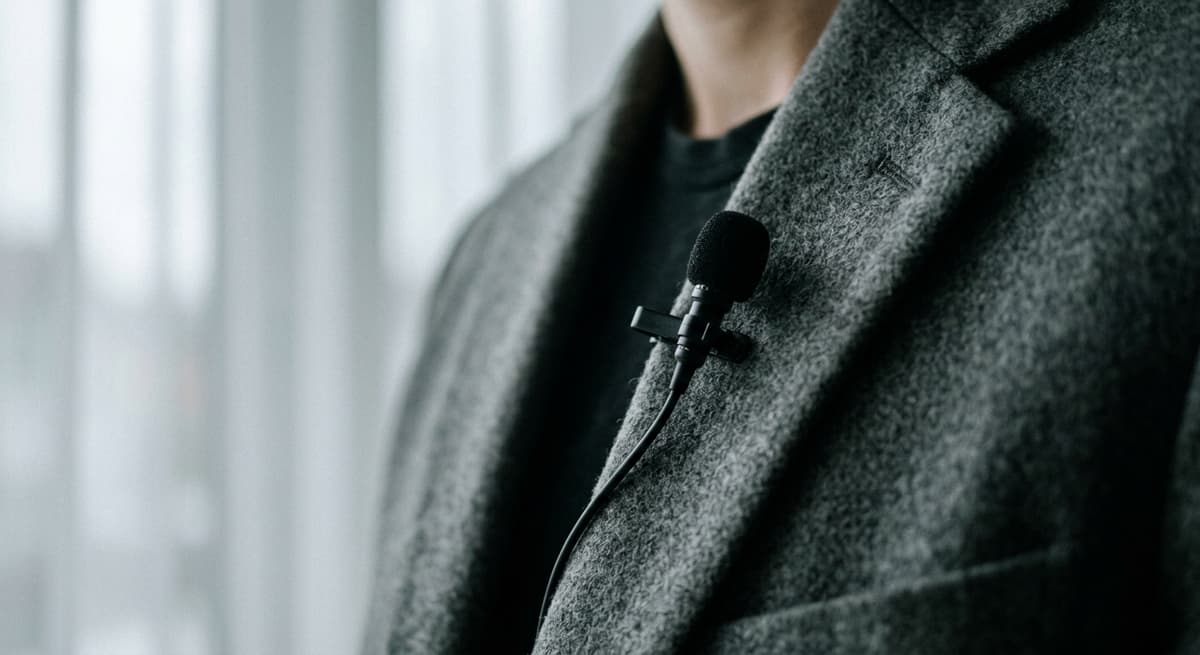
Maryland employers may monitor workplace communications, but they must comply with the wiretapping statute. Key requirements include:
Advance notice: Employers must inform employees that monitoring is taking place. This notice should be provided in writing, typically through an employee handbook, workplace policy, or signed acknowledgment form.
Consent: Employees must consent to the monitoring. Signing an employee handbook or workplace policy that includes a monitoring disclosure generally constitutes valid consent.
Scope limitations: Monitoring should be limited to work-related communications. Once an employer determines that a communication is personal, continued monitoring may violate the law.
Types of Employer Monitoring
Phone calls: Employers can monitor business calls if employees receive advance notice and consent. The "business extension exception" recognized in some jurisdictions allows employers to monitor calls on business phone systems, but Maryland's strict consent standard means employers should still obtain explicit agreement.
Email and computer activity: Employer monitoring of email and computer activity on company-owned systems is generally permissible when employees have been notified and have consented through workplace policies. Maryland does not have a separate statute specifically addressing employer email monitoring.
Video surveillance: Employers can use video surveillance cameras in common work areas. However:
- Cameras must not be placed in restrooms, changing rooms, or other private areas where employees have a reasonable expectation of privacy
- Audio recording through security cameras requires all-party consent under ss 10-402
- Employees should receive notice of camera locations
Video Surveillance in the Workplace
Where Cameras Are Permitted
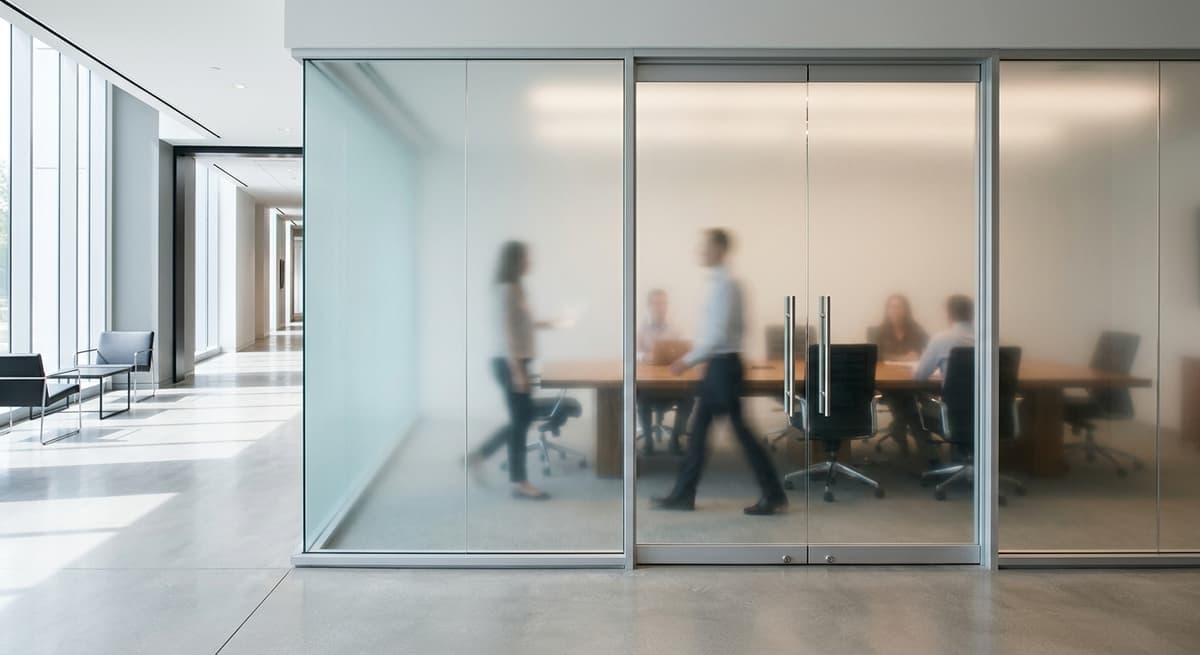
Maryland employers can place video cameras in:
- Building entrances and exits
- Lobbies, hallways, and reception areas
- Warehouse and production floors
- Cash register areas and retail sales floors
- Parking lots and loading docks
- Any common area where employees do not have a reasonable expectation of privacy
Where Cameras Are Prohibited
Cameras are never permitted in:
- Restrooms and bathrooms
- Changing rooms and locker rooms
- Lactation rooms
- Private offices used by a single employee (arguable, but risky without notice)
- Any space where employees have a reasonable expectation of visual privacy
Audio-Enabled Security Cameras
Security cameras that record audio in the workplace present the same legal issues as any other audio recording device. The all-party consent requirement under ss 10-402 applies. Employers who use audio-enabled cameras must:
- Notify all employees about the audio recording capability
- Obtain consent from employees
- Post signage notifying visitors and customers
- Consider whether visitors have provided adequate consent
Federal Labor Law and Workplace Recording

National Labor Relations Act (NLRA) Considerations
The National Labor Relations Act protects employees' rights to engage in "concerted activity" for mutual aid and protection. The National Labor Relations Board (NLRB) has ruled that employees may have a right to record certain workplace activities as part of protected concerted activity, particularly related to labor organizing and documenting unfair labor practices.
However, Maryland's wiretapping statute creates a direct tension with this federal protection. While the NLRA may protect an employee's right to record in some circumstances, Maryland law classifies the same recording as a felony. The interaction between these two laws requires careful navigation.
The current NLRB standard for evaluating employer handbook no-recording rules is Stericycle, Inc., 372 NLRB No. 113 (2023), which overruled Boeing Co., 365 NLRB No. 154 (2017). Under Stericycle, a facially neutral workplace rule (including a no-recording policy) is unlawful if it could reasonably be interpreted to chill Section 7 activity, unless the employer can show a legitimate and substantial business justification that outweighs the policy's potential chilling effect. NLRB Acting General Counsel GC Memo 25-07 (2025) addresses surreptitious recording of collective bargaining sessions and directs regional offices to treat such recording as a per se unfair labor practice under NLRA ss 8(a)(5) and ss 8(b)(3).
Practical guidance: Employees who believe their NLRA rights authorize recording should consult with a labor attorney before making any recordings. The legal risk under Maryland's wiretapping statute is significant, and the federal preemption argument is not guaranteed to succeed.
Whistleblower Protections
Maryland's whistleblower protection statute, State Personnel and Pensions Code ss 5-305, protects state employees who report waste, fraud, abuse, or dangers to public health and safety. However, this protection does not authorize secret recording. An employee who reports misconduct through proper channels receives whistleblower protection, but an employee who secretly records evidence of that misconduct has committed a separate criminal offense.
Employer Recording Policies
Best Practices for Maryland Employers
Employers should establish clear recording policies that address:
Employee recording rules:
- State that unauthorized recording of workplace conversations is prohibited
- Reference Maryland's wiretapping statute and explain the legal consequences
- Specify that the policy applies to all recording devices, including personal cell phones
- Describe any approved recording (such as training sessions with advance notice)
Employer monitoring disclosure:
- List all forms of workplace monitoring (phone, email, video, computer activity)
- Identify camera locations
- Explain the business purposes for monitoring
- Obtain signed acknowledgment from all employees
Enforcement:
- Outline disciplinary consequences for unauthorized recording
- Train supervisors and managers on the policy
- Review and update the policy periodically
Written Consent Documentation
Maryland employers should maintain documentation of employee consent to workplace monitoring. Recommended documents include:
- Employee handbook with monitoring policy and signed acknowledgment
- Separate consent form for phone call monitoring
- Visible signage indicating video surveillance areas
- Annual reminders about monitoring policies
Recording Meetings and Disciplinary Sessions
Staff Meetings
Recording a staff meeting in Maryland requires consent from every attendee. The meeting organizer should:
- Announce at the beginning that the meeting will be recorded
- Ask for verbal consent from each participant
- Note objections and either stop recording or allow the objecting person to leave
- Include the consent announcement in the recording itself
Disciplinary Meetings and Performance Reviews
Neither employers nor employees can secretly record disciplinary meetings or performance reviews. If either party wants to record:
- The request must be made in advance
- All participants must agree
- Anyone who refuses cannot be penalized for refusing (though the employer retains the right to proceed with the meeting unrecorded)
Union Grievance Meetings
Recording union grievance meetings follows the same all-party consent rules. Neither the union representative, the employee, nor the employer can record without everyone's agreement.
Remote Work and Virtual Meetings
Maryland Law Applies to Remote Workers
Maryland's wiretapping statute applies to employees working remotely from locations within the state. A Maryland-based remote worker cannot secretly record video conference calls, phone calls, or other communications without consent from all parties.
Virtual Meeting Recording
Platforms like Zoom, Microsoft Teams, and Google Meet typically notify participants when recording begins. This built-in notification helps satisfy the consent requirement, but Maryland's strict standard means that:
- The notification must be clear and prominent
- Participants should have the opportunity to object or leave
- Joining a meeting after a recording notification may constitute consent, but this has not been definitively tested in Maryland courts
Civil Liability for Workplace Recording Violations
Employees or employers who violate the wiretapping statute in a workplace context face civil liability under ss 10-410. Damages include:
- Actual damages with a minimum of $100 per day of violation or $1,000 (whichever is greater)
- Punitive damages for willful violations
- Reasonable attorney fees and litigation costs
In the employment context, a wrongful termination claim based on an illegally recorded conversation would face the additional hurdle that the recording itself is inadmissible under ss 10-405.
More Maryland Recording Laws
Audio Recording | Video Recording | Voyeurism & Hidden Cameras | Workplace Recording | Recording Police | Phone Call Recording | Security Cameras | Recording in Public | Landlord-Tenant | Dashcam Laws | Schools | Medical Recording
Back to Maryland Recording Laws
More Maryland Recording Topics
More Maryland Laws
Frequently Asked Questions
Can I secretly record my boss in Maryland?
No. Maryland's all-party consent law (ss 10-402) prohibits secret recording of any private conversation, including conversations with your boss. Doing so is a felony punishable by up to 5 years in prison and a $10,000 fine. Even if you are documenting harassment or discrimination, the recording is illegal and inadmissible in court.
Can my employer record me at work in Maryland?
Your employer can record you at work only with proper notice and consent. Video surveillance in common areas is generally permitted with notice. Audio recording requires explicit consent from all parties under the wiretapping statute. Your employer should have a written monitoring policy in the employee handbook that you acknowledge and sign.
Can I record a meeting at work in Maryland?
You can record a meeting only if every person in the meeting consents. Before recording begins, the organizer should announce the intent to record and obtain verbal agreement from each attendee. If anyone objects, the recording must stop or the objecting person should be allowed to leave. Unauthorized recording is a felony.
What should I do instead of recording workplace harassment in Maryland?
Keep written contemporaneous notes with dates, times, witnesses, and exact quotes. Send follow-up emails summarizing incidents. File formal complaints with HR or your compliance department. Ask witnesses for written statements. Report to the EEOC or Maryland Commission on Civil Rights. Consult an employment attorney for additional evidence-gathering strategies that comply with Maryland law.
Does federal labor law override Maryland recording restrictions?
The interaction between the NLRA and Maryland's wiretapping statute is not fully resolved. While the NLRB has ruled that some recording activity may be protected concerted activity under federal labor law, Maryland still classifies unauthorized recording as a felony. Employees should consult a labor attorney before relying on federal preemption as a defense to Maryland criminal liability.
Updates
Independently fact-checked against the cited primary sources; governing law re-checked for recent changes
Removed an incorrect Criminal Law ss 3-903 citation attached to the no-cameras-in-restrooms/changing-rooms guidance; that statute governs camera surveillance aimed into a private residence, not general workplace facilities, so the specific citation was replaced with the underlying privacy-expectation rationale.
Governing law re-checked for recent changes
Reviewed and approved by an editor
The Law Behind This Article
This article rests on the statutory provisions below, held in our own legal record and retrieved from the official source. Tap a section to read the operative text.
Maryland Code, Courts and Judicial Proceedings Article
§ 10-402In forcecited in 26 of our articles
§10–402. (a) Except as otherwise specifically provided in this subtitle it is unlawful for any person to: (1) Willfully intercept, endeavor to intercept, or procure any other person to intercept or endeavor to intercept, any wire, oral, or electronic communication; (2) Willfully disclose, or endeavor to disclose, to any other person the contents of any wire, oral, or electronic communication, knowing or having reason to know that the information was obtained through the interception of a wire, oral, or electronic communication in violation of this subtitle; or (3) Willfully use, or endeavor to use, the contents of any wire, oral, or electronic communication, knowing or having reason to know that the information was obtained through the interception of a wire, oral, or electronic communication in violation of this subtitle. (b) Any person who violates subsection (a) of this section is guilty of a felony and is subject to imprisonment for not more than 5 years or a fine of not more than $10,000, or both.
Official text (excerpt) · last checked 2026-08-31 · Read the full text in our law library · Verify at mgaleg.maryland.gov
Cited in 12 court opinions in our collectionLatest citing opinion in our collection: 2026
In the courts (editorial summary, independently checked):Applying section 10-402, Fearnow v. Chesapeake & Potomac Telephone Co. (1995) held that liability under the Maryland Wiretap Act requires proof the defendant acted willfully, an intentional violation or reckless disregard of a known legal duty; an employee's failure to check for a court order was only a jury factor on willfulness.
Opinions citing this section in our collection:
- Fearnow v. Chesapeake & Potomac Telephone Co. (Court of Special Appeals of Maryland 1995, 104 Md. App. 1)✓Police hid a tape recorder on an officer's headquarters phone line with a phone company employee's help and no court order; the court held a section 10-402(a) claim requires proof of willful interception, and failing to ask about a court order went only to willfulness.
- Maryland Attorney General Opinion 110OAG60 (Maryland Attorney General Reports 2025)“…or wire communications without the consent of all parties. Md. Code Ann., Cts. & Jud. Proc. § 10-402(a). However, the Wiretap Act contains e…”
- Boehner, John A. v. McDermott, James A. (Court of Appeals for the D.C. Circuit 1999, 191 F.3d 463)“…1992); Me.Rev.Stat. Ann. tit. 15, §§ 710, 711 (West 1998); Md.Code Ann., Cts & Jud. Proc. § 10-402 (1998); Mass. Gen. Laws Ann. ch. 272,…”
Identified automatically from the court opinions citing this section — not a ranking of which case controls.
Also relied on in: US Recording Laws by State (2026): All 50 States Explained, Is Plaud HIPAA Compliant? Kind Of. Here's What to Know (2026), Maryland Audio Recording Laws: Two-Party Consent Rules and Penalties (2026)
§ 10-405In forcecited in 8 of our articles
§10–405. (a) Except as provided in subsection (b) of this section, whenever any wire, oral, or electronic communication has been intercepted, no part of the contents of the communication and no evidence derived therefrom may be received in evidence in any trial, hearing, or other proceeding in or before any court, grand jury, department, officer, agency, regulatory body, legislative committee, or other authority of this State, or a political subdivision thereof if the disclosure of that information would be in violation of this subtitle.
Official text (excerpt) · last checked 2026-07-29 · Read the full text in our law library · Verify at mgaleg.maryland.gov
Cited in 1 court opinions in our collectionLatest citing opinion in our collection: 2013
Opinions citing this section in our collection:
- King v. State (Court of Appeals of Maryland 2013, 434 Md. 472)“…that information would be in violation of this subtitle. Md.Code Ann., Cts. & Jud. Proc. § 10-405(a) (1957, 2013 Repl. Vol.).…”
Identified automatically from the court opinions citing this section — not a ranking of which case controls.
Also relied on in: Maryland Dashcam Laws: Legality, Audio Rules, and Evidence Use (2026), Maryland Landlord-Tenant Recording Laws: Cameras, Audio, and Privacy (2026), Maryland Phone Call Recording Laws: Consent Rules for Calls (2026)
§ 10-410In forcecited in 10 of our articles
§10–410. (a) Any person whose wire, oral, or electronic communication is intercepted, disclosed, or used in violation of this subtitle shall have a civil cause of action against any person who intercepts, discloses, or uses, or procures any other person to intercept, disclose, or use the communications, and be entitled to recover from any person: (1) Actual damages but not less than liquidated damages computed at the rate of $100 a day for each day of violation or $1,000, whichever is higher; (2) Punitive damages; and (3) A reasonable attorney’s fee and other litigation costs reasonably incurred. (b) A good faith reliance on a court order or legislative authorization shall constitute a complete defense to any civil or criminal action brought under this subtitle or under any other law.
Official text (excerpt) · last checked 2026-07-29 · Read the full text in our law library · Verify at mgaleg.maryland.gov
Cited in 2 court opinions in our collectionLatest citing opinion in our collection: 2023
In the courts (editorial summary, independently checked):Fearnow v. Chesapeake & Potomac Telephone Co. (1995) held that punitive damages under section 10-410(a) require malice, meaning a knowing and deliberate violation of the Maryland Wiretap Act, and that a reckless disregard of a known legal duty does not supply it. It also rejected reputational damages not caused by the interception itself.
Opinions citing this section in our collection:
- Fearnow v. Chesapeake & Potomac Telephone Co. (Court of Special Appeals of Maryland 1995, 104 Md. App. 1)✓A police chief had an officer's headquarters phone extension tapped with a telephone technician's help; the court held liability under section 10-410 requires proof the technician acted wilfully, a jury question, and that punitive damages require a showing of malice.
- Think Tank, Inc. v. ITegrity, Inc. (District Court, D. Maryland 2023)“…against Bawa and [Tegrity under the Maryland Wiretap Act, Md. Code Ann., Cts. & Jud. Proc. § 10-410 (West 2022), also related to Bawa’s use…”
Identified automatically from the court opinions citing this section — not a ranking of which case controls.
Also relied on in: Maryland Medical Recording Laws: Patient Rights, HIPAA, and Consent (2026), Maryland Laws on Recording in Public: Rights, Limits, and Exceptions (2026), Maryland Smart Glasses Recording Laws 2026
Maryland Code, State Personnel and Pensions Article
§ 5-305In forcecited in 2 of our articles
§5–305. Subject to the limitations of § 5–306 of this subtitle, a supervisor, appointing authority, or the head of a principal unit may not take or refuse to take any personnel action as a reprisal against: (1) an employee who discloses information that the employee reasonably believes evidences: (i) an abuse of authority, gross mismanagement, or gross waste of money; (ii) a substantial and specific danger to public health or safety; or (iii) a violation of law; (2) an employee of the Department of Juvenile Services who discloses information to the Director of Juvenile Justice Monitoring or staff of the Office of the Correctional Ombudsman, including the Juvenile Justice Monitoring Unit relating to the Unit’s duties under § 9–4014 of the State Government Article; (3) an employee of the Department of Public Safety and Correctional Services who discloses information to the Correctional Ombudsman or staff of the Office of the Correctional Ombudsman relating to the Office’s duties under § 9–4004 of the State Government Article; or (4) an employee who, following a disclosure under item (1), (2), or (3) of this section, seeks a remedy provided under this subtitle or any other…
Official text (excerpt) · last checked 2026-07-29 · Read the full text in our law library · Verify at mgaleg.maryland.gov
Also relied on in: Maryland Whistleblower Laws: Protections and How to Report
Search our full record of US law — 2.1 million sections, every state + federal →
Sources and References
- Md. Code, Cts. & Jud. Proc. ss 10-402 - Interception of Communications(mgaleg.maryland.gov).gov
- Md. Code, Cts. & Jud. Proc. ss 10-405 - Suppression of Evidence(mgaleg.maryland.gov).gov
- Md. Code, Cts. & Jud. Proc. ss 10-410 - Civil Liability(law.justia.com).gov
- National Labor Relations Act - Full Text(nlrb.gov).gov
- Maryland State Personnel and Pensions ss 5-305 - Whistleblower Protection(mgaleg.maryland.gov).gov
- Md. Code, Cts. & Jud. Proc. ss 10-410 - Civil Liability(mgaleg.maryland.gov).gov