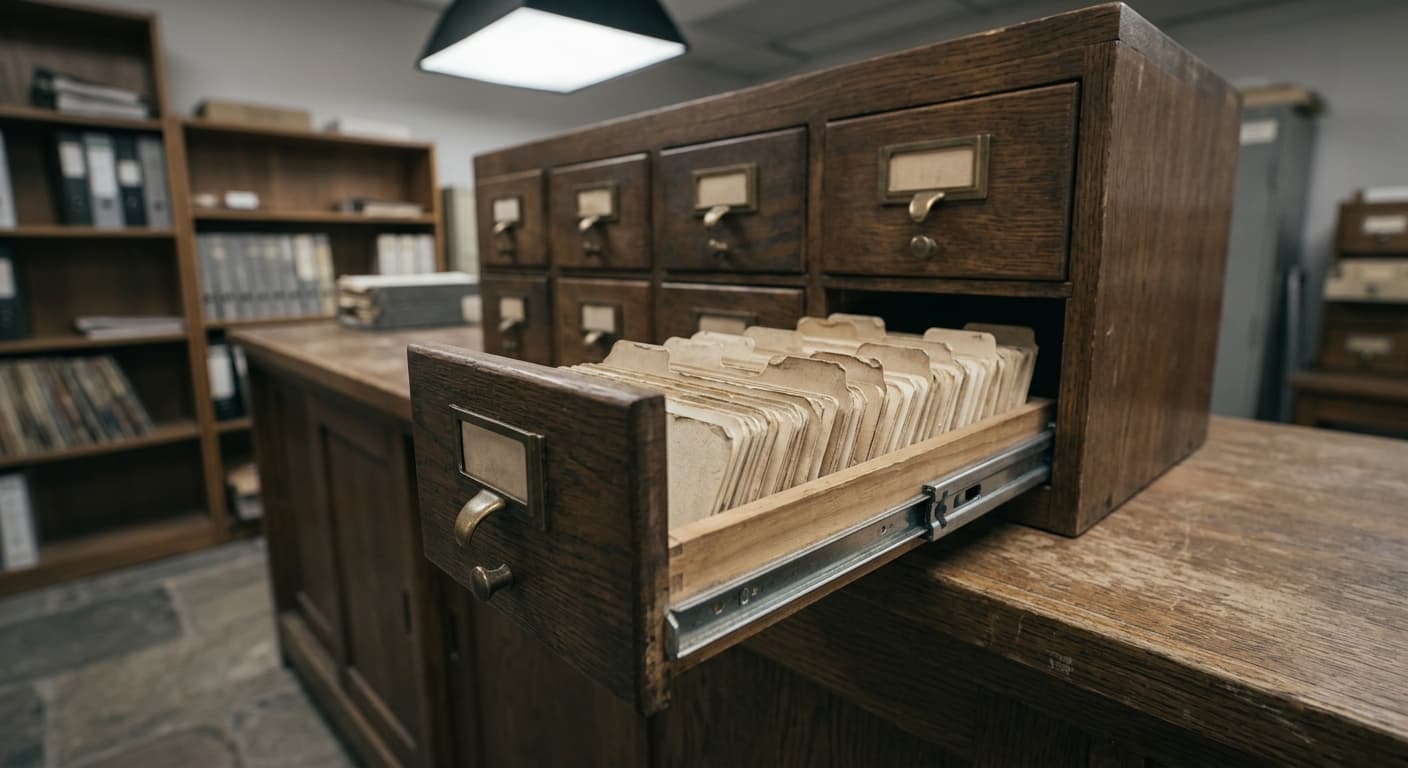
Are Autopsy Reports Public in New York? (2026 Guide)
New York autopsy reports are not general public records. Under County Law 677 the next of kin, spouse, or estate representative may request a copy from the coroner or medical examiner.
5 min read
86 articles · page 1 of 2
New York autopsy reports are not general public records. Under County Law 677 the next of kin, spouse, or estate representative may request a copy from the coroner or medical examiner.

New York bankruptcy guide: filers may choose federal or state exemptions, the homestead is tiered by county up to $204,825, plus the 2026 means test.

New York abolished common law marriage formation on April 29, 1933, under Dom. Rel. Law Section 11. New York recognizes valid common law marriages from other states. Learn the rules.

New York has no enacted adult-content age-verification law. S.3591 has now been defeated in committee twice. What New York's SAFE for Kids Act does instead.

Complete guide to life sentences in New York: parole eligibility, LWOP rules, notable cases, recent legislative changes, and sentencing statutes. Updated March 2026.

Find a cause of death in New York via the death certificate or autopsy report. It is confidential and restricted to family until records open after 50 years.

To get a New York death certificate, order from the NYS Department of Health (or NYC Health for city deaths). Certified copies cost $30 (state) or $15 (NYC) and require eligibility.
New York medical malpractice law: a 2.5-year deadline under CPLR 214-a, Lavern's Law for cancer misdiagnosis, a certificate of merit, and no damage cap.
New York gives 3 years to sue after a motorcycle crash, follows pure comparative fault, and leaves motorcyclists outside the no-fault serious-injury threshold.
New York lets adult adoptees request their original birth certificate directly since 2020, but NYC and NYS outside NYC use different systems. See both.

Guide to New York AI laws including NYC Local Law 144 on automated hiring tools and the RAISE Act.

New York is one-party consent but Bill S5077 could shift to all-party. Learn how current law applies to AI meeting recorders.

New York is an at-will state with no common-law public-policy tort. Learn about statutory protections under Labor Law 740 and 201-d, implied contract limits, and RTW status.

New York audio recording laws allow one-party consent under Penal Law 250.00. Learn when you can legally record conversations, penalties for eavesdropping, and court admissibility rules.
New York background check laws: Ban the Box, lookback periods, Clean Slate, employer and housing checks.

Guide to New York biometric privacy laws including the SHIELD Act, NYC Local Law 3, pending Biometric Privacy Act (S1422), and employer obligations for 2026.
New York is a no-fault PIP state. Learn the verbal serious-injury threshold (Ins. Law 5102(d)), 3-year lawsuit deadline, pure comparative negligence, and minimum insurance rules.
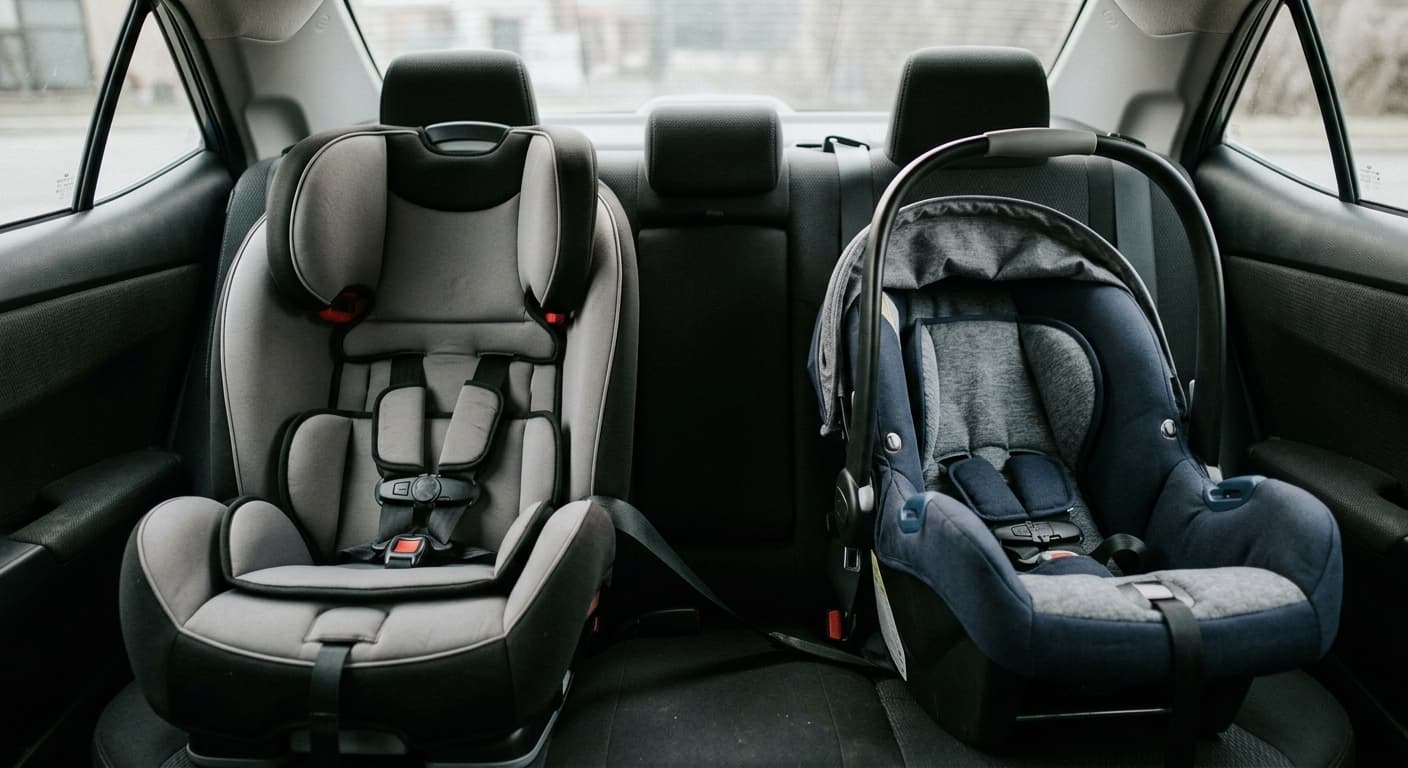
New York car seat laws require rear-facing seats until age 2, booster seats until age 8, and restraints for all children under 16. Learn fines and rules.

New York decides custody by best interests under DRL 70/240 with no statutory factor list. Learn the Eschbach factors, Tropea relocation standard, and modification rules.

New York child support uses CSSA percentages (17-35%) on combined income up to $193,000 (2026 cap). Support runs to age 21. Modify after 3 years or 15% income change.

New York's free eCourts suite splits by court type and case status. Learn the $95 CHRS search, town and village court gaps, and CPL 160.57 vs 160.59 sealing.

New York dashcam laws allow dashboard cameras but restrict windshield mounting under VTL 375. Learn placement rules, audio recording consent, and how dashcam footage works as evidence.

New York requires data breach notification within 30 days under the SHIELD Act. Learn who must be notified, safeguard requirements, and penalties up to $250K.

Guide to New York data privacy laws including the SHIELD Act, breach notification rules, biometric protections, employee monitoring law, and pending NY Privacy Act.
New York death records are closed: only family or a documented legal claim can buy a certified copy. Records open to the public 50 years after the death. Fee: $30.

New York caps most wage garnishment at 10% of gross income, shields bank funds automatically, and gives credit card debt only 3 years with no revival.

New York has strong deepfake laws: Penal Law 245.15 criminalizes AI-altered intimate images, Civil Rights Law 52-c adds civil remedies, and Election Law 14-106 was updated in 2024.
New York defamation laws: a 1-year deadline under CPLR 215(3), libel vs slander, defamation per se, and a strong 2020 anti-SLAPP law (CRL 76-a).

New York divorce laws explained: no-fault since 2010, irretrievable breakdown ground, residency paths, equitable distribution, and filing in Supreme Court.

Learn New York dog bite laws, including the 2025 Flanders ruling allowing negligence claims, dangerous dog rules under AGM Section 123, and victim rights.

New York drone law explained: why the state has no single drone statute, NYC's strict permit regime, the prison-contraband problem, and shoot-down rules.

New York DWI laws: the 0.08% BAC limit, DWAI vs DWI, first-offense penalties under VTL 1192, the 6-month revocation, interlock, and the 10-year look-back.
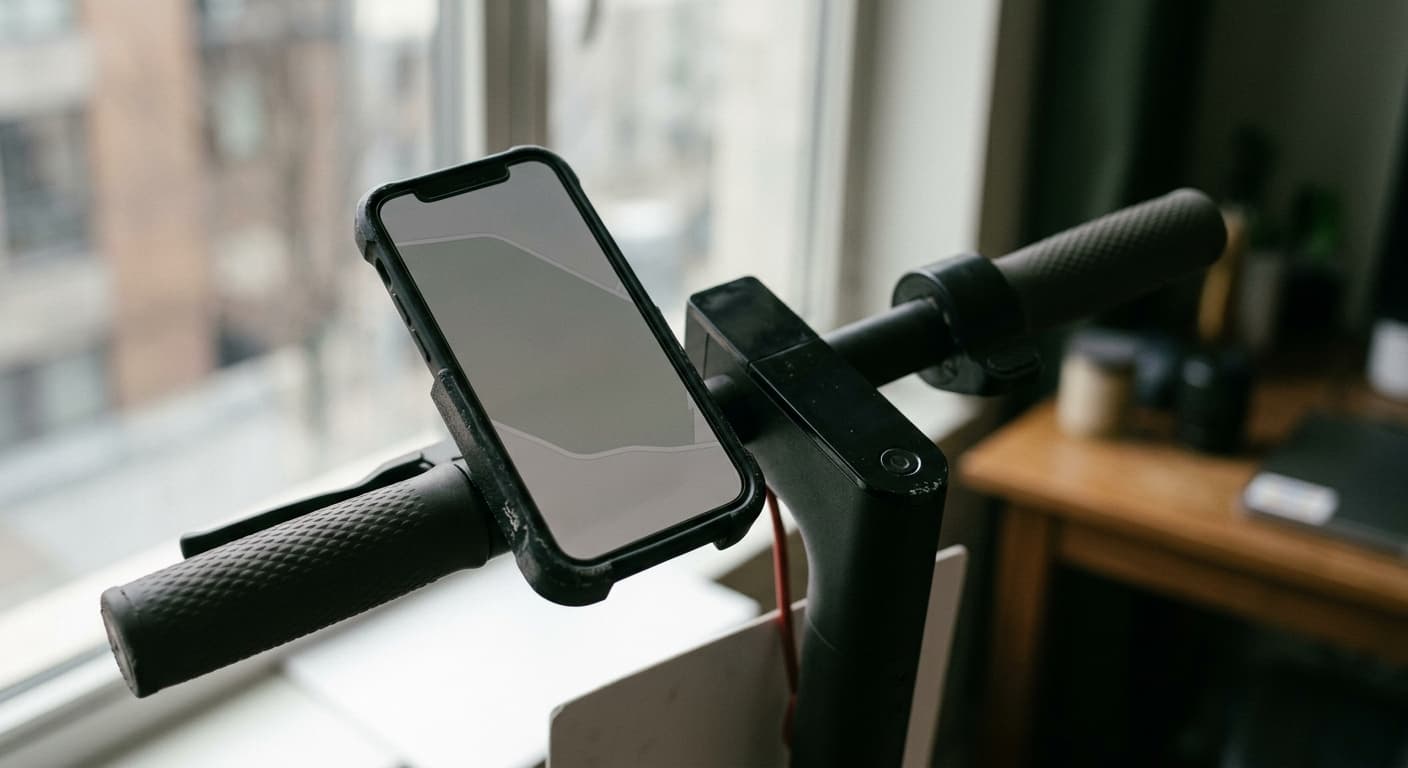
New York e-scooter laws under Vehicle and Traffic Law Article 34-D: the 100 lb, 20 mph device definition, a minimum age of 16, and a helmet rule that applies only to riders 16 and 17.

New York has no emancipation petition. Learn how minors become emancipated in NY through economic independence, marriage, or military service, and how constructive emancipation affects child support under Family Court Act 413.

New York employee monitoring law explained: the § 52-c electronic monitoring notice law, the § 203-c video recording ban, and the new § 201-i social media password law.

New York uses sealing, not traditional expungement. Learn how CPL 160.59 discretionary sealing, the 2024 Clean Slate Act (CPL 160.57), and marijuana expungement under the MRTA work.

New York pays final wages on the regular payday for the termination pay period, but a willful violation can multiply damages up to 300%, Labor Law Section 198.

New York FOIL requires a response in 5 business days, but that is an acknowledgment duty, not a production deadline. Learn fees and Article 78 appeals.

Is it legal to put a GPS tracker on a car in New York? Jackie's Law makes unauthorized tracking stalking. Penalties, AirTag rules, and employer GPS limits.
New York's DRL 72 covers both visitation and custody, under different standards. What E.S. v. P.D. and Suarez v. Williams each actually require.
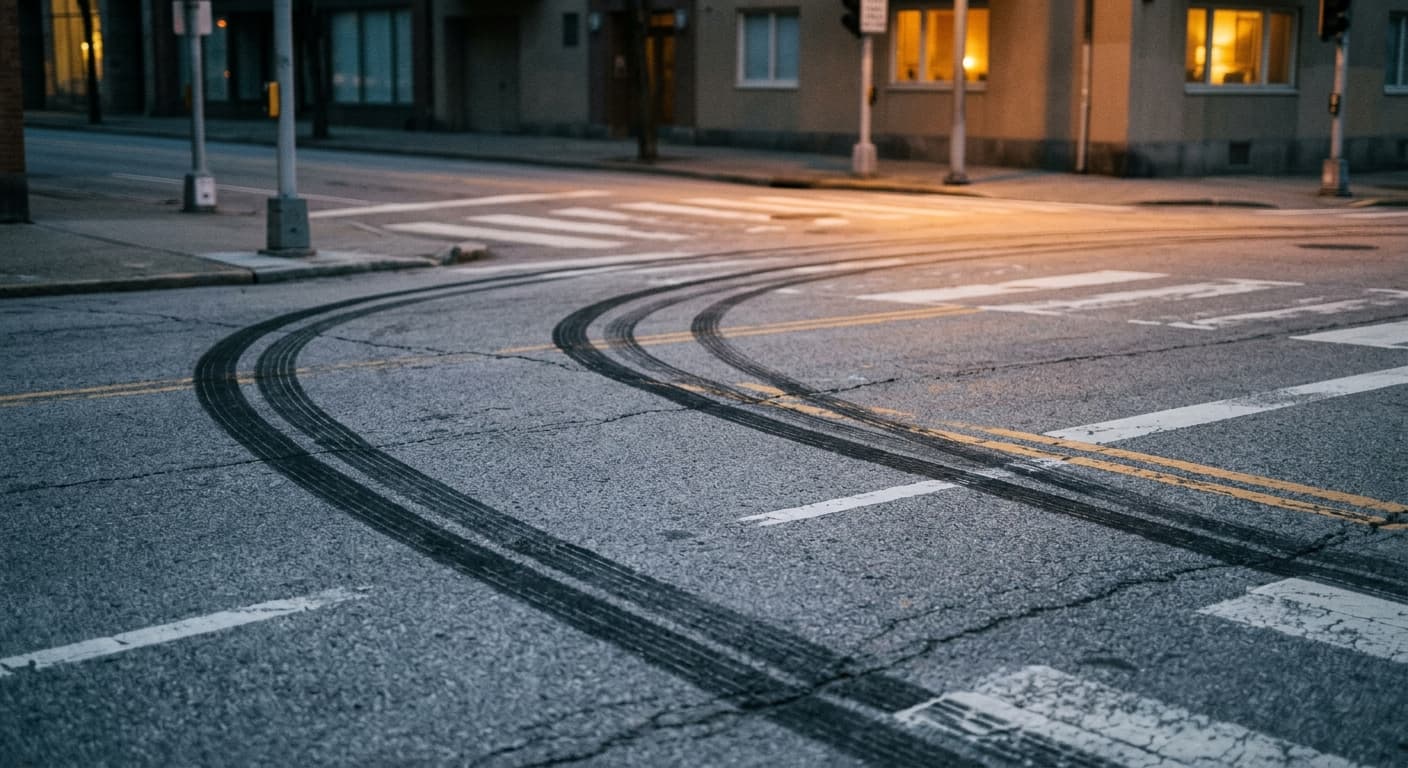
Learn about New York hit and run penalties under VTL Section 600, including Class D felony charges for fatal accidents, fine amounts, demerit points, and your duties at the scene.

New York's four degrees of identity theft, from a class A misdemeanor to class D felonies, the aggravated offense protecting deployed troops, and freeze rights.

New York caps security deposits at 1 month, requires return in 14 days, limits late fees to $50 or 5%, and allows rent stabilization in NYC and ETPA localities.
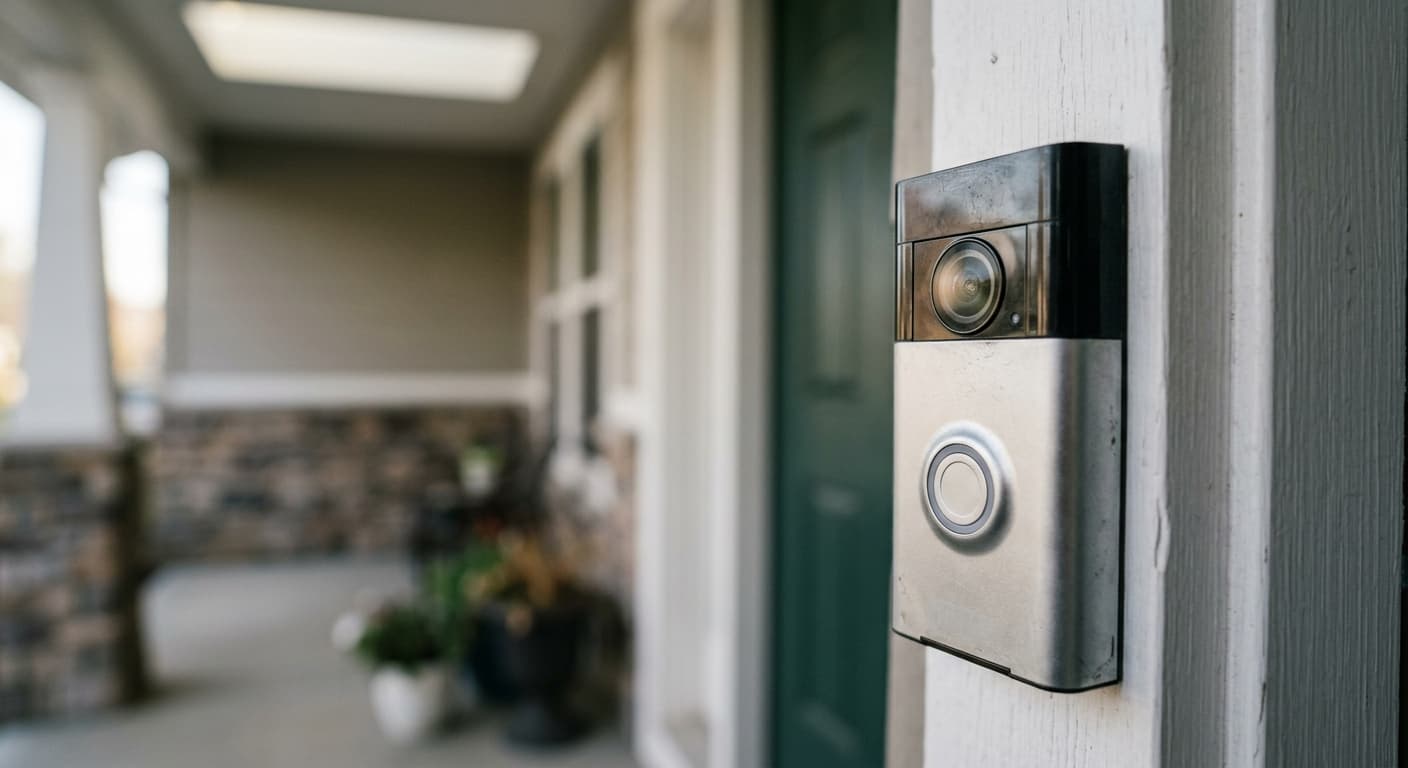
New York landlord-tenant recording laws allow tenants to record interactions under one-party consent. Learn rules for security cameras, landlord surveillance, and tenant rights.
New York law protects recording in public spaces under the First Amendment. Learn the rules for filming on streets, in stores, at protests, and when privacy limits apply.
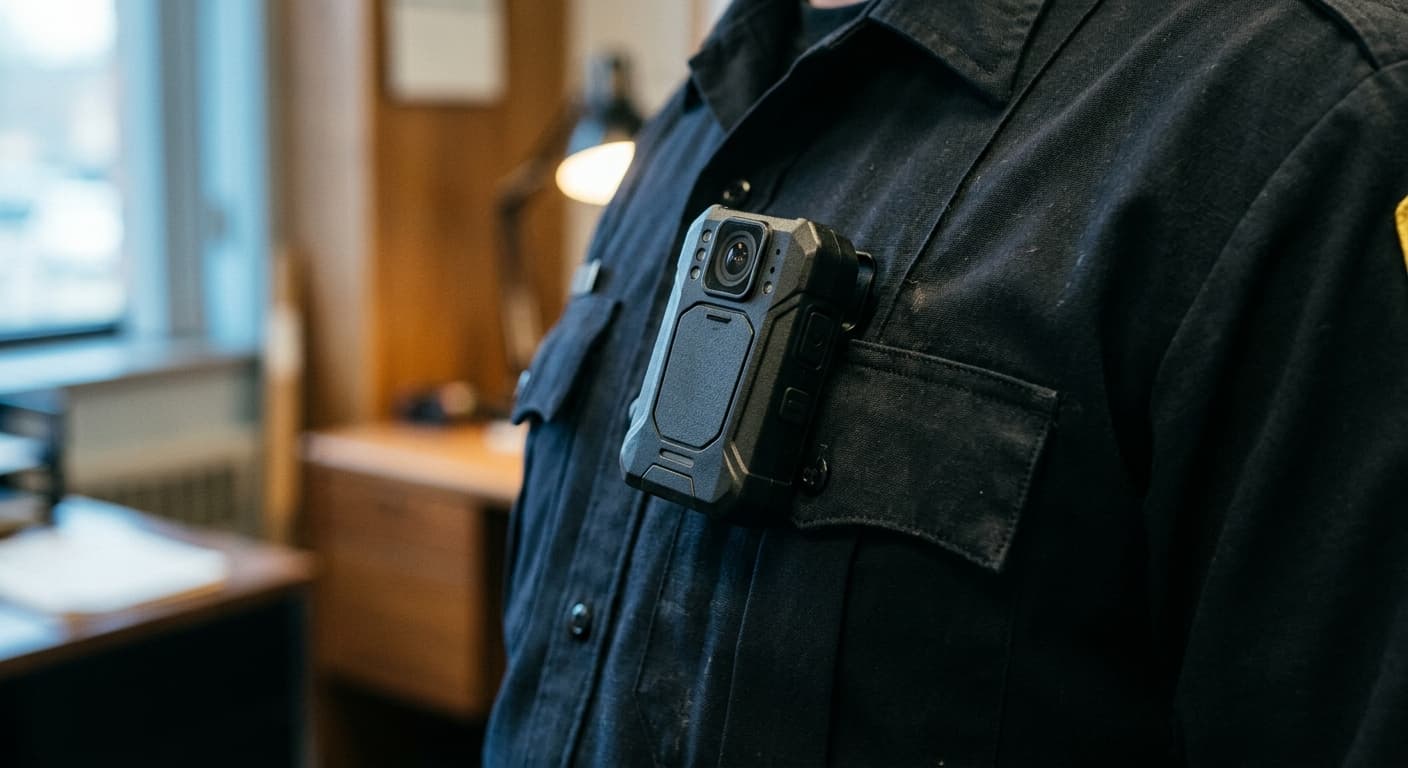
New York law protects your right to record police officers in public under the First Amendment. Learn the rules for filming police, body camera laws, and how to handle encounters.
New York's lemon law covers new vehicles with 4+ failed repairs or 30+ days out of service within 2 years/18,000 miles. Learn the refund formula, used-car law, and free AG arbitration.

New York calls spousal support "maintenance." A statutory formula under DRL section 236(B) applies to income up to $241,000 (2026 cap). Advisory duration ranges from 15 to 50 percent of the marriage length depending on how long the marriage lasted.

New York holds marriage records from 1881 outside NYC and divorce certificates from 1963 statewide. DRL 235 seals matrimonial court files for 100 years.

New York medical recording laws allow patients to record their own appointments under one-party consent. Learn about HIPAA, provider policies, telehealth recording, and healthcare privacy rules.
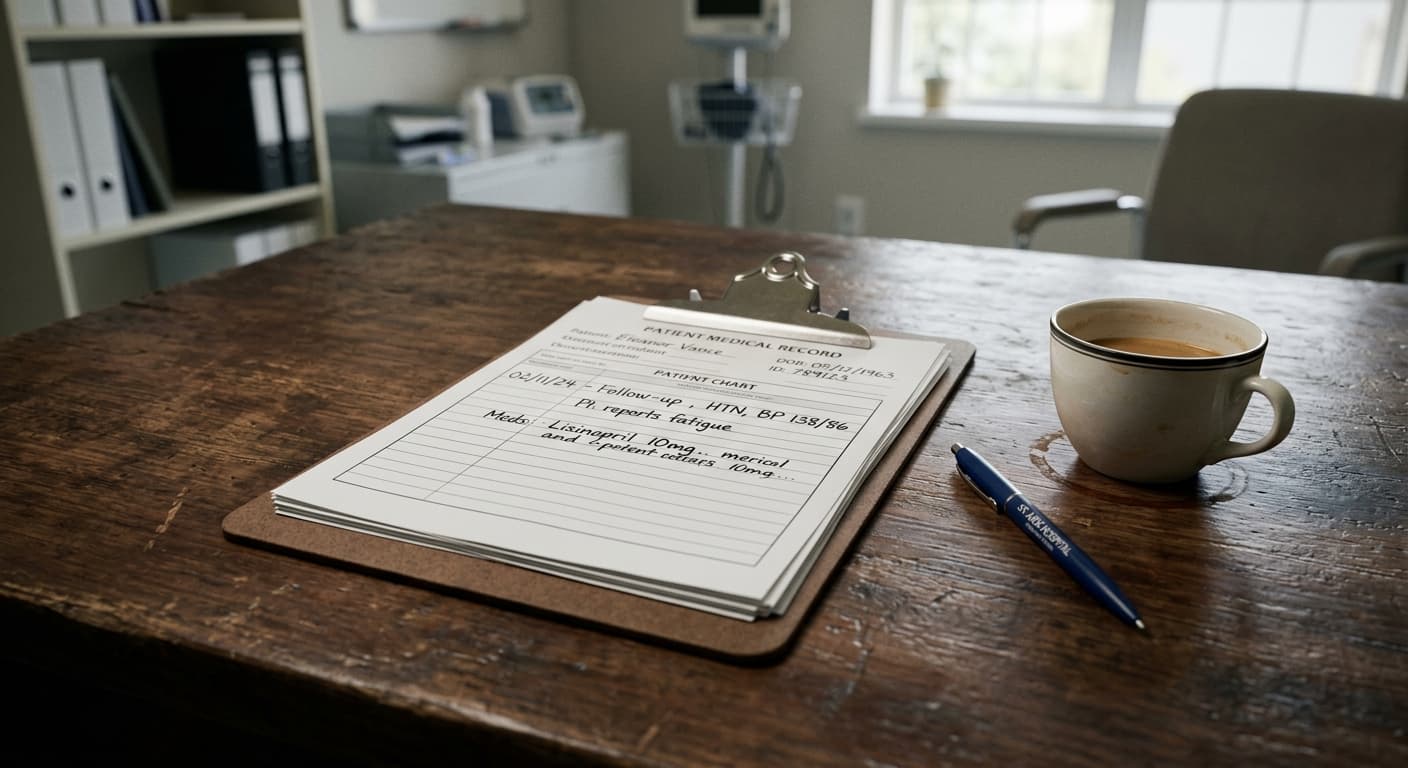
New York medical records retention laws: how long hospitals and doctors keep your records, HIPAA rules, and patient rights.

New York eliminated newspaper publication in 2021. See the current Civil Rights Law process, court sealing, and codified marriage and divorce rules.
New York has no nursing home camera statute. Three bills are pending, one now on the Assembly floor calendar. See the current law and one-party consent rules.
New York phone call recording laws follow one-party consent under Penal Law 250.00. Learn when you can record calls, cross-state rules, business recording, and VoIP call rules.
New York has no statewide bodycam mandate for local police, only State Police under Executive Law 234. NYPD sets its own rules and now must release critical footage within 30 days.
How New York DMV, Thruway, and FOIL crash and incident reports work, why some minor crashes have no report at all, and how bodycam access runs under FOIL.

New York allows adult pornography and has no adult-site age-verification law, but CSAM, harmful-to-minors, and nonconsensual image sharing remain crimes.
New York POA is durable by default under GOB 5-1501A. The 2021 reforms require principal and agent signatures, notarization, and two disinterested witnesses. Medical decisions use a separate Health Care Proxy under Public Health Law 2980-2994.
New York probate explained: Surrogate's Court process, who inherits without a will, small estate limits, and New York's estate tax cliff (no inheritance tax).

New York property records: how ACRIS works, why Staten Island isn't included, and how to find out who owns a property in New York.